Spring vs Fall Fishing in Maine
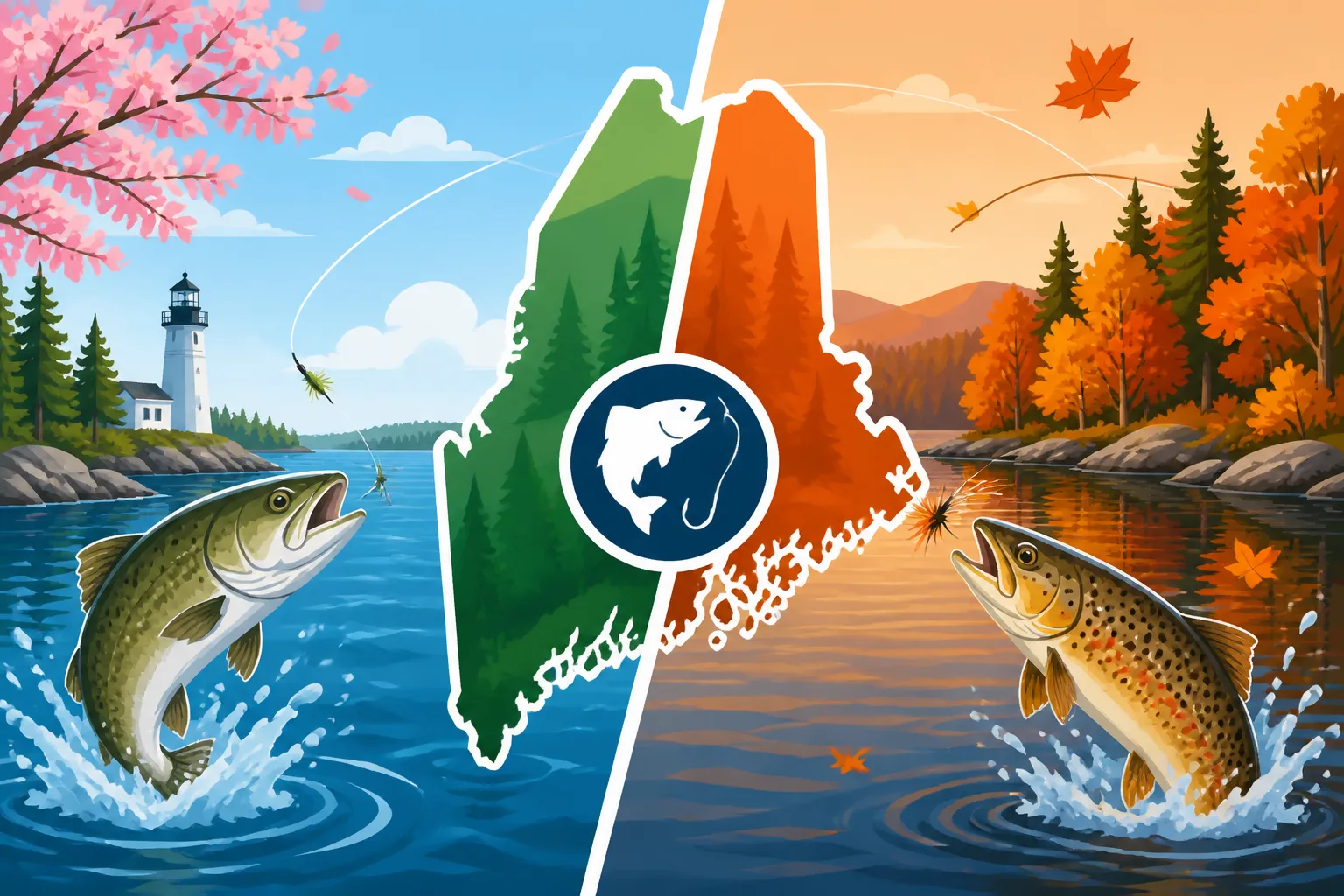
Deciding between a spring and fall fishing trip in Maine can feel like choosing between two delicious desserts – both are fantastic, but offer completely different flavors! Anglers often wrestle with this choice, wondering if they should embrace the fresh optimism of post-ice-out waters or the vibrant, aggressive action of pre-winter feeding frenzies. This guide is here to unravel that dilemma, exploring the unique characteristics, challenges, and immense rewards that both spring and fall fishing present in the beautiful state of Maine.
Spring Fishing in Maine: The Awakening of the Waters
Spring in Maine is a season of profound change and renewal, especially for anglers. As the last vestiges of ice melt away, signaling the Ice-Out Date for Sebago Lake Most Years or Ice-Out Date for Moosehead Lake Most Years, the entire ecosystem begins to stir. Fish that have been dormant or sluggish under the ice suddenly become more active, albeit cautiously at first. It’s a time of fresh starts, new growth, and sometimes, unpredictable weather, which adds to the adventure.
Target Species and Their Post-Ice Behavior
When the ice finally relents, cold-water species are usually the first to become truly active. Think about it: they've been living in frigid waters all winter, so a slight warming trend makes them feel right at home.
Landlocked salmon, brook trout, and togue (Maine's name for lake trout) are often high on the list for spring anglers. As lakes and ponds shed their icy caps, these fish move from their deep winter haunts to shallower waters, seeking out newly available food sources like smelt, shiners, or emerging insect larvae. They're still cold-blooded, so their metabolism isn't in overdrive yet, but they're definitely hungry. You'll often find them cruising just under the surface or around rocky points and inlets where water might warm up a touch faster. This transitional period can make them a bit nomadic, so flexibility in your approach is key.
Prime Spring Fishing Locations and Conditions
The prime locations in spring are often the same legendary waters you hear about year-round, but you'll be fishing them under unique conditions. Large lakes like Best Fishing Lakes in Maine, Moosehead Lake, and the Rangeley Lakes become hotspots for salmon and togue as soon as they're ice-free. Look for areas near feeder streams, shallow bays, and points that get a lot of sun exposure. These spots tend to warm up first, attracting baitfish and, in turn, the predators.
Rivers and streams, invigorated by spring runoff, also offer fantastic opportunities, particularly for brook trout. The higher water levels can spread fish out, but also provide them with new cover and access to food. However, spring conditions can be a mixed bag. You might start your day bundled up against a chilly morning breeze, only to shed layers by midday under a surprisingly warm sun. Water temperatures, while rising, are still quite cold, meaning fish might not strike with the same ferocity as they do in summer or fall. Always keep an eye on weather forecasts, and don't be afraid to adjust your plans based on current conditions. For reliable rain gear, I often check out what's available on Amazon before a trip.
Effective Spring Techniques and Baits
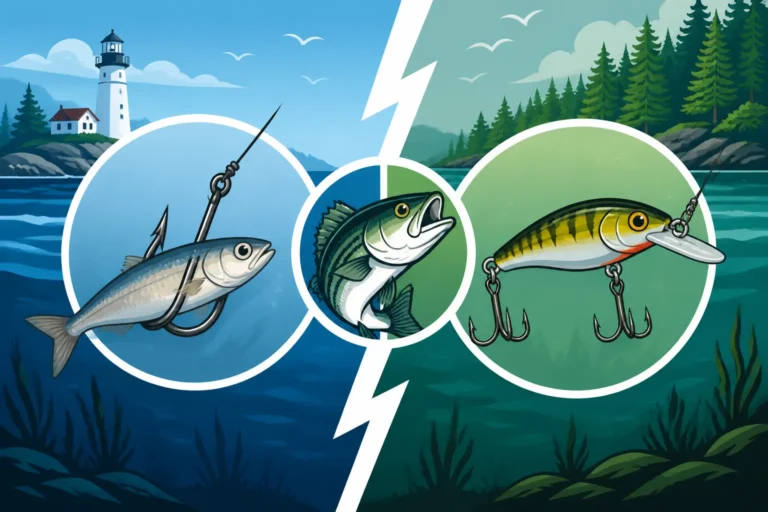
Given the fish's post-winter awakening, patience and finesse often pay off in the spring. Trolling is a hugely popular and effective method, especially for landlocked salmon and togue in larger lakes. Slow trolling spoons, stickbaits, or even live bait like smelt can entice those sluggish but hungry fish. The key is to match the hatch, or at least mimic the local baitfish in size and color. Early spring salmon love a good shiner or a brightly colored streamer pattern.
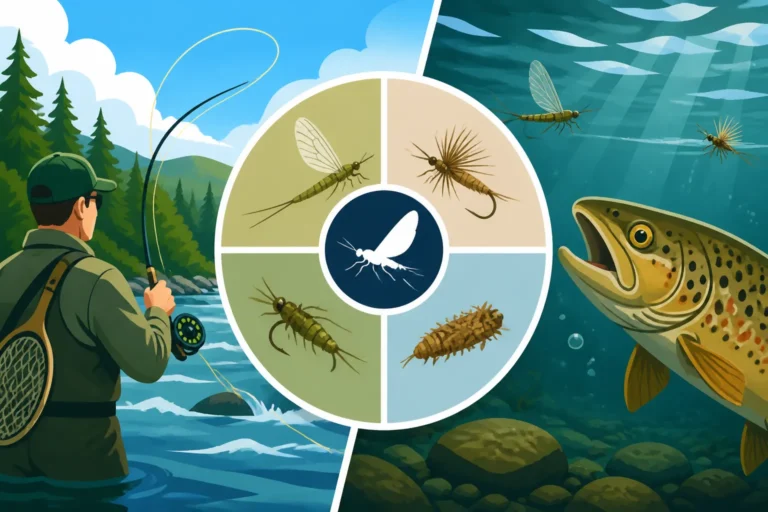
For brook trout in streams and smaller ponds, casting small spinners, worms, or even tiny fly patterns can be incredibly productive. Fly anglers will find success with subsurface patterns like nymphs and streamers, as insect hatches are just beginning. Remember that fish might not chase a lure aggressively, so a slower retrieve or a well-placed cast can make all the difference. Understanding Maine Open Water Fishing Techniques Guide is crucial for maximizing your chances.
Fall Fishing in Maine: The Feeding Frenzy and Spawning Runs
If spring is about awakening, fall in Maine is about abundance and urgency. As the days shorten and the air takes on a crisp edge, fish enter an intense feeding period, driven by the instinct to pack on calories before winter sets in. Add to this the spectacular fall foliage, and you have a truly magical time to be on the water.
Target Species and Their Pre-Winter Drive
Fall is arguably one of the most exciting times to fish in Maine, particularly for cold-water species. Landlocked salmon and brook trout, fueled by the approaching spawning season and the need to bulk up, become incredibly active and aggressive. You'll often find salmon making their way into river mouths and tributaries for their spawning runs, offering incredible opportunities for both spin and fly anglers. The colors of brook trout during this time, especially the wild ones, are simply breathtaking, a testament to nature's artistry. Brook Trout Fishing in Maine during the fall is an experience every angler should have.
Togue also participate in this pre-winter feeding frenzy, often moving into shallower waters to feed more actively than they do in the peak of summer. Even smallmouth bass, which are less active in the heat of summer, experience a resurgence in aggression as water temperatures cool, making them a fantastic fall target, particularly in waters known for their strong bass populations.
Prime Fall Fishing Locations and Conditions
The locations that shine in spring continue to impress in fall, but with a different emphasis. River mouths and the lower sections of tributaries leading into major lakes become prime areas for salmon and brook trout looking to spawn. This is where you'll witness fish congregating and often displaying their most vibrant breeding colors. Lakes like Moosehead, Sebago, and the Rangeley chain are legendary for their fall salmon and trout fishing.
For bass, rocky points, submerged structure, and gradual drop-offs in places like the Belgrade Lakes Bass Fishing in Maine become key. The water temperature is cooling, but often remains stable enough for strong feeding activity. The weather in fall can be absolutely glorious – crisp, clear days with vibrant blue skies and the stunning backdrop of Maine's legendary fall foliage. However, it can also turn quickly, with cold fronts bringing wind and rain, so being prepared for varying conditions is essential.
Effective Fall Techniques and Baits
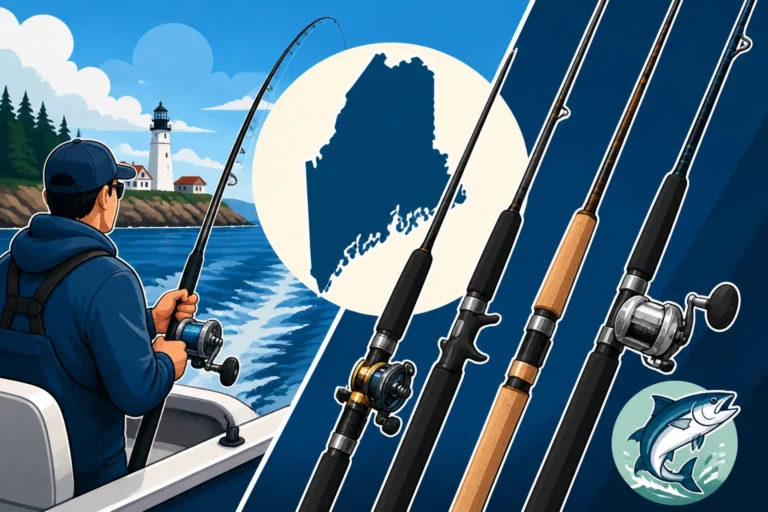
Given the aggressive nature of fish in the fall, many techniques can be highly effective. Trolling remains a go-to for salmon and togue on larger lakes, often at slightly faster speeds than in spring, and sometimes at different depths as fish follow baitfish. Spoons, stickbaits, and even large streamer flies can be deadly. Learn more about Trolling Techniques for Maine Lakes for specific strategies.
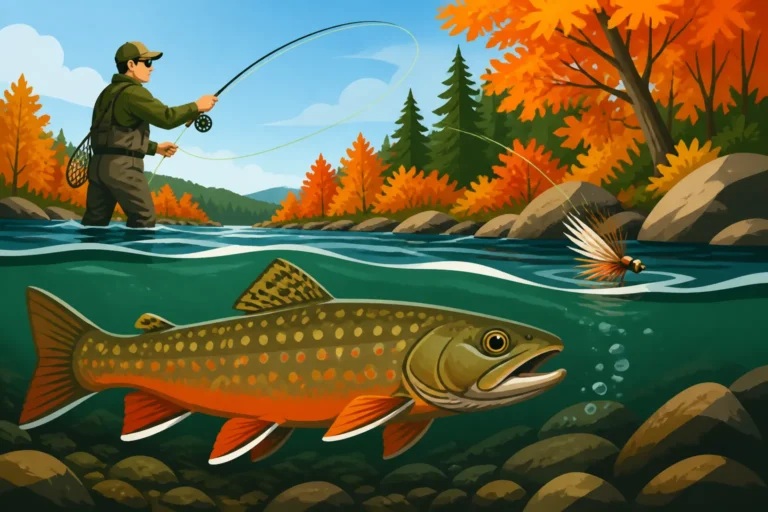
For spawning salmon and trout in rivers, fly fishing is incredibly popular, with anglers using egg patterns, streamers, and nymphs to mimic the natural food sources available. Casting spoons, spinners, and twitch baits in rivers can also be very productive. For bass, jigs, crankbaits, and soft plastics fished slowly around structure can draw powerful strikes from fish eager to feed. Live bait, like shiners or worms, can also be irresistible to hungry fish across species. The fall offers a fantastic chance to practice a variety of Maine Open Water Fishing Techniques Guide.
Key Differences and Considerations: Choosing Your Season
When it comes down to choosing between spring and fall, it's not about one being definitively "better," but rather which season aligns best with your preferences and fishing goals.
Weather, Comfort, and Crowds
Spring weather in Maine is notoriously unpredictable. One day you might be basking in sunshine, the next dealing with a chilly downpour. This means you need to be prepared for anything, often layering up with waterproof and insulated clothing. Early spring can be wonderfully quiet, with fewer crowds on the water, offering a sense of solitude that many anglers cherish. However, as the weather warms, more people venture out, particularly during popular vacation weeks.
Fall, by contrast, often delivers more stable and pleasant weather, characterized by crisp, clear days perfect for fishing. The air is invigorating, and the sun, while lower in the sky, can still provide welcome warmth. However, fall is also peak foliage season and a popular time for hunting, so while the fishing waters might not be as crowded as summer, other areas of Maine will be bustling with tourists and outdoor enthusiasts. You might find a quiet cove, but the roads leading to it could be busy.
Fishing Strategy and Success Rates
Spring fishing, especially right after ice-out, can sometimes be a puzzle. Fish are transitioning, and locating them can take some effort. Success often comes from persistence and adapting to changing conditions. When you do find them, they might strike aggressively, but there can be periods of slower action. It’s a season of discovery and the thrill of the first open-water catches after a long winter. Check out a detailed Maine Spring Fishing Guide for more on strategies.
Fall fishing generally offers a more aggressive bite. Fish are driven by instinct to feed heavily, making them more predictable in their behavior and often easier to entice. This is when many anglers report catching their largest fish of the season, as salmon and trout bulk up for winter or spawning. The visible spawning runs also provide exciting sight-fishing opportunities. A Maine Fall Fishing Guide will often emphasize the high success rates.
Overall Maine Experience Beyond the Catch
Beyond the actual act of fishing, each season offers a distinct aesthetic and atmosphere. Spring in Maine is about renewal. The budding trees, the melting snow revealing new growth, the return of migratory birds – it's a sensory experience of rebirth and anticipation. The waters feel fresh and clean, and there's a quiet excitement in the air.
Fall is a feast for the eyes and soul. The vibrant reds, oranges, and golds of the Maine Fishing Season Dates Guide are unparalleled, creating a stunning backdrop to every cast. The crisp air, the scent of fallen leaves, and the sounds of wildlife preparing for winter all contribute to a rich, immersive experience. It's a time for cozy evenings by a fire and reflecting on the season's bounty. Whether you're a nature photographer or simply appreciate beauty, fall delivers. You can find excellent waterproof and insulated boots for enjoying the fall scenery and fishing on Amazon, ensuring you stay comfortable while taking in the views.
Essential Gear and Preparation for Each Season
Regardless of whether you choose spring or fall, being properly equipped for Maine's dynamic weather and fishing conditions is non-negotiable.
Spring Gear Considerations
When packing for a spring fishing trip, versatility is your best friend. Layers are absolutely crucial. Think thermal base layers, a good fleece or insulated mid-layer, and a reliable waterproof and windproof outer shell. Conditions can swing wildly from morning to afternoon, so being able to add or remove clothing quickly will keep you comfortable. Waterproof boots or waders are a must, as shorelines can be muddy and streams can be high. A quality hat and gloves will also make a big difference on chilly mornings.
For tackle, have a variety of lures and baits that can be fished at different depths and speeds. Spoons in bright colors (orange, chartreuse) and natural baitfish patterns, along with stickbaits that dive to various depths, are solid choices for trolling. For stream fishing, small spinners and an assortment of nymphs and streamers for fly fishing will serve you well. Don't forget a net with a rubberized mesh to protect fish, especially if you're practicing Catch and Release Best Practices in Maine.
Fall Gear Considerations
Fall fishing also demands thoughtful preparation, especially as you head deeper into the season. While you might start with crisp, comfortable weather, it can quickly turn cold and damp. Heavier insulated layers, including a warm hat and gloves, are essential. Consider a good quality insulated jacket and waterproof pants. Thermal socks will be your best friend. A thermos with a hot beverage is always a welcome companion on a brisk fall morning.
Your tackle box should be stocked with lures that imitate larger baitfish, as fish are feeding aggressively. Larger spoons, crankbaits, and swimbaits can be very effective. For fly anglers targeting spawning fish, egg patterns, large streamers, and traditional wet flies are key. Having a diverse selection of flies, perhaps even a specialty set from Amazon that's geared for salmon and trout, will maximize your opportunities. Remember to also carry a headlamp or flashlight, as the days are shorter, and you might find yourself fishing into dusk, trying to capitalize on the last golden hour of daylight.
| Feature | Spring Fishing in Maine | Fall Fishing in Maine |
|---|---|---|
| General Vibe | Awakening, fresh, quiet, eager | Vibrant, abundant, aggressive, crisp |
| Primary Fish Behavior | Post-ice hunger, transitioning to shallower water | Pre-winter feeding frenzy, spawning runs, aggressive feeding |
| Key Target Species | Landlocked Salmon, Brook Trout, Togue (early season) | Landlocked Salmon, Brook Trout, Togue, Smallmouth Bass, Striped Bass (early fall) |
| Water Temperature | Cold to cool, rising steadily | Cooling, stable initially, then dropping consistently |
| Weather | Highly unpredictable, can be cold/wet, warming trends | Often clear & crisp, can be windy/cold later, glorious foliage |
| Crowds | Lower initially, increases with warmer weather | Moderate to high (foliage viewers, hunters, other anglers) |
| Scenery | Budding trees, melting snow, fresh greens, sense of newness | Spectacular fall foliage, vibrant reds and golds, rich outdoor hues |
| Typical Techniques | Slow trolling, casting spoons/stickbaits, early fly fishing (nymphs/streamers) | Trolling, casting lures, fly fishing (egg patterns/streamers), jigging, often more active retrieves |
Ultimately, the choice between spring and fall fishing in Maine depends on what kind of experience you're seeking. If you love the quiet anticipation of new beginnings and the challenge of finding fish waking up from winter, spring is calling your name. If you crave aggressive bites, vibrant scenery, and the chance at trophy-sized fish preparing for winter, then fall will be your paradise. Or, better yet, why not plan a trip for both seasons and enjoy the full spectrum of Maine's incredible angling opportunities?
Disclaimer
This article is for general informational purposes only and does not constitute professional advice. Laws, prices and regulations vary by location and change over time. Consult a qualified professional for guidance on your specific situation.