How to Choose the Right Rod for Trolling
Deciding which trolling rod to use for Maine's diverse waters can feel like navigating a labyrinth, especially when you're standing in front of an aisle of options, each promising to be "the one." Many anglers find themselves overwhelmed, wondering if that stiff, short rod is truly better than the longer, whippier one for chasing landlocked salmon or massive togue. This guide aims to clear up that confusion, breaking down the essential characteristics and considerations so you can confidently select the perfect trolling rod for your next Maine fishing adventure.
Understanding the Fundamentals: Why a Dedicated Trolling Rod?
When you’re trolling, whether you’re slowly dragging bait across the vast expanse of Sebago Lake or weaving lures through the currents of the Kennebec River, you’re engaging in a specialized form of fishing that demands particular equipment. Many newcomers to trolling often try to make do with their standard spinning or casting rods, and while you might catch a fish or two, you’re ultimately setting yourself up for frustration, lost fish, and a less enjoyable experience.
The Limitations of All-Purpose Rods for Trolling
Think about it: a rod designed for casting light lures for brook trout needs to be sensitive and agile. A rod for flipping jigs into heavy cover for bass needs backbone and quick recovery. Trolling, however, is a different beast entirely. You’re not casting; you're dragging. Your rod needs to absorb constant drag from the water and the lure, detect subtle bites at speed, and have the leverage to fight powerful fish that might hit while you're moving. A standard casting rod, for instance, often lacks the parabolic bend needed to distribute the strain evenly across the blank when a heavy fish strikes while the boat is in motion. This can lead to excessive strain on the reel seat, or worse, a broken rod. Furthermore, the action might be too fast, meaning the rod loads up too quickly, making it difficult to detect the difference between weeds and a tentative bite from a fish trailing behind a downrigger ball.
The Core Role of a Trolling Rod in Your Setup
A dedicated trolling rod serves several critical functions. Firstly, it acts as a shock absorber. When a landlocked salmon or a big lake trout (affectionately known as togue here in Maine) slams your lure at 2-3 miles per hour, the initial impact can be brutal. A good trolling rod’s designed flexibility absorbs that shock, protecting your line, your leader, and ultimately, your hookset. Secondly, it provides consistent pressure. Unlike casting, where you're actively working the lure, trolling relies on the rod maintaining a steady pull on the line and lure. This ensures your presentation remains optimal and that your hook remains firmly seated during the fight. Lastly, it offers clear bite detection. Despite the boat's movement and the drag of the water, a well-chosen trolling rod will clearly telegraph even a light strike, letting you know it's time to act. Without this specialized design, you're essentially fishing blindfolded, and that's not what we're about here in Maine.
Deciphering Trolling Rod Specifications: Power, Action, and Length
Understanding the jargon associated with fishing rods can be daunting, but for trolling, three terms are absolutely crucial: power, action, and length. These dictate how a rod performs under pressure and how well it's suited for different trolling methods and target species here in Maine.
Rod Power: The Backbone of Your Trolling Game
Rod power, sometimes referred to as "weight," describes the rod's lifting strength or stiffness. It’s about how much force it takes to bend the rod blank. When you're browsing rods, you'll typically see categories like ultra-light, light, medium-light, medium, medium-heavy, heavy, and extra-heavy.
- Light to Medium-Light Power: These rods are ideal for smaller target species or when you're using very light lines and delicate lures. If you're targeting brook trout in smaller ponds with thin monofilament, a light-power rod might be appropriate. However, for most lake trolling in Maine, this is usually too light. You'd struggle to effectively run diving crankbaits or manage the pull of a dodger and fly combo.
- Medium to Medium-Heavy Power: This is the sweet spot for many Maine trolling applications. A medium-power rod offers enough backbone to handle a good-sized landlocked salmon or average togue, while still being sensitive enough to detect bites. Medium-heavy power steps it up a notch, providing more leverage for larger fish, heavier lures, or when running multiple lines, perhaps with planer boards that add significant drag. These rods can handle the demands of Trolling Techniques for Maine Lakes for species like brown trout and salmon. They provide the necessary strength to turn a fish away from structure or to control its runs. You'll find a wide selection of these power ratings on platforms like Amazon.
- Heavy to Extra-Heavy Power: While less common for typical freshwater lake trolling in Maine, these rods have their place, especially if you're venturing into deep-sea fishing off the coast for tuna or large groundfish, or targeting truly massive, deep-dwelling togue with substantial weights or large attractors. They offer immense lifting power but can be overkill and reduce the sportiness of fighting smaller fish.
Rod Action: Where the Bend Begins
Rod action refers to where the rod bends when pressure is applied. It dictates how quickly the rod recovers from a bend and how much of the blank flexes.
- Fast Action: A fast-action rod bends mostly in the top third or quarter of the blank. This provides excellent sensitivity, allowing you to feel every bump and subtle tap, which is great for casting and jigging. However, for trolling, a fast action can sometimes be detrimental. The stiff backbone might not absorb the initial shock of a strike well, potentially pulling hooks or putting too much stress on your line. It also might not give you the characteristic, consistent bend you want to see to know your lure is running properly.
- Moderate-Fast Action: This is arguably the most versatile action for trolling. The rod bends in the top half, offering a good balance of sensitivity and forgiveness. It absorbs the shock of strikes effectively while still providing enough power to set the hook and fight fish. This action allows the rod to "load up" nicely, providing a steady bend that signals when your lure is fouled or when a fish has gently taken it.
- Moderate Action (or "Parabolic"): A moderate-action rod bends consistently through the middle and into the lower section, creating a more parabolic curve. These rods are fantastic for absorbing heavy strikes and maintaining constant pressure, making them excellent for using downriggers or fishing with lead core lines where you need a deep, consistent bend. The deeper bend acts as a continuous shock absorber, which is crucial when targeting fish like togue in deeper water, where sudden movements can easily break lighter lines. They're also great for those times when you're running multiple lines and need a smooth, forgiving action. Many anglers fishing for Lake Trout and Togue Fishing in Maine prefer a moderate action rod for its shock-absorbing qualities.
- Slow Action: These rods bend almost from the handle all the way to the tip. While extremely forgiving and great for delicate presentations with very light line, they generally lack the power needed for trolling heavier lures or fighting larger, stronger fish effectively. You're unlikely to find many true "slow action" rods marketed specifically for lake trolling.
Rod Length: Reaching Out and Spreading Lines
Rod length, measured from the butt to the tip, influences casting distance (though not relevant for trolling), leverage, and how many lines you can effectively run.
- Shorter Rods (Under 7 feet): These rods offer more leverage for fighting large fish in close quarters and can be easier to manage in smaller boats. However, they limit your ability to spread out multiple lines, which is often key to effective trolling. You might use a shorter rod for a designated "downrigger rod" if you have limited space.
- Medium Length Rods (7 to 9 feet): This is the most common range for freshwater trolling in Maine. A 7 to 8-foot rod provides a good balance of leverage, line spread, and fish-fighting ability. It allows you to run a couple of lines off the transom without too much tangling and still gives you ample control over hooked fish.
- Longer Rods (Over 9 feet): Longer rods excel at spreading out lines, particularly when using planer boards. If you're running multiple lines, perhaps for Landlocked Salmon Fishing in Maine, off the sides of the boat, longer rods help keep your lures separated, preventing tangles and covering a wider swath of water. They also create a wider arc when a fish is hooked, further helping to keep it away from other lines. However, they can be more cumbersome to handle in a small boat and may require specialized rod holders. For instance, an angler setting up for Maine Open Water Fishing Techniques Guide might opt for a longer rod to accommodate planer board fishing.
Tailoring Your Choice to Maine's Trolling Scenarios
Now that we've broken down power, action, and length, let's look at how these translate into practical choices for specific trolling situations and target species here in Maine.
Trolling for Landlocked Salmon and Brown Trout
When you're chasing landlocked salmon or brown trout, especially in lakes like Sebago or the Rangeleys, you’re often dealing with fast, agile fish that can make incredible runs. You’ll typically be trolling with lighter lines (6-10 lb test monofilament or fluorocarbon leader with braided mainline) and smaller spoons, streamers, or stickbaits.
- Recommended Rod: A medium-light to medium power rod with a moderate-fast action and a length of 7 to 8.5 feet is often ideal. This setup provides enough backbone to handle the salmon's fight, a forgiving action to absorb sudden head shakes, and enough length to keep your lines clear. You want a rod that loads up well when a fish strikes, but doesn't feel like a pool cue. The moderate-fast action will help you detect the often subtle strikes of salmon, especially when they're hitting a light fly. Many anglers report great success with graphite composite rods, which offer a good blend of sensitivity and durability. For instance, when aiming for optimal Trolling Depths for Landlocked Salmon, a sensitive rod allows you to feel the subtle vibrations of your lure at depth.
Targeting Lake Trout (Togue)
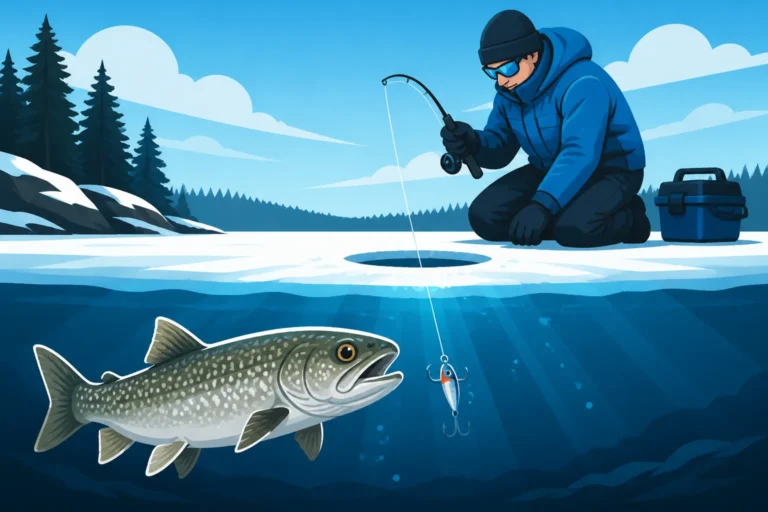
Maine’s togue, especially the larger ones found in deep waters like Moosehead Lake or Big Wood Pond, are powerful fish that often require heavier gear. You might be fishing deeper with lead core line, copper line, or downriggers, and using larger spoons, live bait rigs, or bigger stickbaits.
- Recommended Rod: For togue, step up to a medium to medium-heavy power rod with a moderate action. Lengths can vary from 7 to 9 feet, depending on your setup. The moderate action is key here, as it acts like a giant shock absorber, which is critical when a large togue hits a lure being pulled by a How to Use a Downrigger for Lake Trout. This continuous bend distributes the stress evenly and helps prevent pulled hooks during the powerful runs. When using heavy lines like How to Rig a Copper Line for Trolling, a rod with a strong butt section and a forgiving tip is essential. Fiberglass or composite rods are popular for togue fishing due to their durability and deep parabolic bend. When checking for options on Amazon, look for rods specifically designed for Great Lakes trolling, as these often translate well to Maine's larger togue fisheries.
General Purpose Lake Trolling and Mixed Bags
If you're looking for a versatile rod that can handle a mix of species and techniques, perhaps you're just getting into Maine Fishing License Guide or trying out a new lake. This "all-rounder" needs to be adaptable.
- Recommended Rod: A medium power rod with a moderate-fast action and a length around 7.5 to 8 feet is a fantastic compromise. This setup can handle everything from smaller brook trout to respectable salmon and smaller togue. It allows for a range of lure sizes and line weights. While not optimized for any single species, it provides enough flexibility to enjoy a wide variety of Maine's trolling opportunities. You can use it for flat-lining, snap-weights, or even light lead core applications. This type of rod is also a good starting point if you're experimenting with different Best Lures for Maine Open Water Fishing.
Trolling Rod Comparison Table
Here’s a quick overview to help visualize the choices:
| Target Species (Maine) | Recommended Rod Power | Recommended Rod Action | Ideal Rod Length | Typical Trolling Method | Key Benefit of Setup |
|---|---|---|---|---|---|
| Brook Trout (small) | Light – Medium-Light | Moderate-Fast | 6.5 – 7.5 feet | Flat-lining, light lead | Sensitivity, sporting fight |
| Landlocked Salmon | Medium-Light – Medium | Moderate-Fast | 7 – 8.5 feet | Flat-lining, planer board | Balance of power & sensitivity, shock absorption |
| Lake Trout (Togue) | Medium – Medium-Heavy | Moderate | 7 – 9 feet | Downrigger, lead core | Deep bend, power, consistent pressure, shock absorption |
| Brown Trout | Medium-Light – Medium | Moderate-Fast | 7 – 8 feet | Flat-lining, diving baits | Versatility, good backbone |
| Mixed Bag | Medium | Moderate-Fast | 7.5 – 8 feet | All-around | Adaptability for various species and techniques |
Accessorizing and Caring for Your Trolling Rod
Choosing the right rod is just one piece of the puzzle. To truly optimize your trolling setup and ensure your gear lasts, you need to consider the reel, line, and proper maintenance.
Pairing Your Rod with the Right Reel and Line
The best trolling rod in the world won't perform well with a mismatched reel or inappropriate line. For trolling, you'll almost exclusively be looking at conventional (baitcasting) reels, as they offer superior line capacity, precise drag adjustments, and often a line counter – which is incredibly useful for replicating successful presentations when you're focusing on Best Trolling Speed for Landlocked Salmon or Best Trolling Speed for Togue.
- Reels: Look for reels with smooth, consistent drag systems, a comfortable retrieve ratio, and ideally, a line counter. Line counters allow you to know precisely how much line you have out, which is vital for hitting specific depths or repeating a successful trolling run. Brands like Daiwa and Penn offer excellent trolling reels that can handle the demands of Maine fishing. You can often find great deals on these workhorses on Amazon.
- Line: Your choice of line depends on your trolling method.
- Monofilament: Affordable, stretchy (adds a bit more shock absorption), and easy to manage. Good for flat-lining.
- Braided Line: Extremely strong for its diameter, no stretch (great sensitivity for detecting bites), but requires a leader (fluorocarbon is common) due to its visibility. Excellent for downriggers or when you want maximum feel.
- Lead Core Line: Designed to sink without added weights, it's color-coded in 10-yard segments to help you manage depth. This is a specialized line, often paired with a monofilament or fluorocarbon leader, particularly effective for deep-water species like togue.
- Copper Line: Another heavy line designed for depth, often used without additional weights. It's more abrasion-resistant than lead core but requires a robust rod and reel setup.
Proper Rod Maintenance and Storage
A trolling rod, especially one you've invested in, needs care to last through many Maine fishing seasons. Neglect can lead to premature wear, reduced performance, and ultimately, a shorter lifespan.
- Rinsing After Use: Even if you’re fishing freshwater, it’s a good habit to rinse your rods and reels with fresh water after each outing. This removes dirt, pollen, and any lake residue that can corrode components or degrade the blank. Pay special attention to the reel seat and guides.
- Inspecting Guides: Regularly check your rod guides for cracks, chips, or rough spots. Damaged guides can fray or break your line, leading to lost fish. If you find a damaged guide, it's best to have it replaced.
- Storing Properly: Never store your rod leaning against a wall where it can warp or get stepped on. Store it in a horizontal position or in a rod rack. Rod sleeves are also excellent for preventing scratches and protecting guides during transport. Keeping your rods in a cool, dry place out of direct sunlight will prevent the blank material from weakening over time.
- Regular Cleaning: A deeper clean a few times a season, using a mild soap and water solution, can help remove stubborn grime. Ensure everything is thoroughly dried before storage.
By choosing the right rod for the specific techniques and species you'll encounter and by giving your gear the care it deserves, you'll be well on your way to more successful and enjoyable trolling adventures across Maine's beautiful waters.
Disclaimer
This article is for general informational purposes only and does not constitute professional advice. Laws, prices and regulations vary by location and change over time. Consult a qualified professional for guidance on your specific situation.