Best Lures for Early Spring Salmon Fishing
The crisp air and lingering chill in early spring often leave anglers scratching their heads, wondering how to tempt the notoriously finicky landlocked salmon. It's a season of transition, where the fish are waking up but haven't settled into their full summer patterns, making lure selection a real challenge. But don't despair! This comprehensive guide will strip away the mystery, revealing the best lures and expert techniques to consistently hook those magnificent Maine landlocked salmon during the glorious, albeit brief, early spring window.
Why Early Spring is Prime Salmon Time in Maine
There's something truly magical about hitting the water in Maine as the last vestiges of ice melt away, the trees are just budding, and the lakes begin to stretch and awaken. For landlocked salmon anglers, this isn't just a pretty picture; it's a golden opportunity. Unlike the dog days of summer when salmon retreat to the deep, cold thermoclines, early spring presents a unique scenario where these powerful fish are often more accessible and actively feeding closer to the surface.
Think about it: after a long winter under the ice, those salmon are hungry. The metabolic demands of spawning in the fall, followed by months of relatively lethargic ice fishing conditions, mean they're eager to replenish their energy stores. The water temperature is still very cold, typically ranging from the low 30s to the mid-40s Fahrenheit. This cool water is exactly what salmon thrive in, and it means they can be found throughout the water column, often venturing into shallower areas where baitfish might be congregating. This period, generally from ice-out until early June, is a fantastic window to target actively feeding fish. If you want to know more about the best times to hit the water, check out our guide on the Best Time of Year to Catch Landlocked Salmon in Maine.
The Post-Ice-Out Feeding Frenzy
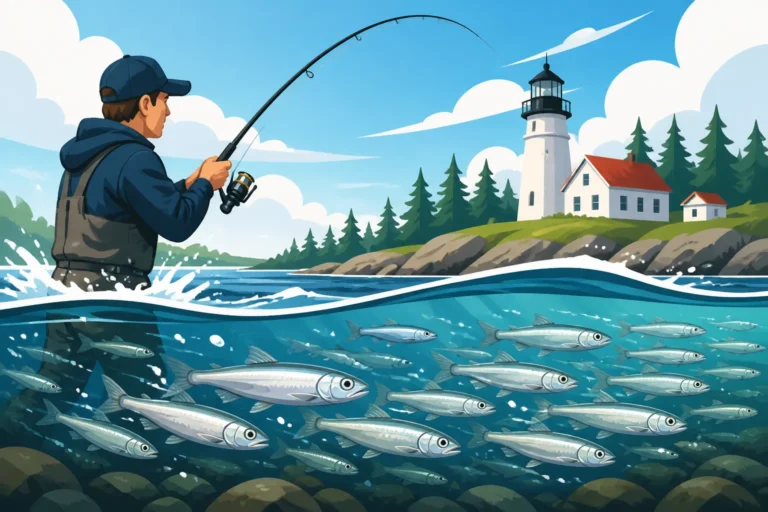
Once the ice disappears from Maine's vast lakes, a new world opens up for the fish. For weeks, the water has been blanketed, limiting light penetration and oxygen circulation. With the ice gone, sunlight penetrates deeper, stimulating plankton blooms, which in turn attract baitfish like smelt and alewives. These smaller fish are a primary food source for landlocked salmon, and the salmon know it. They’ll follow these baitfish schools, often pushing them against shorelines, points, or shallow flats as they hunt. This aggressive feeding behavior makes them more susceptible to well-presented lures. It's a short window, though, before the water warms significantly, pushing the salmon back to deeper, cooler havens. Maximizing your time during this initial surge of activity is key to a successful spring.
Cooler Water and Salmon Metabolism
Salmon are cold-blooded, meaning their metabolism is directly tied to water temperature. In the frigid waters of early spring, while they are active, their movements might be a bit slower, and their strikes can sometimes be more subtle. However, the abundance of oxygen in the cold water keeps them energized. As the water warms slightly through spring, their metabolism increases, and they become even more aggressive. This sweet spot of cold, oxygenated water and increasing metabolism creates ideal conditions for them to chase down a meal. Understanding this is crucial for selecting the right lure and presentation speed. Fishing too fast when the water is barely above freezing might not get you results, but as temperatures climb, you can definitely pick up the pace. Our detailed guide on Maine Fishing Season Dates Guide can help you pinpoint these prime windows across the state.
Understanding Early Spring Landlocked Salmon Behavior
Catching landlocked salmon isn't just about throwing out any old lure; it's about understanding what makes them tick in the unique conditions of early spring. These fish are creatures of habit and temperature, and recognizing their patterns will significantly boost your success rate.
Following the Baitfish
Landlocked salmon are predatory fish, and their movements are almost entirely dictated by their prey. In early spring, smelt are king. These small, silvery fish often move into shallower areas, congregating near river mouths, coves, and rocky points to spawn or simply feed on emerging insect life. The salmon will not be far behind. If you can locate schools of smelt, you've likely found your salmon. This might mean looking for birds diving, or watching your sonar for bait balls.
When you're out on the water, pay close attention to the shoreline and any inflowing water. River mouths, in particular, can be hotspots as they deliver nutrients and attract baitfish. These areas are also where salmon might hold before moving further into the main lake. Consider places like the Roach River entering Moosehead Lake or various streams feeding into Sebago Lake. Knowing where these fish congregate is half the battle won, and selecting a lure that mimics their primary food source is the other half. For more on what these magnificent fish eat, dive into our article on What Do Landlocked Salmon Eat?
Depth and Location Preferences
Initially, right after ice-out, salmon can be found surprisingly shallow, often in the top 10 to 20 feet of water, especially during overcast days or low light conditions. They'll cruise shorelines, around islands, and over submerged humps, searching for baitfish. As the sun gets higher and the air warms, they might drop down a bit, but they generally won't be in the deep, abyssal depths they frequent in mid-summer.
Look for areas with structural changes, like drop-offs, underwater points, or even the edges of old weed beds (though weeds are usually sparse in early spring). These features provide ambush points for salmon and act as highways for baitfish. For example, on the Rangeley Lakes Fishing Guide, anglers often find success trolling near prominent points and islands early in the season. Keep an eye on your fish finder, not just for salmon, but for baitfish too. Sometimes, identifying the food source is easier than spotting the salmon themselves. If you are ever unsure about where salmon might be, try to identify their food source and fish near that.
| Lure Type | Recommended Speed | Depth Range (Early Spring) | Action/Presentation |
|---|---|---|---|
| Stickbaits | Slow to Medium | 0-15 feet | Erratic darting, wounded baitfish |
| Spoons | Slow to Medium | 5-25 feet | Wobbling, flashing, dying fish |
| Streamer Flies | Slow to Medium | 0-10 feet | Life-like swimming, smelt imitation |
| Jigs (tipped) | Slow (jigging) | 10-30 feet | Vertical jigging, wounded baitfish presentation |
Top Lures for Aggressive Early Spring Salmon
When it comes to early spring landlocked salmon in Maine, certain lures consistently outperform others. These aren't just pretty pieces of metal or plastic; they're designed to mimic the natural prey of salmon and provoke those aggressive, post-winter strikes.
Minnow-Imitating Stickbaits
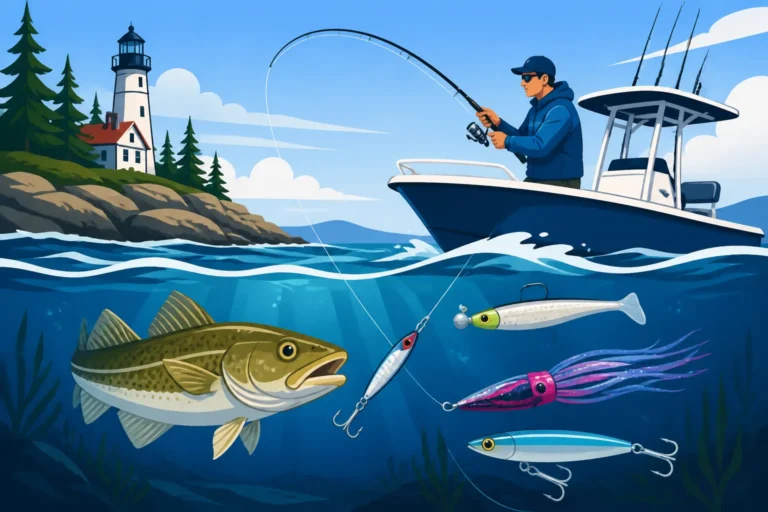
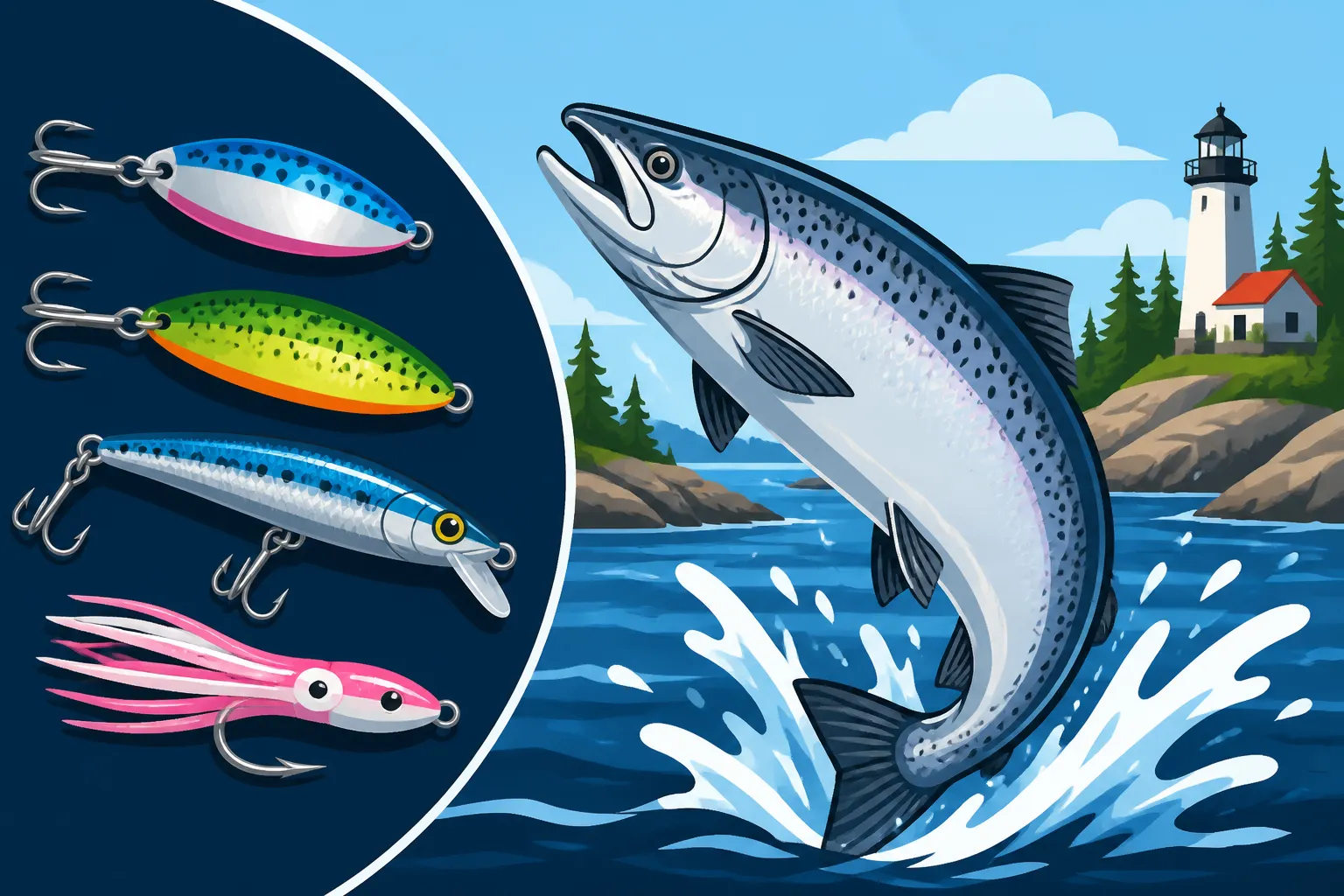
These are absolute classics for a reason. Early spring salmon are heavily focused on smelt, and nothing imitates a struggling smelt quite like a good stickbait. Lures like the Rapala Original Floater or Countdown, the Rebel Minnow, or the Yo-Zuri Pin's Minnow are legendary in Maine waters. Opt for sizes ranging from 2.5 to 4 inches, which perfectly matches the average size of smelt.
The key here is color and action. Naturalistic silver, blue, or green backs with silver or white bellies are fantastic choices, as they mimic smelt perfectly. Some anglers swear by slightly more vibrant patterns, especially on overcast days, so don't be afraid to try a firetiger or perch pattern if the natural colors aren't producing. These lures, when trolled slowly, have a natural, wounded-fish wobble that salmon find irresistible. They work exceptionally well when flat-lined (no added weight) behind the boat, allowing them to run shallow, or with a small amount of weight a few feet ahead for slightly deeper presentations. You can find a wide variety of these proven stickbaits, including multi-packs of popular colors, on Amazon, making it easy to stock up before your next trip.
Wobbling Spoons
Spoons are another timeless choice for landlocked salmon, and they truly shine in early spring. Their erratic, wobbling action and reflective flash are incredibly effective at drawing strikes from curious and hungry salmon. Brands like Mooselook Thinfish, Sutton Spoons, or the ever-popular Daredevle and Little Cleo spoons are staples in many Maine angler's tackle boxes.
Again, consider the size and color. Smaller spoons, in the 1/8 to 1/4 ounce range, are often best, especially when targeting fish that might be keyed into smaller baitfish. Silver, gold, copper, or patterns that combine these metals with blue, green, or orange accents are perennial favorites. The flash and vibration of a spoon mimic a fleeing or injured baitfish, which triggers a salmon's predatory instinct. Trolling spoons a bit faster than stickbaits can often entice a strike, as the increased speed makes the lure's action more pronounced. They can be effectively trolled on their own, behind a small dodger or flasher, or off a downrigger if you need to reach precise depths. Learning about Trolling Techniques for Maine Lakes will certainly improve your success with these lures.
Streamer Flies
For the fly fishing purists, or those looking to add a touch of finesse, streamer flies are deadly effective in early spring. These aren't just for fly rods; many experienced anglers troll streamers behind their conventional gear, often with a small amount of weight or off a lead core line. The most important flies to have are those that imitate smelt: Gray Ghost, Black Ghost, Supervisor, and Edson Tiger Light are all iconic Maine patterns that have accounted for countless salmon over the years.
Streamers offer a lifelike swimming action that is hard to beat. When trolled slowly, they dart and wiggle, perfectly mimicking a baitfish. The natural materials used in streamers give them a more subtle, organic movement that can be particularly effective on clear, calm days or when fish are being finicky. Varying your trolling speed slightly, or even giving your rod tip a gentle twitch, can impart additional action to the fly, making it irresistible. Remember, many of the best patterns were developed right here in Maine, designed specifically for these waters and their primary forage.
Mastering Presentation Techniques for Early Spring Salmon
Having the right lures is only half the battle; knowing how to present them effectively to early spring landlocked salmon is what truly separates successful anglers from the rest. The cold water, light conditions, and salmon behavior all play a role in how you should work your chosen bait.
Trolling Speed and Depth Control
Trolling is by far the most popular and effective method for early spring salmon fishing in Maine. With water temperatures still low, salmon aren't always willing to chase down a fast-moving meal. A slower, more deliberate retrieve is usually the ticket. Aim for speeds between 1.5 and 2.5 miles per hour. This allows stickbaits to wobble enticingly and spoons to flash with a natural, struggling action. Pay attention to what your lure is doing at different speeds; sometimes a slight adjustment can make all the difference.
Depth control is paramount. As mentioned earlier, salmon are often shallower in early spring. Start by targeting the top 10-20 feet of water. You can achieve this with various methods:
- Flat-lining: Simply letting out line behind the boat. The amount of line, lure size, and boat speed will determine the depth.
- Split shot or small inline weights: Adding a few small weights a few feet ahead of your lure can help it sink a bit deeper without dramatically altering its action.
- Lead Core Line: This specialized line changes color every 10 yards, with each color typically sinking a certain depth (e.g., 5 feet per color). It's an excellent way to cover a wide range of depths precisely.
- Downriggers: For ultimate depth control, especially as fish start to drop deeper mid-spring, downriggers are invaluable. They allow you to present your lure at an exact depth, keeping it in the strike zone longer. If you're looking for more advanced techniques, our guide on How to Use a Downrigger for Lake Trout can offer some transferable insights.
Experimentation is key. Some days, salmon will be right on the surface; other days, they might be holding a bit deeper over an underwater shelf. Don't be afraid to try different depths until you find where the fish are holding.
Varying Your Retrieve and Action
Even when trolling, you don't want a monotonous presentation. Subtle variations can trigger a strike from a salmon that's been following your lure but not committing. Try these techniques:
- Slight Speed Changes: Briefly speed up or slow down your boat. This change in pace can make your lure dart or drop, mimicking an injured baitfish.
- S-Turns: Instead of trolling in a straight line, make gentle S-turns with your boat. The lures on the inside of the turn will slow down and drop, while those on the outside will speed up and rise, giving them different actions that can draw a strike.
- Rod Twitching: If you're holding your rod, an occasional gentle twitch can make a stickbait or streamer appear more lifelike. This works especially well for those delicate streamer presentations.
- Jigging (for specific situations): While primarily a trolling article, if you're marking fish suspended or near structure, dropping a small jig tipped with a piece of bait (like a smelt head or worm) and vertically jigging it can be incredibly effective, especially from a stationary boat. This is more common in ice fishing but can work in open water, too.
Remember, early spring salmon can be opportunistic, but they can also be finicky. The more natural and varied your presentation, the higher your chances of success.
Essential Gear Considerations for Early Spring Salmon Fishing
Beyond the lures themselves, having the right supporting gear can make your early spring salmon fishing experience both more effective and more enjoyable. From your rod and reel setup to the lines you choose, every component plays a role.
Rod and Reel Setup
For trolling landlocked salmon, a medium-light to medium action spinning or baitcasting rod, around 7 to 8 feet in length, is ideal. This length provides good leverage for trolling and enough backbone to handle a hard-fighting salmon, while still having a sensitive tip to detect those sometimes subtle early spring bites. A fast action tip will help you feel those light taps.
Pair your rod with a reliable spinning reel (size 2500-3000) or a low-profile baitcasting reel. Look for a reel with a smooth drag system, as salmon are known for their powerful runs. You don't want a sticky drag costing you a trophy fish. Having a dependable setup ensures that when you do hook into one of Maine's prized landlocks, you have the confidence to land it. Quality gear, like some of the reputable brands found on Amazon, can make a significant difference in your angling success.
Line Choices and Leader Material
Your choice of fishing line is crucial for effective lure presentation and sensitivity.
- Monofilament: A good all-around choice for its stretch, which acts as a shock absorber against powerful runs. Use 6-8 lb test mono for flat-lining lighter lures.
- Braided Line: Offers superior sensitivity and no stretch, which is great for feeling subtle bites and setting hooks quickly. If using braid (e.g., 10-15 lb test), always use a monofilament or fluorocarbon leader to provide some shock absorption and make your lure less visible.
- Fluorocarbon Leader: Indispensable for salmon fishing. Fluorocarbon is nearly invisible underwater, extremely abrasion-resistant, and has less stretch than mono, giving you better feel. A 4-6 lb test fluorocarbon leader, 6-8 feet long, tied to your main line (whether mono or braid) is highly recommended. This allows your lure to swim naturally and reduces the chances of fish spooking due to visible line. The crystal-clear waters of many Maine lakes demand the stealth offered by fluorocarbon.
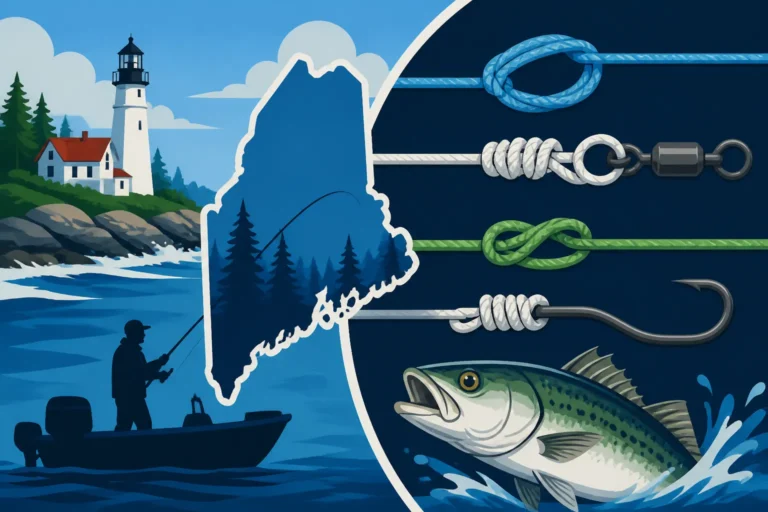
When building your leader, strong knots are essential. Learning a few reliable knots, like the Palomar knot for tying lures and the Albright or FG knot for connecting leader to main line, will prevent heartache on the water.
Electronics and Accessories
Modern electronics can give you a distinct advantage. A good fish finder/sonar unit will help you identify baitfish schools, locate structural features like drop-offs and humps, and even spot individual salmon. Pay attention to water temperature readings, as salmon will gravitate to their preferred cold water.
Beyond electronics, a few accessories are highly beneficial:
- Net: A long-handled, rubber-coated landing net is crucial for safely landing salmon. The rubber coating protects the fish's slime coat if you plan on catch and release, which is a common practice for many anglers in Maine, especially given Landlocked Salmon Size and Bag Limits in Maine.
- Pliers/Forceps: For quick and safe hook removal.
- Cooler with Ice: Essential for keeping any harvested salmon fresh.
- Polarized Sunglasses: These cut glare on the water, allowing you to spot subtle changes in structure or even cruising fish in shallow areas.
Being well-equipped means you're ready for whatever the early spring salmon season throws at you.
Locating Early Spring Salmon Hotspots in Maine
Maine is blessed with an abundance of incredible landlocked salmon waters, but knowing where to focus your efforts in early spring can be the difference between a memorable day and a frustrating one. The key is understanding general salmon behavior in different lake types and honing in on specific features.
Targeting Large Lake Systems
Maine’s vast lake systems are legendary for landlocked salmon. Lakes like Moosehead Lake Fishing Guide, Sebago Lake Fishing Guide, and the Rangeley Lakes offer incredible opportunities. In early spring, look for:
- River Inflows: Areas where rivers or larger brooks flow into the lake are often salmon magnets. These areas bring in warmer water (sometimes), nutrients, and, crucially, baitfish. Salmon will congregate here, waiting for an easy meal.
- Points and Islands: Submerged points and the shallower areas around islands provide excellent ambush points for salmon. Troll around these features, paying close attention to any sudden depth changes or baitfish on your sonar.
- Large Coves: Especially those with a gradual slope or access to deeper water, can hold schools of baitfish, and thus salmon, early in the season. These can also be good spots for shore fishing as the water warms slightly.
- Shorelines with Structure: Rocky shorelines, ledges, or areas with submerged timber can hold fish, particularly during low light conditions or on overcast days when salmon feel more secure venturing closer to the surface.
Remember that regulations can vary by specific lake or river, so always consult the Maine Fishing Regulations Explained before you head out.
Exploiting River and Stream Mouths
River and stream mouths are often the first places to see increased activity after ice-out. Smelt and other baitfish often move into these areas for early spawning or to feed on emerging insects. This creates a natural buffet line for hungry salmon.
- Identify Flow: The current from an inflowing river creates seams and eddies where baitfish can hide and salmon can lie in wait. Targeting these transition zones is often highly productive.
- Warm Water Pockets: On sunny days, the shallower waters near river mouths can warm up a few degrees faster than the main lake, attracting both baitfish and salmon seeking a more comfortable feeding zone.
- Fan Casting: If you're not trolling, fan casting stickbaits or spoons towards the mouth and retrieving them back into the main lake can be very effective. This allows you to cover a wide area and pinpoint active fish.
Always be mindful of any special regulations or sanctuaries near river mouths, as some areas may be closed to fishing or have specific gear restrictions during spawning periods.
Timing Your Outings
Early spring salmon fishing often sees the best action during periods of low light. Dawn and dusk are prime times, as the reduced light levels make salmon feel more secure moving into shallower water to hunt. Overcast days can also extend this prime feeding window throughout the day.
- Weather Patterns: A warming trend, especially a few consecutive sunny days after a cold snap, can really turn on the bite. Conversely, a sudden cold front can put salmon off their feed, making for tougher fishing.
- Water Temperature: Keep a close eye on your water temperature gauge. As the surface temperature creeps from the low 30s into the low to mid-40s Fahrenheit, salmon activity typically increases. If the water gets much above 50-55 degrees, they'll start moving deeper.
- Patience is Key: Early spring fishing sometimes requires patience. Conditions can change rapidly, and salmon might be in different moods from one day to the next. Stay persistent, keep experimenting with your lures and presentation, and you'll often be rewarded with a memorable Maine landlocked salmon.
Disclaimer
Fishing conditions, regulations, and fish behavior can change rapidly. Always check the latest Maine Department of Inland Fisheries and Wildlife regulations before heading out on the water. This guide provides general advice and recommendations. Adherence to all local, state, and federal laws is the responsibility of the angler.