How to Handle Fish Without Hurting Them
It’s a scenario every angler dreads: you’ve hooked a beautiful fish, brought it to the boat, and in the excitement or haste, you accidentally cause it more stress or injury than necessary. Whether you plan to release it or not, ensuring the fish is handled with care is not just good sportsmanship, it’s crucial for their survival and the health of Maine's fisheries. This guide will walk you through the essential techniques and best practices to handle fish safely, minimizing harm, and contributing to a sustainable fishing future.
Why Gentle Handling Matters for Every Angler
When we talk about fishing, it's easy to focus solely on the catch – the thrill of the bite, the fight, the photo. But what happens after that, especially if you're practicing catch and release, is just as vital. The way you interact with a fish once it's on the line and in your hands can determine whether it swims away to thrive or becomes a casualty of a well-intentioned but poorly executed release.
The Ethical Angler's Responsibility
Being an ethical angler means more than just following the rules; it's about respecting the fish, the ecosystem, and the sport itself. We all love the feeling of a strong fish on the line, but that privilege comes with a responsibility to minimize stress and injury. Think about it: you're asking a lot of that fish, pulling it from its natural environment, often exhausting it. The least we can do is ensure its safe return if we're not planning to keep it for the table. This mindful approach elevates our sport beyond just harvesting, turning it into a genuine interaction with nature. It's about being a steward of the waters we love, ensuring that future generations can enjoy the same abundance.
There's a deep satisfaction that comes from knowing you’ve done everything possible to give a released fish the best chance at survival. It's a feeling that rivals the thrill of the catch itself. When you see that fish kick strongly and disappear back into the depths, you know you've played your part in preserving the species and the overall health of the fishery. This commitment to ethical practice also sets a great example for fellow anglers, especially newer ones or children who are just learning the ropes.
Biological Impact of Mishandling
Fish are incredibly delicate creatures, much more so than they might appear when thrashing on the line. Their bodies are adapted for life in water, and being exposed to air, especially for extended periods, can be like holding your breath for too long. Their gills can dry out and be damaged, affecting their ability to extract oxygen once they return to the water. The slime coat on a fish's body, which acts as a protective barrier against bacteria and parasites, can be easily rubbed off by dry hands or rough surfaces, leaving them vulnerable to infection.
Internal injuries are also a significant concern, especially if a fish is handled improperly or hooked deep. Squeezing a fish's belly too hard can damage internal organs. Even dropping a fish can cause fatal internal trauma. The fight itself can exhaust a fish, building up lactic acid in its muscles, making it difficult for them to recover. Combine that with poor handling, and the chances of post-release mortality skyrocket. Understanding these biological vulnerabilities helps us approach handling with the necessary gentleness and respect.
Regulations and Conservation in Maine
Maine's Department of Inland Fisheries and Wildlife (MDIFW) has specific regulations designed to protect fish populations, and many of these indirectly relate to handling practices. While there might not be a direct "do not touch fish with dry hands" law, the spirit of conservation underpins all fishing rules. Bag limits, length limits, and season dates are all put in place to manage fish populations, and respectful handling plays a crucial role in these efforts. If too many released fish die due to mishandling, it undermines the effectiveness of these regulations.
For example, when you're fishing in a special regulation water with a "catch and release only" rule, the expectation is that you will do everything in your power to ensure those fish survive. Learning about the specific rules for different species and bodies of water, like the Maine Fishing Regulations Explained or Maine Fish Bag Limits Guide, is part of being a responsible angler. The MDIFW also promotes the use of single, barbless hooks in certain areas and for specific species, directly aimed at reducing injury during the unhooking process. This commitment to conservation is why proper handling isn't just a suggestion; it’s an integral part of sustainable fishing in Maine.
Essential Gear for Safe Fish Handling
Having the right tools at your disposal makes a huge difference in how quickly and safely you can land, unhook, and release a fish. Rummaging through your tackle box for a pair of pliers while a fish struggles on the bank is not ideal. Being prepared means having your gear accessible and ready for immediate use.
Must-Have Tools in Your Tackle Box
A few key tools can greatly improve your fish handling game. First and foremost, you need a good pair of needle-nose pliers or a dedicated hook remover. These allow you to quickly extract hooks, especially if they're embedded deep or in an awkward spot, without putting your fingers in harm's way or tearing delicate fish tissue. Look for stainless steel options that can withstand exposure to water. You can often find durable options on platforms like Amazon.
Next, a measuring device is essential, especially if you're fishing in waters with length limits. A soft, flexible tape measure that can be laid alongside the fish without causing abrasions is ideal. Avoid rough metal rulers that can damage the fish's slime coat. Finally, having a small pair of cutting shears or nippers for your line is always a good idea. In situations where a hook is too deep to safely remove, cutting the line as close to the hook as possible is often the best option, allowing the hook to rust out over time. This minimizes immediate trauma and allows the fish to recover.
Choosing the Right Net
Not all nets are created equal when it comes to fish welfare. Traditional knotted nylon nets, while effective at catching fish, can be very abrasive to a fish's scales and slime coat. The knots can also snag fins and gills, causing tears and damage. This is where rubber or rubber-coated landing nets shine. These nets are much softer, cause minimal friction, and are less likely to remove a fish's protective slime. They also help prevent hooks from getting tangled, making the unhooking process much faster and less stressful for the fish and for you.
When selecting a net, consider the size of the fish you're targeting. A net that's too small can cause unnecessary bending and stress on the fish. Aim for a net with a wide, deep basket that can fully support the fish's body. For larger species like landlocked salmon or lake trout, a bigger net is a must. Many anglers fishing for species like striped bass along the coast also opt for larger, rubberized nets to ensure quick and safe handling of these powerful fish. Having a net that can easily be deployed and used with one hand is a major plus when a fish is on the line.
Barbless Hooks: A Simple Switch
Perhaps one of the simplest and most effective changes you can make for healthier fish handling is switching to barbless hooks. Barbs are designed to hold the hook firmly in place, making it harder for a fish to throw it. However, they also cause more tissue damage upon penetration and make removal significantly more difficult. A barbless hook, on the other hand, can often be slipped out with just a gentle twist, minimizing the time the fish is out of water and reducing injury.
You don't necessarily need to buy all new hooks. Many anglers simply use a pair of pliers to crimp down the barb on their existing hooks. This small modification takes seconds but can make a world of difference. In some Maine waters, using barbless hooks is even required, particularly in certain fly-fishing-only sections or for specific species where conservation is paramount. Always check the local regulations, as highlighted in guides like Maine Fishing Laws for Beginners, but even where not mandated, it's a practice that truly embodies the spirit of Catch and Release Best Practices in Maine. It’s a thoughtful decision that demonstrates your commitment to the well-being of the fish.
Step-by-Step Guide to Landing and Unhooking
The moment of truth arrives when you're bringing a fish to hand or to the boat. This is where careful execution really counts. A rushed or clumsy landing can negate all the good intentions of using barbless hooks or a rubber net.
Landing the Fish Effectively
The first rule of landing a fish gently is to avoid over-fighting it, but also don't let it sit on the line too long. Try to bring the fish in as quickly as possible without "horsing" it, especially if it’s a species known for long, tiring fights, like a powerful landlocked salmon. Prolonged fights can exhaust a fish, making its recovery post-release much harder. Once the fish is close, guide it into your net headfirst if possible. The net should be in the water, waiting for the fish, not scooped frantically at the last second.
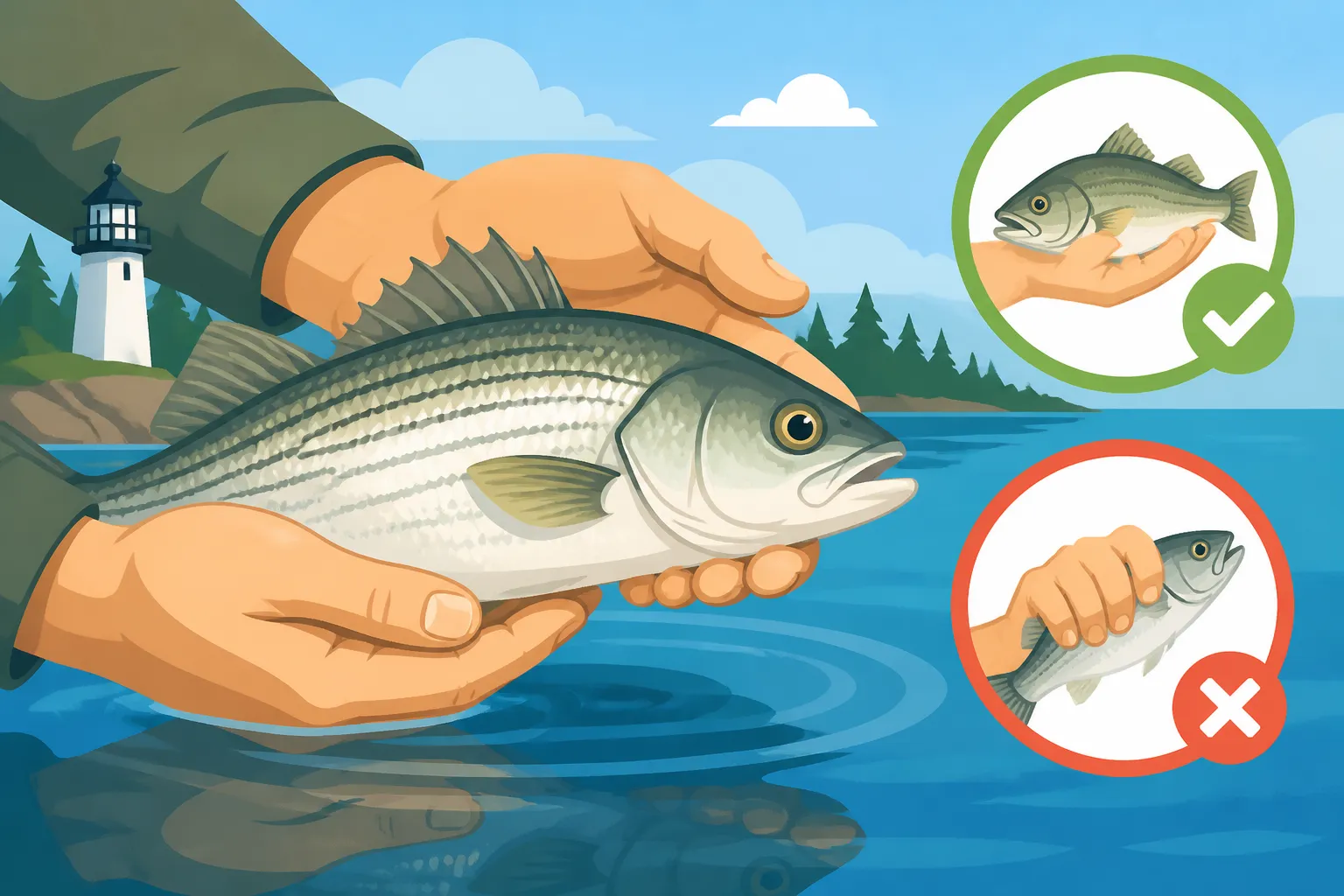
If you're not using a net, especially for smaller fish or those caught from shore, consider a "wet hand" approach. Wet your hands thoroughly before touching the fish. This helps preserve their protective slime coat. For larger fish that you might lip-grip, such as bass, make sure your grip is firm but not crushing, supporting the body with your other wet hand. Never lift a large fish horizontally by just its jaw; this can dislocate its jaw or damage its spine. Always support its weight.
The Art of Quick Unhooking
Once the fish is secured in the net or carefully held, the clock starts ticking. The goal is to remove the hook and get the fish back in the water as swiftly as possible. With a barbless hook, this is usually a quick process. Use your pliers or hook remover to grasp the shank of the hook and gently back it out the way it went in. Try to avoid twisting or wrenching motions that can tear more tissue.
If the hook is deeply swallowed or in a precarious spot (like the gills), and you know you'll be releasing the fish, sometimes the best course of action is to simply cut the line as close to the hook as possible. Don't try to dig it out with force; this often causes more harm than good. A small, corrosion-resistant hook will typically rust out or be expelled by the fish's body over time. Remember, minimizing the time the fish is out of water is paramount. Every second counts, especially on warm days or when fishing for sensitive species.
Minimizing Air Exposure
This cannot be stressed enough: keep the fish in the water as much as possible. Fish are designed to breathe water, not air. Even a few seconds of air exposure can cause significant stress and damage to their delicate gill filaments. If you absolutely need a quick photo, get everything ready beforehand. Have your camera set, your net positioned, and your hands wet. Lift the fish briefly for the shot, holding it horizontally with both hands supporting its body, and immediately return it to the water.
For unhooking, if you can do it with the fish still submerged in the net, even better. If you must bring it aboard, have a wet measuring board or mat ready. Some anglers even use a small, clear container filled with water to place smaller fish in for unhooking and measuring, essentially creating a temporary "aquarium." This significantly reduces air exposure and allows for a calmer, less stressful process. Remember, the goal is always to reduce the fish's time out of its natural element.
Here's a quick comparison of landing net materials:
| Net Type | Pros | Cons | Best Use Case |
|---|---|---|---|
| Knotted Nylon | Inexpensive, readily available, durable against snags. | Very abrasive to fish's slime coat, snags hooks easily, can damage fins/gills. | Budget option, but generally not recommended for C&R. |
| Knotless Nylon | Less abrasive than knotted, less likely to snag hooks. | Still can remove some slime coat, dries slowly. | Better than knotted, but still not ideal for sensitive fish. |
| Rubber Mesh | Gentle on fish's slime coat, does not snag hooks, dries quickly. | Heavier, more expensive, can be bulky. | Highly recommended for catch and release, all species. |
| Rubber-Coated Mesh | Good balance between nylon and full rubber, less abrasive than nylon. | Can still be somewhat abrasive compared to full rubber, less durable than full rubber. | Good compromise for general angling, C&R friendly. |
Best Practices for Releasing Fish
The release isn't just about letting the fish go; it's about giving it the best possible chance of recovery and survival. A poor release can be just as detrimental as improper handling.
The Critical Revival Process
After a fish has been fought, landed, and unhooked, it's often exhausted and may be in a state of oxygen debt. This is where revival comes in, especially for sensitive species like trout or salmon. Hold the fish gently in the water, ideally facing into a current if one is available. If there's no current, gently move the fish forward and backward in the water, allowing water to flow over its gills. This helps to force oxygenated water through its respiratory system, much like CPR.
Keep the fish submerged, supporting it horizontally. Avoid squeezing or rough movements. You'll know the fish is recovering when it starts to show signs of life – perhaps a twitch of the tail, a slight movement of the fins, or an attempt to swim away. Don't release the fish until it can swim away on its own power. If it turns belly-up or floats away, it’s not ready. Keep reviving it until it can maintain its equilibrium and make a strong departure. This patience can mean the difference between life and death for the fish. For more specific guidance on this, check out Best Practices for Releasing Trout.
Proper Release Back to the Water
Once the fish shows strong signs of recovery and is ready to swim off, simply let go gently. Don't toss or throw it back into the water, as this can cause further injury or disorientation. Allow it to swim away at its own pace. Sometimes, a fish might dart away quickly, while others might linger for a moment before disappearing into the depths. This is perfectly normal.
Ensure the area where you're releasing the fish is free from immediate predators or obstacles that could hinder its escape. If you're on a boat, release it away from the propellor. If you're wading, release it in deeper water where it feels secure. The goal is for the fish to return to its habitat with minimal stress and maximum energy to recover from the ordeal. This careful attention to the final moments of the interaction ensures that the fish can contribute to the ongoing health of species like the Maine landlocked salmon or brook trout.
When to Decide to Keep a Fish
While catch and release is a noble practice, there are times when keeping a fish is appropriate and even encouraged, especially if it's within legal limits and you plan to consume it. The decision to keep or release often hinges on the species, the size, local regulations, and the condition of the fish. If a fish is deeply hooked and bleeding profusely, its chances of survival upon release are significantly diminished. In such cases, if it's a legal catch, it may be more humane to keep it for the table rather than releasing it only for it to die later.
It's important to be familiar with the regulations for each body of water you fish. For instance, Maine Bass Fishing Limits by Zone can vary, and what's legal in one area might not be in another. If you decide to keep a fish, ensure you dispatch it quickly and humanely. A swift blow to the head is generally the most accepted method. Then, place it on ice immediately to preserve its freshness. Being prepared with a cooler or stringer is part of planning for a successful fishing trip, whether you're releasing all your fish or taking some home for dinner. Thinking ahead about your intentions for each catch allows you to be a more prepared and responsible angler.
Remember, the true measure of an angler isn't just the size of the fish they catch, but the respect and care they show to every creature they encounter on the water.
Disclaimer
This article is for general informational purposes only and does not constitute professional advice. Laws, prices and regulations vary by location and change over time. Consult a qualified professional for guidance on your specific situation.