Maine Ice Fishing Guides
Venturing out onto a frozen lake in Maine for the first time can feel incredibly daunting, especially when you're not sure where the safest ice is, what gear you truly need, or where the fish are actually biting. The idea of getting all the specialized equipment, understanding the intricate local regulations, and finding those elusive hotspots might just be enough to keep you home. But don't let that icy uncertainty freeze your fishing dreams! This comprehensive guide is here to walk you through everything you need to know about hiring a Maine ice fishing guide, making your winter angling adventure safe, successful, and unforgettable.
Why Hire an Ice Fishing Guide in Maine?
Let's be real: ice fishing isn't just regular fishing with a chillier backdrop. It’s an entirely different beast, with its own set of challenges, specialized gear, and crucial safety considerations. Trying to figure it all out on your own, especially if you're new to the sport or unfamiliar with Maine's vast and varied frozen landscapes, can be overwhelming, expensive, and even dangerous. That's where a seasoned Maine ice fishing guide becomes an absolute game-changer. They don't just take you to a spot; they open up the entire world of winter angling, making it accessible, productive, and incredibly fun.
Navigating Maine's Unique Ice Conditions
Maine's winters are beautiful, but they can also be wild and unpredictable, especially when it comes to ice. One day a lake might be safe, and the next, a warm spell or strong currents can create perilous thin spots. It's not always about how cold it's been, but more about water flow, underlying springs, snow cover acting as insulation, and even wind patterns. Knowing how to assess ice thickness and quality, identify pressure ridges, and avoid slush pockets is a learned skill that takes years of experience.
A local guide has that experience etched into their very being. They've spent countless hours on these frozen waters, observing, learning, and adapting. They understand the nuances of specific lakes and ponds – where the ice forms first, where it thins out, and what conditions make certain areas treacherous. They’re constantly monitoring local reports, weather patterns, and the ice itself, often with a spud bar in hand, tapping and listening with every step. For anyone, particularly those from out of state or new to ice fishing, having this expert knowledge is not just a convenience; it's a critical safety measure that provides immense peace of mind. You’ll learn more about safety in our guide, How Thick Should Ice Be Before Fishing on It?.
Maximizing Your Catch Potential
Imagine spending hours drilling holes, setting up tip-ups, and jigging, only to realize you've chosen a barren spot where the fish just aren't biting. It's a common frustration for unguided anglers. Fish behavior changes dramatically under the ice, and what works in open water doesn't necessarily translate to winter conditions. Fish often congregate in specific areas, seeking out warmer water, oxygenated zones, or prime feeding grounds, and these spots can be very subtle and hard to find without insider knowledge.
This is where a guide truly shines. They have an intimate understanding of the underwater topography – the drop-offs, humps, weed beds, and structure where different species like to hold. They know what bait and lures are most effective for Landlocked Salmon Fishing in Maine or Lake Trout and Togue Fishing in Maine on a particular lake, at a particular time of year. They can teach you how to read your fish finder for ice fishing, interpret subtle bites, and master the art of jigging. Their goal isn't just to get you on the ice; it's to put you on fish, increasing your chances of a successful and memorable catch exponentially. They might even teach you their secret to finding those elusive brook trout in deeper pockets, a tip you'd never get from a generic map.
Access to Gear and Expertise
Let's be honest, getting into ice fishing requires a significant investment in specialized gear. You need an auger (manual, gas, or electric), a portable shelter (shack), a heater, specialized rods and reels, tip-ups, a sled, safety equipment, and all the various baits and lures. For a beginner, or someone just visiting Maine for a short trip, buying all this equipment is simply not practical.
A Maine ice fishing guide eliminates this barrier entirely. They come fully equipped with everything you need: high-quality augers that effortlessly bore through thick ice, comfortable and warm portable shacks (often with heaters!), specialized jigging rods, a variety of tip-ups, and a full tackle box stocked with the most effective baits and lures for the local waters. Beyond the gear, you gain access to their invaluable expertise. They'll teach you how to properly use a tip-up, how to jig effectively, and even basic fish identification. It's like having a seasoned mentor right by your side, sharing tricks of the trade and ensuring you have the best possible experience without the upfront cost or the hassle of transporting bulky gear.
What to Expect from a Guided Maine Ice Fishing Trip
So you've decided to take the plunge and book a guide – excellent choice! Now, what does a typical day out on the frozen Maine wilderness actually look like? While every guide and every trip will have its unique flavor, there are some common elements you can generally expect when you venture out with a seasoned professional. It’s often a seamless, educational, and exciting experience designed to maximize your enjoyment and success.
Trip Duration and Typical Schedules
Maine ice fishing guides typically offer a few options to fit different schedules and preferences. You'll most commonly find half-day and full-day trips. A half-day trip usually runs about 4-5 hours, which is perfect for beginners, families with younger children, or those who want a taste of the action without committing to a full day in the cold. It’s also a great option if you have other plans for the afternoon or evening.
Full-day trips, on the other hand, can range from 7-9 hours, giving you ample time to explore different spots, try various techniques, and really immerse yourself in the experience. These longer trips are ideal for serious anglers, those looking to learn a lot, or groups who want to make a full day of it. Most guides will suggest an early morning start, often meeting around sunrise or shortly after, to capitalize on prime feeding times for many species. This early start also allows for travel time to the fishing spot, getting gear set up, and a full day of fishing before the sun dips down. The pace will be relaxed but productive, with plenty of opportunities to warm up in a heated shack and enjoy the crisp winter air.
Essential Gear Provided by Guides
One of the biggest perks of hiring a guide is not having to worry about sourcing, transporting, or learning to use specialized ice fishing equipment. Your guide will arrive fully prepared with virtually everything you need for a comfortable and productive day. This typically includes:
- Ice Shacks/Shelters: From portable pop-up shacks that are quick to deploy to more robust, insulated structures, these provide shelter from the wind and cold. Many are equipped with portable heaters, making the experience surprisingly cozy even on bitter days.
- Augers: High-powered gas or electric augers make quick work of drilling holes, saving you the strenuous effort of a hand auger.
- Tip-Ups: These classic devices signal a bite with a flag, allowing you to fish multiple lines simultaneously. Your guide will set them up and explain how they work.
- Jigging Rods: Shorter, specialized rods designed for jigging small lures or baits through the ice. Your guide will provide these along with an array of lures.
- Bait: Live bait (like shiners or smelt) is often crucial for enticing fish under the ice, and your guide will have a fresh supply.
- Safety Gear: This is paramount. Guides carry spud bars to check ice thickness, ice picks for self-rescue, throw ropes, and often flotation suits or PFDs. They'll emphasize safety throughout the trip.
- Electronics: Many guides use portable fish finders or sonar units specifically designed for ice fishing, helping them locate fish and understand underwater structure.
While the guide provides most of the fishing gear, remember to dress appropriately. Check out our guide on What to Wear Ice Fishing in Maine Winters for tips on layering and staying warm!
Fish Species You'll Target
Maine's lakes and ponds are home to a diverse array of fish that offer exciting ice fishing opportunities. Depending on the body of water you're fishing and the time of year, your guide will typically focus on specific target species. Some of the most popular catches during the winter months include:
- Landlocked Salmon: These hard-fighting beauties are a prized catch, especially in larger, deeper lakes. They offer thrilling runs and can be caught jigging or on tip-ups.
- Togue (Lake Trout): Known locally as "Togue," these powerful fish inhabit deep, cold lakes. They're often found near the bottom and provide a significant fight through the ice. Read more about them in Lake Trout and Togue Fishing in Maine.
- Brook Trout: Maine's native jewel, brook trout, can be found in many smaller ponds and some larger lakes. They're often targeted with smaller baits and jigs, offering a delicate but rewarding fight. You can find more specific tips in Brook Trout Fishing in Maine.
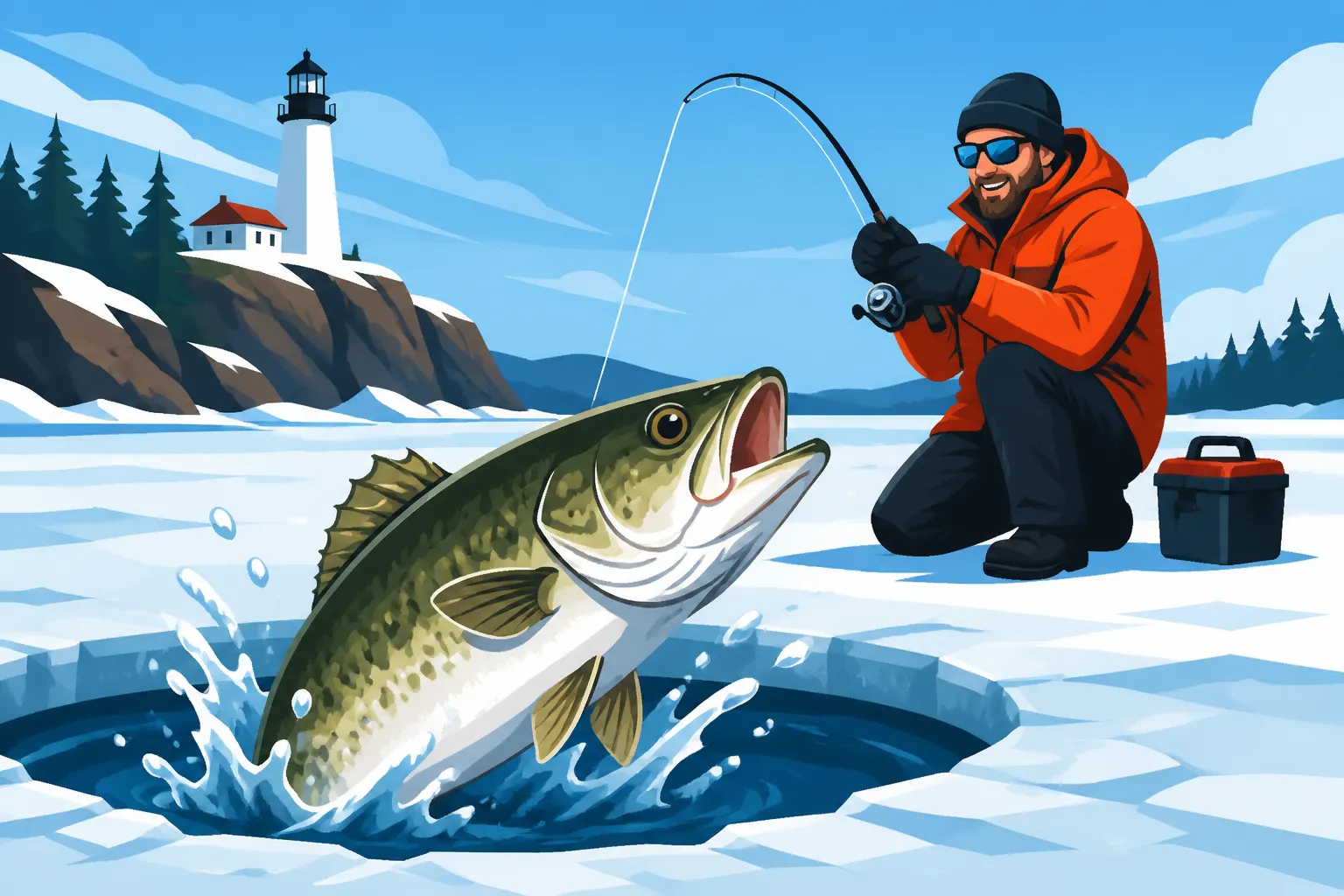
- Largemouth and Smallmouth Bass: While many associate bass with warmer waters, they are very catchable through the ice, especially in the early and late ice season. They tend to stick to structure and can be quite aggressive.
- Perch and Pickerel: Yellow perch are abundant and offer fast action, making them a fantastic target for beginners and kids. Chain pickerel, while bony, are aggressive predators that provide exciting fights.
Your guide will select the best location and techniques based on the species you're most interested in and the conditions of the day. They'll have a game plan to maximize your chances of hooking into your desired catch.
Choosing the Right Maine Ice Fishing Guide
Deciding to hire an ice fishing guide is the first step; choosing the right guide is the next crucial one. Maine has a fantastic community of dedicated and knowledgeable guides, but like any profession, there's a range of experience and specialization. Finding someone who aligns with your expectations for safety, expertise, and overall trip vibe will make all the difference in your experience. Don't rush this part; a little homework goes a long way.
Vetting for Registered Maine Guides (RMG)
This is absolutely non-negotiable: always choose a Registered Maine Guide (RMG). The State of Maine has one of the most rigorous and respected guide licensing programs in the country. An RMG isn't just someone who knows how to fish; they are certified professionals who have passed comprehensive exams covering wilderness first aid, navigation, trip planning, safety protocols, and a deep understanding of Maine's hunting and fishing laws. They are legally permitted to guide for hire and are held to high professional standards.
When you hire an RMG, you're not just getting a fishing buddy; you're hiring a safety expert who knows how to handle emergencies in remote, cold environments. They carry the necessary certifications and insurance, and they prioritize your well-being above all else. Don't hesitate to ask a guide for their RMG license number or check the official Maine Department of Inland Fisheries and Wildlife (MDIFW) website for a directory of licensed guides. This simple step ensures you're putting your trust in a qualified professional. You can learn more about the process in Registered Maine Guide License Exam Requirements and How to Become a Registered Maine Fishing Guide.
Specialization and Experience
Maine is a big state with thousands of lakes and ponds, each with its own character and fish populations. Some guides are generalists, knowledgeable across various waters and species, while others are highly specialized. Consider what kind of trip you're hoping for:
- Target Species: Are you dead set on catching a trophy togue, or do you want to fill a bucket with perch for a fish fry? Some guides are renowned experts in Brook Trout Fishing in Maine on certain remote ponds, while others excel at finding slab salmon in the big lakes.
- Specific Waters: Many guides have "home waters" where they spend the majority of their time. For example, some might be legendary on Moosehead Lake, while others might focus on the Belgrade Lakes. If you have a specific lake in mind, look for a guide with extensive experience there. For instance, you could search for Best Ice Fishing Guides Near Moosehead Lake or Best Ice Fishing Guides Near Sebago Lake.
- Techniques: Do you want to focus on jigging, or primarily set tip-ups and wait for flags? Some guides are masters of subtle jigging presentations, while others specialize in setting up expansive tip-up spreads.
- Clientele: Some guides specialize in family trips, offering a patient and educational experience for kids, while others cater more to hardcore anglers seeking trophy fish.
Don't be afraid to ask a potential guide about their specific experience, what lakes they frequent for ice fishing, and what species they most often target in winter. A good guide will be happy to discuss their expertise and help you determine if they're a good fit for your angling goals.
Client Reviews and Reputation
In today's digital age, client reviews are a valuable tool for researching guides. Websites and platforms like FishingBooker, Google Reviews, and social media pages often feature testimonials from previous clients. Pay attention to consistent themes in the reviews:
- Safety: Do clients repeatedly praise the guide's commitment to safety?
- Success: Do they talk about catching fish, or at least having plenty of action?
- Personality: Is the guide described as patient, friendly, knowledgeable, and enjoyable to spend time with? This is especially important for longer trips or if you're bringing children.
- Gear and Comfort: Do reviews mention clean, well-maintained gear, and comfortable, heated shacks?
- Communication: Was the guide responsive and clear in their communication before, during, and after the trip?
While a single bad review shouldn't necessarily deter you (everyone has an off day), look for overall patterns. A guide with a strong track record of positive feedback regarding safety, a fun experience, and putting clients on fish is usually a safe bet. Don't hesitate to also ask the guide for references if you want to speak directly with past clients.
Planning Your Guided Ice Fishing Adventure
Once you've found the perfect Maine ice fishing guide, it’s time to dial in the details of your trip. A little preparation on your end can go a long way in ensuring everything runs smoothly, from booking the date to packing your essentials. Remember, winter conditions in Maine demand respect, and being well-prepared will enhance your enjoyment significantly.
Best Time to Book and Seasonality
Ice fishing season in Maine typically runs from late December/early January until March, depending on ice conditions. However, the exact timing can vary year to year and from lake to lake. Early ice (late Dec/Jan) can offer excellent fishing as fish are often very active, but it also demands extreme caution regarding ice safety. Mid-winter (Jan/Feb) usually provides the most stable and thickest ice. Late ice (March) can also be productive, but ice conditions can deteriorate rapidly with warming temperatures and increasing sun intensity. You can get more details in our guides When Does Maine Ice Fishing Season Start? and When Does Maine Ice Fishing Season End?.
Regardless of when you want to go, it's wise to book your guide well in advance. Popular guides, especially those known for their expertise on prime lakes like Sebago or Moosehead, can be booked solid months ahead, especially for weekend dates or during school breaks. As soon as you have your dates in mind, reach out to your chosen guide to secure your spot. This ensures you get the guide and the date that best suits your plans.
Preparing for Your Trip (What to Bring)
While your guide provides the majority of the specialized fishing gear, there are a few essential items you'll need to bring to ensure your comfort and safety:
- Fishing License: This is non-negotiable. Every angler aged 16 and older needs a valid Maine fishing license. Your guide cannot provide this for you. You can purchase one online through the MDIFW website, or from many local vendors and bait shops. Make sure to get it before your trip. Learn more in our Maine Fishing License Guide and Where to Buy a Maine Fishing License.
- Warm Clothing: Layering is key! Think thermal base layers, a fleece or wool mid-layer, and a waterproof, windproof outer shell. Bring extra socks, a warm hat, waterproof gloves or mittens, and insulated, waterproof winter boots. Even in a heated shack, you'll be exposed to the elements during travel and hole-drilling.
- Food and Drink: Bring plenty of water, as you can still get dehydrated in cold weather. Hot beverages in a thermos are a wonderful treat. Pack snacks or a lunch – something easy to eat that won't freeze solid.
- Sun Protection: Believe it or not, the sun's glare off snow and ice can be intense. Sunglasses, sunscreen, and lip balm are highly recommended.
- Camera: To capture those memorable catches and stunning winter landscapes!
- Personal Medications: Don't forget any prescription medications you might need.
Understanding Pricing and Inclusions
Guide fees for ice fishing trips in Maine vary based on the guide's experience, the duration of the trip (half-day vs. full-day), the number of people in your group, and sometimes even the specific body of water. Generally, you can expect guides to charge a flat rate for a certain number of people, with an additional charge for extra participants up to their maximum capacity. Check out our detailed guide on How Much Do Maine Fishing Guides Charge? for more information on typical rates.
When discussing pricing, always clarify exactly what is included. Most guides will provide:
- All necessary ice fishing gear (rods, reels, tip-ups, auger)
- Bait and tackle
- Heated portable ice shacks
- Safety equipment
- Their expert guiding services
What might not be included:
- Fishing License: As mentioned, you're responsible for this.
- Meals/Snacks: Some guides might offer a shore lunch for full-day trips, but it's always best to clarify and plan to bring your own provisions.
- Gratuity: Tipping your guide is customary and a great way to show appreciation for their hard work.
- Fish Cleaning: Some guides will clean your catch, while others may offer it as an additional service. Inquire beforehand if this is important to you.
Don't be shy about asking questions about costs and what's covered. A reputable guide will be transparent about their rates and what you can expect.
Safety First: Critical Considerations on the Ice
Ice fishing, while incredibly rewarding, carries inherent risks. The frozen environment demands respect, caution, and constant vigilance. This is precisely why hiring a Registered Maine Guide for ice fishing is such a smart decision – they are trained and equipped to manage these risks. However, your own awareness and responsible behavior are also crucial for a safe and enjoyable trip.
The Guide's Role in Ice Safety
Your Registered Maine Guide's primary responsibility is your safety. They are not just there to help you catch fish, but to ensure everyone returns from the ice safely. Their role in ice safety is multi-faceted:
- Pre-Trip Assessment: Before you even meet, your guide has been monitoring weather, local ice conditions, and water levels. They will have a plan for the safest access points and fishing locations.
- Constant Ice Monitoring: On the ice, they will continuously check ice thickness with a spud bar or auger, especially when moving to new areas. They know the tell-tale signs of thin or unsafe ice – discolored ice, slushy patches, or areas near currents.
- Safe Travel Routes: Guides know the specific hazards of their local waters, such as pressure ridges, active springs, or areas with current that prevent solid ice formation. They will lead you along established, safe routes.
- Emergency Preparedness: They carry essential safety equipment like ice picks, throw ropes, a first-aid kit, and reliable communication devices (like a satellite phone in remote areas). They are trained in wilderness first aid and self-rescue techniques.
- Instruction and Oversight: Your guide will provide clear instructions on how to move safely on the ice, where to place your gear, and what to do in case of an emergency. They keep a watchful eye on everyone in the group.
Trusting your guide's judgment is paramount. If they say an area is off-limits or a condition is unsafe, there's a very good reason for it. Learn more about critical ice safety in Early Ice Safety Tips for Maine Anglers.
Your Responsibility as an Angler
While your guide is the safety expert, you also have a role to play in ensuring a safe trip. Your active participation and adherence to their instructions are vital:
- Listen and Follow Instructions: Pay close attention to your guide's safety briefings and any directions they give throughout the day. This includes where to walk, how to handle equipment, and what to do if you see a potential hazard.
- Stay with the Group: Avoid the temptation to wander off alone, especially into uncharted territory. The guide has assessed specific areas for safety, and venturing out on your own compromises that safety net.
- Report Concerns: If you notice something unusual about the ice, feel unwell, or have any safety concerns, communicate them immediately to your guide.
- Dress Appropriately: As covered, proper layering and waterproof gear are crucial. Hypothermia is a serious risk in cold environments. Don't underestimate the Maine winter.
- Know Your Limits: If you're feeling too cold, tired, or uncomfortable, let your guide know. They can often make adjustments or help you warm up in the shack.
- Avoid Alcohol (or limit strictly): Alcohol impairs judgment and can accelerate hypothermia. It's best avoided or consumed in very limited quantities, especially on the ice.
By working together with your guide, you create the safest possible environment for your ice fishing adventure.
Emergency Preparedness
Even with the best planning and precautions, accidents can happen. A Registered Maine Guide is prepared for a range of scenarios. They will have:
- First Aid Supplies: A comprehensive kit to address common injuries or medical issues that can occur in the wilderness.
- Communication Devices: Cell service can be spotty or nonexistent in many remote Maine fishing locations. Guides often carry satellite phones, two-way radios, or other emergency communication devices to contact help if needed.
- Rescue Equipment: Beyond ice picks and throw ropes, guides may have specialized sleds or flotation devices to assist in a rescue situation.
- Contingency Plans: They think ahead about various "what if" scenarios – a sudden change in weather, a medical emergency, or equipment failure – and have backup plans in place.
While no one wants to imagine an emergency, knowing your guide is professionally trained and equipped to handle challenging situations provides immense reassurance. Their calm demeanor and preparedness are invaluable assets when you're out in the winter wilderness.
Beyond the Catch: The Full Ice Fishing Experience
While catching fish is undeniably a major thrill, a guided Maine ice fishing trip offers so much more than just a full cooler. It’s an opportunity to connect with nature, learn new skills, and create truly unique winter memories. It's about soaking in the entire experience, from the serene beauty of a frozen lake to the camaraderie of sharing a heated shack.
Learning New Skills and Techniques
One of the greatest benefits of a guided trip, especially for beginners or those looking to expand their angling repertoire, is the educational aspect. Your guide isn't just a driver to the fishing spot; they are a teacher eager to share their knowledge. You can expect to learn:
- Proper Jigging Techniques: The subtle art of enticing fish with small, rhythmic movements of your rod. Your guide will show you how to impart different actions to your lure to mimic prey.
- Setting Up and Using Tip-Ups: Understanding how to properly rig a tip-up, set the line depth, and recognize a bite when that flag goes up.
- Reading a Fish Finder: Interpreting the sonar signals to identify fish, locate structure, and understand depth. This skill is invaluable for future fishing endeavors.
- Fish Identification: Learning to distinguish between different species, understanding their habits, and identifying healthy fish for release.
- Ice Safety Basics: Gaining a fundamental understanding of ice formation, identifying potential hazards, and safe travel practices, which will serve you well if you choose to venture out independently in the future.
- Catch and Release Best Practices in Maine: For those fish you don't intend to keep, your guide can demonstrate the best ways to handle them gently, ensuring their survival.
This hands-on instruction provides a foundational knowledge that can significantly elevate your overall fishing abilities, making you a more confident and successful angler.
Connecting with Maine's Winter Wilderness
There’s an undeniable magic to the Maine wilderness in winter. The landscape is transformed into a serene, often stark, masterpiece. A guided ice fishing trip allows you to experience this beauty in a unique way:
- Peace and Solitude: Away from the hustle and bustle, the frozen lake offers a profound sense of quiet. The only sounds might be the whisper of the wind, the crackle of ice, or the excited shout of a fishing partner when a flag goes up.
- Stunning Scenery: Imagine snow-covered pines, vast expanses of white, and crisp, clear skies. Many of Maine's lakes are nestled amidst breathtaking scenery, providing incredible photo opportunities.
- Wildlife Encounters: While fishing, you might spot bald eagles soaring overhead, deer venturing to the lake's edge, or even the tracks of a bobcat in the fresh snow. It's a chance to observe nature in its winter dormancy.
- The Element of Survival: There’s a primal satisfaction in being out on the ice, nestled in a warm shack, knowing you're comfortable and safe despite the elements. It fosters a deep appreciation for the natural world and the skills needed to thrive within it.
It's a chance to disconnect from everyday stresses and reconnect with the raw, unspoiled beauty that Maine is famous for.
Family-Friendly and Group Options
Ice fishing is a fantastic activity for families and groups, and many Maine guides specialize in making these trips enjoyable and accessible for everyone, regardless of age or experience level.
- Beginner-Friendly: Guides are typically very patient with newcomers, explaining everything clearly and providing hands-on assistance. They understand that not everyone has fished before, let alone ice fished.
- Kid-Focused Fun: Many guides love introducing children to the joys of ice fishing. They can make it an engaging experience, focusing on easy-to-catch species like perch that offer constant action, ensuring kids stay entertained and warm. They might even have smaller jigging rods tailored for little hands. This makes for incredible Maine Family-Friendly Fishing Charters.
- Group Dynamics: Whether you're a couple, a family with kids, or a group of friends, guides can tailor the experience to fit your dynamic. They ensure everyone feels included, has opportunities to participate, and leaves with great memories.
- Comfort and Convenience: With heated shacks, provided gear, and expert assistance, the logistical hurdles for a group or family are eliminated, allowing everyone to focus on the fun and the fishing.
These trips create lasting memories, offering a unique bonding experience in Maine's beautiful winter wonderland. Imagine the excitement of a child seeing their first fish through the ice, or the laughter shared over a hot drink in a cozy shack!
Common Questions About Maine Ice Fishing Guides
Even after considering all the benefits and what to expect, you might still have a few lingering questions. It's totally normal! Planning a trip, especially one that involves specialized activities like ice fishing, often comes with practical queries. Let's address some of the most frequently asked questions to help you feel fully prepared and confident for your Maine ice fishing adventure.
Do I Need My Own Fishing License?
Yes, absolutely! This is one of the most crucial points. Every angler aged 16 and older needs a valid Maine fishing license to fish on a guided trip, just as they would if they were fishing on their own. Your guide cannot provide a license for you, nor can they allow you to fish without one. Think of your guide as providing the expertise, gear, and safety, but the legal requirement to fish still falls on the individual angler.
It's strongly recommended to purchase your license before your trip to avoid any last-minute stress or delays. You can easily purchase a Maine fishing license online through the Maine Department of Inland Fisheries and Wildlife (MDIFW) website. Many bait and tackle shops, as well as some convenience stores throughout Maine, also sell licenses in person. Make sure your license is valid for the dates of your trip. Don't forget, even during Maine Free Fishing Weekend Rules, a guide still ensures compliance with all other regulations.
Tipping Etiquette for Guides
Tipping is customary in the guiding industry and is a thoughtful way to show your appreciation for your guide's hard work, expertise, and commitment to your safety and enjoyment. Guides put in long hours, often starting well before dawn and cleaning up long after you've left, and their income often relies significantly on gratuities.
While the exact amount is always at your discretion and should reflect the quality of service you received, a common guideline for a good experience is 15-20% of the total trip cost. If your guide went above and beyond, consider a higher tip. You might also consider tipping extra if they:
- Worked exceptionally hard to find fish in tough conditions.
- Were particularly patient and excellent with children or beginners.
- Provided additional services, such as cleaning fish.
- Made the experience exceptionally memorable and enjoyable.
It's usually best to offer the tip directly to your guide at the end of the trip, preferably in cash. This is a small gesture that goes a long way in acknowledging their dedication. You can find more detail in Tipping Etiquette for Maine Fishing Guides.
What if the Weather is Bad?
Maine winters are notoriously unpredictable, and adverse weather conditions can certainly impact an ice fishing trip. This is another area where the professionalism of a Registered Maine Guide is invaluable. Reputable guides will always prioritize safety over revenue.
Most guides will have a clear cancellation policy regarding unsafe weather or ice conditions. This typically includes situations like:
- Unsafe Ice: If the ice is deemed unsafe due to thinning, extreme slush, or open water.
- Severe Weather Warnings: Such as blizzards, extreme wind chills, or whiteout conditions that would make travel or fishing dangerous and uncomfortable.
If your guide cancels a trip due to unsafe conditions, they will typically offer to reschedule your trip for another available date or provide a refund of your deposit. It’s important to understand that these decisions are made for your safety, not to inconvenience you.
It's always a good idea to discuss the guide's cancellation policy when you book your trip. Also, maintain open communication with your guide in the days leading up to your trip, especially if the forecast looks questionable. They will be monitoring conditions closely and will communicate any necessary changes promptly. Having flexibility in your schedule can be a huge asset if a reschedule becomes necessary. Check out What Happens If Weather Cancels a Maine Charter? for more insights.
| Feature | DIY Ice Fishing | Guided Ice Fishing |
|---|---|---|
| Gear Required | Full investment in auger, shack, heater, rods, safety gear, etc. | All specialized gear provided by guide. |
| Local Knowledge | Relies on personal research, trial, and error. | Expert knowledge of hotspots, fish behavior, conditions. |
| Safety | Full personal responsibility, requires experience. | Guide manages ice safety, carries emergency gear, certified. |
| Cost | High initial equipment cost, then low trip cost. | Upfront trip fee, no equipment investment. |
| Learning Curve | Steep, self-taught, potential for frustration. | Hands-on instruction, accelerated learning. |
| Comfort | Dependent on personal gear, setup time. | Heated shacks, comfortable setup managed by guide. |
| Fish Success | Variable, often lower for beginners. | Higher probability due to guide's expertise. |
| Prep/Cleanup Time | Significant personal time for setup and breakdown. | Minimal personal effort required. |
| Licensing | Required for all anglers 16+, purchased independently. | Required for all anglers 16+, purchased independently. |
Disclaimer
This article is for general informational purposes only and does not constitute professional advice. Laws, prices and regulations vary by location and change over time. Consult a qualified professional for guidance on your specific situation.