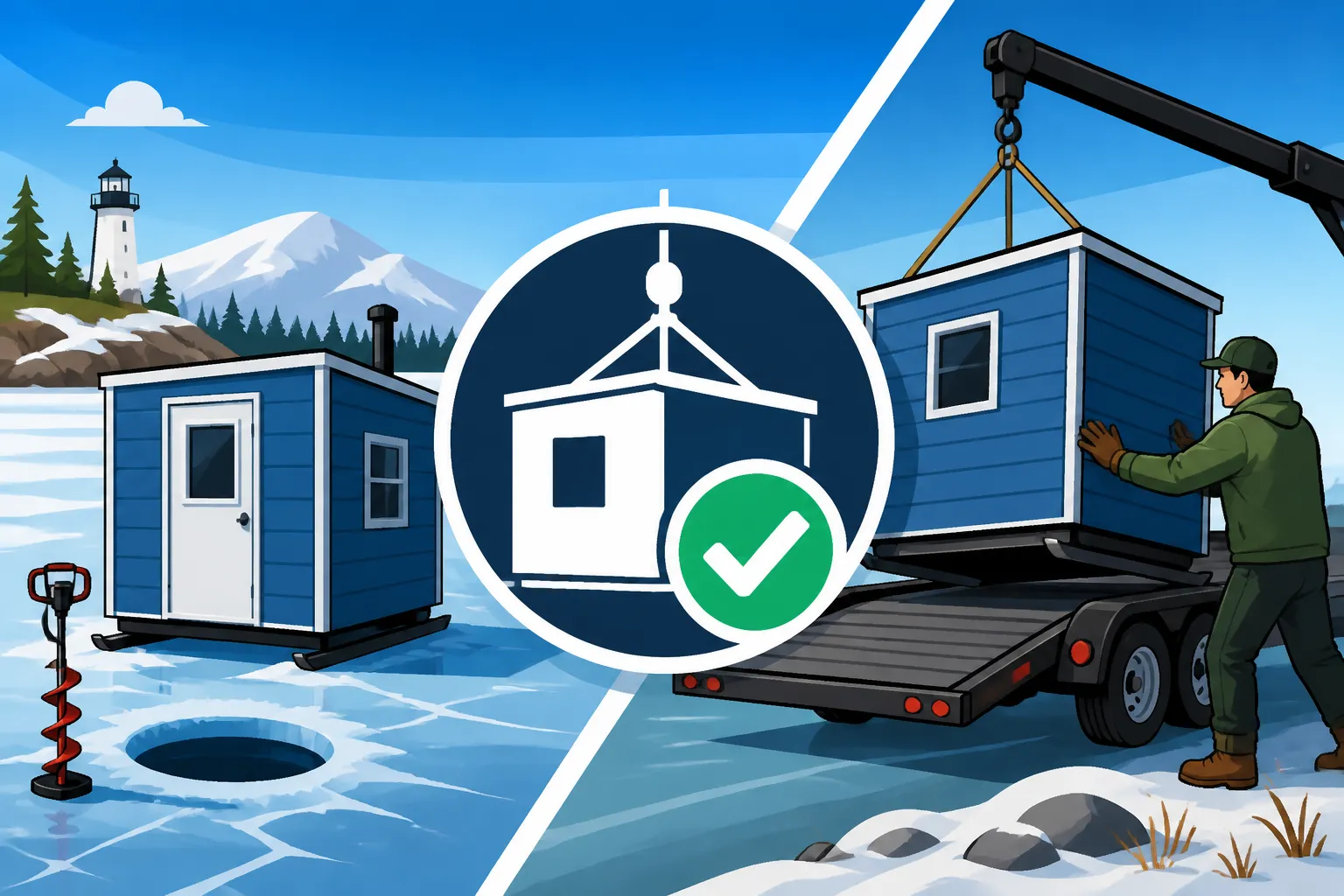
Ice Fishing Shack Removal Rules
There's nothing quite like the solitude and thrill of ice fishing on a crisp Maine winter day. You bundle up, set up your cozy shack, drop a line, and feel that serene connection to the frozen landscape. But as the days grow longer and the sun begins to melt away winter's grip, a crucial responsibility looms: safely and promptly removing your ice fishing shack. Many anglers, myself included, often wish they could stretch the season just a little longer, but understanding and adhering to Maine's ice shack removal rules isn't just about avoiding a fine; it's about protecting our beautiful waterways and ensuring public safety. This guide will walk you through everything you need to know to be a responsible ice angler in the Pine Tree State.
Why Maine Has Ice Fishing Shack Removal Rules
It might seem like a minor detail, but the regulations surrounding ice fishing shack removal are in place for some very important reasons. They protect our precious natural resources and keep everyone on and around the ice safe. It’s not just about bureaucracy; it’s about good stewardship and common sense.
Environmental Impact and Water Quality Concerns
Imagine dozens, or even hundreds, of ice shacks left behind on a lake as the ice melts. What happens to all that wood, plastic, metal, and personal belongings? Unfortunately, anything left on the ice will eventually end up in the water as the ice breaks up. This creates a significant problem for Maine's pristine aquatic environments. These discarded materials don't just magically disappear; they break down slowly, releasing pollutants, trapping wildlife, and creating unsightly litter on shorelines and lake bottoms.
Debris from abandoned shacks can alter the natural habitat for fish and other aquatic organisms. For instance, decaying wood or plastics can leach chemicals into the water, affecting water quality and potentially harming fish populations, including the beloved brook trout or landlocked salmon that draw us out there in the first place. Nobody wants to return to their favorite fishing spot in spring only to find it littered with the remnants of winter's activities. The rules are designed to prevent this accumulation of waste and keep Maine's waters clean for future generations of anglers and wildlife.
Public Safety and Navigation Hazards
Beyond the environmental toll, unremoved ice shacks pose serious safety hazards. As the ice thins and eventually gives way in the spring, shacks left behind can become perilous obstacles. Imagine a spring boater or kayaker encountering a half-submerged ice shack or large pieces of debris floating just below the surface. These can cause significant damage to watercraft, lead to dangerous collisions, or even capsize smaller vessels. It's a risk not only to recreational users but also to emergency services and wildlife.
Furthermore, these shacks can drift into navigation channels or shallow areas, making them difficult and costly to remove. Even pieces of insulation or fasteners can be dangerous when floating freely. The sudden appearance of an ice shack hulk in the middle of a lake, driven by spring winds, is a clear and present danger. By requiring timely removal, the state ensures that as the ice season transitions to open water, the hazards associated with abandoned structures are mitigated, keeping our lakes and ponds safer for all users.
Understanding Maine's Official Ice Shack Removal Deadlines
Maine's Department of Inland Fisheries and Wildlife (MDIFW) sets clear deadlines for removing ice fishing shacks. While the general rule is widely known, it's critical to understand that regional variations and specific water bodies might have different requirements. Always double-check the latest Maine Fishing Regulations Explained to ensure you're in compliance.
General Law Dates for Removal
For most inland waters in Maine, the hard and fast deadline for removing all ice fishing shacks is March 15th. This date is etched into the minds of veteran Maine ice anglers, and for good reason. It provides a reasonable window for safe removal while accounting for the unpredictable nature of spring ice conditions. This deadline applies across a vast majority of the state's lakes, ponds, and rivers that are popular for ice fishing.
It’s tempting to push the limits, especially if the ice seems to be holding strong, but this date is a non-negotiable legal requirement. The MDIFW sets this date based on historical ice-out trends and the need to preemptively protect against shacks breaking through as conditions rapidly deteriorate. Even if you think the ice will last longer, the law requires removal by March 15th. Failure to do so can result in significant penalties, as we'll discuss shortly. This general law provides a foundational understanding for anyone planning a winter of fishing, and it’s a crucial piece of information for all anglers, whether you’re fishing for togue on Moosehead Lake or brook trout on a small pond.
Specific Regional or Lake-Specific Exceptions
While March 15th is the general rule, Maine's diverse geography and varying climate mean that some areas or specific water bodies have different deadlines. It’s absolutely vital not to assume the general law applies everywhere. For example, some large, deep lakes in northern Maine might have later deadlines due to historically longer ice seasons, while certain shallow, southern ponds might have earlier dates if ice conditions are known to degrade quickly.
Always consult the official MDIFW website or the annual open water and ice fishing law book. These resources provide detailed information, often listing exceptions by county or specific water names. For instance, a quick check might reveal that a particular lake popular for spring ice fishing, such as certain waters in Aroostook County, has an extended deadline. Conversely, some waters might have an earlier closure. Ignorance of these specific rules is not considered a valid defense if your shack is found on the ice past its legal removal date. So, before you even set up your first tip-up, take a moment to look up the specific rules for your chosen fishing spot. You wouldn't want to get caught without knowing the latest on your chosen lake's specific regulations, just like you'd carefully review the Maine Fishing Season Dates Guide for various species.
Here's a quick overview of general dates and marking requirements:
| Aspect | General Rule (Most Inland Waters) | Exception Example (Always Verify) | Key Requirement |
|---|---|---|---|
| Removal Deadline | March 15th | Some northern lakes may have later dates. | Always check specific water body regulations! |
| Shack Marking Required | Yes | Applies to all shacks left overnight. | Name and current address of owner must be visible. |
| Material Responsibility | All materials must be removed. | No exceptions for "natural" materials like wood. | Leave no trace policy. |
What Happens If You Don't Remove Your Ice Shack On Time?
The rules around ice shack removal are not just polite suggestions; they are legally enforced. The state takes these regulations seriously, primarily because of the environmental and safety risks outlined earlier. Falling short of your responsibility can lead to more than just a stern talking-to; it can hit your wallet and affect your future fishing privileges.
Penalties and Fines for Non-Compliance
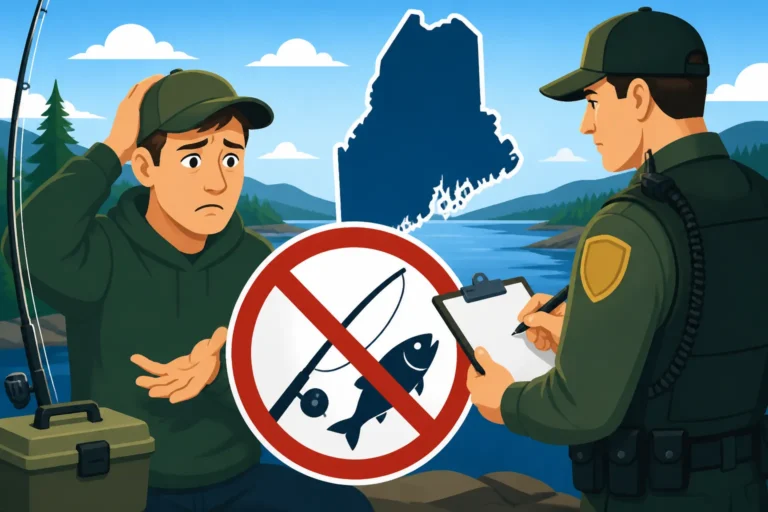
If you fail to remove your ice fishing shack by the specified deadline for the water body you're on, you can expect to face significant legal consequences. The Maine Department of Inland Fisheries and Wildlife (MDIFW) wardens patrol lakes and ponds regularly as the ice thins, specifically looking for abandoned shacks. The penalties can include a substantial fine, which can often be several hundred dollars or more, depending on the specifics and whether it's a repeat offense. It's not just a small ticket; it's a meaningful financial penalty designed to deter irresponsible behavior.
Beyond the initial fine, you could also be held liable for any costs associated with the state having to remove your shack. If the MDIFW has to dispatch personnel and equipment to retrieve a derelict shack, they will track down the owner (if the shack is properly marked, which is another requirement) and send them the bill. This can easily escalate into thousands of dollars, far exceeding the cost of simply removing your shack yourself. Imagine receiving a bill for a retrieval operation that involved specialized equipment and multiple wardens, all because you wanted to squeeze in one last weekend on the ice. It’s a costly lesson many have learned the hard way. These fines are just one part of the broader framework of Maine Fishing Regulations Explained.
State Authority and Removal Procedures
The MDIFW is fully authorized by Maine law to remove ice shacks that have been abandoned or left beyond the legal deadline. When a warden identifies an unremoved shack, they will first attempt to identify the owner using the required marking information. This is why it's so crucial to clearly label your shack with your name and current address; it helps the wardens connect the shack to you, even if it's for enforcement purposes.
If the owner cannot be identified, or if they fail to remove the shack after being contacted, the MDIFW will proceed with its own removal efforts. The state considers such shacks as abandoned property. Once removed, the MDIFW has the right to dispose of the shack and its contents as they see fit. This means you could lose your entire ice fishing setup – the shack itself, any gear left inside, and anything else that constitutes "abandoned property." It's a stark reminder that the state views timely removal as a serious responsibility, not just a suggestion. While wardens are generally helpful and approachable, they are also there to enforce the rules, including those regarding Ice Fishing Shack Removal Rules. Don't put them in a position where they have to intervene and issue a citation.
Practical Tips for Responsible Ice Shack Removal
Being a responsible ice angler in Maine means more than just knowing the rules; it means actively planning and executing your shack removal with care and foresight. Winter weather in Maine can be unpredictable, and what looks like solid ice one day can be slush and open water the next.
Planning Ahead for Early Removal
Don't wait until the very last minute to remove your ice shack, even if the official deadline is still a few days away. Maine's spring weather can be notoriously fickle. A sudden warm spell, heavy rain, or strong winds can rapidly degrade ice conditions, making safe removal difficult, if not impossible. Many seasoned anglers make it a point to remove their shacks a week or even two before the official March 15th deadline for general law waters, especially if they're fishing in more remote locations or on larger bodies of water.
Think about the conditions: Will it be easy to get your vehicle on and off the ice? Are there any soft spots developing near shore? What's the forecast for the next few days? It's always better to err on the side of caution. Consider the path you'll need to take to get your shack off the ice. Has the shore ice started to recede? Will you need help from friends or specific equipment like a sled or ATV? Monitoring local weather forecasts and ice conditions daily as spring approaches is critical. Relying on the calendar date alone can put you in a dangerous situation and make removal much harder. When discussing early removal, safety is always paramount, echoing the concerns around Early Ice Safety Tips for Maine Anglers.
Proper Disposal and Environmental Responsibility
Removing your shack isn't just about getting it off the ice; it's about making sure its components are disposed of properly and environmentally responsibly. The "leave no trace" principle is paramount here. This means taking every single piece of your setup with you, including small items like broken fishing line, bait containers, or even stray screws. Anything left behind can contribute to pollution and harm wildlife.
When you dismantle your shack, sort its components for appropriate disposal. Wood can often be burned or taken to a waste transfer station. Plastics and metals should be recycled if possible, or disposed of according to local waste management guidelines. Never just push unusable parts into the woods along the shoreline, assuming they'll degrade naturally. Many materials take decades or even centuries to break down, and even then, they can release harmful substances. If you've used a portable shelter, fold it neatly, pack it up, and check it for any forgotten items. You can find sturdy, weatherproof bags and organizational containers on platforms like Amazon to make sure everything comes off the ice with you. Our goal as anglers should always be to leave the environment cleaner than we found it, preserving the beauty of Maine for all.
Marking Your Ice Shack for Identification
Maine law requires that all ice fishing shacks left on the ice overnight must be clearly marked with the owner's name and current address. This isn't just a suggestion; it's a legal obligation. This information helps MDIFW wardens identify owners in case of an emergency, if a shack breaks through, or if it's left on the ice past the removal deadline. Without proper identification, the process of reuniting an owner with their shack or holding them accountable for non-compliance becomes much more challenging.
The marking needs to be permanent, legible, and easily visible from the outside of the shack. Writing your information on a piece of paper and taping it to the door isn't going to cut it when the wind and snow inevitably degrade it. Use durable, waterproof markers or paint, or consider purchasing engraved tags from an outdoor supply store or even online from Amazon. Attach them securely to a prominent part of your shack. This simple step can save you a lot of headache and potential trouble with the law. While you're at it, familiarize yourself with other critical regulations like Maine Ice Fishing Line Limits, which are also vital for responsible angling.
The Broader Context of Ice Fishing Regulations in Maine
Understanding ice shack removal rules is just one piece of the puzzle when it comes to responsible ice fishing in Maine. These regulations are part of a larger framework designed to ensure sustainable fishing practices, angler safety, and the preservation of our natural environment.
Importance of Knowing All Ice Fishing Rules
Responsible ice fishing encompasses a wide array of rules, not just when to take your shack off the ice. For instance, knowing the Maine Fish Bag Limits Guide, specifically for species like brook trout or landlocked salmon, is critical. You also need to be aware of how many lines you can legally fish, often limited to five lines per person for open waters, but potentially more or less depending on the specific body of water and whether you're ice fishing. There are also specific rules about the types of bait you can use, especially concerning live baitfish, and restrictions on certain gear like lead sinkers and jigs in particular waters.
Beyond gear and catch limits, understanding broader seasonal rules and zone regulations is paramount. For example, some waters in the North Zone may have different opening and closing dates or specific regulations for certain species compared to the South Zone. Knowing whether your chosen lake falls under "general law" or "special regulations" can dramatically change how you fish, what you can keep, and when you can fish. Always assume special regulations apply until you confirm otherwise. These rules are in place to manage fish populations, prevent overfishing, and maintain healthy ecosystems. It’s a lot to keep track of, but it’s essential for a successful and legal fishing trip.
Resources for Staying Informed
Staying up-to-date with Maine's dynamic fishing regulations can feel like a chore, but it's easier than you might think. The absolute best resource is the official Maine Department of Inland Fisheries and Wildlife (MDIFW) website. They publish the annual "Maine Open Water and Ice Fishing Law Book" which is your comprehensive guide to all regulations, including season dates, bag limits, and specific rules for individual water bodies. This book is usually available in print at license agents and online as a PDF. Make it a habit to download and review it before each fishing season.
Additionally, MDIFW maintains an interactive map and search tool on their website that allows you to look up specific regulations for nearly every lake, pond, and river in the state. This tool is invaluable for checking those lake-specific exceptions to the general ice shack removal deadlines or other special rules. Don't hesitate to reach out to local Maine Fish and Wildlife Warden Contact Information. Wardens are often happy to answer questions and clarify regulations, though they're certainly not there to help you bend the rules. Many local bait shops and outdoor outfitters are also excellent sources of up-to-date information and can provide guidance on local conditions and regulations. Taking the initiative to use these resources demonstrates true respect for Maine's natural heritage and the angling community.
Disclaimer
Please remember that this guide provides general information and recommendations. Fishing regulations, dates, and requirements in Maine can change. It is always your responsibility to consult the most current official Maine Department of Inland Fisheries and Wildlife (MDIFW) regulations before engaging in any fishing activities, including ice fishing and shack removal. Compliance with all state and local laws is mandatory.