Maine Trolling Guide Services
There's nothing quite like the feeling of a rod bending violently in your hand as a powerful fish, hooked deep beneath the surface, fights back with all its might. But for many anglers, especially those visiting or new to the vast waters of the Pine Tree State, achieving that thrill consistently through trolling can feel like hitting the lottery. This comprehensive guide will pull back the curtain on Maine trolling guide services, explaining exactly what they offer, why they're invaluable, and how to pick the perfect guide for your next unforgettable fishing adventure.
What Exactly Are Maine Trolling Guide Services?
When we talk about "trolling guide services" in Maine, we're zeroing in on a specialized form of guided fishing focused on a particular technique: trolling. It's not just about hiring someone with a boat; it's about leveraging deep local knowledge and specific equipment to target fish that often reside in deeper, colder water by dragging lures or bait behind a moving boat. This isn't your casual cast-and-retrieve day; it's a strategic hunt for some of Maine's most prized game fish.
Defining the Trolling Experience
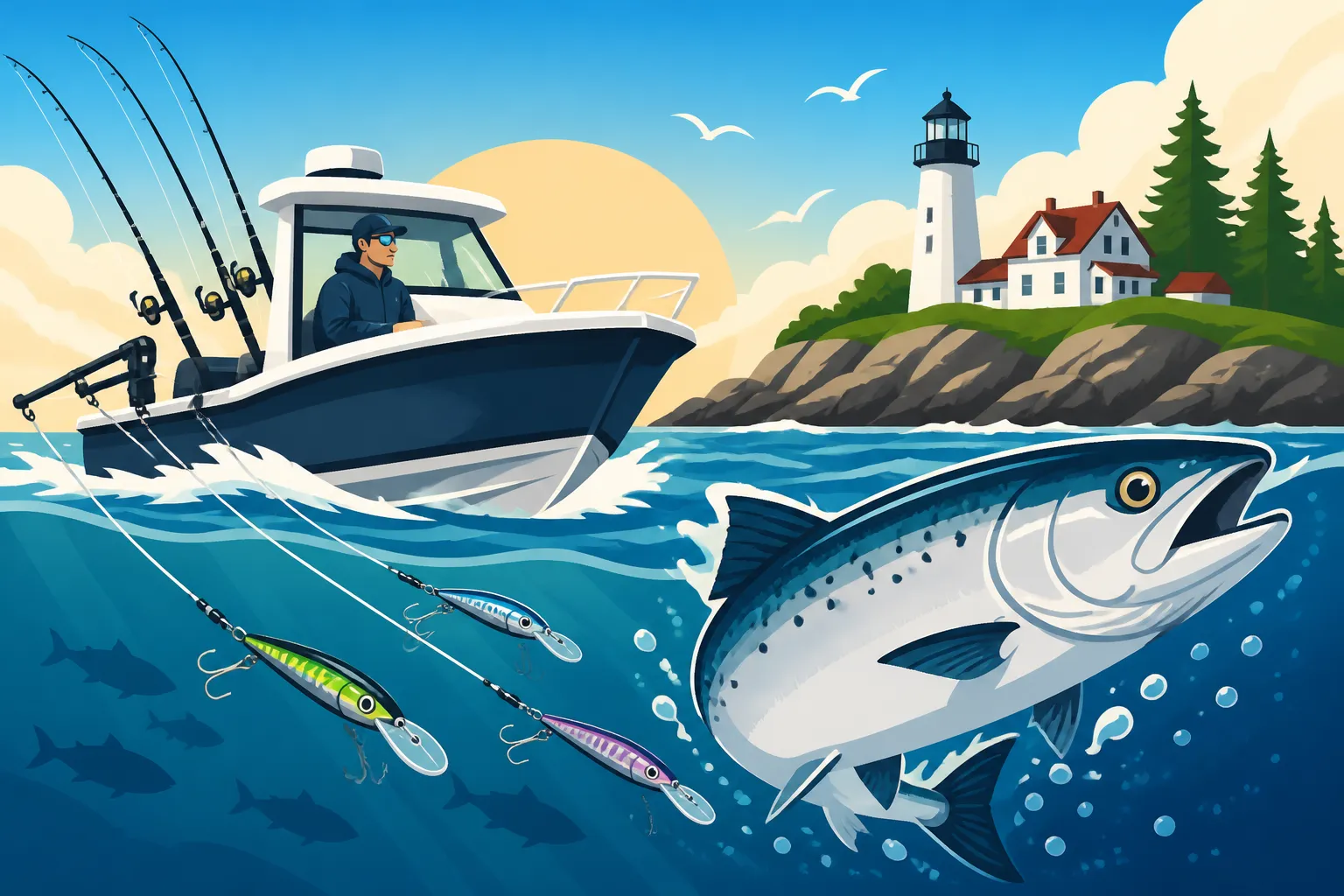
A Maine trolling guide service is essentially a professional outfitter who provides a boat, specialized tackle, and, most importantly, their expert guidance for a day or half-day of trolling on Maine's lakes and large ponds. Unlike a general fishing guide who might cover various methods or species, a trolling guide focuses on the art and science of presenting lures or bait at specific depths and speeds to entice fish like landlocked salmon and togue (lake trout). They'll have their boats rigged with downriggers, lead core line, planer boards, and an array of spoons, plugs, and flies designed for subsurface presentation. The experience is often about covering water, constantly adjusting to conditions, and interpreting sonar readings to find the elusive cold-water dwellers. It’s an immersive learning experience where you get to see firsthand how seasoned pros approach these challenging species.
Why Trolling is a Maine Tradition
Trolling holds a special place in Maine's fishing heritage, particularly on its large, deep, oligotrophic lakes. These waters, carved by glaciers, are home to species like landlocked salmon and togue that thrive in cold, oxygen-rich environments. As the seasons change and water temperatures fluctuate, these fish move to different depths, making them difficult to locate without specialized techniques. Trolling emerged as the most effective way to reach these fish and cover the vast expanses of water they inhabit. It’s a method perfected over generations, passed down from seasoned Mainers who understand the nuances of their home waters. From the expansive Moosehead Lake Fishing Guide to the storied Rangeley Lakes Fishing Guide, trolling is often the primary method for serious anglers seeking these magnificent fish. It's more than just a technique; it's a cultural staple, a quiet dance between angler, boat, and the deep blue expanse, often accompanied by the subtle hum of the engine and the rhythmic click of a reel waiting for that explosive strike.
The Unbeatable Advantages of Hiring a Trolling Guide
You might be thinking, "Can't I just rent a boat and troll myself?" And while technically, yes, you can, hiring a dedicated Maine trolling guide offers a suite of advantages that can transform a potentially frustrating day into a genuinely productive and educational experience. It’s about more than just catching fish; it's about accelerating your learning curve, accessing prime locations, and doing it all safely and efficiently.
Expertise on Local Waters and Fish Behavior
A good Maine trolling guide is essentially a walking, talking encyclopedia of the local lake or pond they fish. They know the subtle contours of the lake bottom, the hidden reefs, the abrupt drop-offs, and the thermoclines where fish tend to congregate. They understand how barometric pressure, wind direction, water temperature, and even the time of day influence fish behavior. More than that, they know what lures are working today, what depths the fish are holding at this week, and how fast to troll to get a reaction strike. This isn't knowledge you can gain from a map or a quick online search; it's acquired through years, sometimes decades, of firsthand experience on specific bodies of water. For species like Landlocked Salmon Fishing in Maine or Lake Trout and Togue Fishing in Maine, which can be incredibly finicky, this localized expertise is priceless. They can tell you why a certain cove is hot in the morning, but dead by noon, or why a specific color spoon is out-producing everything else on a cloudy day.
Access to Specialized Gear and Techniques
Let's be honest: building a dedicated trolling setup can be a significant investment. You need quality trolling rods, reels spooled with appropriate line (lead core, copper, braided), downriggers to precisely control depth, and a vast array of specialized lures designed to imitate baitfish at various speeds. Then there are the electronics – high-definition sonar and GPS units that allow guides to mark fish, identify bait schools, and stay on productive contours. When you hire a guide, all of this top-tier equipment is at your disposal. You don't have to buy it, store it, or maintain it.
Beyond the gear, guides are masters of Trolling Techniques for Maine Lakes. They understand how to rig a smelt imitation perfectly, how to set a downrigger ball to avoid tangles, and how to adjust boat speed for different presentations. They'll teach you the subtle art of reading a graph, feeling for a light bite, and fighting a powerful fish hooked deep. This practical instruction is invaluable, allowing you to focus on the fishing rather than fumbling with unfamiliar equipment. It's like getting a hands-on masterclass in advanced angling, giving you skills you can then apply to your own fishing trips down the line.
Safety and Navigation in Unfamiliar Territory
Maine's large lakes can be deceptively challenging, especially for those who aren't familiar with them. Hidden rocks, sudden storms, dense fog, and vast expanses of water can quickly turn a fun day into a dangerous one. A registered Maine guide is not only skilled in fishing but is also trained in navigation, emergency first aid, and water safety. They know the safe channels, where the hazards lie, and how to react to rapidly changing weather conditions.
Their boats are typically well-maintained, properly equipped with all necessary safety gear (life jackets, first aid kits, communication devices), and often larger and more stable than personal fishing boats, providing a more comfortable and secure ride, especially on windy days. This peace of mind allows you to fully relax and enjoy the fishing, knowing you're in capable hands. For anyone venturing onto a large lake like Sebago or Moosehead for the first time, a guide ensures a safe and enjoyable outing, preventing potential mishaps that could otherwise derail your trip.
Preparing for Your Guided Trolling Adventure in Maine
Hiring a Maine trolling guide is an investment in a memorable experience. To make the most of it, a little preparation on your part goes a long way. Understanding what to expect, what to bring, and what fish you're likely to target will ensure you're ready to hit the water running.
What a Guide Typically Provides and What You Should Bring
Most reputable Maine trolling guides operate on a "turnkey" basis, meaning they provide almost everything you need for the fishing itself. This usually includes:
- Boat: A comfortable, safe, and well-maintained fishing boat, typically equipped with specialized trolling gear.
- Rods and Reels: High-quality trolling setups, perfectly matched for the target species and techniques.
- Lures and Bait: A wide array of proven lures, flies, and often live bait (like smelts) that are effective on the day.
- Fuel: All necessary fuel for the trip.
- Expertise: The guide's invaluable knowledge of the water, fish behavior, and trolling strategies.
However, there are a few essentials you'll still need to bring yourself to ensure comfort and compliance:
- Maine Fishing License: This is non-negotiable. Even on a guided trip, you're required to possess a valid Maine Fishing License Guide. Make sure to purchase it in advance.
- Appropriate Clothing: Maine weather can be unpredictable. Layers are key, even in summer. Bring rain gear, a warm jacket, a hat, and sunglasses. Waterproof footwear is also highly recommended.
- Food and Drink: Pack snacks, lunch, and plenty of water or other beverages. Guides rarely provide these, though they might have a cooler for your use.
- Sunscreen and Insect Repellent: Protect yourself from the elements.
- Camera: To capture those trophy shots!
- Cooler (for fish): If you plan on keeping fish within legal limits, bring a cooler to transport your catch home. Your guide might have ice on board, but it's good to be prepared.
Target Species and Seasonal Expectations
The primary targets for Maine trolling guides are landlocked salmon and togue (lake trout). These cold-water species thrive in Maine's deeper lakes and offer incredible fights and delicious table fare.
- Landlocked Salmon: Known for their acrobatic jumps and powerful runs, salmon are often targeted in the top 30 feet of water in spring and fall, moving deeper (down to 60-80 feet or more) during the summer months when the surface water warms. Popular lakes like Sebago, Moosehead, and the Rangeleys are prime salmon waters. You might want to brush up on Landlocked Salmon Size and Bag Limits in Maine before your trip.
- Togue (Lake Trout): These deep-dwelling fish are often found near the bottom in 60 to 150 feet of water, though they can be shallower in early spring and late fall. Togue are known for their strong, bulldogging fights. Moosehead Lake is particularly famous for its large togue. Togue Size and Bag Limits in Maine vary, so it's good to be informed.
While less common for dedicated trolling trips, you might occasionally encounter large brook trout in certain lakes or even brown trout, depending on where your guide operates. The season plays a huge role in where fish will be, so discussing your target species and the best time of year with your guide beforehand is crucial. For example, the Best Time of Year to Catch Landlocked Salmon in Maine is often in spring or fall when they are more active in shallower waters.
Understanding Trolling Techniques Used by Guides
Maine trolling guides employ a variety of sophisticated techniques to present lures and bait at the precise depth and speed necessary to trigger strikes from salmon and togue. While you might not master them in a single trip, understanding the basics will enhance your experience.
- Downriggers: These devices use a heavy ball and a wire cable to send lures down to a specific, precisely controlled depth. When a fish strikes, the line releases from a clip, allowing you to fight the fish directly without the weight of the downrigger ball. This is crucial for targeting fish suspended in the water column.
- Lead Core Line: This specialized fishing line has a lead core covered by braided nylon, allowing it to sink. Each "color" of lead core (typically 10 yards) sinks a certain amount at a given trolling speed, allowing for depth control without a downrigger. Guides often use multiple colors to achieve different depths.
- Copper Line: Similar to lead core, copper wire line is heavier and sinks faster, allowing lures to reach greater depths with less line out. It's often used for very deep-trolling for togue.
- Planer Boards: These devices are clipped to your line and run out to the sides of the boat, spreading out your trolling spread. This allows you to cover a wider area and avoid spooking fish directly beneath the boat. They're often used in conjunction with lead core or regular monofilament lines.
- Spoons, Plugs, and Flies: Guides carry an extensive selection of these in various colors, sizes, and actions. Popular choices include Mooselook wobblers, DB Smelt, Rapala plugs, and various streamer flies, all chosen to mimic the natural baitfish in the lake, primarily smelt. The guide will constantly adjust these based on what's producing.
The guide will explain these techniques as you go, showing you how to release the line from a downrigger or how to retrieve a lead core setup. It’s a fantastic opportunity to learn the intricacies of effective trolling.
Finding and Choosing the Perfect Maine Trolling Guide
With so many beautiful lakes and skilled anglers in Maine, how do you go about finding the right trolling guide for your trip? It's not just about finding someone available; it's about finding a personality and a service that aligns with your expectations and fishing style.
Researching Reputable Guide Services
The first step is always research. Start by thinking about where you want to fish. Are you dreaming of the vastness of Moosehead, the clarity of Sebago, or the storied waters of the Rangeley Lakes region? Different guides specialize in different areas and even different species.
- Online Searches: A quick search for "Maine Lake Fishing Guides" or "Maine trolling guide services" will yield results. Look for guides with professional websites, clear pricing, and good reviews.
- Fishing Forums and Social Media: Angling communities are excellent resources for recommendations. Ask for personal experiences and trusted names.
- Local Sporting Goods Stores and Marinas: If you're already in Maine, stopping by local tackle shops or marinas can often provide excellent word-of-mouth recommendations. They know who the serious local guides are.
- Booking Platforms: Websites like FishingBooker are a fantastic resource. They allow you to browse multiple guides, compare their offerings, read verified reviews, and often book directly online. You can filter by location, target species, and even specific techniques like trolling. Using a platform like FishingBooker can streamline your search, making it easier to find a guide that fits your needs.
When you find a few potential guides, check their credentials. All legitimate Maine guides should be "Registered Maine Guides," a state certification that ensures they meet certain safety, wilderness knowledge, and professional standards. You can usually find their registration number on their website or ask for it directly.
Key Questions to Ask Before Booking
Once you have a shortlist, don't hesitate to pick up the phone or send an email. Asking the right questions upfront will save you headaches and ensure a smoother trip.
- Availability and Rates: This is foundational. Confirm their open dates and get a clear understanding of the How Much Does It Cost to Hire a Registered Maine Guide? for a full or half-day trolling trip. Ask if a deposit is required.
- What's Included? Always clarify what the fee covers. Does it include all tackle, lures, bait, and fuel? Are snacks or drinks provided? What about fish cleaning? Knowing this helps manage your expectations and budget.
- Target Species and Techniques: Confirm that their primary focus aligns with what you want to catch. If you're set on trophy togue, make sure they specialize in that. Ask about their preferred trolling methods.
- Boat and Safety: Inquire about the type of boat they use, its size, and what safety equipment is on board. Ask about their experience with safety protocols and emergency situations.
- Experience Level: Are they comfortable with beginners, or do they primarily cater to experienced anglers? If you're bringing kids or less experienced companions, this is important.
- Cancellation Policy: Life happens. Understand their policy regarding weather cancellations or other unforeseen circumstances.
- Group Size: Confirm the maximum number of people their boat can comfortably accommodate.
- Fishing License: Reiterate that you understand you need your own Maine Fishing License Guide.
Asking these questions helps you gauge their professionalism, expertise, and how well they communicate, all of which are vital for a successful guided trip.
Types of Trolling Guides and Their Specialties
Not all trolling guides are created equal, and understanding their nuances can help you pick the best fit.
- Lake-Specific Specialists: Many guides focus intensely on one or two particular lakes, becoming absolute masters of those waters. For instance, a guide on Moosehead Lake might be a legendary togue fisherman, knowing every deep hole and structure. A guide on Sebago Lake might be renowned for their salmon program. If you have a specific lake in mind, look for guides who live and breathe that water.
- Species-Specific Experts: Some guides are truly passionate about a particular fish. While most trolling guides target salmon and togue, some might have a reputation for consistently finding trophy-sized fish of one species over another. If a giant togue is your dream, seek out guides known for that pursuit.
- "Instructional" vs. "Catching" Guides: Some guides are natural teachers, happy to explain every detail, from reading sonar to knot tying. Others are more focused on simply putting you on fish. Both are valid, but your preference might dictate who you choose. If you're keen to learn the ins and outs of advanced trolling, look for a guide who enjoys sharing their knowledge.
- Fly-Trolling Specialists: While most trolling is done with conventional gear, a niche group of guides specializes in "fly-trolling" using streamer flies on lead core or sink-tip lines. If you're a fly angler looking for a unique challenge, this might be worth exploring. It's a fantastic way to experience a different side of Fly Fishing Techniques for Maine Rivers adapted for larger lakes.
Consider what kind of experience you're hoping for. Do you want to learn as much as possible, or just relax and let the guide do all the work? This distinction will help you narrow down your choices.
Understanding the Investment: Costs and Booking for Trolling Guides
Hiring a Maine trolling guide is an investment in a specialized experience. While the exact figures can vary, understanding the general cost structure and booking process will help you plan your trip effectively.
Factors Influencing Guide Rates
The cost of a Maine trolling guide service isn't one-size-fits-all. Several factors play a role in how much you'll pay:
- Duration of the Trip: Most guides offer half-day (typically 4-5 hours) and full-day (8-9 hours) options. Naturally, full-day trips are more expensive but offer more time on the water and usually a higher chance of success.
- Number of Anglers: Rates are often structured for a certain number of people (e.g., 1-2 anglers), with an additional charge for each extra person up to the boat's capacity. Larger groups will incur higher costs.
- Location and Reputation: Guides operating in highly sought-after trophy waters or those with decades of experience and a stellar reputation may command higher fees.
- Inclusions: What's covered? Some premium services might include snacks, drinks, or even shore lunch, while others focus purely on the fishing aspect.
- Fuel Costs: While most guides factor fuel into their rates, exceptionally long runs or specific techniques that burn more fuel might subtly influence pricing.
- Seasonality: While less pronounced than with some other types of charters, peak fishing seasons might see slightly higher demand, though prices tend to remain relatively stable throughout the main open water season.
You can expect a half-day trip to be significantly less than a full-day, but remember that a full day offers more opportunities to adjust to conditions, explore different spots, and ultimately increase your chances of success. Always get a clear quote upfront to avoid surprises.
What Your Booking Fee Covers
When you pay for a Maine trolling guide service, you're paying for much more than just a boat ride. Your fee typically covers:
- Guide's Time and Expertise: This is paramount. You're paying for their years of experience, their intimate knowledge of the lake, fish patterns, and their ability to interpret conditions in real-time. This expertise is what truly increases your chances of a successful day.
- Boat and Equipment: This includes the use of a fully rigged, safe, and comfortable fishing boat, all the necessary trolling rods, reels, lines, specialized electronics (sonar, GPS), downriggers, and a comprehensive selection of lures and bait.
- Operational Costs: Fuel, oil, boat maintenance, insurance, and the continuous upkeep of high-quality tackle all fall under this umbrella.
- Licensing and Permits: The guide's commercial licenses (Registered Maine Guide, and often a Coast Guard Captain's license if carrying more than a certain number of passengers) are part of the cost of doing business.
- Fish Cleaning: Many guides will clean and bag your legal catch at the end of the day, a welcome service after a long day of fishing.
It's important to remember that tipping your guide for a good day's work is customary and greatly appreciated, usually around 15-20% of the trip cost, similar to other service industries. This is separate from the booking fee. Don't forget that you also need your own Maine Fishing License Costs Guide on top of the guide fee.
Booking Etiquette and Policies
Booking a guide is like making any professional appointment. Here's what you need to know:
- Advance Booking: Especially for peak seasons (late spring, early summer, fall) or popular dates (weekends), guides can book up quickly. It's wise to book several weeks, if not months, in advance. This is where platforms like FishingBooker can be helpful, allowing you to see availability far into the future.
- Deposits: Most guides require a non-refundable deposit to secure your date. This protects them from last-minute cancellations.
- Cancellation Policy: Understand their policy. For guide-initiated cancellations (e.g., severe weather making it unsafe), they will typically offer a reschedule or a full refund of your deposit. For client-initiated cancellations, the deposit is usually forfeited if not within a specified timeframe (e.g., 7-14 days prior). Always communicate changes as early as possible.
- Communication: Don't be afraid to communicate with your guide before the trip. Confirm details a few days beforehand, and if you have any specific requests or concerns (e.g., mobility issues, wanting to learn a particular technique), let them know in advance.
- Be on Time: Punctuality is key. Arrive at the designated meeting spot a few minutes early, ready to go. Guides operate on a schedule, and delays can cut into your valuable fishing time.
Respecting their policies and communicating clearly ensures a positive experience for both you and your guide.
Top Maine Waters and Fish for Trolling Adventures
Maine boasts an incredible array of lakes and ponds, many of which are prime territory for trolling. While nearly any decent-sized cold-water lake might hold fish, certain bodies of water are legendary for their trolling opportunities and the caliber of fish they produce.
Premier Lakes for Landlocked Salmon
If the thrill of a screaming reel and an acrobatic jump is what you're after, these lakes are where Maine trolling guides earn their stripes chasing landlocked salmon.
- Sebago Lake: Just a short drive from Portland, Sebago is not only Maine's deepest and second-largest lake but also a world-renowned landlocked salmon fishery. Guides here often troll a variety of spoons and streamer flies, targeting salmon that can grow to impressive sizes. The spring and fall offer fantastic opportunities when salmon are shallower, while summer means targeting them over deep basins with downriggers. Its sheer size means there's always new water to explore, and a guide's local knowledge of the "smelt lines" and preferred feeding grounds is invaluable. You can learn more about Sebago Lake Fishing Guide for a detailed breakdown.
- Moosehead Lake: As Maine's largest lake, Moosehead offers an immense and wild trolling experience. While famous for its togue, its southern basin and deeper sections hold a healthy population of landlocked salmon. Trolling the numerous points, islands, and river mouths can yield excellent results, especially early in the season. Moosehead Lake Fishing Guide highlights the unique challenges and rewards of this truly magnificent body of water.
- The Rangeley Lakes Region: This iconic region, including Rangeley Lake, Mooselookmeguntic Lake, and Aziscohos Lake, is synonymous with landlocked salmon fishing. The pristine waters and abundant baitfish create ideal conditions for these hard-fighting fish. Guides here often employ intricate trolling patterns with multiple lines to cover varied depths and structures. The scenic beauty alone makes a trip to the Rangeley Lakes Fishing Guide worth it, with the salmon being an incredible bonus.
Each of these lakes presents its own unique challenges and rewards, and a local guide will know the nuances of each, from specific depths to the best color patterns for the day.
Deep Waters for Trophy Togue
For those who love the deep, powerful fight of a true cold-water leviathan, Maine's lakes are home to magnificent togue, or lake trout. Trolling guides specialize in getting lures down to where these giants lurk.
- Moosehead Lake: Without a doubt, Moosehead is arguably Maine's premier togue fishery. These fish grow huge here, thanks to an abundant forage base. Guides often use heavy copper line, downriggers, and large spoons or baitfish imitations to probe depths from 60 to 150 feet. The sheer size of Moosehead means you can troll for miles, patiently waiting for that rod-bending strike. You'll find a lot of information on Moosehead Lake Togue Fishing Spots in Maine which are exactly what guides know best.
- Sebago Lake: While salmon are often the star, Sebago also holds a significant population of large togue. They are found in the deepest sections of the lake, especially near the infamous "Big Indian" basin. Trolling strategies here mirror those on Moosehead, focusing on getting baits deep and slow. The blend of salmon and togue opportunities on Sebago makes it a diverse trolling destination.
- West Grand Lake: Located in Washington County, West Grand Lake is another renowned togue fishery, offering pristine waters and a wilderness feel. Guides often combine trolling for togue with opportunities for large brook trout in this area. It's a bit more remote but offers a classic Maine sporting camp experience.
Togue fishing is often a game of patience and precision, requiring the expertise of a guide who understands the intricate relationship between depth, temperature, and structure in these deep, dark waters. It's a unique experience that often yields truly memorable catches.
Other Species and Opportunities
While landlocked salmon and togue are the bread and butter of Maine trolling guide services, depending on the lake and the season, you might encounter other exciting species or unique trolling scenarios:
- Brook Trout: In certain larger ponds and lakes that have strong brook trout populations, especially those with cooler water or distinct cold-water tributaries, guides might incorporate trolling techniques to target these beautiful native fish. Early season, when they are shallower, offers the best chances. Learning about Brook Trout Fishing in Maine will deepen your appreciation for this state fish.
- Brown Trout: Some lakes are stocked with brown trout, which can also be caught while trolling. These fish are known for their strong fights and can grow quite large.
- Smelt Runs: While not a target species for trolling, understanding the annual Maine Smelt Run Timing is crucial for guides. Smelt are the primary forage for salmon and togue, and knowing when and where they're aggregating means knowing where the game fish will be. Trolling near smelt schools is often the most effective strategy.
Ultimately, a Maine trolling guide service provides an unparalleled opportunity to explore the depths of Maine's legendary lakes, learn advanced techniques, and hopefully, hook into the fish of a lifetime. It’s an investment in knowledge, experience, and the sheer joy of fishing in one of the most beautiful places on earth.
Disclaimer
This article is for general informational purposes only and does not constitute professional advice. Laws, prices and regulations vary by location and change over time. Consult a qualified professional for guidance on your specific situation.