Can a Guide Take You Ice Fishing in Maine?
Trying ice fishing in Maine can feel like a daunting adventure if you've never done it before. The thought of all the specialized gear, knowing where the fish are hiding under a thick sheet of ice, and ensuring your safety on a frozen lake can be enough to make anyone hesitant. But here's the good news: yes, a Registered Maine Guide absolutely can take you ice fishing, and for many, it's the best way to experience this unique winter sport. This comprehensive guide will explore how a guide can transform your ice fishing experience from intimidating to unforgettable.
The Appeal of Ice Fishing with a Maine Guide
Ice fishing isn't just about catching fish; it's about embracing the quiet beauty of a Maine winter landscape, often in places few people see in other seasons. However, the learning curve can be steep for newcomers. That's where a knowledgeable guide truly shines, turning potential frustrations into a smooth, enjoyable outing.
Why a Guide Makes Sense for Beginners
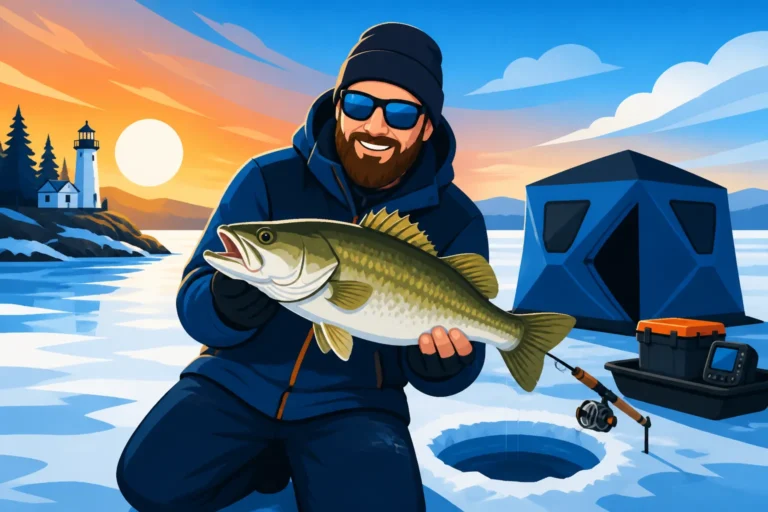
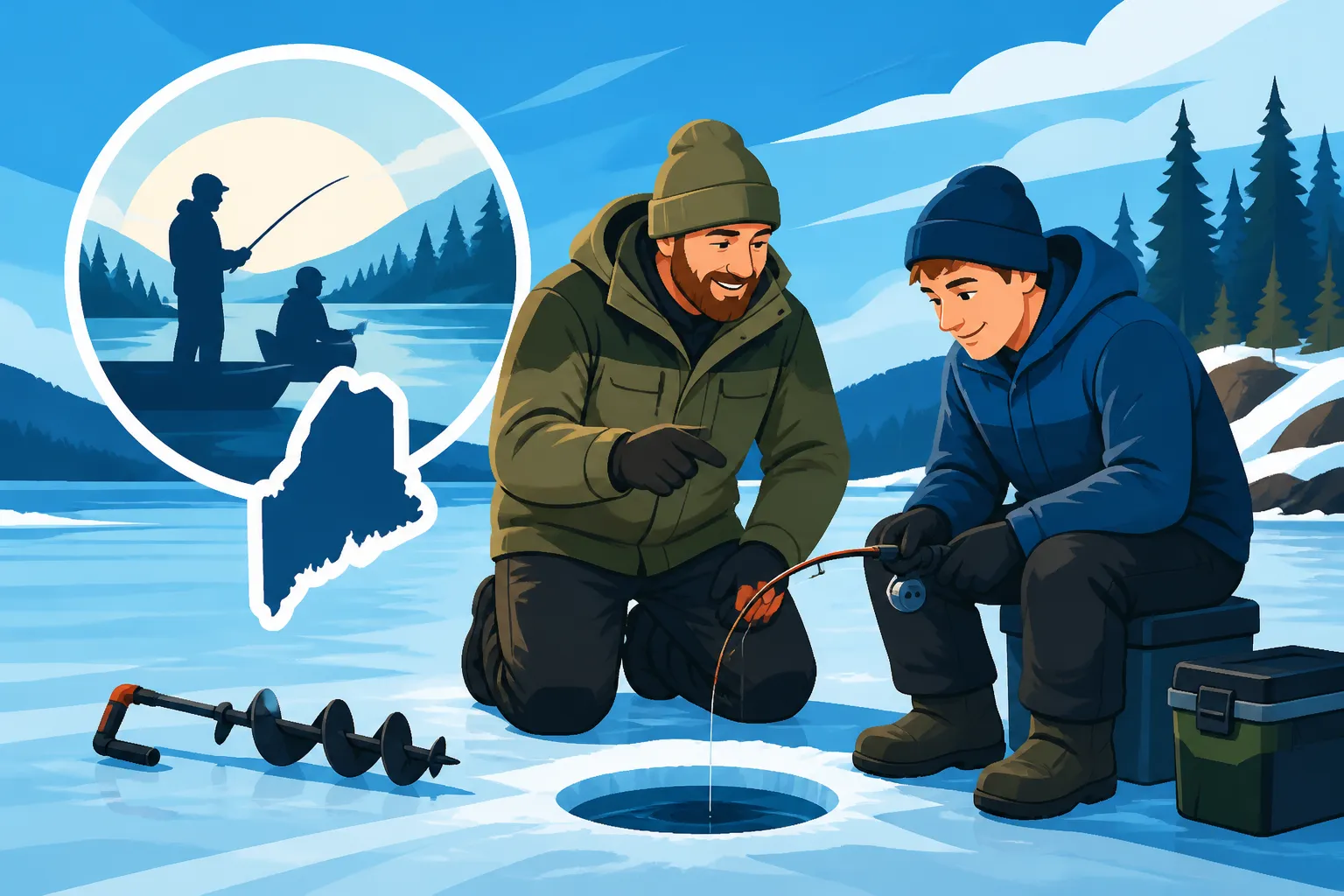
For those new to the hardwater scene, the sheer volume of gear alone can be a barrier. You need an auger to drill holes, tip-ups or jigging rods, bait, a way to stay warm, and the know-how to stay safe on the ice. Renting or buying all this equipment for a single trip is often impractical. A Registered Maine Guide removes this burden entirely. They arrive with all the necessary equipment, from the power auger that effortlessly drills through two feet of ice to comfortable, insulated shelters that shield you from the biting wind.
Beyond the gear, there's the critical element of safety. Navigating frozen lakes requires an understanding of ice thickness, currents, and potential hazards. A seasoned guide has years of experience reading the ice, knowing which areas are safe and which to avoid. They're also trained in first aid and often carry emergency equipment, providing a crucial layer of security, especially when you're far from shore. Imagine stepping onto the vast, frozen expanse of Moosehead Lake or Sebago Lake; having someone by your side who intimately knows the dangers and the prime spots is invaluable.
Overcoming the Intimidation Factor
Many aspiring ice anglers are put off by the perceived discomfort or complexity of the sport. Will I be too cold? How do I even find fish under all that ice? What if I get stuck? A guide helps dispel these fears. They provide heated shacks, often portable ones that can be moved to the best fishing spots, ensuring you stay warm and comfortable. They teach you the ropes, explaining how tip-ups work, demonstrating jigging techniques, and showing you how to bait a hook in freezing temperatures.
Instead of fumbling with unfamiliar gear or guessing where to set up, you'll benefit from a guide's expertise. They've spent countless hours on the ice, studying fish behavior, and knowing the best times and depths to target species like togue (lake trout), brook trout, or landlocked salmon. This means less time struggling and more time focusing on the thrill of a flag popping up or feeling a tug on your line. It's a fantastic way to enjoy the peace and solitude of Maine's winter wilderness without the stress of logistics.
What a Maine Ice Fishing Guide Typically Provides
When you book a guided ice fishing trip in Maine, you're not just paying for a ride to a frozen lake. You're investing in an all-inclusive experience led by a professional who knows the ins and outs of the sport and the specific waters you'll be fishing.
Essential Gear and Equipment
A good Maine ice fishing guide will supply nearly everything you need for a successful day on the hardwater. This includes:
- Ice Augers: Forget hand-cranking through thick ice. Guides typically use powerful gas or electric augers to drill multiple holes quickly and efficiently, giving you more options to find active fish.
- Ice Shacks/Shelters: From pop-up shelters that are easy to move to more robust shanties, guides provide protection from the elements. Many even come equipped with portable heaters, making the experience surprisingly cozy, even on the coldest days.
- Tip-Ups and Rods: You'll have access to quality ice fishing rods, reels, and a spread of tip-ups, rigged and ready to go. Guides often carry a variety to match the species you're targeting and the conditions of the day. They'll also explain the Maine Ice Fishing Line Limits, ensuring you're compliant with local rules.
- Bait and Lures: Live bait, like shiners or suckers, along with an assortment of jigging lures and tackle, will be provided. Your guide knows what's working best on that particular body of water and for the fish you're after. For example, they'll know the best size and type of bait for Best Bait for Maine Ice Fishing.
- Safety Gear: Beyond their knowledge of safe ice, guides often carry ice picks, throw ropes, and other safety equipment, just in case. They prioritize your well-being on the frozen expanse.
This comprehensive gear package means you don't have to invest hundreds or thousands of dollars in equipment just to try the sport. It's all there, maintained and ready for action.
Expertise and Local Hotspots
The true value of a Maine guide, especially for ice fishing, lies in their extensive knowledge of the local waterways and fish behavior.
- Reading the Ice and Conditions: Ice thickness isn't uniform. A guide can identify safe walking paths, areas where ice might be thinner due to currents or springs, and how changing weather affects ice stability. This expertise is crucial for adhering to Early Ice Safety Tips for Maine Anglers and enjoying a worry-free day.
- Finding the Fish: This is perhaps the biggest advantage. Guides know the topography of the lake bottom, where structure, drop-offs, and baitfish concentrations are likely to hold game fish. They've tracked patterns over seasons and can interpret sonar readings to pinpoint exactly where to drill holes. They'll take you to the spots where you have the best chance of success, whether that's targeting Landlocked Salmon Size Limit in Maine or seeking out a particular trout pond.
- Navigating Regulations: Maine has specific and sometimes complex fishing regulations, especially when it comes to different zones, water bodies, and species. A Registered Maine Guide is intimately familiar with these rules, ensuring your trip is legal and ethical. They'll know the Maine Fishing Regulations Explained like the back of their hand, including specific bag and length limits for various species you might encounter. This saves you from having to pore over rulebooks yourself.
So, while you might be dreaming of pulling a trophy togue from Moosehead Lake or a feisty brook trout from a remote pond, a guide's expertise is what turns that dream into a tangible possibility, all while keeping you safe and compliant.
How to Choose the Right Maine Ice Fishing Guide
Picking the right guide can make all the difference between a good trip and a truly memorable one. It's about finding someone whose expertise, personality, and services align with your expectations.
Key Questions to Ask Before Booking
Don't be shy about asking questions when you're considering an ice fishing guide. This is your experience, and you want to ensure it's a perfect fit.
- Experience and Specialization: How long have they been guiding in Maine, especially for ice fishing? Do they specialize in certain species (like salmon, togue, or brook trout) or certain lakes? Some guides might be experts on Moosehead Lake Fishing Guide, while others might focus on smaller, remote ponds. If you're hoping for a specific type of fish or a particular location, make sure your guide has a proven track record there.
- What's Included: Clarify exactly what the guide provides. Does the fee cover all bait, tackle, shacks, heaters, and safety gear? Is lunch or snacks provided? Transportation to and from the ice? Understanding the What Does an Ice Fishing Guide Provide in Maine? breakdown is crucial for budgeting and knowing what to expect. You want to avoid any surprises.
- Group Size and Customization: How many people can they accommodate? Are they comfortable guiding families with children, or are they more geared towards experienced anglers? Can they tailor the trip to your skill level and desired pace?
- Safety Protocols: Ask about their safety measures and training. What do they do in an emergency? What's their policy regarding ice conditions and cancellations due to unsafe weather or ice? A reputable guide will always prioritize safety over catching fish.
- Pricing and Payment: Understand the cost, deposit requirements, and cancellation policy upfront. While we can't give specific numbers, know that How Much Does It Cost to Hire a Registered Maine Guide? can vary based on trip length, group size, and what's included.
Finding Reputable Guides
There are several ways to locate and vet a quality Maine ice fishing guide.
- Online Platforms: Websites like FishingBooker are excellent resources. They list numerous guides, often with customer reviews, photos, and detailed descriptions of their services. This allows you to compare options, read about other anglers' experiences, and see what specific guides are offering. This is a great way to find guides who have excellent reviews for taking care of clients and putting them on fish.
- State Resources: The Maine Department of Inland Fisheries and Wildlife (MDIFW) has information on Registered Maine Guides. You can often verify a guide's license through their official channels, ensuring they meet state requirements. Knowing the Maine Registered Guide License Requirements gives you confidence in their professional standing.
- Word of Mouth: Talk to local tackle shops, sporting goods stores, or other anglers. Personal recommendations are incredibly valuable. Locals often know the most reliable and personable guides in the area.
- Local Sporting Camps and Lodges: Many sporting camps and lodges in prime ice fishing areas offer guide services as part of their packages or can recommend trusted local guides. Places near major fishing destinations often have long-standing relationships with experienced guides.
By doing a little homework and asking the right questions, you can find a guide who will not only put you on fish but also ensure you have a safe, comfortable, and truly enjoyable Maine ice fishing experience.
Preparing for Your Guided Ice Fishing Adventure
Even with a fantastic guide providing most of what you need, there are still a few things you, as the angler, should prepare to ensure you have the best possible day on the ice.
What You'll Need to Bring
Think "layers and personal comfort." Maine winters can be beautiful, but they can also be unforgivingly cold, especially when sitting still on the ice.
- Warm Clothing: This is paramount. Start with a moisture-wicking base layer (not cotton!), add insulating layers like fleece or wool, and top it off with a waterproof and windproof outer shell. Insulated bibs or snow pants and a warm winter jacket are essential. Don't forget a warm hat that covers your ears, insulated gloves or mittens (and maybe an extra pair), and warm, waterproof boots. You don't want to be shivering when the flag pops!
- Personal Items: Sunglasses are a must to protect against glare from the snow and ice. Sunscreen, even in winter, is advisable. Bring any personal medications you might need. A small backpack can hold these essentials and a change of dry socks, just in case.
- Snacks and Drinks: While some guides might provide snacks, it's always a good idea to bring your own water and calorie-rich snacks like granola bars, nuts, or chocolate. A thermos of hot coffee, tea, or cocoa will be a welcome comfort in the cold.
- Camera: You'll want to capture the memories! The winter scenery is often stunning, and hopefully, you'll have some great fish to photograph.
- Fishing License: This is non-negotiable. Even with a guide, you are required to have a valid Maine fishing license. You can usually purchase one online through the MDIFW website, or at many local sporting goods stores or town clerks. It's a good idea to get it before your trip to avoid any delays. The guide can't buy it for you, so ensure you have your Maine Fishing License Guide sorted out before heading onto the ice.
Understanding Maine's Ice Fishing Regulations
While your guide will be the expert on specific regulations for the day, having a general understanding beforehand can be helpful and ensure you're a responsible angler.
- General Laws vs. Special Regulations: Maine has general fishing laws that apply broadly, but many individual lakes, ponds, and even sections of rivers have special regulations that supersede the general law. These might dictate different bag limits, length limits (e.g., Togue Minimum Length Limit in Maine), or even bait restrictions. Your guide will know these specifics, but it's good to be aware that they exist.
- Ice Shack Rules: If your guide uses a portable or permanent ice shack, there are rules regarding their identification and removal. For instance, Ice Fishing Shack Removal Rules dictate when shacks must be taken off the ice after ice-out dates, and they often need to display the owner's name and address.
- Line Limits: There are limits on the number of lines you can legally fish with while ice fishing in Maine. Typically, you're allowed a certain number of lines, whether they are tip-ups or handheld rods. Your guide will ensure you stay within these limits, but it's good to know the Maine Ice Fishing Line Limits so you understand why they might set up a certain number of devices.
- Catch and Release: If you're planning on keeping fish, be aware of any length and bag limits for the species you catch. Your guide will help you measure fish accurately and ensure you comply. If you prefer catch and release, your guide can also demonstrate best practices to minimize harm to the fish.
By preparing yourself with the right clothing and a basic understanding of regulations, you'll be ready to fully immerse yourself in the unique and rewarding experience of ice fishing in Maine with a professional guide.
| Feature | What a Maine Guide Typically Provides | What You Need to Bring |
|---|---|---|
| Fishing Gear | Ice augers (power/hand), tip-ups, jigging rods, reels, tackle | Nothing specific, unless you have a favorite personal jig rod |
| Bait & Lures | Live bait (shiners, suckers), various jigs and lures | Optional: Any specific lucky lures or baits you prefer |
| Shelter & Comfort | Heated ice shack/portable shelter, chairs | Warm layered clothing (base, mid, outer layers), warm hat, insulated gloves/mittens, warm, waterproof boots |
| Safety Equipment | Ice picks, throw ropes, first aid kit, knowledge of safe ice | Personal medications, emergency contact information |
| Guidance & Expertise | Knowledge of hotspots, fish behavior, regulations, techniques | Curiosity, willingness to learn, good attitude |
| Food & Drink | Sometimes snacks/hot beverages (confirm with guide) | Water, personal snacks (high energy), thermos with hot drink |
| Documentation | Guide's license, knowledge of state/local regulations | Valid Maine fishing license, photo ID |
| Misc. | Sunglasses, sunscreen, camera, small backpack, dry socks |
Disclaimer
This article is for general informational purposes only and does not constitute professional advice. Laws, prices and regulations vary by location and change over time. Consult a qualified professional for guidance on your specific situation.