Are Maine Charter Boats Inspected by the Coast Guard?
Planning a fishing charter in Maine is incredibly exciting, but it's totally normal to have questions about what you're actually signing up for, especially when it comes to safety and regulations. Many folks wonder if those charter boats are truly safe and if they've been checked out by a reliable authority. This guide is here to shed some light on the crucial role the U.S. Coast Guard plays in ensuring the safety of Maine's charter fishing fleet, helping you understand what to look for and what questions to ask before you cast off.
The Role of the U.S. Coast Guard in Maine Charter Safety
When you book a fishing charter, whether it's for striped bass in Casco Bay or a deep-sea adventure offshore, you're putting a lot of trust in the captain and their vessel. The good news is that for many commercial fishing charters in Maine, the U.S. Coast Guard (USCG) plays a significant role in setting and enforcing safety standards. They are the federal authority responsible for maritime safety, and their regulations are designed to protect passengers and crew on the water. It’s not just about having a sturdy boat; it’s about having the right equipment, trained personnel, and strict operating procedures.
Understanding USCG Jurisdiction in Maine Waters
The U.S. Coast Guard's jurisdiction covers all navigable waters of the United States, including Maine's vast coastline, bays, harbors, and even certain major rivers and lakes that are considered navigable waterways. This means that if a charter boat is carrying paying passengers on these waters, it falls under USCG regulations. For a typical ocean-going fishing charter operating out of, say, Portland or Boothbay Harbor, the Coast Guard is definitely involved. Their primary goal is to minimize accidents and fatalities, which means everything from the design and construction of the vessel to the safety equipment on board and the captain's qualifications are scrutinized. This oversight is a significant reassurance for anyone looking to enjoy the rich fishing opportunities Maine offers.
However, it’s worth noting that some smaller, more specialized operations, like certain inland lake fishing guides using smaller boats on non-navigable waters, might have slightly different oversight mechanisms, often falling more under state rather than federal regulations. But for the majority of charter experiences that take you out onto the coast or larger bays, the USCG is the ultimate authority ensuring a baseline of safety.
Inspected vs. Uninspected Vessels: What's the Difference?
This is where things can get a little technical but are super important for potential passengers. The Coast Guard classifies commercial vessels carrying passengers into two main categories: "inspected" and "uninspected" vessels.
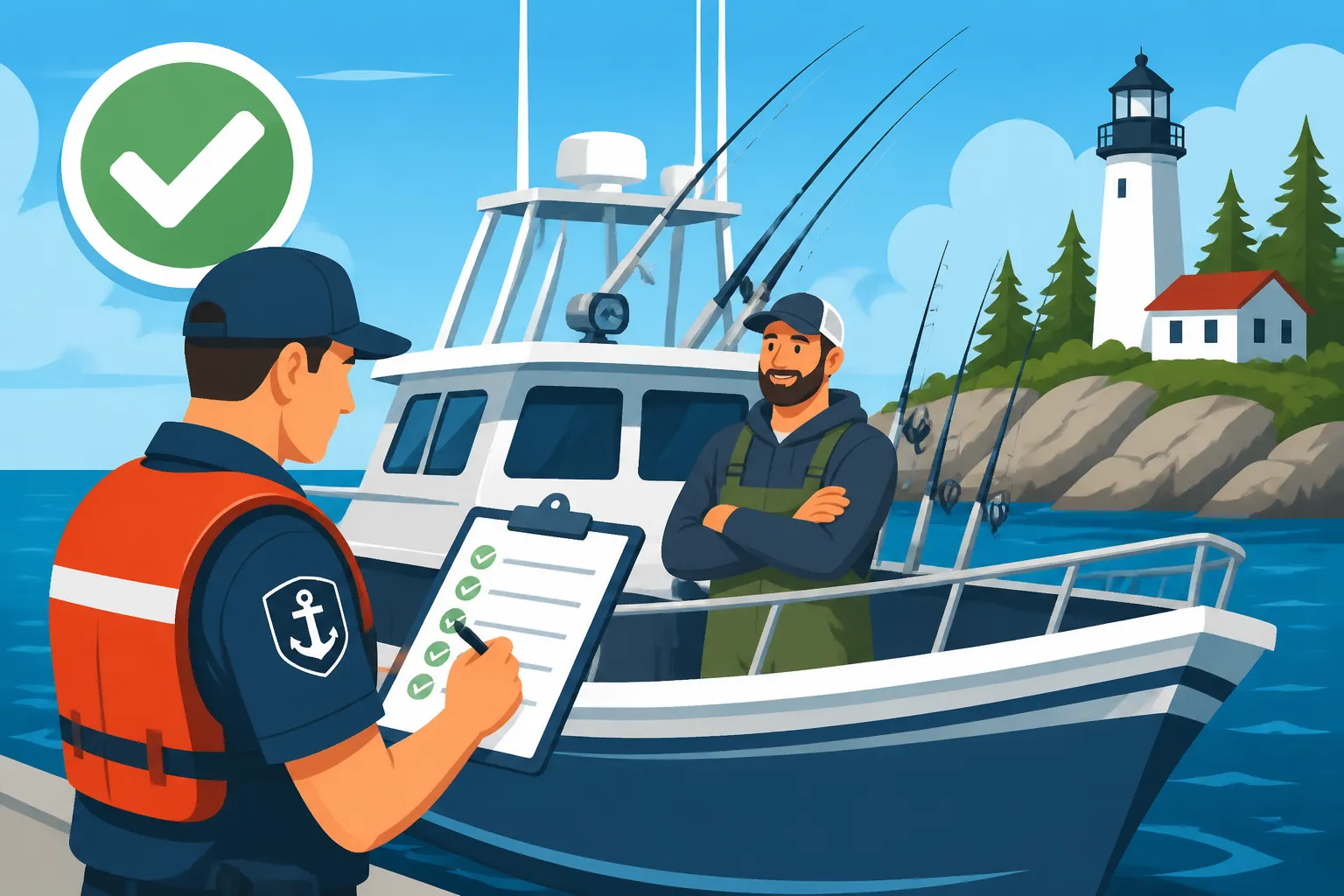
Inspected Vessels are those typically certified to carry more than six passengers (often 7 or more, though exact numbers can vary by vessel type and route). These vessels undergo a very rigorous and comprehensive inspection process, often multiple times a year, by the Coast Guard. This includes detailed checks of the vessel's structure, stability, fire suppression systems, emergency exits, electrical systems, propulsion, and all safety equipment. They must meet stringent design and operational standards, often akin to small passenger ships. If you’re considering Maine Deep Sea Fishing Charters for a larger group or a longer trip offshore, there's a good chance you'll be on an inspected vessel, which offers the highest level of federal safety oversight.
Uninspected Passenger Vessels (UPVs), often referred to as "6-pack" charters, are certified to carry no more than six paying passengers. While they don't undergo the same comprehensive, periodic inspections as larger vessels, they are still subject to significant Coast Guard regulations. The boat itself doesn't get a "certificate of inspection" like its larger counterparts, but it must comply with specific safety equipment requirements (like life jackets, fire extinguishers, visual distress signals) and the captain must hold a valid USCG license. These vessels are still subject to random boardings and compliance checks by the Coast Guard. Many Maine Striped Bass Charters and smaller lake guides operate as UPVs. It’s a common misconception that "uninspected" means unsafe; it simply means a different, less intensive oversight process that is deemed appropriate for fewer passengers and specific operational parameters.
Understanding this distinction can help you choose the right charter for your group size and comfort level. Both types of vessels, when properly operated, aim to provide a safe experience under the watchful eye of the USCG.
Why USCG Inspection Matters for Your Safety
The Coast Guard's involvement isn't just bureaucratic red tape; it's genuinely about ensuring a baseline of safety for everyone onboard. When a boat is inspected, or when an uninspected vessel adheres to USCG regulations, it means certain critical safety elements have been considered and met. For instance, imagine being out on the choppy waters off the coast of Maine and something unexpected happens – a sudden storm rolls in, or an engine malfunctions. Knowing that your captain is licensed and that the boat carries essential safety gear like sufficient life rafts, properly maintained life jackets for every passenger, and reliable communication devices can make all the difference.
Beyond the physical equipment, the USCG ensures that the captain is properly trained and licensed. This isn't just a fishing license, but a professional mariner's credential, demonstrating their knowledge of navigation, safety procedures, first aid, and maritime law. It brings a level of professionalism and accountability that casual private boaters don't always possess. For peace of mind, especially when you’re out on the vast Atlantic, having a USCG-approved vessel and captain is paramount. This level of oversight helps to maintain a high standard across the industry, contributing to the overall reputation of Maine Fishing Charters Guide as a safe and enjoyable activity.
Mandatory Safety Equipment and Regulations for Maine Charters
Even if a charter boat is an "uninspected passenger vessel," meaning it carries six or fewer passengers, it's still bound by a strict set of U.S. Coast Guard regulations designed to protect everyone on board. These aren't just suggestions; they are federal laws that dictate what equipment must be present and in good working order, as well as the operational rules that captains must follow. It’s comforting to know that whether you're fishing for landlocked salmon on a large lake or chasing bluefin tuna offshore, there's a foundation of safety requirements.
Essential Safety Gear You Should See Onboard
When you step onto a charter boat, there's certain essential safety gear that must be present, readily accessible, and in good condition. A responsible captain will often point out where these items are during a pre-trip briefing, which is a great sign.
Here’s a quick rundown of what you should expect to see:
- Personal Flotation Devices (PFDs) / Life Jackets: There must be a USCG-approved life jacket for every single person on board, including children. For uninspected vessels, often these are Type I, II, or III PFDs. For inspected vessels, you might see more advanced types, including immersion suits in colder waters. They should be stored in an easily accessible location and not locked away.
- Visual Distress Signals (VDS): Depending on the size of the vessel and its area of operation, charters must carry flares (day/night signals), an orange distress flag (day signal), or an electronic visual distress signal. These are crucial for attracting attention in an emergency.
- Sound Producing Devices: Every vessel needs a way to make a loud noise to signal distress or warn other boats, like a whistle or an air horn. Larger vessels will have a ship's bell.
- Fire Extinguishers: Appropriate, Coast Guard-approved fire extinguishers must be on board, properly charged, and strategically placed near potential fire hazards like the engine room or galley.
- First Aid Kit: A well-stocked first aid kit capable of handling common injuries and emergencies is mandatory.
- Navigation Lights: For any operation during twilight or darkness, proper navigation lights are essential to prevent collisions.
- Communication Equipment: A VHF radio is standard for contacting other vessels and the Coast Guard. Many also carry cell phones or satellite phones as backups, especially on offshore trips.
- Emergency Position Indicating Radio Beacon (EPIRB) or Personal Locator Beacon (PLB): For many offshore charters, an EPIRB is required. This device automatically transmits a distress signal with GPS coordinates to rescue authorities in an emergency.
This list represents the basics, and many captains go above and beyond these minimums. When you're considering What Safety Equipment Do Maine Charters Carry?, remember that seeing these items and understanding their purpose is a good indicator of a captain who takes safety seriously.
Operational Requirements for Charter Captains
Beyond the gear, the Coast Guard also sets forth strict operational requirements for captains of commercial passenger vessels. It's not just about having a license; it's about adherence to proper procedures and responsible seamanship.
One major requirement is safe manning. This dictates the number of licensed personnel required on board, based on the vessel's size and the number of passengers. Even for a "6-pack" charter, the captain must hold a USCG Master's or Operator of Uninspected Passenger Vessels (OUPV) license.
Captains are also responsible for conducting a pre-departure safety briefing. This brief should cover the location of PFDs, emergency exits, fire extinguishers, and how to use communication devices. It's a critical step that ensures passengers know what to do if an unexpected situation arises. Furthermore, captains must always operate their vessels in a safe manner, adhering to navigation rules, speed limits, and weather advisories. They have a responsibility to monitor weather conditions and make the call to return to shore or cancel a trip if conditions become unsafe. This crucial decision-making capacity is why experience and judgment are so highly valued in a charter captain. You can learn more about this by researching Coast Guard License Requirements for Maine Charter Captains.
The Importance of a Licensed Captain
Perhaps the single most important safety factor on any Maine fishing charter is the captain's license. As mentioned, for any vessel carrying paying passengers, the captain must hold a valid U.S. Coast Guard Merchant Mariner Credential. This is not the same as a recreational boating license. To obtain this credential, captains must:
- Accumulate Sea Time: Log a specified number of days at sea, demonstrating hands-on experience operating a vessel.
- Pass Examinations: Undergo rigorous testing on subjects like navigation, seamanship, rules of the road, first aid, fire fighting, and emergency procedures.
- Medical Exam and Drug Testing: Pass a thorough physical examination and participate in a drug testing program.
- Background Checks: Clear federal background checks.
A USCG-licensed captain has demonstrated a fundamental understanding of maritime safety and emergency protocols. They are trained to handle a wide range of situations, from routine navigation to severe weather and onboard emergencies. They also understand the rules and regulations for how many people can be on their boat, ensuring they don't overload the vessel, which is critical for stability and safety. When you book a trip, knowing your captain is properly licensed means you're entrusting your safety to a vetted professional. If you're looking for Hiring a Maine Fishing Guide, always prioritize one with the appropriate USCG credentials.
How to Verify a Maine Charter Boat's Compliance
As a potential passenger, you have every right to feel confident in the safety and legality of your chosen fishing charter. While you might not be able to perform a full USCG inspection yourself, there are definite steps you can take to verify compliance and ensure you’re booking a reputable operation. Don't be shy about asking questions; a good captain will welcome your inquiries and be transparent about their safety protocols.
Questions to Ask Before Booking Your Trip
Before you even commit to a booking, a few key questions can give you a lot of insight:
- "Is your captain U.S. Coast Guard licensed for passenger vessels?": This is your number one question. A simple "yes" isn't enough; ask what type of license they hold (e.g., OUPV or Master's license) and if they operate an inspected or uninspected vessel. For most "6-pack" charters, an OUPV license is standard.
- "How many passengers is your boat certified to carry?": This confirms they are operating within their legal limits. If they say they can take seven passengers but only have an OUPV license, that's a red flag. How Many People Can Go on a Maine Charter Boat? regulations are clear and important.
- "Can you tell me about the safety equipment on board?": A good captain will be happy to list or discuss the location of life jackets, fire extinguishers, communication devices, and other critical gear. This shows they're prepared and proud of their safety measures.
- "What's your policy on adverse weather?": Reputable charters will have a clear policy for canceling or rescheduling due to unsafe weather conditions, prioritizing your safety over making a trip.
- "Do I need my own fishing license for the trip?": While the captain is licensed to operate the vessel, in most cases, you'll still need your own state fishing license. This is a good opportunity to clarify Do You Need a License to Fish on a Maine Charter?.
Platforms like FishingBooker often provide information about charter certifications and amenities, but it's always smart to follow up directly with the captain for specifics. Their willingness to answer these questions openly speaks volumes about their professionalism.
Checking for Visible Signs of Compliance
Once you arrive at the dock and before you depart, you can do a quick visual check for some obvious signs of compliance and good practice:
- Life Jackets: Are they clearly visible and easily accessible? Are there enough for everyone? Do they look to be in good condition, without rips or mildew?
- Cleanliness and Maintenance: A well-maintained boat, both clean and organized, usually indicates a captain who takes pride in their vessel and, by extension, its safety. Look for things like tidy lines, clear decks, and a generally shipshape appearance.
- Safety Briefing: Did the captain or crew conduct a safety briefing before leaving the dock, pointing out important safety equipment and emergency procedures? This is a fundamental step required by the Coast Guard.
- Condition of the Vessel: While you don't need to be a marine surveyor, observe the general condition of the boat. Does it appear sturdy and well-cared for? Are there any obvious structural issues or concerns?
These visible cues aren't definitive proof of USCG inspection, but they are strong indicators of a professional operation that prioritizes passenger well-being.
Resources for Further Verification
If you have lingering doubts or want to go a step further, there are ways to gather more information, though direct public access to detailed USCG inspection reports for individual vessels can be limited.
- USCG Documentation: For larger, inspected vessels, a "Certificate of Inspection" (COI) will be prominently displayed on board. This document states the vessel's capacity, routes, and validity period. For uninspected vessels, there isn't a COI, but the captain's license should be available if requested.
- State Agencies: While the USCG handles federal regulations, state agencies, like the Maine Department of Inland Fisheries and Wildlife (MDIFW) or the Maine Marine Patrol, may have information regarding local fishing guides or certain state-specific regulations that apply, especially on inland waters.
- Online Reviews and Reputations: Look at reviews on platforms like FishingBooker, Google, or other travel sites. Consistent positive feedback about safety, professionalism, and experience can provide a good proxy for a reliable charter. What people say about their experience, especially concerning safety and the captain's demeanor, is incredibly valuable.
- Ask for References: Don't be afraid to ask the charter company for references from previous clients. Hearing directly from others about their experience can be very reassuring.
By being proactive and informed, you can significantly enhance your chances of having a safe and enjoyable fishing trip in Maine.
Beyond Inspections: What Else Makes a Safe and Reputable Charter?
While U.S. Coast Guard inspections and regulations set a crucial baseline for safety, a truly great and reputable charter experience in Maine goes beyond just ticking boxes. There are many other factors that contribute to a safe, successful, and memorable day on the water. It’s about the whole package, from the captain’s expertise to the overall vibe of the operation.
Captain's Experience and Local Knowledge
A USCG license proves a captain knows the rules of the road and how to handle emergencies, but it doesn't instantly bestow years of on-the-water wisdom. An experienced captain with deep local knowledge is invaluable. They understand Maine's unique waters, including shifting tides, local weather patterns, hidden shoals, and where the fish are likely to be biting at any given time. This expertise translates directly into a safer trip, as they can anticipate potential hazards and navigate challenging conditions with confidence.
Think about a charter operating off the coast of Boothbay Harbor or a guide leading you through the labyrinthine waterways of the Allagash Wilderness Waterway Fishing Guide. Their intimate understanding of these specific areas, gained over countless hours on the water, ensures they know safe passages, emergency rendezvous points, and optimal fishing grounds. They've seen it all, from sudden fog banks rolling in to unexpected mechanical glitches, and they know how to react calmly and effectively. This seasoned judgment, often passed down through generations of Mainers, is a huge asset to your safety and enjoyment.
Vessel Maintenance and Upkeep
Even an inspected vessel can fall short if it's not meticulously maintained between inspections. A reputable charter operation understands that continuous maintenance is paramount. This means routine checks of engines, electrical systems, steering, and emergency equipment. Just like your car needs regular oil changes and tune-ups, a boat operating in the harsh marine environment requires constant attention.
Look for a charter whose boat appears well-cared for, not just clean, but showing signs of ongoing preventative maintenance. This commitment to upkeep means systems are less likely to fail when you're miles offshore, ensuring a smooth and reliable trip. A captain who invests in their vessel's condition is investing in your safety. It’s not just about passing an inspection once a year; it’s about daily diligence and pride in their equipment.
Passenger Briefings and Emergency Procedures
As mentioned earlier, a proper safety briefing is a USCG requirement, but a truly excellent charter will make this an engaging and thorough part of your experience, not just a rushed formality. The captain or first mate should clearly explain:
- The location and proper use of all personal flotation devices.
- Where the fire extinguishers are and how they work.
- Emergency exits and procedures in case of an evacuation.
- How to use the marine radio in an emergency (though they hope you never have to).
- Any specific safety rules for their vessel (e.g., staying seated in rough seas, how to move safely around the deck).
Beyond the briefing, the crew should demonstrate an organized and calm approach to everything they do. If they have clear, well-rehearsed emergency procedures, it means they’ve thought through potential scenarios and are prepared to respond effectively. This level of preparedness is what transforms a simple boat trip into a truly secure and reassuring adventure. For general information on what to expect, checking out resources like What to Bring on a Maine Fishing Charter can help you prepare for your trip, but the onboard briefing will always be tailored to your specific vessel and captain.
Ultimately, choosing a Maine fishing charter involves a bit of homework, but knowing that the U.S. Coast Guard sets and enforces essential safety standards for most commercial operations should give you a good level of confidence. By asking the right questions, observing the condition of the vessel, and paying attention to the captain's professionalism, you're well on your way to a fantastic and safe day of fishing in the beautiful waters of Maine.
Here's a quick comparison of what to expect between different types of charter vessels:
| Feature | USCG Inspected Vessel (7+ Passengers) | USCG Uninspected Passenger Vessel (1-6 Passengers) |
|---|---|---|
| Inspection Type | Periodic, comprehensive USCG inspections (structural, stability, systems) | Subject to random USCG safety checks and compliance boardings |
| Documentation | Displays a "Certificate of Inspection" (COI) | Captain holds a USCG Master's or OUPV license |
| Capacity | Certified to carry 7 or more paying passengers | Certified to carry a maximum of 6 paying passengers |
| Captain's License | Requires a USCG Master's license | Requires a USCG Master's or OUPV (6-pack) license |
| Safety Equipment | More extensive requirements (e.g., life rafts, fixed fire systems) | Specific requirements (e.g., PFDs, fire extinguishers, VDS) |
| Operational Procedures | Strict operational guidelines and record-keeping | Adheres to navigation rules, safety briefings, weather monitoring |
| Common Use Cases | Larger deep-sea charters, whale watches, ferry services | Most inshore fishing charters, smaller lake guides, private tours |
Disclaimer
This article is for general informational purposes only and does not constitute professional advice. Laws, prices and regulations vary by location and change over time. Consult a qualified professional for guidance on your specific situation.