How to Fish for Striped Bass From Shore
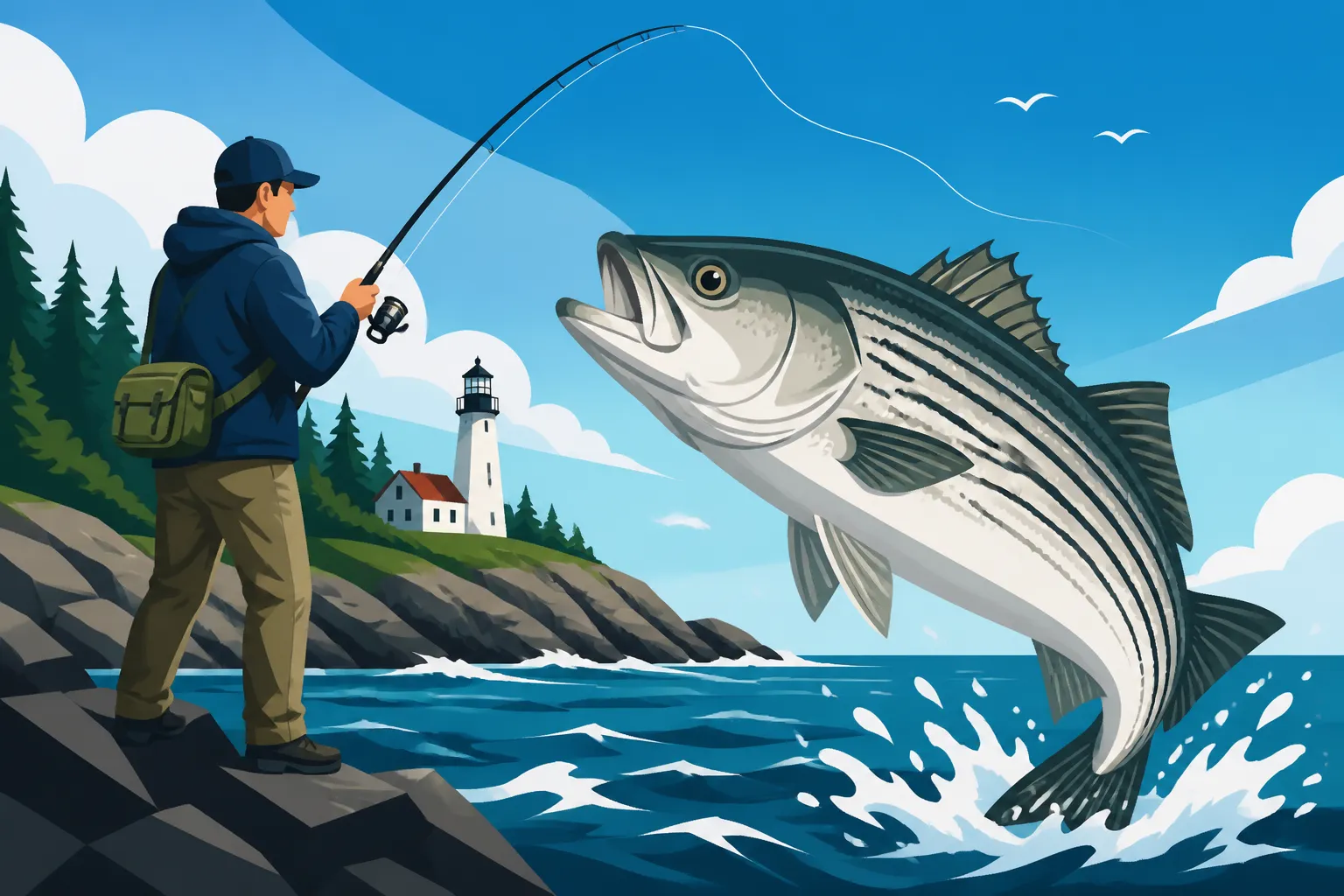
There’s a unique thrill, and sometimes a whole lot of head-scratching, that comes with trying to catch striped bass from the rugged, beautiful shores of Maine. You're not always on a boat chasing them down; sometimes it feels like they’re just out of reach, making you wonder if your bait is right, if the tide is good, or if you're even standing in the right spot. This comprehensive guide will walk you through everything you need to know to successfully target striped bass right from Maine’s captivating coastline.
Understanding Striped Bass Behavior Near Shore
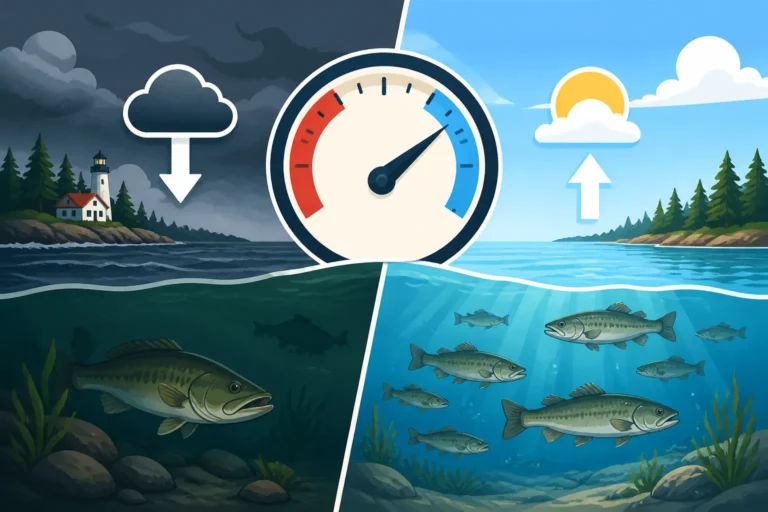
Catching stripers from shore often feels like a puzzle, but once you understand their natural habits, you’ll start to see the pieces fall into place. These powerful fish are always on the move, driven primarily by two things: food and comfortable water conditions. Maine’s diverse coastline, with its rocky outcrops, sandy beaches, and numerous estuaries, offers a smorgasbord of opportunities for hungry stripers.
Why Stripers Come Close to Shore
Striped bass are opportunistic feeders, and the shoreline is a prime hunting ground for them, especially during certain times of the year and specific tide cycles. They patrol the shallows looking for an easy meal, taking advantage of currents that dislodge baitfish and crustaceans from their hiding spots. As the water warms up in late spring and summer, baitfish like mackerel, herring, and sand eels migrate closer to shore, and the stripers are never far behind. You'll often find them lurking around structure, waiting to ambush prey.
During spawning runs, or when the major baitfish migrations are underway, stripers will push into very shallow water, sometimes only a foot or two deep. This is where shore anglers have a real advantage. They use the cover of darkness, low light conditions, or turbulent water to their benefit, making them less visible to their prey and more confident in venturing closer to land. Understanding these feeding patterns is key to positioning yourself for success.
Identifying Prime Shoreline Structure
Not all shoreline is created equal when it comes to attracting striped bass. They love structure because it provides cover, creates current breaks, and concentrates bait. Think jetties, rocky points, submerged boulders, mussel beds, and even sandy beach cuts or troughs. These features act like natural highways and feeding stations for stripers.
A jetty, for example, extends into deeper water and often has a strong current flowing along its sides, creating a perfect ambush point. Rocky points disrupt the current, forming eddies where baitfish gather, and stripers will sit just outside these calm spots, waiting to dart in. Even a seemingly featureless sandy beach can have subtle troughs or sandbars that hold bait, especially as the tide moves in and out. Learning to read the water and identify these features will dramatically increase your chances of finding fish. Look for areas where whitewater meets calm water, or where currents are swirling – these are often indicators of submerged structure.
Essential Gear for Maine Shore Striper Fishing
You don't need a boatload of expensive equipment to get started, but having the right tools for the job can make a world of difference when you're battling a powerful striper from the rocks or sand. Durability, casting distance, and fighting power are your main considerations.
Rods, Reels, and Line Selection
For shore fishing in Maine, a good surf rod is your best friend. These rods are typically 9 to 12 feet long, offering the leverage needed for long casts, especially when you're trying to reach deeper water or distant rips. A medium-heavy to heavy power rod with a fast action is ideal, allowing you to cast heavier lures and handle larger fish. Brands like Penn, St. Croix, and Lamiglas make excellent rods for this type of fishing.
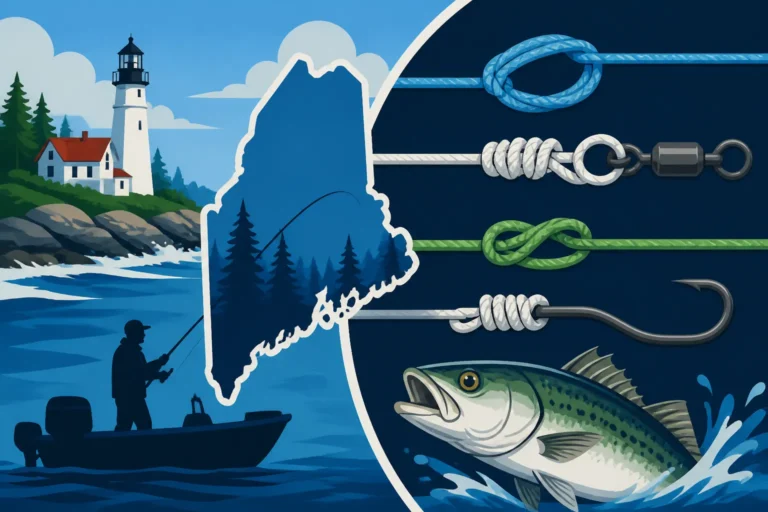
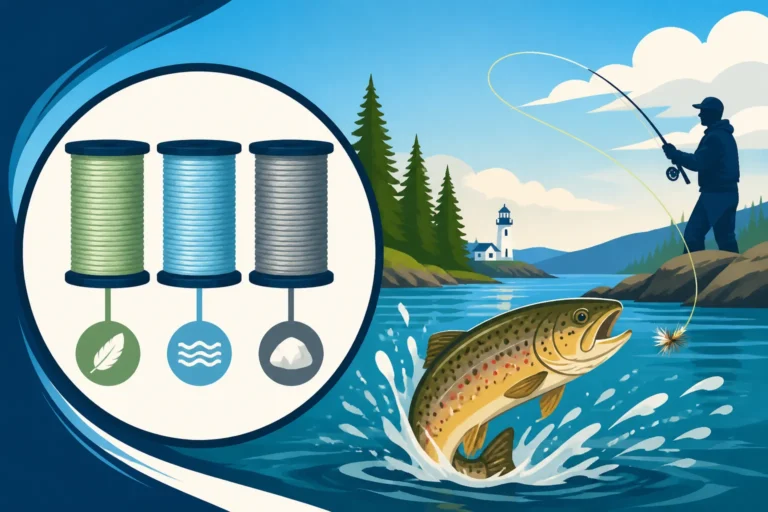
Pair your rod with a robust spinning reel in the 5000 to 8000 series size range. Look for models known for their smooth drag system and saltwater resistance. Spool your reel with 30 to 50 lb braided line. Braid offers superior casting distance due to its thinner diameter and has virtually no stretch, which means better sensitivity and more powerful hooksets. Always tie on a 2-4 foot leader of 30-50 lb fluorocarbon or monofilament to your braided main line. This leader provides abrasion resistance against rocks and sharp teeth and is less visible in the water. You can find a wide selection of these essential items on platforms like Amazon, offering various price points and brands to suit your needs.
Lures and Baits That Work
Stripers are not particularly picky eaters, but certain lures and baits consistently outperform others from shore. For artificials, think about replicating their natural prey. Topwater plugs like poppers and walk-the-dog lures create exciting surface commotion, especially during dawn and dusk. Subsurface plugs like swimming plugs or lipped darters imitate baitfish darting through the water. For finesse presentations, soft plastics rigged on jig heads can be incredibly effective, especially in calmer waters or when fish are finicky. Paddle tail swimbaits from brands like Tsunami or Bass Assassin are always a good bet. For a deeper dive into choices, check out our guide on the Best Lures for Striped Bass in Maine.
When it comes to natural bait, it's hard to beat the real thing. Fresh cut bait, such as mackerel, herring, or menhaden (pogies), presented on a fish-finder rig, is a classic choice. Live eels are absolute striper magnets, especially at night. They can be fished free-lined or with a small weight. Clams and sandworms are also effective, particularly in areas with muddy or sandy bottoms where these natural food sources are abundant. Having a variety of options can make all the difference, as stripers can be finicky depending on the day and the conditions.
Terminal Tackle and Accessories
Beyond your rod and reel, a few key pieces of terminal tackle and accessories will make your shore fishing experience much smoother and more successful. You'll need an assortment of hooks – octopus hooks for bait fishing (sizes 5/0 to 8/0) and strong, sharp treble hooks if you're replacing those on your plugs. Swivels and snaps are essential for quick lure changes and preventing line twist, and a variety of lead weights (pyramid, egg, or bank sinkers) ranging from 1 to 5 ounces will help you hold bottom in currents or cast further.
Don't forget a sturdy pair of pliers for removing hooks and cutting line, a headlamp for early morning or night fishing, and a comfortable backpack to carry your gear. A reliable tackle box or bag, perhaps one you scouted on Amazon, to keep everything organized is also a game-changer. Finally, a proper fish gripper and measuring tape are crucial for safely handling and measuring your catch, especially when adhering to the Maine Striped Bass Slot Limit Explained and practicing catch and release.
Effective Techniques for Catching Stripers from Shore
Shore fishing isn't just about casting out as far as you can; it's about thoughtful presentation, understanding the current, and observing the subtle signs of fish activity. The techniques you employ will vary greatly depending on the type of lure or bait you're using and the conditions you're facing.
Casting and Retrieval Strategies
Your casting technique will largely depend on your chosen spot. From wide-open beaches, you’ll want to maximize your distance to reach distant sandbars or deeper channels. A pendulum cast or a two-handed overhead cast will help you achieve this. When fishing around rocky points or jetties, precision is often more important than sheer distance; you’ll want to hit specific pockets or current seams.
Retrieval is where you truly bring your lure to life. For topwater plugs, a steady retrieve with occasional twitches or pauses can mimic a struggling baitfish. Subsurface plugs often respond well to a slow, steady retrieve with periodic jerks to simulate an injured fish. When using soft plastics, a jigging retrieve—casting out, letting it sink, then lifting and dropping your rod tip—can be deadly, imitating a bottom-dwelling critter or a stunned baitfish. Experiment with different speeds and actions until you find what the stripers are keying in on that day. Don't be afraid to try varying your retrieve pattern; sometimes a slight change in speed or a longer pause is all it takes to trigger a strike.
Reading the Water for Striper Signs
One of the most valuable skills an angler can develop is learning to "read the water." Striped bass leave clues, and knowing what to look for can significantly improve your success rate. Keep an eye out for nervous baitfish skipping on the surface or congregating tightly—this often signals a predator below. Diving birds, like gulls or terns, are also a strong indicator of baitfish being pushed to the surface by feeding stripers.
Observe the water itself. Look for rips, eddies, and current seams, which are often formed by submerged structure or changes in bottom contour. These areas concentrate bait and offer stripers prime ambush points. Pay attention to changes in water color, which might indicate a drop-off or a shift from sandy to rocky bottom. Even subtle changes in wave patterns can hint at structure below the surface. The more you watch, the more you'll learn to interpret these signs and anticipate where the fish will be. Knowing how to read the water can lead you to the Maine Coastal Fishing Spots for Striped Bass that most anglers overlook.
Live Bait Rigs from Shore
While artificial lures are a blast, sometimes live bait is simply irresistible to a hungry striper. Fishing live bait from shore requires a slightly different approach and specific rigs. The most popular rig for live or cut bait is the fish-finder rig. This setup allows the line to run freely through a slide or a barrel swivel, which is attached to your main line, and then connects to a leader and hook. Your sinker slides on the main line, and when a fish takes the bait, it feels minimal resistance, making it more likely to swallow the hook. This is especially effective with cut bait like mackerel or pogies.
For live eels, free-lining is often the most effective method, especially at night around jetties or rocky areas. Simply cast the eel out and let it swim naturally with the current. If you need a little weight to get it down or cast further, a small egg sinker above a swivel can be used. When using worms or clams, a simple high-low rig or a standard bottom rig with a sinker at the end and one or two dropper loops for hooks can work wonders. Be sure to check out our detailed guide on Best Rigs for Striped Bass Fishing for more specific setups.
| Lure Type | Best Conditions | Retrieve Style | Target Bait Imitated | Notes |
|---|---|---|---|---|
| Topwater Plugs | Dawn/Dusk, Calm to Choppy Water | Walk-the-dog, erratic pops, steady reel | Injured baitfish, popper | Exciting strikes, best in low light. Popular brands include Heddon Super Spook Jr. or Rebel Pop-R. |
| Swimming Plugs | All conditions, especially moving water | Slow to medium steady retrieve, occasional twitch | Mackerel, herring, sand eel | Versatile, great for covering water. Daiwa SP Minnow is a classic. |
| Soft Plastics (Paddle Tail Swimbait) | All conditions, especially calmer water, current | Steady retrieve, jigging, twitching | Mullet, bunker, any baitfish | Highly adaptable, effective when fish are finicky. Gulp! Swimming Mullet is very popular on Amazon. |
| Bucktail Jigs | Fast currents, deeper water, rocky areas | Vertical jig, slow retrieve with hops | Crab, shrimp, bottom fish | Extremely effective, especially when paired with a pork rind or soft plastic trailer. |
| Spoons | Open water, casting for distance | Fast retrieve, erratic jerks | Silversides, sand eels | Great for long casts, particularly when bait is small and schooling. |
Tidal Influence and Best Times to Fish
Understanding the tides is not just helpful for shore fishing; it's absolutely crucial. The movement of water dictates when and where stripers feed, making a good tide almost as important as having the right bait.
High Tide vs. Low Tide Fishing
Maine's coast experiences significant tidal swings, and stripers use this to their advantage. Generally, the incoming and outgoing tides—especially the last two hours of one and the first two hours of the other—are considered the most productive. This is when the current is strongest, dislodging bait from structure and carrying food into new areas.
During an incoming tide, stripers will push into shallower water, exploring submerged rocks, jetties, and beach fronts that were previously exposed. This can be a prime time to target them with artificials. As the tide recedes, they often funnel out of coves and estuaries, congregating at pinch points or deeper channels. Low tide can sometimes be less productive in very shallow areas, but it also exposes structure, allowing you to scout new fishing spots for the next incoming tide. Many anglers swear by fishing an hour before and after high tide for optimal results. To truly master this, take a look at How to Read Tides for Striped Bass Fishing to understand the nuances.
Dawn, Dusk, and Night Fishing Strategies
While you can catch stripers during the day, especially on overcast days or in turbulent conditions, dawn, dusk, and nighttime are often the most productive periods for shore anglers. Stripers are typically more active feeders in low light. This is when they feel more confident venturing into shallower water without being as easily spotted by their prey.
- Dawn and Dusk: These "golden hours" offer a fantastic bite window. As the sun rises or sets, the light changes, triggering a feeding frenzy. Topwater lures are particularly effective during these times, creating exciting surface strikes.
- Night Fishing: This is where many of the largest stripers are caught from shore. Under the cover of darkness, big bass move into areas they wouldn't dare visit in daylight. Live eels are king at night, but dark-colored swimming plugs or soft plastics can also be incredibly effective. Make sure you're prepared with a good headlamp, and always be mindful of your surroundings for safety. For detailed insights on fishing after dark, be sure to check out our article on Is Night Fishing Legal in Maine? and the specific regulations that might apply.
Table: Tidal Influence on Shore Striped Bass Fishing
| Tide Phase | Striper Behavior | Best Tactics | Ideal Lures/Baits | Notes |
|---|---|---|---|---|
| Low Tide (Slack) | Stripers move to deeper channels, structure edges | Scout new spots, target deeper holes | Jigs, bottom rigs with bait | Often less productive from shore, but good for scouting. Focus on channels or river mouths. |
| Incoming Tide (First Half) | Stripers begin moving into shallower areas, exploring structure | Cast into newly submerged structure, moving water | Swimming plugs, soft plastics, live bait | Fish will start to push closer to shore following the bait. Current is building. |
| Incoming Tide (Second Half) | Aggressive feeding as more water covers structure | Target eddies, rips, turbulent spots | Topwater (dawn/dusk), swimming plugs, live eels | Peak feeding window, especially the last hour before high tide. Stripers are actively hunting. |
| High Tide (Slack) | Often slower, stripers may settle in deeper pockets | Focus on structure that holds fish at high water, deep edges | Live bait, slow retrieve jigs | Current slows, fish might disperse or hold in specific spots. Be patient. |
| Outgoing Tide (First Half) | Fish move out of shallows, gather at pinch points | Cast into current lines, funnel points, drop-offs | Swimming plugs, cut bait, soft plastics | Excellent for intercepting fish leaving flats or coves. Current is building again. |
| Outgoing Tide (Second Half) | Continues to be productive, fish congregate as water drops | Target channel edges, current seams, deeper holes | Cut bait, eels, jigs | Strong current can dislodge more bait, concentrating fish. Often a great time for bigger fish. |
Coastal Safety and Regulations for Shore Anglers
Safety should always be your top priority when fishing from Maine's shoreline, which can be unforgiving. Beyond that, adhering to local regulations is non-negotiable for the health of our fisheries.
Coastal Safety Precautions
Maine's coastline is beautiful, but it can be hazardous. Slippery, seaweed-covered rocks, sudden rogue waves, and swift currents are all real dangers. Always wear sturdy, non-slip footwear, such as korkers or felt-soled wading boots, when navigating rocky areas. Never turn your back on the ocean, as unexpected waves can sweep you off your feet. If you're wading, be aware of the tide and how quickly it can change water depths and currents around you.
Consider wearing a personal flotation device (PFD), especially if you're fishing alone or in precarious spots. Let someone know where you're going and when you expect to return. Be mindful of changing weather conditions, as fog can roll in quickly, and storms can appear with little warning. In an emergency, knowing the local coast guard or emergency services number is vital. You can find many safety gear options, including PFDs and headlamps, readily available through retailers like Amazon.
Understanding Maine's Striped Bass Regulations
Fishing in Maine, even from shore, comes with a set of rules designed to protect fish populations and ensure sustainable angling for future generations. Before you cast your line, make sure you're familiar with the current Maine fishing regulations explained. Key things to know include:
- Maine Saltwater Fishing Registry: All anglers aged 16 and over, unless exempt, must register with the Maine Department of Marine Resources (DMR) for saltwater fishing. This registry is free for Maine residents and certain non-residents. You can learn more about the Maine Saltwater Fishing Registry Guide and the Maine Saltwater Registry Cost and Requirements to ensure you're compliant.
- Striped Bass Season and Limits: Striped bass have specific open seasons, size limits, and bag limits. These regulations can change, so always check the most current information. Typically, there's a slot limit, meaning you can only keep fish within a certain size range. This protects both juvenile fish and large, breeding adults. For example, knowing How Many Striped Bass Can You Keep in Maine? is crucial before you head out.
- Gear Restrictions: Be aware of any restrictions on tackle, such as lead sinker bans or limitations on hook types, though these are less common for saltwater fishing.
Staying informed and compliant ensures you're doing your part to preserve the incredible striped bass fishery we have in Maine. Enjoy your time on the water, fish responsibly, and may your lines be tight!
Disclaimer
The information provided in this guide is for general informational purposes only and is subject to change. Fishing regulations, seasons, and limits are determined by the Maine Department of Inland Fisheries and Wildlife (for freshwater) and the Maine Department of Marine Resources (for saltwater) and can be updated annually or more frequently. Always consult the official Maine fishing law book or their respective websites for the most current and accurate regulations before you go fishing. Engaging in outdoor activities like fishing carries inherent risks, and it is the responsibility of each individual to ensure their own safety and comply with all applicable laws and regulations.