Best Fly Fishing Rivers in Western Maine
The sheer thought of fly fishing in Maine can be both exhilarating and a little overwhelming. With so many pristine rivers and remote stretches of water, it’s tough to know where to cast your line, especially in the legendary Western Maine region. Many anglers dream of stalking wild brook trout or battling a feisty landlocked salmon, but struggle to pinpoint the exact rivers that offer the best, most authentic experience. This guide will take you on a journey through the very best fly fishing rivers in Western Maine, helping you navigate the options and plan an unforgettable adventure.
Understanding Western Maine's Fly Fishing Appeal
Western Maine is often considered the heart of the state's coldwater fisheries, and for very good reason. This region, characterized by its sprawling forests, vast lakes, and numerous interconnected river systems, provides the perfect habitat for a variety of sought-after game fish. The rugged, wild nature of the landscape means less pressure on many waters, offering a more serene and authentic angling experience compared to busier areas. It’s a place where you can truly immerse yourself in the natural world, often hearing nothing but the rush of the river and the whisper of the wind through the pines.
The Unique Ecosystems of Western Maine Rivers
What makes Western Maine's river ecosystems so special? It's a combination of factors, primarily the cold, clean water that flows directly from spring-fed ponds and vast wilderness areas. This region’s geology, often granite-based, contributes to waters that are nutrient-rich enough to support abundant insect life, but also free from the agricultural runoff that can plague rivers in more developed areas. The riparian zones, the areas along the riverbanks, are largely undisturbed, providing crucial cover, shade, and a steady supply of terrestrial insects that inevitably end up in the water. These healthy, complex food webs are the foundation for thriving populations of wild trout and salmon, making for an unparalleled fly fishing experience.
Many of these rivers are part of larger watersheds, flowing into magnificent lakes like Moosehead Lake or the Rangeley Lakes, which are renowned for their incredible fishing. The connection to these larger bodies of water means that fish populations are robust, and there's often a migratory component, especially for landlocked salmon, which move between lakes and rivers for spawning. Understanding these connections helps you anticipate fish movements and choose the best times and locations for your angling pursuits. It's a delicate balance, and Maine works hard to maintain it, which is why familiarizing yourself with Maine Fishing Regulations Explained is always a good idea before you head out.
Why Fly Fishing Flourishes Here
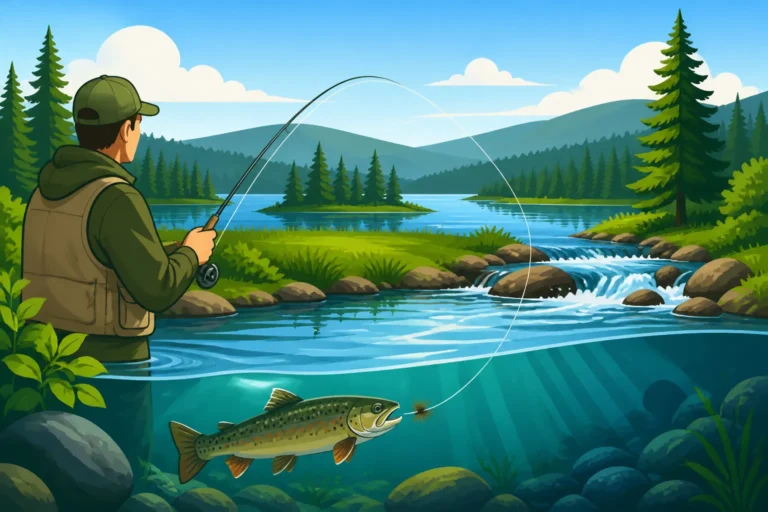
Fly fishing isn't just a method of catching fish in Western Maine; it's a way of connecting with the environment, and the rivers here truly bring that connection to life. The clarity of the water allows for sight fishing in many areas, where you can spot your quarry before making a precise cast. The abundant insect hatches, from prolific caddis and mayflies to stoneflies, provide consistent opportunities for dry fly fishing, which for many, is the pinnacle of the sport. Imagine standing in a pristine river, perfectly matched by your chosen fly, waiting for that subtle rise – it’s an experience that defines fly fishing in Maine.
Beyond the technical aspects, the sheer tranquility and natural beauty of Western Maine's rivers make fly fishing here a spiritual endeavor. You’re not just chasing fish; you’re seeking solitude, soaking in the untouched wilderness, and challenging yourself against intelligent, wild creatures in their natural element. The fish here are often wild, meaning they've never seen a fly before, making them incredibly wary and demanding of a perfect presentation. This challenge is precisely what draws seasoned fly anglers back year after year, offering a rewarding experience that goes far beyond the size of the fish caught.
Top Fly Fishing Rivers in Western Maine
When you think about fly fishing in Western Maine, a few names immediately jump to mind. These rivers have earned their reputation not just for the quantity of fish, but for the quality of the experience, the beauty of their surroundings, and the challenge they present to even the most seasoned angler. Each river offers a slightly different character and fishing opportunity, catering to various preferences and skill levels.
The Kennebago River: A Fly Fisher's Paradise
Nestled within the Rangeley Lakes region, the Kennebago River is practically synonymous with blue-ribbon fly fishing in Maine. It’s a jewel, flowing between Kennebago Lake and Little Kennebago Lake, and is often cited as one of the finest wild brook trout and landlocked salmon fisheries in the Eastern United States. The Kennebago's allure lies in its pristine condition, managed almost exclusively for fly fishing and catch-and-release in many sections, ensuring a healthy population of large, vibrant fish.
Access to the Kennebago can be a bit challenging, which helps maintain its wild character and keeps fishing pressure relatively low. Much of the river flows through private lands, often owned by sporting camps like the venerable Kennebago Lake Camps, which control access to preserve the fishery. However, public access points do exist, though they may require some navigating of gravel roads. Once you're on the water, you'll find a mix of classic riffles, deep pools, and slower runs, all holding impressive fish. Anglers often report catching large, vividly colored Brook Trout Fishing in Maine and strong, acrobatic Landlocked Salmon Fishing in Maine. Dry fly fishing can be exceptional during hatches, but don't overlook streamers and nymphs when fish are holding deeper.
The Rapid River: Wild Trout and Challenging Waters
The Rapid River is another legendary Western Maine fishery, known for its powerful currents and truly wild fish. Flowing from Lower Richardson Lake to Umbagog Lake, this river is a short but incredibly productive stretch of water, often regarded as one of Maine's most challenging — and rewarding — fly fishing destinations. The Rapid lives up to its name, with swift currents that demand careful wading and precise casting. It’s not a place for beginners to wade alone, but for those with experience, it offers the chance at truly enormous wild brook trout and landlocked salmon that thrive in its cold, oxygen-rich waters.
The river is managed with strict regulations, including extended fly-fishing-only and catch-and-release sections, which contribute to its reputation for trophy-sized fish. Anglers here typically focus on heavy nymphs and streamers to penetrate the strong currents and reach fish holding in deeper pockets and behind structure. During prime hatches, however, the dry fly fishing can be phenomenal, with large salmon and trout rising aggressively. Access is primarily via the small town of Middle Dam, often requiring a shuttle or boat ride across Lower Richardson Lake. This isolation only adds to the mystique and wildness of the Rapid River experience.
The Magalloway River: Remote Beauty and Abundant Fish
Flowing through a wild stretch of forest along the Maine-New Hampshire border, the Magalloway River offers a more remote and expansive fly fishing experience. This river, originating from Parmachenee Lake and flowing into Umbagog Lake, features diverse habitats from faster riffles and runs to calmer, wider sections. It’s renowned for its healthy populations of wild brook trout, rainbow trout, and a good number of landlocked salmon, providing consistent action throughout the season.
What makes the Magalloway so appealing is its relative accessibility combined with its wild feel. While some sections are easily reached from Route 16, others require a bit more effort, leading to a sense of solitude. The river is diverse enough to accommodate various fly fishing techniques, from dry flies during hatches to nymphing in deeper pools and stripping streamers through runs. Many sections are prime for wading, offering anglers the chance to explore multiple pockets and structures. The remote upper stretches near Parmachenee Lake can be especially productive, but require permission and often a stay at a traditional sporting camp in the region. FishingBooker lists several guides who specialize in remote trips to these areas, providing excellent opportunities to explore.
The Roach River: A Gem Near Moosehead Lake
While often overshadowed by the larger rivers, the Roach River, flowing into Moosehead Lake, is a phenomenal fly fishing destination, particularly during the spring and fall runs of landlocked salmon and brook trout. This relatively short, vibrant river is famous for its prolific smelt runs, which attract large numbers of game fish from the lake. Its easy access and concentrated fishing action make it a popular spot, especially for anglers hoping to connect with bigger fish.
The Roach River is a fantastic place to practice various Fly Fishing Techniques for Maine Rivers, as conditions can change rapidly. In spring, as ice recedes and water levels are high, nymphing and streamer fishing are highly effective for intercepting migrating salmon and trout. In the fall, during the salmon's spawning run, the action can be incredible, though catch-and-release is strictly enforced to protect the spawning fish. Because it's a popular spot, especially during these runs, it's wise to plan your visit for weekdays or shoulder seasons if you prefer more solitude. The river is relatively easy to wade in many sections, with numerous pools and riffles that offer prime holding water.
Essential Gear and Techniques for Western Maine Fly Fishing
Success on Western Maine's renowned fly fishing rivers hinges not just on knowing where to go, but also on being adequately prepared with the right gear and having a solid grasp of effective techniques. The wild, clear waters and sometimes powerful currents demand specific setups and presentations. Don't let the technical aspects intimidate you; a little preparation goes a long way towards a more enjoyable and fruitful outing.
Rods, Reels, and Lines for Maine's Waters
When heading to Western Maine, versatile gear is your best friend. For most of the rivers mentioned, a 9-foot, 5 or 6-weight fly rod is a fantastic all-around choice. This setup offers enough backbone to handle larger landlocked salmon and good-sized brook trout, while still being delicate enough for accurate presentations with smaller dry flies. If you plan on targeting only smaller brook trout in tight streams, a lighter 3 or 4-weight might be more enjoyable. Conversely, if you're specifically targeting large salmon or fishing the powerful Rapid River, a 7-weight rod can give you more control and casting power in windy conditions or with heavier rigs.
Pair your rod with a reliable reel that has a smooth drag system. You don’t need a fancy, expensive reel, but one that can handle a strong run from a determined salmon is crucial. A weight-forward floating line is standard for most dry fly and nymphing applications. However, consider bringing a sink-tip line or interchangeable tips if you plan on throwing larger streamers or fishing deeper pockets in swift currents. Tapered leaders, ranging from 7.5 to 9 feet with tippets from 3X to 5X, will cover most situations, allowing you to adjust based on water clarity and fish shyness. Remember, wild fish in clear water are often incredibly discerning.
Key Fly Patterns and When to Use Them
Matching the hatch is often talked about in fly fishing circles, and in Western Maine, it can be the difference between a memorable day and a frustrating one. While it's impossible to carry every pattern, a well-stocked fly box with these essentials will put you in good stead:
- Dry Flies: For Mayflies, consider Hendrickson, Sulphur, Adams, and Blue-Winged Olive (BWO) patterns in various sizes (#12-20). Caddis patterns like the Elk Hair Caddis and Stimulator are also crucial, especially in sizes #12-16. Terrestrials such as ants, beetles, and grasshoppers (foam patterns work great) become very important from mid-summer through fall.
- Nymphs: When fish aren't rising, nymphs are your subsurface workhorses. Prince Nymphs, Hare's Ear Nymphs, Pheasant Tail Nymphs, and Caddis Larva patterns (like the Copper John) in sizes #10-18 are excellent choices. Don't forget stonefly nymphs, especially in larger sizes (#6-12), for fishing faster, deeper water.
- Streamers: For aggressive fish, especially landlocked salmon and larger brook trout, streamers can be deadly. Patterns imitating baitfish like Grey Ghosts, Black Ghosts, Smelt patterns, and Mickey Finns are perennial favorites. Woolly Buggers in black, olive, or brown are also incredibly versatile and effective. Jigging techniques for togue and other deep-water fish can also incorporate some of these larger patterns.
Knowing Best Time of Year to Fish in Maine and understanding the typical hatches will help you select the most appropriate flies for your trip. A local fly shop, like those in the Rangeley or Greenville areas, can provide invaluable, up-to-the-minute information on what's hatching and what flies are working best.
Reading the Water and Presentation Tips
Reading the water is a learned skill, but it’s absolutely vital on Western Maine rivers. Look for structure – rocks, fallen trees, undercut banks – where fish might hold to escape currents or ambush prey. Seams where fast water meets slow water, eddies, and tailouts of pools are classic holding lies. Don't just cast blindly; observe the water, look for rises, and try to visualize where fish would be.
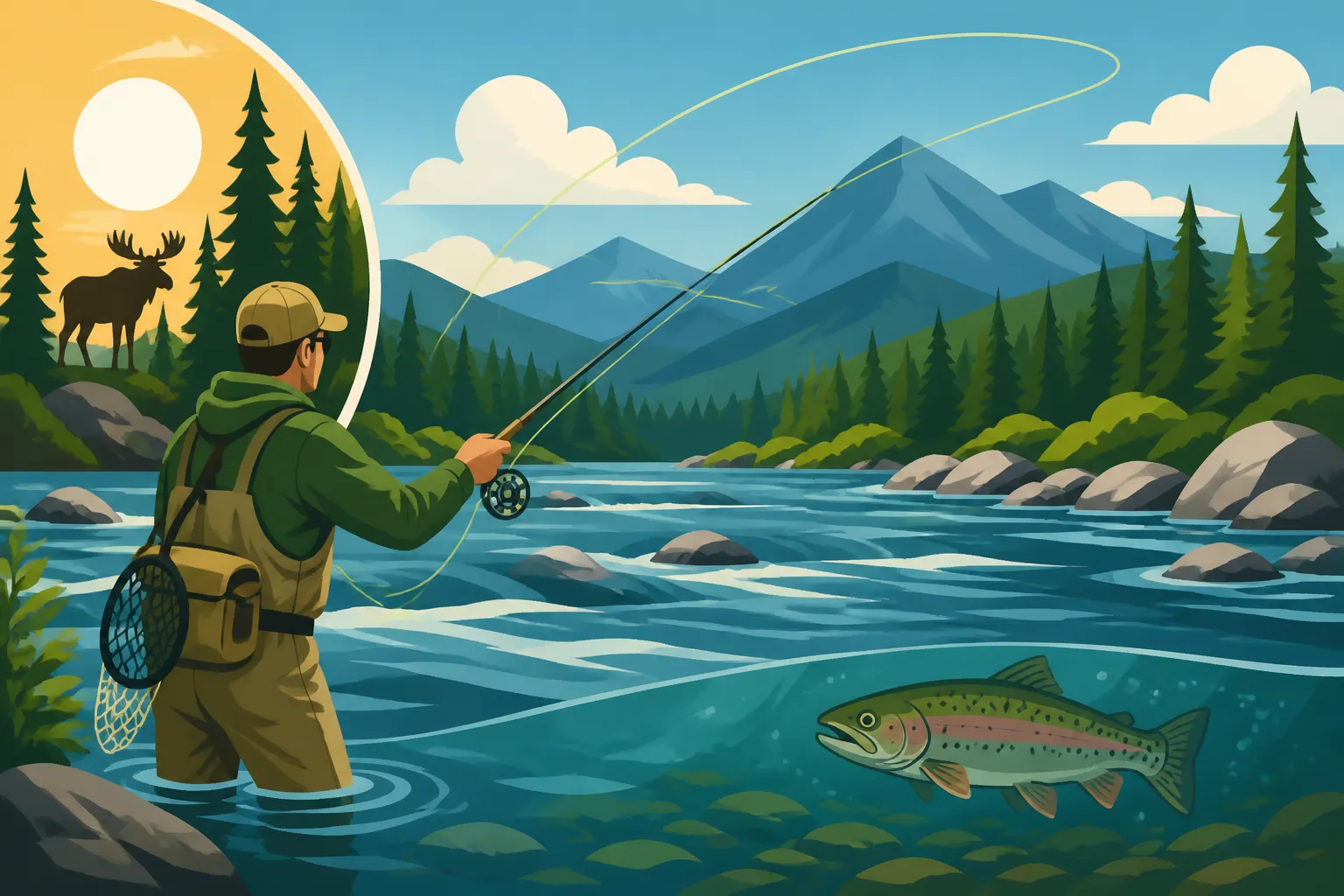
Presentation is equally critical. For dry flies, aim for a drag-free drift that mimics a natural insect floating on the surface. Upstream casts are often best to achieve this. For nymphs, consider using an indicator and making high-stick drifts to keep your line off the water and avoid drag. Adjust your depth with split shot if necessary. When fishing streamers, varying your retrieve speed and adding pauses can often trigger strikes from predatory fish. Long casts are often unnecessary; focus on accuracy and presentation in productive water, which might be right at your feet or just a short cast away. Always consider the sun's position and try to cast from a position that minimizes your shadow over the water, especially in the clear rivers of Maine.
Planning Your Western Maine Fly Fishing Adventure
A successful fly fishing trip to Western Maine isn't just about the fish you catch; it’s about the entire experience, from the anticipation of planning to the tranquility of the riverbank. Careful preparation, understanding local conditions, and knowing when and how to seek expert help can elevate your adventure from good to truly unforgettable.
When to Go: Seasons and Hatches
Maine’s fishing seasons offer distinct advantages depending on what you’re targeting and what kind of experience you seek.
- Spring (April-May): As the ice recedes and water temperatures begin to rise, fish become active. This is an excellent time for Maine Spring Fishing Guide for landlocked salmon and brook trout, particularly in the lower sections of rivers and inlets where fish congregate after ice-out. Early spring can be cold, but the fish are hungry. Hatches are typically smaller, but consistent, with some early caddis and stoneflies.
- Summer (June-August): Prime dry fly fishing season. The longer days mean more insect activity, including prolific mayfly and caddis hatches. However, mid-summer can see rising water temperatures, pushing trout and salmon into deeper, colder pockets, or to cooler tributaries. Early mornings and late evenings are often the most productive. Look for rivers that maintain cold temperatures, such as those with significant spring inputs.
- Fall (September-October): Many consider fall to be the best time for trophy fish. Cooler water temperatures invigorate fish, and landlocked salmon and brook trout move into rivers for their spawning runs. While these fish are often focused on spawning, they can still be caught on streamers and egg patterns. The foliage is spectacular, and fishing pressure often decreases after Labor Day. Remember that strict catch-and-release rules often apply to spawning fish to protect the fishery. Consult the Maine Fishing Season Dates Guide for precise information, as regulations can vary by waterbody.
Navigating Access and Regulations
Access to Western Maine's rivers can vary greatly. Some stretches, like portions of the Magalloway or Roach River, have relatively easy public access points, often marked by Maine Department of Inland Fisheries and Wildlife (MDIFW) signs or local boat launches. Other rivers, like significant portions of the Kennebago and Rapid, flow through private land, requiring permission or limiting access to specific areas. Always respect private property and understand boundary lines. Online maps, local fly shops, and MDIFW resources are invaluable for identifying legal access points.
Maine's fishing regulations are detailed and specific to individual water bodies. It’s absolutely crucial to obtain a Maine Fishing License Guide before you cast a line. Beyond the general state-wide regulations, many of Western Maine's prized rivers have "special regulations," which can include fly-fishing-only restrictions, specific bag and length limits (or catch-and-release only), and designated open seasons. For example, some sections of the Kennebago and Rapid are exclusively catch-and-release for brook trout and salmon. Always double-check the current rulebook, available online or at license agents, for the specific river and section you plan to fish. Ignoring these rules can result in significant fines and impact Maine’s conservation efforts.
Hiring a Local Guide for an Unforgettable Experience
For many anglers, especially those new to Western Maine or looking to maximize their limited fishing time, hiring a local Registered Maine Guide is an invaluable investment. These guides possess an intimate knowledge of the rivers, understanding seasonal fish movements, specific hatches, and the most productive spots – details that can take years to learn on your own. A good guide will also ensure you’re adhering to all local regulations and practicing responsible angling techniques.
A guide can provide all the necessary gear, teach you specific techniques, and even lead you to more remote, less-pressured waters that might be difficult to find otherwise. They also bring a wealth of knowledge about the local ecosystem, wildlife, and history, enriching your overall experience. When looking for a guide, check out resources like FishingBooker, which features experienced guides specializing in Western Maine fly fishing. You can read reviews, compare services, and find someone who matches your specific angling goals. Whether you’re a beginner hoping to learn the ropes or a seasoned angler chasing a trophy fish, a guide can unlock doors to experiences you might not find on your own. Remember to check out Hiring a Maine Fishing Guide for more details on what to expect.
| River Name | Primary Species Target | Best Seasons | Typical Difficulty | Key Features |
|---|---|---|---|---|
| Kennebago River | Wild Brook Trout, Landlocked Salmon | Spring, Summer, Fall | Moderate-High | Fly-fishing-only sections, private access often, pristine water, large wild fish |
| Rapid River | Wild Brook Trout, Landlocked Salmon | Spring, Summer (early/late), Fall | High | Powerful currents, challenging wading, trophy wild fish, isolated access |
| Magalloway River | Wild Brook Trout, Rainbow Trout, Landlocked Salmon | Spring, Summer, Fall | Moderate | Remote sections, diverse water types, good public access, consistent action |
| Roach River | Landlocked Salmon, Brook Trout | Spring, Fall | Easy-Moderate | Prolific runs from Moosehead Lake, accessible, popular, can be crowded |
Disclaimer
Please remember that fishing conditions, regulations, and access can change. Always consult the most current Maine Department of Inland Fisheries and Wildlife regulations and local advisories before planning your trip. Safety should always be your top priority when venturing into the outdoors.