Maine Saltwater Registry Cost Online vs In Person
Navigating the rules and requirements for saltwater fishing in Maine can feel like deciphering a secret code, especially when it comes to understanding costs. Many anglers get confused about whether they need a "license" for saltwater fishing or if there's a fee involved. This guide will clarify the Maine Saltwater Fishing Registry, breaking down the exact costs, whether you opt for the convenience of online registration or choose to handle it in person, ensuring you're legally compliant and ready to hit the coast.
Understanding the Maine Saltwater Fishing Registry
Before we dive into the nitty-gritty of costs, let's clear up a common misconception: Maine does not issue a traditional "saltwater fishing license" in the same way it does for freshwater. Instead, the state requires most saltwater anglers to register with the Maine Saltwater Fishing Registry. This isn't a license you purchase with a fee to the state; it's a registration system designed to collect vital data for marine fisheries management and to comply with federal requirements.
The goal here isn't to nickel-and-dime you. It's about getting an accurate count of how many people are fishing in Maine's coastal waters. This data helps the Maine Department of Marine Resources (DMR) understand fishing effort, which is crucial for making informed decisions about conservation, stock assessment, and future regulations. Without this information, it would be much harder to protect the striped bass, mackerel, and other species we all love to pursue.
Think of it less as a hurdle and more as a contribution to the health of our marine environment. This system helps ensure that Maine can continue to offer fantastic saltwater angling opportunities for generations to come. When you register, you're becoming part of a larger effort to responsibly manage our precious marine resources.
Who Needs to Register and Why
The short answer is: most people who recreationally fish in Maine's tidal waters or land marine fish in Maine need to register. This includes fishing from shore, a pier, a boat, or even spear fishing. However, like most regulations, there are some important exceptions you need to be aware of, which can often add to the confusion.
For instance, if you already hold a valid Maine freshwater fishing license, you are generally exempt from the saltwater registry requirement. This is a fantastic perk for those of us who enjoy both freshwater and saltwater angling, simplifying things considerably. Additionally, if you are under 16 years of age, you are also exempt. Similarly, if you're fishing on a licensed Maine charter boat, the captain's license covers you, so you don't need your own registration. This is one of the big advantages of booking a Maine Fishing Charters Guide for your coastal adventure.
Furthermore, anglers who have a valid saltwater fishing license or registration from a state that has a reciprocity agreement with Maine may also be exempt. This means if your home state's license is recognized, you could be all set. It's always best practice to check the most current Maine regulations, as these agreements can change. The overarching reason for the registry is to provide the National Marine Fisheries Service (NMFS) with accurate angler data, which is essential for federal fisheries management programs. Without state registration programs like Maine's, federal registration would be mandatory and could potentially come with a fee.
The Purpose of the Registry
At its heart, the Maine Saltwater Fishing Registry serves a critical purpose: data collection. Imagine trying to manage a bustling fishery without knowing how many people are actually participating. It would be like trying to run a business without knowing how many customers you have! The data collected from the registry helps state and federal agencies track fishing effort, understand angler demographics, and ultimately make more informed decisions about resource management.
This information is vital for stock assessments, which determine the health and abundance of various fish populations. For example, knowing how many people are targeting striped bass helps biologists estimate fishing pressure and set appropriate bag limits or seasons. Without this data, there's a risk of overfishing, which could severely impact our cherished coastal fisheries. The registry helps Maine qualify for federal grants and funding programs that support marine research, habitat restoration, and conservation efforts, directly benefiting the waters we all love to fish.
This registry is also Maine's way of complying with the federal Magnuson-Stevens Fishery Conservation and Management Act, which requires states to have a saltwater angler registry or an exemption through an equivalent license system. By having its own registry, Maine maintains more local control over its marine fisheries data and management, which is often preferable to a one-size-fits-all federal approach. It's a small step you take that contributes to a much larger picture of sustainable fishing.
The Cost Breakdown: Online vs. In-Person
Alright, let's get down to brass tacks: what's this registry going to cost you? This is where many people get confused because the answer isn't as straightforward as a simple price tag. The good news is that the Maine Saltwater Fishing Registry itself, when obtained directly from the state, is free. Yes, you read that right – zero dollars and zero cents for the registry document itself.
However, the "cost" can subtly change depending on how you choose to acquire it. While the state doesn't charge for the registry, some methods of obtaining it might involve small processing fees or other indirect costs. This is a crucial distinction that often trips up new anglers or those unfamiliar with the system. Knowing these nuances upfront can save you a bit of frustration and ensure you're not caught off guard.
Whether you prefer the ease of clicking a few buttons from your couch or the personal touch of a face-to-face transaction, there are options available. Each method comes with its own set of pros and cons, which we'll explore in detail, helping you decide the best route for your specific needs. Understanding the difference between the registry fee (non-existent) and agent fees (a possibility) is key here.
Purchasing Online
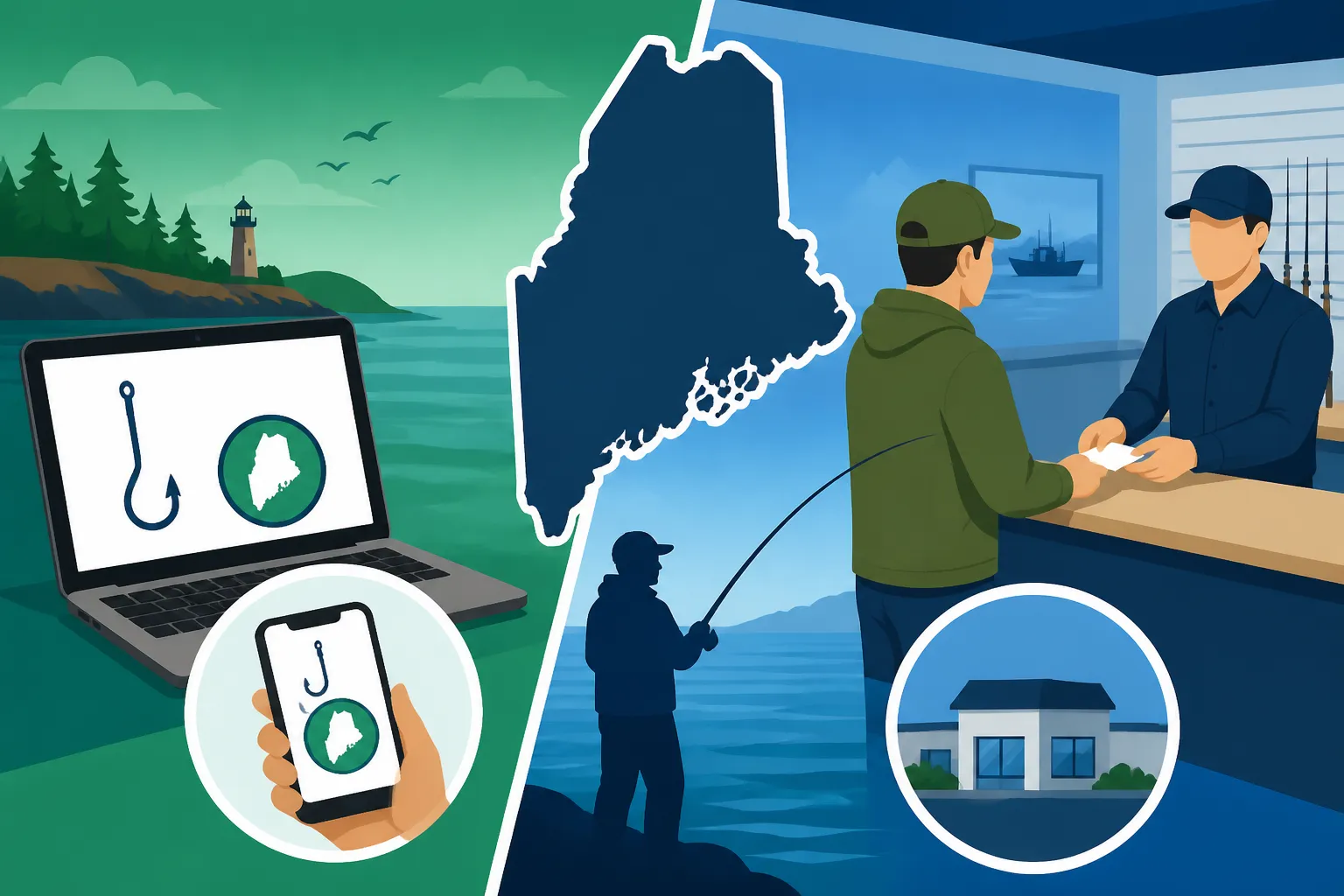
The most convenient way to obtain your Maine Saltwater Fishing Registry is almost always online. You can typically complete the process quickly and easily from the comfort of your home, provided you have an internet connection and a few minutes to spare. The official portal for this is usually through the Maine Department of Inland Fisheries and Wildlife (MDIFW) or the Maine Department of Marine Resources (DMR) website.
When you go through the official state website, the registry is indeed free. There are no state-imposed fees for the registry itself when acquired this way. This is the simplest and most cost-effective method. You'll fill out a form with some basic personal information, and once submitted, you'll receive a confirmation, often with a printable document you can keep with you. Many anglers appreciate this efficiency, as it means less time spent on paperwork and more time planning their next fishing trip.
However, be wary of third-party websites that might pop up in search results. While generally rare for a free registry, some unscrupulous sites might try to charge a "processing fee" for what should be a free service. Always ensure you are on an official Maine government domain (typically ending in .gov) when registering online. Sticking to the official source ensures you get your registry without any unexpected charges. It’s also wise to print a copy or save it on your phone, so you have proof of registration when you're out on the water.
Purchasing In-Person
For those who prefer a more traditional approach or don't have easy access to a computer, obtaining your Maine Saltwater Fishing Registry in person is also an option. This usually means visiting a local licensing agent, which could be a sporting goods store, a town office, or other authorized vendors across the state. While convenient for some, this method often comes with a small, unavoidable additional cost.
When you purchase any license or registry through an authorized agent in Maine, there's typically a small agent fee added to the transaction. This fee isn't charged by the state but is retained by the vendor for their service in processing the paperwork and maintaining the system. For a free item like the saltwater registry, this might be a fee of around $1.00 or $2.00. While minimal, it's something to be aware of if you're trying to keep costs absolutely at zero. You'll find these agents in communities all over Maine, from Kittery up to Fort Kent, making it easy to pop in during your travels.
Beyond the direct agent fee, consider the indirect costs. Driving to an agent, especially if it's out of your way, means gas money and time. If you live in a remote area, the nearest agent might be a significant drive. While getting your Maine Fishing License Guide or even a specialized "Maine Saltwater Fishing Registry Guide" in person can provide peace of mind and an opportunity to ask questions, it does come with these slight trade-offs. It's really about weighing the convenience of a physical location against the simplicity and cost-effectiveness of online registration.
Navigating the Registration Process
Whether you're a seasoned angler or just dipping your toes into Maine's vast fishing opportunities, the registration process for the Maine Saltwater Fishing Registry is straightforward. It's designed to be accessible, ensuring that everyone who needs to register can do so without unnecessary hassle. The key is knowing which path to take and what information you'll need to have handy.
Sometimes, the thought of government forms and online portals can be daunting, but I promise you, this isn't one of those times. The process is streamlined, meaning you won't be spending hours trying to figure out what goes where. Knowing the steps in advance helps immensely, so let's walk through them, ensuring you're confident and ready to complete your registration.
Remember, a little preparation goes a long way. Having your necessary information ready beforehand will make the entire experience even quicker, getting you closer to enjoying the beautiful coastal waters of Maine. This registry is a minimal barrier to entry, but an important one for the health of our fisheries.
Online Registration Walkthrough
Registering online is by far the quickest and most straightforward method. Here’s a simple, step-by-step guide to get you registered:
- Access the Official Website: Head to the Maine Department of Marine Resources (DMR) website. Look for a section related to "Saltwater Fishing" or "Recreational Fishing." The link is usually prominently displayed or easily found through a quick search on their site.
- Locate the Registry Link: You’ll typically find a clear link for the "Maine Saltwater Fishing Registry." Click on this to begin the process.
- Provide Your Information: The online form will ask for basic personal details, including your full name, date of birth, mailing address, and contact information. You might also be asked for your driver's license number or state ID. Make sure all information is accurate to avoid any issues.
- Confirm and Submit: Review all the details you’ve entered. Once you’re certain everything is correct, hit the submit button. There won't be a payment page, as the registry is free when obtained directly from the state.
- Receive Confirmation: After submission, you should receive an immediate confirmation, often with a printable document or a registration number. It’s a good idea to print this out or save it digitally on your phone. This serves as your proof of registration.
This entire process usually takes less than five minutes. It’s highly efficient and perfect for those who want to get things done quickly. Plus, you can do it anytime, day or night, which is a huge bonus if you remember you need to register right before an early morning trip.
In-Person Registration Steps
If you prefer the personal touch or need assistance, registering in person is a perfectly valid option. Here’s how it typically works:
- Find a Licensing Agent: Use the MDIFW or DMR website to locate an authorized licensing agent near you. These can include town clerks, sporting goods stores, or other local businesses. Calling ahead to confirm their hours and that they process saltwater registries is always a good idea. Some stores might be "Maine Fishing License Vendors Near Moosehead Lake" or "Maine Fishing License Vendors Near Sebago Lake", for example.
- Gather Required Information: You’ll need the same basic personal information as with online registration: full name, date of birth, mailing address, and possibly a form of identification like a driver’s license.
- Visit the Agent: Head to the chosen agent during their operating hours. Inform them you’d like to obtain a Maine Saltwater Fishing Registry.
- Complete the Form (if applicable) and Pay Agent Fee: The agent will assist you in filling out the necessary paperwork or entering your information into their system. While the state registry is free, you will pay a small agent fee, usually around $1-$2, at this point. This fee compensates the vendor for their service.
- Receive Your Registry: The agent will provide you with a physical copy of your registration, or a printout, which you should keep with you while fishing.
This method offers the advantage of immediate proof of registration and the ability to ask any questions you might have about Maine Fishing Regulations Explained or other related topics directly to a knowledgeable person. It’s a great option if you appreciate that direct interaction and don’t mind the small agent fee.
Comparing Online and In-Person Registration
To help you make an informed decision, let's lay out a clear comparison between the online and in-person methods for obtaining your Maine Saltwater Fishing Registry. Each approach has its distinct advantages and disadvantages, catering to different preferences and situations.
| Feature | Online Registration (Official State Website) | In-Person Registration (Authorized Agent) |
|---|---|---|
| Cost | Free (no state fee, no processing fee) | Free (no state fee) + Small Agent Fee (~$1-2) |
| Convenience | High (24/7 access, from anywhere with internet) | Moderate (limited to business hours, physical location) |
| Speed | Instant confirmation, print immediately | Immediate physical copy |
| Proof of Registration | Digital or self-printed document | Physical printout from agent |
| Assistance | Self-service, FAQs on website | Direct assistance, can ask questions |
| Travel Required | No | Yes (to an authorized agent) |
| Potential Indirect Costs | None | Gas, time |
This table clearly illustrates that while both methods lead to the same valid registry, the costs and overall experience can differ. For instance, if you're an avid angler who is often on the go, the online method is likely your best bet. If you prefer a tangible receipt and the chance to chat with a local expert about bait or local conditions, an in-person visit might be more appealing.
Common Questions and Avoiding Pitfalls
Even with a free and straightforward process, questions often arise, and it's easy to fall into common traps if you're not fully informed. Many people assume a "saltwater license" must cost money, like a freshwater one, leading to confusion. Let's tackle some of the most frequently asked questions and highlight ways to ensure you stay compliant and avoid any unnecessary headaches.
The goal here is to make your saltwater fishing experience in Maine as enjoyable and stress-free as possible. Understanding the nuances of the registry means you can focus on the important stuff: finding the fish! By addressing these points, we hope to empower you with the knowledge needed to navigate the regulations confidently.
Being prepared isn't just about having the right tackle; it's also about having the right information. Let's ensure you're equipped on both fronts.
Is it Truly Free?
This is perhaps the most common question, and for good reason! In a world where permits and licenses often come with a price tag, a free registry can seem almost too good to be true. Let me assure you, yes, the Maine Saltwater Fishing Registry is truly free when you obtain it directly from the official state government websites or agencies. The state of Maine does not charge a fee for the registry itself.
The confusion, as we've discussed, often stems from the small agent fee that some vendors charge if you choose to get your registry in person. This isn't a state fee, but rather a service charge from the private business or municipality that processes your registration. So, while you might pay $1 or $2 at a sporting goods store, that money stays with the store, not the state. If you go online to the Maine DMR website, your cost will be exactly $0.00.
This distinction is important because it means there's absolutely no barrier to entry based on cost if you're willing to register online. It’s a deliberate policy by the state to encourage compliance and gather essential data without burdening anglers financially. So, breathe easy; your wallet is safe when it comes to the actual registry.
What About Out-of-State Anglers?
Out-of-state anglers, often called "non-residents," have the same requirements as Maine residents when it comes to the Saltwater Fishing Registry. If you are a non-resident and plan to fish in Maine's saltwater, you must also obtain this free registry unless you fall under one of the specific exemptions. This includes holding a valid Maine freshwater fishing license or fishing on a licensed charter.
The key exception for non-residents relates to reciprocity agreements. If you possess a valid saltwater fishing license or registration from a state that Maine has a reciprocal agreement with, you might be exempt. However, these agreements can be dynamic, so it's always best practice to check the current Maine Fishing Regulations Explained on the official DMR website before your trip. Don't just assume your home state's license will cover you without verifying.
For example, if you're visiting from Massachusetts and have a valid Massachusetts saltwater fishing permit, Maine might recognize it, but confirming is crucial. It’s a small step that can save you a potential fine and ensure your fishing vacation goes smoothly. Many visitors come to Maine specifically for the fantastic Maine Striped Bass Season and Limits, so making sure your paperwork is in order is a top priority.
Avoiding Scams and Misinformation
In the digital age, misinformation and even outright scams are unfortunately a reality. While the Maine Saltwater Fishing Registry is straightforward, there's always a risk of encountering misleading information or unofficial websites. The biggest pitfall to avoid is paying for something that should be free, or providing personal information to an untrustworthy source.
Always, always, always go directly to the official Maine government websites for your registration needs. For saltwater fishing, this is typically the Maine Department of Marine Resources (DMR) site. For freshwater licenses, it's the Maine Department of Inland Fisheries and Wildlife (MDIFW). Look for website addresses that end in ".gov" to ensure you're on a legitimate government site. Avoid clicking on suspicious ads or links that promise to "fast-track" your registry for a fee.
If you are purchasing any other fishing-related items, whether it's a new rod, reel, or specialized lures, there are many reputable retailers online. For instance, if you're looking for specific gear after getting your registry, you might browse a wide selection of fishing equipment on platforms like Amazon, but keep that separate from the official registry process. If something feels off, or a website asks for an unexpected fee for the saltwater registry, close it immediately and navigate directly to the official state site. A little caution goes a long way in protecting your information and your wallet.
Renewing Your Maine Saltwater Registry
Just like a traditional license, your Maine Saltwater Fishing Registry isn't a one-and-done deal for eternity. It operates on a calendar year basis, typically expiring on December 31st of the year it was issued. This means that even if you register in late fall, you'll need to renew it for the upcoming year if you plan to continue saltwater fishing. Understanding the renewal schedule is crucial to staying compliant and avoiding any unexpected issues when you head out on the water.
Forgetting to renew your registry is a common oversight, especially since it's free and can slip under the radar compared to paid licenses. However, being unregistered can still lead to a fine, so it's worth putting a quick reminder on your calendar. The renewal process is just as simple as the initial registration, which is great news for busy anglers.
Staying on top of your renewal ensures uninterrupted access to Maine's incredible coastal fisheries. Don't let a simple lapse in registration put a damper on your next big catch.
When and How to Renew
The renewal period for the Maine Saltwater Fishing Registry typically opens in late fall or early winter for the following year. For instance, you can usually renew for the upcoming year starting in November or December of the current year. This gives anglers ample time to get their registration in order before the new fishing season officially begins on January 1st.
The easiest way to renew is online, following the exact same steps as your initial registration. You’ll visit the official Maine Department of Marine Resources (DMR) website, locate the saltwater registry link, and fill out your information again. Because it’s a free registry, there’s no payment to process, making the online renewal incredibly quick. Many anglers find it convenient to do this during the winter months when they're dreaming of warmer weather and their next fishing adventure.
If you prefer to renew in person, you can visit an authorized licensing agent, just as you would for an initial registration. Remember, a small agent fee will likely apply if you choose this method. Regardless of how you renew, you’ll receive updated confirmation that you should keep with you. Ensuring your registry is current is a key part of responsible angling and helps maintain accurate data for our precious marine resources. Make sure to check out the details on Maine Fishing License Renewal Rules to stay fully informed.
Importance of Timely Renewal
The importance of timely renewal for your Maine Saltwater Fishing Registry cannot be overstated, despite it being free. While there's no monetary penalty for late renewal itself, fishing in Maine's tidal waters without a current and valid registry (or an applicable exemption) can result in fines and legal repercussions. The wardens aren't going to let you off the hook just because you forgot it was free!
The registry year runs from January 1st to December 31st. If you fish on January 2nd and your registry expired on December 31st, you are technically fishing without the required documentation. This can lead to a summons, a fine, and a less-than-pleasant interaction with a marine patrol officer. It's a preventable situation, and one that diligent anglers easily avoid by taking a few minutes each year to renew.
Furthermore, accurate and up-to-date registry data is essential for the effective management of Maine's marine fisheries. When anglers fail to renew, it impacts the accuracy of the data collected, which in turn can affect stock assessments and resource allocation decisions. Your timely renewal is a small but significant contribution to the health and sustainability of the striped bass, mackerel, flounder, and other species that make Maine's coastal fishing so spectacular. By renewing promptly, you're not just protecting yourself; you're helping protect the future of Maine fishing.
Disclaimer
Please remember that fishing regulations, including those concerning the Maine Saltwater Fishing Registry, can change. While this guide provides the most current and accurate information available at the time of writing, it is always your responsibility as an angler to consult the official Maine Department of Marine Resources (DMR) and Maine Department of Inland Fisheries and Wildlife (MDIFW) websites or publications for the most up-to-date rules and regulations before heading out to fish. This content is for informational purposes only and should not be considered legal advice.