Best Rigs for Striped Bass Fishing
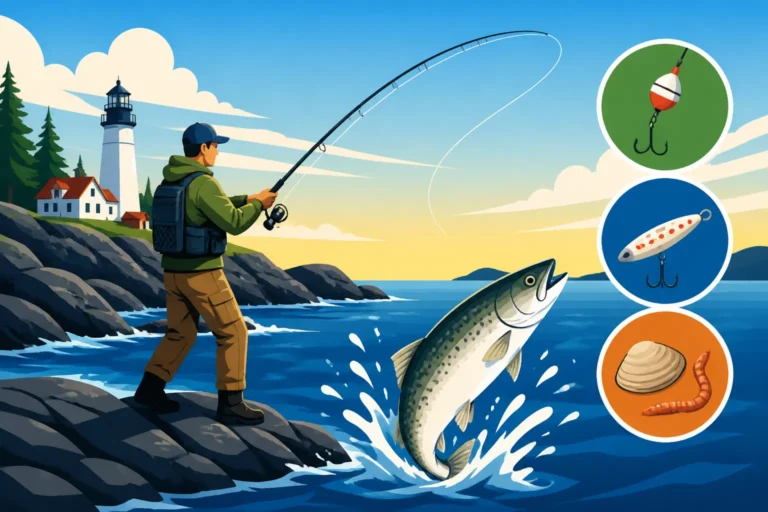
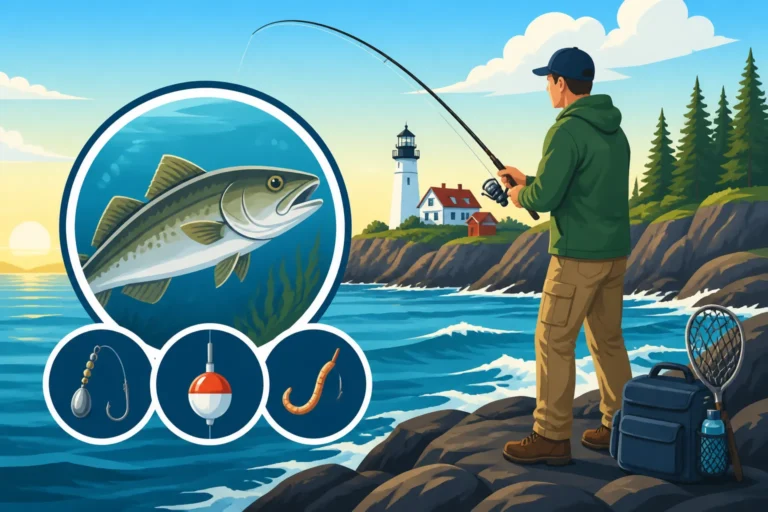
There’s nothing quite like the thrill of a striped bass hitting your line, feeling that powerful run as they try to shake the hook. But let's be honest, getting to that point often feels like half the battle, especially when you're trying to figure out the perfect setup for Maine's diverse waters. You’ve likely stood in bait shops, staring at a wall of terminal tackle, wondering which rig will actually entice those elusive stripers. This comprehensive guide is here to cut through the confusion, offering clear, actionable advice on the best rigs for striped bass fishing, helping you spend less time guessing and more time catching.
The Foundation: Understanding Striped Bass and Their Feeding Habits
Before you even think about tying a knot, truly understanding the striped bass you're targeting is crucial. These powerful, opportunistic predators aren't just swimming aimlessly; they have routines, preferences, and react to their environment in specific ways. Knowing these behaviors is the first step to selecting and deploying the most effective rig.
Striped Bass Preferences in Maine Waters
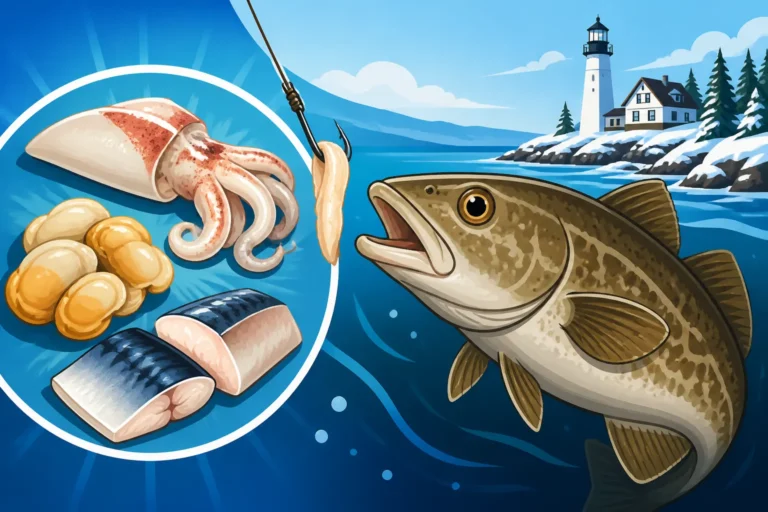
Maine's coastline, with its rocky shores, deep estuaries, and strong tidal flows, creates a unique environment for striped bass. Unlike some of their southern counterparts, Maine stripers often key in on specific baitfish like mackerel, herring, and sand eels. They’re also not shy about chasing down crabs, shrimp, or even smaller bottom-dwelling fish. This diverse diet means your rig needs to be versatile, presenting your chosen bait or lure in the most natural and enticing way possible. They love structure – think rock piles, ledges, submerged boulders, and river mouths where currents bring food to them. When fishing from shore, these are the places you want your rig to reach and sit comfortably without constantly snagging. Similarly, from a boat, you’ll often find them lurking around these same features, waiting to ambush prey.
When and Where Stripers Feed
Striped bass are primarily crepuscular, meaning they are most active during dawn and dusk. These low-light conditions offer them a natural advantage, making them feel safer to hunt. However, don't discount night fishing; many veteran anglers swear by it, especially for trophy-sized fish. During the day, particularly on bright, sunny days, stripers often retreat to deeper, cooler waters or tight to structure. Tidal movement is another massive factor, especially in Maine's tidal rivers and estuaries. Incoming and outgoing tides create currents that stir up bait and concentrate feeding opportunities. A rising tide can push baitfish into shallower areas, while a falling tide can draw them out of estuaries, creating a feeding frenzy at choke points. Understanding these patterns is key to positioning your rig where the fish are actively looking for a meal. For a deeper dive into their seasonal movements and regulatory details, check out our guide on Maine Striped Bass Season and Limits.
Reading the Water for Stripers
Beyond just knowing the tides, "reading the water" is an art form that significantly boosts your success. Look for tell-tale signs like diving birds, which often indicate baitfish being driven to the surface by feeding stripers from below. Also, keep an eye out for nervous water or "boils" where stripers are actively busting schools of bait. Structure is your friend: think about where current seams form around points, islands, or even bridge pilings. These are prime ambush points. In the surf, look for cuts, troughs, and sandbars that create natural pathways for baitfish and where stripers might hold. The ability to spot these visual cues and combine them with your knowledge of tides and structure will allow you to present your rig exactly where it needs to be. For excellent tips on targeting them from shore, read How to Fish for Striped Bass From Shore.
Essential Components for Effective Striped Bass Rigs
A great rig is only as good as its individual components. Skimping on quality can lead to lost fish, frustrating break-offs, and a generally less enjoyable fishing experience. Investing in reliable gear ensures that when that big striper hits, you're ready to bring it in.
Rods and Reels for Striped Bass
For striped bass in Maine, you generally want a setup with enough backbone to handle a powerful fish and the often-demanding conditions.
- Rods: A medium-heavy to heavy action rod, typically 7 to 10 feet in length, is ideal. Shorter rods (7-8 ft) are great for boat fishing, casting lures, or jigging in tighter quarters. Longer rods (9-10 ft) shine when surfcasting, allowing you to launch heavier baits and lures over longer distances, clear the surf break, and handle strong currents. Look for rods with a fast to moderate-fast tip for sensitivity, transitioning to a strong butt section for lifting power.
- Reels: Spinning reels in the 4000-6000 size range are popular for their ease of use and versatility, suitable for casting lures or bait. Conventional (baitcasting) reels are excellent for those who prefer more direct control, especially when trolling or bottom fishing with heavy weights, and are often favored by seasoned surfcasters for their casting distance with heavy loads. Whichever you choose, ensure it has a smooth, reliable drag system, which is paramount for fighting strong fish like stripers without breaking your line. Many anglers find great options for robust reels on platforms like Amazon, offering a wide selection and competitive pricing.
Line Choices: Braided, Monofilament, and Fluorocarbon
Each line type has its advantages and disadvantages, and often, a combination works best.
- Braided Line: This is a favorite for its incredible strength-to-diameter ratio, zero stretch (which means amazing sensitivity for detecting bites), and long casting capabilities. You can spool a much higher test strength on your reel compared to mono. For stripers, 30-50 lb test braided line is common. The lack of stretch can be a double-edged sword, however, as it transmits every head shake directly to your rod, potentially pulling hooks if your drag isn't set perfectly.
- Monofilament Line: Monofilament offers good abrasion resistance and has some stretch, acting as a shock absorber. It's often cheaper than braid and easier to handle for beginners. For main line, 15-25 lb test is usually sufficient, but many anglers now opt for braid as their main line and use mono for leaders.
- Fluorocarbon Leader: This is where fluorocarbon truly shines. It’s nearly invisible underwater, extremely abrasion resistant (great for fighting fish around rocky structure), and has excellent knot strength. A fluorocarbon leader of 30-50 lb test, typically 3-6 feet long, is almost universally used with braided main lines to provide that stealth and protection right where the fish sees the bait.
Hooks, Weights, and Swivels
These small components make a huge difference in your rig's effectiveness and reliability.
- Hooks:
- Circle Hooks: Mandatory when using natural bait for striped bass in many regions, including Maine, to promote catch and release. They are designed to hook fish in the corner of the mouth, minimizing gut hooking and increasing survival rates. Sizes typically range from 5/0 to 9/0 depending on bait size.
- J-Hooks: Used primarily with artificial lures or when regulations allow for bait fishing where circle hooks aren't required. These are classic hooks, but require a more immediate hookset.
- Weights: The type and size of weight depend on the current, depth, and casting distance needed.
- Egg Sinkers: Smooth, round, and ideal for fish finder rigs, allowing the line to run freely through them.
- Pyramid Sinkers: Great for surfcasting as their shape helps them dig into the sand and hold bottom in strong currents.
- Bank Sinkers: Versatile, pear-shaped weights suitable for various bottom fishing applications.
- Swivels: Crucial for preventing line twist, especially when using spinning gear or dealing with baits that spin in the current. High-quality barrel or ball-bearing swivels are worth the investment. A quality snap swivel can also make changing lures or rigs quicker, though some prefer a direct knot to the lure for maximum strength and stealth. You can find a good selection of all these vital components, including various brands and sizes, on Amazon.
Top Rigs for Maine Striped Bass
Now that we've covered the components, let's get into the actual setups that consistently put striped bass in your net. Each rig has its specific strengths and is best suited for different baits, conditions, and fishing styles.
The Fish Finder Rig: King of Live and Cut Bait
If you're using natural bait, whether it's a live mackerel or a chunk of bunker, the fish finder rig is incredibly hard to beat. Its genius lies in its simplicity and natural presentation.
Construction:
- Main Line: Your braided or monofilament main line.
- Fish Finder Slide: A small plastic or metal slide that clips onto your main line, allowing the line to run freely through it.
- Sinker: Your chosen weight (egg sinker, pyramid, bank) attaches to the fish finder slide. The key is that the sinker rests on the bottom, but the main line can still move through the slide, meaning the fish doesn't feel the weight when it picks up the bait.
- Barrel Swivel: Tied to the end of your main line. This stops the fish finder slide from going further down the line.
- Leader: A 2-4 foot section of fluorocarbon (30-50 lb test) tied from the barrel swivel to your hook.
- Hook: A 5/0 to 9/0 circle hook, appropriate for your bait size.
Ideal Uses: This rig excels in surf fishing, pier fishing, and anchored boat fishing where you want your bait to stay put on the bottom in a current. It's fantastic for presenting live eels, chunks of mackerel, bunker, or clams. The free-sliding sinker allows a striper to pick up the bait and run without feeling resistance, often leading to a more solid hookup. This rig is particularly effective when you're looking to target larger, more cautious stripers that might shy away from feeling too much tension.
The Three-Way Swivel Rig: Versatility for Varying Depths
When you need to cover different depths or present your bait in moving water, the three-way swivel rig offers incredible versatility. It's a go-to for drifting live baits or trolling specific lures.
Construction:
- Main Line: Tied to one eye of a three-way swivel.
- Leader to Weight: From a second eye of the swivel, tie a shorter (1-2 foot) leader of lighter monofilament (e.g., 20 lb test) to a weight (bank or pyramid sinker). The lighter leader acts as a break-away, so if your weight snags, you only lose the weight, not the entire rig and fish.
- Leader to Bait/Lure: From the third eye, tie a longer (3-6 foot) leader of fluorocarbon (30-50 lb test) to your live bait (like a live herring or mackerel) or an artificial lure (like a tube and worm rig).
Ideal Uses: This rig is excellent for boat fishing, especially when drifting over structure or trolling. You can vary the length of your weight leader to control the depth of your bait or lure, keeping it just off the bottom or suspended in the water column where fish are holding. When live bait fishing, the three-way swivel rig allows your bait to swim freely while the weight keeps it in the strike zone. If you're interested in Trolling Tube and Worm Rigs for Striped Bass, this setup is often employed to present them effectively. It's particularly effective in areas with strong currents, like river mouths or channels, where stripers often congregate.
The Carolina Rig: A Bottom-Bouncing Favorite
While more commonly associated with bass fishing in freshwater, a modified Carolina rig is incredibly effective for presenting soft plastics or live baits along the bottom for stripers, especially in calmer waters or when fishing around sparse structure.
Construction:
- Main Line: Your braided main line.
- Egg Sinker: Slide an egg sinker (1/2 oz to 2 oz, depending on current) onto your main line.
- Bead: Add a small plastic or glass bead after the sinker. This protects your knot from the sinker bouncing against it.
- Barrel Swivel: Tie a strong barrel swivel to the end of your main line, which stops the sinker and bead.
- Leader: Tie a 2-4 foot fluorocarbon leader (30-40 lb test) to the other end of the barrel swivel.
- Hook/Lure: Attach a wide-gap hook for soft plastics (e.g., a large paddle tail or senko) or a circle hook for live bait (like a clam worm or chunk bait).
Ideal Uses: This rig is fantastic for slowly dragging baits or soft plastics along the bottom, mimicking a struggling baitfish or a crab. The weight remains stationary, but the bait has freedom to move, creating a natural presentation. It's particularly good in areas with softer bottoms or when targeting stripers that are foraging for crustaceans or bottom-dwelling fish. It allows for a subtle presentation where you might not want a lot of heavy hardware.
Surface Lure Rigs: Topwater Excitement
Few things get an angler's heart pumping like a striper exploding on a topwater lure. When stripers are actively feeding on the surface, especially during low light conditions or when baitfish are pushed up, a simple rig is all you need.
Construction:
- Main Line: Your braided main line (30-50 lb test).
- Fluorocarbon Leader: A 3-6 foot section of fluorocarbon leader (30-50 lb test) tied to the main line using a strong knot like an FG knot or a blood knot.
- Lure: Tie your topwater plug (popper, walk-the-dog lure, pencil popper) directly to the leader using a Rapala knot or a loop knot, which allows the lure maximum action. Some anglers prefer a small, strong snap swivel to quickly change lures, but direct tying is often stealthier.
Ideal Uses: Topwater rigs are exclusively for surface feeding fish. Look for signs of baitfish breaking water, diving birds, or actual striper busts. The key here is presenting the lure with realistic action – popping, walking, or sashaying – to trigger an aggressive strike. This is often the most visually exciting way to catch stripers! For when these exhilarating conditions are most likely, remember to consider Best Time to Fish for Striped Bass at Dawn.
Jigs and Soft Plastics: Simple Yet Deadly
Jigs, especially bucktail jigs and soft plastic swimbaits, are incredibly versatile and effective for stripers, allowing you to cover various depths and present a tantalizing meal.
Construction:
- Main Line: Braided line (30-50 lb test).
- Fluorocarbon Leader: A 3-6 foot section of fluorocarbon (30-50 lb test) tied to the main line.
- Jig/Swimbait: Tie your bucktail jig or soft plastic swimbait (rigged on an appropriate jig head) directly to the leader using a strong knot like a Uni knot or a Palomar knot.
Ideal Uses: Jigs are perfect for vertical jigging from a boat over structure, casting and retrieving along rocky shorelines, or working current seams. Varying jig weights allows you to reach different depths. Bucktails are fantastic imitators of baitfish and crabs, while soft plastics like large paddle tails or weighted flukes mimic struggling fish. The retrieve is critical here – a jigging motion, a slow retrieve with pauses, or a steady retrieve will all entice strikes depending on the fish's mood. Many anglers stock up on different jig styles and soft plastics from online retailers like Amazon to match local baitfish. To explore more about lures, you can also refer to Best Lures for Striped Bass in Maine.
Tying It All Together: Rigging Techniques and Best Practices
Having the right components and understanding the basic rig configurations is a great start, but the real magic happens when you master the art of tying strong knots, adapting your setup to real-time conditions, and prioritizing sustainable fishing practices.
Knot Tying Essentials for Stripers
Weak knots are the bane of any angler's existence, especially when a powerful striper is on the other end. For striped bass, you need knots that are strong, reliable, and resistant to abrasion.
- Uni Knot: This is an incredibly versatile and strong knot, excellent for tying line to hooks, swivels, and even for line-to-line connections when joining main line to leader. It's relatively easy to tie, even in challenging conditions.
- Palomar Knot: Widely regarded as one of the strongest and easiest knots to tie, the Palomar is perfect for attaching hooks, swivels, and lures to your leader. It performs exceptionally well with both monofilament and braided lines. If you're looking for specific instructions, our guide on How to Tie a Palomar Knot provides a great walkthrough.
- FG Knot (or Blood Knot/Double Uni for alternatives): When joining your braided main line to a fluorocarbon leader, a strong, slim knot that passes smoothly through rod guides is essential. The FG knot is complex but offers exceptional strength and a very low profile. For those who find the FG knot intimidating, a well-tied Blood knot or Double Uni knot can serve as adequate alternatives, though they tend to be bulkier. Practice these knots at home until you can tie them quickly and confidently. Nothing's worse than fumbling with a knot when the fish are biting!
Adapting Rigs to Conditions
The most successful anglers are those who can quickly adapt their rigs to changing conditions. Maine's waters can be notoriously fickle, with currents, depths, and fish behavior shifting throughout the day.
- Current Strength: Stronger currents require heavier weights to hold your bait on the bottom or keep your lure in the strike zone. If your rig is constantly dragging or lifting, increase your weight. If the current is slack, you can often downsize your weight for a more natural presentation. Our article on How to Read Tides for Striped Bass Fishing delves deeper into understanding these crucial movements.
- Depth: When fishing deeper water, you might need heavier jigs, deeper-diving lures, or longer leader lines on your three-way swivel rig to get your bait down effectively. Conversely, in shallow water or when fish are feeding higher in the water column, lighter rigs and topwater lures become paramount.
- Fish Activity: If stripers are aggressive and busting bait on the surface, topwater lures or fast-retrieved jigs are the answer. If they're lethargic or holding tight to bottom structure, a slowly presented fish finder rig with cut bait or a Carolina rig with a soft plastic might be more effective. Don't be afraid to experiment with different rigs and presentations until you find what triggers a strike. Sometimes, even a slight adjustment in leader length or bait size can make all the difference.
Safety and Sustainability with Your Rigs
As responsible anglers, it’s our duty to minimize our impact on the fishery and the environment. This includes being mindful of our rigging choices.
- Catch and Release Best Practices: For many striped bass in Maine, catch and release is the name of the game, especially for fish outside the legal slot limit. Using circle hooks when bait fishing significantly increases the chances of a lip hook, reducing gut-hooking mortality. Always have a pair of pliers or a de-hooking tool ready to quickly and safely remove hooks. Support the fish horizontally, avoid dragging it on rocks or sand, and get it back into the water swiftly. For more detailed guidance, refer to our Catch and Release Tips to Keep Fish Healthy article.
- Lead-Free Alternatives: While not yet a widespread regulation for all striped bass tackle, being conscious of lead weights is a good practice. Consider using tungsten or steel weights, especially for smaller applications, to reduce environmental lead exposure.
- Line Disposal: Never leave discarded fishing line or tackle in the water or on shore. Monofilament and braided line can be deadly to wildlife. Always collect your trash and dispose of it properly. Many tackle shops have recycling bins for fishing line.
Choosing and effectively deploying the right rig for striped bass in Maine is a blend of understanding the fish, knowing your gear, and adapting to the conditions. By mastering these essential rigs and best practices, you'll be well on your way to more exciting and successful days on the water.
Disclaimer
The information provided in this guide is for general informational purposes only and does not constitute legal advice. Fishing regulations, license requirements, and best practices can change frequently. Always consult the most current regulations issued by the Maine Department of Inland Fisheries and Wildlife (MDIFW) or the relevant authorities before engaging in any fishing activities. Adherence to local, state, and federal laws is the sole responsibility of the angler.