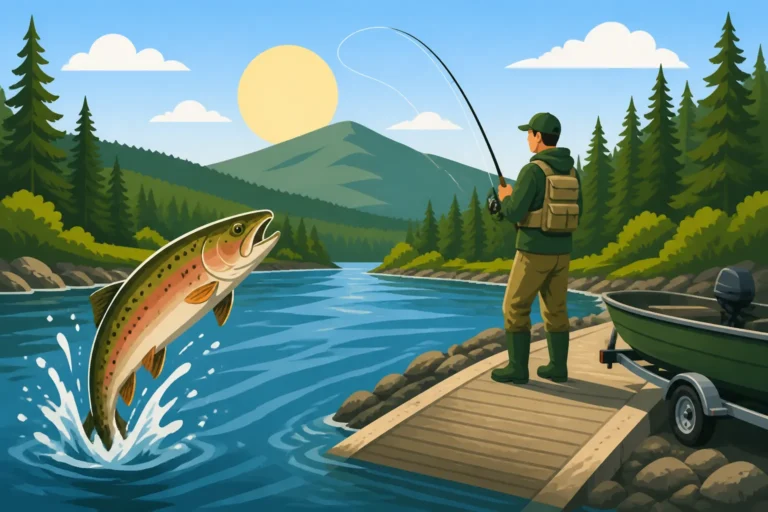
Kayak Fishing on the Saco River
There’s a certain magic to paddling your kayak onto a quiet stretch of water, rod in hand, ready to cast. But let's be honest, the idea of kayak fishing on a river like the Saco in Maine can also feel a bit daunting. Currents, hidden snags, and finding the best spots all present unique challenges. This comprehensive guide will strip away the mystery, offering practical advice and local insights to help you confidently navigate and successfully fish the beautiful Saco River from your kayak.
Why Kayak Fish the Saco River? Exploring a Maine Gem
The Saco River isn't just another waterway; it's a dynamic, picturesque artery flowing from the White Mountains of New Hampshire all the way to the Atlantic Ocean in Saco and Biddeford, Maine. For kayak anglers, it presents an incredible range of fishing opportunities that larger boats simply can't access. The intimate connection you get with the environment, the stealthy approach only a kayak can offer, and the sheer variety of fish make it a truly special destination. You're not just fishing; you're exploring.
Unique Opportunities and Challenges on the Saco
From its serene upper reaches to its bustling tidal lower sections, the Saco River offers a diverse environment for kayak anglers. Upstream, you'll find calmer, narrower waters ideal for exploring hidden coves and quiet pools where wild brook trout might hold. Further downstream, as the river widens, you encounter stronger currents, deeper channels, and more structure, perfect for targeting smallmouth and largemouth bass.
However, these unique opportunities come with their own set of challenges. The current, especially after heavy rains or during spring runoff, can be significant. Navigating around fallen trees (known locally as "strainers") and submerged rocks requires keen awareness and good paddling skills. In the lower, tidal sections, you'll need to pay close attention to the tide charts, as a receding tide can expose mud flats and make paddling upstream a real workout. Getting stuck in shallow water or fighting a strong headwind while trying to maintain your fishing position is a real frustration many river anglers face. But with a bit of planning and the right techniques, these challenges become part of the adventure, not roadblocks.
Target Species and Scenic Beauty
The Saco River is a veritable smorgasbord for freshwater and anadromous species. In the upper and middle stretches, the undisputed kings are the smallmouth bass, known for their aggressive strikes and acrobatic fights. You'll also find healthy populations of largemouth bass, particularly in the slower backwaters and oxbows. Chain pickerel lurk in the weedy areas, ready to ambush, and white perch can offer fast action, especially in transitional zones. Further downstream, as the river becomes brackish and tidal, the excitement really ramps up with the arrival of striped bass, particularly during their spring and fall migrations. The opportunity to catch both freshwater and saltwater species in a single trip is a huge draw for many anglers.
Beyond the fantastic fishing, the Saco River flows through some of Maine’s most stunning landscapes. Imagine casting your line with the backdrop of lush forests in the spring, vibrant fall foliage, or even the serene, snow-dusted banks in the early winter. The solitude of a misty morning paddle, the call of an osprey overhead, or the sight of a deer drinking from the riverbank are all part of the immersive experience that kayak fishing on the Saco offers. It’s not just about the fish; it’s about reconnecting with nature.
Planning Your Saco River Kayak Fishing Trip
A successful and enjoyable kayak fishing trip on the Saco River starts long before your paddle hits the water. Proper planning, from knowing your gear to understanding the river's unique features, will make all the difference. Don't let a lack of preparation turn a dream trip into a struggle against the elements or unexpected regulations.
Essential Gear and Safety Considerations
When heading out on the Saco, your kayak is just the beginning. A stable, fishing-specific kayak is ideal, offering ample storage and rigging options. Always, and I mean always, wear a U.S. Coast Guard-approved Personal Flotation Device (PFD). It’s not just a regulation; it's your lifeline. Beyond the PFD, a few other essentials are non-negotiable for safety and comfort:
- Paddles and Leashes: Bring a reliable paddle, and a spare if you're venturing far, along with leashes for your paddle and rod to prevent losing them to the current.
- Anchor: A small anchor with a quick-release system is crucial for holding your position in the current or windy conditions. Consider a grapple anchor for rocky bottoms or a drag chain for slower drifts.
- Dry Bag: Protect your phone, keys, wallet, and any electronics from splashes or an unexpected capsize.
- First-Aid Kit: A compact kit for minor cuts, scrapes, or insect bites.
- Navigation: A waterproof map of the river section you plan to fish, or a reliable GPS app on your phone, is essential, especially in unfamiliar territory. It's easy to get disoriented with winding bends.
- Sun Protection: Hat, sunglasses, and sunscreen are a must.
- Water and Snacks: Stay hydrated and fueled.
- Wading Boots/Water Shoes: For getting in and out of your kayak, especially at rocky or muddy launch sites.
For your fishing setup, a medium-light to medium power spinning or baitcasting rod will handle most Saco River species. A good starting point would be a 6’6” to 7’ rod paired with a 2500-3000 size reel spooled with 10-15 lb braided line, with a fluorocarbon leader. For detailed advice on gear, you might want to check out articles like Best Kayak Fishing Gear for Beginners or How to Choose the Right Rod for Kayak Fishing. Remember, safety should always be your top priority, especially on flowing water.
Best Access Points and Launch Sites
The Saco River offers numerous public access points, though some are more suitable for kayaks than others. Here are a few notable spots, moving generally from upstream to downstream:
- Fryeburg: The upper stretches near Fryeburg offer calmer waters, often preferred by paddlers looking for a scenic float and brook trout opportunities. Various canoe and kayak rental outfitters in this area provide convenient launch sites and shuttle services, making it easy to plan a one-way trip.
- Limington/Standish: Further downstream, access points around Limington and Standish (e.g., at Limington Rips) put you in prime smallmouth bass territory. These often require a bit more attention to river levels and current, but offer excellent fishing.
- Buxton/Hollis: Public launches in these areas provide access to wider sections of the river, with good opportunities for both smallmouth and largemouth bass, especially where tributaries enter or near deeper pools.
- Biddeford/Saco: The lower, tidal reaches in Biddeford and Saco are where the river meets the sea. Public boat launches like those at the Biddeford boat launch or Saco's Camp Ellis offer access for both kayaks and larger vessels. These areas are fantastic for striped bass, especially during the tide changes, but require careful navigation with boat traffic and strong tidal currents.
Before you go, it's always wise to scout your chosen launch and take-out points, either in person or using online satellite maps, to ensure they're suitable for kayak launching and parking. Some spots may have small fees or specific hours of operation. If you're looking for guidance on finding access, even for other rivers, internal resources like Kennebec River Fishing Access Points in Maine can offer general principles applicable here.
Navigating River Sections and Hazards
The Saco River isn't a static body of water; it's constantly changing. Understanding its flow and potential hazards is key to a safe and productive trip.
- Upper River (Fryeburg to Limington): Generally calmer, but still watch for minor rapids, fallen trees, and shallow spots, especially during low water periods. This section is ideal for quieter paddling and stealthy approaches to fishing.
- Middle River (Limington to Buxton/Hollis): Here the current becomes more noticeable. You’ll encounter more defined channels, rocky bottom structures, and deeper pools. Be aware of private property along the banks. Fishing success often depends on reading the current and identifying ambush points for bass.
- Lower River (Buxton/Hollis to the Ocean): This section, particularly below Biddeford and Saco, is heavily influenced by tides. Strong tidal currents can be present, and you'll share the water with more powerboats. Always plan your trip around the tides – fishing the incoming or outgoing tide can be very productive for striped bass, but fighting a strong tide can be exhausting. Keep an eye out for submerged rocks, lobster pots in the tidal areas, and always give larger vessels a wide berth.
| Saco River Section | Primary Species | Key Considerations | Best Kayak Strategy |
|---|---|---|---|
| Upper (Fryeburg) | Brook Trout, Smallmouth Bass | Calm waters, potential shallow spots, fallen trees | Stealthy approach, light tackle, small lures, look for structure |
| Middle (Limington-Buxton) | Smallmouth Bass, Largemouth Bass, Pickerel | Stronger currents, rocky bottom, deeper pools | Reading current seams, targeting eddies, jigs, crankbaits |
| Lower (Biddeford-Ocean) | Striped Bass, White Perch, Largemouth Bass | Tidal currents, boat traffic, brackish water, mud flats | Plan with tides, heavier tackle for stripers, live bait/large lures |
Before heading out, checking local weather forecasts and river flow conditions (if available) can provide valuable insight into what to expect. If you're contemplating a multi-day trip or prefer the peace of mind of local expertise, exploring guided trips on platforms like FishingBooker could link you with a seasoned Saco River guide who knows these nuances intimately.
Top Techniques for Saco River Kayak Fishing
Kayak fishing on the Saco is a game of adaptability. The river changes with the seasons, and so too should your strategies. Understanding how fish behave in different conditions and applying the right techniques will significantly boost your success. It's about more than just casting; it's about presenting your lure effectively from a confined, moving platform. For broader guidance, you might find our Maine Open Water Fishing Techniques Guide helpful to get a general overview of methods that can be adapted to kayak fishing.
Spring Strategies for Active Fish
Spring on the Saco River is a time of awakening, both for the fish and the anglers. As water temperatures slowly rise from their icy winter lows, fish become more active, moving out of their deep wintering holes and into shallower areas to feed and eventually spawn. This is a prime time for targeting aggressive bass.
- Targeting Pre-Spawn Bass: Look for smallmouth and largemouth bass in transitional areas. Think about the first significant break lines near shallower flats, submerged timber, rock piles, and eddy lines created by current. These fish are looking for easy meals to bulk up before spawning.
- Lure Selection: Crankbaits (especially in crawfish or baitfish patterns) that can dive to the 5-10 foot range are excellent for covering water. Spinnerbaits and chatterbaits also shine, particularly in stained water, as their vibration and flash can draw strikes. Jigs (football jigs or swim jigs) worked slowly along the bottom near structure can entice hesitant fish.
- Kayak Specifics: Use your kayak's stealth to approach prime areas quietly. Position your kayak slightly upstream and cast down-current, allowing your lure to drift naturally into feeding zones before retrieving. An anchor can be invaluable here, letting you thoroughly work a productive stretch without constantly battling the current. This season is also a great time to brush up on your Maine Spring Fishing Guide for general spring insights.
Summer Tactics for Deeper Waters and Structure
As summer heats up, the Saco River's water temperatures rise, often pushing fish into deeper, cooler water or tight to heavy cover. While topwater action can be explosive during low-light hours, the midday sun demands a change in approach.
- Finding Cooler Water: Focus on deeper pools, sharp drop-offs, and areas with strong current or cold-water springs that offer thermal relief. Overhanging trees, bridge pilings, and large boulders also provide shade and ambush points.
- Lure Selection: Early morning and late evening are prime for topwater lures like poppers, walking baits, and frogs fished over lily pads or submerged grass. During the heat of the day, switch to soft plastics Texas-rigged or Carolina-rigged worms, creature baits, or jigs worked slowly on the bottom. Drop shot rigs are also incredibly effective for vertically presenting baits to fish holding tight to structure in deeper water. For striped bass in the lower river, live bait (like mackerel or bunker) or larger paddle tail swimbaits are often the ticket.
- Kayak Specifics: Utilize your fish finder (if you have one) to locate structure and depth changes. When fishing heavy cover, use a weedless setup to minimize snags. For current areas, practice your boat control to maintain a precise casting angle. If you're exploring the lower Saco for striped bass, a guided trip with a seasoned captain found through FishingBooker can offer a significant advantage, especially for navigating the tidal zones and targeting the big ones. Further insights can be found in our Maine Summer Fishing Guide.
Fall Approaches for Migrating Species
Fall on the Saco River is a fantastic time to be on the water. Fish are actively feeding, bulking up for winter, and in the lower river, the striped bass run can offer some of the year's best action. The cooling water often makes fish more aggressive and willing to chase.
- Feeding Frenzy: Look for fish congregating around baitfish schools. Smallmouth bass will often school up on ledges, points, and channel swings. Largemouth bass might move back into shallower bays with dying vegetation. In the tidal sections, large schools of striped bass will be chasing bait.
- Lure Selection: Moving baits tend to excel in the fall. Spinnerbaits, chatterbaits, lipless crankbaits, and swimbaits are great for covering water and triggering reaction strikes. Jigs and soft plastics remain effective for deeper fish. For striped bass, large topwater plugs, swimbaits, and even flies can be deadly.
- Kayak Specifics: Pay attention to bird activity – diving birds often indicate baitfish, and where there's bait, there are usually game fish. Drifting with the current while casting and retrieving can be very effective for covering long stretches of river. Consider the Maine Fall Fishing Guide for more general autumnal fishing advice. The transition from freshwater to saltwater targets in the lower river means you might need a heavier setup for those powerful striped bass.
Regulations and Responsible Angling on the Saco
Fishing in Maine, especially on a diverse river like the Saco, comes with a responsibility to understand and adhere to local regulations. Ignoring these rules isn't just a legal risk; it harms the very resource we cherish. As a Maine angler, knowing the rules helps preserve the fishing for everyone, for generations to come.
Understanding Maine's Fishing Laws
First and foremost, anyone aged 16 or older needs a valid Maine Fishing License Guide to fish the Saco River. You can purchase these online, at various agents, or at town offices. It's always best to have a digital or physical copy on hand. The Saco River, like many Maine waterways, falls under "General Law" regulations unless specifically noted otherwise. However, always check the Maine Department of Inland Fisheries and Wildlife (MDIFW) open water fishing law book for any specific regulations pertaining to the particular section of the Saco River you plan to fish, as rules can vary by species and location.
Key regulations to be aware of include:
- Season Dates: While many parts of the Saco are open year-round for certain species, specific Maine Fishing Season Dates Guide apply to different fish. For instance, while bass fishing is generally open for catch-and-release year-round in much of the Saco, keeping bass typically has specific open seasons.
- Bag Limits: There are strict limits on the number of fish you can keep per day. For example, Maine Bass Fishing Limits by Zone dictate how many smallmouth or largemouth bass you can harvest, and these can vary based on whether you're in the North or South Zone. For striped bass in the tidal lower Saco, there’s a specific slot limit (meaning fish must be within a certain length range to be kept) and a daily bag limit. Our guide on Striped Bass Fishing in Maine provides more on this.
- Length Limits: Many species have minimum or maximum length requirements. Keeping an undersized or oversized fish is illegal.
- Tackle Restrictions: While generally liberal, always double-check for any specific bait or lure restrictions in certain areas. For general law, you're permitted to use up to two lines in open water, as outlined in Maine Open Water Line Limits.
The penalties for fishing without a license or violating bag and size limits can be significant, ranging from fines to confiscation of gear. It's a risk not worth taking, and frankly, it undermines the efforts to maintain healthy fish populations. If you're ever unsure about a regulation, the MDIFW website is your best resource.
Conservation and Leave No Trace Principles
Responsible angling goes beyond just following the rules; it's about being a steward of the environment. The Saco River is a shared resource, and our actions directly impact its health and beauty.
- Catch and Release Best Practices: For those fish you don't intend to keep, proper handling is vital for their survival. Wet your hands before touching fish, support their full body weight, use de-barbed hooks, and minimize their time out of the water. Gently release them, allowing them to recover before swimming away. Our Maine Catch and Release Best Practices in Maine article offers excellent tips.
- Leave No Trace: This principle is critical for kayak anglers who often access pristine, less-traveled areas. Pack out everything you pack in, including all trash, broken fishing line, and bait containers. Avoid damaging vegetation along the banks, and be mindful of noise, especially when approaching wildlife.
- Respect Private Property: Much of the Saco River's shoreline is privately owned. Always be respectful of private land, even if you are accessing the river from a public point. Do not trespass, and ask permission if you need to go ashore on private land.
- Prevent the Spread of Invasive Species: Before launching and after taking out your kayak, inspect it thoroughly and remove any visible plants, animals, or mud. Drain all water from your kayak, bilge, and livewells. This simple act helps prevent the spread of invasive species that can devastate native ecosystems.
By embracing these principles, we ensure that the Saco River remains a fantastic kayak fishing destination for all to enjoy, now and in the future.
Disclaimer
The information provided in this guide is for general informational purposes only and is subject to change. Fishing regulations, season dates, and access points can vary and be updated by the Maine Department of Inland Fisheries and Wildlife (MDIFW). Always consult the official MDIFW website and the current Maine fishing law book for the most accurate and up-to-date regulations before heading out on the water. Safety is paramount, and you are responsible for your own well-being and adherence to all laws and regulations.