Belgrade Lakes Fishing Guide
There's nothing quite like the dream of a peaceful day on the water, rod in hand, anticipating that telltale tug. But for many anglers heading to Maine, the sheer number of incredible fishing destinations can feel overwhelming. How do you choose? If you're looking for diverse fishing opportunities, stunning scenery, and a rich angling heritage, the Belgrade Lakes region offers an unparalleled experience. This comprehensive guide will equip you with all the knowledge you need to plan a truly memorable fishing adventure in this special part of Maine.
Welcome to the Belgrade Lakes Region: An Angler's Paradise
The Belgrade Lakes are more than just a cluster of water bodies; they're a mosaic of interconnected ponds and lakes, each with its own unique character and fishing opportunities. Nestled in Kennebec County, this region has long been a cherished destination for both seasoned anglers and families seeking a classic Maine outdoor experience. You might have heard whispers of legendary bass fishing or the thrill of chasing coldwater species here, and it's all true. The beauty of this area is that it truly offers something for everyone, making the "where to go" a joyful exploration rather than a frustrating puzzle.
The Unique Allure of the Belgrade Chain
What sets the Belgrade Lakes apart from other fantastic Maine fishing spots? It’s primarily the diversity packed into a relatively compact area. This isn't just one big lake; it's a chain of seven distinct bodies of water—Great Pond, Long Pond, Messalonskee Lake (also known as Snow Pond), Salmon Lake (Ellis Pond), McGrath Pond, North Pond, and East Pond—all connected by streams and thoroughfares. This connectivity allows for different fish populations to thrive in varied habitats, giving anglers the chance to target multiple species in different environments without traveling vast distances. You can spend your morning chasing smallmouth bass in rocky coves and your afternoon trolling for salmon in deeper, colder waters, all within minutes of each other. This kind of versatility is a rare gem in the angling world.
Moreover, the Belgrade Lakes boast a unique blend of wilderness and accessibility. While some areas offer that serene, "away from it all" feeling, you're never too far from charming towns like Belgrade Lakes Village, where you can find bait, tackle, groceries, and a warm meal. This balance means you can enjoy the wild side of fishing without having to completely rough it. It’s the perfect blend for both serious fishing expeditions and relaxed family outings.
Navigating the Major Lakes
While there are seven main lakes in the Belgrade chain, some are significantly larger and offer more diverse fishing than others. Understanding which lakes are most prominent and what they're known for is key to planning your trip.
- Great Pond: This is the largest of the Belgrade Lakes, spanning over 8,000 acres. It's renowned for its incredible smallmouth and largemouth bass fishing, but also holds a healthy population of landlocked salmon, brook trout, and even northern pike. Its sprawling nature means a variety of depths, structures, and habitats, from rocky points to weed beds.
- Long Pond: The second largest, Long Pond is a narrow, deep lake that stretches for miles. It's particularly famous for its landlocked salmon and brook trout, making it a favorite for those who enjoy trolling or fly fishing. However, its numerous coves and inlets also provide excellent habitat for bass.
- Messalonskee Lake (Snow Pond): This lake is a powerhouse for northern pike, but don't let that overshadow its excellent bass, white perch, and even brown trout populations. It offers a slightly different feel with more developed shoreline in some areas, but still plenty of productive water.
- North Pond & East Pond: These shallower, warmer ponds are fantastic for largemouth bass, chain pickerel, and various panfish, offering a different kind of angling challenge compared to the deeper, colder lakes. They’re often less crowded and provide a more intimate fishing experience.
Each lake contributes to the overall rich tapestry of the Belgrade Lakes fishery, providing unique challenges and rewards. Knowing their individual characteristics will help you tailor your strategy for success.
A Rich History of Angling
The Belgrade Lakes region has been a magnet for anglers for well over a century. Long before modern fiberglass boats and advanced sonar, sportsmen would travel by train and horse-drawn carriage to reach these pristine waters. The history of sporting camps and rustic lodges dotting the shorelines speaks volumes about the enduring appeal of this area. Early reports often highlighted the abundance of native brook trout and the burgeoning populations of landlocked salmon. Over the decades, as Maine's fisheries management evolved, so too did the species mix and fishing techniques popular in the Belgrade Lakes.
The introduction of species like smallmouth bass and northern pike, while controversial in some areas, has simply added new layers to the angling experience here. This rich history means that when you cast a line into these waters, you're not just fishing; you're participating in a tradition, walking in the footsteps of countless anglers who have found joy and challenge in the Belgrade Lakes for generations. This deep connection to the past adds a certain charm to every sunrise over the water.
Target Species: What You'll Be Catching in the Belgrade Lakes
The beauty of fishing the Belgrade Lakes is the sheer variety of fish species you can pursue. It’s not a one-trick pony; whether you prefer the aggressive fight of a bass, the acrobatic leaps of a salmon, or the sheer power of a pike, there’s a finned adversary waiting for you. Understanding what you’re likely to encounter and where is crucial for maximizing your angling success and truly enjoying the diverse opportunities here.
Smallmouth and Largemouth Bass: Kings of the Shallows
When people talk about the Belgrade Lakes, bass fishing often comes up first, and for good reason. Both smallmouth and largemouth bass thrive in these waters, offering anglers incredible action throughout the open water season.
- Smallmouth Bass: These bronze-backed beauties are famous for their tenacious fights and acrobatic jumps. They prefer rocky structures, ledges, and gravel bottoms, often congregating around points, submerged humps, and current breaks. Lakes like Great Pond and Long Pond are particularly renowned for their smallmouth populations. In the spring, they’ll be found closer to shore as they move into spawning areas, making them accessible to shore anglers or those in smaller boats. As summer progresses, they’ll often retreat to deeper rock piles and cooler water, but remain aggressive feeders. For a deep dive into targeting these fish, check out our guide on Smallmouth Bass Fishing in Maine.
- Largemouth Bass: While perhaps not as flashy jumpers as their smallmouth cousins, largemouth bass are powerful fighters that favor dense weed beds, lily pads, fallen timber, and other heavy cover. North Pond and East Pond are classic largemouth havens due to their shallower, weedier characteristics, but Great Pond and Messalonskee also hold excellent populations. Pitching jigs, flipping plastics, or slinging topwater frogs into thick cover can be incredibly productive. These fish are less tolerant of cold water than smallmouths, so you’ll find them most active in the warmer months. Our detailed guide on Largemouth Bass Fishing in Maine provides even more strategies.
The thrill of a bass striking a topwater lure at dawn or the solid thud of a jig hitting a submerged log with a fish on the other end is an experience every angler cherishes. The Belgrade Lakes offer ample opportunities for both, making it a fantastic destination for bass enthusiasts.
Landlocked Salmon and Brook Trout: Coldwater Gems
For those who crave the thrill of a coldwater chase, the Belgrade Lakes do not disappoint. The deeper, colder waters of some of the larger lakes provide ideal habitat for Maine’s iconic sportfish.
- Landlocked Salmon: These magnificent fish are true apex predators, known for their powerful runs and spectacular aerial displays when hooked. Long Pond and Great Pond are the primary salmon fisheries in the chain, with thriving populations often maintained by stocking programs. Salmon typically prefer colder, oxygen-rich water, so during the warmer months, you’ll find them suspended in the thermocline, often over deep basins or near main lake channels. Trolling with various baits and lures is the most common and effective technique for these elusive fish. Early spring and late fall can also bring them closer to the surface or into tributary mouths as they seek cooler water or prepare to spawn. Learning more about Landlocked Salmon Fishing in Maine will greatly enhance your chances.
- Brook Trout: Maine’s state fish, the brook trout, is a beautiful and highly prized catch. While many brook trout in the Belgrade Lakes are found in the colder, oxygenated depths of lakes like Long Pond, the feeder streams and smaller, colder ponds connected to the main chain also hold good populations. During the spring and fall, these fish become more active near the surface and along the cooler edges of the lakes. They are also a primary target for ice anglers in winter. While not typically as large as salmon in these waters, their vibrant colors and aggressive strikes make them a truly rewarding catch. Our guide on Brook Trout Fishing in Maine offers specific techniques for these native char.
Successfully targeting these coldwater species often requires different gear and techniques than bass fishing, emphasizing precision trolling, understanding depth, and presenting the right bait.
Northern Pike and Chain Pickerel: The Aggressive Predators
If you enjoy a hard-hitting strike and a fish with an attitude, the Belgrade Lakes also offer exciting opportunities for predatory esocids.
- Northern Pike: Messalonskee Lake, often called Snow Pond, is particularly famous for its northern pike fishery. These aggressive fish, known for their toothy grins and explosive strikes, can grow to impressive sizes in Maine waters. They prefer weedy bays, shallow flats, and areas with plenty of ambush cover. While often considered an invasive species in some Maine waters, they provide a thrilling angling experience in the lakes where they are well-established. They’ll hit a wide variety of lures, from large spinnerbaits to swimbaits and topwater frogs. Be prepared with stout tackle and a pair of pliers for unhooking these feisty fish!
- Chain Pickerel: Often found in the same habitats as largemouth bass and pike, chain pickerel are widespread throughout the Belgrade Lakes, especially in the shallower, weedier ponds like North Pond and East Pond. Though they don’t reach the gargantuan sizes of northern pike, pickerel are incredibly aggressive and will readily strike nearly any lure or live bait. They offer fast action, especially for younger anglers or those looking for consistent bites. They're characterized by their distinctive chain-like markings and needle-sharp teeth, so handle with care!
Both pike and pickerel are fantastic sportfish, providing exciting moments and a strong tug on the line. They are often targets during the ice fishing season as well, where tip-ups rigged with live bait can be incredibly effective.
Panfish and Other Opportunities
Beyond the main sportfish, the Belgrade Lakes are teeming with various panfish species that offer endless fun, especially for families and beginner anglers. Yellow perch, white perch, sunfish, and crappie are abundant in nearly all the lakes and ponds. These fish are relatively easy to catch, provide consistent action, and are delicious table fare. Simple setups like a bobber, a worm, and a small hook are all you need to have a great time catching a cooler full of panfish. They also serve as important forage for the larger game fish in the system.
You might also encounter brown trout, which are stocked in some of the deeper lakes, and various other species like hornpout (bullhead catfish), which offer a different kind of angling challenge, often favoring night fishing. The diverse ecosystem of the Belgrade Lakes ensures that there's always something biting, no matter your preferred style or target species.
Prime Fishing Spots and Access Points Across the Belgrade Chain
One of the initial hurdles for any angler visiting a new region is figuring out where to go. The Belgrade Lakes chain, with its multiple interconnected water bodies, can seem daunting at first glance. However, by understanding the characteristics of each major lake and knowing the best access points, you can quickly home in on productive waters.
Great Pond: The Largest and Most Diverse
Great Pond truly lives up to its name, being the largest lake in the chain at over 8,000 acres. Its size contributes to its incredible diversity, offering everything from shallow, weedy bays to deep, rocky structures.
- Bass Hotspots: For smallmouth bass, focus on the numerous rocky points, ledges, and islands scattered throughout the lake. Places like the areas around Hoyt Island, Oak Island, and the various rocky reefs in the central and northern parts of the lake are prime. Work these areas with tubes, jigs, drop shots, or crankbaits. Largemouth bass thrive in the many shallow, weedy coves and backwaters, particularly in the southern arm of the lake and around the inlets. Look for lily pad fields, submerged timber, and dense weed lines, and use topwater lures, frog imitations, or weedless soft plastics.
- Salmon and Trout Strategies: Landlocked salmon and brook trout in Great Pond will mostly be found in the deeper, colder basins, especially during warmer months. Trolling with spoons like Mooselook Wobblers, live shiners, or flies behind lead core line or downriggers is the most effective method. Focus on the deeper central and northern sections of the lake. Early spring and late fall might see them closer to surface feeds or near the mouth of tributaries.
- Access Points: Public boat launches are available, with the largest and most popular being the Belgrade Lakes Village boat launch right in the heart of town. This launch provides easy access to the main body of the lake. There's also the Great Pond Belgrade Fishing Access which offers excellent facilities. Several smaller, less formal launches or private marina access points are also available around the lake. For visitors planning to spend a few days, booking accommodations through services like FishingBooker can often help identify properties with private lake access or boat slips, simplifying your daily logistics.
Long Pond: A Salmon and Bass Hotspot
Long Pond is the second largest in the chain, known for its long, narrow shape and deeper water, making it a fantastic destination for coldwater species, but don’t overlook its bass potential.
- Salmon and Trout Tactics: This is arguably the lake in the Belgrade chain for consistent landlocked salmon fishing. The deep, cold waters provide optimal habitat. Trolling is king here. Focus on the main channel that runs down the middle of the lake, especially in the northern half. Vary your depths with downriggers or lead core to find where the salmon are holding. Spoons, streamers, and live bait are all effective. Brook trout will often be in similar areas, or in slightly shallower, cooler pockets near spring-fed areas.
- Bass Opportunities: While known for salmon, Long Pond has excellent smallmouth bass fishing, particularly along its numerous rocky points, ledges, and drop-offs. The eastern shore tends to be rockier and steeper, providing good smallmouth habitat. Largemouth can be found in the shallower, weedier coves, though they are less prevalent than in Great Pond or the smaller ponds.
- Access Points: A popular public boat launch is located on the eastern shore near the southern end of the lake, offering good access. There are also several smaller informal access points and private camps or rental properties that provide water access. Being a longer, narrower lake, Long Pond can be a great place for kayak fishing, allowing anglers to quietly explore its many coves and points for bass.
Messalonskee Lake (Snow Pond): Pike and Panfish Haven
Messalonskee Lake, also known as Snow Pond, offers a distinct fishing experience, particularly for those targeting northern pike.
- Pike Powerhouse: Messalonskee is arguably the top pike destination in the Belgrade chain. These aggressive predators thrive in its diverse structure, which includes expansive weed beds, rocky shorelines, and plenty of baitfish. Look for pike in the shallower bays and around large weed flats, especially during the spring and fall. Large spinnerbaits, spoons, jerkbaits, and swimbaits are all effective. Live bait, particularly large shiners, fished under a bobber or on a quick-strike rig, can also be deadly.
- Bass and Perch: While pike get the headlines, Messalonskee also offers strong bass fishing, particularly for largemouth in its many weedy coves. Smallmouth can be found around rocky outcroppings and deeper points. White and yellow perch are abundant and offer consistent action, making it a great spot for family fishing trips or those looking for easy panfish limits.
- Access Points: There are public boat launches available, including one on the eastern side of the lake near the town of Oakland, providing good access to the lake's diverse fishing grounds. Several coves also allow for shore fishing in certain areas.
Other Notable Lakes: East Pond, North Pond, Salmon Lake, and McGrath Pond
Don't overlook the smaller gems in the Belgrade chain. These lakes often offer a more intimate fishing experience and can be incredibly productive for specific species.
- East Pond & North Pond: These two are shallower, warmer, and generally weedier, making them prime territory for largemouth bass, chain pickerel, and panfish. They are fantastic for topwater action and flipping jigs into dense cover. Ice fishing can also be excellent here for panfish and pickerel.
- Salmon Lake (Ellis Pond) & McGrath Pond: These lakes are interconnected and offer a mix of species, including bass, pickerel, and panfish. Salmon Lake, despite its name, is more known for its warm-water species, but careful exploration can sometimes yield surprises. McGrath Pond is particularly popular for ice fishing, offering good action for crappie, perch, and pickerel.
When exploring these smaller lakes, be mindful of their more limited access points, which sometimes means smaller, less developed launches. Always check current Maine fishing regulations for any specific rules pertaining to these individual waters, as they can differ from general law.
Essential Techniques for Belgrade Lakes Success
Having identified the prime spots and target species, the next step is to master the techniques that will put fish in your boat (or on the ice!). The diverse fishery of the Belgrade Lakes calls for a range of approaches, and being versatile will greatly increase your chances of success.
Mastering Bass Fishing: From Topwater to Deep Cranking
Bass fishing in the Belgrade Lakes is incredibly popular, and for good reason—the opportunities are abundant. Success often hinges on matching your technique to the specific conditions and habitat.
- Spring Fling (Pre-Spawn & Spawn): In early spring, as water temperatures rise into the 40s and 50s, both smallmouth and largemouth will be moving into shallower areas. Smallmouth will be found on rocky points and ledges, while largemouth will be in sun-warmed coves with submerged wood or emerging weeds. Jerkbaits, spinnerbaits, and lipless crankbaits can be incredibly effective for aggressive pre-spawn fish. During the spawn (typically late May to June), sight fishing for bedding bass with soft plastics (tubes, creature baits) on a drop shot or Texas rig can be very productive, though practicing catch and release for spawning fish is encouraged to protect the fishery.
- Summer Heat (Post-Spawn & Mid-Summer): As water temperatures climb, bass will often seek cooler, deeper water or denser cover during the day. Smallmouth might move to deep rock piles, humps, or main lake points, where a Carolina rig, deep diving crankbait, or football jig can be effective. Largemouth will bury themselves in thick lily pads, submerged weed beds, or beneath docks. This is prime time for topwater frogs, punching heavy jigs through matted vegetation, or working Texas-rigged worms slowly through cover. Early mornings and late evenings offer excellent topwater action for both species when they feed actively in shallower water.
- Fall Feeding Frenzy: As temperatures drop in the fall, bass become incredibly aggressive, fattening up for winter. Both smallmouth and largemouth will often be found shallower, chasing baitfish. Crankbaits, spinnerbaits, and swimbaits become highly effective as they mimic fleeing bait. Look for schools of baitfish on your sonar, and bass will likely be nearby. This can be one of the most productive times of year for sheer numbers and quality fish.
No matter the season, patience, observation (especially with good electronics), and an understanding of bass behavior will be your best allies. And remember, the Belgrade Lakes are known for their bass tournaments, so expect some competition in popular areas! Our guide on Belgrade Lakes Bass Fishing in Maine provides even more localized tips.
Trolling for Salmon and Trout: Precision and Patience
Trolling is the quintessential technique for targeting landlocked salmon and brook trout in the deeper waters of the Belgrade Lakes, especially in Long Pond and Great Pond. It's a method that rewards precision, a good understanding of depth, and a dash of patience.
- The Setup: Trolling typically involves moving slowly through the water (1.5-3 mph) with multiple lines out, each rigged to present a lure or bait at a specific depth. Common setups include lead core line, which sinks at a predictable rate, or downriggers, which allow for very precise depth control. Planer boards can be used to spread lines horizontally, covering more water.
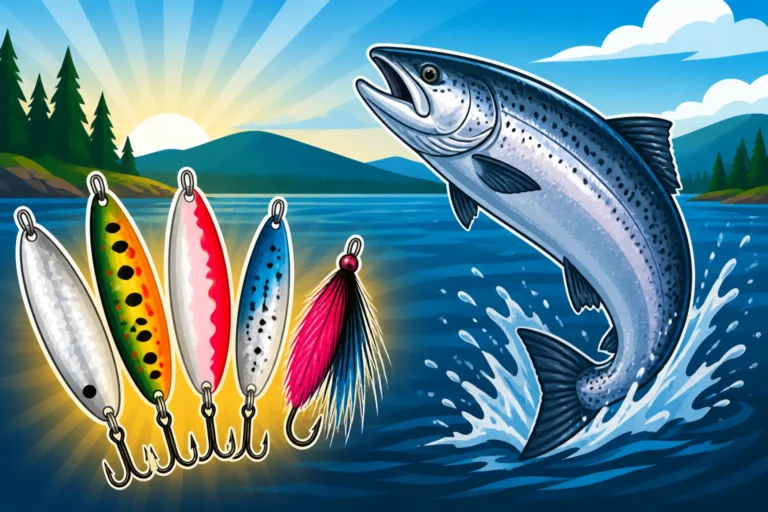
- Lures and Baits: Popular lures for salmon and trout include spoons (like Mooselook Wobblers, Little Cleos, or DB Smelts), sewn smelt or shiners, streamer flies (often trolled behind a dodger or flasher), and small stickbaits. The key is to mimic the local baitfish, primarily smelt. Knowing when the Maine Smelt Run Timing is can often indicate when these fish are actively feeding on this forage.
- Depth is Key: During warmer months, salmon and trout retreat to the thermocline—the layer of water where temperature changes rapidly. This can vary by lake and time of year, but often ranges from 20 to 60 feet. Your fish finder is an invaluable tool for locating baitfish, the thermocline, and suspended fish. Experimenting with different depths until you find where the fish are holding is crucial.
- Reading the Water: Look for signs of baitfish, changes in bottom contour (e.g., underwater humps, drop-offs), and areas with submerged structure. Trolling along these features often proves most productive. Early mornings and late evenings are generally the best times, especially in summer, when the fish are more active and willing to chase.
Trolling is a systematic approach that allows you to cover large areas of water, presenting your offerings to fish that might otherwise be difficult to reach.
Ice Fishing Strategies for Winter Anglers
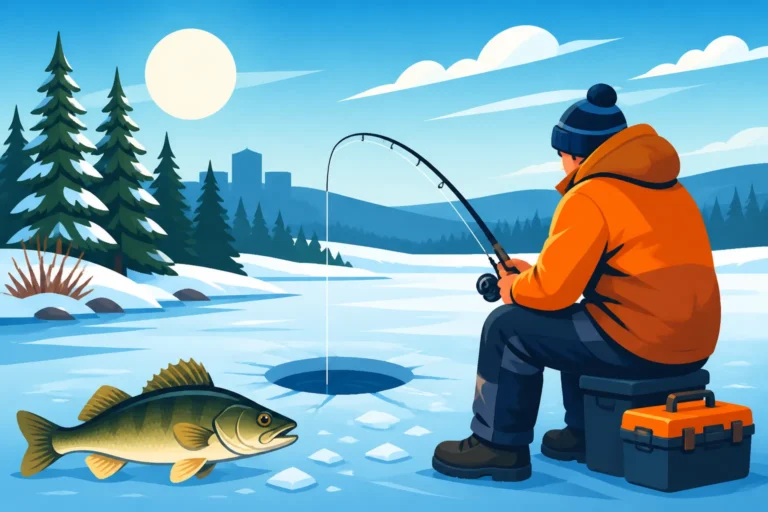
When the lakes freeze over, the Belgrade region transforms into an ice angler’s paradise. Ice fishing here is not just about catching fish; it’s a social event, a chance to enjoy the crisp winter air and the camaraderie of fellow anglers.
- Gear Essentials: Beyond a Maine Fishing License Guide, you'll need an ice auger (manual or powered), an ice chisel, a skimmer for holes, a sturdy ice fishing rod or tip-ups, and warm clothing. A portable ice shack or sled can make a long day on the ice much more comfortable. For comprehensive information on staying safe and geared up, refer to our Maine Ice Fishing Rules Guide.
- Target Species and Techniques:
- Togue (Lake Trout) & Salmon: These coldwater species are popular ice fishing targets in Long Pond and Great Pond. Tip-ups rigged with live bait (shiners) are highly effective, set over deep structure or suspended in the water column. Jigging with heavy spoons or swimbaits can also draw strikes from aggressive fish.
- Northern Pike & Chain Pickerel: Messalonskee Lake, North Pond, and East Pond are excellent for pike and pickerel through the ice. Larger tip-ups with good-sized live bait (like suckers or large shiners) are the go-to. Set them up in weedy bays or along shallow flats.
- Panfish: Yellow perch, white perch, and crappie offer consistent action on all lakes. Small jigging spoons, tiny soft plastics, or small live baits fished on a light rod and reel (often called a "jig stick") are perfect for these tasty fish.
- Safety First: Ice safety is paramount. Always check ice thickness before venturing out, and be aware of conditions, especially near inlets, outlets, or areas with current where ice may be thinner.
Ice fishing in the Belgrade Lakes provides a unique opportunity to experience these waters in a completely different season, offering exciting catches and memorable moments.
Fly Fishing Opportunities
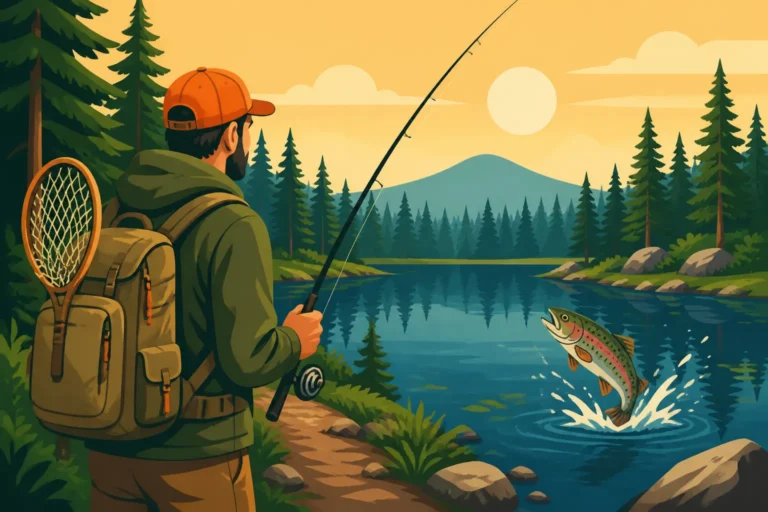
While Maine is famous for its wild brook trout streams, the Belgrade Lakes also offer rewarding fly fishing experiences, particularly for landlocked salmon, brook trout, and smallmouth bass.
- Salmon and Trout on the Fly: In the early spring and late fall, when water temperatures are cooler, landlocked salmon and brook trout will often be found closer to the surface or in the cooler waters of river mouths and thoroughfares connecting the lakes. This is when stripping streamer patterns (like Grey Ghosts, Black Ghosts, or Smelt patterns) can be incredibly effective. A sinking line or an intermediate line is often preferred to get flies down to feeding fish. During the summer, targeting these species on the fly becomes more challenging in the larger lakes, but opportunities still exist in cooler tributary mouths.
- Smallmouth Bass Fly Fishing: Fly fishing for smallmouth bass in the Belgrade Lakes can be absolutely exhilarating. In spring and summer, target rocky points, ledges, and transition areas with topwater poppers or popper-dropper rigs. Clouser Minnows, Deceivers, and various crayfish patterns can be effective when bass are feeding subsurface. Smallmouth are aggressive and will readily hit a well-presented fly, offering a strong fight on lighter fly tackle.
- Other Species: Don't forget about panfish! Bluegill and yellow perch will readily take small nymphs or poppers, providing fantastic action on lighter fly rods, perfect for beginners or a relaxing afternoon.
Whether you're wading the edges of a smaller pond, drifting a canoe along a rocky shoreline, or casting from a boat, fly fishing adds an elegant and challenging dimension to the diverse fishing options in the Belgrade Lakes.
Best Times to Fish the Belgrade Lakes for Different Species
Timing is everything in fishing, and the Belgrade Lakes are no exception. Understanding the seasonal patterns and how they affect fish behavior can dramatically increase your success. Maine’s distinct four seasons each offer unique angling opportunities, and the Belgrade chain is an active fishery year-round. For general season dates, a look at the Maine Fishing Season Dates Guide will always be helpful.
Spring: Thawing Waters and Aggressive Bites
Spring in Maine is a season of awakening, and for anglers, it means increasingly active fish as the ice recedes and water temperatures rise.
- Ice Out to Mid-May: This is a fantastic time for coldwater species. As the ice disappears, landlocked salmon and brook trout will be near the surface, feeding aggressively on smelt and other baitfish that become vulnerable. Trolling spoons, streamer flies, or sewn baitfish near the surface and along the shoreline in Great Pond and Long Pond can yield incredible results. The fish haven't dispersed to the deeper, colder parts of the lake yet, making them more accessible.
- Late May to June (Bass Spawn): As water temperatures creep into the 50s and 60s, the bass fishing heats up. This period, generally late May through June, is prime for both smallmouth and largemouth bass as they move to shallower spawning grounds. Smallmouth will be on rocky points and gravel flats, while largemouth will be in weedy coves. This is when jerks, spinnerbaits, and soft plastics can be particularly effective. It’s also an excellent time for northern pike and pickerel in the shallower, warmer waters of Messalonskee, North, and East Ponds.
- Frustrations and Rewards: Spring weather can be notoriously fickle in Maine, often bringing unpredictable cold fronts and rain. Don't let this deter you! Dress in layers, be prepared for anything, and remember that some of the most memorable catches happen during these transitional periods when fish are feeding opportunistically after the long winter. The reward for braving the cooler spring air can be some of the most aggressive bites of the year.
Summer: Deep Water and Early Morning/Late Evening Action
Summer brings warm, sunny days, perfect for enjoying the Belgrade Lakes. However, fishing during the heat of the day can be challenging, especially for coldwater species.
- Warmwater Species (Bass, Pike, Pickerel, Panfish): Early mornings and late evenings are prime for bass, pike, and pickerel, particularly with topwater lures, as they venture into shallower waters to feed. During midday, these fish will often retreat to deeper cover or shade. For largemouth, target dense weed beds, lily pads, and shaded docks. For smallmouth, look for deep rock piles, humps, and submerged structure. Panfish will provide consistent action throughout the day, often holding near docks, weed lines, or submerged brush.
- Coldwater Species (Salmon, Trout): For landlocked salmon and brook trout in Great Pond and Long Pond, summer means a move to the cooler, oxygenated depths. This is when accurate trolling with downriggers or lead core line becomes essential. Focus on the thermocline, often 20-60 feet down, and target main lake channels or deep basins. Look for baitfish on your electronics, as salmon and trout will be nearby.
- Challenges and Solutions: The biggest challenge in summer is often the heat and recreational boat traffic. Plan your fishing trips for the cooler parts of the day, use stealth, and consider fishing smaller, less trafficked ponds for a more peaceful experience. While the mid-day bite can be tough, dedicated anglers who adapt their techniques to the conditions can still find great success.
Fall: Vibrant Colors and Prime Trout/Salmon Fishing
Fall in the Belgrade Lakes is nothing short of spectacular, with fiery foliage reflecting on the water. For anglers, it’s one of the most rewarding seasons, especially for coldwater species.
- Salmon and Trout Resurgence: As water temperatures begin to drop, landlocked salmon and brook trout become incredibly active again. They move out of the deep thermocline and can be found closer to the surface, especially near tributary mouths where they may stage for spawning or feed on available baitfish. Trolling remains effective, but casting streamers or spoons along rocky shorelines and points can also be very productive. The cooler air and water make for comfortable fishing conditions and feisty fish. This is often considered the peak season for trophy salmon and trout in Long Pond and Great Pond.
- Bass Feeding Frenzy: Bass, like coldwater species, also go on a feeding binge in the fall. They are trying to bulk up for the winter ahead. Look for them in areas where baitfish are congregating—often around main lake points, channel edges, and drop-offs. Crankbaits, spinnerbaits, and soft plastics fished deeper can be very effective. Topwater action can still be good on warmer, calmer days, especially during early morning.
- Less Pressure: One of the added benefits of fall fishing is often less recreational boat traffic on the lakes, allowing for a more serene and focused angling experience. The vibrant scenery is just a bonus!
Winter: Ice Fishing Excitement
Once the lakes are safely frozen, typically from late December through March, the Belgrade Lakes region buzzes with ice fishing activity.
- First Ice: "First ice" after safe conditions are established is often some of the most productive fishing of the season. Fish are still active and often shallower than they will be mid-winter. This is a great time for aggressive pike and pickerel in Messalonskee, North, and East Ponds, and for salmon and togue (lake trout) in Great and Long Ponds.
- Mid-Winter: While conditions can be harsh, mid-winter still offers excellent opportunities, especially for panfish. Deeper spots for togue and salmon often become key, requiring more precise depth finding and presentation. Using shiners on tip-ups for game fish, and small jigs tipped with bait for perch and crappie, are standard practices.
- Late Ice: As spring approaches and ice begins to degrade, "late ice" can see a resurgence of activity, similar to first ice. Fish become more active, moving shallower to feed. However, ice conditions can become very dangerous quickly during this period, so extreme caution is essential.
- Finding a Guide: If you're new to ice fishing or want to maximize your chances, consider hiring a local expert. Services like those found on FishingBooker can connect you with experienced Maine Ice Fishing Guides who know the best spots and safety protocols for the Belgrade Lakes.
Each season presents its own unique charm and set of challenges for Belgrade Lakes anglers. By understanding these patterns, you can tailor your approach and significantly improve your fishing success throughout the year.
Navigating Regulations and Licenses in the Belgrade Lakes Region
Getting out on the water in the Belgrade Lakes is exhilarating, but it’s crucial to understand and adhere to Maine's fishing regulations. These rules are in place to protect the state's valuable fisheries and ensure sustainable angling for generations to come. Overlooking them can lead to fines and a less enjoyable trip, so take the time to familiarize yourself with the specifics.
Understanding Maine's General Fishing Laws
Maine has a comprehensive set of fishing laws, and it's essential to understand the basics before you even think about casting a line. These general laws cover everything from statewide season dates to line limits and bait restrictions.
- Fishing Licenses: The absolute first step is to secure a valid Maine fishing license. Nearly everyone needs one, with some exceptions for very young children or during designated free fishing days. You can learn everything about acquiring yours from our Maine Fishing License Guide. This guide details costs, exemptions, and where to buy them. It's not just a formality; it's a legal requirement that helps fund conservation efforts.
- Season Dates: While many popular lakes and ponds in Maine are open year-round for some species, others have specific season dates, especially for certain species or methods (like ice fishing vs. open water). Always check the current Maine Open Water Fishing and Ice Fishing Law Books, which are available online from the Maine Department of Inland Fisheries and Wildlife (MDIFW) website, or at most license vendors. This will prevent any accidental violations related to Maine Fishing Season Dates Guide.
- Bag and Length Limits: These vary significantly by species and often by specific water bodies. For example, the daily bag limit for brook trout in one lake might be different from another, or there might be a minimum length requirement for landlocked salmon. Our guide on Maine Fish Bag Limits Guide can give you a broad overview, but always double-check the specific rules for the Belgrade Lakes you plan to fish.
- Line Limits: In Maine, there are strict rules about how many lines you can fish simultaneously. For open water fishing, the general law limits you to two lines. For ice fishing, the general law typically allows up to five lines, but specific regulations for certain lakes may differ. Always verify!
These general laws form the baseline for all fishing in Maine. Ignorance of the law is not an excuse, so always be prepared.
Specific Regulations for Belgrade Lakes
While general laws apply, many individual lakes and ponds in Maine, including some of the Belgrade chain, have special regulations that supersede or add to the general laws. These special rules are tailored to manage specific fish populations or unique ecological conditions within that particular water.
- Checking the Law Book: The most reliable source for specific Belgrade Lakes regulations is the current Maine Open Water Fishing and Ice Fishing Law Books. Look up each lake or pond by name (e.g., Great Pond, Long Pond, Messalonskee Lake, North Pond, etc.). You might find:
- Special Length Limits: For instance, a particular lake might have a slot limit for bass (e.g., all bass between 12-16 inches must be released), or a higher minimum length for salmon.
- Reduced Bag Limits: Some lakes might have lower daily limits for certain species to protect vulnerable populations.
- Terminal Tackle Restrictions: Occasionally, a lake might have specific rules about what type of tackle can be used, such as fly fishing only or prohibiting live bait.
- Season Variations: While rare for the entire open water season in popular lakes, specific sections or tributaries might have different open seasons.
- The North vs. South Zone: It's also important to remember that Maine is divided into North and South Fishing Zones. The Belgrade Lakes region falls entirely within the South Zone. This is relevant because certain species, like brook trout, often have different general law bag limits based on which zone you are fishing in. Our Maine North Zone vs South Zone Fishing Rules article provides more context.
- Ice Fishing Considerations: When ice fishing, special regulations are even more common. These might include rules about the number of traps (tip-ups) allowed, bait restrictions, or even specific dates for removing ice shacks. For detailed information, consult the Maine Ice Fishing Rules Guide.
Always, always consult the most current law book. What was true last year might have changed. A quick check on the MDIFW website is always a good practice.
Essential Licenses and Where to Get Them
Beyond simply knowing the rules, you need the proper documentation to fish legally in Maine.
- Maine Fishing License: As mentioned, this is non-negotiable for most anglers.
- Resident vs. Non-Resident: Costs vary significantly depending on whether you are a Maine resident or not. You can find details on Maine Resident Fishing License Cost and Maine Nonresident Fishing License Cost.
- Duration Options: Licenses are available for different durations: annual, 1-day, 3-day, 7-day, and 15-day non-resident options. If you're just visiting for a short trip, a Maine 7-Day Nonresident Fishing License might be the most cost-effective.
- Special Licenses: Maine also offers specialized licenses, such as those for senior citizens, disabled veterans, and combination hunting and fishing licenses.
- Saltwater Fishing Registry: While the Belgrade Lakes are freshwater, if your trip extends to coastal areas, remember that Maine has a saltwater fishing registry, not a separate saltwater license fee. If you plan on doing any ocean fishing, you'll need to register. Read our Maine Saltwater Fishing Registry Guide for more information.
- Where to Purchase:
- Online: The easiest and most convenient way to purchase your Maine fishing license is online through the MDIFW website. You can print it immediately.
- In-Person: Licenses are also available at hundreds of license agents across the state, including many sporting goods stores, general stores, and town offices. If you're staying in Belgrade Lakes Village or nearby towns like Oakland or Augusta, you'll find local vendors. Our guide on Where to Buy a Maine Fishing License provides more details.
Make sure you carry your license with you while fishing, either a physical copy or an electronic version on your phone, as wardens do check. Being prepared with the right license and knowing the rules ensures a stress-free and legal fishing experience in the beautiful Belgrade Lakes.
Planning Your Belgrade Lakes Fishing Trip: Logistics and Local Resources
A successful fishing trip isn't just about knowing where the fish are; it's also about comfortable accommodations, reliable gear, and access to local expertise. The Belgrade Lakes region is well-equipped to support anglers, offering a range of services to make your trip smooth and enjoyable.
Lodging and Amenities: From Camps to Resorts
The Belgrade Lakes area offers a spectrum of lodging options to fit any budget and preference, from rustic sporting camps to luxurious lakeside resorts and private rentals.
- Sporting Camps: For a quintessential Maine experience, consider staying at one of the traditional sporting camps. These often provide cabins, boat rentals, and sometimes even meal plans, offering a classic, immersion-in-nature feel. They often have a rich history and can be a great source of local fishing knowledge.
- Lakeside Cottages and Rentals: Many private cottages, cabins, and homes are available for rent, especially during the peak summer season. These offer privacy and often come with private docks, perfect for those bringing their own boat. Websites like VRBO, Airbnb, or local real estate agencies are good places to search. This option gives you the flexibility to cook your own meals and have more space, which is great for families or groups.
- Hotels and Motels: For those who prefer more conventional lodging, hotels and motels can be found in nearby towns like Waterville, Augusta, or even Oakland, which are typically a 15-30 minute drive from the main lakes. These offer standard amenities and are a good base if you plan to explore other parts of the region beyond just the lakes.
- Campgrounds: Several public and private campgrounds are located in and around the Belgrade Lakes, offering tent sites, RV hookups, and sometimes even small cabin rentals. This is a great budget-friendly option and provides easy access to the outdoors.
No matter where you choose to stay, booking in advance, especially for summer and fall, is highly recommended as the region is a popular tourist destination.
Boat Rentals, Bait Shops, and Gear
You can't fish without the right tools, and the Belgrade Lakes area has plenty of resources to ensure you're well-equipped.
- Boat Rentals: If you don't bring your own boat, many marinas, sporting camps, and even some rental properties offer boat rentals. Options range from small aluminum boats with outboards, perfect for exploring smaller ponds or jigging for panfish, to larger pontoon boats or fishing boats equipped for trolling. Always inquire about safety gear (life jackets) and ensure you understand local boating regulations. Remember, you do not need a separate boat license to fish Maine lakes, but all boats must be registered. Our guide on Maine Boat Registration Rules for Anglers can help clarify.
- Bait and Tackle Shops: Throughout the region, you'll find well-stocked bait and tackle shops. These are not just places to buy worms and lures; they are invaluable local resources. The staff often have up-to-the-minute information on what's biting, where, and what specific baits or techniques are working. Make it a point to stop in, grab a coffee, and chat with the locals. Some notable shops might be found in Belgrade Lakes Village, Oakland, or Augusta. They'll have everything from live bait (shiners, worms) to specific lures for salmon, trout, and bass.
- Gas and Supplies: Most towns bordering the lakes will have gas stations, convenience stores, and sometimes even full-service grocery stores. It's wise to stock up on essentials like water, snacks, sunscreen, and bug spray before heading out for a long day on the water.
Having easy access to these local resources means you can focus more on the fishing and less on the logistics.
Considering a Registered Maine Guide or Charter
For many, especially first-timers or those looking to learn new techniques or target specific species, hiring a guide is an investment that pays dividends.
- Benefits of a Guide: A Hiring a Maine Fishing Guide is an expert in the local waters. They know the lakes intimately—the best spots, the prevailing conditions, what the fish are biting, and critically, how to stay safe and within regulations. They provide the boat, gear, bait, and invaluable knowledge, allowing you to relax and focus on fishing. This is particularly beneficial if you're targeting elusive species like landlocked salmon or trying specialized techniques like trolling or ice fishing.
- Finding a Guide: You can find Registered Maine Guides specializing in the Belgrade Lakes through the Maine Professional Guides Association, local sporting camps, or online platforms. This is where services like FishingBooker really shine, allowing you to browse available guides, read reviews, and book directly for a seamless experience. Just search for guides in the Belgrade Lakes area, and you’ll likely find a selection of local experts ready to take you out.
- Cost and What to Expect: The cost of hiring a guide varies based on duration (half-day vs. full-day), the number of anglers, and the type of fishing. It's an investment, but one that often leads to more fish caught, better understanding of the fishery, and a safer, more enjoyable trip. Always confirm what’s included (e.g., lunch, beverages, tackle) when booking.
- Charters for Larger Groups: While guides are common for smaller groups or individual instruction, if you have a larger group, some operations may offer "charters" (though often still run by Registered Maine Guides). These might accommodate more people and focus on broader fishing experiences.
Whether you opt for a guide or choose to explore on your own, the Belgrade Lakes region offers a rich and rewarding fishing experience that will keep you coming back year after year.
Disclaimer
The information provided in this guide is for general informational purposes only and is subject to change. Fishing regulations, season dates, and license requirements are set by the Maine Department of Inland Fisheries and Wildlife (MDIFW) and can be updated annually. It is the responsibility of every angler to consult the most current Maine Open Water Fishing and Ice Fishing Law Books and the MDIFW website for the most accurate and up-to-date information before engaging in any fishing activity. Always prioritize safety on the water and adhere to all local, state, and federal laws.