General Law Fishing Season Start Date in Maine
It’s a tale as old as time for anglers venturing into Maine’s incredible waterways: you’re geared up, the excitement is bubbling, but a nagging doubt creeps in. "Am I actually allowed to fish here right now?" Maine's fishing regulations can feel like a tangled leader line at times, especially when you're trying to pin down exactly when the season officially kicks off. This guide is here to untangle that confusion, specifically focusing on the general law fishing season start date for Maine's inland waters and helping you understand when you can legally drop a line.
Understanding Maine's General Law Fishing Season
When you're planning a fishing trip to Maine, one of the first things you'll grapple with is the sheer volume of rules and regulations. It's not always as simple as a single statewide season, which can definitely be a source of frustration. Before we dive into dates, let's clarify what "General Law" even means in the context of Maine fishing.
What is "General Law" in Maine Fishing?
Think of "General Law" as the default setting, the baseline rulebook that applies to inland waters across Maine unless there's a specific, overriding regulation for a particular water body or species. Maine's freshwater fisheries are managed on a highly localized basis, which means that while general laws provide a broad framework, many lakes, ponds, rivers, and streams have their own unique sets of rules. These special regulations might dictate different open seasons, bag limits, length limits, or even tackle restrictions.
This localized approach is fantastic for managing diverse fisheries and protecting specific fish populations, but it also places a significant responsibility on the angler. You can't just assume that if it's April 1st, you're good to go everywhere. You must verify the rules for the specific body of water you intend to fish. If no specific rule is listed for a particular water, then the general law applies. It’s a bit like navigating a complex menu where you start with the main courses, but then you find special daily specials that might be completely different. For a deeper dive into the overall regulatory landscape, you might want to check out our comprehensive guide on Maine Fishing Regulations Explained.
The Standard Start Date for Open Water Fishing
So, what is that general law start date we've been talking about? For most inland waters in Maine that fall under general law, the open water fishing season officially begins on April 1st. This date marks the transition from the winter ice fishing season to the spring and summer open water angling opportunities.
This means that as of April Fool's Day, you can legally fish open water in any inland lake, pond, river, or stream that is not otherwise designated with a special regulation. It's a day many anglers eagerly await, often coinciding with warming temperatures and the first signs of spring thaw. However, it's critical to remember this applies to open water. If there's still ice on the lake, you're not technically "open water fishing." We'll talk more about the ice-out situation shortly, as that's a whole different ballgame and often doesn't align perfectly with the calendar date. Just keep in mind that April 1st is the official kick-off for the legal open water season under general law.
Regional Nuances and Exceptions to the General Law Start Date
Maine is a big state, spanning a wide range of climates and ecological zones. What works for managing a fishery in southern Maine, where the ice often leaves early, might not make sense for the vast, remote lakes of the North Woods. This is precisely why the general law, while foundational, has important exceptions and regional variations that every angler needs to be aware of.
North Zone vs. South Zone Differences
Maine is divided into two major fishing zones: the North Zone and the South Zone. These zones were established to account for the significant differences in climate, ice conditions, and fish habitats across the state. The dividing line usually runs roughly along Route 2 and Route 9, with everything north of that line being the North Zone and everything south being the South Zone. You can find a detailed breakdown in our article on Maine North Zone vs South Zone Fishing Rules.
While the general law start date of April 1st for open water fishing technically applies across both zones, the practical implications and the prevalence of special regulations differ considerably. In the South Zone, warmer temperatures typically lead to earlier ice-out, meaning many waters are indeed fishable on April 1st. You'll find eager anglers out on ponds and rivers, targeting species like brook trout and landlocked salmon that are more active in the cooler, post-ice-out waters.
However, move further north into the North Zone, and April 1st might still see widespread ice cover on many larger lakes and even some ponds. While it's legally open for open water fishing on general law waters, Mother Nature often has other plans. Furthermore, the North Zone often has more remote waters with very specific, sometimes more restrictive, regulations to protect fragile ecosystems and wild populations. So, while the calendar says go, the ice might say "not yet."
Special Regulations and Individual Water Body Rules
This is perhaps the most crucial point for any angler planning a trip to Maine: the general law start date of April 1st is often superseded by special regulations for specific water bodies. This means that while April 1st is the earliest many waters will open for general law fishing, countless lakes, ponds, rivers, and streams have different, unique opening dates and rules.
Here's why this is so important:
- Protection of Spawning Fish: Some waters might have delayed openings to protect fish species during their critical spawning periods, ensuring they can reproduce undisturbed.
- Fishery Management: Biologists might impose specific seasons to manage fish populations, allowing certain species to grow larger or preventing overfishing during vulnerable times.
- Unique Habitats: Remote ponds or headwater streams might have year-round catch-and-release rules, or seasons that differ dramatically from the general law to preserve their unique character.
- "General Law Except…" Waters: You'll often see regulations listed as "General Law except…" followed by specific deviations for that particular body of water. This means you need to pay close attention.
For example, some waters might be open for catch-and-release only until May 1st, or certain rivers might have specific fly-fishing-only stretches with different season dates. The best way to confirm the rules for your chosen spot is to consult the official Maine Department of Inland Fisheries and Wildlife (MDIFW) open water fishing regulations. These are available online as PDF documents or through their interactive fishing atlas. Seriously, treat this as your fishing bible. It's not just a suggestion; it's a necessity. For a broader overview of Maine's specific calendar dates for different species and areas, our Maine Fishing Season Dates Guide is a great resource. You might even find some useful field guides on Amazon that help you quickly identify fish species or understand local regulations when you're out in the field, although always double-check with official MDIFW sources for current laws.
Distinguishing Open Water Season from Ice Fishing Season
The transition from winter to spring in Maine is a magical time, but it also marks a significant shift in fishing opportunities and, more importantly, regulations. Understanding how ice fishing season gives way to open water season is key to staying legal and safe.
Ice Fishing Season End Dates and Transitions
For most inland waters in Maine, the ice fishing season traditionally wraps up on March 31st. This means that come April 1st, the day the general law open water season begins, all ice fishing activities must cease on those general law waters. It’s a direct handoff from one season to the next, creating a clear demarcation for anglers.
Imagine the last weekend of March: you might see ice shacks dotting a frozen lake, tip-ups set, and augers whirring. Then, literally overnight, with the stroke of midnight on March 31st, those activities transition to open water fishing. However, much like the general law start date, there are always exceptions for specific waters that might have different ice fishing end dates, or even certain lakes where ice fishing might extend longer or be restricted entirely. Always, always verify the specific rules for the body of water you intend to fish. Our guide on Maine Ice Fishing Rules Guide provides extensive information on this winter activity, and it’s important to understand these regulations before you hit the ice. Knowing When Does Maine Ice Fishing Season End? can save you a lot of trouble and ensures you're not caught out past the legal cutoff.
The Concept of "Ice-Out" and Fish Behavior
Here's where the calendar date (April 1st) and Mother Nature often diverge. While April 1st is the legal start of the general law open water season, it doesn't mean all waters are actually free of ice. Far from it! In Maine, especially in the larger, deeper lakes and those in the northern reaches, "ice-out" can happen much later.
- Ice-out Variability: Smaller, shallower ponds in southern Maine might be completely ice-free by early April, allowing for immediate open water fishing. However, major bodies of water like Moosehead Lake or Sebago Lake often retain significant ice cover well into April, sometimes even into early May. You can explore the typical timings in articles like Ice-Out Date for Moosehead Lake Most Years and Ice-Out Date for Sebago Lake Most Years.
- Safety First: Even if a lake is technically open for open water fishing on April 1st, if there's still significant ice, it's unsafe and impractical to attempt open water fishing from a boat. Bank fishing might be possible in areas with open water, but ice safety is paramount.
- Fish Behavior: Post-ice-out, fish behavior shifts dramatically. As water temperatures rise, fish like landlocked salmon and brook trout, which prefer colder water, often move closer to the surface and into shallower areas where the water warms first. This can lead to some fantastic early season opportunities for shore anglers or those in small craft, but you need open water to pursue them effectively. Understanding these behavioral patterns can significantly improve your success during the spring transition.
So, while the law might say "go" on April 1st, common sense and safety dictate waiting until the ice has truly vanished for a productive and safe open water experience.
Navigating Maine's Fishing Regulations to Avoid Violations
Maine's fishing regulations are designed to protect its precious fisheries and ensure sustainable angling for generations to come. While they can seem complex, understanding how to navigate them is a crucial part of being a responsible angler. Ignoring them can lead to serious consequences, and trust me, you don't want to find yourself explaining a violation to a Maine Warden.
Where to Find the Most Accurate Information
The single most important resource for any angler in Maine is the official Maine Department of Inland Fisheries and Wildlife (MDIFW). They are the authority, and their resources are the definitive source for all fishing regulations.
Here's how to access the information you need:
- Official MDIFW Website: The MDIFW website (maine.gov/ifw) is your primary digital hub. They publish the entire fishing law book online, often in a searchable PDF format. This means you can download it to your phone or tablet before heading out, ensuring you have access even without cell service in remote areas.
- The Printed Law Book: Every year, MDIFW publishes a physical copy of the fishing law book. These are invaluable! You can usually pick them up for free at any license agent, town office, or tackle shop. Keep one in your truck or tackle box. It's often easier to flip through a physical copy, especially when you're out in the woods. While you might not find the official MDIFW law book on sites like Amazon, you can often find supplementary guides or reference books there that help with fish identification or general Maine angling tips, which can be useful companions to the official rules.
- MDIFW Fishing Atlas: Many states, including Maine, offer an interactive online fishing atlas. This tool allows you to zoom in on specific lakes or rivers, click on them, and see the specific regulations for that body of water. It's incredibly helpful for planning your trip and double-checking rules.
- Local Tackle Shops and Guides: Don't underestimate the local knowledge! Owners of bait and tackle shops and registered Maine Guides are often a wealth of up-to-date information on local conditions and specific regulations for their area. They can offer practical advice that might not be in the book, like which areas of a particular lake tend to hold ice longer.
When in doubt, always default to the most conservative interpretation of the rules or contact MDIFW directly. It’s always better to be safe than sorry.
Consequences of Fishing Out of Season
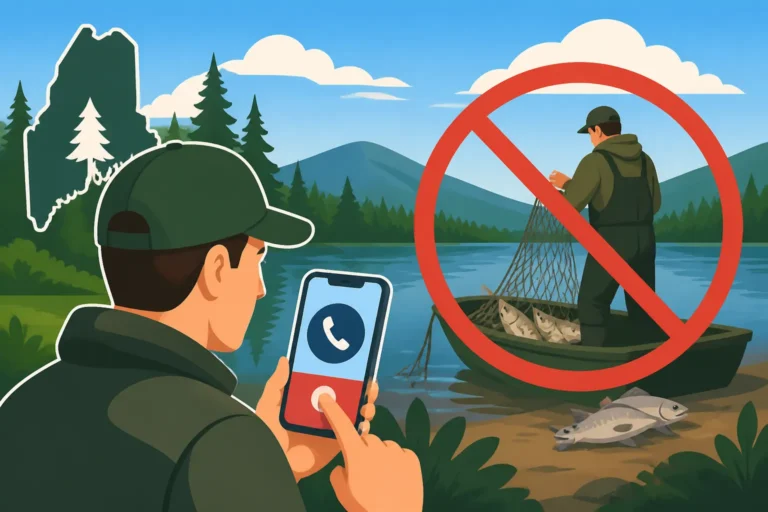
Fishing outside of the legal season, whether it's before the general law start date, during a closed period for a specific water body, or during an active ice fishing season on an open water-only lake, can lead to significant penalties. Maine's Inland Fisheries and Wildlife Wardens are diligent in enforcing these regulations, and ignorance of the law is never an excuse.
Here’s what you might face:
- Fines: The most common consequence is a monetary fine. These fines can vary depending on the severity of the offense, but they are typically substantial enough to make you regret your decision. For context on monetary penalties, you can look into articles such as Maine Fishing License Fine for No License.
- Loss of Fishing Privileges: In addition to fines, you could have your fishing license suspended or revoked. This means you wouldn't be able to fish legally in Maine for a set period, or potentially even for life in egregious cases.
- Seizure of Equipment: Wardens have the authority to seize any fishing equipment used in the commission of a violation, including rods, reels, and even boats.
- Confiscation of Catch: Any fish caught illegally will be confiscated.
- Criminal Charges: In more severe cases, especially involving repeat offenses or commercial poaching, you could face criminal charges, which carry even more serious legal ramifications.
It’s truly not worth the risk. Always ensure you have a valid Maine Fishing License Guide for the current year, understand the Maine Fish Bag Limits Guide for your target species, and verify the specific regulations for every water you plan to fish. Checking these details takes only a few minutes but can save you a world of trouble and expense. If you're wondering about general penalties for not having a license at all, our guide on What Happens If You Fish in Maine Without a License? goes into detail.
Planning Your Early Season Maine Fishing Trip
So, April 1st rolls around, and you've confirmed your chosen lake or stream is under general law and truly open water. Now what? Early spring fishing in Maine can be incredibly rewarding, but it requires a slightly different approach than mid-summer angling. The waters are cold, fish behavior is distinct, and weather can be unpredictable.
Gear and Tactics for Early Spring
The period immediately following ice-out and the general law season opening is characterized by very cold water. This dictates both your gear choices and your fishing tactics.
- Layer Up for Cold Weather: Maine springs can be fickle. One day it's sunny and mild, the next it's sleeting. Dress in layers, including waterproof outer shells. A good pair of waterproof boots is essential, especially if you're shore fishing the often-muddy banks. A warm hat and gloves are also highly recommended.
- Slow and Low: Fish metabolisms are slower in cold water. They're less likely to chase a fast-moving lure. Slow retrieves, jigging, or still-fishing with bait are often more effective. Target areas where the water might be slightly warmer, such as shallow coves, dark-bottomed areas that absorb sunlight, or the mouths of feeder streams.
- Lure and Bait Selection: Live bait, such as worms or shiners, can be incredibly effective in cold water because it offers a natural, easily accessible meal. For artificial lures, try spoons, small stickbaits, or soft plastics retrieved slowly. Colors can vary, but natural tones or bright "attractor" patterns can both work. Our Best Lures for Early Spring Salmon Fishing guide offers specific recommendations tailored for this period.
- Safe Boating: If you're launching a boat, remember that cold water immersion is a serious danger. Always wear your personal flotation device (PFD), and be extra cautious about sudden movements or overloading your craft.
Early spring fishing rewards patience and a thoughtful approach. Don't expect to cover miles of water quickly; instead, focus on thoroughly working promising areas. For more detailed strategies for this transitional time, check out our comprehensive Maine Spring Fishing Guide.
Species to Target in Early Spring
The cold, clear waters of early spring in Maine are ideal for targeting certain species. These fish are often hungry after a long winter under the ice and can be quite aggressive.
- Brook Trout: Maine's state fish, the brook trout, becomes very active post-ice-out. They'll often be found in shallower areas, near rocky points, or in stream inlets, eagerly feeding on emerging insects or small baitfish. Small spinners, worms, or fly patterns that mimic aquatic insects are excellent choices. Learn more about Brook Trout Fishing in Maine.
- Landlocked Salmon: These magnificent fish are another prime target in early spring. They'll cruise the upper water column and shorelines, especially in the larger lakes, looking for smelt or other forage. Trolling with spoons, minnow imitations, or streamer flies can be highly effective. Early morning and late evening often yield the best results. Our Landlocked Salmon Fishing in Maine guide can help you refine your techniques.
- Lake Trout (Togue): While togue (Maine's name for lake trout) are often thought of as deep-water dwellers, in early spring they can be found shallower than usual, particularly right after ice-out. Jigging near drop-offs or trolling with large spoons or baitfish imitations can entice these powerful fish. If you're after these deep-water giants, our Lake Trout and Togue Fishing in Maine article is a must-read.
- Pickerel and Perch: Don't overlook these often-underestimated species. Chain pickerel are aggressive predators that are very active in cold water, especially in weedy areas. White and yellow perch are also excellent early season targets, offering consistent action and delicious fillets.
Early spring offers a fantastic opportunity to shake off the winter blues and connect with some of Maine's most iconic game fish. Just remember to respect the regulations and the environment, and enjoy the beauty of Maine's awakening landscape.
Maine General Law Fishing Season Quick Reference
Here's a handy table to quickly reference the general law season start for inland waters, but remember, always check specific water body regulations!
| Season Type | Start Date | End Date | Applicable Waters | Key Consideration |
|---|---|---|---|---|
| Open Water (General Law) | April 1st | March 31st (next year) | Most inland lakes, ponds, rivers, and streams | Superseded by specific water regulations |
| Ice Fishing (General Law) | Jan 1st | March 31st | Most inland lakes and ponds (seasonal variations) | Ice-out conditions vary widely; check safety |
Note: Dates are subject to change by MDIFW. Always refer to the most current Maine Open Water & Ice Fishing Regulations books.
Disclaimer
The information provided in this guide is for general informational purposes only and is not a substitute for the official regulations published by the Maine Department of Inland Fisheries and Wildlife (MDIFW). Fishing regulations, including season dates, bag limits, and specific water body rules, can change frequently. Always consult the most current official MDIFW fishing law book or their website (maine.gov/ifw) before heading out to fish to ensure compliance with all applicable laws. Failure to do so may result in penalties.