Should Beginners Hire a Guide or Fish on Their Own in Maine?
Stepping into the vast and beautiful world of Maine fishing can feel like both an exciting adventure and an overwhelming challenge, especially if you're a beginner. From sprawling freshwater lakes to rugged coastal waters, knowing where to cast your line, what bait to use, and even what fish you're targeting can leave you feeling lost before you even start. This guide will walk you through the key considerations of whether to tackle Maine's waters on your own or enlist the invaluable expertise of a local fishing guide for your inaugural angling adventures.
The Allure and Challenge of DIY Fishing for Beginners in Maine
There’s a certain romantic ideal about heading out into the wild blue (or green) on your own, a true pioneer exploring new waters. For many, that's a huge part of the Maine outdoor experience. But for a beginner, that independence also comes with a steep learning curve.
The Freedom and Cost Savings of Going Solo
One of the biggest draws of fishing on your own is the freedom. You set your schedule, pick your spot, and decide what fish you’re going after. There's no pressure from a guide, just you, your rod, and the great outdoors. It feels authentic, a personal journey of discovery. On the surface, it also seems like the cheaper option. You buy your Maine Fishing License Guide, maybe a basic rod and reel combo, a tackle box with some lures and bait, and you're good to go, right? No guide fees, no charter costs. This can be very appealing, especially if you're on a tight budget or just want to dip your toes in without a significant financial commitment. The idea of quietly exploring a hidden pond or a stretch of river at your own pace, without an agenda set by someone else, is a powerful motivator for many. You can spend hours just enjoying the scenery, practicing your cast, and slowly learning the rhythm of the water. It’s an investment in your own learning process, even if it comes with its fair share of trial and error.
However, it's easy to underestimate the "hidden" costs. That basic rod might not be suited for the specific fish you encounter, or the lures you bought might be completely wrong for the local conditions. You'll spend money on gas driving to spots that might not pan out, and precious vacation time on fruitless searches. The initial savings can quickly evaporate when you factor in frustration and the cost of acquiring suitable gear piece by piece as you learn. Without the right knowledge, you might even find yourself unknowingly breaking one of Maine’s Maine Fishing Regulations Explained, leading to fines that certainly weren't in your "cost savings" plan.
Navigating Maine's Diverse Waters on Your Own
Maine is a massive state, boasting thousands of miles of coastline, countless lakes and ponds, and an intricate network of rivers and streams. This diversity is incredible, offering opportunities for everything from Brook Trout Fishing in Maine in a remote stream to chasing Striped Bass Fishing in Maine along the coast. But for a beginner, it can be utterly overwhelming. Imagine looking at a map of Maine and trying to pick one spot. Where do you start? What kind of fish are even there? What depths should you be fishing? What time of year is best? These are all questions that seasoned anglers spend years learning, and a beginner trying to figure it out on their own is often just guessing.
The internet can provide some basic information, but often lacks the crucial nuances of local conditions—what fly is working this week on the Roach River, or where the landlocked salmon are holding on Sebago Lake right now. Furthermore, regulations vary wildly from one body of water to another, even within the same zone. A lake might have a general law, while a stream feeding into it could be under special fly-fishing-only rules. Without local knowledge, you're constantly second-guessing yourself, which takes away from the enjoyment of fishing. Visiting local bait shops can offer a wealth of information, but even then, understanding what to ask and how to interpret the advice can be a challenge for someone completely new to the sport. The time investment in researching everything from public access points to specific bait recommendations for a given species can be a vacation in itself!
The Benefits of Hiring a Registered Maine Guide for Your First Trip
When you're faced with the enormity and complexity of Maine's fisheries, the thought of a knowledgeable expert taking the reins can be incredibly appealing. Hiring a guide isn't just about catching fish; it's about a curated experience designed for learning and success.
Instant Expertise and Local Knowledge
This is, hands down, the biggest advantage of a guided trip for beginners. A Registered Maine Guide is a treasure trove of local knowledge, gained through years, sometimes decades, of experience on the very waters you're fishing. They know the secret coves where the Smallmouth Bass Fishing in Maine are biting, the precise trolling depths for Landlocked Salmon Fishing in Maine on a hot summer day, and which particular nymph pattern will entice a brook trout in a specific stream. They understand the nuances of the weather, the water temperature, and how fish react to different conditions. This isn't information you can easily Google; it's learned intuition and intimate familiarity with the ecosystem.
Beyond just knowing where the fish are, a guide provides invaluable insights into why they're there and how to catch them. They can explain fish behavior, identify different species (Maine Fish Species Identification Guide), and help you understand the subtle signs of a bite. This translates to less frustration and a much higher chance of actually catching fish on your first outing. Moreover, guides are deeply familiar with Maine Fishing Regulations Explained for their specific areas, ensuring you're always fishing legally and responsibly. This peace of mind alone is worth a lot, especially when you're just starting out and don't want to worry about potential fines or misunderstandings. They also prioritize safety, which is crucial, especially when dealing with unpredictable Maine weather or navigating unfamiliar waters, be it a tricky river current or unstable ice conditions during the Maine Ice Fishing Rules Guide season. For those looking to browse options, platforms like FishingBooker allow you to connect with local guides and see their specialties.
Equipment, Techniques, and Learning on the Water
For a beginner, the sheer amount of gear needed for fishing can be daunting and expensive. Do you need a spinning rod, a baitcaster, or a fly rod? What line weight? Which lures are effective? When you hire a guide, all of that guesswork and upfront investment is typically removed. Most guides provide all the necessary fishing equipment, from rods and reels to bait and tackle. They’ll have high-quality, well-maintained gear specifically chosen for the target species and conditions of the day. This means you don’t have to buy a thing, making your initial foray into fishing much more accessible.
But it's not just about providing the gear; it's about teaching you how to use it effectively. A guide acts as a personal instructor, demonstrating proper casting techniques, teaching you essential Fishing Knots Every Maine Angler Should Know, and explaining how to present your bait or lure for the best results. They'll teach you the art of setting the hook, fighting a fish, and most importantly, how to properly handle and release fish to ensure their health (Catch and Release Best Practices in Maine). This hands-on, real-time instruction is incredibly valuable. You're not just fishing; you're learning the foundations of the sport from an expert. Imagine learning to fly cast on a pristine Maine river with someone patiently correcting your form, or understanding the subtle art of jigging for togue through the ice during the Maine Winter Ice Fishing Guide season. This direct, personalized education accelerates your learning curve far beyond what you could achieve on your own in weeks, or even months.
Weighing Your Options: When to DIY, When to Guide
Deciding between a guided trip and a solo adventure really boils down to what you're looking to get out of your first fishing experience in Maine. There's no single right answer, just the right answer for you at this moment.
Factors to Consider for Your Maine Fishing Adventure
When you’re making this decision, it’s helpful to sit down and think about a few key things:
- Your Budget: This is often the first hurdle. While a guided trip has a higher upfront cost, remember it typically includes gear, bait, fuel, and expert instruction. If you plan to fish a lot in Maine over the long term, investing in your own gear for DIY trips might eventually be cheaper. But for a one-off experience or a short vacation, a guide can save you from costly mistakes and unsuccessful outings. It's important to look at the total value, not just the initial price tag. For example, a Maine 1-Day Fishing License Price for Visitors is just one part of the equation; add gas, bait, a cheap rod, and the time spent, and you might find the value of a guide is quite competitive.
- Your Experience Level: Are you a complete novice who has never held a fishing rod? Or do you have some experience in other regions and just need help understanding Maine's unique waters? If you're starting from scratch, a guide offers a foundational learning experience that’s hard to replicate. If you have some basics, you might feel more confident tackling a simpler DIY trip.
- Your Goals for the Trip: Are you simply hoping to spend a relaxing day by the water, maybe catch a few small fish, and enjoy the scenery? Or are you dreaming of landing a trophy Maine Landlocked Salmon Bag Limits or mastering a specific technique like fly-fishing? If your goals are ambitious, a guide significantly increases your chances of success. They know the spots where the big ones lurk and the specialized techniques required.
- Time Available: If you only have a day or two to fish on your vacation, do you want to spend it figuring things out, or actually fishing and catching? A guide maximizes your limited time by putting you on fish quickly. If you have a week or more and enjoy the process of exploration and problem-solving, DIY might be more appealing.
- Your Learning Style: Do you prefer hands-on instruction and immediate feedback, or do you like to learn through trial and error, reading, and watching videos? A guided trip is a direct learning experience, while DIY is more self-directed.
To help visualize the trade-offs, here's a quick comparison:
| Feature | DIY Fishing (Beginner) | Guided Fishing Trip (Beginner) |
|---|---|---|
| Cost | Lower upfront, but potential for hidden costs/frustration. | Higher upfront fee, but inclusive of many expenses and expertise. |
| Gear | Requires purchase/rental of all gear. | All necessary gear typically provided by guide. |
| Knowledge | Relies on personal research and trial/error. | Immediate access to local expertise, regulations, and techniques. |
| Success Rate | Often lower for true beginners due to lack of knowledge. | Significantly higher chance of catching fish and learning. |
| Learning | Self-taught, can be slow and frustrating. | Direct, hands-on instruction, faster skill development. |
| Flexibility | Complete control over schedule and location (within regulations). | Schedule set with guide, tailored to best fishing conditions. |
| Safety | Full responsibility on angler; unfamiliar risks. | Guide ensures safety and navigates local hazards. |
| Permits/Regs | Angler must research and comply with all Maine Fishing Laws for Beginners. | Guide will ensure compliance with local regulations. |
Hybrid Approaches and Planning Your Trip
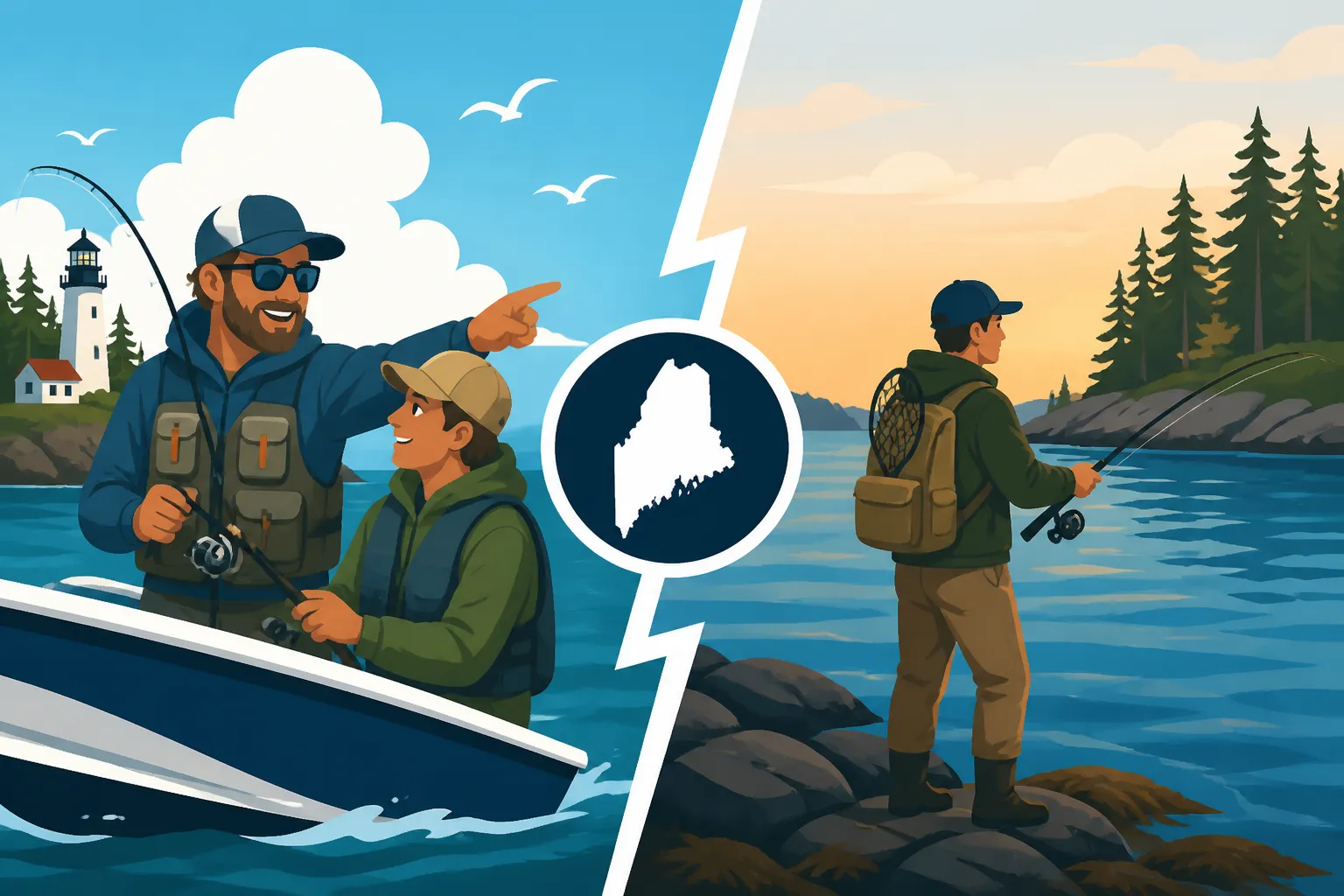
It’s not always an either/or situation. Many beginners find a hybrid approach works best. You could start with a half-day guided trip to get your feet wet, learn the basics, and gain confidence. Then, with that newfound knowledge and some successful casts under your belt, you can spend the rest of your trip exploring some easier-to-access spots on your own. This way, you get the best of both worlds: expert instruction and personal exploration. A lot of guides offer shorter trips, and some companies like FishingBooker make it easy to filter for half-day options, allowing you to sample the experience without committing to a full-day adventure.
Regardless of your choice, planning is crucial. If you're going the DIY route, spend significant time researching your chosen location, target species, and the specific Maine Fishing Season Dates Guide and regulations that apply. Talk to employees at local bait and tackle shops – they're often a wealth of information. If you opt for a guide, book well in advance, especially during peak seasons. Communicate clearly about your experience level, what you hope to catch, and any specific interests you have (e.g., "I really want to learn how to troll for Maine Togue and Lake Trout Limits" or "I'm hoping to catch my first Brook Trout Daily Bag Limits"). A good guide will tailor the trip to your needs and ensure a memorable experience.
Making the Most of Your Maine Fishing Experience
Whether you choose to venture out independently or with the help of a seasoned professional, a little preparation goes a long way in ensuring your Maine fishing trip is enjoyable, safe, and successful.
Essential Preparations for Any Angler
Even with a guide, there are a few things you should always take care of before you even think about casting a line in Maine.
First and foremost, obtain your fishing license. This is non-negotiable. Whether you're a resident or a visitor, you'll need a valid license. You can usually purchase these online, at town offices, or at many sporting goods stores and bait shops. Don't forget to understand the difference between a freshwater and saltwater registry, and what's required for each, as some rivers like the Penobscot have both. Knowing your Maine Fishing License Costs Guide beforehand will also help with your overall budget planning.
Next, familiarize yourself with the general regulations. Even if you hire a guide who knows the specifics, understanding the basic rules about bag limits, length limits, and general seasons is important. The Maine Department of Inland Fisheries and Wildlife (MDIFW) publishes an annual law book which is an invaluable resource, often available online. Understanding concepts like the North and South Zones (Maine North Zone vs South Zone Fishing Rules) can be crucial, as regulations can differ significantly.
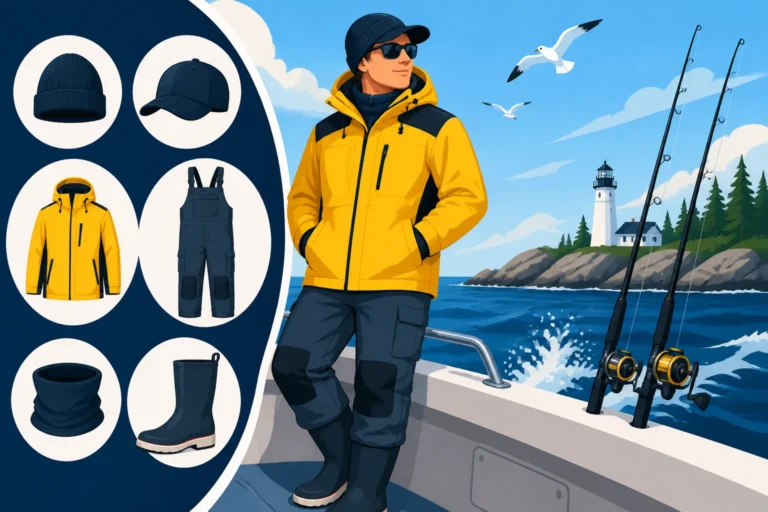
Finally, dress appropriately for the weather. Maine weather can be unpredictable, changing quickly, especially on the water. Layers are always a good idea. Even in summer, mornings can be cool, and afternoons can bring sudden showers. In colder months, especially for ice fishing, proper insulation and waterproof gear are critical for comfort and safety. Think about sturdy, non-slip footwear, rain gear, sun protection (even on cloudy days), and insect repellent. A good pair of polarized sunglasses will help you see into the water and protect your eyes.
How to Find a Reputable Maine Guide (If You Choose That Path)
If you've decided that a guided trip is the way to go for your first Maine fishing adventure, the next step is finding the right guide. This is where a little homework pays off.
Start by looking for Registered Maine Guides. This is a state-issued license that signifies they've passed rigorous exams on outdoor skills, first aid, and Maine's natural resources and regulations. It’s a mark of professionalism and competence. You can often verify a guide's license through the MDIFW website.
Next, read reviews and ask for recommendations. Online platforms like FishingBooker are excellent resources for finding guides, comparing their services, reading reviews from past clients, and seeing photos of their catches and boats. This helps you get a sense of their personality, their success rates, and the type of experience they offer. Word-of-mouth recommendations from friends or local bait shop owners are also golden.
When you contact potential guides, be specific about your expectations. Do you want to learn fly fishing, or are you more interested in trolling for big fish? Are you bringing kids, or is it an adult-only trip? The more information you provide, the better the guide can tailor the experience to your desires. Don't be shy about asking questions about what's included (gear, bait, snacks, drinks), what you should bring, and their cancellation policy. You can get a lot more detail on this topic in our article Hiring a Maine Fishing Guide.
Choosing a guide or going solo is a personal decision, but with a little thought and preparation, your first fishing trip in Maine is sure to be an unforgettable one.
Disclaimer
This article is for general informational purposes only and does not constitute professional advice. Laws, prices and regulations vary by location and change over time. Consult a qualified professional for guidance on your specific situation.