Cold Front Fishing Tactics in Maine
We've all been there: the weather report looked great, you planned your Maine fishing trip meticulously, only for a sudden cold front to roll in and seemingly shut down the bite. It's incredibly frustrating when fish that were active just yesterday suddenly become lethargic and uncooperative. This comprehensive guide is here to unravel the mysteries of fishing during and after a cold front in Maine, providing you with actionable strategies to turn a challenging day into a successful one.
Understanding Cold Fronts in Maine
Cold fronts are a natural part of Maine's ever-changing weather, but their impact on fishing can feel anything but natural. One minute the fish are biting aggressively, the next they've clammed up, leaving you scratching your head. It's not just about the temperature drop; a whole cascade of atmospheric changes comes with a cold front that sends fish into a state of shock, or at least, a state of extreme caution.
The Science Behind a Cold Front's Impact
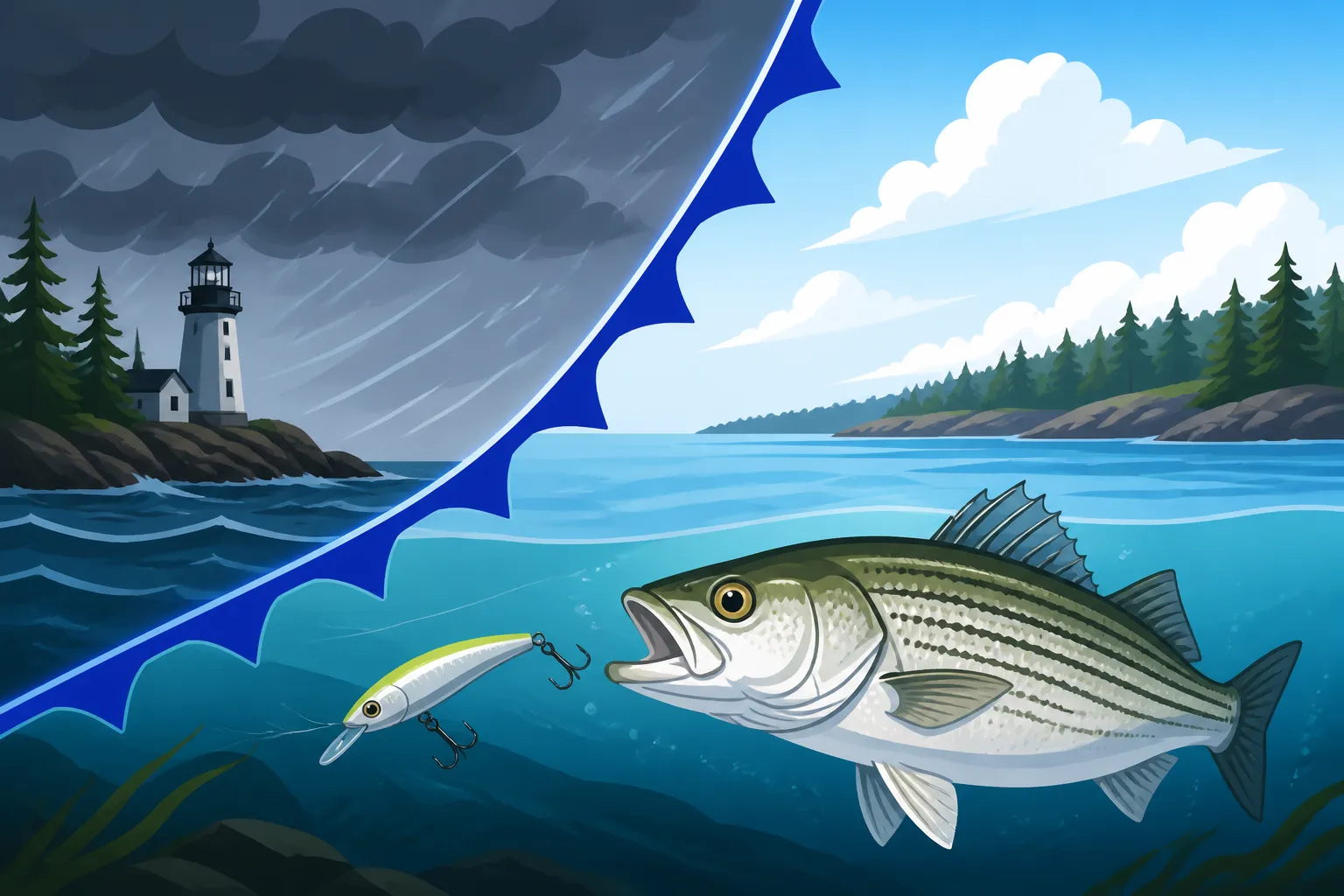
When a cold front moves through, it's essentially a mass of colder, denser air pushing out warmer, lighter air. This causes a sudden increase in barometric pressure. Think of it like a heavy blanket settling over the water. Fish, particularly those with swim bladders, are highly sensitive to these pressure changes. Their swim bladders expand or contract with pressure shifts, and a rapid increase in pressure can cause discomfort, making them feel "squeezed." This discomfort often sends them seeking deeper, more stable water or denser cover.
Beyond the barometric pressure, cold fronts typically bring clear skies and a drop in air temperature. While clear skies sound nice, they often mean more direct sunlight penetrating the water, making fish feel more exposed and vulnerable, especially in shallower areas. This can trigger an instinctive need for security, pushing them deeper or under structure. For an in-depth look at how these broader weather patterns affect angling, check out our guide on How Barometric Pressure Affects Fish Behavior.
Typical Cold Front Patterns in Maine
Maine's weather is notoriously fickle, and cold fronts can manifest differently depending on the season and geographical region. In spring and fall, cold fronts can be quite dramatic, ushering in significant temperature drops that quickly chill shallow waters. Imagine a crisp October morning after a warm, rainy spell – the water temperature in those shallows can plummet, making fish scatter.
During the summer, while the air temperature might not drop as drastically, even a moderate cold front can bring a noticeable dip, especially overnight. This can shock warmwater species like bass that are used to stable, warm conditions. Maine's proximity to the ocean also means that coastal areas experience different frontal patterns compared to inland lakes and rivers, often moderated by the Atlantic's thermal mass. Understanding these regional nuances is key to adapting your Maine Fishing Season Calendar and strategies.
How Cold Fronts Affect Maine Fish Behavior
The immediate aftermath of a cold front often sees a significant slowdown in fishing activity. Fish, much like us, get a little grumpy when their comfortable environment changes rapidly. They become less active, more cautious, and generally less inclined to chase down a meal. This "post-front funk" is a real phenomenon that every angler in Maine has encountered.
Impact on Warmwater Species Bass, Perch
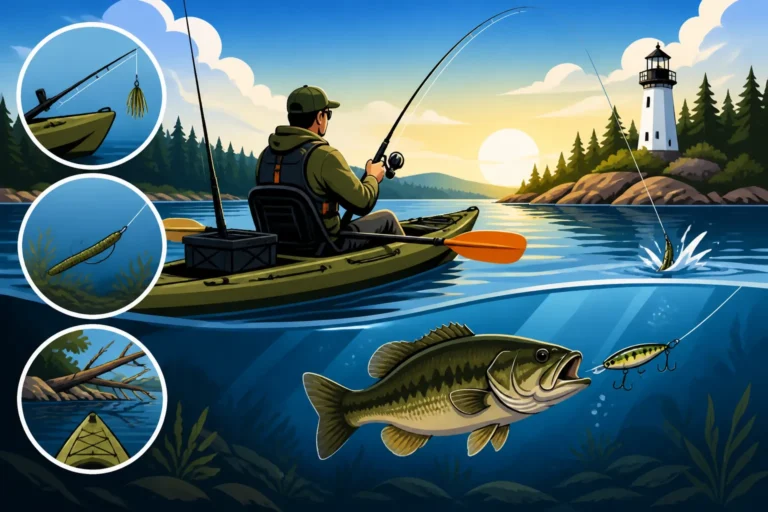
Warmwater species like Smallmouth Bass and Largemouth Bass, often found in the shallower, warmer sections of Maine's lakes and ponds, are particularly susceptible to cold fronts. When the barometric pressure rises and the water temperature drops, even slightly, these fish tend to move off their usual feeding flats. They’ll often relocate to deeper water near drop-offs, submerged timber, or dense weed beds, seeking thermal stability and cover.
Their metabolism slows down, making them less aggressive feeders. Instead of actively hunting, they become ambush predators, hugging tight to cover and waiting for an easy meal to swim by. This means your fast-moving crankbaits or topwater lures, which were so effective before the front, will likely be ignored. White perch and yellow perch also exhibit similar behavior, hunkering down in deeper areas and becoming much pickier about what they'll strike. Understanding their post-front hideouts is crucial for successful Smallmouth Bass Fishing in Maine.
Impact on Coldwater Species Trout, Salmon, Togue
While coldwater species like Brook Trout, Landlocked Salmon, and Togue are more tolerant of cooler temperatures, they are by no means immune to the effects of a cold front. The sudden change in pressure and the increased clarity that often accompanies these fronts can make them extremely wary. Instead of actively cruising and feeding, they often suspend in the water column or hug tight to bottom structure, especially in deeper parts of large lakes like Sebago Lake or Moosehead Lake.
For example, Landlocked Salmon on a big lake might move away from their traditional cruising depths and suspend in schools over deeper water. Togue (Lake Trout), already deep-water dwellers, might simply become even more lethargic, hugging the bottom contours. River trout will often tuck into slow-moving pools, under undercut banks, or behind large rocks, seeking shelter from increased light penetration and current. Our guide on Reading Water Temperature for Maine Trout provides more insights into their preferred conditions.
The "Post-Front Funk" Explained
The term "post-front funk" perfectly describes the period immediately following a cold front's passage, usually lasting 24-48 hours, sometimes longer. During this time, the fish are in an altered state. Their metabolism has slowed, their feeding windows are shorter, and they are generally less inclined to expend energy. They might be "holding" on structure or in deeper water, but not necessarily actively feeding.
This funk isn't just about sluggishness; it’s also about heightened caution. Clear skies mean more light, making them more visible to predators and, indeed, to anglers. This makes them less likely to venture out into open water or strike at flashy, aggressive presentations. The key to overcoming the post-front funk is to understand this psychological shift and adapt your approach accordingly – slowing down, downsizing, and focusing on precision.
Essential Gear and Rigging for Cold Front Conditions
When a cold front hits, your usual go-to tackle might not cut it. This is the time to downsize, slow down, and be incredibly subtle. The fish are finicky, and every detail, from your line strength to your lure's action, can make a difference. It's about presenting an irresistible, easy meal without spooking an already wary fish.
Lure and Bait Choices for Slow Bites
Forget those flashy, noisy baits you were throwing with success just yesterday. During a cold front, fish are looking for an easy, subtle meal.
- Soft Plastics: Think small, finesse worms, shaky head jigs, or tubes for bass. Rigged weightless or with minimal weight, these allow for a slow, enticing fall. Colors should be natural – greens, browns, and black are often winners.
- Jigs: Small bucktail jigs or hair jigs can be deadly for both bass and trout when fished slowly along the bottom. Tipping them with a small piece of worm or a soft plastic trailer adds scent and appeal.
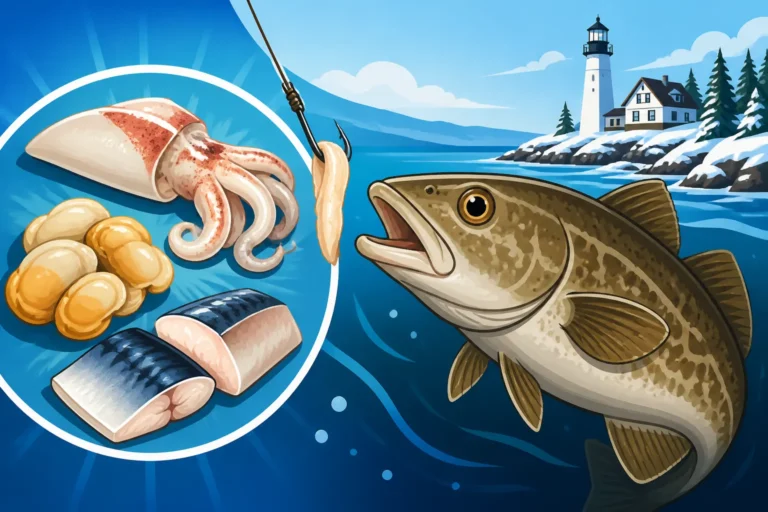
- Live Bait: Nothing beats natural bait when the bite is tough. Small shiners, worms, or even hellgrammites (for stream trout) can be incredibly effective. Present them on a light line with a small hook and minimal weight, letting them drift naturally or just barely twitching them. You can find a wide variety of these essential terminal tackle items and live bait containers easily on platforms like Amazon.
- Spoons: For deeper suspended fish like Landlocked Salmon or Togue, a small, fluttering spoon (like a Castmaster or a small Sutton spoon) jigged vertically can sometimes coax a strike.
- Flies: Fly anglers should focus on small nymphs, emergers, and tiny streamers that imitate insects struggling in the colder water. Drift them naturally or use a very slow retrieve.
Rod, Reel, and Line Adjustments
You'll need a setup that allows for ultra-finesse presentations and maximum sensitivity.
- Rods: Switch to lighter power rods, typically medium-light to light action. A longer rod (7' to 7'6") can help with longer casts and softer presentations, especially with lighter lures. For spinning gear, a fast action tip will provide the sensitivity needed to detect those incredibly subtle bites.
- Reels: Smooth-performing spinning reels are paramount. You'll be using lighter lines and need a drag system that won't falter when a surprisingly large fish decides to take your tiny offering.
- Line: This is where many anglers make mistakes. Heavy, visible line will severely hamper your chances. Downsize to fluorocarbon or monofilament in the 4-8 pound test range. Fluorocarbon is often preferred due to its low visibility and excellent sensitivity, which is crucial for feeling those faint taps. Consider using a mainline of braided line with a long fluorocarbon leader for both sensitivity and invisibility. For more general advice on line choices, refer to our Maine Open Water Line Limits guide.
Using Electronics to Your Advantage
During cold fronts, fish often relate tightly to structure or suspend in schools in deeper water. Your fish finder and GPS become invaluable tools.
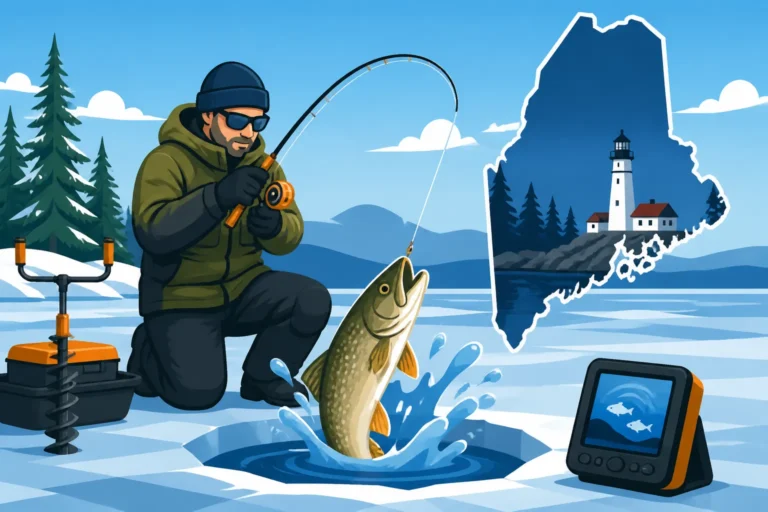
- Sonar: Use your sonar to locate fish holding tight to bottom contours, submerged timber, or suspending in the water column. Pay close attention to subtle changes in depth and bottom composition. Look for baitfish schools, as predatory fish are rarely far behind. Brands like Humminbird and Garmin offer excellent displays that can help you read the water column more effectively.
- Side Imaging/Down Imaging: If your unit has these features, use them to scan wide areas for structure and fish off to the sides or directly below the boat. This can reveal schools of fish tucked into areas you might otherwise miss.
- GPS and Mapping: Mark waypoints of previous catches or areas of promising structure you've identified. Fish will often return to these same holding areas after a front. Pre-loaded lake maps can also help identify prime real estate like humps, points, and deep channels where fish might retreat.
Strategic Fishing Techniques During a Cold Front
Once you've got your gear dialed in, it's time to adapt your techniques. The cardinal rule for cold front fishing is slow down, then slow down some more. Patience is not just a virtue; it's a necessity. Aggressive retrieves and flashy movements will often send fish scattering.
Slow Presentations in Open Water
When fish are scattered or suspended in open water, particularly in larger bodies like Moosehead Lake or Sebago Lake, slow, methodical presentations are key.
- Subtle Jigging: For species like Togue or Landlocked Salmon, vertical jigging with a small spoon or a soft plastic grub can be effective. Drop your bait to the depth where you're seeing fish on your electronics and impart very gentle twitches. The goal is to mimic a dying or disoriented baitfish, an easy meal that requires minimal effort from the fish. Pause frequently, sometimes for 10-15 seconds, letting the bait just sit. Often, the strike will come on the fall or during one of these pauses.
- Controlled Drifts: If you're covering water, use your boat's trolling motor or a drift sock to control your speed. Let a small jig or live bait drift naturally with the current or wind, maintaining bottom contact when possible. This covers ground slowly and subtly, presenting your offering in a non-threatening manner. Sometimes a slow troll with a weighted shiner or a small streamer fly can also entice a strike from sluggish salmon, as detailed in our Trolling Techniques for Maine Lakes guide.
Targeting Deep Water and Structure
After a cold front, fish often retreat to deeper, more stable water where temperature fluctuations are less severe and barometric pressure is more consistent. They'll also seek out dense structure for cover and security.
- Deep Water Edges and Drop-offs: Focus your efforts on the edges of channels, steep drop-offs, and deep points. Bass might hold on the deepest ledges of a point, while trout and salmon might suspend just off a deep break line. Use your electronics to identify these contours and any fish marks along them.
- Submerged Cover: Look for underwater islands, rock piles, brush piles, or dense weed beds in deeper water. These provide crucial ambush points and shelter. A Texas-rigged worm or a football jig slowly dragged through these areas can draw strikes from reluctant bass. For deep-dwelling salmon, sometimes they will relate to rock piles in significant depths.
- Bottom Bouncing: For bottom-hugging fish, consider a Carolina rig or a three-way swivel rig that keeps your bait just off the bottom. Slow retrieves or subtle dragging motions can make this presentation irresistible. Remember that when fishing deep, even a small amount of current or wind can affect your presentation, so adjust your weight accordingly. Our article on How to Fish Deep Water for Summer Trout offers more tactics for these scenarios.
Adapting for River and Stream Fishing
Rivers and streams present unique challenges during a cold front, as current and water clarity can change rapidly.
- Seclusion in Pools and Undercut Banks: River trout, especially Brook Trout, will gravitate towards the deepest, slowest-moving pools and under heavy cover like undercut banks, fallen trees, or large boulders. These spots offer refuge from increased light and stable water. Cast upstream and let small nymphs or weighted streamers drift naturally into these holding spots.
- Slowing Down Your Drift: Fly anglers should use longer leader sections and heavier nymphs to get their flies down quickly and ensure a dead drift. Strikes will often be incredibly subtle, just a slight pause or twitch of the indicator. For spinning gear, small spinners or spoons that can be slow-rolled close to the bottom in deeper runs can sometimes trigger a reaction strike.
- Adjusting to Water Clarity: If the front brought rain and the water is muddy, focus on areas where clearer water might be entering the main flow, like small tributaries. If the water is crystal clear, use longer leaders, smaller flies/lures, and approach your fishing spots with extreme stealth to avoid spooking fish. This is where a small, natural colored Rooster Tail spinner found on Amazon might just be the ticket for a sluggish trout in a clear Maine stream.
Location, Location, Location: Finding Fish During a Cold Front
Even with perfect technique and gear, if you're not in the right spot, you won't catch fish. During a cold front, fish don't disappear; they just relocate to areas that offer comfort, stability, and security. It's about thinking like a fish – where would you go if you suddenly felt uncomfortable and exposed?
Lake and Pond Hotspots
Maine's diverse lakes and ponds offer many sanctuaries for fish during a cold front.
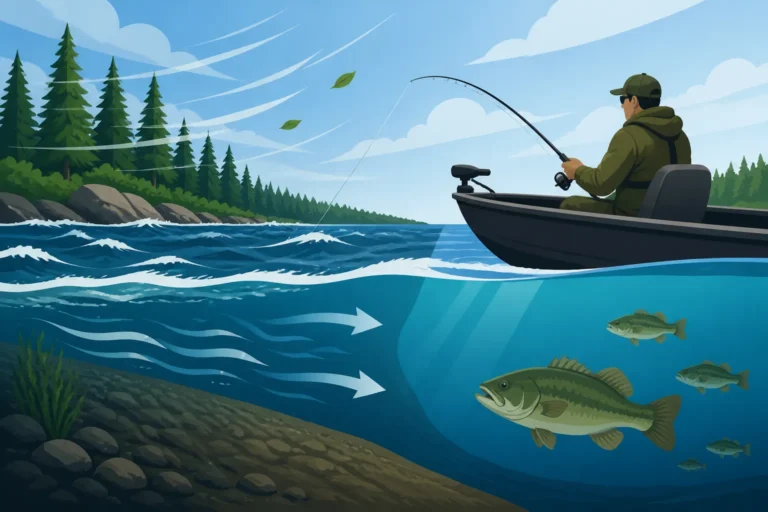
- Deep Structure: As discussed, deep points, humps, and submerged islands are prime targets. Fish will move to the leeward side (the side sheltered from the wind) of these structures to escape wave action and strong currents caused by post-front winds. For instance, on a big lake like Moosehead, finding these specific structures in deeper water is key for Lake Trout and Togue Fishing in Maine.
- Dense Cover: Look for the thickest weed beds, particularly those with a canopy that provides shade and overhead protection. Docks, fallen trees, and large boulders in deeper water also provide excellent cover. Fish will often burrow into these spots, so you'll need to present your bait right into the heart of the cover.
- Inflow/Outflow Areas (Sometimes): While not always the case, sometimes a warmer spring-fed inflow can provide a small area of thermal stability that fish might temporarily concentrate in. Conversely, outflow areas might draw fish looking for easy meals being swept downstream, though usually in periods of stability rather than immediately post-front. Check our Best Fishing Lakes in Maine guide for specific locations with these features.
River and Coastal Hideaways
Rivers and coastal zones also have their preferred cold front havens.
- Rivers and Streams: Focus on the deepest, slowest pools, especially those with significant overhead cover like overhanging trees or undercut banks. Areas downstream of large boulders or log jams that create significant eddies or current breaks are also excellent. Fish will often stack up in these areas. Think about the Androscoggin River's deeper sections or the less turbulent stretches of the Penobscot.
- Coastal Zones: For saltwater species like Striped Bass, cold fronts can make them finicky, especially if the water temperature drops. They might move out of shallow flats and into deeper channels, rock piles, or around structure like bridges and jetties. Look for areas with deeper water access near baitfish schools that might also be seeking refuge. Strong tidal movements can still create feeding opportunities, but the fish will be less aggressive. Anglers targeting striped bass should also be aware of Maine Striped Bass Season and Limits which may be affected by these conditions.
The Importance of Shelter and Cover
Ultimately, the overarching theme when fishing during a cold front is to find areas that offer fish shelter and cover. This isn't just about protection from predators or currents; it's about comfort and stability. Whether it's the thermal stability of deep water, the shade of a dense weed bed, or the security of an undercut bank, fish will seek out these sanctuaries.
Your job as an angler is to understand this instinct and put your bait right where they feel safest. This often means making precise casts, fishing slowly, and being patient. The fish might not be actively hunting, but they will take an easy, appealing meal that drifts right into their "living room." Don't be afraid to experiment with different depths and types of cover until you crack the code.
Disclaimer
Please note that fishing regulations in Maine can change frequently. Always consult the latest rules and guidelines from the Maine Department of Inland Fisheries and Wildlife (MDIFW) before heading out. This guide provides general information and tactics for cold front conditions and should not be considered a substitute for official regulations. Be safe, dress appropriately for the conditions, and always prioritize responsible angling practices.