Fishing Damariscotta Lake in Maine
There’s nothing quite like the excitement of planning a fishing trip to a new lake, especially one as beautiful and promising as Damariscotta Lake in Maine. But let's be real, showing up to a large, unfamiliar body of water without a game plan can feel overwhelming, quickly turning anticipation into frustration. This comprehensive guide is here to cut through that confusion, offering you the local insights and practical advice you need to confidently explore Damariscotta Lake and reel in some unforgettable catches.
Damariscotta Lake at a Glance: What Makes it Special for Anglers
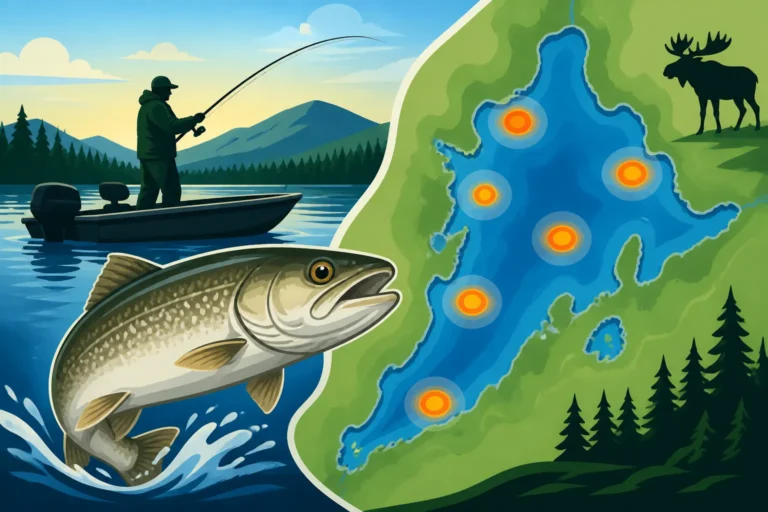
Damariscotta Lake, nestled in the heart of Lincoln County, is more than just a pretty face. It's a truly significant body of water for Maine anglers, renowned for its diverse fishery and picturesque surroundings. This large freshwater lake, stretching about 12 miles long and covering over 4,300 acres, offers a compelling mix of coldwater and warmwater species, making it a year-round destination for dedicated fishing enthusiasts. Its varied depths, intricate bottom structure, and numerous coves provide ample habitat for a thriving ecosystem, creating a dynamic environment that keeps anglers on their toes and coming back for more.
The lake is a vital part of the Damariscotta River watershed, flowing into the Damariscotta River, which eventually meets the Atlantic Ocean. This connection not only adds to the ecological richness of the area but also means you're fishing in a system influenced by coastal Maine's natural beauty and conservation efforts. Whether you're a seasoned pro looking for a challenge or a family hoping for a relaxing day on the water, Damariscotta Lake has a lot to offer, beyond just its stunning views.
Geography and Key Features
Damariscotta Lake is characterized by its elongated shape and varying depths. The northern end tends to be shallower and features more coves and weed beds, offering excellent cover for warmwater species. As you move south, the lake deepens considerably, providing colder, oxygen-rich waters essential for landlocked salmon and lake trout, or "togue" as we often call them here in Maine. The deepest parts of the lake can plunge to over 100 feet in some areas, creating complex thermal layers that fish utilize throughout the seasons.
Numerous islands dot the lake, such as Blueberry Island and Spectacle Island, which not only add to the scenic charm but also create underwater structures, shoals, and current breaks that are magnets for fish. The shoreline is a mix of private residences, undeveloped woodlands, and rocky outcroppings, all contributing to its diverse habitats. These geographical features create a fascinating environment where understanding the contours and depths becomes a key part of successful fishing. You'll find yourself studying maps, looking for those hidden humps and drop-offs that often hold the biggest fish.
Primary Fish Species You'll Find
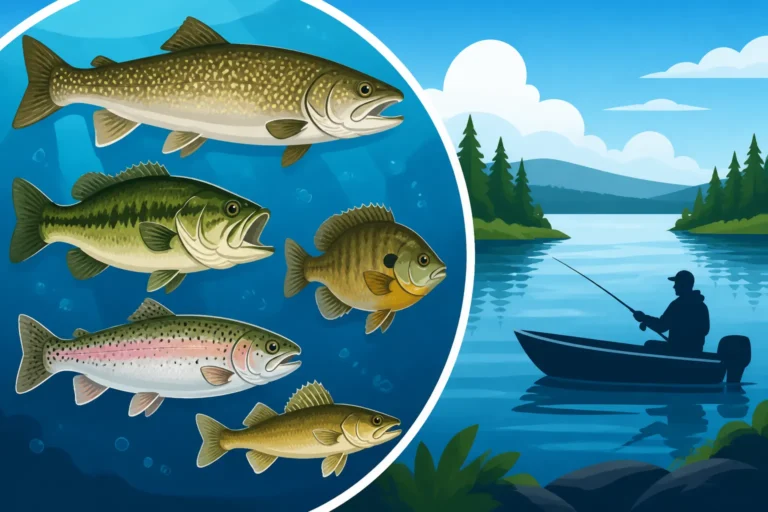
Damariscotta Lake boasts an impressive array of fish species, appealing to anglers with varied preferences. It's truly a multi-species lake, meaning you can often switch tactics and target different fish in the same day, depending on what's biting.
Here’s a breakdown of the main players you’re likely to encounter:
- Landlocked Salmon: These powerful, acrobatic fish are a major draw. Damariscotta Lake is regularly stocked with landlocked salmon by the Maine Department of Inland Fisheries and Wildlife (MDIFW), ensuring a healthy population. They thrive in the deeper, colder sections of the lake and are known for their strong fights and exciting jumps. If you're looking for a true sportfishing experience, salmon are often the target.
- Lake Trout (Togue): Another coldwater favorite, togue also inhabit the deeper reaches of Damariscotta Lake. They can grow to impressive sizes and offer a challenging battle, often requiring specialized deep-water techniques. Togue fishing often means patience, but the reward of a large, beautiful lake trout is well worth it.
- Brook Trout: While less prevalent than salmon or togue in the main lake, brook trout can be found, especially in the cooler waters around feeder streams and spring-fed coves, particularly during the spring and fall. These native beauties are a treat to catch, known for their vibrant colors and feisty nature.
- Smallmouth Bass: If warmwater action is what you crave, Damariscotta Lake delivers with a robust population of smallmouth bass. They prefer rocky structures, points, and transition areas, providing exciting topwater and subsurface action, especially during warmer months. They're incredibly fun to catch on light tackle and are known for their hard fights.
- Largemouth Bass: While perhaps not as dominant as smallmouths, largemouth bass are present in the shallower, weedier coves and bays, particularly at the northern end of the lake. They offer a different kind of challenge, often hiding in heavy cover, requiring precise casts and presentations.
- Chain Pickerel: Often overlooked but a blast to catch, chain pickerel are abundant throughout the lake, especially in areas with vegetation. They are aggressive predators and readily strike a variety of lures, providing consistent action, particularly for younger anglers or those looking for a fast-paced fishing experience.
- White and Yellow Perch: These panfish are plentiful and excellent table fare. They can be found in schools, often near drop-offs or schooling baitfish. They offer great light-tackle fun and are a perfect target for family fishing outings.
Understanding these key species and their preferred habitats is your first step to a successful day on Damariscotta Lake.
| Fish Species | Typical Habitat | Best Time of Year | Common Baits/Lures |
|---|---|---|---|
| Landlocked Salmon | Deeper, colder open water | Spring, Fall, Winter (Ice) | Smelt (live/dead), spoons, streamers, shiners |
| Lake Trout (Togue) | Deepest parts of the lake, near bottom | Spring, Fall, Winter (Ice) | Smelt (live/dead), jigging spoons, tubes |
| Brook Trout | Cooler coves, stream mouths, deeper structure | Spring, Fall | Worms, small spinners, dry flies, nymphs |
| Smallmouth Bass | Rocky points, shoals, transition areas | Summer, Spring, Fall | Crankbaits, jerkbaits, jigs, soft plastics, topwater |
| Largemouth Bass | Shallow, weedy coves, submerged structure | Summer, Spring, Fall | Spinnerbaits, frogs, soft plastics, worms |
| Chain Pickerel | Weed beds, shallow cover | Year-round | Spoons, spinnerbaits, shiners |
| White/Yellow Perch | Schools near drop-offs, baitfish schools | Year-round | Worms, small jigs, minnows, grubs |
Prime Fishing Spots on Damariscotta Lake
Knowing what fish are in Damariscotta Lake is one thing, but knowing where to find them is the real secret sauce. This lake offers such a variety of structure and depth that certain areas consistently produce better results for specific species. It’s all about understanding the lay of the land, or in this case, the lay of the lake bottom!
Northern Basin Hotspots
The northern end of Damariscotta Lake, generally north of the narrows around Route 32, offers a different fishing experience compared to its southern counterpart. This area is characterized by more extensive shallow flats, numerous coves, and significant weed growth, which translates into fantastic habitat for warmwater species.
One of the most popular spots here is the expansive shallow area surrounding McCurdy Pond and the inlet to the west. This shallower basin is a labyrinth of submerged vegetation, rocky points, and lily pad fields, making it a largemouth bass haven. Throwing topwater frogs or weedless jigs into the thick stuff can be incredibly exciting, especially during early morning or late evening. You'll often find plenty of chain pickerel here too, eager to strike anything that moves. For smallmouth bass, look for the rockier transitions and points leading out of these shallower bays into slightly deeper water.
Another area worth exploring is Davis Stream Inlet, located further north. This incoming water source often brings cooler, oxygenated water and baitfish, attracting various species. Bass will stage near the mouth, especially during spawning season, and if you're lucky, you might even find some brook trout lurking deeper in the stream itself during cooler periods. Always remember to check Maine Fishing Regulations Explained for any specific rules pertaining to tributaries or inlets.
Central and Southern Sections
As you venture south from the narrows, Damariscotta Lake begins to deepen significantly, transforming into prime coldwater territory while still holding plenty of smallmouth bass. The deeper basins and complex underwater structures in this area are where you'll want to focus your efforts for landlocked salmon and togue.
The vast open water south of Spectacle Island and Blueberry Island is often productive for salmon. These fish will suspend in the water column, often chasing smelt, so understanding their preferred depths is crucial. Trolling spoons like Mooselook wobblers or streamer flies can be incredibly effective here. Look for baitfish schools on your fish finder, as salmon won't be far behind. The deep edges and drop-offs around these islands also hold impressive togue. Jigging spoons or dead bait like smelt on the bottom in 60 to 100 feet of water can entice these deep-dwelling predators. This is also where you might find some of the larger smallmouth bass, particularly around rocky underwater humps and points that jut into the deep water.
The area around Glidden Point on the eastern shore, and the coves and points on the western side leading towards the southern tip, also offer excellent opportunities. These sections blend rocky shorelines with sudden depth changes, creating ideal ambush points for smallmouths. For those looking for a Maine fishing charter, a guide found through platforms like FishingBooker will undoubtedly know these prime locations and specific nuances of the lake, saving you a lot of guesswork. They often have real-time information on where the fish are biting best.
Tributaries and Inlets
While the main body of Damariscotta Lake gets most of the attention, its feeder streams and various inlets play a crucial role in its ecosystem and can offer unique fishing opportunities, especially for brook trout and during fish runs.
Marsh River and Davis Stream, as mentioned, are key inlets. During the spring, after the ice has melted and the waters are high, fish often congregate near these incoming flows, drawn by cooler temperatures and potential food sources being washed into the lake. This can be an excellent time for targeting brook trout in these areas, or even larger salmon and bass that move into shallower water to feed. It’s a good idea to research Maine Fishing Season Dates Guide to know when certain species might be more active in these areas.
Remember, fishing these smaller, often shallower tributaries can sometimes require lighter tackle and a more stealthy approach. Fly fishing can be particularly effective in these areas, especially for native brook trout, but even spinning gear with small spinners or worms can produce results. Always be mindful of private property when exploring these smaller waterways and ensure you are fishing legally.
Essential Techniques and Gear for Damariscotta Lake
Successfully fishing Damariscotta Lake isn't just about knowing where the fish are; it's about knowing how to present your offering to them effectively. The diverse species and varied habitats mean you'll need a versatile approach, adapting your techniques and gear to the conditions and your target fish.
Open Water Trolling and Jigging Strategies
For the coldwater species like landlocked salmon and togue, open water trolling and deep-water jigging are your bread and butter. These fish often suspend in the vast, deep sections of the lake, making traditional casting methods less effective.
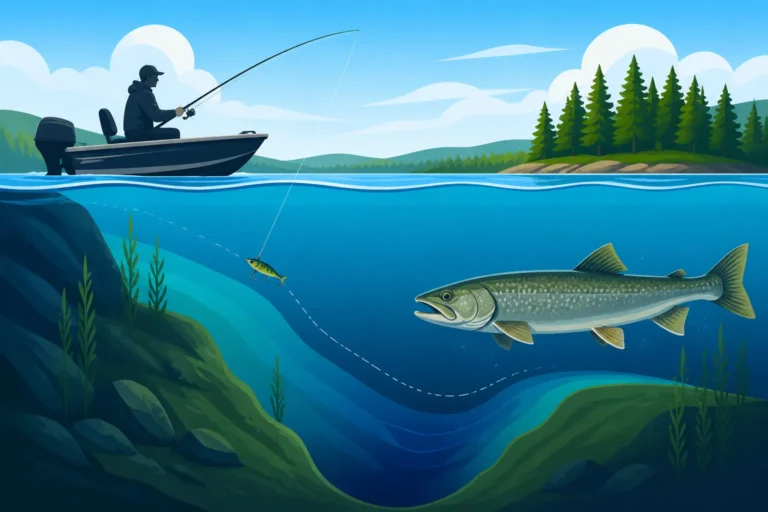
Trolling for Salmon: When targeting landlocked salmon, speed and depth are critical. You'll typically be trolling at speeds between 2.0 and 3.0 mph. Early in the spring, salmon will be higher in the water column, often just below the surface or in the top 20 feet. As summer progresses and water temperatures rise, they'll retreat to colder, deeper water, often 30 to 60 feet down, or even deeper. Using a downrigger, lead core line, or copper line is essential to get your lures to these depths consistently. Popular lures include small sewn-on baitfish (like smelt), spoons in silver, blue, or chartreuse patterns (such as the classic Lake Clear Wabbler or Mooselook Wobbler), and various streamer flies trolled behind a dodger or flasher. The key is to mimic the natural baitfish, especially smelt, which are a primary food source. For more in-depth knowledge, check out our guide on Trolling Techniques for Maine Lakes.
Jigging for Togue: Lake trout (togue) are often found on or near the bottom in the deepest parts of the lake. Vertical jigging is incredibly effective for them. Use heavy jigging spoons, like the Swedish Pimple or Crippled Herring, tipped with a piece of cut bait (smelt or sucker meat) for added attraction. Drop your jig to the bottom, then lift and drop it, creating an enticing, injured baitfish action. Pay close attention to your fish finder to locate schools of togue or individual fish hugging the bottom structure. Patience is key, as togue can sometimes be slow to respond, but a sustained, rhythmic jigging action often triggers a strike.
Shore and Kayak Fishing Approaches
Not everyone has a big boat, and that's perfectly fine! Damariscotta Lake offers decent opportunities for shore anglers and those who prefer the quiet approach of a kayak or canoe.
Shore Fishing: While public access to shore fishing spots can be limited due to private property, there are areas near public boat launches and designated access points that allow for casting from shore. The most accessible spots will likely target warmwater species like bass and pickerel, as they inhabit the shallower, more structured shoreline areas. Casting spinnerbaits, crankbaits, or even live worms under a bobber can be productive. Early mornings and late evenings are often the best times when fish move closer to shore to feed. Always be respectful of private property and adhere to signage.
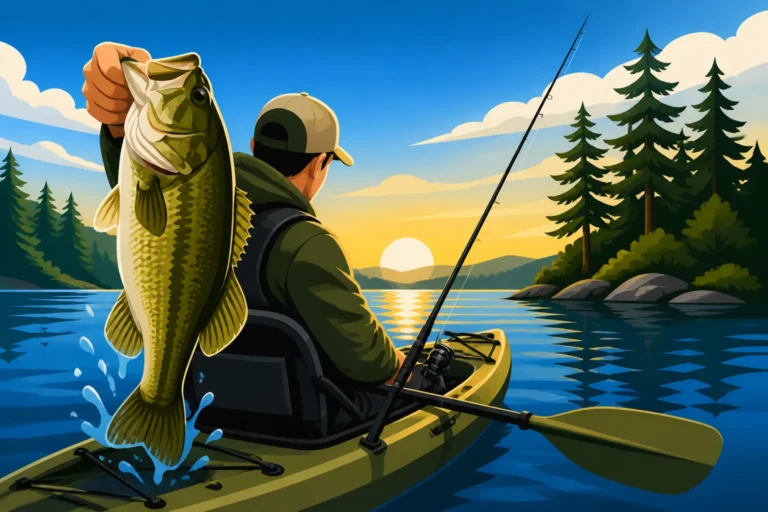
Kayak/Canoe Fishing: A kayak or canoe opens up a whole new world on Damariscotta Lake. You can quietly access many coves, weed beds, and rocky points that might be difficult to reach with larger boats. This silent approach is particularly effective for smallmouth and largemouth bass, allowing you to get right into their habitat without spooking them. Light spinning gear with soft plastics, jigs, or topwater lures is ideal. For more adventurous kayakers, you can even venture into deeper waters and troll small spoons or flies for salmon, especially during the cooler months when they are higher in the water column. Always prioritize safety: wear a personal flotation device (PFD), and be mindful of wind and boat traffic on this larger lake. Our guide on Kayak Fishing on Sebago Lake offers valuable tips that can easily be adapted for Damariscotta.
Ice Fishing Dynamics on Damariscotta
When winter blankets Maine, Damariscotta Lake transforms into a popular ice fishing destination. The diverse fishery means fantastic opportunities for coldwater and warmwater species through the ice.
Targeting Togue and Salmon: These deep-water residents are prime targets for ice anglers. For togue, set tip-ups over the deepest basins, baiting with live or dead smelt. They often cruise near the bottom. For salmon, tip-ups can be set shallower, usually within the top 20-30 feet of water, as salmon will chase baitfish that are suspended higher. Jigging with small spoons or blade baits in conjunction with your tip-ups can also be very effective, often triggering strikes from curious fish. Knowing How Many Lines Are Legal for Maine Ice Fishing is crucial before you start setting up.
Bass and Perch through the Ice: Don't forget the warmwater species! Smallmouth bass can be found around rocky points and humps, even under the ice. Jigging with small spoons, soft plastics, or minnows can entice them. White and yellow perch offer consistent action and are excellent for a fish fry. Look for them schooling near drop-offs or over deeper flats, jigging with small tungsten jigs tipped with a worm or a small plastic grub. Ice fishing on Damariscotta Lake provides a unique challenge and a peaceful, often social, experience. Just be sure to always prioritize ice safety and check ice conditions before heading out. For more in-depth advice, check out our Maine Ice Fishing Techniques Guide.
Navigating Regulations and Access on Damariscotta Lake
Fishing in Maine comes with a set of rules and knowing them is just as important as knowing your knots. Being prepared with the right licenses and understanding the specific regulations for Damariscotta Lake will ensure your trip is not only successful but also legal and responsible. It’s also about knowing how to get onto the water in the first place!
Understanding Maine's Fishing Regulations
Maine's fishing regulations are designed to protect fish populations and ensure sustainable angling for future generations. While general law applies to many waters, specific lakes like Damariscotta often have their own unique rules, or "special regulations," that supersede the general law.
Before you even wet a line, you absolutely need a Maine Fishing License Guide. It’s a legal requirement for most anglers over the age of 16. You can purchase these online, at various authorized agents (like sporting goods stores or general stores), or through the MDIFW website.
For Damariscotta Lake specifically, you'll need to consult the official Maine Open Water & Ice Fishing Laws book, which is published annually by the MDIFW. This book will detail:
- Season Dates: When you can fish for specific species. While many lakes offer year-round fishing for certain species, others have closed seasons.
- Bag and Length Limits: How many fish of each species you can keep in a day, and what their minimum or maximum legal lengths are. For example, Maine Fish Bag Limits Guide might specify a slot limit for landlocked salmon, meaning you can only keep fish within a certain size range to protect larger breeding adults.
- Terminal Tackle Restrictions: Are live baitfish allowed? Are specific types of lures prohibited? Damariscotta Lake does allow live baitfish, but rules can vary by waterbody.
- Special Considerations: Are there any specific conservation efforts or unique rules for certain areas of the lake or its tributaries?
Failing to understand and follow these regulations can lead to hefty fines and a spoiled trip. It's always best to be overly cautious and double-check the current rulebook before you go. Many fishing guides, especially those you might find on platforms like FishingBooker, are experts on local regulations and can help clarify any ambiguities.
Public Access Points and Boat Launches
Getting your boat onto Damariscotta Lake or finding a spot to cast from shore requires knowing the public access points. While much of the shoreline is privately owned, there are several key locations for public use.
- Damariscotta Lake State Park: Located on the eastern shore in Jefferson, this park offers a fantastic public beach and, crucially for anglers, a public boat launch. This is often the primary access point for many visitors, providing ample parking and an easy launch for various boat sizes. The park also offers picnic areas and restrooms, making it a great family-friendly option.
- Jefferson Boat Launch (Route 32): There's another public access point often referred to as the Jefferson Boat Launch, situated right on Route 32, which crosses the lake. This spot is a bit more rustic but offers a direct route to the central part of the lake.
- Damariscotta Mills Fish Ladder: While not primarily a boat launch, the Damariscotta Mills Fish Ladder area is a significant historical and ecological site where you might find limited shore fishing opportunities, especially during the spring alewife run. Just be aware that fishing might be restricted in the immediate vicinity of the ladder to protect spawning fish.
When utilizing any public access point, remember to be respectful of others, keep the area clean, and adhere to any posted rules. For those without their own boat, consider looking into local boat rentals or, as mentioned, hiring a Maine Fishing Charters Guide who will provide all the necessary equipment and access.
Seasonal Fishing Opportunities and Best Times to Visit
Damariscotta Lake is truly a year-round fishery, each season offering its unique challenges and rewards. Understanding the seasonal movements and behaviors of fish is paramount to success, ensuring you're there at the right time with the right approach.
Spring Thaw to Early Summer Action
Spring on Damariscotta Lake is a period of intense activity and some of the year's most exciting fishing. As the ice recedes, often in late April or early May, the coldwater species become incredibly active.
- Landlocked Salmon: Immediately after ice-out, salmon are often found near the surface and along the shorelines, gorging themselves after a long winter. This is a prime time for trolling streamers or small spoons very close to the surface or even casting from shore in specific areas. The cooler water temperatures mean they are less finicky about depth. As the water warms slightly into early June, they'll start to descend, but remain catchable in the top 20-30 feet.
- Togue: Lake trout also become more active post-ice-out, moving into shallower waters than their typical deep-water haunts. You might find them cruising along rocky points or humps in 20-40 feet of water. Jigging spoons or slowly trolling larger baitfish imitations can be very effective.
- Bass and Pickerel: As the water truly begins to warm (late May into June), the smallmouth and largemouth bass seasons kick into high gear. Smallmouths will be moving onto rocky points and shoals for their spawning rituals, making them aggressive and relatively easy to locate. Largemouths will seek out the developing weed beds and shallow cover. This is a fantastic time for topwater lures, spinnerbaits, and soft plastics. Chain pickerel are also extremely active, especially in the shallower, vegetated areas. Overall, spring offers fantastic multi-species action as fish are hungry and often in predictable locations.
Mid-Summer Challenges and Rewards
Summer on Damariscotta Lake brings warmer temperatures, increased boat traffic, and some adjustments to your fishing strategy. While fishing can be tougher, it's far from impossible, especially if you adapt.
- Coldwater Species Deep: Landlocked salmon and togue will retreat to the deepest, coldest parts of the lake to find their preferred temperatures and oxygen levels. This means deep-water trolling with downriggers or copper line becomes essential for salmon, often targeting depths of 40-70 feet. For togue, vertical jigging heavy spoons or using dead bait directly on the bottom in 80-100+ feet of water is the go-to method. This is a great time to rely on modern electronics to find those thermoclines and baitfish schools.
- Bass and Warmwater Strategies: Smallmouth and largemouth bass will often move to deeper offshore structure during the heat of the day, such as humps, rock piles, and deep points. Early morning, late evening, and even night fishing can be incredibly productive for them as they move into shallower areas to feed under lower light conditions. Topwater action can still be good during these low-light periods. During the day, targeting them with jigs, drop-shots, or deep-diving crankbaits around structure will be key. White and yellow perch will be schooling and can offer steady action on small jigs or live bait. If you're struggling to find fish, consider adjusting your efforts to target Maine Bass Fishing Limits by Zone for specific guidance, though Damariscotta falls under general regulations.
Fall Colors and Feeding Frenzies
Fall is arguably one of the most beautiful and productive times to fish Damariscotta Lake. The cooler air, vibrant foliage, and pre-winter feeding frenzies make it a truly special season.
- Salmon and Togue Rebound: As lake temperatures begin to drop, salmon and togue become incredibly active again. They move out of their deep-water summer sanctuaries and become more accessible, often found in shallower water than during the peak of summer. Trolling in the top 20-40 feet becomes very effective once more. Streamer flies, spoons, and sewn baitfish are excellent choices. This pre-spawn activity makes them aggressive and eager to feed, building up reserves for the winter. This is also a fantastic time for fly fishing near stream mouths for landlocked salmon, especially if they are staging for their spawning runs in tributaries.
- Bass and Pickerel Power-Feed: Fall is a phenomenal time for bass fishing. Smallmouth and largemouth bass will go on an aggressive feeding spree, trying to pack on weight before winter. They’ll often school up on rocky points, deep humps, and even in shallow coves, chasing baitfish. Jigs, crankbaits, jerkbaits, and spinnerbaits can all be highly effective. The cooler water also means they fight with incredible power. Chain pickerel will also be extremely active in the remaining weed beds. The vibrant scenery combined with the aggressive fish makes fall a truly magical time to be on Damariscotta Lake.
As you can see, Damariscotta Lake offers incredible variety throughout the year. Planning your trip around your target species and preferred fishing conditions will undoubtedly enhance your experience.
Disclaimer
Fishing laws and regulations, including license requirements, bag limits, and season dates, are subject to change. While we strive to provide accurate and up-to-date information, it is the angler's responsibility to consult the most current Maine Department of Inland Fisheries and Wildlife (MDIFW) fishing law book or their official website before fishing any waters in Maine. This content is for informational purposes only and does not constitute legal advice.