Do Striped Bass Come Up Maine Rivers to Spawn?
One of the most exciting experiences for a Maine angler is feeling that powerful tug of a striped bass on the end of your line. These incredible fish bring such a thrill, especially when they show up in our coastal rivers and estuaries. Many folks, especially those new to fishing our beautiful state, often wonder about the full life cycle of these magnificent creatures and ask if they actually spawn in our Maine rivers. It's a natural question, given how many other species come here specifically to reproduce. This guide is here to clear up that very common query and help you understand the unique relationship striped bass have with our waters.
The Simple Answer: No, Not Here in Maine
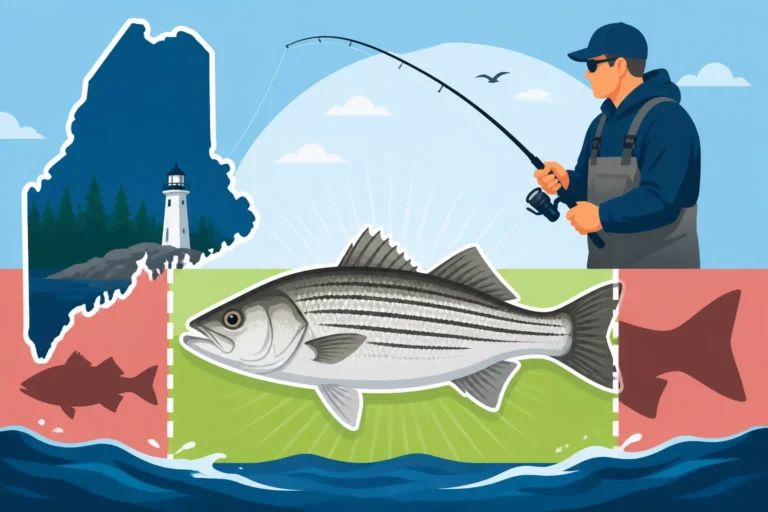
Let's cut right to the chase, because it's a question many of us have pondered while casting along a rocky shore or drifting a river current. The short answer is: no, striped bass do not typically come up Maine rivers to spawn. While we are incredibly lucky to host these powerful fish for a good portion of the year, our northern waters, beautiful as they are, aren't their chosen nurseries. This might come as a surprise, especially since many other iconic Maine fish, like various trout and salmon species, do use our rivers for spawning. But stripers have different needs.
The Importance of Spawning Habitat
Spawning for striped bass is a incredibly precise affair, requiring a very specific set of environmental conditions that, unfortunately, our rivers just don't consistently provide. Think of it like this: a baby needs a crib that's just right – not too hot, not too cold, just enough room, and a safe, sheltered environment. Striped bass eggs and larvae are incredibly delicate, and they need a Goldilocks zone to survive and thrive. This isn't just about water temperature, though that's a huge part of it. It's also about salinity levels, water flow, and the availability of suitable food sources for the tiny fry. Our colder waters, especially during the spring when stripers would typically spawn, combined with the varying salinity gradients, just don't hit that sweet spot for successful reproduction on a large scale.
Maine's Role in the Striped Bass Life Cycle
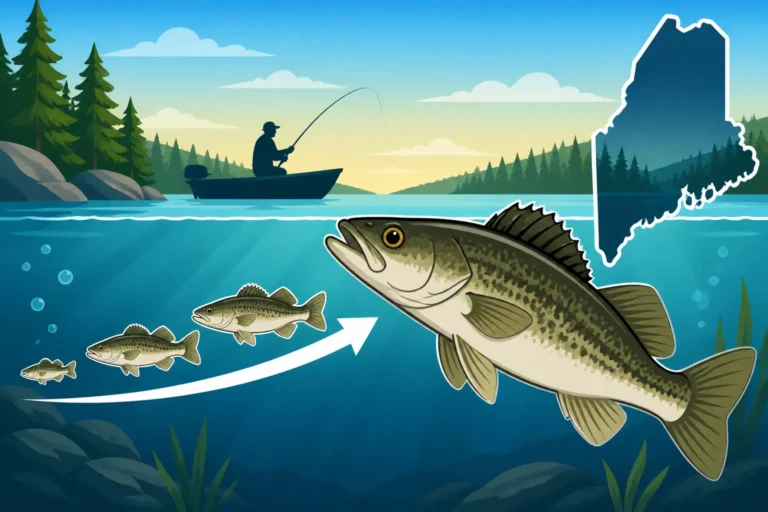
So, if they're not spawning here, what exactly are they doing in Maine? Well, Maine plays a absolutely crucial role in the feeding and growth stages of the striped bass life cycle. Our coastline, with its abundant baitfish, rich estuaries, and cooler summer temperatures, acts as a gigantic summer buffet for these migratory fish. Young and old stripers alike will travel thousands of miles to reach our waters, packing on weight and growing strong before making their journey south again as the seasons change. So, while we might not be home to their nurseries, we are certainly a vital summer camp where they build up their reserves. Understanding Maine Striped Bass Season and Limits can give you a better idea of when these fish are most abundant in our waters.
Where Striped Bass Actually Spawn
It's fascinating to learn where these incredible fish actually start their lives, especially when you consider how far they travel to get to us in Maine. The primary spawning grounds for striped bass are quite a distance south of us, in some of the larger, brackish water systems along the Atlantic Seaboard. These areas provide the perfect cocktail of conditions needed for their eggs and larvae to develop successfully.
Major Spawning Grounds to Our South
When we talk about the most significant spawning grounds for striped bass, a few key rivers immediately come to mind. The Chesapeake Bay system, with its vast network of rivers like the Susquehanna, Nanticoke, and Rappahannock, is arguably the most important. It's a huge, productive estuary that historically has been, and largely remains, the epicenter of striped bass reproduction. Other major players include the Hudson River in New York and the Delaware River, forming a crucial corridor between New Jersey and Pennsylvania. These rivers offer the unique blend of freshwater inflow and tidal influence that creates the ideal brackish environment where stripers feel safe and their eggs can thrive. Think about the massive influx of nutrients and the sheer volume of water these systems hold; it creates a nursery environment on an immense scale. Striped Bass Fishing in Maine is a fantastic experience, but knowing where they come from adds another layer of appreciation.
The Specific Conditions Required
What makes these southern river systems so perfect for striped bass spawning? It really boils down to a precise combination of factors. First and foremost is water temperature. Striped bass typically spawn when water temperatures are in the range of about 55 to 68 degrees Fahrenheit (roughly 13-20 degrees Celsius). This usually occurs in late April through early June in these southern rivers. Our Maine rivers, even in late spring, tend to be too cold, or warm up too late in the season to meet this crucial window.
Second, salinity plays a critical role. Striped bass are anadromous, meaning they live in saltwater but migrate to freshwater to spawn. However, their eggs and larvae do best in slightly brackish water, not entirely pure freshwater or full-strength ocean water. The estuaries of these major southern rivers provide that sweet spot, where freshwater from upstream mixes with the incoming tide, creating a dilute salinity that supports the fragile eggs.
Third, water flow and current are vital. Striped bass eggs are semi-buoyant; they don't sink to the bottom immediately, nor do they float on the surface. They need a gentle current to keep them suspended in the water column as they develop, preventing them from settling into oxygen-deprived mud or being swept out into harsh ocean conditions before they're ready. The long, broad stretches of these large rivers, with their consistent flow, are perfectly suited for this purpose. The journey of these eggs, drifting downstream as they hatch and grow, is a marvel of nature.
Why Striped Bass Come to Maine Rivers
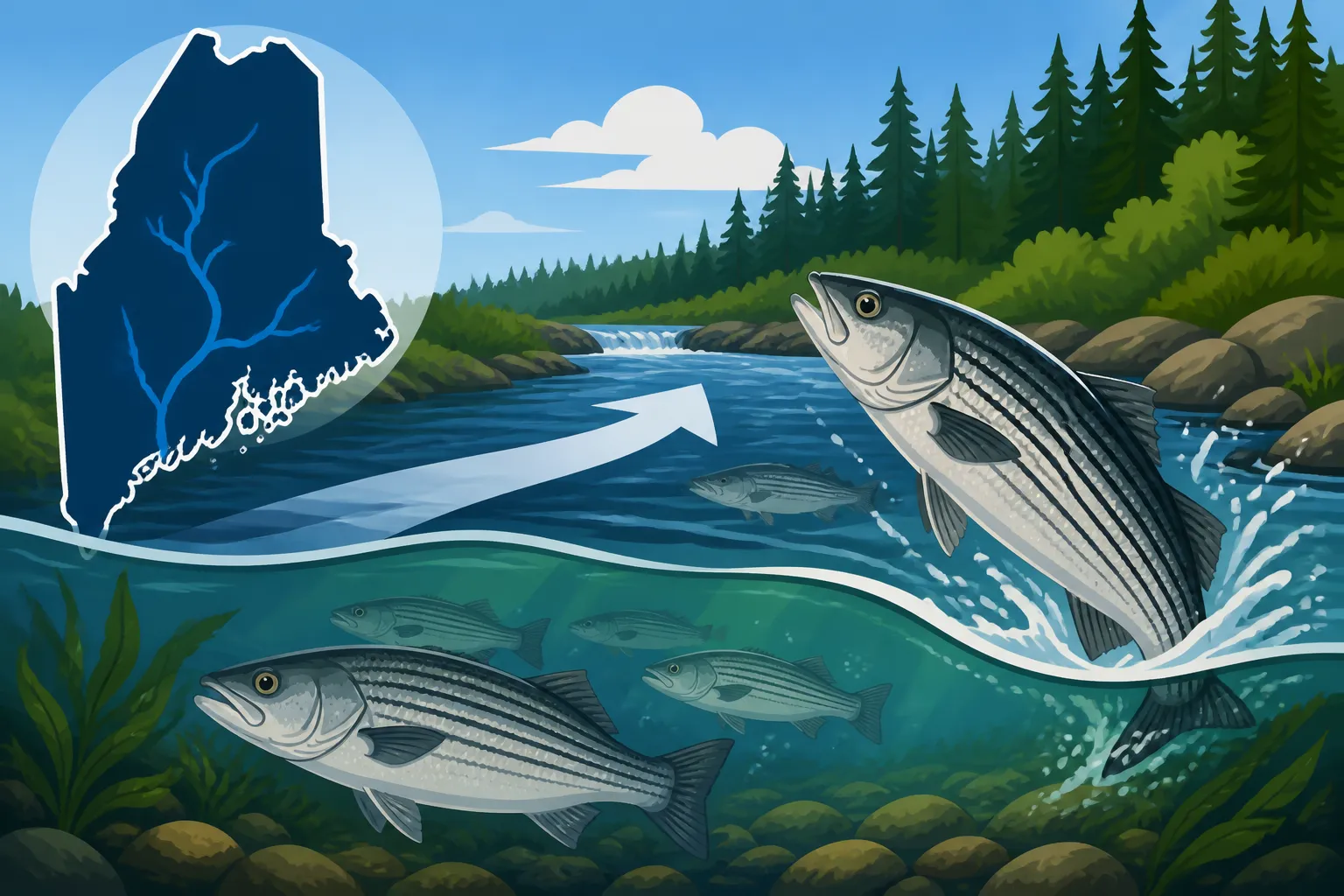
Even though they don't spawn here, Maine's rivers and estuaries are absolutely buzzing with striped bass activity for a significant portion of the year. Their presence is a testament to the incredible richness of our waters and a key reason why so many anglers flock to our coast.
A Summer Feeding Frenzy
Once the arduous task of spawning is complete in their southern nurseries, adult striped bass embark on a monumental migration northward. This isn't just a leisurely swim; it's a purposeful journey driven by instinct and a powerful urge to feed. They are recovering from the energy expenditure of spawning and are looking to put on weight for the coming winter. And what better place to do that than the abundant, cooler waters of the Maine coast?
When they arrive, usually starting in late May and peaking through June, July, and August, it truly becomes a summer feeding frenzy. Our rivers, like the Kennebec, Penobscot, and Saco, become prime hunting grounds. They'll gorge themselves on the massive schools of baitfish that congregate in these tidal waters. This heavy feeding is crucial for their survival and growth, making them strong and healthy for their return journey south. It's a fantastic time for anglers, as these hungry fish are often aggressive and willing to chase down a well-presented lure or bait. Knowing How to Fish for Striped Bass From a Boat or from shore in these productive zones can lead to some incredible action.
Prime Foraging Opportunities
Maine's coastal rivers offer a smorgasbord of delectable treats for striped bass, making them irresistible magnets for these migratory predators. Here's a breakdown of what makes our waters such a prime foraging ground:
- Abundant Baitfish: Our estuaries and river mouths are teeming with a variety of baitfish species that stripers absolutely love. This includes herring, mackerel, sand eels (sand launce), and various species of silversides. During their respective runs, these baitfish create a movable feast for the stripers, drawing them into the river systems. The sheer quantity of these smaller fish is a huge draw.
- Crabs and Other Crustaceans: Striped bass are not just fish-eaters; they're opportunistic predators. Our rocky shores and muddy flats in the rivers hold plenty of green crabs, fiddler crabs, and other crustaceans, which can be a significant part of a striper's diet, especially for larger fish.
- Cooler Water Temperatures: While too cold for spawning, Maine's summer water temperatures are ideal for feeding stripers. As southern waters warm up considerably, often becoming less hospitable for their preferred prey, Maine offers a refreshing, oxygen-rich environment where both stripers and their food can thrive. This cooler water also helps them recover from the stresses of their long migration.
- Complex River Structures: The geology of our Maine rivers provides excellent ambush points and diverse habitats. Drop-offs, current seams, rocky points, oyster beds, and submerged structures offer hiding places for baitfish and perfect ambush points for stripers. Whether you're fishing the Kennebec River Fishing Access Points in Maine or searching for Best Striped Bass Spots on the Penobscot River, these structural elements are key. Understanding How to Read Tides for Striped Bass Fishing also becomes paramount here, as moving water around these structures often triggers feeding.
Understanding Striped Bass Migration Patterns
The life of a striped bass is one of constant movement, a grand ocean odyssey driven by the changing seasons and the fundamental needs of feeding and reproduction. Their migratory patterns are truly incredible and help explain why we see them in Maine when we do.
The Grand Journey North
Once hatched and grown to juvenile stages in their southern nurseries, striped bass gradually disperse. As they mature, they join the ranks of the adult population in their annual north-south migration. For the stripers that grace our Maine waters, this means a significant journey. The main cohort of fish that visit us typically originates from the Chesapeake Bay and Hudson River stocks.
Imagine thousands upon thousands of these powerful fish, ranging from schoolies to genuine cows, making their way up the coast. They follow temperature gradients, forage availability, and innate migratory cues, pushing northward along the New England coastline. This journey can cover hundreds, even thousands, of miles. They are following the food, chasing the baitfish schools that also move northward to enjoy the cooler, more productive summer waters. It's a testament to their resilience and incredible sense of navigation. For those interested in the full scope of their journey, understanding Maine Fishing Regulations Explained and Maine Fishing License Guide is crucial before heading out to intercept them.
Seasonal Presence in Maine
Their presence in Maine is distinctly seasonal, a direct result of these extensive migrations.
Here's a general breakdown of when you can expect to encounter striped bass in our waters:
| Season | Timing (Approximate) | Striped Bass Activity | Primary Purpose in Maine |
|---|---|---|---|
| Spring | Late May – June | First arrivals, often smaller "schoolie" stripers, followed by larger fish. Aggressive feeding. | Foraging, recovering |
| Summer | July – August | Peak season, abundant fish of all sizes, strong feeding activity in rivers and along the coast. | Heavy feeding, growth |
| Fall | September – Early Oct | Fish begin to move south, often forming larger schools. Last chance for robust fishing before they leave. | Final feeding, migration |
| Winter | November – April | Very few to no striped bass in Maine waters. They have migrated south to overwintering grounds. | Absent |
As the water temperatures in their southern spawning grounds begin to rise above their comfortable range in late spring, they push north. Our cool, oxygen-rich Maine coastal waters, rivers, and estuaries provide the perfect summer retreat and an abundant food source. They'll spend the entire summer here, actively feeding and growing. As fall approaches and our water temperatures begin to drop significantly, they reverse course, embarking on the return migration to warmer overwintering grounds further south, where they will then prepare for the next spring's spawn. This cycle repeats year after year, offering a predictable, albeit seasonal, opportunity for Maine anglers.
What This Means for Maine Anglers
Understanding that striped bass come to Maine primarily to feed, rather than to spawn, doesn't diminish their appeal one bit. In fact, it sharpens our focus as anglers and reinforces the importance of responsible fishing practices.
Targeting Stripers in Maine Rivers and Estuaries
Since our rivers are essentially a huge summer buffet for stripers, anglers can capitalize on their aggressive feeding behavior. When targeting these fish in Maine's rivers and estuaries, here are a few things to keep in mind:
- Follow the Bait: Stripers are where the food is. Look for signs of baitfish, whether it's nervous water, diving birds, or actual schools of herring or mackerel. Understanding the local baitfish movements is key to finding the stripers.
- Tidal Influence: Tides play a massive role in river fishing for stripers. Moving water concentrates bait and activates stripers. Focus your efforts around the incoming and outgoing tides, especially around structure like ledges, points, and current seams. How to Read Tides for Striped Bass Fishing is a crucial skill to develop.
- Variety of Techniques: Both bait and lures can be incredibly effective. For bait, mackerel, worms, and eels are popular choices. For lures, soft plastics (like paddletails or jerk shads), topwater plugs, lipped swimmers, and even flies can all entice a strike. Experiment to see what the fish are keying in on that day. Check out Best Rigs for Striped Bass Fishing for some tried-and-true setups.
- Early Mornings and Late Evenings: While stripers can be caught throughout the day, low light conditions often provide the best action, especially for larger fish. They become more confident in hunting baitfish under the cloak of dawn or dusk.
- Focus on Structure: Rivers have plenty of natural and man-made structure. Think about bridge pilings, jetties, rocky shorelines, oyster beds, and channel edges. These provide current breaks and ambush points. Many Maine Coastal Fishing Spots for Striped Bass are found around such structures.
Remember that while fishing for stripers is exciting, they are a managed species, and adhering to Striped Bass Size Slot in Maine Explained and other regulations is critical.
Conservation and Sustainable Practices
Because striped bass are so important to recreational fisheries across the East Coast, conservation efforts are paramount. Even though they don't spawn in Maine, we are still part of their critical life cycle. This means every angler has a responsibility to practice sustainable fishing.
- Know the Regulations: Always check the current Maine Fishing Regulations Explained before you go out. This includes size limits, bag limits, and any special restrictions for specific areas or times of year. Regulations can change, so staying informed is crucial.
- Practice Catch and Release: While it's okay to keep legal-sized fish for the table, many anglers practice catch and release, especially for the larger, older breeding fish that are so vital to the future of the stock. If you do release a fish, do so quickly and carefully. Handle the fish minimally, keep it in the water as much as possible, and use proper dehooking tools.
- Use Barbless Hooks: Barbless hooks can make release much easier and reduce harm to the fish. Many anglers crimp down the barbs on their hooks for this very reason.
- Respect the Resource: Treat the fish and their habitat with respect. Avoid overfishing specific spots and always dispose of your trash properly. We want future generations of Maine anglers to experience the same thrill of catching a striper that we do. And if you're wondering, yes, Can You Eat Striped Bass Caught in Maine?, and they are delicious when handled properly and kept within legal limits.
So, while striped bass don't come up our gorgeous Maine rivers to spawn, their annual pilgrimage here is an incredibly vital part of their existence. It’s a testament to the richness of our waters and an opportunity for us anglers to connect with one of the most exciting fish the Atlantic has to offer. Just remember to respect their journey and fish responsibly!
Disclaimer
This article is for general informational purposes only and does not constitute professional advice. Laws, prices and regulations vary by location and change over time. Consult a qualified professional for guidance on your specific situation.