Difference Between White Perch and Yellow Perch
It can be incredibly frustrating when you're out on a beautiful Maine lake or tidal river, pulling in what you think is a perch, only to wonder if you've actually got a different species on the line. Distinguishing between white perch and yellow perch isn't just a matter of curiosity; it can genuinely impact your fishing strategy, what bait you use, and even whether you're complying with specific bag limits. This guide is here to clear up that confusion once and for all, helping you confidently identify these common, yet distinct, Maine fish.
The Perch Puzzle: Why Anglers Often Confuse White and Yellow Perch
Maine's waters are teeming with all sorts of fish, and sometimes, two species can look and act similar enough to cause a bit of a head-scratching moment for even seasoned anglers. White perch and yellow perch are definitely in that category. It’s easy to just lump them together as "perch," especially if you’re focused on the thrill of the bite rather than a detailed biological examination. But trust me, understanding their nuances makes you a much better angler.
A Shared Habitat, Similar Lifestyles
One of the biggest reasons for the confusion is that both white perch and yellow perch often inhabit similar types of waters. You might find them in the same freshwater lakes, ponds, and even certain rivers. Adding to the mix, white perch have a fascinating adaptability that allows them to thrive in brackish waters and even saltwater estuaries along the coast. This overlap means that if you’re casting a line in a general area that could be fresh or slightly salty, you might hook either one. They also both tend to school, especially the younger ones, which means if you find one, you're likely to find more, often right alongside each other. This schooling behavior, where they forage together, can make it even harder to tell them apart at first glance when you’re bringing them in quickly.
The Elusive "Perch" Identity
For many, a "perch" is simply a panfish—something tasty and abundant that's fun to catch on light tackle. The fine points of identification often take a backseat to the simple joy of fishing. After all, a fish is a fish, right? Well, not exactly. While both are fantastic table fare and can provide a lot of action, they are indeed distinct species with different biological classifications, preferred diets, and subtle behavioral patterns. If you're a casual angler who just grabs whatever bait is handy, perhaps a worm from your local general store or a pack of shiners you picked up, you're probably not spending much time thinking about which "perch" you're specifically targeting. This general approach, while enjoyable, contributes to the overall blend of identities in the angler's mind.
White Perch: The Estuary and Lake Dweller
Let's dive into the specifics of the white perch. They’re a really interesting species, known for their ability to thrive in a wider range of salinities than their yellow-striped cousins. This makes them a unique and often underappreciated target for many anglers in Maine.
Distinctive Features of the White Perch
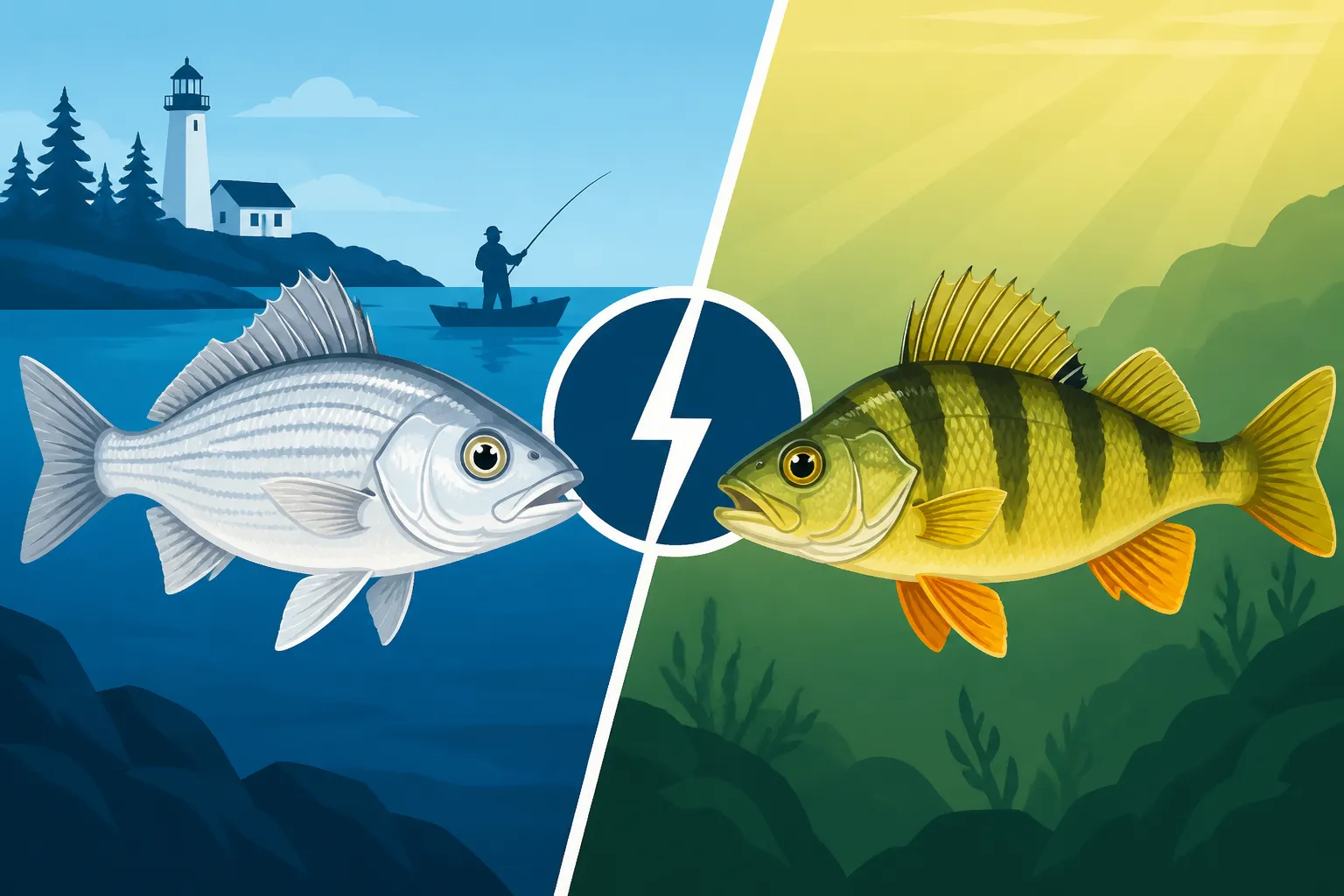
When you pull a white perch from the water, the first thing you'll likely notice is its overall silver to silvery-green or dusky bronze coloration. They don't have those bold, vertical stripes that define the yellow perch. Instead, their bodies are generally smoother in color, sometimes with a faint darker shading along the back. Their shape is also a key identifier. White perch are typically deeper-bodied and more compressed side-to-side than yellow perch, giving them a somewhat "taller" appearance. Their mouth is fairly small, and their two dorsal fins are usually connected, though sometimes barely, appearing as one continuous fin. Take a close look at their anal fin too; it's quite prominent. They might not be as flashy as some other fish, but their sleek, uniform appearance is what sets them apart. You won't find the same spiny texture on their fins that some other fish have, making them a bit smoother to handle as you unhook them.
Where to Find White Perch in Maine
White perch are incredibly versatile when it comes to habitat. While they're abundant in many of Maine's freshwater lakes and ponds, you'll also find them thriving in brackish estuaries and tidal rivers along the coast. Places like the lower Kennebec River, tidal sections of the Penobscot, and various coves and harbors in Casco Bay are prime white perch territory. They're often found in schools, congregating around submerged structures like fallen trees, docks, or rocky areas. In deeper lakes, they might be suspended over open water, especially during warmer months, chasing baitfish. Their preference for a mix of fresh and salt makes them a unique angling opportunity; you might be targeting striped bass in an estuary and accidentally hook into a plump white perch! Knowing their habitat preferences is crucial for tailoring your fishing trips. If you're wondering Is a Freshwater License Enough for Maine Rivers? that flow to the ocean, it's a good question to consider for these transitional waters.
Fishing Techniques and Behavior
Fishing for white perch is a blast, whether you're using bait or artificial lures. They aren't usually picky eaters, which makes them a great target for beginners or those just looking for consistent action. Small jigs tipped with a piece of worm, tiny spoons, or spinnerbaits are all effective. Live bait like small minnows or pieces of nightcrawler on a small hook under a bobber can be incredibly productive, especially if you're trying to figure out Best Bait for Maine Ice Fishing when the lakes freeze over. White perch tend to hit baits aggressively, often swallowing them quickly, so be ready for a solid thump on your line. When you hook one, you’ll typically feel a strong, consistent pull, rather than the sharp, darting runs of a trout or salmon. They fight hard for their size, making them a lot of fun on light tackle. They often school tightly, so if you catch one, keep fishing that spot, and you might just fill your cooler!
Yellow Perch: The Classic Panfish of Maine's Waters
Now, let’s turn our attention to the yellow perch, arguably one of Maine’s most recognizable and beloved panfish. These guys are a staple of many a fishing trip, and for good reason!
Unmistakable Markings of the Yellow Perch
There's a reason they're called "yellow perch"—their vibrant, golden-yellow to brassy-green coloration is truly striking. But what really makes them stand out are those bold, dark vertical stripes, typically 6 to 8 of them, running down their sides. These stripes are much more pronounced than any faint banding you might see on a white perch. Their body shape is also different; yellow perch are generally more elongated and slender compared to the deeper-bodied white perch. Their two dorsal fins are distinctly separated, with the first one being spiny and the second softer-rayed. Their anal fin, while present, isn't as proportionally large as on a white perch. Plus, look for their orange-red lower fins, especially when they're healthy and vibrant. These markings are so distinctive that once you've seen a yellow perch, it's hard to confuse it with anything else. When you hold one, you can often feel the slight raspiness of their scales, which adds to their tactile identification.
Preferred Yellow Perch Habitats
Yellow perch are primarily freshwater fish, preferring the cool, clear waters of Maine’s countless lakes, ponds, and slower-moving rivers. They thrive in areas with plenty of submerged vegetation, drop-offs, and structure where they can ambush prey and find cover. You'll often find them congregating in shallow to moderate depths, especially in spring and fall. During the heat of summer, they might move to deeper, cooler water, but they rarely venture into truly brackish or saltwater environments like white perch do. If you're fishing a quintessential Maine pond known for its panfish action, chances are you're going to encounter a lot of yellow perch. Their habitat is more predictable, generally sticking to the freshwater systems, making them a reliable target for ice fishing as well. Understanding their preferred hangouts is key to any Maine Open Water Fishing Techniques Guide or Maine Ice Fishing Techniques Guide.
Angling for Yellow Perch: Tips and Tricks
Yellow perch are famous for being eager biters, making them an excellent species for anglers of all skill levels, especially kids. They’re often targeted with light spinning gear using small lures or natural baits. Worms, minnows, and even corn are highly effective. For artificials, tiny jigs, small spoons, and micro crankbaits can produce fantastic results. Like white perch, they are schooling fish, so if you catch one, get your bait back in the water quickly! Often, you’ll feel a rapid series of nibbles before a solid hook-up, as they peck at the bait. They don't typically fight with the same powerful, steady pull as a white perch; instead, they might offer a more frantic, vibrating struggle. Many anglers, myself included, have spent countless hours targeting these beautiful fish, finding enjoyment in their abundance and the delicious fillets they provide. You can find a wide array of small jigs and soft plastics perfect for yellow perch fishing on platforms like Amazon, offering convenient delivery right to your door before your next trip.
Side-by-Side Comparison: White Perch vs. Yellow Perch
When you're standing lakeside, rod in hand, trying to figure out if you've landed a white or a yellow perch, having a quick reference can be incredibly helpful. While they both provide great sport, knowing which is which can influence everything from what you tell your fishing buddies to whether you're following specific Maine Fish Bag Limits Guide for certain waters.
Let's break down their key differences in an easy-to-read table:
| Feature | White Perch | Yellow Perch |
|---|---|---|
| Scientific Name | Morone americana | Perca flavescens |
| Appearance | Silvery-white to dusky bronze, no distinct stripes, deeper-bodied, more compressed. Two dorsal fins usually connected. | Bright golden-yellow, 6-8 distinct dark vertical stripes, more elongated/slender. Two dorsal fins distinctly separated. Orange-red lower fins. |
| Habitat | Freshwater lakes, ponds, brackish estuaries, tidal rivers, coastal waters. Very adaptable to salinity. | Primarily freshwater lakes, ponds, slower rivers. Prefers vegetated areas. Rarely found in brackish or saltwater. |
| Typical Size | 6-12 inches (larger individuals possible). Often a bit heavier for their length. | 6-10 inches (larger individuals possible, but less common). Generally a bit lighter for their length. |
| Dorsal Fins | Often connected, appearing as one. | Clearly separated into two distinct fins. |
| Mouth Size | Relatively small. | Moderate size. |
| Fight | Strong, steady pull. | More frantic, vibrating struggle. |
| Taste | Excellent, firm white flesh. | Excellent, flaky white flesh. |
Beyond the Look: Behavioral Nuances
While their appearance is the most obvious differentiator, how they act can also give you clues. White perch, particularly those in brackish waters, can be highly opportunistic feeders, often schooling in vast numbers and hitting baits with surprising force. Their schooling behavior can be so dense that if you find one, you'll often pull in fish after fish in the same spot, almost like a feeding frenzy. They can be very active both day and night, especially in tidal zones where they might follow baitfish movements dictated by the tides.
Yellow perch, on the other hand, while also schooling, tend to be a bit more methodical. They might "peck" at a bait before fully committing, and their preferred feeding times often align with dawn and dusk, or during periods of stable weather. They’re less likely to be found in the swift currents of a major river and prefer more placid waters. If you're using a fish finder, you might see tighter, denser schools with white perch, especially when they're feeding, whereas yellow perch schools might be a bit more spread out or oriented around specific structures like weed lines or submerged timber. This subtle difference in behavior can be a valuable Maine Fishing Regulations Explained for your approach.
Culinary Delights: Which Perch Tastes Better?
Ah, the age-old question! Both white perch and yellow perch are highly regarded as excellent table fare, often hailed as some of the best-tasting freshwater panfish. Their flesh is white, flaky, and mild, making them incredibly versatile in the kitchen.
- White Perch: Generally, white perch offer a slightly firmer flesh than yellow perch, especially the larger ones. They have a delicate flavor that stands up well to various cooking methods. Many anglers swear by their taste, noting that they have a clean, non-fishy flavor, particularly those caught from clear, cool waters or tidal areas. If you're wondering Is White Perch Good Eating?, the answer is a resounding yes!
- Yellow Perch: Yellow perch are celebrated for their sweet, flaky white meat. They are incredibly popular for frying, and a plate of crispy fried yellow perch fillets is a quintessential Maine meal. Their smaller size often means more delicate fillets, but no less flavor. If you're wondering Is Yellow Perch Good Eating?, rest assured, they are a beloved catch for the frying pan.
Ultimately, the "better" taste often comes down to personal preference and how they are prepared. Both are fantastic, and you won't be disappointed reeling in either for a fresh meal.
Importance of Identification for Maine Anglers
You might be thinking, "What's the big deal if I mix them up? A perch is a perch!" But truly, knowing the difference between white perch and yellow perch goes beyond just being able to impress your friends with your fish ID skills. It has practical implications for responsible angling and improving your success on the water.
Respecting Regulations and Bag Limits
This is where precise identification becomes really important. While many lakes have similar rules for panfish, specific regulations can sometimes vary. For instance, some waters might have different bag limits or even length restrictions for certain species to help manage populations. Imagine you’ve been fishing all day and have a cooler full of what you think are yellow perch, but a quarter of them are actually white perch, and that particular water body has a different rule for white perch. Suddenly, you could be unknowingly outside the legal limits. The Maine Department of Inland Fisheries and Wildlife sets these rules for a reason, often to protect fish stocks or enhance fishing opportunities. Being able to correctly identify your catch ensures you're always fishing within the law and doing your part to conserve Maine's natural resources. Always consult the current Maine Fishing Regulations Explained before you head out, and check for any special rules on the specific lake or river you're visiting. You can usually find a comprehensive guide to Maine Fishing License Guide requirements, too.
Enhancing Your Fishing Strategy
Knowing the difference also makes you a more effective angler. As we've discussed, white perch and yellow perch, despite their similarities, do have different habitat preferences and behavioral patterns. If you're specifically targeting yellow perch for a classic panfish fry, you'll focus your efforts on freshwater lakes and ponds with plenty of weeds and structure, using small baits and jigs. You might even find success on Maine Fishing Season Dates Guide like the early ice in winter, knowing they tend to hold in predictable areas.
However, if you're keen on white perch, you might explore brackish river mouths or deeper sections of larger lakes, potentially using slightly larger baits or targeting different depths. You could be fishing for Striped Bass Fishing in Maine in an estuary and find white perch are also hitting your lures, prompting you to switch up your tackle to specifically target them for a bit. Different species often respond better to different depths, temperatures, and lures. Knowing you're targeting white perch might lead you to experiment with different trolling speeds or depths if you're on a large body of water, perhaps considering tips from a Trolling Techniques for Maine Lakes guide. This species-specific knowledge allows you to fine-tune your approach, increasing your chances of a successful and rewarding day on the water.
Disclaimer
This article is for general informational purposes only and does not constitute professional advice. Laws, prices and regulations vary by location and change over time. Consult a qualified professional for guidance on your specific situation.