What Do Landlocked Salmon Eat?
It's incredibly frustrating, isn't it? You spend hours out on the beautiful waters of a Maine lake, casting and trolling, knowing that elusive landlocked salmon are down there, but they just aren't biting. Often, the missing piece of the puzzle is truly understanding what these magnificent fish are eating. This comprehensive guide will pull back the curtain on the dynamic diet of Maine's landlocked salmon, giving you the insider knowledge to better predict their behavior and, hopefully, land that trophy fish.
The Dynamic Diet of Maine's Landlocked Salmon
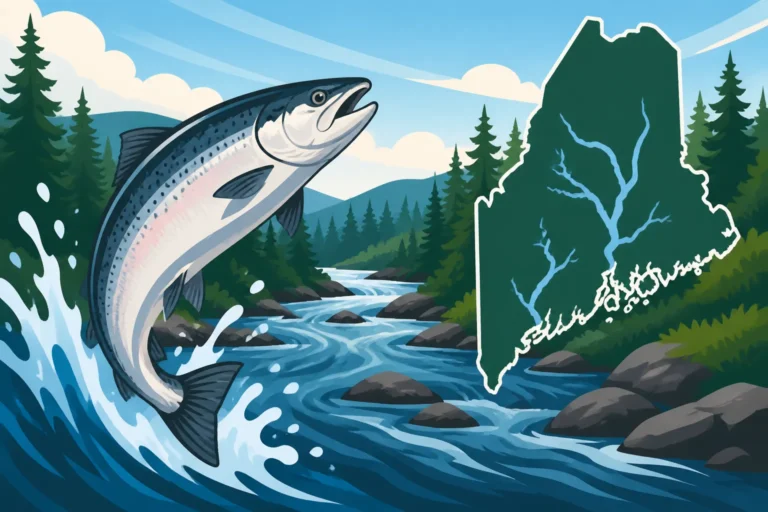
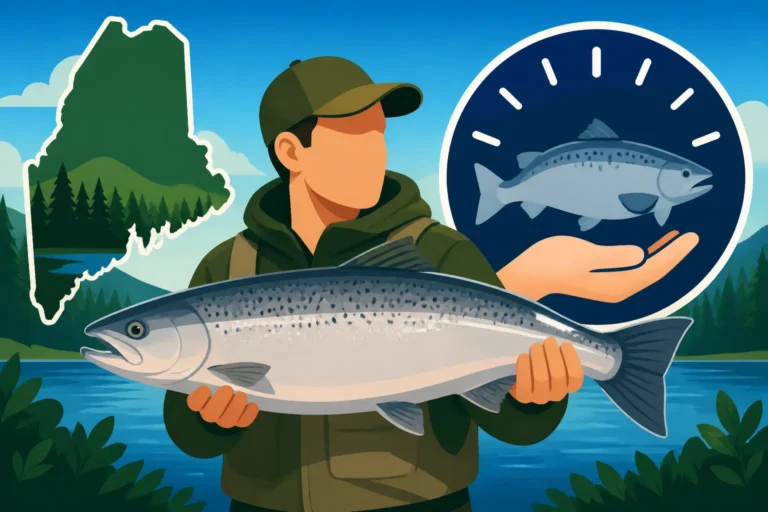
Landlocked salmon, often revered as the "king of freshwater fish" in Maine, are opportunistic predators, but their diet isn't a random buffet. It's a highly evolved strategy dictated by the availability of prey, water temperature, light conditions, and even their own metabolic needs. Understanding this intricate relationship between the salmon and its food sources is absolutely fundamental to becoming a successful angler. Forget everything you thought you knew about just throwing any old lure out there; cracking the code of their menu is where the real magic happens.
Why Understanding Salmon Diet is Crucial for Anglers
Think about it: if you know what your target is actively hunting, you can present something that looks, acts, and even smells exactly like it. This isn't just about picking a lure color; it's about understanding the entire food web beneath the surface. Salmon aren't just swimming around idly hoping to bump into something tasty; they're actively searching for specific prey items that offer the most caloric bang for their buck. If you're using a large streamer pattern when they're gorging on tiny nymphs, you're essentially offering a steak to someone craving a salad. It's a mismatch that will likely leave your net empty.
Moreover, their diet dictates their location. If their primary food source lives in deep, cold water during summer, then that's exactly where you'll find the salmon. If tiny aquatic insects are hatching near the surface in a quiet cove, then salmon might temporarily suspend in those shallower areas. Without a grasp of what they're eating, you're essentially fishing blind, hoping for a lucky strike. This knowledge also helps you understand Maine Fishing Season Calendar patterns, as shifts in diet often correlate with specific times of the year.
Core Prey: The Foundation of Their Menu
At its heart, the landlocked salmon's diet revolves around a few key types of prey. These can be broadly categorized into baitfish, which are usually the preferred and most calorie-rich option, and various invertebrates. The specific species of baitfish and insects can vary from lake to lake, but the general categories remain consistent across most Maine waters where salmon thrive. These fish are built for speed and predation, and their bodies are designed to chase down smaller, faster-moving targets. Their keen eyesight and lateral line system allow them to detect subtle movements and vibrations from prey, even in low light conditions or murky water.
While many might think of a large trout stream diet, for landlocked salmon in Maine's big lakes, it's really all about the minnows and small fish. They need a lot of energy to grow to impressive sizes, and nothing provides that quite like a school of unsuspecting forage fish. When these baitfish are abundant, salmon thrive, exhibiting strong growth rates and aggressive feeding behavior, which is great news for anglers.
Diving Deeper into Specific Forage
When we talk about what landlocked salmon eat, we're really talking about a delicate balance of the aquatic ecosystem. Their diet is a direct reflection of what's available and, crucially, what provides the most energy for their active lifestyle. From tiny, shimmering baitfish to the subtle flutter of aquatic insects, each prey item plays a role in the salmon's survival and, by extension, our success as anglers.
The Indispensable Smelt
If there's one food item that defines the diet of landlocked salmon in many of Maine's premier lakes, it's the rainbow smelt. These small, silvery fish are absolute staples. Smelt are often found in large schools, providing a high-energy, easy-to-target food source for salmon. Their abundance or scarcity can directly impact the health and growth rates of an entire salmon population. When smelt are plentiful, salmon are robust; when smelt numbers dip, salmon can become leaner and harder to catch.
The smelt's life cycle also dictates much of the salmon's behavior. In spring, the Maine Smelt Run Timing can draw salmon into shallower areas, rivers, and stream mouths as they follow their prey. During summer, as smelt move to deeper, cooler waters, the salmon follow. This deep connection means that understanding where and when smelt are active is almost like having a roadmap to where the salmon will be. Many of the most effective lures and flies for landlocked salmon are designed specifically to imitate the size, shape, and flash of a smelt, which you can easily find on Amazon if your local tackle shop is out of stock.
Other Key Baitfish and Aquatic Invertebrates
While smelt may be king, landlocked salmon aren't exclusive eaters. They will readily prey on other available baitfish. This can include juvenile suckers, various shiners, and even smaller yellow perch when the opportunity arises. In some lakes, cusk or burbot fry can also be a food source, particularly in deeper, colder environments. These secondary baitfish provide dietary diversity and can become more important in waters where smelt populations are less robust or during specific times of the year when smelt are less accessible. Anglers often find success by experimenting with lures that mimic these different baitfish species, recognizing that a salmon's preference can shift.
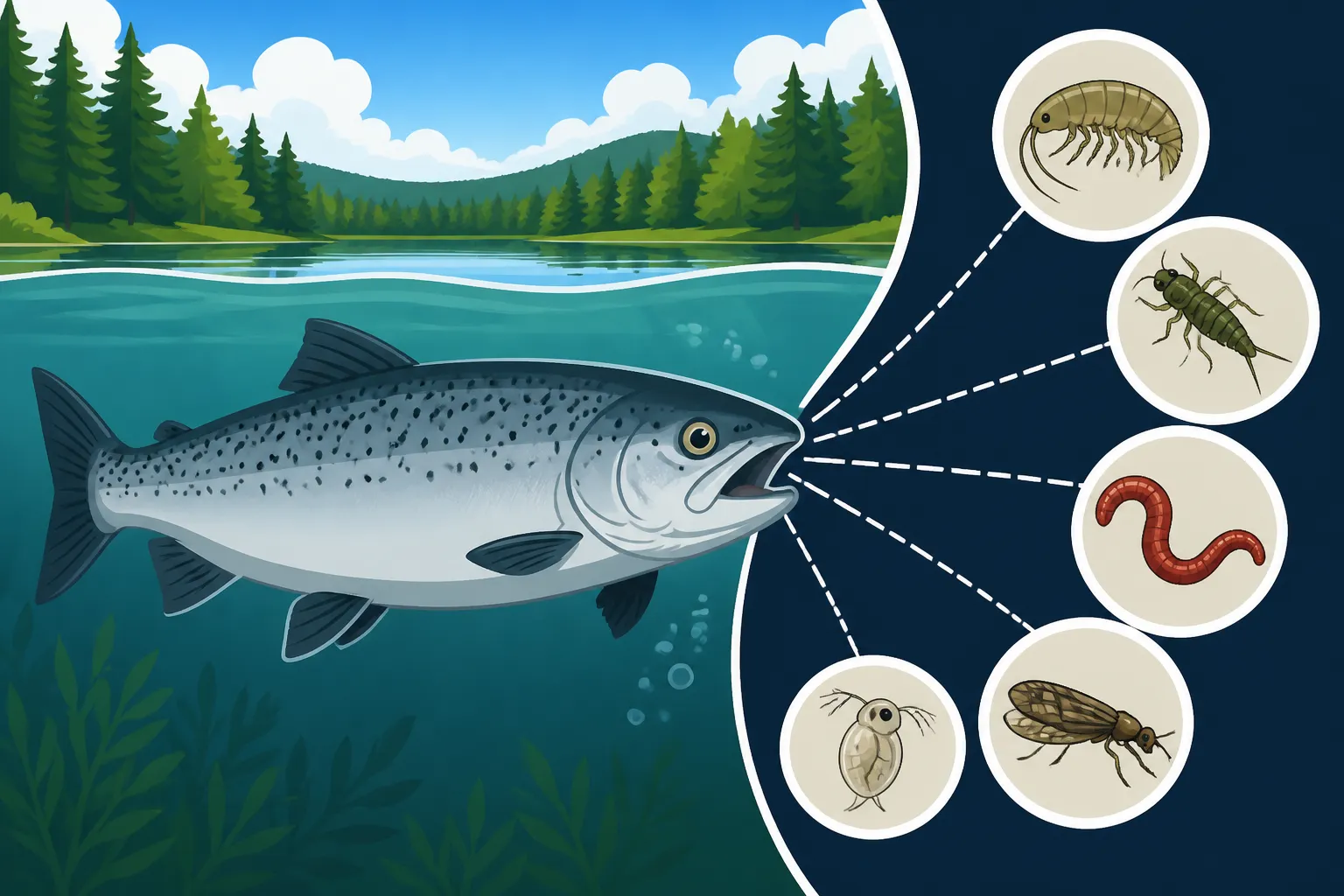
Beyond fish, aquatic invertebrates play a significant, though often underestimated, role, especially for younger salmon or during specific seasons. Large aquatic insects like caddisflies, stoneflies, and mayflies, particularly in their larval and nymph stages, can be a consistent food source. Terrestrial insects, such as grasshoppers, beetles, and even ants, that fall into the water from overhanging foliage, can also become opportunistic meals, especially in rivers and stream inlets. Leeches are another common prey item, offering a slow-moving, high-protein snack. Even freshwater shrimp and crayfish, if present in a lake, can contribute to a salmon's diet, especially if found in rocky areas where salmon might cruise.
Seasonal Shifts in Feeding Behavior
Maine's diverse climate means that the landlocked salmon's world is constantly changing. The water temperature fluctuates dramatically throughout the year, ice forms and melts, and prey availability shifts with the seasons. As a result, the diet and feeding behavior of landlocked salmon are far from static; they are incredibly dynamic, adapting to the prevailing conditions. Mastering these seasonal patterns is key to understanding Best Time of Year to Catch Landlocked Salmon in Maine.
Spring's Energetic Pursuit
As the ice finally recedes from Maine's lakes in spring, landlocked salmon are often ravenous. They've spent a long winter under the ice, conserving energy, and now the warming waters signal a time of increased metabolism and active feeding. This is often when baitfish like smelt begin their spawning runs into tributary streams and rivers, drawing the salmon to shallower areas and river mouths. Salmon will aggressively chase schools of smelt, often creating spectacular surface disturbances as they feed. This energetic pursuit is a sight to behold and offers some of the most exciting fishing of the year.
During this period, salmon are often found higher in the water column and closer to shorelines or current seams. They are seeking out those abundant smelt and other small fish that are also waking up with the spring thaw. This post-ice-out period is a prime time for anglers to target them with trolled baitfish imitations or even cast lures in river mouths. The feeding is intense, almost frantic, as they replenish energy stores and prepare for the summer months.
Summer's Deep Chill Feast
Once the hot summer sun warms the surface waters of Maine's large lakes, landlocked salmon undergo a significant behavioral shift. They become highly sensitive to temperature and will seek out the cooler, oxygen-rich depths. This is where their primary forage, particularly smelt, also retreats to find comfort. Therefore, during the summer, salmon's diet predominantly consists of these deep-dwelling baitfish. Finding Where Landlocked Salmon Live in Maine Lakes often means finding the thermocline where these baitfish congregate.
Anglers targeting salmon in summer must adapt their techniques to these deeper zones. Trolling with downriggers or lead core lines, presenting spoons, plugs, or even live bait at precise depths, becomes essential. The salmon are still feeding, but their movements are more restricted to specific thermal bands. Understanding How Deep Should You Troll for Salmon in Summer? becomes paramount. While they might occasionally rise to intercept a rogue insect or small baitfish near the surface during dawn or dusk, their primary feeding grounds are deep, cool, and often far from shore.
Autumn's Pre-Spawn Binge
As the crisp air of autumn settles over Maine and lake waters begin to cool, landlocked salmon enter another intense feeding phase: the pre-spawn binge. Both male and female salmon are bulking up, accumulating the energy reserves needed for their arduous spawning rituals. This means a renewed aggression towards available forage. Baitfish are still a primary target, but salmon might become even more opportunistic, chasing anything that looks like a substantial meal.
This period can offer excellent fishing opportunities as salmon become less finicky and more willing to strike. They may be found in a wider range of depths, often moving closer to the surface or into river mouths as they stage for their upstream migrations to spawn. The cooler water temperatures also mean higher oxygen levels throughout the water column, allowing salmon more freedom of movement than in the heat of summer. Landlocked Salmon Fishing in Maine during the fall can be incredibly rewarding due to this increased activity.
Winter's Subtle Sustenance
When the lakes freeze over and ice fishing season is in full swing, landlocked salmon's metabolism slows down considerably. Their feeding becomes less frantic and more calculated. While they are still predators, they exert less energy chasing prey. Smelt and other small baitfish remain their primary food source, but the salmon will often ambush them rather than engage in long, drawn-out chases. They might patrol specific underwater structures, patiently waiting for schools of baitfish to pass by.
Anglers ice fishing for salmon often find success by jigging slowly or setting up tip-ups with live bait, allowing the salmon to come to them. The key is subtlety and patience. The salmon are still eating, but the sheer volume of their intake is reduced, and their feeding windows might be shorter. Understanding their preferred depths under the ice, often near structure or where baitfish are holding, is crucial for success during these colder months.
Matching the Hatch: Baits and Lures That Work
Knowing what landlocked salmon eat is the first step; the second is effectively mimicking that prey. This is where your tackle box comes into play. From natural, wriggling baits to flashing, artificial lures, the goal is always the same: to present something so enticing that the salmon can't resist. Your choice of offering should reflect the size, shape, color, and action of what they're currently feeding on.
Natural Offerings: The Real Deal
When it comes to Best Bait for Landlocked Salmon, it's hard to beat the real thing. Live baitfish, particularly rainbow smelt, are often the most effective choice, especially when fished under a bobber or slowly trolled. The natural movement, scent, and appearance of a live smelt are incredibly difficult for a salmon to ignore. Many anglers will spend considerable time catching their own smelt or purchasing them from local bait shops. Presentation is key: you want the bait to swim naturally, not look injured or unnatural.
Other natural baits can also be effective. Small shiners, suckers, or even large shiners can work, especially if they are a common forage fish in the specific lake you're fishing. For fly anglers, tying patterns that imitate aquatic insects or leeches can be highly successful, especially in certain seasons or waters where these invertebrates are abundant. Always check local regulations regarding live bait use, as rules can vary significantly across Maine's waters.
Artificial Imitations for Every Scenario
Artificial lures offer versatility and the ability to cover a lot of water quickly. For landlocked salmon, the key is usually to imitate baitfish. Spoons are a perennial favorite, particularly those with a silver, gold, or blue/silver finish that mimics the flash of a smelt. Brands like Mooselook Wobblers, Sutton Spoons, and DB Smelt are popular choices you might find at your local tackle shop or even on Amazon. These are often trolled at various depths and speeds to mimic injured or fleeing baitfish.
Plugs and stickbaits, such as Rapalas or ThunderSticks, are also highly effective, especially those with a slender profile and a diving lip that allows them to reach specific depths. Colors often lean towards natural baitfish patterns, but bright "attractor" colors can sometimes trigger strikes in murky water or low light. Jigs, tipped with a piece of bait or a soft plastic, can be deadly for jigging over schools of salmon or when ice fishing. The movement of these lures should ideally replicate the erratic, darting motion of a small fish attempting to escape. When considering which Best Lures for Landlocked Salmon to use, think about what's currently on the salmon's menu.
The Art of Fly Fishing for Landlocked Salmon
Fly fishing for landlocked salmon is a unique and rewarding challenge. It requires a keen understanding of both the salmon's diet and the specific water conditions. Streamers are the most common and effective fly patterns, designed to imitate baitfish like smelt. Fly Patterns That Imitate Maine Smelt, such as the Grey Ghost, Black Ghost, Supervisor, and Warden's Worry, are legendary for a reason—they work because they perfectly mimic the local forage. These are typically fished on sinking lines or sink-tip lines to get them down to where the salmon are cruising.
Beyond streamers, nymph and wet fly patterns can be effective when salmon are keying in on aquatic insect hatches. Dry flies might even tempt a salmon during a sporadic surface hatch, especially in rivers or when smaller salmon are feeding aggressively in still waters. Fly fishing for salmon often involves a combination of casting and stripping techniques, mimicking the natural movement of prey. It requires skill and patience but offers an incredibly intimate connection to the fish and the environment. Learning Trolling Techniques for Maine Lakes can also apply to fly fishing with flies like tandem streamer rigs.
| Primary Prey Type | Seasons Most Relevant | Typical Location/Depth | Recommended Bait/Lure Type |
|---|---|---|---|
| Rainbow Smelt | Year-round, especially Spring/Summer | Deep open water (Summer), Shallows/River Mouths (Spring) | Live smelt, Silver/Blue Spoons, Smelt-colored Plugs, Smelt Streamers |
| Other Baitfish | Year-round, supplemental | Varies by species and habitat | Live shiners, Gold/Brown Spoons, Natural-colored Plugs |
| Aquatic Insects (Nymphs) | Spring, Fall, Winter | Near bottom, weed beds, stream beds | Nymph fly patterns, Small jigs |
| Leeches | Year-round, especially in low light | On bottom, among weeds/rocks | Dark-colored streamers, Live leeches (where legal) |
| Terrestrial Insects | Summer, Fall | Near shore, under overhanging vegetation | Dry flies (Hopper, Beetle imitations), Small topwater lures |
Remember that every trip to the lake offers a chance to learn and adapt. Pay attention to what's happening around you, talk to other anglers, and keep refining your approach. And always remember to practice Catch and Release Best Practices in Maine to ensure healthy fish populations for the future.
Disclaimer
This article is for general informational purposes only and does not constitute professional advice. Laws, prices and regulations vary by location and change over time. Consult a qualified professional for guidance on your specific situation.