How Many Bass Over 14 Inches Can You Keep in the South Zone?
One of the most common head-scratchers for anglers heading out onto Maine's beautiful waters, especially when targeting bass, is trying to keep track of the specific regulations for different areas. It's truly frustrating when you're just trying to enjoy a day on the lake, but you're constantly second-guessing if the fish you just caught is a keeper, particularly when it comes to those robust bass over 14 inches. This guide is here to clear up exactly how many bass over that crucial 14-inch mark you can legally keep in Maine's South Zone, so you can fish with confidence and peace of mind.
Understanding Maine's Distinct Fishing Zones
Maine, in its wisdom, has split the state into two primary fishing zones: the North Zone and the South Zone. This isn't just a quirky geographical division; it's a critical aspect of how our fisheries are managed, especially for species like bass. These zones have different opening and closing dates for certain species, varying bag limits, and even different length requirements. It’s all designed to protect fish populations where they're most vulnerable and allow for more generous fishing where populations are thriving.
Why Maine Divides Its Waters
The reasons behind this zoning system are pretty practical, when you think about it. The northern part of Maine, with its vast wilderness, colder climate, and generally shorter growing seasons, sees different fish dynamics compared to the more populated, slightly warmer southern regions. Fish in the North Zone often grow slower, reproduce less frequently, and can be more susceptible to overfishing. Consequently, regulations tend to be a bit stricter up there to ensure the sustainability of native populations, especially for beloved species like brook trout and landlocked salmon.
Down in the South Zone, while we still cherish our native species, many waters also support robust populations of warmwater fish like bass. These areas often have longer open water seasons and different ecological pressures. So, understanding which zone you're in isn't just bureaucratic red tape; it's fundamental to being a responsible and legal angler in Maine. Always double-check your location against the official Maine fishing regulations map before heading out, or consult the Maine North Zone vs South Zone Fishing Rules guide.
Identifying the North and South Zone Boundary
The boundary line between these two zones is clearly defined, but it can be a bit tricky if you're not familiar with it. Generally, the South Zone encompasses waters south of a line formed by US Route 2, from the New Hampshire border east to Skowhegan, then following US Route 201 North to Jackman, and then US Route 15 to Rockwood. From there, it's a bit more winding, primarily following certain township lines and roads to the New Brunswick border.
This means popular fishing destinations like Sebago Lake, the Belgrade Lakes, and many of the rivers and ponds closer to the coast fall squarely within the South Zone. Conversely, vast areas like Moosehead Lake and the Rangeley Lakes region have specific sections or are entirely within the North Zone. Knowing precisely which side of the line your chosen water body lies is the first step to understanding its specific bass regulations. It can save you a lot of grief and ensure you're fishing within the law.
The Specifics of Bass Limits in the South Zone
Now, let's get down to the nitty-gritty: how many bass over 14 inches you can keep in Maine's South Zone. The rules here are designed to balance recreational fishing opportunities with the long-term health of our bass populations, particularly focusing on trophy potential and protecting breeding stock.
Daily Bag and Length Limits for Bass in the South Zone
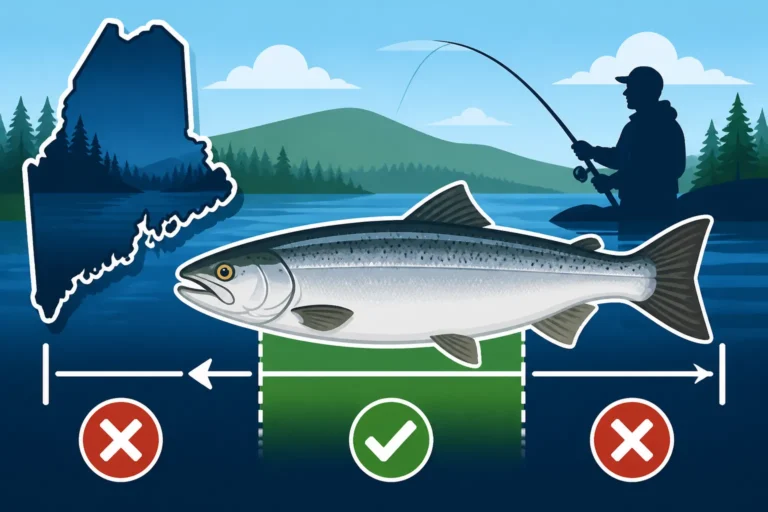
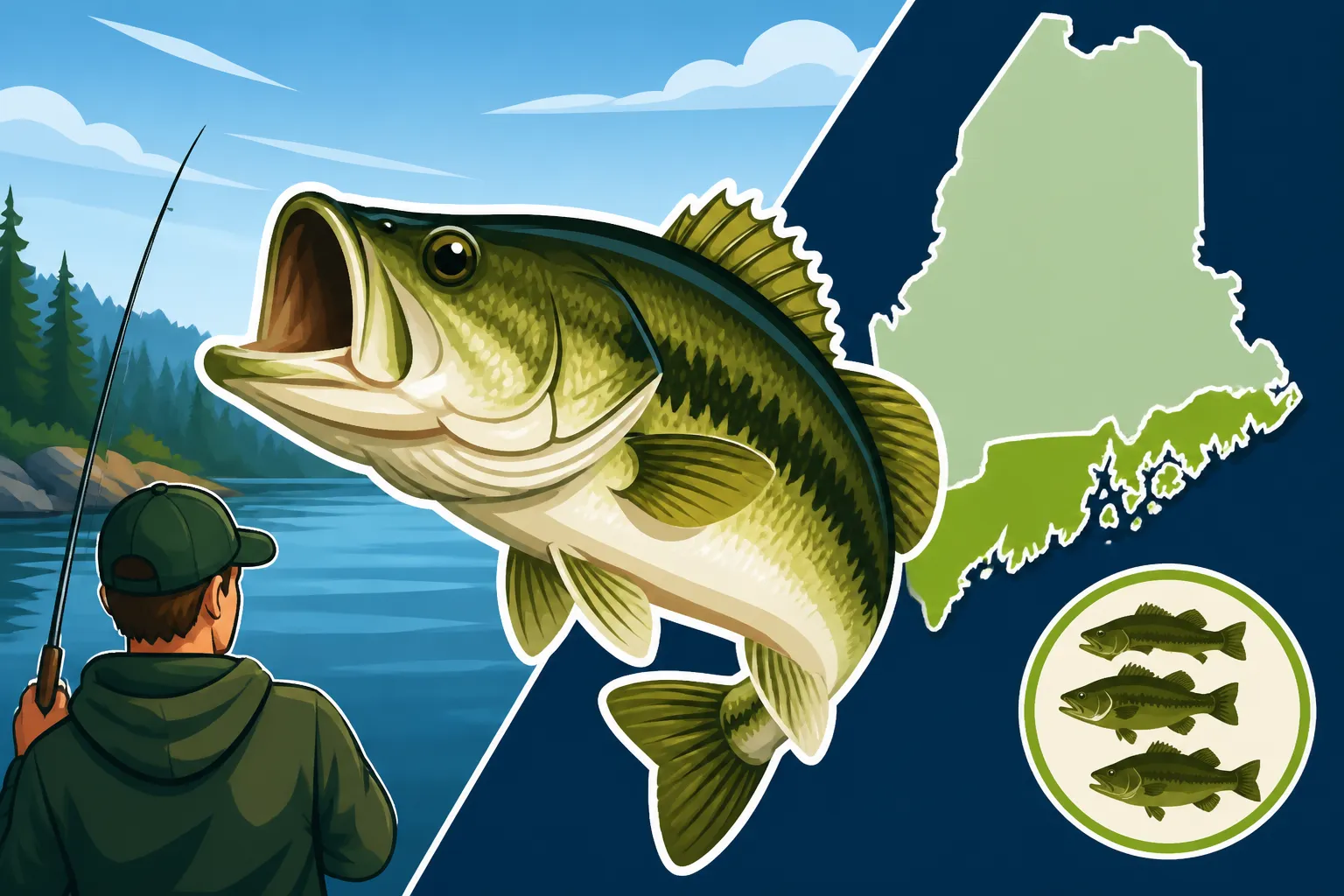
In Maine's South Zone, the general law for bass—which includes both smallmouth and largemouth bass—allows for a daily bag limit of two fish. However, there's a crucial caveat: only one of those two fish can be over 14 inches in length. This means if you catch a trophy-sized smallmouth that's 18 inches long, you can keep it, but any other bass you keep that day must be 14 inches or under.
This regulation ensures that anglers have the chance to take home a prize fish, but it also spreads the pressure across the larger, more mature bass. You can't simply fill your cooler with five massive bass, even if you could catch them. It encourages selective harvesting and promotes the idea of releasing larger fish to spawn and grow even bigger for future generations. For a broader overview, check out Maine Bass Fishing Limits by Zone.
Let's illustrate with a scenario: Imagine you're out on Cobbosseecontee Lake, a fantastic South Zone bass fishery. You catch a beautiful 16-inch largemouth and decide to keep it. Later, you reel in a plump 13-inch smallmouth. You can keep that too! But if you then land another 15-inch largemouth, you'd have to release it because you've already kept one bass over 14 inches for the day. It's about moderation and conservation, letting the big ones go, for the most part, to ensure the population remains robust.
Exceptions and Special Regulations Waters
While the "two fish, one over 14 inches" rule is the general law for the South Zone, it's absolutely vital to remember that Maine has many "Special Regulations" waters. These are specific lakes, ponds, or sections of rivers that have their own unique rules, which can supersede the general statewide or zone-specific regulations. These special rules might include catch-and-release only policies, different length limits, or even different bag limits entirely, often tailored to protect a particularly sensitive fishery or to promote a specific type of fishing experience.
For instance, some waters might be designated as "trophy bass" waters where all bass must be released, or perhaps only bass above a certain, much larger size can be kept, or maybe specific slot limits apply where only fish between certain lengths can be harvested. It's a complex system, and ignoring these specific regulations can lead to fines and penalties. Always consult the most current rulebook for the specific body of water you intend to fish. A handy online resource for checking these detailed rules is typically provided by the state's wildlife department, allowing you to search by lake or river name. Always consult your current Maine Fishing Regulations Explained guide or the rulebook for any specific lake you're targeting.
Why These Regulations Exist: Conservation and Management
The rules governing bass fishing in Maine, particularly the detailed length and bag limits, aren't arbitrary. They are carefully crafted by fisheries biologists and wildlife managers with specific goals in mind. These goals revolve around ensuring healthy fish populations, maintaining ecological balance, and providing sustainable recreational opportunities for anglers for years to come.
Protecting Breeding Stock and Trophy Potential
One of the primary drivers behind the "one bass over 14 inches" rule in the South Zone is the protection of mature breeding stock. Larger, older bass are often the most prolific spawners, contributing significantly to the next generation of fish. By limiting the number of large bass an angler can keep, the regulations help ensure that a healthy population of these crucial breeders remains in the water to reproduce. This approach helps maintain genetic diversity and overall population health.
Think about it: if everyone kept every large bass they caught, it wouldn't take long for the average size of bass in a lake to shrink, and the overall population might decline due to a lack of successful reproduction. By encouraging the release of most large bass, Maine promotes a system where those fish can continue to contribute to the ecosystem. It also fosters the potential for more anglers to catch truly trophy-sized fish in the future, enhancing the quality of the fishing experience for everyone. Many anglers are now practicing catch and release more often to ensure future fishing opportunities, a practice that's vital for species like Smallmouth Bass Fishing in Maine and Largemouth Bass Fishing in Maine.
Balancing Angler Opportunity and Resource Sustainability
Striking a balance between giving anglers the chance to enjoy their sport and ensuring the long-term health of the fish resource is a constant challenge for fisheries managers. The bass regulations in the South Zone represent a thoughtful compromise. They allow for some harvest, recognizing that many anglers enjoy bringing a few fish home for the table, but they do so in a controlled manner that minimizes impact on the overall population.
This management approach is dynamic. Fisheries biologists continually monitor bass populations, growth rates, and angler harvest data. If studies show that a particular population is struggling, regulations might be tightened. Conversely, if a population is booming and can support more harvest, rules might be relaxed slightly. It's a science-based approach aimed at adaptive management, ensuring that Maine's bass fishing remains excellent for generations. You can often find the latest data and reasoning behind these rules on the Maine Department of Inland Fisheries & Wildlife website.
Here's a quick comparison of the general bass limits between the zones:
| Feature | North Zone | South Zone |
|---|---|---|
| Daily Bag Limit | 2 fish | 2 fish |
| Length Limit | Only 1 fish over 14 inches | Only 1 fish over 14 inches |
| Catch & Release Only | Many waters are Catch & Release Only year-round | Fewer general law C&R waters, but specific rules apply |
| Open Water Season | Generally May 1st – September 30th (species dependent) | Generally April 1st – September 30th (species dependent) |
| Ice Fishing Season | Specific ice fishing regulations, often limited bass harvest | Specific ice fishing regulations, often limited bass harvest |
Note: This table represents general law; always consult specific lake or river regulations.
Practical Tips for Fishing in the South Zone and Avoiding Penalties
Navigating fishing regulations can feel like a minefield sometimes, but with a little preparation and mindful practice, you can enjoy your South Zone bass fishing without a hitch. Nobody wants to get a ticket or, worse, inadvertently harm the fishery.
Knowing Your Regulations Before You Go
The single most important tip is to know before you go. Seriously, this cannot be stressed enough. Before you even pack your Best Lures for Smallmouth Bass in Maine or your Best Lures for Largemouth Bass in Maine or rig up that fishing pole, take a few minutes to look up the specific regulations for the body of water you plan to visit. The Maine Department of Inland Fisheries & Wildlife (MDIFW) publishes a comprehensive rulebook every year, often available online as a PDF. Many local bait shops or town offices also have hard copies. This little book is your bible on the water.
Don't rely on what you remember from last year or what your buddy told you. Rules change, and special regulations are incredibly common in Maine. If you're on a multi-day trip, even checking the rules each morning for new waters can save a lot of headaches. It's not just about bass limits; it's about season dates, approved bait, and even gear restrictions like the Maine Open Water Line Limits. Being informed is your best defense against unintended violations.
Measuring and Handling Fish Properly
Once you've hooked a bass, measuring it accurately is crucial, especially with that 14-inch threshold. Always carry a reliable measuring device with you. A foldable ruler or a measuring tape fixed to your boat's gunwale works perfectly. Lay the fish flat on the ruler, with its mouth closed and against the starting point, measuring to the tip of its tail. Be honest with your measurement; guessing can lead to keeping an undersized fish or one that pushes you over the limit for fish over 14 inches.
If you plan to release a fish, handle it with care to ensure its survival. Wet your hands before touching the fish to protect its slime coat, which is vital for its health. Support the fish horizontally, especially larger ones, to avoid damaging its internal organs or spine. If the hook is easily removed, do so quickly. If it's deeply swallowed, cut the line as close to the hook as possible. Minimizing stress and time out of water increases the fish's chances of survival. This practice is part of being a responsible angler and helps sustain the very populations we love to fish for. For more tips on getting the most out of your fishing day, consider guides like Reading Lake Structure for Maine Bass.
The Consequences of Violating Bass Limits
Let's be realistic: getting caught violating fishing regulations in Maine isn't a minor inconvenience. Wardens take their job seriously, and the penalties can be significant. Fishing without a license or exceeding bag limits can result in hefty fines, confiscation of your gear (including your rod, reel, and even your boat!), and potentially the loss of your fishing privileges. In more serious cases, you could face criminal charges.
Imagine spending hundreds of dollars on quality fishing gear, taking a well-deserved vacation, and then having it all ruined by a simple mistake because you didn't check the rules. It's just not worth it. The wardens are out there to protect the resource, not just to write tickets, but they will enforce the law. Being knowledgeable and adhering strictly to the regulations not only protects you from legal trouble but also ensures that Maine's incredible fishing heritage continues to thrive for everyone, including anglers buying tackle and gear on platforms like Amazon. Don't risk getting a Maine Fishing License Fine for No License or a penalty for exceeding limits.
A Responsible Angler's Approach to Maine Bass
Being a responsible angler goes beyond just knowing the rules; it's about adopting an ethos of conservation and respect for the resource. Maine offers some truly exceptional bass fishing, especially in its South Zone, and it's up to all of us to ensure it stays that way.
Catch and Release Mindset
While the South Zone allows you to keep one bass over 14 inches, many experienced anglers adopt a "catch and release" mindset for all their trophy fish. The thrill of catching a big bass is often enough, and knowing that fish will go back to spawn and challenge another angler another day is incredibly rewarding. Releasing those larger, more genetically robust fish contributes directly to the health and vitality of the lake's population. It's a gift to the fishery and to future anglers.
Of course, if you want to keep a legal bass for a meal, there's absolutely nothing wrong with that! Just remember the specific limits. But consider carefully before you automatically put every legal fish in the livewell. Sometimes, a quick photo and a careful release can be more satisfying. You can find quality release tools and equipment on Amazon that help minimize harm to fish.
Supporting Fisheries Conservation Efforts
Beyond personal practices, active support for fisheries conservation efforts is vital. This can include purchasing your fishing license (which directly funds management programs), participating in local lake associations, or even volunteering for habitat improvement projects. Organizations like the Maine Department of Inland Fisheries & Wildlife are constantly working to improve fish habitat, conduct scientific studies, and enforce regulations, and they rely on public support.
By being an informed, respectful, and engaged angler, you become part of the solution, ensuring that the next generation can experience the same joy and excitement of pulling a hard-fighting bass from a pristine Maine lake. Whether you're a lifelong Mainer or a visitor marveling at our natural beauty, our shared responsibility for these incredible resources is paramount. Remember to check out resources like Maine Fish Bag Limits Guide for a comprehensive look at all the species.
Planning Your South Zone Bass Adventure
With the knowledge of bass limits in hand, you're better prepared to plan your next fishing trip to Maine's South Zone. From the sprawling depths of Sebago Lake to the interconnected chains of the Belgrade Lakes or smaller, quieter ponds, there are countless opportunities to target both smallmouth and largemouth bass. Knowing you can keep one over 14 inches gives you a clear goal, but perhaps the bigger goal is simply enjoying the fight and the beauty of Maine's outdoors.
Make sure you've got your Maine Fishing License Guide in order, your tackle box stocked, and a clear understanding of the rules for your chosen destination. Whether you’re casting from shore, paddling a kayak, or cruising in a bass boat, Maine's South Zone offers incredible experiences. A good pair of polarized sunglasses, easily found on Amazon, can also greatly improve your ability to spot structure and fish, making your trip even more successful.
Remember, the goal isn't just to catch fish, but to enjoy the entire experience responsibly. Tight lines, and happy fishing!
Disclaimer
This article is for general informational purposes only and does not constitute professional advice. Laws, prices and regulations vary by location and change over time. Consult a qualified professional for guidance on your specific situation.