How to Set a Tip-Up for Togue
There’s nothing quite like the crisp, silent mornings of a Maine winter, the kind where your breath plumes in the air, and the promise of a trophy togue beneath the ice hums with anticipation. But let's be real, ice fishing for togue, or lake trout as they're known elsewhere, can be an exercise in patience and precision. These deep-water dwellers are notoriously finicky, and setting up your tip-ups incorrectly can mean a long, cold day with no flags flying. This guide is all about equipping you with the knowledge and techniques to effectively set your tip-ups and increase your chances of reeling in some magnificent Maine togue.
Understanding Togue Behavior for Tip-Up Success
Before you even think about drilling a hole, it’s crucial to understand the fish you’re after. Togue are masters of their deep, cold environment, and success often hinges on knowing where they live and how they feed.
Habitat and Preferred Depths
Togue, being a char species, thrive in deep, cold, oxygen-rich waters. In Maine, this means you'll find them in many of our larger, deeper lakes like Moosehead Lake, Sebago Lake, and Flagstaff Lake. They are particularly sensitive to water temperature, preferring water that hovers around 45-55 degrees Fahrenheit. During the hardwater season, this often translates to them suspending over or near deep structure, or hugging the bottom in basins. They love underwater humps, rock piles, ledges, and steep drop-offs that lead into deep water. These features provide them with ambush points and access to different depths without having to travel far.
Think about it this way: if you're out on a new lake, start by looking at a contour map. Identify the deepest areas, but don't just fish the absolute deepest spot. Look for transitions – where a flat shelf drops sharply into a trench, or where a point extends far out before plunging into the abyss. Togue will often patrol these areas. Depending on the lake and time of day, they might be anywhere from 30 to 60 feet down, sometimes even deeper in the dead of winter when the thermocline (which is absent under ice, but they still seek specific temperature bands) isn't a factor. For more insights into their dwelling habits, check out our guide on Where Togue Live in Deep Maine Lakes.
Feeding Habits and Times
Togue are apex predators in their ecosystems, primarily feeding on baitfish like smelt, cusk, and even smaller trout. Their feeding behavior can be influenced by light conditions and barometric pressure. Generally, low light conditions, like early morning and late afternoon, tend to be prime feeding times. However, in deep water under the ice, light penetration is minimal, so they can be active throughout the day. Often, a change in barometric pressure, such as before a snowstorm, can trigger a feeding frenzy.
When they feed, togue are often looking for an easy meal, which is why a properly presented live bait under a tip-up is so effective. They're not always chasing down their prey; sometimes they're lazily cruising, waiting for something to swim by. This means your bait needs to be lively enough to attract attention but not so wild that it exhausts itself quickly. Paying attention to what fish are biting on your jigging rod can also give you clues for your tip-ups – if you're catching small perch while jigging, maybe try a different location or bait for your togue spread.
Essential Gear for Togue Tip-Up Fishing
Having the right equipment is paramount for success and safety when ice fishing for togue. Skimping on quality here can lead to lost fish, frozen fingers, or worse.
Choosing the Right Tip-Up
There's a surprising variety of tip-ups on the market, each with its pros and cons. For togue, you generally want something robust and reliable.
- Traditional Wooden Tip-Ups: These are classic for a reason. They're usually affordable, durable, and easy to set up. Brands like Heritage Laker Tip-Ups are popular choices among Maine anglers for their reliability. The classic wooden cross-stick design keeps the line spool below the ice, which is great for preventing freeze-ups.
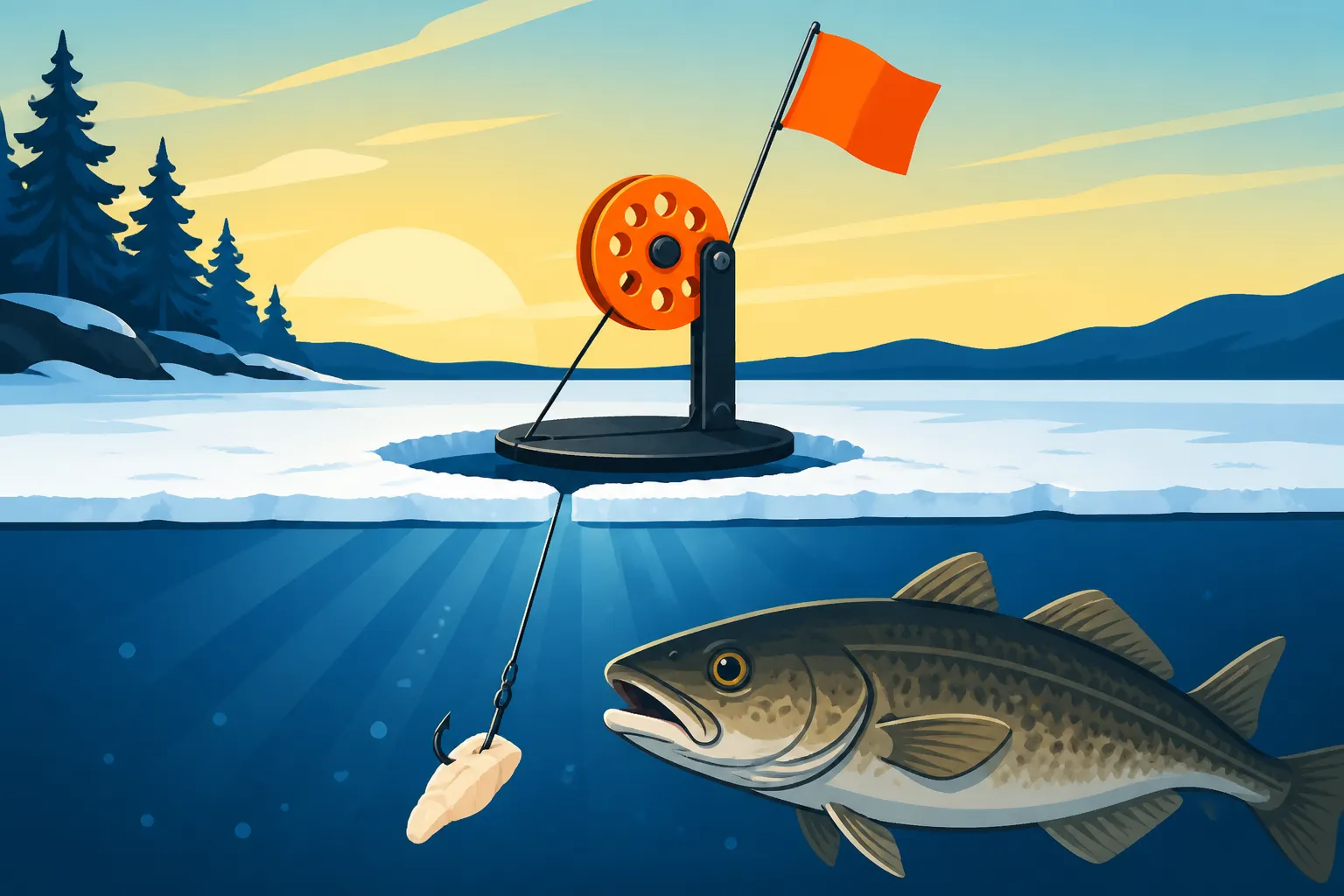
- Thermal Tip-Ups: These models, often made by companies like Frabill or Clam, feature a round, insulated base that completely covers the ice hole. This insulation helps prevent the hole from freezing solid, which is a huge advantage on bitterly cold days or during multi-day trips. They also tend to block out light, which some anglers believe makes the presentation more natural. If you're planning to fish in extreme cold, investing in a few thermal tip-ups might be a game-changer. You can find a good selection of both traditional and thermal options on sites like Amazon, often with reviews from other ice anglers.
- Flag Mechanism: Regardless of the type, look for a tip-up with a sensitive yet reliable flag mechanism. You want it to trip easily when a togue takes the bait, but not false flag with a strong gust of wind. Many tip-ups allow for adjustable tension, which is a feature worth having.
Line, Leaders, and Hooks
The right line setup is critical for feeling subtle bites and successfully fighting a powerful togue.
- Main Line: For tip-ups, many anglers prefer a strong, low-stretch line. Braided line, typically 20-30 pound test, is an excellent choice for its sensitivity and strength. It also has a smaller diameter for its breaking strength, allowing you to spool more line. However, braid can absorb water and freeze, so many anglers opt for a good quality Dacron line, often 30-50 pound test, which handles the cold better and has enough bulk to retrieve by hand. Whichever you choose, ensure you have plenty of line – 100-200 feet is a good starting point, especially when fishing deep for togue.
- Leader: Togue can be spooky, and their teeth, while not razor-sharp like a pike's, can still abrade lighter lines. A fluorocarbon leader is often preferred because it's virtually invisible underwater and abrasion-resistant. A 10-15 pound test fluorocarbon leader, about 3-6 feet long, is a good starting point. Attach it to your main line with a strong knot like a Blood Knot or an Albright Knot.
- Swivel: A small, high-quality ball-bearing swivel should be tied between your leader and main line. This helps prevent line twist, especially when using live bait that spins.
- Hooks: When it comes to hooks, sharpness and strength are key. A #4 to 1/0 single treble hook is a common choice, depending on the size of your bait. Some anglers prefer a single octopus or circle hook, particularly for catch-and-release, as they tend to hook fish in the corner of the mouth, causing less harm. Ensure your hooks are sharp – a quick check with your thumbnail should confirm it. You can grab a variety pack of reputable hooks on Amazon to ensure you have options.
Bait Selection for Togue
When fishing for togue, live bait is almost always the preferred choice. The natural movement and scent are irresistible to these opportunistic feeders.
- Smelt: Hands down, smelt are the number one bait for togue in Maine. Togue gorge themselves on smelt, and a lively smelt suspended under a tip-up is incredibly effective. Hook your smelt lightly through the back, just in front of the dorsal fin, being careful not to hit its spine. This allows it to swim naturally and stay alive longer. For more detailed information, check out our guide on Best Bait for Winter Togue Fishing in Maine.
- Other Baitfish: If smelt aren't available, other small baitfish like shiners, small suckers, or even small yellow perch can work. The key is liveliness and appropriate size for the hooks you're using. Always be sure to check the Maine Fishing Regulations Explained for rules on baitfish use in specific waters, as some lakes have restrictions.
- Dead Bait: While live bait is superior, fresh dead bait can work in a pinch. Tipping a jig with a dead smelt or strip of sucker meat can be effective, though not as active as a live presentation for a tip-up.
Step-by-Step Guide to Setting Your Togue Tip-Up
Now that you've got your gear, let's walk through the actual process of getting those tip-ups in the water and ready for action.
Scouting Your Location and Drilling Holes
This is where your understanding of togue habitat comes into play. Use your contour map and a portable fish finder/sonar unit to pinpoint likely spots.
- Finding the Spot: As discussed, target deep water adjacent to structure: humps, points, drop-offs. If you have a fish finder with GPS, mark these spots. Don't be afraid to spread your tip-ups out to cover different depths and features. If you're allowed multiple lines (be sure to check Maine Ice Fishing Line Limits), use that to your advantage.
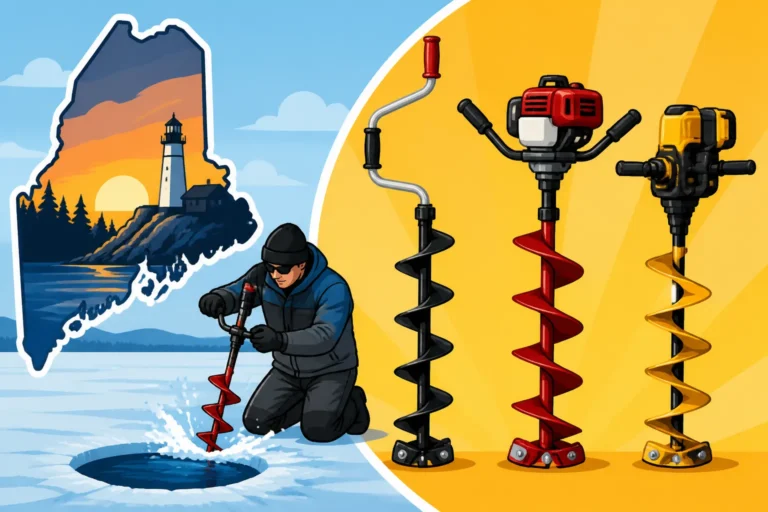
- Drilling the Hole: You'll need an ice auger, either a hand auger, a gas-powered auger, or a battery-powered auger. For togue fishing, especially in deep ice, a 6 or 8-inch auger is usually sufficient. Make sure your holes are clear of slush and ice chips before deploying your tip-up. Safety first! Always check How Thick Should Ice Be Before Fishing on It? before venturing out.
- Measuring Depth: Before you drop your bait, use a weighted depth finder to measure the exact depth of the water at your hole. This is crucial for precise bait placement. Knowing the bottom depth allows you to suspend your bait at the ideal height.
Rigging Your Tip-Up
With your holes drilled and depths known, it's time to rig your tip-ups.
- Attach Weight: Tie on a small bell sinker or split shot approximately 12-18 inches above your hook. This will help get your bait down quickly and keep it in the strike zone, especially if there's a current. Adjust the weight based on the liveliness of your bait – a more active smelt might require slightly more weight to keep it from swimming too far up.
- Set Bait Depth: This is perhaps the most critical step. Togue often cruise just off the bottom or suspend over structure. A good starting point is to set your bait about 1 to 3 feet off the bottom. If you're marking fish suspended higher, adjust accordingly. To do this, attach your depth finder to your hook, lower it to the bottom, then reel up your line just enough so the bell sinker is 1-3 feet off the bottom. Pinch the line to mark this spot on your spool.
- Hooking Your Bait: Gently hook your live smelt (or other baitfish) through the back, just behind the dorsal fin, ensuring the hook point is exposed and the bait can swim freely. Avoid hooking too deeply, which can kill the bait or impede its movement.
Deploying and Monitoring
Once rigged, deploying and monitoring your tip-ups is the next step.
- Lowering the Bait: Carefully lower your bait into the hole, keeping tension on the line. Once it reaches your pre-set depth, set your tip-up over the hole.
- Setting the Flag Tension: Most tip-ups have a small trip lever that holds the flag down. Adjust the tension so that the flag trips easily when a fish pulls the line, but isn't so loose that a feisty baitfish or a gust of wind causes a false flag. A good rule of thumb is to have just enough tension to hold the flag down, but light enough so a togue doesn't feel much resistance on the initial take.
- Monitoring and Waiting: Now comes the patience! Spread your tip-ups across your chosen area. Keep an eye on your flags. When a flag goes up, don't rush! Let the fish take the bait. Togue often grab the bait and run a short distance before swallowing. Give it 10-30 seconds, or until the line is steadily peeling off the spool, before carefully lifting the tip-up, grabbing the line, and setting the hook with a firm, upward sweep.
- The Fight: Once hooked, retrieve the fish hand-over-hand, keeping steady pressure on the line. Be ready for strong runs, especially from larger togue. For advice on specific limits, reference Togue Minimum Length Limit in Maine and How Many Togue Can You Keep Per Day in Maine?.
Advanced Tips and Troubleshooting for Togue Tip-Ups
Even with the perfect setup, ice fishing for togue can throw curveballs. Here are some extra tips to keep you on top of your game.
Adjusting to Conditions
The weather and fish behavior aren't static, and your approach shouldn't be either.
- Changing Depths: If your flags aren't flying, don't be afraid to adjust your bait depths. Try suspending bait higher in the water column, or right on the bottom. Sometimes togue will cruise higher if they're chasing baitfish schools, or stick closer to the bottom if they're scavenging.
- Bait Livelyness: On slower days, try to refresh your bait more often. A tired smelt isn't as appealing as a fresh, lively one. Keep your extra baitfish healthy in a well-aerated bucket.
- Hole Freeze-Up: On extremely cold days, your holes will want to freeze. Keep a skimmer handy to clear slush and ice before it becomes a problem. As mentioned, thermal tip-ups significantly help with this. You might even use a bit of non-toxic antifreeze for your holes, but always check local regulations first.
- Wind: Wind can cause your line to move, potentially tripping your flag or making it harder for a fish to take the bait naturally. Place a small snowdrift or a bucket around your tip-up base to block the wind.
Proper Fish Handling and Release
Many anglers target togue for their impressive size and fighting spirit. If you're planning to release fish, ethical handling is crucial for their survival.
- Quick Release: Have your pliers or dehooker ready. Minimize the time the fish is out of the water. Togue are cold-water fish and warm air can be very stressful.
- Support the Fish: If you need to handle the fish for a quick photo, support its full body weight horizontally. Avoid holding it by the jaw vertically, as this can damage its internal organs.
- Revive If Necessary: If a fish seems sluggish before release, hold it gently in the water, facing into the current (if any), allowing water to flow over its gills until it swims away on its own. For more general guidelines, our Catch and Release Best Practices in Maine article can offer further assistance.
Safety Considerations on the Ice
Ice fishing, especially in remote areas for species like togue, requires strict adherence to safety protocols.
- Ice Thickness: Always verify ice thickness before and during your trip. A minimum of 4 inches of clear, solid ice is generally recommended for walking, and more for ATVs or vehicles. Conditions can change rapidly, so continuous vigilance is key.
- Buddy System: Never fish alone, especially in new or remote locations.
- Safety Gear: Carry ice picks, a throw rope, and a fully charged cell phone. Dress in layers, using waterproof and windproof outer shells. Warm boots, gloves, and a hat are non-negotiable in Maine's winter. For advice on appropriate attire, refer to What to Wear Ice Fishing in Maine Winters.
- Share Your Plan: Let someone know where you're going and when you expect to return. This is critical if an emergency arises.
By combining an understanding of togue behavior with the right gear and careful setup, you'll be well on your way to enjoying some fantastic ice fishing and the thrill of a flag flying high on a frozen Maine lake. Good luck out there!
Disclaimer
Please remember that fishing regulations in Maine can change, and it is always the angler's responsibility to consult the most current rules and laws published by the Maine Department of Inland Fisheries and Wildlife (MDIFW) before heading out. This guide is for informational purposes only and should not replace official regulations.