Maine Fishing Season Calendar
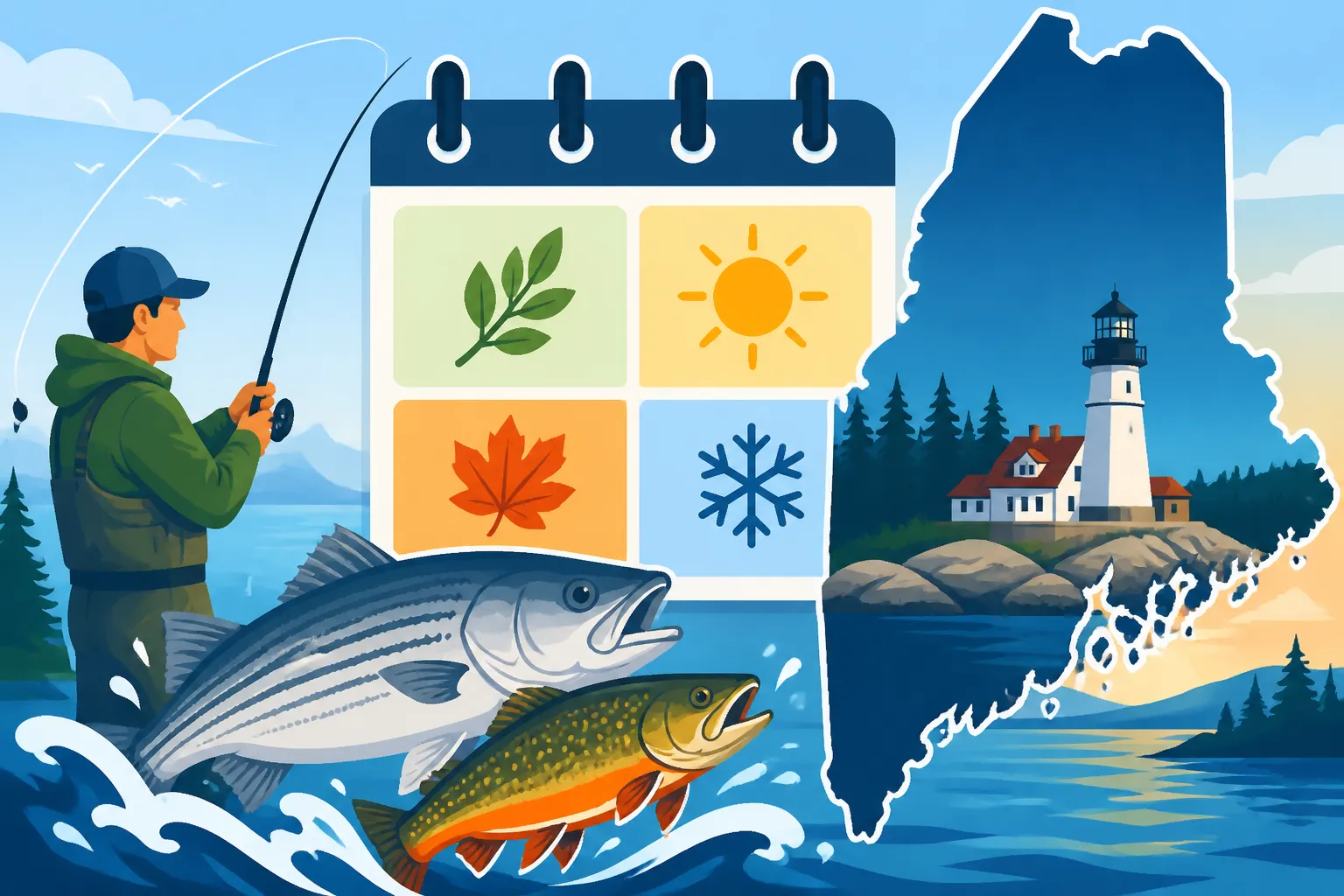
Oh, the ever-elusive Maine fishing season calendar! It can feel like trying to solve a cryptic puzzle, can't it? You've got your gear ready, the weather looks perfect, but then you wonder, "Is this lake open for trout right now? Can I still catch salmon on the fly, or should I be jigging for togue?" It's a common frustration for seasoned anglers and newcomers alike, because Maine's waters are so diverse, and with that diversity comes a complex tapestry of regulations. This comprehensive guide is here to unravel that mystery, offering a clear, season-by-season breakdown so you can plan your trips with confidence and maximize your time on the water.
Understanding Maine's Unique Fishing Seasons
Maine's fishing seasons aren't just a simple start and end date. They're a dynamic system, influenced by everything from our vast geographical spread to the specific needs of each fish species. Navigating this can feel like needing a full-time interpreter, but once you grasp the underlying logic, it becomes much clearer.
Why Maine's Seasons Are So Complex
One of the biggest reasons Maine's fishing calendar isn't a one-size-fits-all deal is the sheer variety of its aquatic environments. We've got thousands of lakes and ponds, miles of pristine rivers and streams, and a stunning coastline stretching over 3,000 miles if you count all the nooks and crannies. Each of these habitats supports different fish populations with unique spawning cycles, feeding habits, and temperature preferences.
For instance, the ice on a lake in Aroostook County might not even think about melting until late April, while down in southern Maine, lakes like Sebago might be ice-free by early April, or even earlier some years. This drastic difference in climate and water conditions means that fish activity patterns vary significantly. Furthermore, different species have varying levels of vulnerability during their spawning periods. Landlocked salmon and brook trout, for example, are often protected during their spawning runs in the fall, ensuring their populations remain healthy. Bass, on the other hand, might have slot limits or catch-and-release rules during their spawning season in late spring to early summer. These biological considerations, combined with a strong conservation ethic, contribute to the intricate web of regulations that define Maine's fishing seasons.
General Law vs. Special Regulations
If you've ever glanced at the official Maine fishing law book, you've likely seen the terms "General Law" and "Special Regulations." Understanding these is absolutely crucial, and honestly, it’s where many anglers get tripped up. The "General Law" represents the baseline rules that apply to most waters in Maine. These cover things like general open water season dates, ice fishing dates, daily bag limits, and length limits for common species like trout, salmon, and bass, unless a specific body of water has its own special regulation.
Think of General Law as the default setting. However, Maine has thousands of individual lakes, ponds, rivers, and streams, and many of these have unique management plans designed to protect specific fisheries or enhance angling opportunities. These "Special Regulations" supersede the General Law for that particular water body. For example, a pond might be "fly fishing only," or have a stricter bag limit on brook trout, or even a different season entirely. Some waters are catch-and-release only, while others might have a specific slot limit for trophy fish. This is why you absolutely cannot rely solely on the General Law for every trip. Before you cast a line into any specific body of water, you must consult the Maine fishing law book for that year and look up that particular lake, pond, or river. Ignoring this step is not only risky in terms of fines but can also inadvertently harm the very fish populations we all cherish.
Spring: The Awakening of Maine's Waters (March – May)
Spring in Maine is a time of transition, a slow but steady shedding of winter's icy grip. For anglers, it's a period of immense anticipation, as the first open water opportunities emerge, bringing with them renewed chances to hook into some of Maine's most prized fish.
Early Spring Opportunities (March – April)
As March rolls in, many anglers are still enjoying the tail end of the ice fishing season, especially in the northern regions where ice tends to hold on much longer. However, down south, a different kind of excitement is brewing. Once the ice starts to recede, often known as "ice-out," the waters begin to stir, and fish that have been dormant under the ice become more active. Early spring is a fantastic time for targeting landlocked salmon and various trout species. These cold-water fish are often found near the surface or in shallower areas, feeding aggressively as the water temperatures begin to rise.
This period after ice-out, especially in late March and early April, can be incredibly productive for anglers willing to brave the chilly air and often unpredictable weather. Many larger lakes in southern and central Maine will be among the first to see their ice disappear, offering prime opportunities for open water fishing while northern lakes are still locked solid. If you're wondering about specific dates, it's worth checking out resources like our guide on When Does Maine Ice Fishing Season End?. While some anglers are still jigging on safe ice further north, others are already casting streamers for salmon or trolling small baits for brook trout on freshly opened waters. It's truly a season of contrasts, demanding adaptability from the keen angler.
Mid-to-Late Spring Action (April – May)
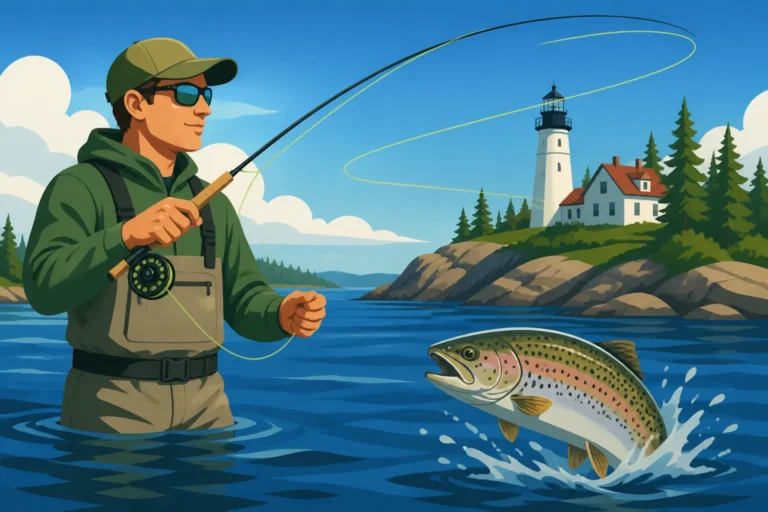
By mid-April and throughout May, spring is in full swing across most of Maine. This is arguably one of the most exciting times for freshwater anglers. The fish are hungry, water temperatures are ideal, and many species are actively moving. Landlocked salmon, in particular, become very active, often staging near tributary mouths as they prepare for or recover from the smelt run. This is a prime time for trolling streamers or small plugs, especially in the top 10-20 feet of the water column. Our article on Maine Spring Salmon Fishing Techniques delves deeper into how to capitalize on this action.
Brook trout, Maine's native jewel, are also incredibly active during this period. Streams and rivers that have thawed out offer fantastic fly fishing opportunities, with trout eagerly rising to emerging insects. For those targeting bass, especially smallmouth, late spring sees them moving into shallower, warmer waters, beginning their pre-spawn activities. While largemouth bass are also active, they tend to prefer warmer, weedier environments. It's a great time to experiment with a variety of lures and baits. Many anglers also look to the baitfish migrations, particularly the smelt run, which can spark a feeding frenzy among larger predatory fish. To ensure you have all the necessary gear for these dynamic spring conditions, from waterproof layers to a fresh supply of lures and leader material, a quick look on Amazon can help you stock up before your next trip. This is truly a season where diligent effort often yields significant rewards.
Summer: Peak Fishing Season (June – August)
Summer in Maine is a glorious time, bringing warm weather, long daylight hours, and a huge influx of visitors eager to enjoy our beautiful state. For anglers, it's a high season, but one that often requires adapting tactics as water temperatures rise.
June: The Post-Spawn Frenzy
June stands out as a transitional month where many fish species are still highly active from their spring movements and post-spawn feeding. Smallmouth and largemouth bass fishing really kicks into high gear across the state. After their spawning rituals, bass are typically found in shallower waters, aggressively feeding to regain their strength. Topwater lures at dawn and dusk can be incredibly exciting, and jigs or soft plastics worked near structure during the day will often produce. Lakes like those in the Belgrade Lakes region become bass havens, and our guide on Best Time of Year to Fish Belgrade Lakes can give you an idea of what to expect.
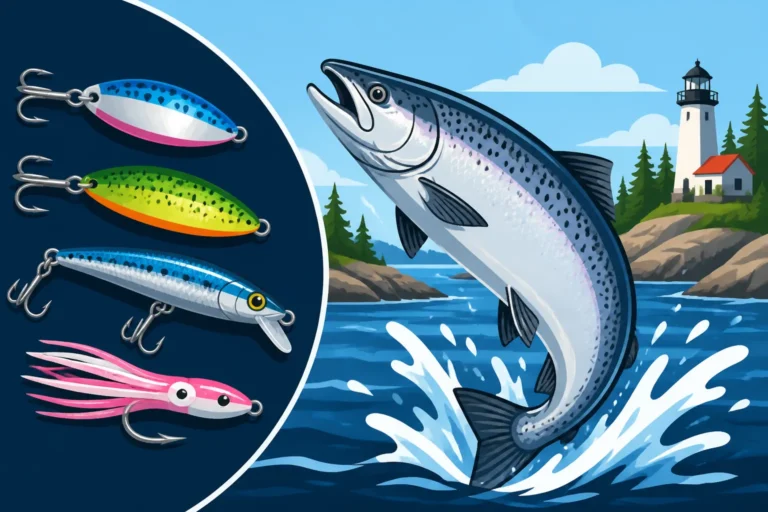
For trout and salmon anglers, June still offers excellent opportunities, especially in larger, deeper lakes. The fish haven't yet retreated to their deepest summer haunts. Trolling spoons, sewn bait, or streamer flies can be effective, particularly during cooler parts of the day or in waters with consistent thermal stratification. Rivers and streams, especially those with good tree cover and cold feeder springs, will continue to provide good brook trout action, though they'll start to feel the effects of warmer air temperatures later in the month.
July & August: Adapting to Warmer Waters
As July and August settle in, Maine's waters warm considerably, especially in shallower lakes and ponds. This shift necessitates a change in strategy for cold-water species like landlocked salmon, brook trout, and togue (lake trout). These fish will actively seek out cooler, deeper water to survive. Anglers targeting them will often need to employ techniques like downrigging or lead core line to get their lures or baits down to the thermocline, where these fish congregate. If you're looking to target salmon in the summer heat, understanding depths is critical; our article on How Deep Should You Troll for Salmon in Summer? offers valuable insights. Having a reliable fish finder and a selection of deep-diving lures, readily available on Amazon, can make all the difference during these warmer months.
While trout and salmon move deep, smallmouth bass continue to thrive, often relocating to rocky shoals, offshore humps, and points where they can ambush baitfish. Largemouth bass will hunker down in dense weed beds, lily pads, and submerged timber. Topwater action can still be had in low light, but most success will come from working submerged structure with jigs, Texas-rigged worms, or crankbaits. For those who crave saltwater action, July and August are prime time for striped bass along the coast, with mackerel and bluefish also making appearances. Deep sea fishing charters out of ports like Portland, Boothbay Harbor, or Kennebunkport become incredibly popular for targeting groundfish, tuna, and sharks. You can explore these options further in our Maine Deep Sea Fishing Charters guide. Regardless of your preferred species, summer fishing in Maine is all about adapting to the conditions and seeking out the fish's comfort zones.
Fall: Trophy Hunts and Vibrant Scenery (September – November)
There's something truly magical about fall fishing in Maine. The air turns crisp, the foliage explodes in a riot of color, and the fish, sensing the impending winter, often go on a serious feeding binge. This season offers some of the most memorable angling experiences, often with fewer crowds.
Early Fall: Active Fish and Stunning Views (September)
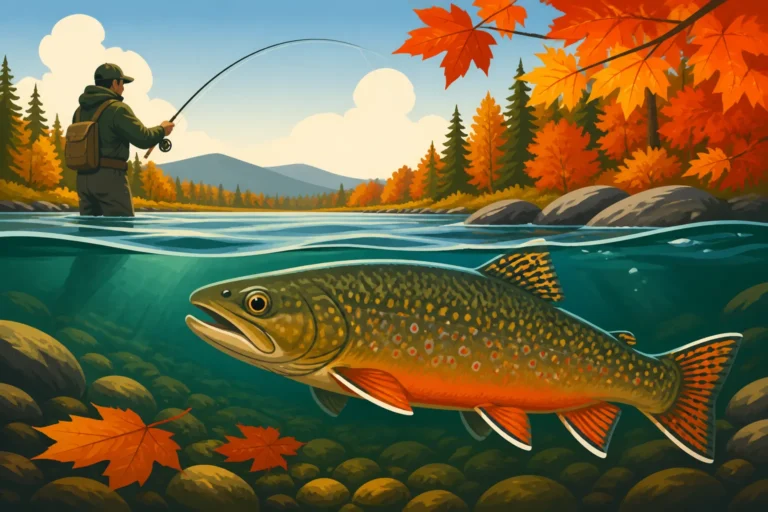
September in Maine is a fisherman's dream. The cooling water temperatures signal to many species that it's time to put on weight, making them incredibly active. For brook trout and landlocked salmon, this is a prime time. Trout, which might have been hard to find during the summer heat, return to shallower areas and streams, often sporting vibrant spawning colors. Many anglers consider this the best month for targeting these beautiful fish. Our guide on Why Fall Fishing Improves for Brook Trout explains the biological reasons behind this increased activity. Fly fishing for brook trout in streams and small ponds can be phenomenal, with fish aggressively hitting dry flies, nymphs, and streamers.
Landlocked salmon also become very active. They move from their deep summer haunts into shallower areas, especially near rocky shores and river mouths, often staging before their spawning runs. Trolling spoons or stickbaits close to shore can be highly effective, as can casting or fly fishing for them in rivers and the lower sections of lakes. Bass fishing remains excellent throughout September, with smallmouth bass moving towards rocky points and offshore structures, while largemouth will be feeding heavily in preparation for winter. The combination of active fish and breathtaking scenery makes early fall a truly special time to be on the water.
Late Fall: Preparing for Winter (October – November)
As October progresses into November, the days shorten, and the chill in the air becomes more pronounced. For many, this marks the last reliable open water fishing before ice-up. Fish are still actively feeding, but their metabolism is slowing, and they're consolidating in preparation for winter. This can be an excellent time for targeting trophy-sized fish, as they are often at their heaviest.
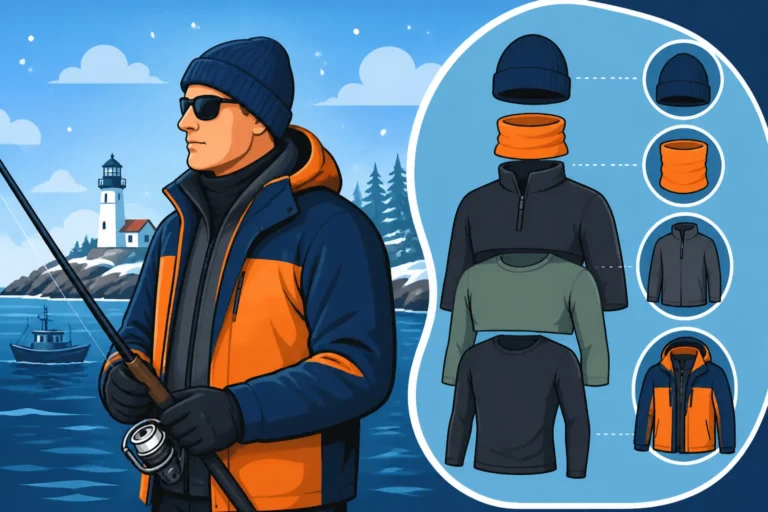
Landlocked salmon and brook trout will be fully engaged in their spawning rituals in many rivers and streams, and while it can be tempting, many regulations shift to catch-and-release only or even full closure on spawning waters during this critical period. It's vital to check the local regulations for specific waters. On the main lakes, however, trout and salmon can still be caught by trolling or jigging in deeper water, though they may not be as aggressive as in September. Bass fishing continues to be productive, especially during warmer spells, but fish will be deeper and less inclined to chase fast-moving lures. Slower presentations like jigs or blade baits worked along drop-offs often prove more effective. For those braving the colder conditions, warm clothing and reliable gear are paramount; stocking up on heavy-duty gloves, insulated boots, and thermal layers from Amazon can ensure comfort during these late-season outings. Our comprehensive Maine Fall Fishing Guide offers more detailed strategies for making the most of these dwindling open water days.
Winter: The Magic of Ice Fishing (December – February)
When the snow starts to fly and the mercury drops, many anglers trade their open water boats for ice augers and tip-ups. Maine's winter transforms its vast network of lakes and ponds into an ice fishing paradise, offering a unique and often highly social angling experience.
Early Ice Excitement (December – January)
The arrival of "first ice" in December is met with immense enthusiasm by Maine's ice fishing community. This initial period, typically from December into early January (depending heavily on location and weather), often provides some of the best fishing of the entire season. The fish are usually still very active, haven't seen much pressure, and are often found in shallower water than they will be later in winter. Species like brook trout, splake, and even bass can be surprisingly aggressive during early ice.
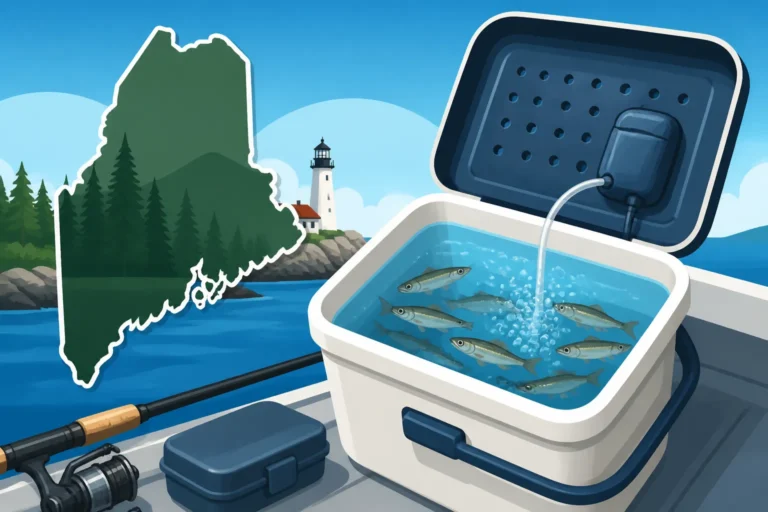
Safety, however, is the absolute paramount concern during this time. Early ice can be unpredictable, with varying thickness even on the same body of water. Never venture onto ice without checking its thickness and integrity. Our guide on When Does Maine Ice Fishing Season Start? provides essential information on typical opening dates, but always use extreme caution. As the ice thickens and becomes safer, anglers begin to set up their portable shelters and permanent ice shacks. It's a fantastic time for jigging with small spoons or plastics for perch and crappie, or setting out tip-ups baited with shiners for larger predatory fish. Remember, patience and proper safety gear, as detailed in our Early Ice Safety Tips for Maine Anglers, are your best companions during these exciting early days.
Mid-to-Late Winter Strategies (January – February)
By mid-January and through February, Maine's ice fishing season is typically in full swing, with many lakes boasting thick, safe ice. While the fish might become a bit less aggressive than during early ice, this is prime time for targeting some of Maine's deepest dwelling species, like togue (lake trout). These powerful fish often hold in significant depths, requiring specialized techniques like heavy jigging with large spoons or specialized soft plastics, or setting tip-ups with large live bait. If you're looking to learn how to specifically target these deep-water giants, our article on How to Fish for Togue Through the Ice is an invaluable resource.
During this period, successful ice fishing often relies on strategy. Locating structure such as humps, drop-offs, and points under the ice using a flasher or fish finder can be key. Anglers will often spread out several lines – within the legal limits, of course, which for ice fishing often means a specific number of lines per person or per group – to cover different depths and areas. Our guide on Maine Ice Fishing Line Limits will clarify exactly how many lines you can use. Beyond togue, this is also a great time for catching brook trout, splake, and various panfish, though they may require more subtle presentations. With colder temperatures, a well-insulated ice fishing shack, a portable heater, and plenty of hot coffee become essential for comfort and enjoyment, ensuring you can patiently wait for that flag to fly.
Navigating Maine's Regulations & Calendar
Given the complexity of Maine's fishing seasons, understanding and adhering to the regulations is not just a legal requirement but a fundamental part of responsible angling. It protects our fisheries for future generations and ensures everyone has a fair and enjoyable experience.
The Maine Fishing Law Book: Your Best Friend
There's no way around it: the single most important tool in any Maine angler's tackle box, even more crucial than your favorite lure, is the current year's Maine Open Water & Ice Fishing Regulations book. Seriously, this isn't just a suggestion; it's a non-negotiable part of fishing legally and ethically in the state. This comprehensive guide outlines all the general laws, specific regulations for thousands of individual water bodies, bag limits, length limits, season dates, and other vital information you need to know.
Many people get caught out because they assume a certain lake operates under general law, only to find out it has specific rules that limit tackle type, impose catch-and-release only, or have a unique slot limit. You can obtain a copy of the official law book from any Maine Department of Inland Fisheries and Wildlife (MDIFW) office, most license agents (like sporting goods stores or town clerks), or even view and download it online. If you're looking for where to grab a physical copy, our post on Maine Fishing Law Book Where to Get One can point you in the right direction. Before every trip, take the time to look up the specific water you plan to fish. It might seem tedious, but it's the only way to be absolutely certain you're compliant, avoiding potential fines and doing your part for conservation.
Online Resources and Local Knowledge
While the physical law book is paramount, in today's digital age, there are also excellent online resources that can supplement your research and planning. The official Maine Department of Inland Fisheries and Wildlife (MDIFW) website (maine.gov/ifw) is an invaluable hub. Here, you can find the current regulations, often searchable by water body, along with stocking reports, fishing reports, and news updates that might affect your fishing plans. You can also purchase your Maine Fishing License Guide directly online, saving a trip to a vendor. Having these resources at your fingertips, perhaps even a waterproof case for your phone to access them on the go from Amazon, can be incredibly helpful for last-minute checks or when exploring new waters.
Beyond official channels, don't underestimate the power of local knowledge. Visiting bait and tackle shops in the area you plan to fish is an excellent way to get real-time, hyper-local advice. These folks live and breathe fishing in their region and can tell you what's biting, what techniques are working, and any recent changes or nuances in the local regulations that might not be immediately obvious in the law book. They're often happy to share tips, and supporting local businesses is always a good thing. Combining these official resources with on-the-ground intelligence will give you the most comprehensive picture for a successful and compliant fishing trip.
Key Fish Species & Their Seasonal Behavior
To truly master Maine's fishing calendar, it helps to understand the typical seasonal behaviors of the state's most popular sport fish. Knowing where they are and what they're doing throughout the year will drastically improve your chances of success.
Salmon and Lake Trout (Togue)
Maine's landlocked salmon and lake trout, affectionately known as "togue" by locals, are true cold-water species. This dictates much of their seasonal behavior. In spring, after ice-out, both salmon and togue are often found in the upper water column, sometimes even near the surface, especially in the first few weeks when the water is still chilly. This is a prime time for trolling streamers or small spoons. As summer progresses and surface water temperatures rise, these fish retreat to deeper, cooler waters. You'll need to employ methods like downriggers, lead core line, or deep jigging to reach them, often around the thermocline, which can be 30-60 feet deep or more. For a deeper dive into targeting these magnificent fish, our guides on Landlocked Salmon Fishing in Maine and Lake Trout and Togue Fishing in Maine are indispensable.
Come fall, as the lakes begin to cool again, both species will move shallower. Salmon become incredibly active, often staging near tributary mouths in preparation for their spawning runs. Togue will also be found in more accessible depths, feeding heavily. During winter, both salmon and togue are popular targets for ice anglers. Togue often hold in deep basins but can be found suspended or near structure, while salmon might be cruising at mid-depths or shallower, depending on the lake. Understanding these depth and temperature preferences throughout the year is key to consistent success with these powerful fish.
Brook Trout
The brook trout, Maine's official state fish, is another cold-water species, but its habitat preferences differ slightly from salmon and togue. Brook trout thrive in cold, clear, well-oxygenated water, making them prevalent in Maine's countless streams, small ponds, and the shallow margins of larger lakes. In spring, as soon as the ice melts, brook trout are incredibly active. They'll be found in streams, river pools, and shallow sections of ponds, eagerly feeding on emerging insects and baitfish. This is a fantastic time for fly fishing or light spin fishing with worms or small spinners.
As summer heat intensifies, brook trout become more sensitive. In streams, they will seek refuge in cold springs, shaded pockets, and deeper pools. In ponds, they retreat to the deepest, coolest sections. Fishing for them during the hottest parts of summer often means targeting early mornings, late evenings, or specific cold water sources. Our article on Brook Trout Fishing in Maine provides extensive details on where and how to find them. Fall is arguably the best time for brook trout fishing. As water temperatures drop, these fish become incredibly vibrant in their spawning colors and feed aggressively in preparation for winter. They're often found in very shallow water, making them accessible to both spin and fly anglers. During winter, they are a primary target for ice anglers, often caught jigging small lures or using tip-ups with bait in shallower, oxygenated areas of ponds and lakes.
Bass (Smallmouth and Largemouth)
Maine is home to both smallmouth and largemouth bass, and their seasonal behaviors are more tied to warmer water temperatures compared to the trout and salmon species. Smallmouth bass, known for their aggressive fights, prefer rocky structure in lakes and rivers, while largemouth bass typically inhabit weedier, shallower environments with plenty of cover.
In spring, as water temperatures climb into the 50s and 60s Fahrenheit, both species move into shallower waters for their pre-spawn activities. This is a highly active feeding period, offering excellent opportunities with crankbaits, jigs, and soft plastics. The spawn typically occurs from late May through June, depending on water temperature. During this time, bass are often protective of their nests, making them susceptible to sight fishing, though many anglers practice catch-and-release to protect the breeding population. For a deep dive into targeting these popular game fish, check out our Smallmouth Bass Fishing in Maine guide.
Summer sees both smallmouth and largemouth bass thriving in the warmer conditions. Smallmouth will often relate to offshore humps, rock piles, and points, while largemouth will be deep in dense cover like lily pads, submerged timber, and weed beds. Topwater fishing can be explosive during low-light hours. As fall arrives and water temperatures cool, bass go on another feeding spree, moving shallower again to gorge themselves before winter. This is a great time to target them with jigs, spinnerbaits, and crankbaits. During winter, bass can still be caught through the ice, often found near deep weed lines or rock piles, though their activity levels will be much lower.
Planning Your Maine Fishing Trip Around the Calendar
Understanding Maine's fishing season calendar means more than just knowing when the general season opens. It's about strategically planning your trips to match your angling goals with the optimal conditions for success.
Matching Your Target Species to the Season
One of the biggest advantages of getting to grips with Maine's seasonal fish behavior is the ability to tailor your trip to your preferred target species. If landing a trophy landlocked salmon is your dream, then targeting early spring (after ice-out) or the vibrant fall season will dramatically increase your odds, as these are times when salmon are most active and often closer to the surface. Similarly, if the thrill of a hard-fighting smallmouth bass is what you're after, then late spring and summer, when bass are in full swing in the shallower, warmer waters, are your prime windows.
For those who cherish the delicate beauty of a wild brook trout, spring and fall offer unparalleled stream and pond fishing opportunities, before and after the summer heat drives them deep or into cold-water refuges. And of course, if you're an ice fishing enthusiast, the depths of winter from December through February are your time to shine, jigging for togue or setting tip-ups for a variety of species. Knowing the specific peak times for each species means you won't be heading out in August with salmon on the brain, only to find them hunkered down 80 feet deep, requiring specialized gear you might not have. Instead, you can choose your season and location to give yourself the best possible chance at the fish you truly want to catch.
Regional Variations and Their Impact
Maine is a large state, and while we talk about general seasons, it's critical to remember that regional variations can significantly impact fishing conditions and regulations. The state is broadly divided into a North Zone and a South Zone for fishing purposes, and these zones often have different season start and end dates, particularly for ice fishing, and sometimes even different general law bag limits or length limits for certain species. Our article on Maine North Zone vs South Zone Fishing Rules delves into these distinctions, which are especially important to review before heading out.
For example, a lake in northern Maine might still be covered in several feet of ice in April, while a lake in the southern part of the state could be completely ice-free and teeming with open water activity. These environmental differences naturally affect fish behavior, water temperatures, and consequently, the effectiveness of various fishing techniques. Beyond the official zones, even within a specific region, local microclimates and the unique characteristics of a water body can play a role. A deep, spring-fed lake will hold cold-water fish longer into the summer than a shallow, bog-fed pond. Always consult the MDIFW regulations for the specific body of water you intend to fish, and if possible, check local conditions or ask at a nearby bait shop. This hyper-local approach, combined with a solid understanding of the statewide calendar, is what truly sets successful Maine anglers apart.
Here's a quick overview of key species and their general peak seasons in Maine:
| Species | Peak Open Water Season | Peak Ice Fishing Season | Notes |
|---|---|---|---|
| Landlocked Salmon | April – June (Post-Ice-Out), September – October (Fall) | December – February | Spring: Surface/shallow. Summer: Deep. Fall: Shallower, pre-spawn. Ice: Mid-depths. |
| Brook Trout | April – June (Spring), September – October (Fall) | December – February | Spring/Fall: Streams, shallow ponds, lake margins. Summer: Cold springs, deep pools. Ice: Shallow, oxygenated areas. |
| Lake Trout (Togue) | April – June (Post-Ice-Out), September – October (Fall) | January – February | Spring/Fall: Mid-depths. Summer: Deepest sections. Ice: Deep basins, suspended. |
| Smallmouth Bass | May – August (Late Spring – Summer), September (Early Fall) | January – February | Late Spring: Pre-spawn, shallow. Summer: Rocky structure, humps. Fall: Shallower, feeding. Ice: Deep structure. |
| Largemouth Bass | June – August (Summer) | January – February | Summer: Weedy cover, shallow. Fall: Weed edges, transition areas. Ice: Dense cover. |
| Striped Bass | June – October (Coastal) | N/A | Coastal rivers and shoreline. Peak during warmer months. Regulations on slot limits and seasons are crucial. |
| Brown Trout | April – June (Spring), September – October (Fall) | December – February | Similar to brook trout in preferences but often found in larger rivers and lakes. Can tolerate slightly warmer water than brookies. |
Disclaimer
Please remember that fishing regulations, seasons, and limits in Maine are subject to change. While this guide aims to provide comprehensive and up-to-date information, it is your responsibility to consult the most current official Maine Department of Inland Fisheries and Wildlife (MDIFW) regulations book before each fishing trip. This ensures you are compliant with all laws and contribute to the conservation of Maine's precious fisheries.