Where to Catch Landlocked Salmon on Sebago Lake
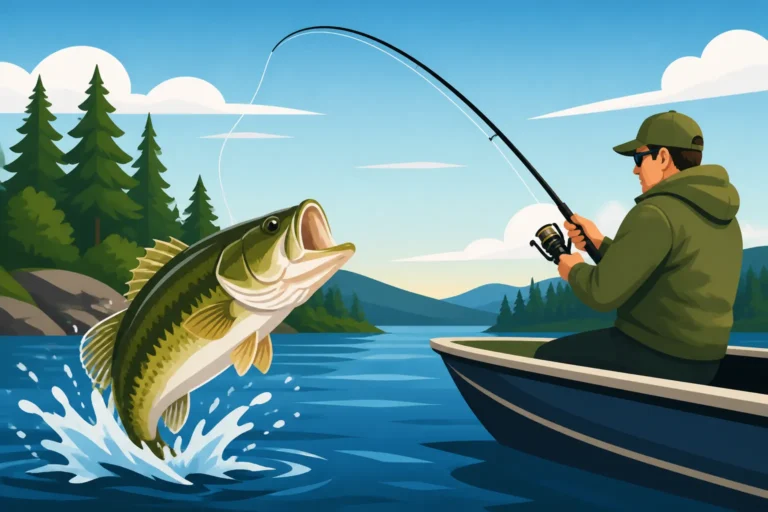
There's nothing quite like the thrill of chasing a tenacious landlocked salmon, especially when you're on a legendary water body like Sebago Lake. But let's be honest, standing on the shore or out in your boat on such a vast expanse of water, it can feel incredibly daunting to figure out where these elusive beauties are actually hiding. You want to make the most of your precious fishing time, and this comprehensive guide is here to cut through the guesswork, pointing you directly to the prime locations on Sebago where you're most likely to hook into a magnificent landlocked salmon.
Understanding Sebago Lake's Unique Salmon Habitat
Sebago Lake isn't just any large lake; it's a profound, complex ecosystem that dictates where its prized landlocked salmon reside. To consistently find these fish, you first need to understand the environment they thrive in. It's not enough to simply drop a line; you need to think like a salmon.
The Deep, Cold Waters of Sebago
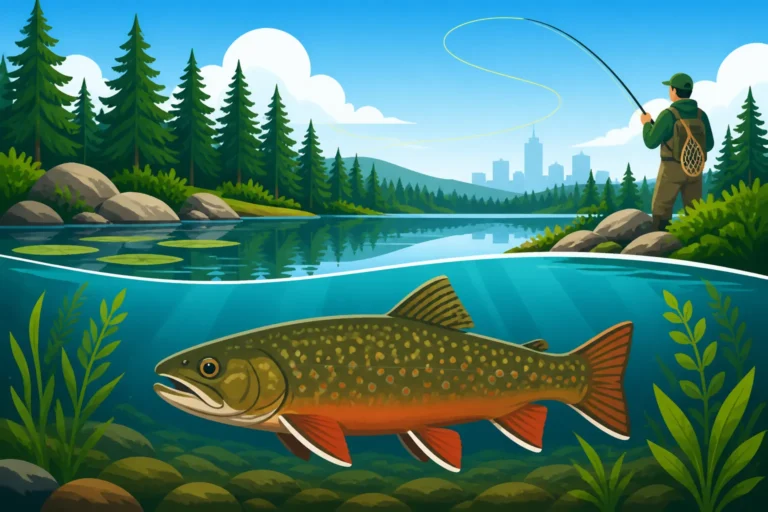
Sebago Lake is famously deep and exceptionally clear, attributes that make it prime salmon habitat. These fish, being cold-water species, absolutely require cool, oxygen-rich water, especially as the seasons change and the surface waters warm up. During the warmer months, Sebago forms a distinct thermocline – a layer where the water temperature changes rapidly. Above this layer, the water can become too warm for salmon, while below it, the oxygen levels might dwindle. Salmon will typically hold right along this thermocline or just above it, finding that perfect "comfort zone" where temperatures are cool enough and oxygen is abundant.
Think about it: during the heat of summer, when you're sweltering on shore, those salmon are seeking refuge in the deep, dark pockets of the lake where the water stays refreshingly cold. Learning to use a good fish finder to locate this thermocline and track bait schools within it is absolutely crucial for summer success. Without understanding these thermal layers, you're essentially casting blind into the wrong depths.
Forage Base: Smelt and Alewives
What do landlocked salmon eat? The answer is largely baitfish, and on Sebago Lake, that primarily means rainbow smelt and, to a lesser extent, alewives. These smaller fish are the lifeblood of the salmon population, providing the energy they need to grow large and put up those incredible fights. Where the baitfish go, the salmon will follow. It's a fundamental principle of predator-prey relationships in any fishery, and Sebago is no exception.
During specific times of the year, especially in spring, you'll find significant smelt runs in the tributaries feeding into Sebago. This creates a massive feeding opportunity for salmon, drawing them into shallower areas and river mouths. As the seasons progress, these baitfish disperse and often suspend in open water, or they seek cover around underwater structure. A successful angler on Sebago isn't just looking for salmon; they're actively searching for signs of bait schools, because that's your clearest indicator of where the predators will be lurking. If your fish finder is showing vast stretches of empty water, move on until you mark those baitballs.
Key Areas for Landlocked Salmon on Sebago Lake
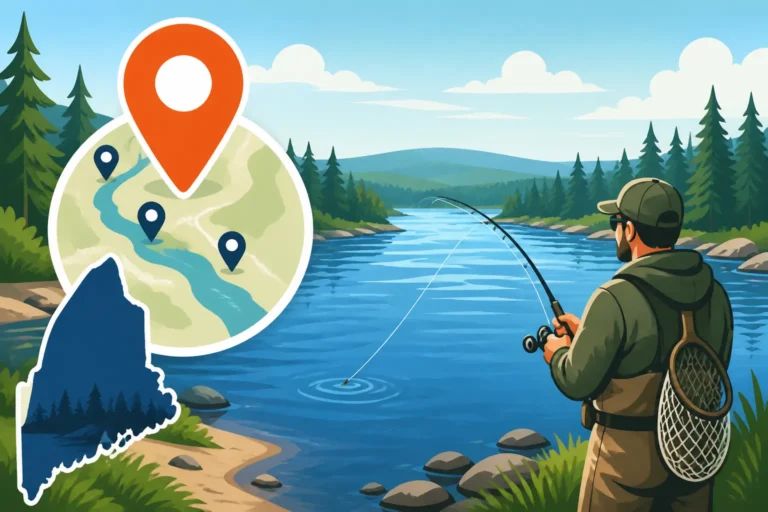
Now that we understand why salmon are where they are, let's dive into the where. Sebago Lake offers a variety of prime spots, each with its own nuances and seasonal appeal. Knowing these specific areas will significantly increase your chances of a successful outing.
The Basin and Deep Drop-Offs
Sebago's main basin is a vast expanse of deep water, and within it lie numerous drop-offs, underwater ledges, and submerged humps that serve as key holding areas for landlocked salmon, especially outside of the cooler spring and fall periods. These deep structures provide cover, ambush points, and often hold large concentrations of baitfish.
One notable area is around Frye's Leap off Frye Island, where the lake plunges dramatically. This deep trench acts as a natural highway and sanctuary for salmon. Trolling along the edges of these deep drop-offs, especially where the depth quickly changes from, say, 30 feet to 100+ feet, can be incredibly productive. Another spot to consider is the deep water near the outlet of Watchic Pond, which can concentrate baitfish. Further north, the expansive depths around Kettle Cove offer similar deep-water opportunities. For anglers looking to find those cruising fish in the open water, this is where you'll be spending a lot of time. Remember, the deeper you go, the more you need to consider specialized gear like lead core or downriggers to present your lure effectively in the strike zone. If you're new to this, our guide on Trolling Techniques for Maine Lakes can offer some valuable insights.
River Inlets and Outlets Seasonal Hotspots
The areas where rivers flow into or out of Sebago Lake are absolute magnets for landlocked salmon, particularly during specific seasons. These transitional zones offer cooler water, oxygen, and often serve as migration routes for baitfish and even the salmon themselves during spawning cycles.
The Songo River mouth, leading into the lake from Brandy Pond and Long Lake, is a classic spring and fall hotspot. As the ice receshes in spring, baitfish move into these warmer, shallower areas, and salmon follow. Similarly, in the fall, salmon congregate here before their spawning run. This area also sees a good smelt run, drawing in hungry salmon. While fishing directly in the river might have special regulations, the immediate vicinity where the river meets the main lake is usually prime real estate. Another critical area is the Presumpscot River outlet at the southern end of Sebago. This is where the lake's water eventually flows out to the ocean. Salmon will often stage in this area, particularly when water levels and temperatures create favorable conditions. These river-influenced areas are some of the first to warm up in spring and cool down in fall, making them vital for understanding the Maine Fishing Season Dates Guide for salmon. Targeting these locations with shallow-running stickbaits or streamer flies can be incredibly effective when salmon are near the surface.
Structure-Oriented Fishing Points, Islands, Shoals
Beyond the open basin, Sebago Lake is dotted with islands, points, and submerged shoals that provide critical habitat and ambush points for landlocked salmon. These structures break up the vastness of the lake, offering current breaks, varying depths, and places for baitfish to hide, which in turn attracts salmon.
Frye Island itself, beyond just Frye's Leap, has numerous points and coves that can hold fish. Trolling along the contours of the island, especially where points extend into deeper water, can yield excellent results. Pay close attention to the underwater mapping of the lake, looking for sudden depth changes or isolated rock piles. Raymond Cape on the eastern shore is another prominent feature with excellent structure, including deep water access points and rocky ledges. The edges of submerged shoals, where they drop off into deeper water, are also fantastic places to target. These "edge habitats" are where salmon will often patrol, waiting for an opportune moment to ambush schooling baitfish. Using your electronics to identify these contours and then precisely trolling or jigging along them can be a game-changer. Our dedicated Sebago Lake Fishing Guide dives even deeper into the intricacies of these structural elements.
Seasonal Strategies for Sebago Salmon Success
Just like any good angler knows, fishing isn't a one-size-fits-all endeavor. Your approach for landlocked salmon on Sebago Lake needs to adapt with the seasons. What works in April will likely be different from what brings success in August.
Springtime Tactics: Post-Ice Out to Early Summer
Ah, spring on Sebago! After the long Maine winter, the salmon are hungry and often found closer to the surface and shallower waters. As the ice recedes (check those Maine Ice Fishing Rules Guide for ice-out dates, but spring brings new opportunities), the entire lake comes alive. The water temperature is still very cold, meaning salmon aren't yet driven to the extreme depths. This is prime time for trolling streamers, spoons, and sewn baitfish in the upper 10-25 feet of the water column.
Focus your efforts on the river mouths like the Songo and Presumpscot, as well as along the shallower shorelines and points where water warms first and baitfish gather. Early morning and late evening can be particularly productive. Look for areas with current or those protected coves that receive good sun exposure. Many anglers have great success with classic patterns like a Grey Ghost or Nine-Three streamer fly behind a small dodger or simple flutter spoons like a Mooselook Wobbler. The key is to cover water, experimenting with different depths until you find that productive zone. Remember to check the Maine Fishing Regulations Explained as specific rules for certain areas or species might change from year to year.
Summer Fishing: Going Deep for Heat-Sensitive Salmon
When the summer sun beats down and the surface waters of Sebago warm considerably, landlocked salmon retreat to the cooler, oxygenated depths. This is when your fishing tactics need to shift dramatically. You won't find them shallow anymore unless you're out at dawn or dusk, and even then, they'll likely be short forays from deeper water.
Success in summer means getting your lures down, way down. This is where lead core line, copper line, or most effectively, downriggers become indispensable. You'll often be targeting depths anywhere from 40 to 70 feet, sometimes even deeper, depending on the specific day and the location of the thermocline and baitfish. Troll slowly, using larger spoons, stickbaits, or sewn baitfish. Pay constant attention to your fish finder; you're not just looking for salmon, but for the dense schools of baitfish they're feeding on. The main basin areas and deep drop-offs, like those around Frye Island, are your best bets. Some anglers even prefer night fishing during the summer months when salmon might venture slightly shallower under the cover of darkness. For more on this, consult our article on Maine Deep Sea Trolling Techniques, as many of the principles apply to deep lake trolling.
Fall Fishing: Pre-Spawn Aggression
As the crisp autumn air returns to Maine, the lake water begins to cool, and landlocked salmon become incredibly active and aggressive. This is their pre-spawn period, and they're feeding heavily to build up energy for reproduction. They'll start to move shallower again, similar to spring, but often with a singular focus on their spawning grounds.
River mouths and the rocky shorelines near them become hotspot again. While targeting spawning fish directly is often discouraged or even prohibited in specific areas to protect future populations, fishing the staging areas where salmon congregate before they enter the spawning tributaries can be incredibly rewarding. Look for them cruising points and drop-offs adjacent to these river systems. Trolling techniques will still be primary, but you might find success with a wider array of lures, including larger streamer flies and spoons. The cooler water also means they'll fight with renewed vigor, offering some of the most thrilling battles of the year. Always be mindful of specific regulations regarding Maine Landlocked Salmon Bag Limits during this sensitive time, and consider practicing catch and release for the health of the fishery.
Essential Gear and Tips for Sebago Salmon
To truly unlock Sebago's landlocked salmon potential, having the right gear and understanding a few key strategies will make all the difference. Don't let your equipment be the weak link in your fishing adventure.
Trolling Gear and Lures
For Sebago's landlocked salmon, trolling is often the most effective method, and having the right setup is crucial. You'll want medium-action rods that can handle the powerful runs of these fish, paired with reliable reels spooled with quality line. Many anglers opt for braided line with a fluorocarbon leader for sensitivity and strength, while others prefer monofilament for its stretch. For getting lures down deep, lead core line or even specialized copper line setups are common.
When it comes to lures, there are a few Sebago staples that consistently produce. Spoons like the Mooselook Wobbler, DB Smelt, and Sutton spoons in silver, blue, or rainbow trout patterns are incredibly popular. Streamer flies, fished behind a small dodger or flash, are also highly effective, with patterns like the Grey Ghost, Nine-Three, Supervisor, and Black Ghost being local favorites. And don't forget sewn baitfish; a properly rigged smelt or shiner can be irresistible to a hungry salmon. Consider a mix of these options in your tackle box, varying colors and sizes until you find what the fish are keying in on that day. For a deeper dive, check out our guide to Best Lures for Maine Open Water Fishing.
Reading the Water and Technology
Modern fishing isn't just about casting; it's about intelligence gathering. A quality fish finder is your best friend on Sebago Lake. It helps you identify the thermocline, locate schools of baitfish, and often mark the salmon themselves. Learning to interpret what your fish finder is telling you about bottom structure, suspended fish, and baitballs is an acquired skill that pays huge dividends. Our article on Reading a Fish Finder on Maine Lakes provides a great starting point.
Furthermore, a GPS unit (either standalone or integrated into your fish finder) is invaluable. Use it to mark your successful trolling passes, specific drop-offs, or any isolated structure where you find fish or bait. This allows you to return to productive spots with precision. Understanding water temperature is also critical; a simple thermometer can help you find that optimal temperature band salmon prefer, especially in spring and fall. These tools, when used together, turn Sebago from a vast mystery into a readable map of potential hotspots.
Hiring a Guide or Planning Your Trip
For those new to Sebago Lake or new to targeting landlocked salmon, hiring a local guide can be an absolute game-changer. A Registered Maine Guide specializing in lake fishing will have intimate knowledge of the lake, current fish patterns, and the right gear and techniques. They can quickly put you on fish, teach you the ropes, and drastically cut down on your learning curve. Platforms like FishingBooker are excellent resources for finding experienced and reputable guides in the Sebago Lake region. You can often see reviews, compare prices, and ensure you're booking with someone who knows their stuff. Our guide on Hiring a Maine Fishing Guide offers more detail on what to look for.
If you prefer a DIY approach, make sure you've obtained your Maine Fishing License Guide and familiarized yourself with all specific regulations for Sebago Lake. Plan your trip with attention to current weather, water conditions, and recent fishing reports. Identify public boat launches and access points well in advance. Consider spending your first day or two simply exploring with your electronics, marking promising areas before you commit to serious fishing. Whether guided or on your own, a well-planned trip dramatically increases your enjoyment and success.
Here's a quick reference table for Sebago Lake Landlocked Salmon fishing:
| Season | Primary Location Type | Typical Depth Range (feet) | Recommended Lure Types | Key Technique |
|---|---|---|---|---|
| Spring | River Mouths, Shorelines | 10-25 | Streamers (Grey Ghost), Small Spoons, Small Stickbaits | Slow Trolling, Casting |
| Early Summer | Points, Drop-offs, Main Basin | 20-40 | Spoons (Mooselook), Sewn Bait | Trolling with light lead core/downriggers |
| Mid-Summer | Main Basin, Deep Drop-offs | 40-70+ | Large Spoons, Sewn Bait, Deep Diving Stickbaits | Deep Trolling with Downriggers/Copper |
| Fall | River Mouths, Adjacent Points | 15-35 | Streamers, Spoons, Larger Stickbaits | Trolling, sometimes Casting near structure |
Disclaimer
Please remember that fishing regulations and conditions on Sebago Lake can change. Always consult the most current Maine Department of Inland Fisheries and Wildlife regulations before heading out. Safety should always be your top priority on the water.