Fishing Sebec Lake in Piscataquis County
Sebec Lake, nestled deep within the picturesque Piscataquis County, can feel like a formidable challenge for any angler, especially if you're venturing out onto its expansive, sometimes mysterious waters for the first time. The sheer size and depth of this majestic lake can make finding fish feel like searching for a needle in a haystack, leaving many feeling frustrated or unsure where to even begin. This comprehensive guide aims to demystify Sebec Lake, providing you with the local insights, techniques, and prime locations you need to unlock its incredible fishing potential and make your next trip a resounding success.
Discovering Sebec Lake's Angling Charm
Sebec Lake isn't just another body of water; it's a classic Maine gem, boasting a rich history and a vibrant ecosystem that supports some of the state's most sought-after game fish. Its cold, clear waters and varied underwater topography create ideal conditions for a diverse fishery, making it a truly special destination for both seasoned anglers and those looking to experience the wild beauty of Maine's inland waters. Understanding the lake's unique characteristics is the first step toward a successful fishing adventure.
Geography and Lake Characteristics
Sebec Lake stretches approximately 11 miles in length and covers over 6,800 acres, making it one of the larger lakes in Maine. It's a deep, oligotrophic lake, meaning its waters are cold and nutrient-poor, which is excellent for cold-water species like trout and salmon. With depths plunging over 150 feet in places, it offers ample habitat for species that prefer the cooler, darker reaches of the lake, especially during the warmer summer months. The shoreline is a mix of wooded areas, rocky outcroppings, and some shallower coves, providing diverse environments for different fish species. Its location in Piscataquis County places it firmly in the heart of Maine's "Moosehead Lake region," offering a true wilderness feel with plenty of natural beauty to soak in while you fish.
Primary Fish Species Overview
Sebec Lake is renowned for its outstanding populations of cold-water fish, making it a prime destination for those who love to chase sporty species. The stars of Sebec are undoubtedly the togue (lake trout) and landlocked salmon, both thriving in its deep, oxygen-rich waters. While these two are the main draws, you'll also find some respectable brook trout, particularly in the cooler, shallower areas and near tributary mouths, and a healthy population of smallmouth bass, which prefer the rockier sections of the shoreline and shallower structure. The presence of these diverse species ensures that there's always something to target, no matter your preferred fishing style or the time of year. Knowing what to expect and where these species generally reside is key to planning your strategy.
Prime Targets: The Fish Species of Sebec Lake
Each fish species in Sebec Lake presents its own unique challenge and reward. Understanding their behavior, preferred habitats, and feeding patterns is crucial for consistent success. From the deep-dwelling giants to the acrobatic leapers, Sebec offers a thrilling pursuit for every angler.
Mastering Togue and Lake Trout
Togue, as lake trout are affectionately known in Maine, are the undisputed deep-water kings of Sebec Lake. These fish are built for cold, dark environments and spend most of their lives in the lake's profound depths, especially once the surface waters warm up. They can grow to impressive sizes, with 10-20 pounders not uncommon, making them a formidable catch.
During ice fishing season and immediately after ice-out in spring, togue can be found in shallower waters as they follow their primary food source, the smelt. As summer progresses, they retreat to the cooler thermocline, often suspending over deep basins or congregating around underwater structures like ledges and drop-offs. Trolling with downriggers or weighted lines is a common and highly effective method for targeting these behemoths during open water season, mimicking smelt or other baitfish with large spoons, stickbaits, or even live bait such as shiners. For ice fishing, jigging heavy spoons tipped with bait or setting tip-ups with live bait are productive strategies. Make sure you're aware of the specific Maine Togue and Lake Trout Limits before you head out, as regulations can vary.
Pursuing Landlocked Salmon
Landlocked salmon are another jewel of Sebec Lake, famous for their incredible fighting ability and aerial acrobatics once hooked. These sleek, powerful fish are a true testament to the health of the lake's ecosystem, relying heavily on a robust smelt population for their growth and survival.
Salmon are often found shallower than togue, particularly during the cooler parts of the year – spring and fall. After ice-out, they'll cruise near the surface, gorging on smelt, making them accessible to trolling with light lines or even fly fishing near shore. As the water warms, they'll move to the thermocline, much like togue, but often hold slightly shallower or in different pockets. Trolling with small spoons, flies, or streamer patterns that imitate smelt is the most popular and effective way to chase these silver missiles. Early mornings and late evenings are often the most productive times. For more detailed insights, our guide on Landlocked Salmon Fishing in Maine offers fantastic additional tips.
Encountering Brook Trout and Smallmouth Bass
While togue and salmon get a lot of the spotlight, Sebec Lake also offers exciting opportunities for brook trout and smallmouth bass. These species typically prefer different habitats, allowing anglers to diversify their approach.
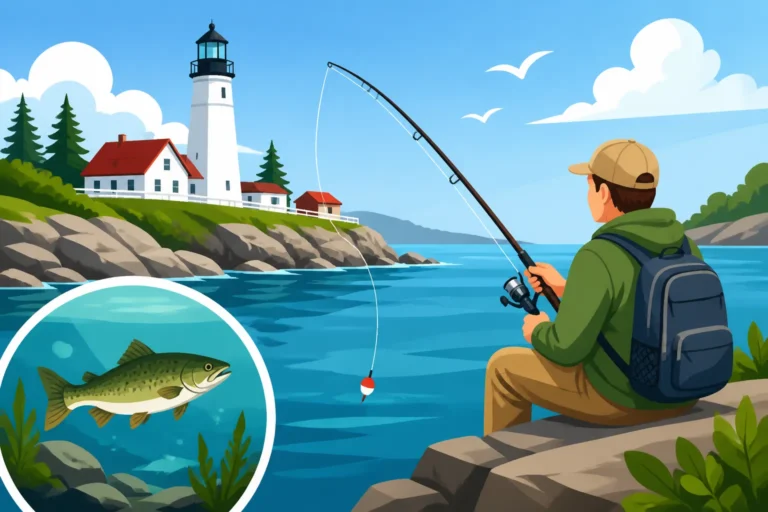
Brook trout, Maine's official state fish, are often found in the shallower, cooler sections of the lake, particularly near the mouths of tributary streams where cold, oxygenated water flows in. During spring and fall, they might also cruise the lake's margins. Fly fishing with small nymphs, dry flies, or streamer patterns can be incredibly effective in these areas, as can casting small spinners or spoons. Finding these wild, vibrant fish in their natural habitat is a uniquely rewarding experience.
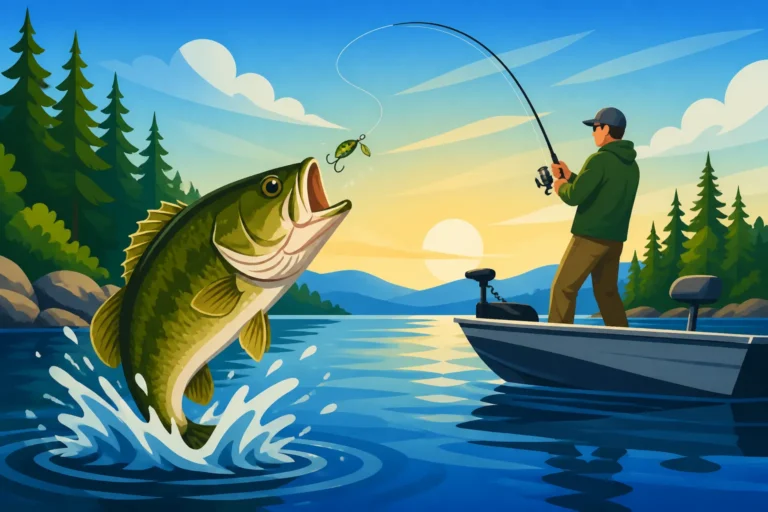
Smallmouth bass, on the other hand, thrive in the lake's rockier areas, around submerged timber, and along distinct drop-offs and points. They are aggressive fighters and provide fantastic action, especially during the summer months. Target them with soft plastics, crankbaits, or topwater lures in the early morning and late evening. During the heat of the day, they'll often retreat to slightly deeper structure. Understanding the Maine Bass Fishing Limits by Zone is important, as regulations can differ. These fish, while not native to Maine, offer a thrilling fight and are a great option when the salmon and trout bite slows down.
Navigating Sebec's Seasons and Prime Fishing Times
Sebec Lake truly offers year-round fishing opportunities, but each season brings its own set of challenges and rewards. Knowing when and how to approach the lake during different times of the year is key to maximizing your chances of success. From the thrill of ice-out to the quiet solitude of winter, Sebec's moods change with the calendar. For a broader overview of seasonal fishing, check out our guide on the Best Time of Year to Fish in Maine.
Spring into Action: Ice-Out Opportunities
Spring on Sebec Lake begins with the highly anticipated "ice-out," usually in late April or early May, when the last remnants of winter's ice finally disappear. This period is arguably one of the most exciting times to fish. The water is still cold, and fish like salmon and togue are actively feeding in shallower waters, making them more accessible than during the peak of summer.
Anglers often find incredible success trolling near the surface with small spoons or streamer flies, imitating smelt that are abundant after the ice leaves. The fish are often hungry and aggressive after a long winter under the ice. Shore fishing and casting from boats near coves and points can also be productive. It’s a prime window for trophy landlocked salmon before they retreat to deeper, cooler zones. Be prepared for unpredictable weather, but the potential rewards are well worth it. Keep an eye on the official Maine Fishing Season Dates Guide for precise opening days.
Summer Strategies: Deepwater Pursuits
As Maine summer temperatures climb, Sebec Lake transforms. The surface waters warm significantly, driving cold-water species like salmon and togue deep into the lake, often to the thermocline where cooler, oxygen-rich water provides refuge. This is when deep-water trolling techniques become paramount.
Using downriggers, lead core line, or even specialized weighted lines is essential to get your lures down to where the fish are holding, often 40-80 feet or more. Focus your efforts on large open basins, underwater ledges, and prominent drop-offs. Smallmouth bass, however, will be more active in the shallower, rockier areas, particularly during the low light hours of dawn and dusk. Night fishing can also be surprisingly effective for bass during the summer heat. While hot weather can be challenging, a knowledgeable approach to depth and structure can yield excellent results.
Fall Color and Fishing Frenzy
Autumn on Sebec Lake is a spectacle, not just for the vibrant foliage but also for the rejuvenated fishing action. As the water temperatures begin to cool, salmon and trout become more active and once again move into shallower water, particularly in preparation for their spawning runs.
This period, typically from September through October, offers some of the year's best fishing. Trolling with spoons and stickbaits that imitate baitfish near tributary mouths and rocky shorelines can be incredibly productive for salmon and brook trout. Togue may also be found shallower as they feed heavily before winter sets in. The lake is often quieter, and the crisp air makes for incredibly enjoyable days on the water. It’s a favorite season for many local anglers who appreciate both the scenery and the lively fish.
Winter Ice Fishing Wonderland
When Sebec Lake freezes over, typically from late December through March, a whole new world of angling opens up: ice fishing. This community-focused activity offers a unique way to enjoy the lake, though it comes with its own set of techniques and safety considerations. Our comprehensive Maine Ice Fishing Rules Guide is an essential read before venturing onto the ice.
Sebec is a popular destination for ice anglers targeting togue and salmon. Strategies often involve setting up multiple tip-ups with live bait like shiners over deep water, patiently waiting for a flag to fly. Jigging with spoons or specialized ice fishing lures can also be highly effective, especially for actively searching for fish. Brook trout might be found closer to shore or near inflows. Proper attire, safety gear, and an understanding of ice conditions are paramount. It’s a chance to experience Maine's winter beauty and perhaps catch a trophy through the ice.
Unlocking Sebec Lake's Best Fishing Spots and Access
Finding the fish in a large lake like Sebec often comes down to knowing where they congregate. While fish move, certain areas consistently hold fish due to structure, depth, or available food sources. Having reliable access points is equally important for a smooth and enjoyable fishing trip.
Key Structure and Depth Zones
Sebec Lake's underwater topography is varied, offering numerous features where fish love to hide. For deep-dwelling togue and landlocked salmon, look for significant drop-offs, underwater ledges, and humps in the main lake basin. These features provide cover, ambush points, and often mark the edges of deep channels where cold water and baitfish are concentrated. The deepest parts of the lake, especially near the south end, are prime areas for targeting large togue.
For smallmouth bass, focus on rocky points, boulder fields, and areas with submerged timber, particularly in the shallower northern sections of the lake and around the many small islands. Brook trout will often be found near the mouths of the several streams and brooks that feed into Sebec, such as Sebec Stream at the eastern end, especially during cooler water periods. Using a good fish finder is invaluable for identifying these key structures and the depth at which fish are holding.
Public Access Points
Accessing Sebec Lake is relatively straightforward, with several public launches available. The most common access point is the public boat launch located in Dover-Foxcroft, which provides good ramps and parking. Another popular launch can be found in the town of Monson on the western side of the lake. These launches are well-maintained and suitable for most trailered boats.
For those without a boat, there are some limited shore fishing opportunities, particularly around the public access sites or along certain stretches of road that parallel the lake. However, to truly explore Sebec's diverse fishery, a boat is highly recommended. Kayaks and canoes can also be effective for reaching some of the shallower coves and shoreline areas, offering a quieter fishing experience.
Remote Coves and Hidden Gems
While the main lake basin and well-known points are popular, Sebec Lake also holds many remote coves and hidden gems that offer a sense of solitude and excellent fishing. Exploring the numerous smaller coves and quieter sections, particularly those with less direct human activity, can often yield surprising results for smallmouth bass and even elusive brook trout.
These areas might require a bit more effort to reach, perhaps by paddling into them or navigating through smaller channels. They often feature abundant natural structure like fallen trees, lily pads, or rocky shorelines that attract baitfish and, consequently, the predators that feed on them. Sometimes, venturing a little further off the beaten path is exactly what it takes to find those untouched spots and experience the raw beauty of Maine's fishing opportunities. If you're looking to explore these less-fished areas, considering a local expert from a service like FishingBooker can make a huge difference in finding those hidden honey holes.
Essential Techniques and Gear for Sebec Lake
Successful fishing on Sebec Lake often boils down to employing the right techniques and having the appropriate gear for the target species and conditions. Adapting your approach based on the season and fish behavior will significantly increase your catch rates and overall enjoyment. If you're new to the region or specific techniques, our guide on Maine Open Water Fishing Techniques Guide provides an excellent foundation.
Trolling for Deepwater Giants
Trolling is undeniably the most popular and effective technique for targeting the deep-dwelling togue and landlocked salmon in Sebec Lake during the open water season. This method involves slowly pulling lures behind a boat, allowing them to cover a large amount of water and target specific depths.
For togue, you’ll typically need to get your lures deep, often 50-80 feet or more. This requires specialized gear such as downriggers, lead core line, or heavy weights. Large spoons (like Mooselook Wobblers or Sutton Spoons), stickbaits, or even live bait rigs are excellent choices. The key is to match the size and color of the lures to the lake's abundant smelt population. For salmon, while they also go deep in summer, they often stay a bit shallower than togue. Smaller spoons, flies (streamer patterns), and even dodgers or flashers paired with a fly can be highly effective. Varying your trolling speed and depth until you find what triggers bites is crucial. Our article on Trolling Techniques for Maine Lakes goes into much greater detail.
Jigging and Live Bait Strategies
While trolling dominates open water, jigging and live bait fishing are equally powerful, especially during ice fishing season or when fish are concentrated in specific areas.
For ice fishing, vertical jigging through the ice is a go-to method for both togue and salmon. Heavy jigging spoons, often tipped with a piece of bait (like a smelt head or a small shiner), can be dropped to the lake bottom or suspended at various depths to attract fish. Active jigging, with varying cadences and pauses, can entice strikes. Live bait, primarily shiners or smelt, fished on tip-ups, is also extremely effective through the ice. The scent and natural movement of live bait can be irresistible to a hungry togue or salmon. During open water, vertical jigging over deep structure or using live bait on a slip sinker rig can also produce bites, particularly when fish are less active or tightly schooled.
Fly Fishing and Lure Casting
For the more active angler, fly fishing and traditional lure casting offer exhilarating ways to target Sebec's fish. While not as common for the deepwater species in the main basin, these methods excel in specific situations.
Fly fishing shines in the spring and fall for landlocked salmon, especially when they are cruising the shallower waters near the surface. Smelt imitation streamer patterns, such as the Grey Ghost or Black Ghost, are highly effective. For brook trout, fly fishing near tributary mouths or in the quieter coves with dry flies, nymphs, or small streamers can be incredibly rewarding.
Lure casting with spinning gear is a fantastic approach for smallmouth bass. Spinnerbaits, soft plastic baits (like tubes or Senkos), and crankbaits worked around rocky shorelines, points, and submerged structure will often provoke aggressive strikes. Topwater lures can provide explosive action during early morning and late evening hours. These active methods allow for precise presentations and the thrill of feeling the bite directly on your rod.
Local Regulations and Responsible Angling
Before you even wet a line in Sebec Lake, it's absolutely vital to understand and adhere to Maine's fishing regulations. These rules are put in place to protect the fishery and ensure sustainable angling for future generations. Ignoring them can lead to hefty fines and a spoiled trip.
Understanding Maine's Fishing Regulations
Maine has specific regulations for different bodies of water, and Sebec Lake is no exception. While some general laws apply statewide, many lakes have special regulations regarding bag limits, length limits, and season dates for particular species. It's imperative to consult the latest Maine fishing law book, which is available online through the Maine Department of Inland Fisheries and Wildlife (MDIFW) or at most license vendors. This will detail rules for species like togue, landlocked salmon, brook trout, and bass specifically in Sebec Lake.
Remember to always have your Maine Fishing License Guide with you, whether in physical form or digitally, and be prepared to show it to a Maine Game Warden if asked. Ignorance of the law is not an excuse, and wardens patrol regularly to ensure compliance. Pay close attention to any "slot limits" or "minimum length" rules, as these are critical for protecting mature fish and younger stock. Our article on Maine Fishing Regulations Explained provides a great starting point for understanding these complex rules.
Conservation and Catch & Release
Beyond just following the letter of the law, practicing responsible angling and conservation is a core tenet of the Maine fishing community. This includes being mindful of catch and release best practices, especially for fish you don't intend to keep or those that fall within a protected slot limit. Handle fish gently, minimize their time out of the water, and use appropriate tools like de-hookers to reduce harm.
Consider using single, barbless hooks, especially when targeting native species like brook trout, to make release easier and less stressful for the fish. Properly disposing of all trash, including discarded fishing line, is also crucial for maintaining the pristine environment of Sebec Lake. By doing our part, we help ensure that Sebec remains a vibrant and healthy fishery for years to come.
Hiring a Local Guide for Sebec Lake
For those who are new to Sebec Lake, or even experienced anglers looking to quickly maximize their success, hiring a local, registered Maine fishing guide can be an invaluable investment. A good guide offers not just expertise in finding fish, but also knowledge of current regulations, local nuances, and best practices for conservation on Sebec.
A guide can provide all the necessary gear, bait, and often share local stories and history, transforming a simple fishing trip into a truly immersive Maine experience. They know the lake's structure intimately, understand seasonal fish movements, and can quickly adapt to changing conditions. Services like FishingBooker can help you find highly-rated, local guides who specialize in Sebec Lake, ensuring you connect with someone who can truly elevate your fishing adventure. Whether you're interested in trolling for salmon and togue, or seeking out those elusive brookies, a guide can save you countless hours of searching and significantly increase your chances of landing that trophy fish. Many guides also focus on teaching techniques, which is perfect for beginners or those looking to refine their skills. Find more information in our Hiring a Maine Fishing Guide article.
| Fish Species | Prime Season | Preferred Depth | Common Techniques | Key Lures/Bait |
|---|---|---|---|---|
| Togue (Lake Trout) | Year-round (best Spring/Ice-out/Fall) | Deep basins (50-150 ft), thermocline in summer | Trolling, Jigging (ice fishing), Tip-ups | Large Spoons, Smelt imitations, Live Shiners/Smelt |
| Landlocked Salmon | Spring, Fall, Early Summer | Surface (spring/fall), Thermocline (summer) | Trolling, Fly Fishing, Casting | Small Spoons, Streamer Flies, Smelt imitations |
| Brook Trout | Spring, Fall, Early Summer | Shallower coves, tributary mouths | Fly Fishing, Light Spin Casting | Nymphs, Dry Flies, Small Spinners, Worms |
| Smallmouth Bass | Late Spring, Summer, Early Fall | Rocky points, submerged structure, coves | Lure Casting, Topwater, Jigging | Soft Plastics, Crankbaits, Topwater Lures, Worms |
Disclaimer
The information provided in this guide is for general informational purposes only and is subject to change. Fishing regulations, season dates, and local conditions can vary. Always consult the latest official regulations from the Maine Department of Inland Fisheries and Wildlife (MDIFW) before engaging in any fishing activities. Safety should always be your top priority when on the water.