Can You Learn Fly Fishing From a Maine Guide?
Trying to learn fly fishing on your own can feel like trying to solve a Maine winter mystery with just a pair of sunglasses – frustrating, bewildering, and ultimately unproductive. You spend hours tangled in line, spooking fish, and wondering if you're even holding the rod right. This guide is here to tell you that you absolutely can fast-track your journey into the serene world of fly fishing by enlisting the help of a Registered Maine Guide, and we'll show you exactly how.
The Maine Guide Advantage for Fly Fishing Newcomers
Let's face it, fly fishing has a reputation for being intimidating. The delicate casting, the complex entomology, the endless knots—it's a lot to take in. That's where a Maine fishing guide becomes your secret weapon, especially if you're just starting out or looking to refine those early skills. They don't just put you on fish; they teach you how to become a better angler.
Personalized Instruction vs. Self-Taught Frustration
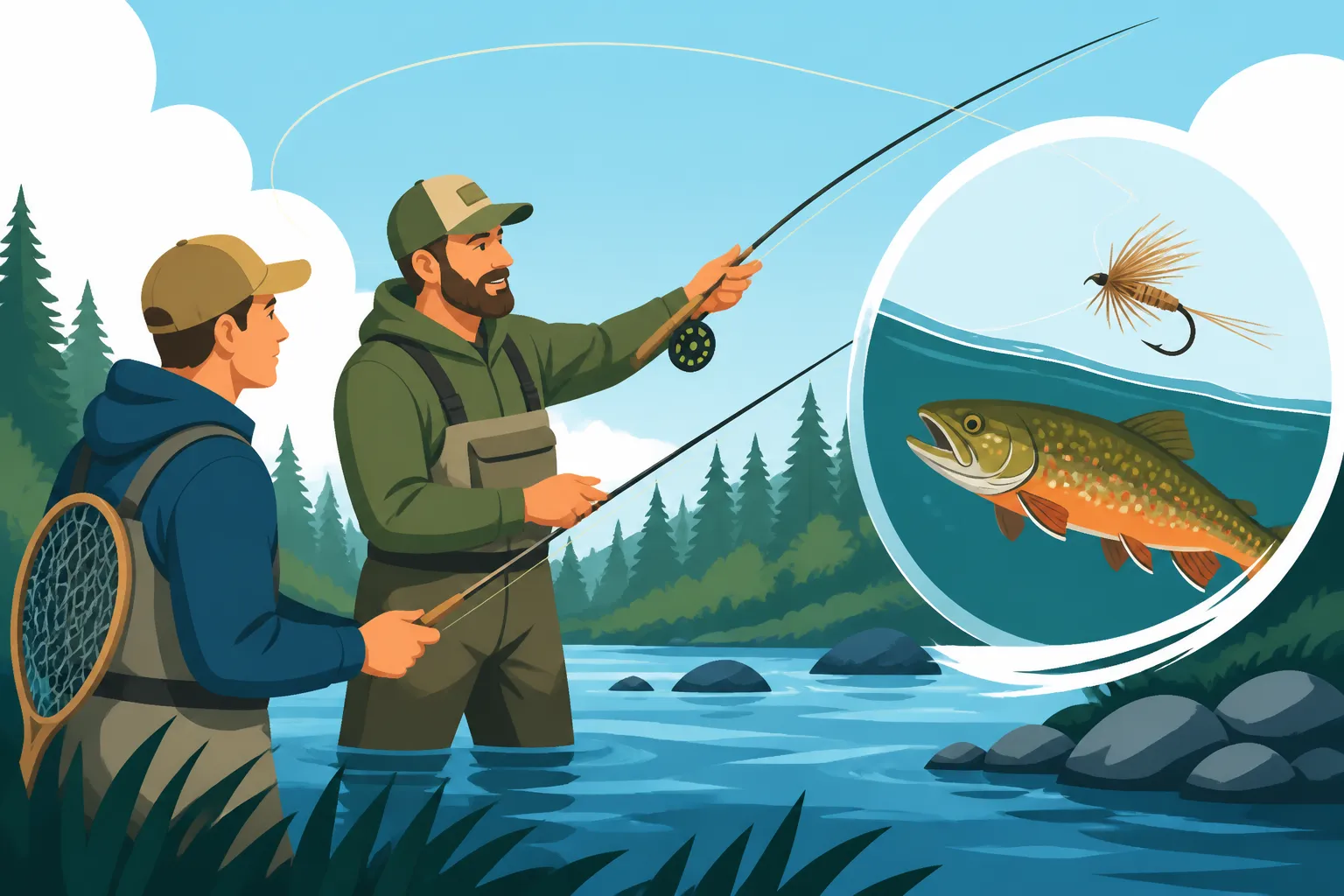
Imagine standing by a beautiful Maine river, fly rod in hand, trying to remember that YouTube video you watched at 2 AM. You cast, the line collapses in a heap, and any fish within a mile is probably laughing at you. Now, picture that same scenario, but with an experienced guide right beside you. They see your grip, your backcast, the way your wrist hinges (or doesn't!), and they offer immediate, gentle correction. This isn't just about theory; it's about real-time, hands-on coaching tailored specifically to your unique challenges.
A good guide is a patient teacher. They’ll notice if you’re trying to force the cast with your arm instead of letting the rod do the work, or if your timing is off on the forward stroke. Instead of getting frustrated and giving up, you get actionable feedback. They can show you how to mend your line, how to set the hook without breaking your leader, and even how to retrieve a snagged fly without losing your cool. This personalized attention is invaluable, saving you countless hours of self-correction and potential bad habits forming. It's the difference between trying to learn a musical instrument from a book versus having a dedicated instructor.
Unlocking Maine's Hidden Fly Fishing Gems
One of the biggest hurdles for new fly anglers is simply knowing where to go. Maine is vast, with countless rivers, streams, and ponds, each with its own quirks and secrets. Without local knowledge, you might spend days exploring public access points only to find barren water or spots requiring techniques you haven't mastered yet. This is where a Maine guide truly shines. They live and breathe these waters. They know the best riffles for Brook Trout Fishing in Maine in spring, the quiet pools where Landlocked Salmon Fishing in Maine might be holding in summer, and the secluded stretches of river that only a few locals ever fish.
A guide can take you to places you'd never find on your own, often on private land through established relationships, or to remote sections of public water that require specific access methods. They understand the nuances of water levels, insect hatches, and fish behavior in those particular locations. For example, they might know that the Aroostook River fishes best after a light rain, or that a specific section of the Kennebec holds actively feeding fish only during a certain time of day. Their expertise transforms a potentially aimless day of searching into a focused, productive learning experience, dramatically increasing your chances of success and enjoyment. You'll gain insights into How to Find Maine Fishing Regulations for a Specific Lake or river that only years of experience can provide.
Essential Gear and Techniques Explained
When you're new to fly fishing, the sheer amount of gear can be overwhelming. What rod weight do you need? What kind of line? What on earth is a leader and tippet? And don't even get started on fly selection! A good Maine guide typically provides all the necessary equipment, from high-quality rods and reels to a perfectly matched selection of flies. This means you don't have to invest a small fortune in gear before you even know if you enjoy the sport.
Beyond just providing the gear, they'll teach you how to use it properly. They'll explain the differences between various fly patterns, like which Fly Selection for Brook Trout works best in different conditions, and how to effectively present them. You'll learn fundamental techniques such as the basic overhead cast, roll cast, and maybe even some advanced casts if you're a quick study. They'll also demystify concepts like reading the water – understanding where fish might be holding based on current, structure, and depth – and basic entomology, so you can start to "match the hatch" yourself. This foundational knowledge is crucial and far easier to grasp with an expert showing you the ropes directly. You'll get an introduction to Fly Fishing Techniques for Maine Rivers that would take months, if not years, to figure out on your own.
What to Expect from a Guided Fly Fishing Trip in Maine
Booking a guided fly fishing trip in Maine isn't just about showing up at the river; it's an immersive educational experience designed to empower you with skills and confidence. From the moment you connect with your guide, a structured learning journey begins.
Pre-Trip Planning and Communication
Before your boots even hit the water, a good guide will engage in thorough pre-trip communication. They'll want to know about your prior fishing experience (if any), what you hope to learn, and what species you're most interested in targeting – whether it's native brook trout in a remote pond or feisty landlocked salmon in a major lake. This helps them tailor the day to your specific goals and skill level. They'll also cover logistical details: where to meet, what to wear (layers are always key in Maine!), and what personal items to bring, like snacks, water, and appropriate sun protection.
During this stage, your guide might discuss the current conditions, such as water temperature and recent insect activity, giving you a sneak peek into the day's strategy. This pre-trip dialogue is vital for setting expectations and ensuring that you get the most out of your investment. It’s also a great opportunity to ask about any specific Maine Fishing Regulations Explained that might apply to the waters you’ll be visiting, so you’re informed and ready.
On-the-Water Learning: Casting, Reading Water, and Entomology
Once you're on the water, the real magic happens. Your guide will start with the basics, often in an open area, to teach you the mechanics of the fly cast. They'll break it down into manageable steps: grip, arm movement, timing, and presentation. It’s not about brute force, but about rhythm and finesse. You’ll practice until you feel comfortable sending that line out gracefully, not just flailing it around. You might even discover some tricks on How to Fish a Dry Fly for Brook Trout or How to Nymph Fish for Trout.
Beyond casting, you'll learn how to "read the water"—identifying seams, eddies, riffles, and structure where fish are likely to feed or hold. This skill is paramount for consistent success in fly fishing. Your guide will also introduce you to basic aquatic entomology, explaining the different types of insects that fish feed on (mayflies, caddisflies, stoneflies) and how to select flies that "match the hatch." This isn't just academic; it's practical, hands-on learning that directly impacts your success rate. They might even teach you How to Tie a Palomar Knot or another essential fishing knot. This comprehensive approach means you're not just catching fish; you're learning why and how to catch them.
Safety and Etiquette Lessons
A responsible Maine guide prioritizes your safety and the health of the fishery. They'll cover essential safety protocols, whether you're wading a swift river or navigating a lake in a boat. This includes understanding river currents, slippery rocks, and proper wading techniques. If you're on a boat, they'll ensure you know where the safety gear is and how to use it. They also instill a strong sense of angling etiquette, emphasizing responsible catch-and-release practices to ensure the sustainability of Maine's fish populations.
You'll learn how to properly handle fish – minimizing stress, keeping them in the water as much as possible, and using appropriate tools for hook removal. This commitment to conservation is a hallmark of Registered Maine Guides, who understand that they are stewards of the natural environment. By the end of your trip, you'll not only be a more skilled fly fisher but also a more conscientious one, equipped with the knowledge to protect these precious resources for future generations.
Choosing the Right Maine Fly Fishing Guide for Your Needs
With so many excellent guides in Maine, selecting the right one can feel like a daunting task. However, by understanding what to look for, you can ensure a successful and enjoyable learning experience.
Vetting Expertise and Specializations
Not all fly fishing guides are created equal, nor do they all specialize in the same areas. Some guides are renowned for their expertise in targeting trophy Landlocked Salmon Size Limit in Maine in specific lakes like Sebago, while others might be masters of chasing wild brook trout in remote, wadeable streams in the North Woods. When searching for a guide, consider your primary interest. Do you want to learn dry fly techniques on smaller rivers, or are you aiming to master streamer fishing for bigger fish?
Look for guides who explicitly mention "instructional" or "beginner-friendly" trips. Check their websites, social media, and read client testimonials. A guide with a genuine passion for teaching will often highlight their ability to work with novices. Don't be shy about calling them directly to discuss your goals. A brief conversation can give you a good sense of their personality and teaching style. You want someone patient, articulate, and enthusiastic about sharing their knowledge. This might mean looking for a guide specifically for Best Fly Fishing Rivers in Western Maine if that's your preferred region.
Understanding Costs and Inclusions
Guided fly fishing trips in Maine vary in cost, depending on factors like duration (half-day vs. full-day), location, and the guide's experience level. When comparing prices, it’s crucial to understand what’s included. Most reputable guides will provide:
- Instruction: Personalized coaching on casting, presentation, entomology, and water reading.
- Gear: High-quality rods, reels, lines, leaders, tippets, and a selection of appropriate flies.
- Transportation: Often, guides will provide transport from a designated meeting point to the fishing spot.
- Lunch/Snacks: Many full-day trips include a shore lunch or snacks and beverages.
- Photography: Some guides even take photos during the trip, capturing your adventure.
What's typically not included are your personal Maine Fishing License Guide (which you'll need to purchase beforehand), waders and boots (though some guides might have loaners), and gratuities for the guide. Always clarify these details upfront so there are no surprises. A little research into Maine Fishing License Costs Guide can help you budget accordingly. For many, the cost is a worthwhile investment given the expertise, gear, and access provided.
Booking Your Adventure
Once you've identified a few potential guides, it's time to secure your trip. Reputable guides often book up well in advance, especially during peak seasons like spring and fall, so planning ahead is key. You can often find guides listed on state tourism sites, local fly shops, or through online platforms like FishingBooker. Using a platform like FishingBooker can sometimes simplify the booking process, allowing you to browse different guides, compare offerings, and read reviews all in one place.
When you connect with a guide, be prepared to discuss dates and provide a deposit to confirm your reservation. It's also wise to inquire about their cancellation policy, just in case unforeseen circumstances arise. Don't hesitate to ask any remaining questions you have about the day's itinerary, what to bring, or what to expect. Taking the time to properly research and book your guide ensures that your first (or next) fly fishing adventure in Maine is smooth, educational, and ultimately, unforgettable.
| Feature | Self-Taught Fly Fishing | Guided Fly Fishing Trip |
|---|---|---|
| Learning Curve | Steep, often frustrating, prone to bad habits | Accelerated, personalized, immediate feedback |
| Gear Investment | High upfront cost for equipment | Gear often provided, try before you buy |
| Location Access | Limited to easily accessible public spots | Access to prime, often secluded, productive waters |
| Knowledge Base | Relies on online resources, trial and error | Direct transfer of local, expert knowledge and experience |
| Success Rate | Variable, can be discouraging for beginners | Significantly higher, fosters confidence and enjoyment |
| Safety | Dependent on personal awareness, potential risks | Guide ensures safety protocols and awareness of hazards |
| Conservation | May overlook best practices without guidance | Emphasizes ethical angling and Catch and Release Best Practices in Maine |
Beyond the First Trip: Continuing Your Fly Fishing Journey
A guided fly fishing trip isn't just a single event; it's a springboard. It provides the foundation, the inspiration, and the confidence you need to continue your fly fishing journey long after your guide waves goodbye.
Practicing What You've Learned
The skills you acquire with a Maine guide are tools, and like any tool, they need regular use to stay sharp. After your trip, make time to practice your casting, even if it's just in your backyard. Focus on the muscle memory and timing your guide taught you. Revisit the concepts of reading water on smaller, local streams or ponds. Remember the specific fly patterns and techniques your guide recommended for different conditions. Maybe your guide introduced you to some fundamental Maine Open Water Line Limits and now you're confident to fish a local river.
The beauty of fly fishing is its lifelong learning aspect. Every cast, every drift, every rise to a fly offers a new lesson. Don't be afraid to experiment, but always fall back on the core principles instilled by your guide. Consider keeping a small fishing journal to note conditions, flies used, and successes or challenges. This reinforces what you've learned and helps you build your own library of experience.
Exploring New Waters Independently (with confidence!)
One of the greatest gifts a guide gives you is the confidence to venture out on your own. You've learned how to approach a stream, what to look for, and how to present a fly. You're now equipped to explore new waters, perhaps consulting local maps, online forums, or even the Maine Fishing Law Book Where to Get One for new destinations. That initial fear of the unknown begins to fade, replaced by a sense of adventure.
Start with waters that are similar to those you fished with your guide, gradually branching out to more challenging environments. Apply the principles of reading water and matching the hatch. You'll find immense satisfaction in successfully catching fish on your own, knowing that you've applied the knowledge gained from your guided experience. Remember, a Maine Fishing License Guide is your passport to these explorations.
Advanced Techniques and Return Trips
As you gain experience, you might find yourself wanting to delve deeper into specific aspects of fly fishing. Perhaps you want to master nymphing techniques, learn how to tie your own flies, or tackle a new species like Striped Bass Fishing in Maine on the coast. This is where your initial guided trip can evolve into ongoing mentorship. Many anglers return to their favorite guides for more advanced instruction, or to experience new waters and seasons.
A guide can help you refine specialized casts, teach you how to fish specific structures, or even accompany you on multi-day trips to remote wilderness areas like the Allagash Wilderness Waterway Fishing Guide. The relationship with a good guide can last for years, transforming from a one-time lesson into a valuable resource and even a friendship, helping you grow from a beginner into a truly accomplished Maine angler.
Disclaimer
This article is for general informational purposes only and does not constitute professional advice. Laws, prices and regulations vary by location and change over time. Consult a qualified professional for guidance on your specific situation.