Maine Lake Fishing Guides
Trying to navigate a new lake in Maine, especially one of our sprawling, intricate bodies of water like Moosehead or Sebago, can feel like you're trying to read a foreign language. The sheer size, the hidden coves, the ever-changing fish patterns – it’s enough to make even seasoned anglers feel overwhelmed. This comprehensive guide is here to help you understand the immense value a local Maine lake fishing guide brings to the table, helping you turn frustration into a successful and enjoyable day on the water.
Why Hire a Maine Lake Fishing Guide?
Many anglers wonder if hiring a guide is truly worth the investment. After all, you have your own gear, your own boat, and plenty of passion. But when it comes to the vast and often challenging waters of Maine's lakes, a guide isn't just a luxury; they can be a game-changer, especially if you're visiting for the first time or targeting a specific, elusive species. They offer a unique blend of local expertise, seasoned experience, and practical assistance that's hard to replicate on your own.
Navigating New Waters and Complex Regulations
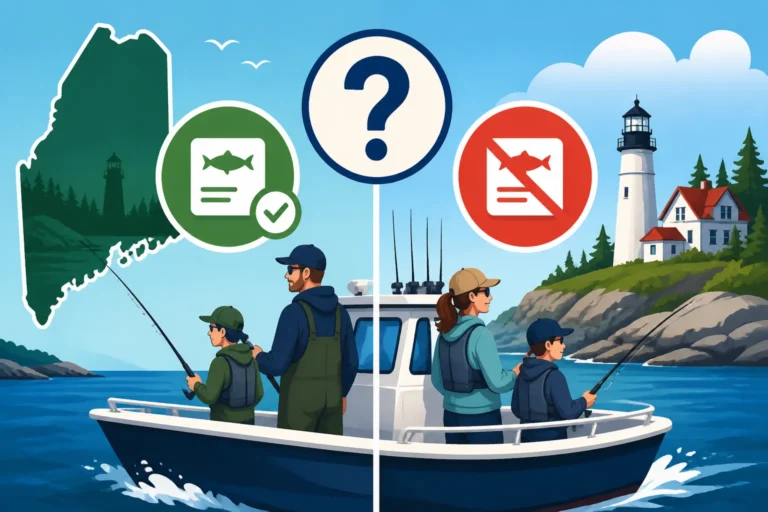
Maine's lakes are not all created equal, and neither are their rules. Each major lake, and often even individual coves or tributaries, can have its own set of special regulations concerning bag limits, length limits, and even approved fishing methods. Trying to decipher the complexities of the Maine Inland Fisheries and Wildlife rule book while also figuring out where the best fishing spots are can be a monumental task. You might find yourself scratching your head over zones, tackle restrictions, or even specific dates for certain species.
A professional guide lives and breathes these regulations. They know the ins and outs of every special rule for Moosehead Lake, the specific catch-and-release protocols for certain stretches of the Rangeley Lakes, and the varying Maine Bass Fishing Limits by Zone that can change from one end of a lake to the other. This means you can focus on the fishing, confident that you're staying within legal bounds and avoiding any potential fines or mishaps that could ruin your trip. They are your personal encyclopedia for Maine Fishing Regulations Explained.
Accessing Prime Fishing Spots and Local Knowledge
You could spend days, even weeks, on a new lake trying to find the "hot spots." You'd be burning gas, experimenting with different depths and lures, and likely coming up short more often than not. Maine's biggest lakes, like Sebago or the Rangeleys, have countless bays, drop-offs, feeder streams, and underwater structures that hold fish at different times of the year and even different times of day. Knowing where the fish are is half the battle, and that knowledge is often gained through years of trial and error.
A local guide has already put in those years. They have intimate knowledge of the lake's geography – where the smelt congregate, the specific rock piles where trophy togue might be lurking, or the submerged timber favored by smallmouth bass. They track water temperatures, understand currents, and observe insect hatches, all contributing to their ability to put you on fish. This isn't just about finding a spot; it's about understanding the subtle nuances of the ecosystem and how fish react to changing conditions.
Learning New Techniques and Species Behavior
Perhaps you're accustomed to fly fishing small trout streams, but now you want to try trolling for landlocked salmon on a big lake. Or maybe you've never tried jigging for lake trout through the ice before. Maine offers incredible opportunities for diverse fishing experiences, but mastering new techniques can be daunting. A guide isn't just a driver; they're a teacher and a mentor, right there by your side.
They can show you the precise retrieve for a certain lure, the correct trolling speed for Trolling Techniques for Maine Lakes, or how to properly set a tip-up for ice fishing. More importantly, they'll explain why these techniques work for specific species like Landlocked Salmon Fishing in Maine or Lake Trout and Togue Fishing in Maine at particular times. You'll gain valuable insights into fish behavior, their feeding patterns, and how environmental factors influence their movements, enriching your understanding far beyond just catching a fish.
What Types of Lake Fishing Guides Are There in Maine?
Just as there are many ways to fish Maine's magnificent lakes, there are also different types of guides specializing in various methods and species. Choosing the right guide means finding someone whose expertise aligns with your fishing goals and preferred style. It's like finding a tailor-made experience, ensuring you get the most out of your time on the water.
Fly Fishing Specialists
Maine's lakes, especially those in the northern and western regions, offer some truly world-class fly fishing opportunities, particularly for brook trout and landlocked salmon in their tributary rivers and sometimes even in the lake shallows during certain seasons. A fly fishing guide is an artist with a rod, intimately familiar with local hatches, presentation techniques, and delicate approaches needed for success. They understand the intricacies of Fly Fishing Techniques for Maine Rivers and can help you select the right patterns.
These guides often operate out of drift boats or wading small streams that feed into larger lakes, like the Roach River near Moosehead or rivers connecting the Rangeley Lakes. They can teach you everything from basic casting to advanced nymphing or dry fly techniques. If your dream is to cast a perfectly presented fly to a rising brook trout or a cruising salmon, a dedicated fly fishing guide will be your best bet, helping you read the water and understand the subtle art of the presentation.
Trolling and Gear Fishing Experts
For those looking to cover more water and target larger, deep-dwelling fish like landlocked salmon, lake trout (or "togue" as we call them here in Maine), or even hefty brook trout in deeper lakes, a trolling or gear fishing expert is essential. These guides typically operate larger boats equipped with specialized electronics, downriggers, and a vast array of rods and lures designed for diverse presentations. They're pros at using sonar to locate fish and structure.
They know the optimal depths, speeds, and lure colors for specific conditions and times of year. Want to chase trophy Landlocked Salmon Fishing in Maine on Sebago Lake or target big togue on Moosehead? These guides will have the gear, the boat, and the know-how to make it happen, often providing all the necessary tackle so you don't have to worry about bringing your own specialized equipment. They'll teach you about different lead core setups, dodgers, flashers, and how to effectively present bait or artificials in the column.
Ice Fishing Guides
When Maine's lakes freeze over, a whole new world of fishing opens up, but it comes with its own unique challenges and safety considerations. Maine Ice Fishing Rules Guide are critical to understand, and having an experienced ice fishing guide can transform a potentially cold and confusing outing into a warm, successful, and safe adventure. These guides aren't just about punching holes; they're about creating a comfortable and productive experience.
An ice fishing guide will provide everything from heated shelters, augers, tip-ups, and jigging rods, to bait and even a hot lunch on the ice. They'll know exactly where the fish are biting through the ice, understanding how fish move to different depths and structures in winter. They'll also be meticulously focused on ice safety, a paramount concern in the Maine winter. If you've ever wanted to experience the magic of Maine Ice Fishing Techniques Guide but felt unsure about tackling it alone, an ice fishing guide is the perfect solution.
Choosing the Right Lake Fishing Guide for Your Trip
Deciding to hire a guide is one thing; picking the right guide for your specific adventure is another entirely. With so many talented Registered Maine Guides out there, it can feel a bit like searching for a needle in a haystack. But by considering a few key factors, you can narrow down your options and find the perfect match for an unforgettable day on the water. It's about matching your expectations and desires with a guide's particular strengths.
Considering Your Target Species and Lake
The first and most crucial step is to define what you want to catch and where you want to fish. Do you have your heart set on a trophy landlocked salmon from Sebago Lake Fishing Guide? Are you hoping to connect with a native brook trout in the remote ponds accessible from the Moosehead Lake Fishing Guide region? Or perhaps you're keen on chasing smallmouth bass in the Belgrade Lakes Fishing Guide? Not all guides specialize in all species or all locations.
Some guides have spent their entire careers perfecting the art of catching togue on a specific lake, while others might be renowned for their expertise in fly fishing the upper reaches of a particular river for brook trout. Look for guides who explicitly state their proficiency in your target species and preferred body of water. A guide who primarily focuses on coastal striped bass, for example, might not be the ideal choice for a deep-water lake trout trip, even if they're generally excellent anglers.
Guide Experience and Specialties
Once you've identified your target, delve into the guide's experience and specific specialties. A Registered Maine Guide has met the state's stringent requirements for outdoor leadership, safety, and expertise. But within that broad category, individual guides cultivate their own niches. Some might be known for their patience with beginners and kids, making them perfect for Maine Family-Friendly Fishing Charters. Others might excel at putting experienced anglers on record-sized fish.
Don't be afraid to ask about their experience. How long have they been guiding that particular lake? What are their preferred techniques? Do they focus on catch and release or harvesting fish for a shore lunch? Websites like FishingBooker often provide detailed profiles for guides, including their years of experience, target species, and even reviews from previous clients. These platforms make it easier to compare and contrast guides based on their track record and specialties, helping you find someone who truly knows their stuff for your specific goals.
Group Size and Trip Style (e.g., family-friendly, remote wilderness)
Consider who will be joining you on the trip and what kind of experience you're looking for beyond just catching fish. Are you planning a solo adventure, a romantic getaway, or a multi-generational family outing? Some guides operate smaller boats perfect for one or two anglers seeking a focused, intense fishing day. Others have larger, more comfortable vessels suitable for families with children, offering a relaxed atmosphere where the emphasis is on fun and creating memories.
Think about the overall "vibe" you want. Are you seeking a rugged, multi-day Maine Overnight Guided Fishing Trips into the backcountry, requiring a guide skilled in wilderness survival and camping? Or do you prefer a half-day trip with all the comforts, including a heated cabin for ice fishing? Communicate your group size and desired trip style upfront. A good guide will be honest about whether their services and equipment are a good fit for your party, ensuring everyone has a positive experience.
What to Expect on a Guided Maine Lake Fishing Trip
Hiring a guide removes a lot of the logistical headaches, but knowing what to expect can help you prepare mentally and physically for the day. It’s about more than just showing up; understanding the typical flow and what’s usually provided ensures you can relax and fully immerse yourself in the fishing experience. Every guide is a little different, but there are some common threads that tie most lake fishing trips together in Maine.
Typical Trip Durations and Inclusions
Most Maine lake fishing guides offer either half-day or full-day trips. A half-day trip usually lasts around 4-5 hours, while a full-day can run 8-9 hours, sometimes even longer depending on the fish activity or travel time to remote spots. It’s important to clarify the exact duration when booking. What's included can vary significantly from guide to guide, so always ask for specifics.
Generally, the guide will provide the boat, fuel, and their expertise. Many also include all the necessary fishing gear – rods, reels, tackle, and bait. Some guides go above and beyond, offering a delicious shore lunch (especially on full-day trips), snacks, and non-alcoholic beverages. Don't assume anything; confirm whether lunch, drinks, or any specific amenities are part of the package. Knowing these details helps you plan what you need to bring yourself, like extra snacks or your preferred drinks.
Gear, Bait, and Licenses
A major benefit of hiring a guide is that they often supply high-quality gear perfectly suited for the local conditions and target species. This means you don't need to invest in specialized rods or tackle if you're just visiting, or worry about bringing your own. They'll have a variety of lures, flies, and bait on hand, constantly adjusting based on what the fish are biting. When considering Do Maine Fishing Guides Provide Bait and Tackle?, the answer is almost always yes, but it's good to confirm.
However, one thing guides do not provide is your personal fishing license. This is a crucial detail! Every angler aged 16 and older needs a valid Maine fishing license, even if you're fishing with a guide. Make sure you purchase your Maine Fishing License Guide in advance, either online through the Maine Department of Inland Fisheries and Wildlife website or from a local agent. While your guide won't provide the license itself, they can certainly offer guidance on How to Get a Maine Fishing License or where to buy one locally if you haven't already.
Safety Considerations and What to Bring
Safety is paramount, especially on large lakes where weather can change quickly. Your guide is a trained professional who prioritizes your safety. They will have all the necessary safety equipment on board, including life jackets, first-aid kits, and communication devices. Listen carefully to their safety briefing at the beginning of the trip. On the water, they'll make decisions based on wind, waves, and any approaching storms, sometimes even cutting a trip short for everyone's well-being.
As for what to bring, think about comfort and preparation. Layers of clothing are always a good idea in Maine, as mornings can be chilly even in summer, and afternoons warm up. Bring rain gear, even if the forecast looks clear. Sunscreen, sunglasses, and a hat are essential for sun protection. A camera is a must for capturing those memorable catches. And don't forget any personal medications you might need. If you're ice fishing, warm waterproof boots, gloves, and a heavy coat are indispensable – check out What to Wear Ice Fishing in Maine Winters for more tips.
The Cost of Hiring a Maine Lake Fishing Guide
Let's be real, price is often a major consideration when planning any trip. While hiring a Maine lake fishing guide isn't always the cheapest option, it's an investment in a high-quality, often more successful, and certainly less stressful fishing experience. Understanding the factors that influence guide rates can help you budget appropriately and see the value in what you're paying for. You're not just paying for a boat ride; you're paying for expertise, equipment, and a curated adventure.
Factors Influencing Guide Rates
Several things can affect How Much Does a Maine Fishing Guide Charge?. First and foremost is the duration of the trip – half-day trips are naturally less expensive than full-day excursions. The number of anglers in your party also plays a role; some guides charge a flat rate for a small group (e.g., 1-2 people) and an additional fee per person beyond that. More specialized trips, like multi-day wilderness expeditions or those requiring extensive logistical planning for remote access, will command higher prices.
The type of fishing can also influence cost. A guide with a fully rigged boat for deep-water trolling, complete with high-end electronics and specialized tackle, often has higher operating costs than a fly fishing guide who might mostly wade or use a smaller drift boat. The guide's experience and reputation can also factor in; highly sought-after guides with years of consistent success might charge a premium for their expertise. Remember, these rates cover not just their time on the water, but also preparation, maintenance of expensive equipment, insurance, and continued education on fish behavior and regulations.
Comparing Half-Day vs. Full-Day Options
The choice between a half-day and a full-day trip often comes down to your budget, time availability, and how intensely you want to fish. A half-day trip is a fantastic option for beginners, families with young children, or those just looking for a taste of Maine lake fishing without a huge time commitment. It's also a great way to try out a guide service before committing to a longer trip. The Maine Half-Day Charter Price Range will always be more approachable.
However, a full-day trip generally offers more value and a richer experience. It allows for more travel time to prime fishing spots, more time to adapt to conditions, and often includes a relaxing lunch break on the water or shore. Fish activity can fluctuate throughout the day, and a full-day trip maximizes your chances of hitting those peak bite windows. You get more time to learn from your guide and truly immerse yourself in the environment. While the Maine Full-Day Charter Price Range is higher, the per-hour cost can often be lower, and the overall experience more comprehensive.
Understanding Deposits and Cancellation Policies
Virtually all reputable Maine lake fishing guides require a deposit to secure your booking, especially during peak season. This deposit protects the guide against last-minute cancellations, as their schedule is their livelihood. The amount of the deposit can vary but is often a percentage of the total trip cost or a flat fee. Be sure to clarify the payment methods accepted for both the deposit and the final payment.
It's equally important to understand the guide's cancellation policy. Life happens, and sometimes plans change. Most guides have policies regarding weather cancellations (e.g., if the guide deems conditions unsafe, they'll often reschedule or offer a refund) and client cancellations (e.g., requiring a certain number of days' notice for a refund of your deposit). Don't be shy about asking for this information upfront. A transparent guide will gladly explain their terms, preventing any misunderstandings down the line. FishingBooker, for example, often standardizes cancellation policies, making it easier for clients to understand.
Booking Your Maine Lake Fishing Guide
You've decided what you want to catch and where, and you're ready to commit. Now comes the practical step of actually booking your guide. This process involves a bit of research, some timely decision-making, and clear communication. A well-planned booking experience ensures a smooth start to your much-anticipated fishing adventure.
Finding Reputable Guides
The best way to find a reputable guide is often through word-of-mouth recommendations. Ask friends, family, or local tackle shops if they have any guides they trust. The Maine Department of Inland Fisheries and Wildlife website is also a great resource for finding lists of Registered Maine Guides and licensed guides, ensuring they meet state standards. Online platforms have also revolutionized how anglers connect with guides.
Websites like FishingBooker provide a vast directory of guides across Maine, often with detailed profiles, customer reviews, photos, and direct booking capabilities. These platforms allow you to filter by location, species, fishing technique, and even boat type. You can read genuine feedback from other anglers, giving you confidence in your choice. When it comes to Hiring a Maine Fishing Guide, using a platform can often simplify the search and booking process, offering peace of mind through secure payment processing and clear communication channels.
When to Book in Advance
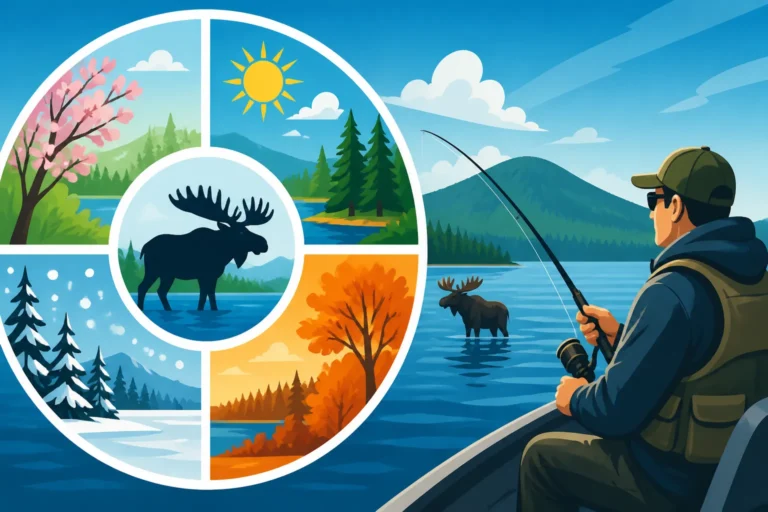
Maine's peak fishing seasons – late spring, summer, and early fall – are incredibly popular. The best guides, especially those specializing in highly sought-after species or locations like the Rangeley Lakes Landlocked Salmon Fishing in Maine or Moosehead Lake Togue Fishing Spots in Maine, book up quickly. If you have specific dates in mind, particularly for weekends or holidays, it's highly advisable to book your guide months in advance.
For popular ice fishing dates, like during the Maine Valentine's Weekend Free Ice Fishing Days or Maine Memorial Day Weekend Free Fishing Days (though you still need a guide if you want their services, even on free days), booking well ahead of time is also crucial. Last-minute bookings are sometimes possible, especially during off-peak times or weekdays, but your options might be limited. The general rule of thumb is: if you know your dates, book as soon as you can to avoid disappointment. Consider checking Best Season to Book a Maine Charter for guidance.
Asking the Right Questions Before You Commit
Before you put down a deposit, have a conversation with your potential guide. This is your opportunity to ask clarifying questions and ensure you're on the same page. Don't hesitate to inquire about anything that's on your mind. A good guide will appreciate your thoroughness and be happy to provide all the information you need.
Here are some essential questions to ask:
- "What's your typical fishing strategy for the lake and target species during my planned dates?"
- "What do you provide (rods, reels, tackle, bait, drinks, snacks, lunch)?"
- "What should I bring (clothing, food, drinks, sunscreen, camera)?"
- "What's your policy for bad weather or cancellations?"
- "How do you handle catch-and-release versus keeping fish?" (if you have a preference)
- "Do I need to purchase a fishing license in advance?" (Always yes, but good to confirm specifics)
Clear communication upfront helps avoid surprises and ensures everyone has a fantastic day on the water. This initial conversation is also a great way to get a feel for the guide's personality and whether they're a good fit for you and your group.
Making the Most of Your Guided Fishing Experience
You've done the research, booked your guide, and the day is finally here! To ensure you get the absolute most out of your investment and create lasting memories, there are a few things you can do during the trip itself. A successful guided trip is a collaborative effort, and your engagement can significantly enhance the experience.
Communication with Your Guide
Your guide is a wealth of knowledge, but they're not mind-readers. Don't be afraid to communicate throughout the day. If you're cold, if you need a break, if you have a question about a particular lure, or if you just want to learn more about the local ecosystem – speak up! They are there to provide you with an enjoyable and educational experience.
If you're a beginner, let them know so they can tailor their instructions and pace to your skill level. If you're an experienced angler looking to refine a specific technique, tell them that too. Open communication ensures that your guide can adapt to your needs and preferences, maximizing your chances of success and satisfaction. It's a two-way street; the more information you share, the better they can serve you.
Tipping Etiquette
Just like in other service industries, tipping your Maine fishing guide is customary and greatly appreciated, especially if they've provided an excellent experience. Think of it as a recognition of their hard work, expertise, and dedication to making your day successful. Guides work long hours, often starting well before dawn to prepare and finishing long after you've left, cleaning boats and tackle.
The general guideline for Tipping Etiquette for Maine Fishing Guides is usually around 15-20% of the total trip cost. If your guide went above and beyond – perhaps they were exceptionally patient, found fish in tough conditions, or went out of their way to make the trip special for a child – a more generous tip is always a wonderful gesture. Hand the tip directly to the guide at the end of the trip, perhaps with a sincere thank you.
Being Prepared for Maine's Conditions
Maine weather is famously unpredictable. A sunny morning can quickly turn into a chilly, rainy afternoon, even in the summer. Being prepared for all possibilities will make your day much more comfortable and allow you to focus on the fishing, not on being cold or wet. We've talked about what to bring already, but it bears repeating: layers are your best friend.
A waterproof and windproof outer layer is almost always a good idea, regardless of the forecast. Comfortable, non-slip footwear is also essential for safety on a boat. Bring plenty of water to stay hydrated, and any snacks you might want between meals. If you're prone to motion sickness, take preventative measures before the trip. The more comfortable and prepared you are, the more you'll enjoy the stunning scenery and incredible fishing opportunities that Maine's lakes have to offer.
Disclaimer
This article is for general informational purposes only and does not constitute professional advice. Laws, prices and regulations vary by location and change over time. Consult a qualified professional for guidance on your specific situation.