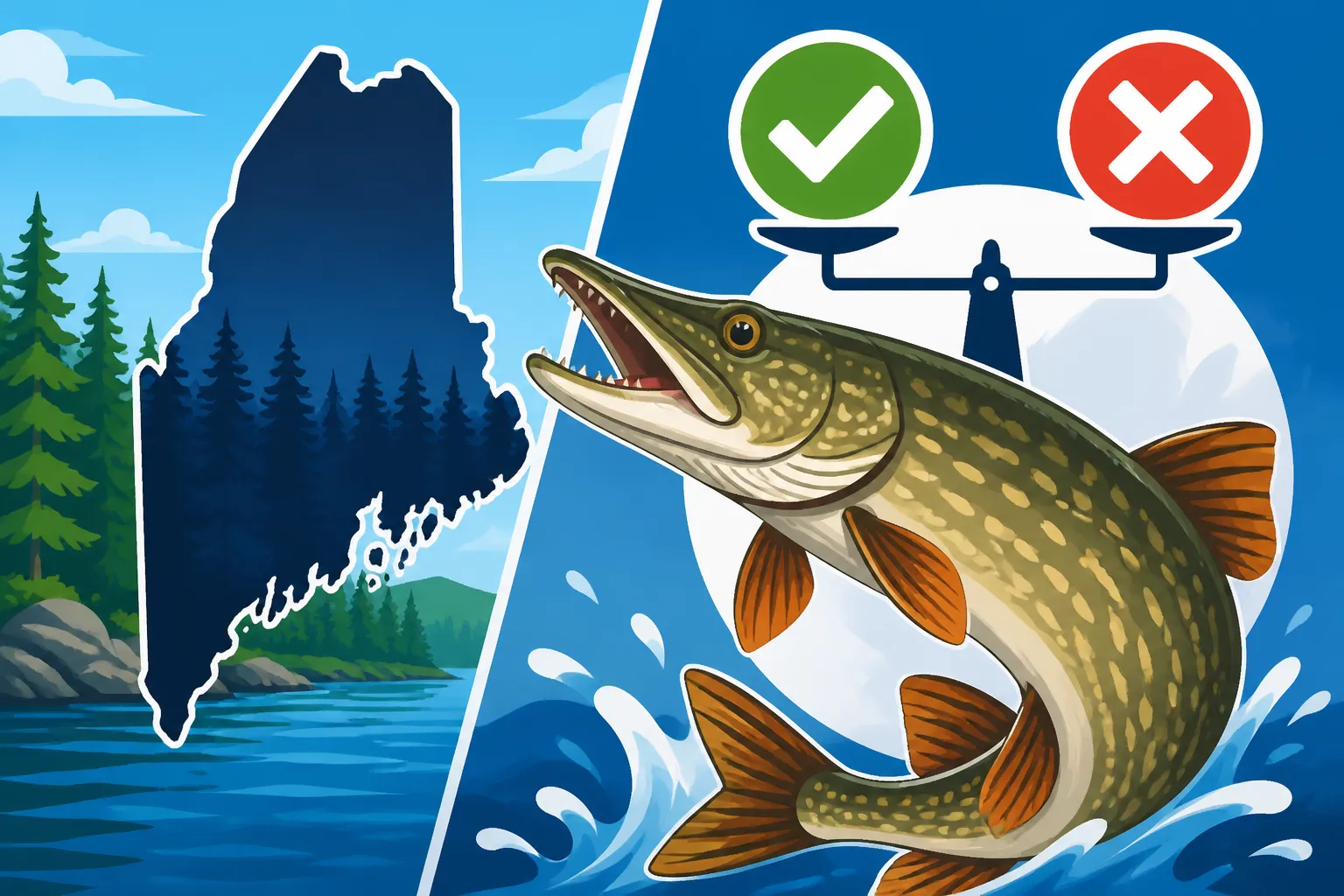
Can You Keep Northern Pike in Maine No Limit?
It's a question many anglers new to Maine, or those who’ve heard the whispers around the local bait shop, often ask: "Can you keep Northern Pike in Maine, no limit?" The short answer is yes, in many waters, you're not only allowed but encouraged to keep every Northern Pike you catch. This guide will dive deep into why this is the case, what it means for you as an angler, and how you can contribute to protecting Maine's cherished native fish populations.
The Truth About Northern Pike Limits in Maine
When you hear "no limit" for a species, it's natural to pause and wonder why. For most game fish, there are strict rules about size and quantity. But Northern Pike are a different story in many of Maine's waters, and understanding their impact is key to grasping the regulations.
Why No Limit? Understanding the Invasive Threat
Northern Pike (Esox lucius) are not native to Maine. They were illegally introduced into several of our pristine lakes and river systems, likely by well-meaning but ultimately harmful individuals attempting to create new fisheries. The problem is, Northern Pike are voracious predators, and they grow big. They sit at the top of the food chain in many of the waters they invade, preying indiscriminately on everything from smaller fish to frogs, ducklings, and even small mammals.
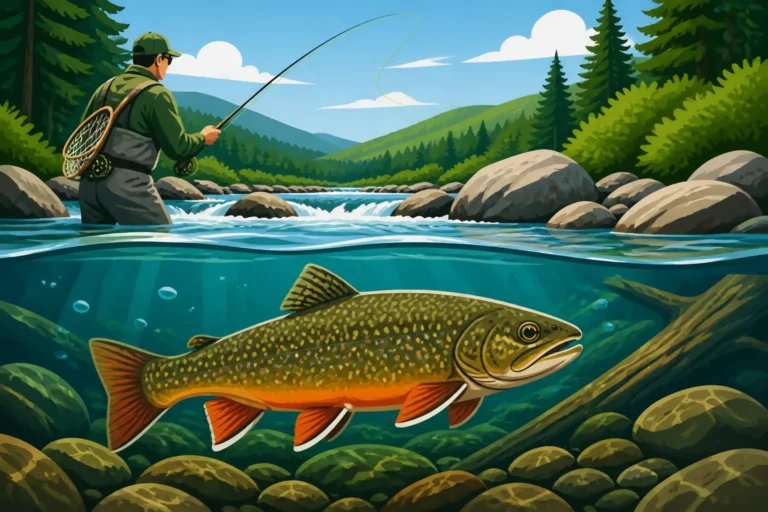
Their presence poses a severe threat to Maine's native fish populations, including the beloved brook trout, landlocked salmon, and togue (lake trout), as well as various species of bass and crucial baitfish like smelt. These native species have evolved without such an aggressive predator in their ecosystems, making them highly vulnerable. When pike get established, they can quickly decimate native fish stocks, disrupting the entire aquatic food web. The "no limit" regulation isn't about promoting pike fishing for its own sake; it's a management strategy. By encouraging anglers to remove every pike they catch, the state aims to help control these invasive populations and give native species a fighting chance. It's a direct way for you, the angler, to participate in conservation. Imagine finding a beautiful, vibrant native brook trout with distinctive pike bite marks—it's a stark reminder of the threat these invasives pose.
Where Northern Pike Call Home in Maine
While the "no limit" rule generally applies to Northern Pike, it's crucial to know where these fish are actually found. Pike are established in several key watersheds in Maine. Historically, they were first introduced into the Belgrade Lakes chain, and from there, they have spread. You'll find them predominantly in the central and southern parts of the state. Significant populations exist in the Belgrade Lakes, the Androscoggin River drainage, and connected waters. Anglers have also reported catches in other areas, and new populations can sometimes emerge, often due to further illegal stocking.
It's always, always best practice to consult the current Maine Fishing Regulations Explained book or the Maine Department of Inland Fisheries and Wildlife (MDIFW) website for the most up-to-date information on specific water bodies. Regulations can change, and what applies to one lake might not perfectly translate to another, especially if a new population is discovered. Discovering that a familiar, favorite trout pond is now showing signs of pike, dramatically altering the fishing experience, can be frustrating for many. Keeping abreast of the regulations helps you understand these changes and your role.
The Difference: "No Limit" vs. "Catch and Release"
Most responsible anglers understand and adhere to catch-and-release practices for certain species, especially native or vulnerable ones. This involves carefully handling the fish, minimizing stress, and quickly returning it to the water to ensure its survival and the health of the population. For Northern Pike in designated waters, the philosophy is entirely reversed.
"No limit" means exactly that: there are no daily bag limits, no minimum or maximum size restrictions, and no closed seasons. The intent is to encourage the removal of every pike you catch. This isn't about recreational harvest in the traditional sense; it's about ecological management. If you hook a small, 18-inch pike, you should keep it and remove it from the ecosystem. The idea is to reduce the population density and, hopefully, the predatory pressure on native species. It’s a conservation effort that relies heavily on angler participation. Releasing a pike, even a small one, allows it to continue growing and preying on valuable native fish. Your choice to remove it makes a direct, positive impact on Maine's aquatic health.
Identifying and Catching Northern Pike
Before you can effectively contribute to pike management, you need to know how to identify them and the best ways to target them. Many anglers are familiar with Maine's native game fish, but pike require a slightly different approach.
How to Spot a Pike: Key Identification Features
Northern Pike are unmistakable once you know what to look for, but they are sometimes confused with their smaller, native cousin, the chain pickerel. Mistaking a pike for a pickerel, or vice-versa, could lead to accidentally violating regulations, as pickerel often have different limits.
Here’s what sets pike apart:
- Body Shape: They have a long, slender, torpedo-shaped body, perfectly designed for ambush predation.
- Snout: Their most defining feature is their large, flattened, duck-bill shaped snout, packed with rows of razor-sharp teeth.
- Coloration: Pike typically have light, bean-shaped spots or markings against a darker green, olive, or brownish background. The spots are usually lighter than the body color.
- Fin Placement: The dorsal fin is set far back on the body, close to the tail, which is common among ambush predators.
- Pore Count: A definitive way to tell the difference from a pickerel is the number of pores on the underside of the jaw. Pike generally have 5 or more pores on each side, while chain pickerel have 4.
Always be sure of your identification. If in doubt, consult a reputable identification guide or the MDIFW resources. Misidentifying a protected native fish could be an issue, though less common with pike than other species.
Here's a quick comparison:
| Feature | Northern Pike | Chain Pickerel |
|---|---|---|
| Markings | Light, bean-shaped spots on dark background | Dark, chain-like pattern on light background |
| Snout Shape | Flatter, more duck-bill like | More pointed |
| Jaw Pores | 5 or more on each side (underside) | 4 on each side (underside) |
| Size Potential | Much larger (often 2-foot plus, up to 20+ lbs) | Smaller (typically under 24 inches, 5 lbs) |
| Native Status | Invasive in Maine | Native to Maine |
Effective Techniques for Targeting Pike
Pike are aggressive and opportunistic feeders, which means they'll strike a wide variety of baits and lures. The key is often to use presentations that mimic their natural prey or trigger their predatory instincts.
- Lures: Large spoons (like Daredevils or Little Cleos), spinnerbaits with big blades, and jerkbaits are classic pike killers. They love flashy, erratic movements. Big soft plastic swimbaits, especially those designed to imitate a dying baitfish, can also be very effective. Work these lures with a retrieve that includes pauses and twitches, mimicking an injured fish.
- Live Bait: Where legal, large live bait, such as suckers or shiners, can be incredibly effective. Rig them under a float or on a quick-strike rig, allowing them to swim freely. Pike often engulf live bait, so give them time to run with it before setting the hook.
- Location: Look for pike in weedy bays, around submerged structure like fallen trees, and along drop-offs where they can ambush passing prey. They are often found in relatively shallow water, especially in spring and fall, but will retreat to deeper, cooler water during the heat of summer.
- Ice Fishing: Pike are also popular targets during ice fishing season. Tip-ups rigged with large live shiners or dead baitfish are deadly. You'll often find them cruising just under the ice or along weed lines. How Many Lines Are Legal for Maine Ice Fishing?
One common frustration new pike anglers face is bite-offs. Their teeth are like tiny surgical blades! Many stories circulate about anglers losing a perfectly good spoon or spinnerbait to a pike's powerful jaws. This is why a heavy leader material is absolutely essential.
Recommended Gear for Pike Fishing
To successfully land and safely handle Northern Pike, you'll need gear that can stand up to their size, strength, and formidable teeth.
- Rod and Reel: A medium-heavy to heavy action spinning or baitcasting rod, typically 6 to 7.5 feet long, paired with a stout reel spooled with 20-30 pound braided line is a good starting point. Braided line offers excellent sensitivity and strength.
- Leader Material: This is non-negotiable. Pike will easily cut through monofilament or fluorocarbon. Use a steel, titanium, or heavy-duty fluorocarbon (80-100 lb test) leader, at least 12 inches long, to prevent bite-offs. You can find excellent pre-made leaders or bulk material on sites like Amazon if your local shop is out.
- Pliers/Jaw Spreaders: Long-nose pliers are critical for safely removing hooks from a pike's mouth. Even better, a pair of jaw spreaders can keep their mouth open, giving you safe access to the hook without putting your fingers in harm's way. Remember, they have teeth everywhere, not just in the front!
- Gloves: Heavy-duty gloves can protect your hands from their teeth and gill plates, which are also sharp.
- Landing Net: A large, rubberized landing net is ideal for safely bringing pike into the boat or onto the ice, protecting both you and the fish (if you plan to handle it for a photo before dispatching). Avoid knotless nylon nets, as hooks can get tangled, and the rough material can harm the fish if you decide to release it (which, for pike, you generally shouldn't!).
- Fillet Knife: If you're planning to keep and eat your catch (which is encouraged!), a sharp, flexible fillet knife will be essential. You can often find highly-rated options for filleting fish on Amazon, which are useful for any species you decide to harvest.
Having the right tools not only makes the experience safer and more enjoyable but also allows you to handle the fish properly and fulfill your role in invasive species management.
Handling Your Catch and Contributing to Conservation
Catching a Northern Pike is exciting, but how you handle it afterward is just as important as the catch itself. For invasive species, your actions directly contribute to the health of Maine's native fisheries.
Safe Handling and Ethical Dispatch of Pike
Once you've landed a pike, careful handling is paramount, not just for the fish but for your safety. Those teeth are no joke!
- Secure the Fish: If possible, net the fish headfirst. Once in the net, keep it calm.
- Use Tools: Employ long-nose pliers or jaw spreaders immediately to open its mouth and extract the hook. Never put your bare fingers near a pike's mouth.
- Support the Body: If you're going to hold the fish for a quick photo, support its body horizontally. Avoid holding large pike vertically by the jaw or gills, as this can damage their internal organs.
- Dispatch: Since the goal is removal, ethical dispatch is the next step. A quick, firm blow to the head or severing the spinal cord behind the head is humane. Avoid prolonged suffering.
- Do Not Release: Unless explicitly stated otherwise for a highly specific body of water (which is rare for pike), do not release Northern Pike back into the water. Even a small pike can quickly grow and continue its destructive impact on native fish. Many anglers, with the best intentions, might try to revive a fish, but in the case of pike, the most effective conservation action is permanent removal from the ecosystem. This can feel counterintuitive if you've been practicing catch and release for other species, but it's a critical distinction for invasive species.
Cleaning and Preparing Northern Pike for the Table
Northern Pike have a reputation for being bony, and this deters some anglers from keeping them. However, with the right cleaning technique, they can be excellent table fare. Don't let the bones discourage you from removing them from Maine's waters!
- The "Five-Fillet" Method: This technique is specifically designed to work around the Y-bones that run along the back of the pike. Instead of two large fillets, you effectively get five smaller, boneless pieces of meat. It requires a bit of practice and a very sharp, flexible fillet knife available on Amazon, but it's well worth the effort. There are many online tutorials (YouTube is a great resource) that visually demonstrate this method.
- Taste: Pike meat is firm, white, and mild, with a flaky texture when cooked. It's often compared to walleye or cod.
- Cooking Suggestions: Once filleted, pike can be baked, fried, grilled, or even pickled. Frying often brings out the best in their mild flavor, especially when coated in a light batter. Pickling is a traditional method that completely dissolves any remaining small bones, making the fish incredibly tender.
- Eat Your Catch: By consuming the pike you catch, you’re completing the cycle of responsible management. It’s a sustainable way to enjoy your fishing efforts while directly contributing to the restoration of native fish populations. You might even surprise a skeptical friend who thought pike were only "trash fish" with how delicious they can be!
Beyond the Hook: Anglers as Stewards
Your role as an angler in Maine extends beyond simply casting a line and knowing the Maine Fish Bag Limits Guide. When it comes to invasive species like Northern Pike, you become an active steward of our precious aquatic resources.
- Report Sightings: If you catch a Northern Pike in a water body where it's not known to be established, or if you suspect illegal activity like stocking, report it immediately to the MDIFW. Your observations are vital for early detection and rapid response.
- Prevent Spread: Always clean, drain, and dry your boats, trailers, and fishing gear (including waders and nets) thoroughly between fishing trips, especially when moving between different water bodies. This prevents the accidental transfer of invasive species, including small pike, their eggs, or even aquatic plants that can harbor invasives.
- Never Transfer Fish: It is strictly illegal to transport live fish from one water body to another without a permit. The vast majority of invasive fish introductions are a result of "bucket biology" – someone moving fish in a bucket or livewell. The consequences of illegally stocking fish are severe, both legally and ecologically. Understanding this is as important as knowing What Happens If You Fish in Maine Without a License?.
- Educate Others: Share your knowledge with fellow anglers. Many people simply aren't aware of the threat posed by Northern Pike or the "no limit" regulation. By spreading the word, you can multiply the positive impact. Protecting Maine's Brook Trout Daily Bag Limits and Landlocked Salmon Fishing in Maine depends on every angler's vigilance.
Related Regulations and Further Information
While the "no limit" rule for Northern Pike in certain Maine waters is straightforward, it's part of a broader regulatory framework designed to protect and manage our diverse fisheries.
General Law vs. Special Regulations
Maine’s fishing regulations are generally divided into "General Law" and "Special Regulations." General Law applies statewide unless a specific water body has a different rule. However, many individual lakes, ponds, and rivers have "special regulations" that supersede the general law. These special regulations might dictate specific fishing methods, season dates, or length and bag limits for various species.
For Northern Pike, while the "no limit" typically falls under an overarching invasive species management policy, you should always check the special regulations for the specific water you are fishing. While it's highly unlikely you'll find a limit on pike in an infested water, there might be other rules about bait, gear, or access that apply. The MDIFW produces an annual regulation book, which is also available online and often through a mobile app. Familiarizing yourself with these resources, as outlined in guides like Maine Fishing Laws for Beginners, is crucial for any responsible angler. Even if a lake has a special rule for Togue Minimum Length Limit in Maine, the pike caught in that same water will still be subject to the "no limit" rule.
Preventing Further Introductions
The illegal introduction of fish, often referred to as "bucket biology," is a significant threat to Maine's aquatic ecosystems. Northern Pike are a prime example of the devastating consequences of such actions. These introductions usually occur when someone catches a fish and, thinking they're improving a local pond or creating a new fishing opportunity, releases it into another body of water where it doesn't belong.
The state of Maine takes this very seriously. Transporting live fish, or eggs, from one water to another without specific authorization is illegal and carries stiff penalties. The ecological cost is far greater, however, as invasive species can permanently alter habitats, outcompete native fish for food, and introduce diseases. Every angler has a responsibility to prevent this. This means never using live bait from one watershed in another, always disposing of unused bait properly (not releasing it), and being vigilant about cleaning your gear. Knowing these rules is paramount, perhaps even more so than understanding How to Identify a Togue vs Lake Trout.
The Future of Pike Management in Maine
The fight against invasive species like Northern Pike is an ongoing battle. The MDIFW continually monitors pike populations, conducts research, and implements management strategies. These efforts can include targeted removal programs, public education campaigns, and strict enforcement of regulations against illegal introductions.
Anglers play a critical role in the success of these efforts. By adhering to the "no limit" policy, properly identifying and removing pike, and reporting new sightings, you become an indispensable partner in conservation. The goal is to protect and restore Maine's native fisheries, ensuring that future generations can enjoy the unique and diverse angling opportunities our state offers. Without proactive measures and angler support, the spread and impact of invasive species like pike, which we also see with Invasive Fish Species in Maine Lakes, would be much worse. Understanding What Is Northern Pike Doing to Maine Trout Waters? helps put your individual effort into context within this larger fight.
Disclaimer
This article is for general informational purposes only and does not constitute professional advice. Laws, prices and regulations vary by location and change over time. Consult a qualified professional for guidance on your specific situation.