How Big Do Brook Trout Get in Maine?
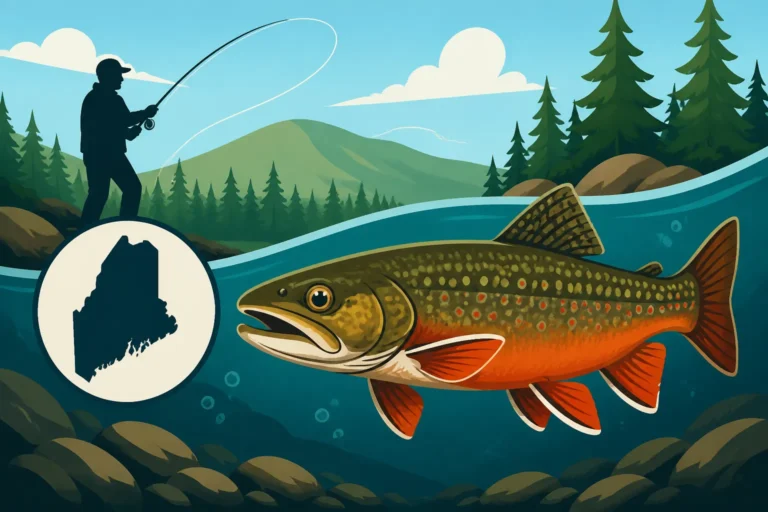
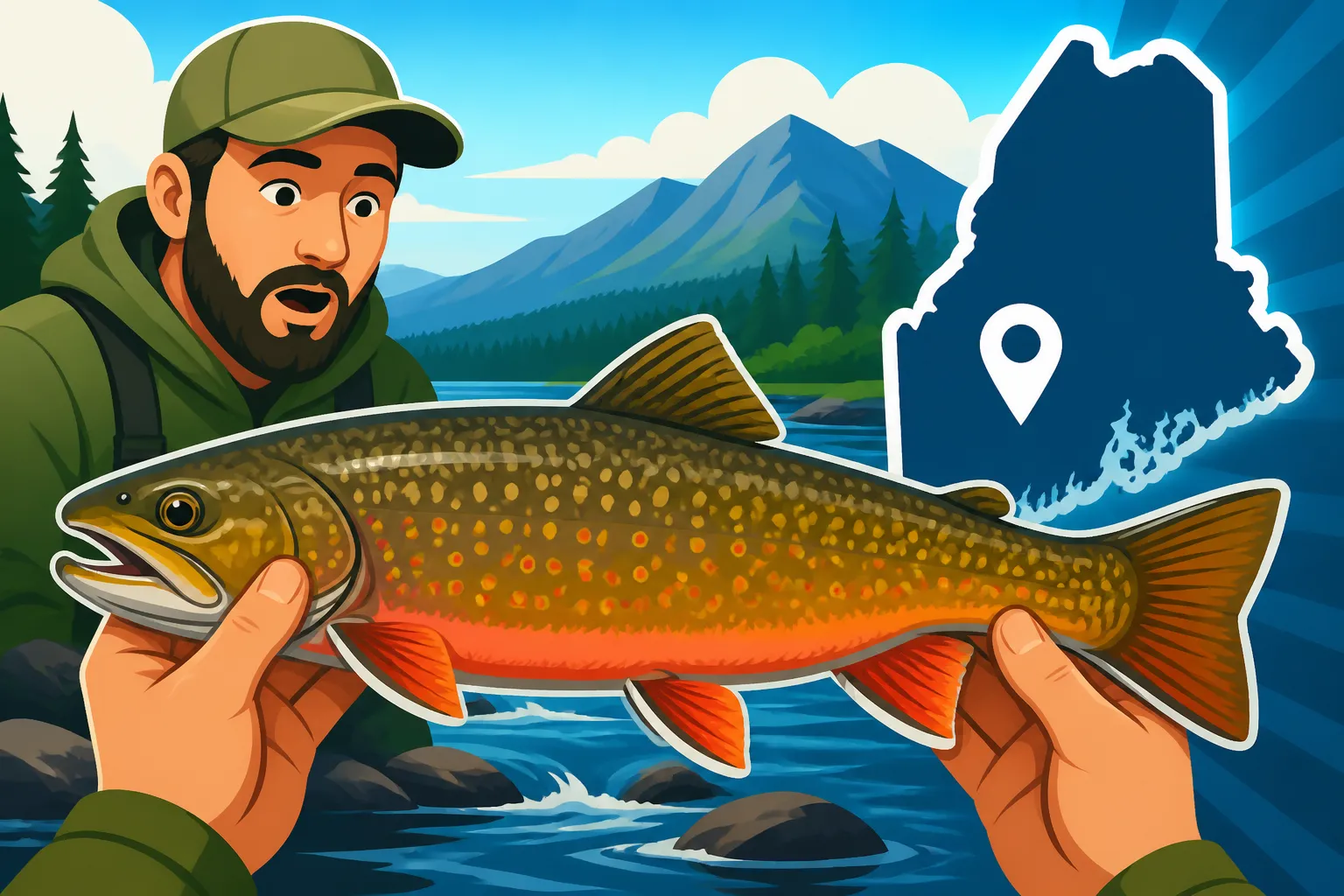
Oh, the elusive Maine brook trout! There's something truly special about these fish, isn't there? From their vibrant colors to the pristine waters they call home, they capture the hearts of anglers young and old. And let's be honest, while every brook trout is a gem, there's always that little voice in our heads wondering, "How big can they really get?" It's a question that sparks daydreams of giant, olive-backed beauties with crimson spots. If you've ever found yourself wondering about the realistic size expectations, what it takes to find a bigger one, or if those legendary monsters are truly out there, you're in the right place. This guide is here to unravel the mysteries of brook trout size in Maine, helping you understand what makes them grow, where to look, and what you might actually encounter on your next adventure.
The Allure of Maine's Brook Trout: More Than Just a Fish
For many of us who love to wet a line in Maine, the brook trout holds a special place. It’s not just a fish; it’s an icon of our wild, clear waters. There's a certain magic to pulling a vibrant, wild brook trout from a secluded stream, its colors popping against the cool, clear water. The curiosity about their size is completely natural, a testament to the thrill of the chase and the beauty of the species.
Why Size Matters (and Why It Doesn't Always)
Let's be real, who doesn't dream of catching a "trophy" brook trout? We see photos in magazines, hear whispers of old-timers' catches, and it fuels our desire to land a true behemoth. There's a romanticized ideal of a foot-and-a-half long brook trout, and the pursuit of such a fish can drive countless hours on the water. That feeling of a solid tug on your line, knowing it could be "the one," is undeniably exciting. We all want to tell that story of the monster we caught, or at least the one that got away!
However, it's also important to remember that the joy of brook trout fishing in Maine isn't solely dependent on the tape measure. Many of our most cherished memories involve smaller, feisty wild brook trout from tucked-away brooks. These fish, often just 6 to 8 inches, fight with surprising vigor, possess incredible patterns, and live in truly breathtaking settings. The experience of being out in nature, the quiet solitude, the crisp air, and the simple act of casting a line—these are the true trophies, regardless of the fish's dimensions. So, while we'll certainly delve into how big they can get, remember that every brook trout caught in Maine is a triumph of nature.
General Expectations for Brook Trout Size in Maine
So, what can you actually expect when you hit the water? In many of Maine's smaller streams, rivers, and even some ponds, a typical brook trout will range from 6 to 10 inches. These are healthy, beautiful fish, and catching a dozen of them in a morning is a fantastic experience. They're often abundant, aggressive, and a joy on a light rod.
Move up to slightly larger ponds or smaller lakes with good habitat and a decent food source, and you'll regularly start encountering brook trout in the 10- to 14-inch range. A 12-inch brook trout is considered a really respectable fish in most Maine waters, a solid catch that will put a good bend in your rod. When you start getting into the 14- to 16-inch range, you're talking about a genuinely "good" fish, one that many anglers will be thrilled to land. These are the fish that often have that deep, robust body shape, indicating a healthy life in productive water.
Now, for those true giants – the ones that make your heart pound just thinking about them – we're typically looking at fish 16 inches and above, sometimes pushing 20+ inches. These are rare, exceptional fish, and they usually come from very specific types of waters. We’re talking about brook trout that have found an ideal environment with abundant forage, minimal competition, and plenty of room to grow. It’s a different ballgame when you're targeting these bigger fish, and it often requires different tactics and a good understanding of their habitat.
It's also worth noting that while length is a good indicator, weight is the true measure of a "beefy" trout. A 16-inch brook trout from a lean, cold stream might weigh a pound or a pound and a half, while a 16-inch brook trout from a rich, smelt-filled lake could easily tip the scales at two or even three pounds. That difference in girth is often what truly defines a "trophy" in the eyes of many seasoned anglers.
Factors Influencing Brook Trout Size in Maine Waters
The size a brook trout can achieve in Maine isn't a random roll of the dice; it's a complex interplay of environmental factors, genetics, and even human influence. Understanding these elements can significantly improve your chances of finding those larger fish.
Water Quality and Habitat Health
At the heart of every thriving brook trout population, especially those producing larger fish, is pristine water quality and robust habitat. Brook trout are salmonids, meaning they require cold, clean, and well-oxygenated water to survive and grow. Maine, with its vast tracts of undeveloped wilderness and countless spring-fed lakes and streams, provides some of the best conditions for these finicky fish.
Think about it: a stream choked with sediment, warmed by excessive runoff, or lacking natural cover simply won't sustain large, healthy brook trout. But a wild, tumbling stream with a gravel bottom, deep pools, and plenty of shade from overhanging trees? That's brook trout paradise. These pristine conditions allow the fish to metabolish food efficiently, avoid thermal stress, and remain healthy. Larger lakes, too, must have a deep, cold-water refuge during the warmer months, often called a hypolimnion, where brook trout can escape surface heat. Without these crucial coldwater sanctuaries, even the most food-rich lake won't produce big brook trout. The presence of natural structures like fallen trees, large boulders, and undercut banks also provides essential cover from predators and strong currents, allowing fish to conserve energy and grow.
Food Availability and Forage Base
Just like any other creature, a brook trout's growth is directly tied to its diet. If you live in a place with a consistent "all-you-can-eat buffet," you're likely to get bigger than someone on a meager diet. For brook trout, this means access to a rich and varied forage base.
In smaller streams, their diet primarily consists of aquatic insects (caddisflies, stoneflies, mayflies), terrestrial insects (grasshoppers, ants, beetles that fall into the water), and small crustaceans. In these environments, even a 10-inch fish is often a significant accomplishment because the food chain simply can't support much larger growth.
However, when you introduce brook trout to larger lakes and ponds that also host a thriving population of baitfish, particularly rainbow smelt, that's when things get exciting. Smelt are incredibly calorie-dense, providing the energy and nutrients necessary for brook trout to pack on serious weight and length. These "smelt eaters" are the ones that grow into true lunkers, sometimes pushing well over the 2-pound mark. They essentially hit the genetic lottery by having an endless supply of high-quality protein. You'll often find anglers specifically seeking out lakes known for their healthy smelt runs when targeting trophy brook trout. Many anglers buy specialized lures on Amazon that perfectly imitate the size and flash of a smelt, knowing it's what those big trout are keyed into.
Genetics and Strain Variation
Not all brook trout are created equal, and genetics play a role in their ultimate size potential. Maine has both wild, native populations that have evolved over millennia, and stocked populations introduced by the state's fishery management programs.
Wild, native brook trout are often incredibly resilient and perfectly adapted to their specific environments. Their growth rates might be slower in some systems, but they are genetically predisposed to survive and thrive in Maine's challenging waters. In some remote, lightly fished waters, these native strains, often referred to as "heritage brook trout," can attain impressive sizes due to optimal conditions and lack of pressure.
Stocked fish, on the other hand, are often bred for faster growth rates in hatchery environments. While they provide excellent angling opportunities, their growth potential in the wild can vary. Some stocked fish adapt well and grow large, especially if released into waters with a good food base. However, generally speaking, the most impressive brook trout sizes tend to come from waters that support a strong, self-sustaining wild population or from lakes where stocked fish integrate well into a rich natural forage base. The state manages hundreds of waters for brook trout, and these include both wild and stocked fisheries, each with their own unique characteristics and size potential.
Fishing Pressure and Regulation
Human activity, specifically fishing pressure and the regulations put in place to manage it, significantly impacts the average size of brook trout in a given water body.
Waters that receive heavy fishing pressure tend to have a lower average size of fish. Why? Because the larger, older fish are often the first to be caught, especially if anglers are keeping their catch. This constant removal of bigger fish means that the population is skewed towards younger, smaller individuals. It's a simple concept of supply and demand, or in this case, removal and replacement.
This is precisely why regulations are so critical. Maine has a diverse set of rules aimed at protecting and enhancing its brook trout populations, and these rules directly influence the size of fish you'll find. For instance, some waters have very restrictive bag limits, allowing anglers to keep only one or two fish per day, or sometimes even requiring catch-and-release only. Other waters might have a minimum length limit, meaning you can't keep a fish until it reaches a certain size, or even a slot limit, which allows keeping fish within a certain size range but requires releasing larger ones to protect breeding stock.
You'll find detailed rules in the Maine Fishing Regulations Explained guide, but to give you an idea, some areas, especially in the South Zone, might have a Brook Trout Daily Limit in Maine South Zone that's different from the Brook Trout Daily Limit in Maine North Zone. Special regulations, such as those that restrict bait use or implement catch-and-release only, are often found on waters specifically managed for trophy brook trout potential. Understanding these rules, which are all outlined in your Maine Fishing License Guide, is paramount, not just for compliance but for knowing where to find waters with the potential for larger fish. Waters with lower limits or catch-and-release policies are often your best bet for encountering bigger, older brook trout. You can find out the Minimum Length for Keeping a Brook Trout in Maine in specific waters by consulting the rule book.
The "Trophy" Brook Trout: Realities and Records
The dream of catching a truly monumental brook trout is what keeps many of us going, especially through the long Maine winters. But what does a "trophy" actually mean in the Pine Tree State, and how realistic is it to achieve that dream?
What Qualifies as a "Trophy" Brook Trout in Maine?
While the definition of a "trophy" can be subjective, for most seasoned Maine anglers, a brook trout enters the "trophy" category when it reaches or exceeds 16 inches in length. At this size, a brook trout is usually well-proportioned, robust, and has likely survived several seasons in the wild, indicating its strength and adaptability. Many would also agree that a brook trout weighing 2 pounds or more is definitely in trophy territory. It's a combination of both length and girth that really seals the deal. A long, skinny 16-inch fish is impressive, but a thick, football-shaped 16-incher is truly a sight to behold and will weigh considerably more.
These fish are not just bigger; they often display even more vibrant and intense colors than their smaller brethren, especially when caught in their prime during the spring or fall spawning season. Their dorsal fins and tail fins are often perfectly formed, and their distinct vermiculations (the worm-like patterns on their backs) are exquisitely defined. Catching a brook trout of this caliber is a genuine accomplishment, often the result of dedicated effort, research into specific waters, and a good dose of luck.
Where Do the Really Big Brook Trout Live?
If you're serious about targeting bigger brook trout, you need to shift your focus from your average roadside stream. The truly large brook trout are typically found in specific types of waters:
- Large, Deep, Oligotrophic Lakes and Ponds: These are cold, clean lakes, often with significant depth, that maintain excellent water quality year-round. Critically, these lakes usually host a robust population of rainbow smelt or other forage fish. Examples might include sections of Moosehead Lake Brook Trout Fishing or some of the deep, cold ponds within the Rangeley Lakes Fishing Guide area. These waters provide the food source needed for rapid growth and the cold, oxygenated water for year-round survival.
- Remote Ponds in the North Woods: Many of Maine's most legendary brook trout fisheries are found in its vast, remote wilderness. These ponds, often accessible only by float plane, long hikes, or challenging canoe trips, benefit from minimal fishing pressure. The fish here are wild, often native strains, and while they might not grow as rapidly as their smelt-eating cousins in larger lakes, the lack of pressure allows a greater number of them to reach older ages and larger sizes. These are the waters where you might find "heritage" brook trout. For those seeking this kind of adventure, exploring Best Remote Ponds for Brook Trout in Northern Maine is a must.
- Special Regulation Waters: As mentioned before, some waters are managed specifically for trophy potential through strict catch-and-release rules or highly restrictive bag limits. These are often smaller ponds or sections of rivers that have exceptional habitat and are protected to allow fish to grow to their maximum potential. Always check the current regulations carefully when planning a trip to such waters.
Understanding Maine's Record Brook Trout
Maine holds a special place in the history of brook trout fishing. It's one of the last strongholds of wild brook trout in the eastern United States, and historically, it has produced some truly legendary fish. While current record sizes for brook trout (often measured by weight) are generally in the 8- to 9-pound range nationally, and Maine has its own impressive state records from decades past, it's important to understand the context.
Those historical behemoths often came from specific waters under unique conditions that might not exist today or are exceptionally rare. While records inspire us, chasing a record brook trout isn't a realistic goal for the vast majority of anglers. Instead, focus on the pursuit of personal bests – that 16-inch fish, that 2-pounder – which are far more attainable and equally rewarding. The sheer act of finding and outsmarting a large, wild brook trout in Maine's pristine environment is a trophy in itself, regardless of whether it makes the record books. It's about connecting with the wild, not just the numbers.
Strategies for Targeting Larger Brook Trout in Maine
If your heart is set on catching a bigger brook trout, you'll need to adjust your approach. It's less about quantity and more about quality, requiring patience, research, and often, a willingness to explore.
Choosing the Right Waters
This is perhaps the most critical step. As we've discussed, not all waters are created equal when it comes to producing large brook trout.
First, do your homework on regulations. Pick up a copy of the Maine fishing law book or visit the state's fish and wildlife website. Look for waters designated as "special regulation" areas, particularly those with low bag limits, restrictive length limits, or catch-and-release only rules. These are often managed with trophy potential in mind. Pay close attention to waters known for having healthy populations of rainbow smelt, as these are natural protein factories for growing big trout. Larger, deeper lakes often provide the best conditions for smelt to thrive, which in turn fuels the growth of brook trout. For example, some anglers specifically target Moosehead Lake Brook Trout Fishing for its potential to yield substantial fish.
Second, consider the remote factor. The harder a pond or lake is to access, the less fishing pressure it generally receives. This allows fish to live longer and grow larger. While it might mean a challenging hike, a lengthy canoe portage, or even hiring a float plane, seeking out Best Remote Ponds for Brook Trout in Northern Maine can dramatically increase your chances of finding bigger, less pressured fish. These remote waters often hold wild, native brook trout that haven't seen a lure in weeks, if ever.
Technique and Patience
Catching larger brook trout often requires a different set of skills and a lot more patience than simply catching smaller, aggressive fish.
For larger lakes and ponds, trolling is a highly effective method. This involves slowly moving through the water with lures or bait trailing behind your boat. Streamer flies, small spoons, or even traditional wobbling lures that imitate smelt are excellent choices. Trolling allows you to cover a lot of water and present your offering to fish that might be holding deeper or spread out. You can find a good selection of specialized trolling spoons and streamers on Amazon to match the local forage.
If you prefer fly fishing, focus on larger streamer patterns that mimic baitfish, or use nymphing techniques to present flies close to the bottom where big trout often hold. In remote ponds, a careful approach with dry flies during hatches or small nymphs can be deadly. Remember, bigger fish are often more wary; stealth and a delicate presentation are key. Look into Fly Selection for Brook Trout for patterns known to work well in Maine.
Still fishing with live bait can also be very effective, especially through the ice or in deep holes during open water. Large shiners, dace, or even suckers are often irresistible to a big brook trout that’s looking for a substantial meal. When ice fishing, strategically setting up tip-ups with large live bait or jigging aggressively with a heavy spoon can entice a strike from a lunker. The Maine Ice Fishing Techniques Guide offers plenty of insights into these winter methods.
Regardless of the method, patience is paramount. You might make hundreds of casts or troll for hours without a bite. Large brook trout don't come easy, and persistence is often rewarded. Also, be mindful of your gear. A stout but sensitive rod and a reliable reel are important for hooking and landing a big, powerful fish.
Timing Your Trip
When you fish can be almost as important as where you fish. Large brook trout are creatures of comfort, often seeking specific water temperatures and food availability.
Spring (Ice-out to early June) is prime time for many of Maine's brook trout waters. After the ice melts, brook trout are often found shallower, aggressively feeding to recover from winter and capitalize on newly available forage. This is an excellent time to target them with streamers or lures in lakes and ponds, and to hit smaller streams with flies or worms as insect activity picks up. Consult a Maine Spring Fishing Guide for detailed spring tactics.
Fall (September to October) is another fantastic period. As water temperatures cool, brook trout become much more active, and their vibrant spawning colors reach their peak. They move into shallower areas, especially near tributary mouths, preparing to spawn. This can offer incredible opportunities for both fly fishing and spin fishing. Best Time of Year to Catch Brook Trout in Maine often highlights these two windows.
During the summer months, especially July and August, larger brook trout retreat to the deepest, coldest parts of lakes or seek refuge in the coldest spring-fed sections of streams. They become much harder to catch during this period, requiring specialized deep-water trolling techniques or focusing on very early morning or late evening bites when they might briefly venture shallower.
Winter (Ice Fishing Season) can also be very productive for large brook trout, especially on lakes where they feed heavily on smelt under the ice. Dedicated ice anglers often know the deep holes and structure where big brook trout hang out, employing tactics like jigging or deadsticking live bait.
Table: Comparing Average vs. Trophy Maine Brook Trout
| Characteristic | Average Maine Brook Trout (Typical Catch) | Trophy Maine Brook Trout (Rare & Sought-After) |
|---|---|---|
| Length Range | 6-10 inches | 16+ inches |
| Weight Range | 0.25 – 0.75 lbs | 2+ lbs (often 3-4+ lbs) |
| Typical Habitat | Small streams, rivers, shallower ponds | Large, deep oligotrophic lakes; remote, unpressured ponds |
| Primary Diet | Aquatic/terrestrial insects, small crustaceans | Predominantly rainbow smelt, other baitfish, larger insects |
| Fishing Pressure | Often found in moderately to heavily fished waters | Found in lightly fished or specially regulated waters |
| Common Catch Methods | Worms, small spinners, small dry flies, nymphs | Trolling streamers/spoons, large live bait, specialized jigging |
| Rarity | Common and abundant throughout Maine | Very rare, requires specific conditions and strategy |
Maine offers some of the most spectacular brook trout fishing opportunities anywhere, and the chance to catch a truly memorable, large fish is a real possibility for those willing to put in the effort. While most anglers will encounter fish in the 6- to 14-inch range, the potential for a genuine "trophy" — a vibrant, hard-fighting brook trout exceeding 16 inches and pushing multiple pounds — absolutely exists. It's about understanding the unique factors that contribute to their growth, from pristine cold water and abundant forage (especially smelt) to protective regulations and reduced fishing pressure. So, gear up, do your research, and head out onto Maine's beautiful waters. That next cast just might bring you face-to-face with the brook trout of your dreams!
Disclaimer
This article is for general informational purposes only and does not constitute professional advice. Laws, prices and regulations vary by location and change over time. Consult a qualified professional for guidance on your specific situation.