How Big Do Togue Get in Maine?
The allure of Maine's pristine waters isn't just about the scenery; for many of us, it's about the fish that call these lakes and rivers home. When you think of a challenging, rewarding catch in the deep, cold waters of the Pine Tree State, the togue, or lake trout, often springs to mind. But one question invariably pops up in every angler's conversation: just how big do these magnificent fish actually get here in Maine? It's a valid curiosity, especially when you're dreaming of that personal best or a story to tell around the campfire. This guide will dive deep into the typical sizes, trophy potential, and what influences the growth of Maine's impressive togue.
Understanding Togue: Maine's Deepwater Gem
Before we talk about their size, let's clarify what we mean by "togue." In Maine, "togue" is the local name for lake trout, a species of char (not a true trout, though closely related) that thrives in cold, deep, oxygen-rich waters. They are native to northern North America and are incredibly well-adapted to the environments of many of Maine's larger, colder lakes. These fish are renowned for their powerful fight, their beautiful spotted flanks, and their delicious, often orange-fleshed meat when caught from prime waters.
For many years, folks new to Maine fishing might get a little confused hearing us talk about "togue" when they're expecting "lake trout." But rest assured, it's one and the same! If you're wondering more about this naming convention, check out our piece on Is a Togue the Same Fish as a Lake Trout?. What makes them such a prized catch is not just their fighting ability, but also the sheer potential for size. They are apex predators in their ecosystems, which means they can grow quite large given the right conditions.
Average Togue Size Across Maine Lakes
When we talk about "average" size, we're usually thinking about what a typical angler might expect to catch on a reasonably good day. In Maine, the average togue you'll encounter will often be in the range of 18 to 26 inches long. These are healthy, respectable fish that put up a great fight and make for a memorable experience. Their weight can vary, but generally, a togue in this length range might weigh anywhere from 2 to 6 pounds.
However, "average" can be a bit deceiving because Maine is a big state with diverse lakes. A togue in a smaller, less productive pond might top out at 15-20 inches, while the "average" catch in a sprawling, nutrient-rich lake could easily push into the 24-30 inch range. Factors like the available food sources, water quality, and even the genetics of the specific togue population in that lake all play a significant role. Fishing pressure also has an impact; heavily fished waters might see fewer older, larger fish, while remote lakes with limited access can hold some true monsters.
To give you a clearer picture, here's a general idea of what you might consider typical versus a more substantial catch:
| Category | Typical Length Range (Inches) | Typical Weight Range (Pounds) | Notes |
|---|---|---|---|
| Common Catch | 18 – 26 | 2 – 6 | Frequently encountered in many popular Maine lakes. |
| Good Catch | 27 – 32 | 7 – 12 | A solid, satisfying fish; often a personal best for many anglers. |
| Trophy Class | 33+ | 13+ | These are the giants, sought after by dedicated anglers. Requires patience and specific tactics. |
Remember, these are averages and generalizations. A 10-pound togue is always an exciting catch, no matter where you reel it in!
The Quest for Trophy Togue: What Defines "Big"?
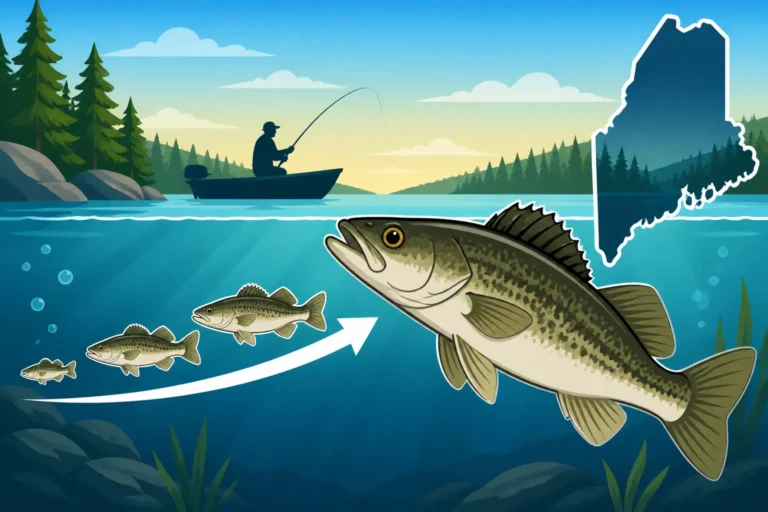
Now, let's talk about the real reason many anglers spend countless hours on Maine's big lakes: the pursuit of a true trophy togue. What makes a togue a "trophy" is subjective, but generally, we're looking at fish that are significantly larger than the average. For many, a togue breaking the 30-inch mark or tipping the scales over 10 pounds is firmly in trophy territory. The biggest togue, the kind that make jaws drop, can reach lengths well over 35 inches and weigh upwards of 20 pounds, with some truly exceptional catches pushing beyond that.
While I can't give you current record-breaking statistics, Maine has a rich history of producing some truly gargantuan lake trout. These legendary fish are often found in the state's deepest and most expansive lakes, waters that provide vast, cold habitats and an abundant food supply. Think about the majestic Moosehead Lake Fishing Guide, the pristine Sebago Lake Fishing Guide, or the renowned Rangeley Lakes Fishing Guide. These are the kinds of places where generations of togue have grown old and wise, feeding on schools of smelt and other baitfish, patiently gaining size year after year.
The hunt for a trophy togue is a different game than simply catching fish. It often means targeting specific depths, using larger baits or lures, and dedicating more time to areas known to hold these giants. It's a challenge, but the reward of hooking into a powerful, old togue is simply unmatched. You might also be interested in comparing the trophy potential of other species, like checking out How Big Do Landlocked Salmon Get in Maine? for a broader perspective on Maine's impressive game fish.
Factors Influencing Togue Growth and Size
Several environmental and biological factors contribute to how large a togue can grow in any given Maine lake. Understanding these elements can help you target the right waters and conditions for a larger catch.
Habitat and Water Quality
Togue are cold-water fish, through and through. They thrive in lakes with deep, cold, well-oxygenated water, especially during the warmer summer months. Lakes that stratify properly, with distinct layers of cold water at the bottom, provide the essential refuge these fish need. If a lake's deep-water habitat is limited or experiences low oxygen levels, it can stress the togue population and restrict their growth. Clean, clear water is also crucial, as it supports the entire food chain that togue rely on.
Food Source Availability
This is perhaps the most critical factor for growth. Togue are predators, and their diet dictates how quickly and how large they can grow. Lakes rich in forage fish, particularly smelts, cusk, and various suckers, tend to produce the largest togue. Smelt, in particular, are like rocket fuel for togue, providing a high-energy, nutrient-dense diet. If the smelt population is robust, the togue will flourish. Conversely, if the forage base is struggling, the togue will struggle too, often resulting in slower growth and smaller average sizes. This relationship is so important that Why Smelt Matter to Maine Salmon and Trout is a key topic for any serious angler.
Genetics of the Population
Just like people, some fish are simply predisposed to grow larger than others. Different strains of lake trout can have varying growth rates and maximum sizes. Over generations, populations adapt to their specific environments, and some might develop genetics that favor larger body sizes if conditions allow. While you can't control genetics, knowing which lakes are historically known for bigger fish often means they have these superior genetic traits.
Age and Longevity
It might seem obvious, but older togue are generally larger togue. These fish can live a surprisingly long time in the right environment, sometimes well over 20 years. To reach those truly massive sizes, a togue needs to survive many seasons of predators, angling pressure, and environmental challenges. Lakes with stable populations and good survival rates for older fish are the ones most likely to hold those impressive, mature specimens.
Fishing Pressure and Regulations
The intensity of fishing pressure on a lake can significantly impact the size structure of the togue population. If too many large fish are harvested, it can reduce the number of older, bigger individuals in the system. That's why Maine Inland Fisheries and Wildlife often implement specific regulations, such as slot limits or reduced bag limits, on certain lakes to protect larger togue and allow them to grow to trophy potential. Understanding Togue Size and Bag Limits in Maine is crucial not just for compliance, but for contributing to the health of the fishery. These regulations are designed to ensure there are always big fish swimming for future generations to enjoy.
Maximizing Your Chances for a Large Togue
So, you're ready to put in the effort for that trophy togue? Excellent! Here are a few tips to increase your odds:
Timing is Everything
While togue can be caught year-round, certain seasons offer distinct advantages. During the spring, right after ice-out, togue are often more accessible in shallower waters as they follow baitfish that are also moving up. As summer progresses, they retreat to the deep, cold sanctuaries, making them harder to find without specialized gear. The fall brings them back to shallower areas for spawning, offering another opportunity. If you're wondering Best Season to Catch Togue, spring and fall are often prime for active fish, while deep winter ice fishing can also be incredibly productive for size.
Targeting the Depths
When togue are deep, you need to get your lure or bait down to them. This often means trolling with lead core line, copper line, or downriggers. For those who prefer still fishing or jigging, heavy jigs dropped straight down into deep pockets can be very effective. Mastering How to Use a Downrigger for Lake Trout can be a game-changer for summer fishing. Look for underwater structure, drop-offs, and areas where baitfish congregate in the cold depths using your fish finder.
Choosing the Right Gear
Big fish require robust gear. A medium-heavy to heavy action rod paired with a reliable reel spooled with strong braided or monofilament line is essential. When it comes to lures, larger spoons, stickbaits, and even live or dead bait (where legal) can entice those larger togue. For instance, in winter, some of the most successful anglers use large shiners or suckers under tip-ups, or substantial jigs. You can find a fantastic selection of these heavier-duty rods, reels, and specialized deep-water lures on platforms like Amazon, ensuring you're well-equipped for the task. If you're ice fishing, consider reading Best Lures for Winter Togue Fishing in Maine for specific recommendations.
Patience and Persistence
Catching a truly large togue is rarely a quick affair. It requires patience, persistence, and often, many hours on the water. These older fish are cunning and can be finicky. Being willing to experiment with depths, speeds, and lures until you crack the code for that particular day and body of water is key. Don't be afraid to move around and cover water; sometimes, finding one fish means you've found a whole school. Understanding What Depth Do Togue Hold at in Summer? will help you focus your efforts.
Preserving Maine's Togue Fishery
As responsible anglers, it's vital that we contribute to the health and longevity of Maine's togue populations. Catching a large togue is an incredible experience, but the decision to keep or release it has an impact.
Catch and Release Best Practices
Many trophy anglers choose to release their big togue, especially the largest, oldest breeding fish, to ensure future generations of trophy-sized fish. If you plan to release a large togue, handle it with care. Minimize its time out of the water, use wet hands or gloves, support its body horizontally, and revive it gently before letting it go. Proper techniques can greatly increase its survival rate. For more detailed guidance, refer to Catch and Release Tips to Keep Fish Healthy.
Understanding Lake-Specific Regulations
Always, always consult the most current Maine fishing regulations for the specific lake you're fishing. Togue limits, length restrictions (slot limits), and even tackle restrictions can vary significantly from one body of water to another. These regulations are in place to manage the fishery sustainably and often aim to protect the larger, spawning-size fish. Staying informed by reading up on Maine Fishing Regulations Explained is your responsibility as an angler. By adhering to these rules and practicing thoughtful angling, you help ensure that Maine's majestic togue will continue to challenge and thrill anglers for years to come.
Disclaimer
This article is for general informational purposes only and does not constitute professional advice. Laws, prices and regulations vary by location and change over time. Consult a qualified professional for guidance on your specific situation.