Where Togue Live in Deep Maine Lakes
It's no secret that finding togue, what many folks in Maine lovingly call our lake trout, can sometimes feel like searching for a needle in a massive, shimmering haystack. These magnificent fish are creatures of habit, but their habits are often tied to the immense, mysterious depths of our larger lakes. If you've ever spent a frustrating day staring at an empty line, wondering where those elusive big fish are hiding, you're not alone. This guide will peel back the layers of Maine's deep waters, helping you understand precisely where togue live and how to find them, making your next fishing adventure a whole lot more rewarding.
Understanding Togue Biology and Behavior
Before we even talk about specific lakes or fishing spots, it’s crucial to understand why togue behave the way they do. These aren't your typical panfish hanging around the lily pads; togue are built for a different kind of existence, one dictated by cold water and the hunt for protein-rich prey in the dark, silent depths.
The Togue's Need for Cold Water
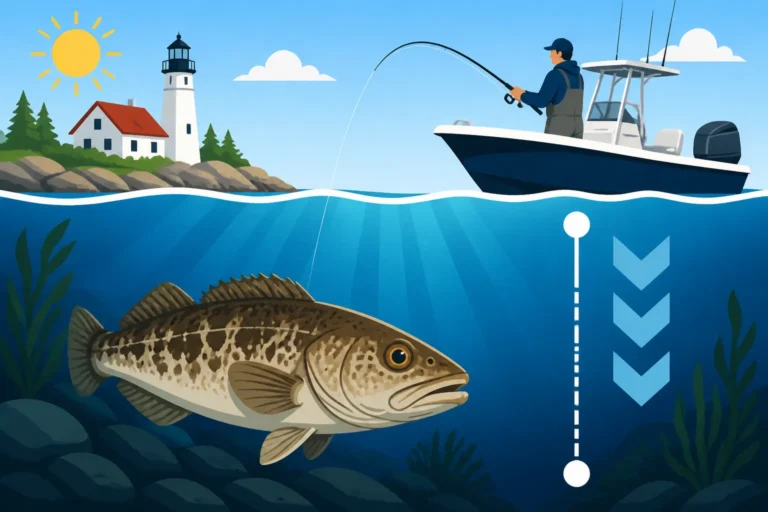
Togue are cold-water fish, through and through. They thrive in environments where the water temperature remains consistently cool, ideally in the mid-40s to low-50s Fahrenheit. This isn't just a preference; it's a physiological requirement. Their metabolism is adapted to these colder conditions, and warmer water causes them significant stress. As a result, when Maine's lakes warm up during the summer, togue will retreat to the deepest, coolest parts of the lake, often well below the thermocline – that invisible boundary where the warmer surface water meets the colder, denser water below.
This means that during much of the year, particularly from late spring through early fall, you won't find them cruising the shallows unless there's a unique inflow of cold water, like a deep spring or a cold river mouth. Their survival depends on finding and staying in these thermal refuges. Thinking like a togue, always seeking out that crisp, cool water, is the first step in locating them.
Diet and Forage in Deep Lakes
Togue are apex predators in their underwater world. Their diet largely consists of smaller baitfish, and in Maine, the most important forage species are often rainbow smelt and various minnows. These baitfish also prefer cooler water, and their movements throughout the lake directly influence where togue will be. If the smelt are schooled up in a certain depth or around a particular underwater structure, you can bet the togue won't be far behind.
The size of the baitfish can also dictate the size of the togue you find. Lakes with abundant, larger smelt populations tend to produce bigger, fatter togue. This predatory relationship means that understanding the behavior of the baitfish is almost as important as understanding the togue themselves. It's an entire ecosystem playing out, and the togue are always looking for the easiest meal. Knowing this helps you choose the right lures and presentation – something that mimics their natural prey.
Togue vs. Lake Trout: A Quick Clarification
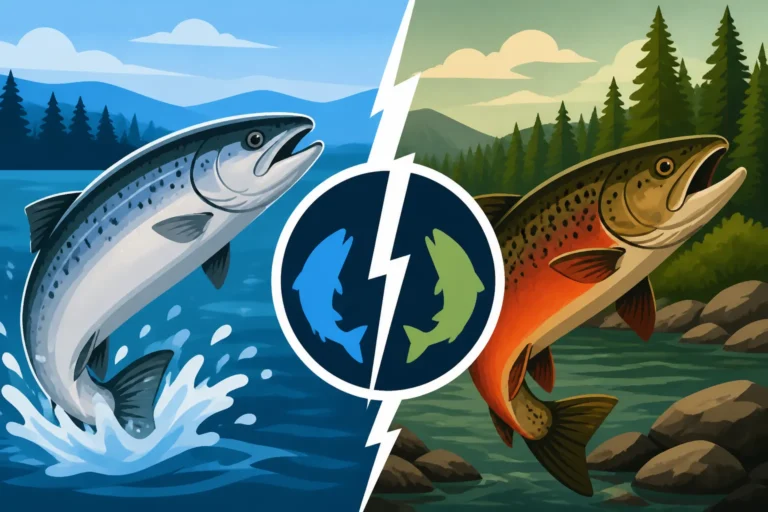
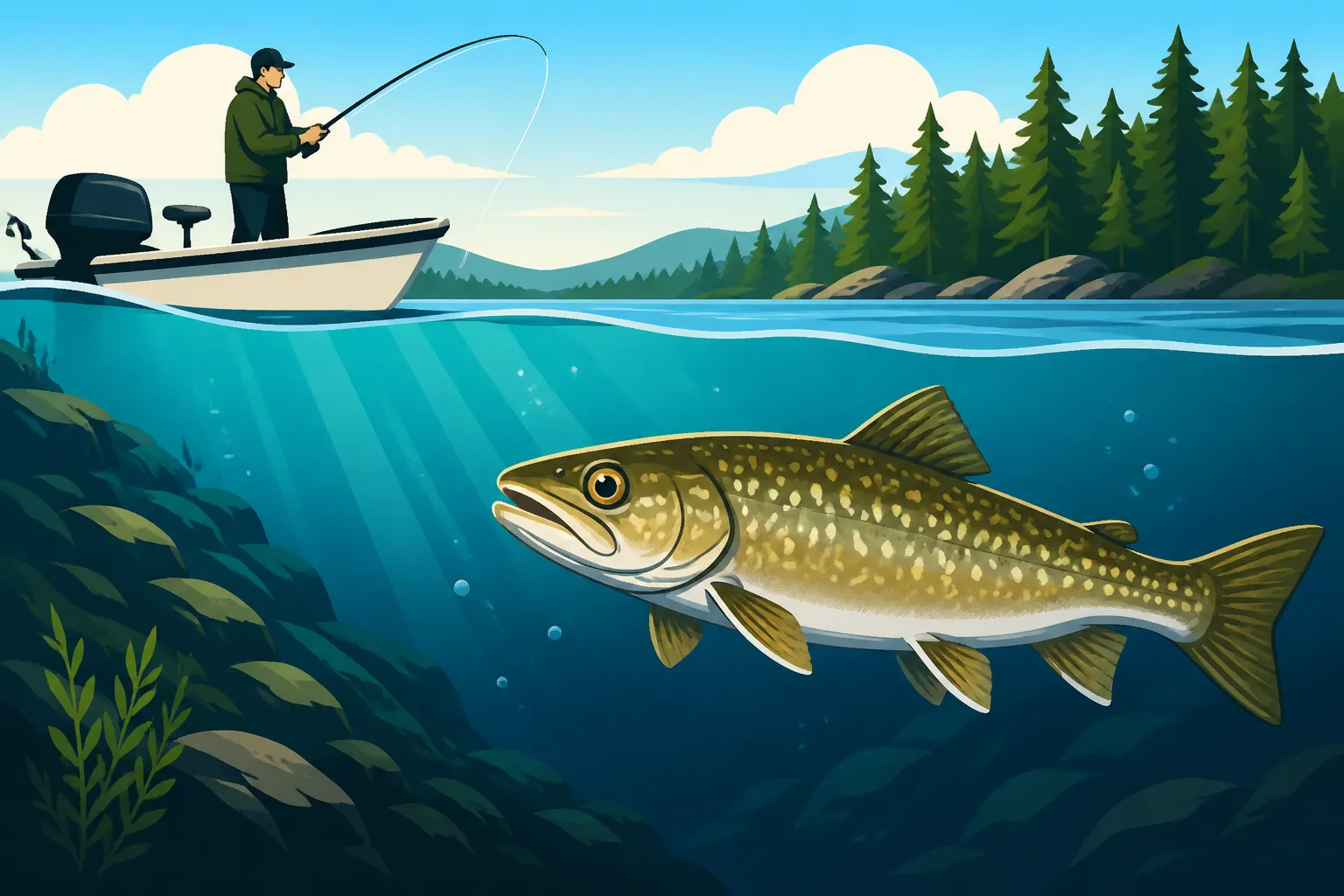
You might hear "lake trout" and "togue" used interchangeably, and for good reason: they are the same fish! "Togue" is simply the colloquial term used here in Maine, and it's deeply ingrained in our fishing culture. It's like how some folks call a soda "pop" or a sandwich a "grinder." So, when you're talking about fishing for togue in Maine, you are indeed talking about fishing for lake trout ( Salvelinus namaycush ).
There's no biological difference, just a regional naming convention that has been passed down through generations of anglers. It’s important to know this because if you're looking up general lake trout fishing tips, they will apply directly to our Maine togue. It's a bit of local flavor that adds to the charm of fishing our beautiful waters, so embrace the name! What Does Togue Mean in Maine?
Key Habitat Features in Deep Maine Lakes
So, we know togue love cold water and follow baitfish. But where in these vast, deep lakes do they actually set up shop? It’s not just about any deep spot; it’s about specific features that offer comfort, cover, and a hunting advantage.
Depth is King: Thermoclines and Deepwater Zones
When you’re out on a big Maine lake like Moosehead or Sebago during the warmer months, the most critical factor for finding togue is depth, specifically relating to the thermocline. The thermocline is that distinct layer of water where the temperature changes rapidly with depth. Above it, the water is warmer and usually less oxygenated due to high biological activity. Below it, the water is significantly colder and often more stable. Togue will seek out the cold water below or sometimes right at the thermocline.
This means you might find them anywhere from 40 to 100 feet down, sometimes even deeper in truly colossal lakes. Their exact depth will vary based on the specific lake, time of year, and even time of day, but the principle remains: find the cold, oxygenated water, and you're in the right zone. Investing in a good fish finder or a portable depth sounder is practically essential for exploring these deepwater zones effectively. You can often find some reliable models on platforms like Amazon that will give you a good read on water temperature at depth, which is an invaluable tool for pinpointing togue.
Structure That Holds Togue
While depth is king, structure provides the apartment complex within that kingdom. Togue don't just swim aimlessly in the deep; they associate with underwater features that offer ambush points, shelter, or congregation areas for their prey. Think about rocky reefs, submerged humps, steep drop-offs, underwater points, and deep channels.
These structures often attract baitfish, which in turn attracts the togue. A sharp breakline where the bottom quickly plunges from 30 feet to 80 feet is an excellent place to start. Similarly, a distinct underwater pinnacle that rises from a deep basin can be a magnet for both bait and predator. Learning to read your lake map, or even better, a topographical map of the lake bottom, can help you identify these key structures even before you get on the water.
Oxygen and Water Quality
It’s not enough for water to be cold; it also needs to be well-oxygenated. In some very deep lakes, especially those with nutrient issues, the deepest waters can become anoxic (lacking oxygen) during certain times of the year, particularly late summer. If the deep water lacks sufficient oxygen, togue, despite their preference for cold, cannot survive there.
Fortunately, most of Maine's deep, oligotrophic (low-nutrient) lakes maintain excellent oxygen levels throughout their depths year-round, which is why they are such prime togue habitat. However, it's something to be aware of, especially if you're exploring a new body of water or noticing a decline in catches in late summer. Healthy, cold, oxygen-rich water is the perfect trifecta for a thriving togue population.
Seasonal Movements and Depths
Togue are on the move, but their movements are predictable and tied directly to the changing seasons and the corresponding shifts in water temperature and baitfish location. Understanding these seasonal patterns is key to consistently finding them.
Spring: Post-Ice Out and Shallow Feeds
As the ice finally recedes from Maine's big lakes – a glorious day we all look forward to – the water column is relatively uniform in temperature. This "turnover" period, when the water is cold from top to bottom, allows togue to roam freely, often venturing into shallower waters where they were inaccessible during the summer.
In the spring, you can find togue cruising along shorelines, around rocky points, and near tributary mouths, often in depths as shallow as 10-30 feet. They're actively feeding, recovering from the long winter, and taking advantage of the abundant food sources that become available in the shallower, newly accessible areas. This is a fantastic time for shore anglers or those who prefer to troll closer to visible structure. Remember, even in the spring, they’ll still prefer those slightly deeper edges of bays or points. Maine Spring Fishing Guide
Summer: Retreat to the Depths
With the arrival of warmer weather and rising surface temperatures, Maine's lakes begin to stratify, forming that distinct thermocline. As mentioned, this is when togue make their big move. They'll retreat from the warming surface waters and establish themselves in the cooler, deeper zones, typically below or just at the thermocline. This is often where anglers find the most frustration, as the fish effectively "disappear" from easily accessible areas.
During summer, expect to find togue in depths ranging from 50 to 120 feet, sometimes even deeper in our truly massive lakes like Moosehead. They'll hug deep structure like submerged islands, deep humps, and steep drop-offs. Trolling with downriggers, lead core line, or heavy sinkers becomes essential to present lures at these extreme depths. Jigging deep structure is also highly effective. What Depth Do Togue Hold at in Summer?
Fall: Spawning and Pre-Winter Prep
As autumn takes hold and surface temperatures begin to cool, the thermocline breaks down, and the lake "turns over" again. This allows togue to once again spread out across the water column, often moving shallower as they prepare for their spawning ritual. Togue typically spawn in the fall, often in late October or November, over rocky shoals and reefs in relatively shallow water (10-40 feet).
Prior to and during the spawn, they can be found actively feeding, bulking up for winter and the energy-intensive spawning process. This makes fall an excellent time to target them, as they are often more aggressive and accessible. Look for them around rocky areas where they'll eventually lay their eggs, and along the edges of deep water. Maine Fall Fishing Guide
Winter: Under the Ice Behavior
When Maine's lakes finally freeze solid, providing a platform for ice fishing, togue behavior shifts again. While they still prefer cold water, the entire water column is cold, allowing them a bit more freedom than in summer. You’ll often find them suspended over deep basins or relating to deep structure like humps and drop-offs. They might not be as deep as in summer, but they won't necessarily be shallow either.
During ice fishing season, typical depths range from 30 to 80 feet, though they can certainly be found shallower or deeper depending on the lake and active baitfish schools. Jigging is a popular and effective method, as is setting tip-ups with live bait, especially smelt. The key is to keep moving until you find schools of bait or individual togue. How to Jig for Lake Trout in Winter Maine Ice Fishing Techniques Guide
Finding Togue in Specific Maine Lakes
Maine is blessed with numerous lakes that hold fantastic togue populations. While the general principles apply, each lake has its own nuances, depths, and prime locations. Let's look at some of the best.
Moosehead Lake: A Togue Haven
Moosehead Lake, the largest lake in Maine, is arguably the premier togue fishery. Its immense size and depth (over 240 feet in some spots) provide an ideal environment for these cold-water giants. Togue thrive here, growing to impressive sizes. In Moosehead, you'll want to focus on the myriad of deepwater structures.
Look for the vast, deep basins, the steep drop-offs around the numerous islands (like Mount Kineo or Sugar Island), and submerged humps. During summer, trolling at depths of 60-100 feet is common, often near points that plunge into the abyss. Popular areas include the deeper sections off Rockwood, Lily Bay, and the areas around the deeper islands. Ice fishing on Moosehead can be phenomenal, with anglers often setting up over deep water in search of cruising togue. Moosehead Lake Fishing Guide Where to Catch Togue on Moosehead Lake
Sebago Lake: Deep Water Giants
Sebago Lake, the second largest and deepest lake in Maine, is another incredible togue fishery, famous for producing some truly massive lake trout. Its maximum depth exceeds 300 feet, providing an enormous volume of cold, oxygen-rich water. Sebago's togue are known for their size and fighting ability.
Key areas to target in Sebago include the main basin, especially along the extensive drop-offs and ledges. Look for underwater contours around Frye Island, the steep edges of the Raymond and Naples sections, and the deeper areas toward the central part of the lake. Trolling is very popular here, often requiring downriggers or a good amount of lead core to reach fish holding 70-150 feet deep in summer. In spring and fall, they'll venture shallower, often around the 30-50 foot mark near prominent points or shoals. Sebago Lake Fishing Guide
Rangeley Lakes: Classic Togue Grounds
The Rangeley Lakes region, particularly Rangeley Lake itself and Mooselookmeguntic Lake, offers exceptional togue fishing in a stunning wilderness setting. While not as deep as Moosehead or Sebago, Rangeley Lake still boasts depths over 100 feet, and its cold, clear waters are perfect for togue. These lakes are famous for their consistent togue populations.
In the Rangeley system, focus on the deeper sections of Rangeley Lake, especially around structure like Doctors Island, and the numerous points and ledges that drop into deeper water. Mooselookmeguntic Lake also has excellent deepwater areas to explore. Trolling with spoons and flies is a time-honored tradition here, and anglers often adjust their depths to find the fish, which can range from 40-80 feet in summer. Rangeley Lakes Fishing Guide
Reading the Water: Tools and Techniques for Locating Togue
Finding togue isn't just about knowing where the deep water is; it's about actively "reading" that water and using modern tools to pinpoint their exact location.
Utilizing Sonar and Fish Finders
A quality fish finder is your absolute best friend when targeting togue. These devices allow you to see the bottom contour, identify submerged structure, and crucially, detect schools of baitfish and individual togue. When you're marking schools of bait, pay close attention to the arcs or lines that signify larger fish – those are likely your togue.
Look for areas where baitfish are concentrated, especially near deep breaks or humps. Your fish finder can also show you the thermocline, often appearing as a distinct band on the screen, giving you a crucial visual cue for the ideal depth range. Getting familiar with your unit's settings and interpreting what you see is a skill that comes with practice, but it's invaluable for deepwater fishing. You can find a vast array of fish finders, from basic models to advanced units with side imaging and GPS, on retailers like Amazon, offering options for every budget and need.
Temperature Probes and Lake Maps
While a fish finder gives you a visual, a good temperature probe can confirm exactly where that cold water is. Some advanced fish finders come with water temperature sensors, but a separate, submersible temperature probe can be a highly accurate tool for verifying the exact depth of the thermocline and the preferred temperature range of the togue. This precision can save you hours of blindly trolling.
Combine your temperature readings and sonar with detailed lake maps, especially those with bathymetric (depth contour) lines. These maps reveal the underwater topography – the humps, valleys, drop-offs, and points that attract togue. Learning to read these maps and correlate them with what your electronics are telling you will significantly boost your success rate. Mapping software on your phone or tablet can also be incredibly useful, allowing you to mark hot spots and track your trolling paths.
Observing Forage and Indicator Species
Sometimes, the best clues come from nature itself. Keep an eye out for signs of baitfish, even on the surface. If you see birds diving, particularly gulls, they might be feeding on baitfish pushed to the surface by predatory fish below. While this is more common for species like striped bass in saltwater, it can occasionally indicate schooling baitfish that togue might be keying in on in freshwater.
Additionally, if you're catching other deepwater species like cusk or even smaller game fish in a certain area, it might indicate good water quality and an active feeding zone that could also hold togue. Ultimately, successful togue fishing is about putting all these pieces together: understanding their biological needs, identifying key habitat, knowing seasonal patterns, and leveraging modern technology to effectively locate them in the vastness of Maine's deep lakes. Maine Togue and Lake Trout Limits
Here's a quick summary of seasonal togue depths in common Maine lakes:
| Season | Typical Depth Range (feet) | Preferred Habitat Features | Common Fishing Method | Key Considerations |
|---|---|---|---|---|
| Spring | 10-40 | Shallow rocky points, tributary mouths, main lake edges | Trolling with light gear, casting | Water uniformly cold, togue roam freely, post-winter feeding frenzy. |
| Summer | 50-120+ | Below thermocline, deep humps, steep drop-offs, rock piles | Trolling with downriggers/lead core, deep jigging | Retreat to cold, oxygenated depths. Locate thermocline. |
| Fall | 20-60 | Rocky shoals, spawning grounds, main lake edges | Trolling, jigging, casting | Pre-spawn feeding, increased aggression, widespread distribution in water column. |
| Winter (Ice) | 30-80 | Suspended over deep basins, deep structure, near baitfish | Jigging through the ice, tip-ups with live bait | Entire water column cold, but still relate to structure and bait schools. Safety is paramount on the ice. |
Disclaimer
This article is for general informational purposes only and does not constitute professional advice. Laws, prices and regulations vary by location and change over time. Consult a qualified professional for guidance on your specific situation.