Where Landlocked Salmon Live in Maine Lakes
Oh, the elusive landlocked salmon! There's something truly special about these magnificent fish, isn't there? Anglers flock to Maine year after year, dreaming of that powerful strike and the acrobatic fight that a landlocked salmon delivers. But here's the rub: they're not just swimming around willy-nilly. Knowing where these incredible fish prefer to live in our vast Maine lakes is often the biggest piece of the puzzle, and it can be incredibly frustrating to spend a day on the water without a single hook-up. This guide is all about helping you unlock the secrets of their habitat, so you can spend less time guessing and more time enjoying those exhilarating battles.
Understanding Landlocked Salmon Habitat Needs
Landlocked salmon, often affectionately called "salmon" by Mainers, are actually a freshwater variant of the Atlantic salmon. They thrive in very specific conditions, and understanding these needs is paramount to finding them. You can't just drop a line anywhere and expect results. These fish are creatures of habit and particular about their environment, much like us when we choose our favorite coffee shop or hiking trail.
The Critical Role of Cold Water
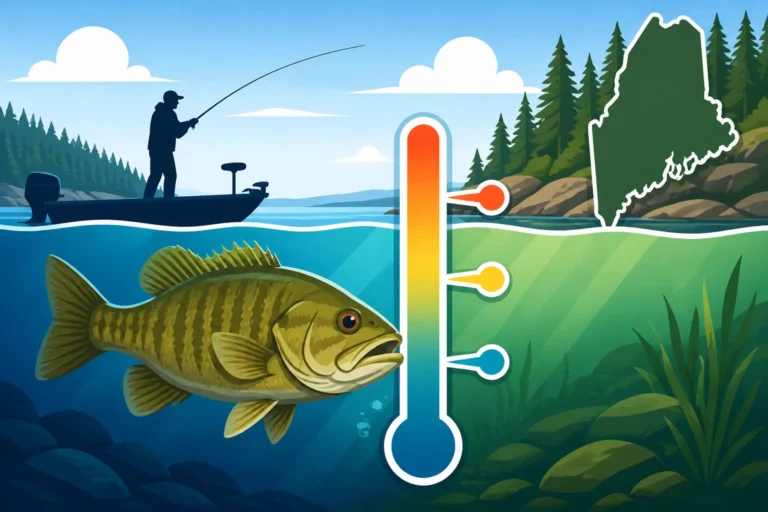
Let's start with the most non-negotiable requirement for landlocked salmon: cold water. These fish are salmonids, and cold, well-oxygenated water is their lifeblood. They simply cannot tolerate warm temperatures for extended periods. When lake temperatures rise, especially in the summer months, salmon will seek out the deepest, coldest pockets of water available. We're talking about water that's often in the 40s and 50s Fahrenheit, which for us sounds chilly, but for them, it's just right. If a lake doesn't offer these consistent cold-water refuges, it's simply not suitable for a healthy salmon population. This is why you rarely find them in shallow, warm ponds, no matter how much baitfish might be present.
Imagine trying to live in a house that's constantly 90 degrees – you'd be seeking out the coolest corner, probably the basement, right? Salmon do the same thing, but their "basement" is often 40-plus feet down. This need for cold water isn't just about comfort; it's about survival. Their metabolic rates are tied to water temperature, and if it gets too warm, they become stressed, lethargic, and susceptible to disease.
High Oxygen Levels Are a Must
Hand-in-hand with cold water is the requirement for high dissolved oxygen levels. Cold water naturally holds more oxygen than warm water, which is another reason salmon prefer it. As temperatures increase, oxygen levels decrease, and this creates a problem for fish that need a lot of it to thrive. Lakes that stratify, meaning they develop distinct layers of different temperatures, often have an anoxic (oxygen-depleted) layer at the very bottom in summer. So, while salmon need deep, cold water, they also need that cold water to be adequately oxygenated.
This means the very deepest part of a lake isn't always their summer sanctuary if it's devoid of oxygen. They'll find that sweet spot, often in the thermocline (the transitional layer between warm surface water and cold deep water), where the temperature is ideal and there's plenty of oxygen. This delicate balance is why studying lake contours and understanding water conditions, perhaps with a portable sonar unit you might find on Amazon, can give you such an edge. A truly productive salmon lake will maintain these oxygen-rich, cold-water zones throughout the year, even under a thick blanket of ice in winter.
A Robust Forage Base: The Smelt Connection
You can have the coldest, most oxygenated water in the world, but if there's nothing for the salmon to eat, they won't stick around. Landlocked salmon are predatory fish, and their primary diet in Maine lakes consists of baitfish, especially rainbow smelt. Smelt are oily, protein-rich little fish that salmon absolutely love. The health and abundance of a lake's smelt population directly correlates to the health and size of its salmon.
Think of it like this: if you build a fancy restaurant but never stock the pantry, customers aren't going to get a good meal. Smelt are the pantry for landlocked salmon. Lakes with strong, self-sustaining smelt populations tend to produce the largest and healthiest salmon. These baitfish also prefer cold water, often schooling in large numbers near the thermocline or in deeper basins. Where you find smelt, you'll often find salmon not far behind. Anglers who consistently catch salmon often spend a good portion of their time simply locating the schools of baitfish, knowing the salmon will be lurking nearby. Understanding Maine Smelt Run Timing can also give you clues to their presence.
Key Characteristics of Maine Lakes Holding Salmon
Not all of Maine's thousands of lakes and ponds are created equal when it comes to supporting landlocked salmon. There's a distinct profile that makes a body of water a prime salmon habitat. We're talking about specific physical attributes that cater to their unique needs.
Depth and Volume: More Than Just a Puddle
When we talk about salmon lakes, we're almost always talking about deep lakes. Shallow lakes simply don't have the thermal refuge capacity to sustain salmon through Maine's warmer months. A good salmon lake will often have average depths exceeding 50 feet and maximum depths well over 100 feet, sometimes even much deeper. This significant volume of water ensures that a cold, oxygenated layer persists, even when surface temperatures hit their summer highs.
Consider the sheer amount of water in a lake like Sebago or Moosehead; it's immense! This massive volume acts as a thermal buffer, preventing the entire water column from heating up too much. It also provides vast expanses for salmon to roam, hunt, and seek refuge. Shallower areas might be productive in spring and fall, but the deep main basin is the summer stronghold. When you're looking at a map, don't just find a lake; look for lakes with significant dark blue areas indicating deep water.
Size Matters: Expansive Waters for Roaming
While depth is critical, the overall size and acreage of a lake also play a significant role. Landlocked salmon are active predators, and they need plenty of space to chase baitfish. Larger lakes offer more diverse habitats, more extensive foraging grounds, and more room for salmon to undertake seasonal migrations. A vast body of water, perhaps 5,000 acres or more, provides the kind of expansive environment where these fish can truly thrive and grow to impressive sizes.
Smaller, deep ponds can hold salmon, but the populations are often more limited, and the fish might not reach the same trophy potential. Larger lakes also tend to have more consistent water quality due to their sheer volume, making them more resilient to environmental fluctuations. When planning your next trip, look for the big names on the map that offer both impressive depth and a sprawling surface area.
Water Quality and Clarity: A Clear Advantage
Salmon are sight feeders and generally prefer clear, clean water. This isn't just about aesthetics; good water clarity indicates a healthy ecosystem with less sediment and nutrient pollution. While they don't necessarily need gin-clear water like some trout species, they thrive in waters with good visibility. This allows them to spot their prey more easily and makes their ambush tactics more effective.
Lakes fed by clean, spring-fed streams or those with large, undeveloped shorelines often maintain excellent water quality. Turbid or muddy water, on the other hand, can hinder their ability to hunt and is often indicative of environmental issues that can negatively impact their preferred food sources and oxygen levels. So, when you're scouting a new spot, clear water is often a good sign you're in the right place for salmon.
Seasonal Movements and Depths
Landlocked salmon are masters of adapting to changing conditions, especially temperature. Their location in a lake isn't static; it shifts dramatically throughout the year. Understanding these Maine Fishing Season Calendar patterns is key to knowing where to drop your lure. It's like knowing when your favorite diner has the best specials – you have to time it right!
Spring: Following the Thaw and the Smelt
As winter's ice finally gives way, usually around April or May in most of Maine, landlocked salmon become more accessible. The surface waters are still very cold, often in the 30s and low 40s Fahrenheit, which is perfectly comfortable for them. During this "ice-out" period, salmon often move into shallower areas, congregating near inlets, outlets, and along shorelines where smelt may be spawning. This is a prime time for fly-fishing, trolling, or casting from shore.
They are actively feeding and regaining strength after the long winter, making them aggressive and relatively easy to locate compared to the summer months. You might find them in the top 10 to 20 feet of the water column, often near structure or where tributary streams dump cooler, oxygenated water into the main lake. This spring flurry of activity is what many anglers eagerly await all winter.
Summer: The Deep Retreat
Once late June hits and Maine's summer sun starts to bake the surface waters, the salmon retreat. This is when their cold-water requirements truly dictate their location. As the lake stratifies into distinct temperature layers, salmon will drop down, seeking the cooler, oxygenated water of the thermocline. This can be anywhere from 30 to 70 feet deep, or even deeper, depending on the specific lake's characteristics and the severity of the summer heat.
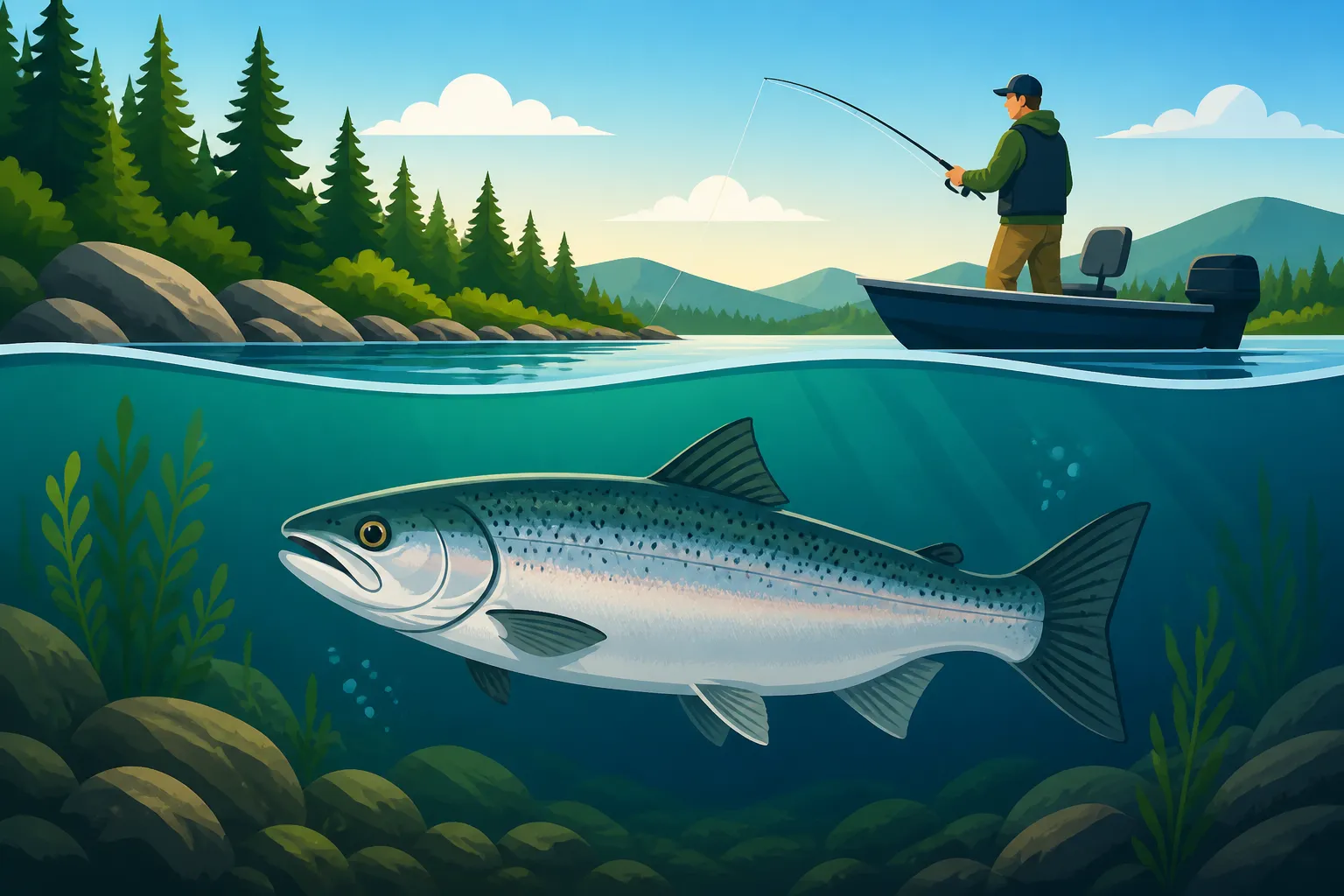
Locating them in summer often requires specialized techniques like downrigging or lead core line, which allow you to present lures at precise depths. They'll generally hold just above or within the thermocline, often suspended over deep basins or along steep drop-offs, always keeping an eye out for smelt. This is arguably the most challenging time to consistently catch landlocked salmon, as finding that specific depth can be a game of inches. Using a fish finder to mark both baitfish and the thermocline becomes indispensable. Trolling Techniques for Maine Lakes become vital here.
Fall: Spawning Runs and Renewed Activity
As autumn approaches and surface water temperatures begin to cool again, usually starting in September, landlocked salmon become more active and once again move shallower. This is also the period when mature salmon begin to stage for their spawning runs. While landlocked, they still retain the instinct to migrate upstream to suitable gravelly areas to reproduce, just like their anadromous Atlantic salmon cousins.
You'll find them cruising shallower depths, actively feeding to build up energy for spawning. They might be found near river mouths, stream inlets, or along rocky shorelines. This is another fantastic time for fishing, as the fish are aggressive, and you can often target them with a wider range of techniques, including fly fishing in rivers and streams connected to the lake. The vibrant fall foliage against the crisp Maine air makes this a truly special time to be out chasing salmon.
Winter: Beneath the Ice
Don't let the ice fool you; landlocked salmon are active even in the dead of winter! Maine Ice Fishing Techniques Guide is crucial if you want to target them. While ice covers the surface, the water below remains cold and stable, providing excellent conditions for salmon. They'll often be found suspended in the water column, much like in summer, but sometimes they'll roam a bit shallower, especially during periods of stable weather or near areas with good current.
Deep lakes like Moosehead Lake or Sebago Lake are popular ice fishing destinations for salmon. Anglers will typically use tip-ups or jigging rods, often targeting depths of 20 to 60 feet, or sometimes even deeper. Locating schools of smelt under the ice is still key, as the salmon will be following their food source. Winter fishing for salmon requires patience and good equipment, but the reward of landing a hard-fighting salmon through the ice is truly exhilarating.
Here's a quick guide to salmon depth by season:
| Season | Typical Depth Range (Feet) | Preferred Activity/Location | Common Techniques |
|---|---|---|---|
| Spring | 0-25 | Following smelt, near inlets/outlets, shorelines | Trolling, casting, fly-fishing |
| Summer | 30-70+ | Within or just above thermocline, over deep basins, drop-offs | Downrigging, lead core trolling |
| Fall | 10-40 | Pre-spawning runs, river/stream mouths, rocky points | Trolling, casting, fly-fishing |
| Winter | 20-60+ | Suspended over deep basins, near smelt schools under ice | Tip-ups, jigging |
Specific Maine Lakes Renowned for Landlocked Salmon
Maine boasts some truly iconic landlocked salmon fisheries, drawing anglers from all over. While many lakes across the state hold salmon, a few stand out as consistent producers of quality fish, offering both numbers and the chance at a true trophy.
Sebago Lake: A Southern Maine Gem
Located in southern Maine, Sebago Lake Fishing Guide is perhaps the most famous landlocked salmon fishery in the state. It's a massive, deep lake, often reaching depths of over 300 feet, providing ideal cold, oxygenated water throughout the year. Sebago is known for producing strong, robust salmon, and it's a popular destination for both open water trolling and ice fishing. The lake supports a robust smelt population, which in turn fuels its salmon fishery.
Anglers often target Sebago's numerous coves, points, and deep basins. In spring, the salmon might be found closer to shore, particularly in the Jordan Bay or Raymond Cape areas. Come summer, they descend into the deep main basin, requiring serious gear to reach them. The allure of Sebago isn't just the salmon, but the stunning scenery and its accessibility from Portland. It's a true benchmark for Maine landlocked salmon.
Moosehead Lake: Wilderness and Big Fish Potential
Venture north, and you'll find Moosehead Lake Fishing Guide, Maine's largest lake and a true wilderness experience. While known for its togue (lake trout), Moosehead also holds a significant population of landlocked salmon. It's another incredibly deep lake, with areas plunging to over 240 feet, ensuring plenty of cold-water habitat. The salmon here are often found mingling with the togue, especially in the deeper sections.
Fishing Moosehead requires a different approach than Sebago. Its vast size and numerous islands and coves offer endless opportunities, but also make it challenging to learn. Popular areas include the waters around Sugar Island, Mount Kineo, and the deeper basins. Anglers here use a variety of techniques, from flat-line trolling in spring to wire-line and downrigger trolling in summer. The chance to hook into a large, wild salmon amidst the breathtaking North Woods scenery is a huge draw.
The Rangeley Lakes: Fly Fishing Paradise
The Rangeley Lakes Fishing Guide region in western Maine is legendary, particularly for its contribution to fly fishing heritage. While the names often bring to mind brook trout, the Rangeley chain (including Rangeley Lake, Mooselookmeguntic Lake, and Aziscohos Lake) are also premier landlocked salmon destinations. These lakes aren't quite as deep as Sebago or Moosehead, but they offer excellent cold-water conditions, particularly in their deeper sections, and are fed by numerous cold, clear tributaries vital for spawning.
The salmon here are often targeted by traditional trolling methods, but the connecting rivers and streams also offer exceptional fly-fishing opportunities during the spring and fall runs. The character of the Rangeley salmon is often described as exceptionally hard-fighting, making them a favorite among seasoned anglers. When fishing these waters, always check the specific regulations, as some areas may have special rules. For any fishing trip, having reliable gear, perhaps sourced from a wide selection on Amazon, can make all the difference, especially when you're far from any tackle shop.
Other Notable Salmon Lakes
While Sebago, Moosehead, and Rangeley often steal the spotlight, Maine has many other fantastic landlocked salmon lakes. West Grand Lake, Grand Lake Stream, East Grand Lake, Green Lake, and Messalonskee Lake are just a few examples that offer excellent salmon fishing. Each lake has its own nuances, depths, and preferred forage, but they all share the core characteristics of being deep, cold, and possessing a healthy baitfish population. Researching specific lake maps and local fishing reports is always a good idea before heading out. For in-depth information, refer to a Maine Fishing License Guide to ensure you're compliant before casting a line.
Factors Influencing Salmon Distribution and Survival
The presence and abundance of landlocked salmon in Maine lakes aren't static; they're constantly influenced by a variety of environmental factors, some natural and some human-induced. Understanding these dynamics helps us appreciate the delicate balance of these ecosystems.
The Impact of Water Temperature and Climate Change
We've already established that cold water is critical for landlocked salmon. This makes them particularly vulnerable to rising water temperatures, a concern across many of Maine's freshwater ecosystems. Even a slight increase in average lake temperatures can shrink the amount of suitable cold, oxygenated habitat (the "thermal refuge") available to salmon during the stressful summer months. Lakes that historically supported salmon might find their cold-water layers becoming shallower or less oxygenated, pushing the salmon into ever-smaller pockets.
This isn't just about fish dying from heat; it's about increased stress, reduced growth rates, and altered feeding patterns. Biologists closely monitor water temperatures and oxygen profiles in salmon lakes to assess the health of the fishery and make stocking decisions. For anglers, this means that some years, especially after particularly hot summers, salmon might be found deeper or in fewer locations, making them even more challenging to find. It emphasizes the importance of understanding current conditions, not just historical data.
Invasive Species and Competition for Resources
Another significant threat to landlocked salmon populations and their distribution is the introduction of invasive fish species. Predators like Northern Pike or competition from non-native Largemouth Bass can severely impact salmon, especially their crucial smelt forage base. Pike are voracious eaters that can decimate baitfish populations, and bass can outcompete salmon for food and habitat in the shallower, warmer parts of a lake.
These invasive species often thrive in conditions that are less ideal for salmon, adding another layer of complexity to fishery management. When a lake becomes infested with certain invasives, the balance of the ecosystem shifts, often to the detriment of salmon. This is why Maine has strict regulations about transferring fish between bodies of water, and why anglers are urged to report any suspicious catches of non-native species. Protecting native fish means being vigilant against these ecological invaders.
Stocking Programs vs. Wild Populations
Many of Maine's landlocked salmon fisheries are sustained, at least in part, by active stocking programs conducted by the Maine Department of Inland Fisheries and Wildlife (MDIFW). These programs involve raising salmon in hatcheries and then releasing them into designated lakes to supplement or establish populations. Stocking helps ensure a consistent fishing experience, especially in waters where natural reproduction might be limited.
However, many lakes also support strong wild landlocked salmon populations, which are highly valued for their genetic diversity and resilience. These wild populations are often found in lakes with pristine spawning habitat in connecting rivers and streams. The MDIFW works to balance stocking efforts with the conservation of these precious wild fish. When you land a salmon, you might wonder if it's a stocked fish or a wild one – and that mystery is part of the charm! Regardless of their origin, understanding Landlocked Salmon Size and Bag Limits in Maine is essential for responsible angling.
Importance of Spawning Habitat
Even landlocked, these salmon retain the instinct to reproduce in flowing water over clean gravel beds. The health and accessibility of tributary streams and river mouths are absolutely critical for natural reproduction. These areas must have suitable water flow, clean gravel for egg laying, and protection from siltation or pollution. Blockages like old dams or culverts can prevent salmon from reaching these vital spawning grounds, impacting wild populations.
Many conservation efforts focus on restoring and protecting these spawning habitats, ensuring that future generations of salmon can continue to thrive. When you're fishing near a river or stream mouth in the fall, you're witnessing a vital part of the salmon's life cycle. It's a powerful reminder of how interconnected our waterways are and how important it is to protect them. Remember, adherence to Maine Fishing Regulations Explained helps ensure these populations continue to flourish.
Conclusion: Chasing the Silver Leaper
Finding landlocked salmon in Maine lakes is a journey that blends science, intuition, and a whole lot of appreciation for the natural world. It's not always easy, and there will be days when the fish seem to vanish, leaving you scratching your head. But armed with an understanding of their deep-water requirements, their seasonal movements, and the specific characteristics of the lakes they call home, you'll be far better equipped to unlock the secrets of these magnificent silver leapers.
Whether you're exploring the vast depths of Sebago, navigating the wilderness of Moosehead, or casting flies in the legendary Rangeley region, remember that these fish thrive in specific, often challenging, environments. They demand cold, oxygen-rich water and a plentiful supply of baitfish. By respecting their habitat and learning their patterns, you're not just fishing; you're engaging in a deep and rewarding conversation with one of Maine's most iconic freshwater species. So go out there, embrace the challenge, and tight lines!
Disclaimer
This article is for general informational purposes only and does not constitute professional advice. Laws, prices and regulations vary by location and change over time. Consult a qualified professional for guidance on your specific situation.