Maine State Fish and Native Species Guide
It can be surprisingly tricky to get a clear picture of what fish truly belong in Maine's waters versus those that have been introduced over time. Many anglers, even seasoned ones, might not realize the difference, and it's a frustration we've all faced when trying to understand the nuances of our local fisheries. This guide is here to untangle that, diving deep into Maine's official state fish and the incredible array of native species that call our lakes, rivers, and coastal waters home, while also touching on the more common introduced species you'll encounter.
The Maine State Fish: A Deep Dive into the Brook Trout
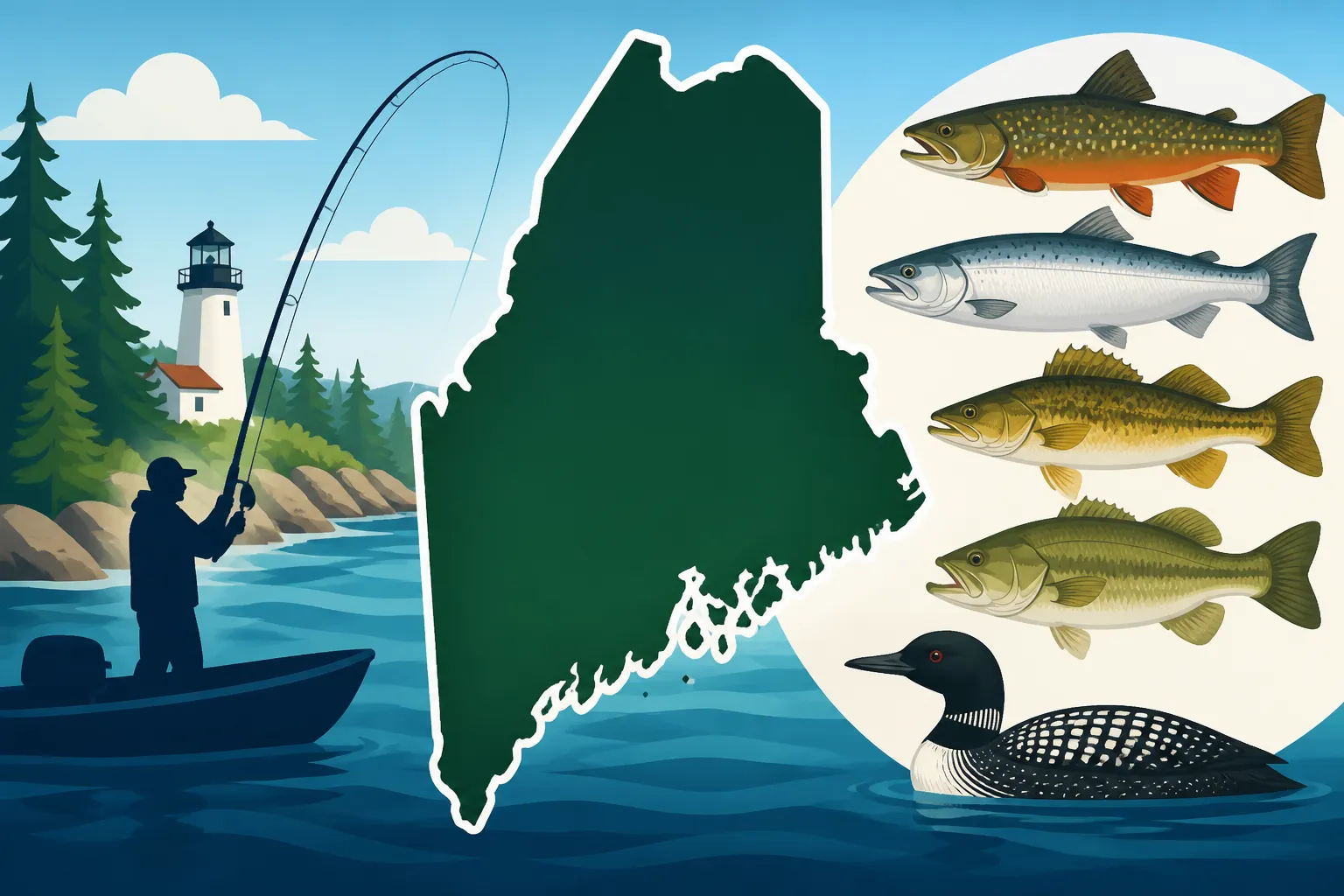
When we talk about Maine's aquatic heritage, one fish stands above the rest, recognized officially as our state fish: the humble yet magnificent brook trout. It's more than just a title; it's a testament to its deep roots in our history, culture, and the very fabric of our wild places.
Why the Brook Trout Reigns Supreme in Maine
The brook trout, or "brookie" as many of us affectionately call it, isn't just a pretty face; it's an emblem of Maine's pristine wilderness. Its designation as the state fish isn't a mere formality; it reflects centuries of the brook trout being intrinsically woven into the natural landscape. Long before modern stocking programs, these fish thrived in untold numbers, providing sustenance and endless angling opportunities for indigenous communities and early settlers alike. Their presence is a natural indicator of water quality, as they demand cold, clean, and well-oxygenated environments, making them guardians of our most cherished waterways.
Culturally, the brook trout holds a special place in the hearts of Mainers. For generations, chasing brookies has been a rite of passage, a connection to the simpler pleasures of the outdoors. From a small child with a worm and a bobber on a quiet stream to a seasoned fly-fisher navigating remote wilderness ponds, the pursuit of brook trout is deeply ingrained. It evokes images of pristine North Woods camps, whispering pines, and the exhilarating splash of a vibrant, wild fish. This deep historical and cultural significance is precisely why it was chosen to represent our state, embodying the very spirit of Maine's untamed beauty.
The brook trout's native status across most of its Maine range further solidifies its position. Unlike many other species that have been introduced to our waters, brook trout have been here, naturally reproducing and adapting to our unique environment, for millennia. They are a testament to the resilience and delicate balance of our original ecosystems. Their presence is a reminder of what Maine's waters were like before extensive human intervention, and their conservation remains a top priority to maintain the ecological integrity of our cold-water habitats.
Identifying Maine's State Fish: Distinctive Features
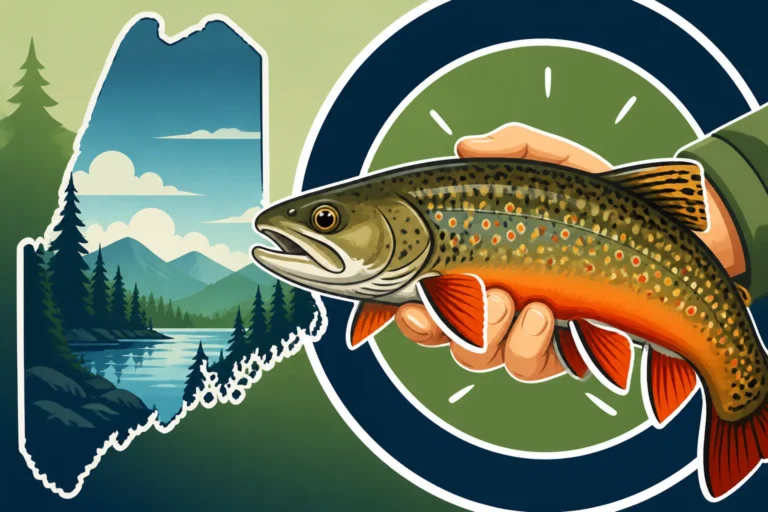
Spotting a brook trout in its natural element is an unforgettable experience. They possess a beauty that truly sets them apart from other trout species you might encounter. One of their most striking features is the intricate, worm-like pattern, often called "vermiculations," that graces their olive-green backs and flanks. These patterns are typically lighter than their base color, creating a stunning camouflage that helps them blend seamlessly into the shadows and dappled light of their preferred habitats.
Beyond the vermiculations, look closely at their sides for vibrant, often electric blue halos surrounding small, red spots. These "halos" are a key identifier, distinguishing them from other char or trout species. Their belly often ranges from a creamy white to a brilliant, almost fiery orange or red, especially during spawning season, with the lower fins (pelvic, anal, and caudal) sporting a distinctive white leading edge, often followed by a black stripe. This triple band of white, black, and orange is another reliable visual cue that you're holding a true Maine brook trout.
Their body shape is also quite telling. Brook trout tend to have a more streamlined, torpedo-like body, perfectly adapted for navigating fast-moving streams and darting through cover. Their head is relatively small in proportion to their body, with a large mouth capable of engulfing a variety of insects and small prey. While their coloration can vary subtly depending on the specific water body and diet – some might be darker in tannin-stained waters, others brighter in clear, gravel-bottomed streams – these core identifying characteristics remain consistent, making them a joy to recognize for any angler. If you're looking for more detailed identification tips, you might want to check out How to Identify a Brook Trout.
Brook Trout Habitat and Behaviors in Maine
Brook trout are creatures of cold, clear, and highly oxygenated water. This is their absolute preference, and you'll find them thriving in the headwaters of countless streams, small spring-fed ponds, and the cooler tributaries of larger rivers across Maine. They are particularly fond of areas with plenty of natural cover – think fallen logs, undercut banks, rocky pockets, and overhanging vegetation that provide both shelter from predators and a refuge from warmer water temperatures, especially during the height of summer.
During the warmer months, if they're in larger water bodies like lakes or deep ponds, brook trout will seek out thermal refuges, often congregating around spring inlets or deeper sections where cooler water persists. In streams, they'll hold in riffles and runs where the current is swift and the oxygen content is high, or in deeper pools where they can ambush passing prey. They are opportunistic feeders, with a diet that includes a wide array of aquatic insects, terrestrial insects that fall into the water, small minnows, leeches, and even small crustaceans. Many anglers have success with a variety of lures and baits, and you can find many options on platforms like Amazon.
Spawning for brook trout typically occurs in the fall, generally from September through November, when water temperatures begin to drop. They'll migrate to shallow, gravelly areas in streams or spring-fed lake shoals, where the female will create a "redd" – a depression in the gravel – to deposit her eggs. The male will then fertilize them, and the eggs will be covered with gravel. Unlike Pacific salmon, brook trout are not semelparous; they don't die after spawning and can, if conditions allow, reproduce multiple times throughout their lives. This annual cycle is crucial for the continuation of wild brook trout populations, making it vital for anglers to respect spawning areas and seasons. For a broader understanding of the species, our Brook Trout Fishing in Maine guide provides extensive information.
Understanding Native Species vs. Introduced Species
The distinction between native and introduced species might seem like a technicality, but it's fundamentally important to understanding the ecological health and management of Maine's fisheries. It's about respecting the natural history and delicate balance of our aquatic environments.
What Makes a Fish "Native" to Maine?
When we classify a fish as "native" to Maine, we're talking about species that have historically existed in our waters without human intervention. These are the fish that evolved here, adapted to our specific climate, geology, and hydrological systems over thousands of years. Their presence is a result of natural migration patterns, post-glacial recolonization, and the slow, intricate dance of ecological development. They belong here because they always have, playing a specific, evolved role in the food web and ecosystem dynamics.
Native species are integral to the ecological balance of their environment. They have co-evolved with local prey species, predators, and even aquatic plants, creating a complex and stable web of life. For instance, the brook trout, being native, has a natural relationship with the insects and smaller fish it preys upon, and is in turn preyed upon by native ospreys, otters, and larger fish. This long-standing relationship ensures that no single species dominates uncontrollably and that resources are utilized efficiently. When you're fishing a remote pond that holds only native brook trout, you're experiencing a slice of Maine that has largely remained untouched by human alteration, a truly special and increasingly rare opportunity.
Identifying a truly native fish often requires extensive historical and biological research, sometimes even genetic analysis to differentiate between wild native populations and those that might have been stocked from non-native genetic strains. The presence of robust, naturally reproducing populations in pristine habitats is often a strong indicator. These fish are not just "present"; they are an inherent part of the landscape, their life cycles and survival intimately tied to the unique conditions of Maine's diverse waters. Their importance goes beyond just fishing; it speaks to the intrinsic value of preserving biodiversity and the natural heritage of our state.
The Impact of Introduced Species on Maine's Ecosystems
While some introduced species are managed for sport fishing, the reality is that many introductions have had, and continue to have, significant negative impacts on Maine's delicate native ecosystems. It's a complex issue, often driven by well-meaning but ultimately detrimental actions of humans moving fish from one watershed to another, sometimes even across continents. The core problem is that introduced species don't have those thousands of years of co-evolution with the local flora and fauna.
One of the most common issues is competition. An introduced species might compete directly with native fish for food, spawning habitat, or prime holding areas. For example, largemouth bass, which thrive in warmer, weedier waters, can outcompete native brook trout or salmon parr (young salmon) in certain habitats, especially in waters that have warmed due to climate change or human activity. They are often more aggressive feeders, and their sheer numbers can quickly deplete the food sources that native fish rely on, leading to a decline in native populations.
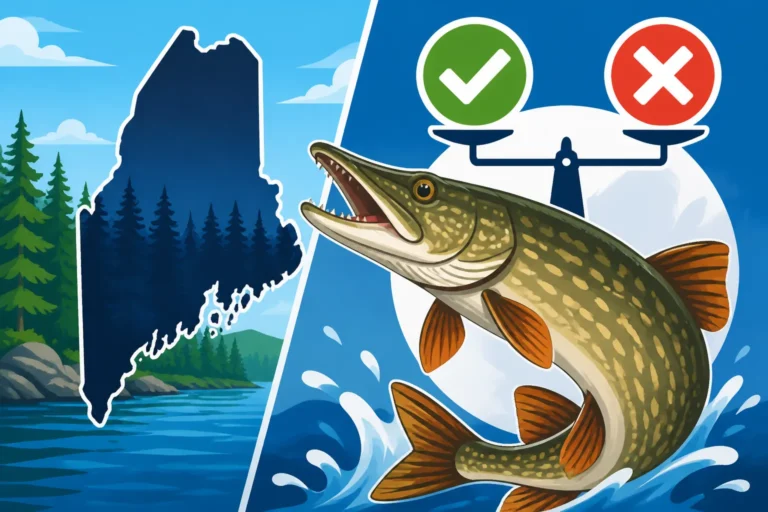
Predation is another major concern. Many introduced species are predators, and when they enter an ecosystem where native prey fish have no natural defenses against them, the results can be devastating. Northern pike, for instance, introduced illegally into some Maine waters, are voracious predators that can decimate populations of native salmon, trout, and suckers. They grow quickly and can quickly become the dominant predator, altering the entire food web. Introduced species can also carry diseases or parasites that native fish have no immunity to, leading to widespread sickness and mortality.
Ultimately, the unchecked spread of introduced species can lead to habitat alteration and a significant reduction in biodiversity. They can change the very structure of a lake or river, favor certain plant life, and make it harder for native fish to thrive or reproduce. This is why agencies work so hard to prevent illegal introductions and why regulations regarding baitfish and fish transfers are so strict. It's about recognizing that every introduction, even if seemingly harmless, carries the risk of irrevocably changing the unique natural heritage of our Maine waters.
Balancing Conservation with Fishing Opportunities
This is arguably one of the most challenging aspects of modern fishery management in Maine: how do we protect and restore our precious native species while still providing ample and enjoyable fishing opportunities for a diverse angling public? It's not a simple switch you can flip; it's a constant, evolving negotiation, and it can be a source of frustration for anglers who just want to enjoy their pastime.
One key strategy involves targeted stocking programs. For native species like brook trout and landlocked salmon, which can face pressure from various factors, strategic stocking in certain waters helps to supplement populations, especially in areas where natural reproduction might be struggling or where there's high angling pressure. However, these programs are carefully designed to minimize genetic impacts on wild, native strains. For introduced species, stocking might also occur to create put-and-take fisheries, drawing angling pressure away from sensitive native populations. You can find out more about Maine's approach to management in our Maine Fishing Regulations Explained and Maine Fish Bag Limits Guide.
Special regulations are another critical tool. Maine has a complex web of rules, including catch-and-release only sections, gear restrictions (like fly-fishing only or single hook requirements), and specific size and bag limits for different species on different waters. These regulations are not arbitrary; they are meticulously crafted based on biological data to protect vulnerable native populations, allow fish to reach spawning age, and ensure sustainable harvests of others. For example, some remote ponds might be managed exclusively for wild brook trout, with very restrictive rules to preserve their native genetics. Understanding these rules is crucial, and it’s why our Maine Fishing Season Dates Guide is so important.
Ultimately, the balance relies heavily on angler education and responsible behavior. It's about fostering an ethic of conservation within the fishing community. This means understanding why certain rules exist, practicing proper Catch and Release Best Practices in Maine, and never, ever introducing fish from one water body to another. It's also about supporting the work of conservation organizations and fisheries biologists. By being informed, responsible, and engaged, anglers become part of the solution, helping to ensure that both native species thrive and that future generations will have incredible fishing opportunities in Maine.
Key Native Fish Species of Maine's Freshwater Systems
Beyond the beloved brook trout, Maine is home to several other incredible native freshwater fish species, each playing a vital role in our diverse aquatic ecosystems. These are the fish that have shaped our inland fishing traditions for centuries.
Landlocked Salmon: Maine's Inland Royalty
When you talk about a truly iconic native sportfish in Maine's larger lakes, the landlocked salmon immediately comes to mind. These magnificent fish are essentially Atlantic salmon that, through natural or historical geological processes, became trapped in freshwater lakes after the last ice age, adapting entirely to an inland existence. They are not a separate species but a freshwater-resident population of the same Atlantic salmon that once migrated to the ocean. Maine is actually the last remaining stronghold for self-sustaining wild populations of landlocked salmon in the United States, which makes them incredibly special.
Their preferred habitat consists of deep, cold, and clear oligotrophic (nutrient-poor) lakes, which are characteristic of many of Maine's larger bodies of water like Sebago Lake, Moosehead Lake, and the Rangeley Lakes. These lakes must maintain sufficiently cold water temperatures year-round, especially in the deeper sections, to support the salmon, which are very sensitive to warmth. They are also highly dependent on a robust forage base, primarily rainbow smelt, which are a critical part of their diet. Without a healthy smelt population, landlocked salmon struggle to grow to impressive sizes.
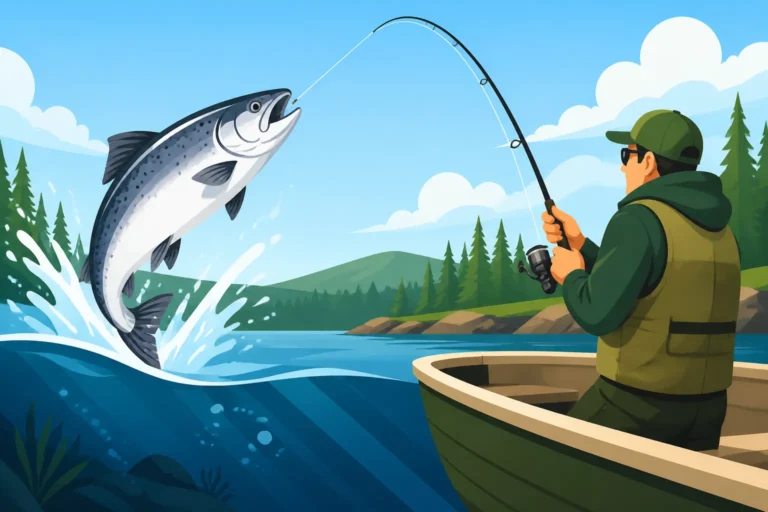
Anglers revere landlocked salmon for their strong fighting ability and acrobatic jumps when hooked. They are often targeted by trolling with various lures, flies, and bait, especially during the spring and fall when they are more active near the surface, and in deeper waters during the summer. While they don't experience the dramatic physical changes of their anadromous (sea-run) cousins during spawning, they still migrate up tributary rivers in the fall to reproduce in gravelly beds. If you're keen to learn more about chasing these beauties, our Landlocked Salmon Fishing in Maine guide is packed with tips.
Lake Trout (Togue): The Deep-Water Predator
In many parts of North America, they're simply called lake trout. But here in Maine, we often refer to them by their unique regional name: "togue." This indigenous term has been used by local communities for generations and is deeply embedded in our fishing culture, a testament to their long-standing presence in our deep, cold lakes. Togue are an ancient species, true natives of many of Maine's larger and deeper lake systems, and they are masters of the abyss.
Togue are perfectly adapted to life in the deepest, coldest reaches of Maine's large lakes. They are typically found in waters over 50 feet deep, sometimes much deeper, where temperatures remain consistently low, often in the 40-50°F range, even in the hottest summer months. Lakes like Moosehead, Sebago, and many in the Rangeley Lakes region are prime togue territory. They are slow-growing and long-lived, with some individuals reaching impressive sizes and ages, but their growth rate is highly dependent on the availability of a good forage base, often smelt or cusk.
These fish are apex predators in their deep-water domain, feasting on smaller fish and invertebrates. Their identification can sometimes be confused with brook trout, but togue typically have a more elongated, slender body, a deeply forked tail, and lack the vibrant red spots with blue halos characteristic of brook trout. Instead, their bodies are usually mottled gray, brown, or olive, with lighter spots. They are also known for their strong, sustained fight, making them a formidable opponent for any angler. If you want to delve deeper into identifying these fascinating fish, our How to Identify a Togue vs Lake Trout article offers clear distinctions.
Smallmouth Bass: A Surprising Native?
Now, this one might raise an eyebrow for some, as bass are often lumped together as introduced species. But it's a nuanced discussion. While largemouth bass are indeed introduced across Maine, the smallmouth bass has a more complex story. Recent scientific understanding, supported by historical evidence, suggests that smallmouth bass are native to specific watersheds in Maine, particularly in the western and central parts of the state, before widespread stocking initiatives broadened their range considerably. This makes their native status in these specific areas a point of pride and ongoing study.
Smallmouth bass are prized by anglers for their incredible fighting spirit – pound for pound, they are one of the hardest-fighting freshwater fish. They are true bronzebacks, known for their aggressive strikes and powerful runs. Their preferred habitats are typically clearer, rockier lakes and rivers, often with gravel or boulder bottoms, where they can ambush prey. Unlike largemouth, they don't generally favor heavy weed cover, preferring structure like submerged logs, rock piles, and drop-offs. Their diet is broad, including crayfish, insects, and smaller fish.
Their spread throughout Maine was undoubtedly aided by human introduction to many waters where they were not originally present. However, the recognition of their native status in certain areas highlights the importance of understanding the historical distribution of species. This understanding helps in making informed management decisions, such as differentiating between wild, native populations and those that are part of introduced fisheries. Regardless of their original presence in every lake, their popularity among anglers is undeniable, and they provide incredible sport in countless Maine waters.
Important Anadromous and Catadromous Native Species
Maine's unique geography, with its intricate network of rivers flowing into the vast Atlantic, supports fascinating fish species that spend different parts of their lives in both fresh and saltwater. These "migratory" fish are critical to the health of both ecosystems.
Atlantic Salmon: A Legacy of the Penobscot
The Atlantic salmon holds a storied place in Maine's history, representing both a glorious past and a poignant struggle for survival. These magnificent anadromous fish are, without question, native to Maine, once running in prodigious numbers up nearly every major river system along the coast. For millennia, they were a cornerstone of local ecosystems and cultures, a symbol of wild abundance.
The life cycle of the Atlantic salmon is truly epic. They hatch in the gravel beds of freshwater rivers, spending several years as parr and then smolts, growing and adapting before undertaking an incredible migration to the North Atlantic Ocean. They spend one to several years at sea, feeding and growing, before returning to their natal rivers to spawn, an arduous journey often against powerful currents and over obstacles. Historically, this annual run was a spectacular natural event.
However, due to overfishing, damming of rivers, pollution, and habitat degradation, Atlantic salmon populations have faced a catastrophic decline. They are now federally listed as endangered in the Gulf of Maine. Maine is the last state in the U.S. with remaining wild Atlantic salmon runs, making conservation efforts here critically important. Fishing for wild Atlantic salmon is strictly catch-and-release only, with severe restrictions, and primarily occurs in certain sections of rivers like the Penobscot and Kennebec, as part of intensive restoration programs. The dream of seeing the Penobscot River teeming with salmon once more is a powerful driving force behind immense conservation work and dam removal projects, hoping to restore this legacy.
American Eel: The Mysterious Migrator
Often overlooked, the American eel is one of Maine's most intriguing and ecologically significant native species, with a life cycle that truly boggles the mind. Unlike the anadromous salmon that spawn in fresh water and grow in salt, American eels are "catadromous" – they live and grow in freshwater rivers, lakes, and estuaries, but migrate to the distant saltwater Sargasso Sea in the Atlantic Ocean to spawn.
These serpentine fish can grow quite large, and they play a crucial role in Maine's aquatic food webs, both as predators and as prey. Young eels, called "elvers" or "glass eels," are a valuable and regulated commercial fishery in Maine, prized internationally. As they mature into "yellow eels," they inhabit a wide range of freshwater habitats, from muddy bottoms of lakes to rocky river sections, feeding opportunistically on insects, crustaceans, and small fish. They are incredibly resilient and can even travel short distances over land through damp vegetation.
The challenges facing American eels are considerable, primarily habitat loss and fragmentation due to dams that block their upstream migration to freshwater rearing grounds. Despite their resilience, their populations have seen declines in some areas. Conservation efforts focus on improving passage at dams through eel ladders and other fish-friendly structures, as well as managing the elver fishery sustainably. The American eel is a testament to the incredible biodiversity of Maine's native aquatic species and a reminder of the vast, interconnectedness of our global oceans and local rivers.
Alewives and Other River Herring: The Coastal Lifeline
When you think of the vibrancy of Maine's coastal ecosystems, alewives and other river herring (like blueback herring) are unsung heroes. These small, silvery anadromous fish are absolutely critical native species, though they might not be as glamorous to sport anglers as salmon or trout. They are the "coastal lifeline," serving as a fundamental forage base for a vast array of larger predators.
Every spring, often in April and May, alewives undertake massive spawning runs from the ocean into freshwater lakes and ponds along the Maine coast. These migrations are truly spectacular, with millions of fish pushing their way upstream, sometimes navigating complex fish ladders and fishways. Once in fresh water, they spawn in the shallow areas, and their young spend the summer growing before migrating back to the ocean in the fall.
The ecological importance of these runs cannot be overstated. The sheer biomass of alewives provides a critical seasonal food source for striped bass, cod, haddock, tuna, and numerous other marine fish that gather at river mouths. In fresh water, they feed osprey, eagles, gulls, herons, mink, and even bears. Their eggs and decaying bodies enrich the freshwater ecosystems, providing nutrients. Historically, these runs were also important for local economies, both for bait and human consumption. Today, many communities actively work on dam removal and fish passage projects to restore these vital runs, recognizing that a healthy alewife population underpins the health of the entire coastal food web. It’s an amazing spectacle to witness, and a stark reminder of the power of nature's cycles.
Common Introduced Species and Their Presence in Maine
While we cherish our native species, it's a fact of life that many introduced fish now thrive in Maine's waters. Some have become popular sportfish, while others pose ongoing management challenges. Knowing the difference helps us appreciate the complexity of our fisheries.
Largemouth Bass: The Pond and Warm-Water Invader
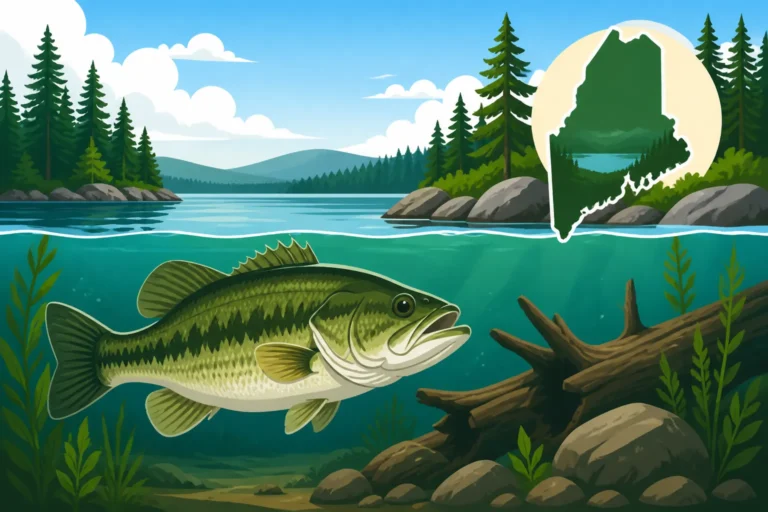
If you've fished in the shallower, weedier ponds and lakes of southern and central Maine, you've almost certainly encountered the largemouth bass. These feisty fish, distinguished by their large mouth that extends beyond the eye, are not native to Maine. They were introduced, largely for sport fishing purposes, and have since become firmly established in many of our warmer, more fertile waters.
Largemouth bass prefer warmer water temperatures and gravitate towards areas with abundant submerged vegetation, lily pads, fallen trees, and other cover where they can ambush prey. They are incredibly adaptable and can thrive in a wider range of conditions than their smallmouth cousins, often dominating warmer, shallower ecosystems. Their diet is extensive, including everything from baitfish and crayfish to frogs, snakes, and even small birds and mammals that venture too close to the water's edge. This voracious appetite makes them formidable predators.
While they provide excellent sport and have a passionate following among bass anglers, their presence in certain waters can have an impact on native fish populations, particularly if those waters were once prime habitat for brook trout or other native species. Fisheries managers often have different regulations for bass-heavy waters, sometimes encouraging harvest to help maintain ecological balance. Regardless, fishing for largemouth bass offers exciting opportunities, especially for those who enjoy targeting them with topwater lures or flipping jigs into thick cover. You can find a good selection of bass lures and gear on sites like Amazon.
Brown Trout: A European Import with a Following
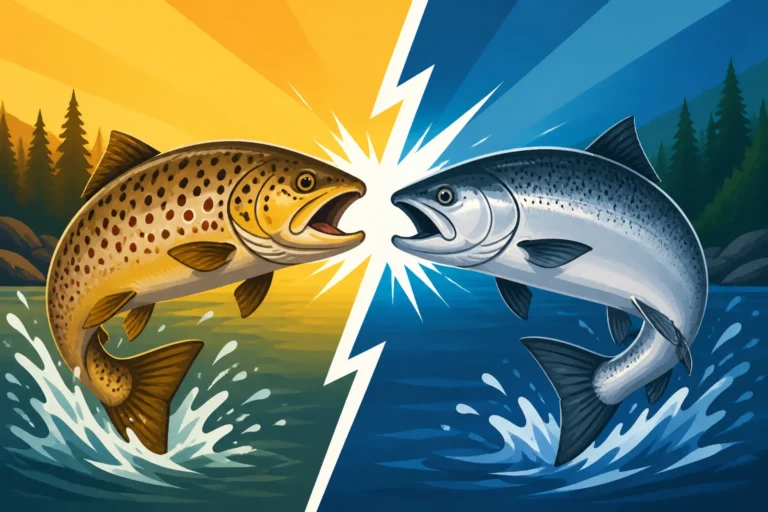
Another widely introduced species in Maine, the brown trout, hails originally from Europe and Western Asia. They were brought to North America in the late 19th century and have since been stocked extensively, including in many Maine rivers and lakes, primarily to provide additional sport fishing opportunities, particularly in waters where native brook trout might struggle due to warmer temperatures or habitat degradation.
Brown trout are known for their tolerance to a wider range of water temperatures compared to brook trout, allowing them to persist in rivers that might be too warm for our native char, especially during the summer months. This resilience has made them a popular choice for stocking in many developed or agriculturally impacted river systems. They are also notoriously wily and challenging to catch, earning them a reputation as a cunning sportfish that requires skill and patience to outsmart.
Visually, brown trout are typically golden-brown to olive on their backs, fading to silvery flanks and a yellowish-white belly. They are covered in distinct dark spots, some with faint halos, and often have reddish-orange spots along their sides, but they lack the prominent blue halos and worm-like vermiculations of a brook trout. They can grow to impressive sizes, particularly in richer river environments with abundant food. While not native, they offer fantastic fishing experiences and are a well-established part of Maine's diverse trout fisheries, often providing opportunities in waters that might otherwise have limited sportfish.
Chain Pickerel and Perch: Widespread and Adaptable
Rounding out some of the most common introduced species you'll encounter in Maine are chain pickerel, white perch, and yellow perch. These fish are incredibly widespread and adaptable, found in a vast number of ponds, lakes, and slower-moving rivers across the state. While sometimes considered "nuisance" fish by anglers targeting trout or salmon, they provide easily accessible fishing opportunities, especially for beginners and families.
Chain pickerel are easily recognized by their distinctive chain-like markings along their sides and their elongated, duck-bill shaped snout filled with sharp teeth. They are voracious predators, often found lurking in weed beds or shallow cover, ready to ambush unsuspecting prey. While they can be a pest for anglers targeting other species, they are also a lot of fun to catch, especially on light tackle, and they provide an aggressive fight. They can have an impact on smaller native fish, so in some waters, harvest is encouraged.
White perch and yellow perch are also incredibly common. White perch are silvery-white, often with a deep body, and are found in both fresh and brackish waters, including many coastal rivers and estuaries. Yellow perch, with their distinct vertical stripes and reddish-orange fins, are found almost everywhere in fresh water. Both species are prolific breeders and can quickly become abundant, providing continuous action for anglers. They are also quite tasty, making them popular choices for pan-frying. While they contribute to the fishing landscape, their widespread presence, particularly in systems where they are not native, can sometimes lead to competition with other species for food resources. Understanding the difference between native and introduced species, like these, helps us to better appreciate the overall Maine Fish Species Identification Guide.
Protecting Maine's Native Fisheries: Your Role as an Angler
As anglers, we're not just users of Maine's natural resources; we're also their stewards. Protecting our native fisheries is a shared responsibility, and every decision we make on the water has an impact. It's about thinking beyond our immediate catch and considering the health of the entire ecosystem.
Best Practices for Catch and Release of Native Fish
For many of Maine's native species, especially brook trout and Atlantic salmon (where fishing is permitted), catch and release is not just a suggestion; it's a vital conservation practice. When you release a fish, you're giving it the chance to spawn, grow larger, and contribute to future generations. However, a poorly handled release can be just as fatal as keeping the fish.
Minimizing stress is paramount. The less time a fish spends out of the water, the better its chances of survival. Try to land fish quickly and efficiently, avoiding prolonged fights that can exhaust them. When handling, keep your hands wet – dry hands can remove the fish's protective slime layer, making it vulnerable to disease. If possible, keep the fish in the water while unhooking it. If you must lift it, support its entire body horizontally, especially larger fish, to avoid damaging internal organs. Avoid squeezing or touching the gills, as these are incredibly delicate.
Using barbless hooks is another simple yet highly effective practice. Barbless hooks reduce damage to the fish's mouth and make unhooking much quicker and easier, minimizing the time the fish is out of the water. Many anglers crimp the barb on their hooks with pliers, a quick modification that makes a huge difference. For specific advice on ensuring the fish you release survive and thrive, our Catch and Release Best Practices in Maine article offers comprehensive guidance. It’s a small effort that yields massive results for the health of our native populations.
Understanding and Following Maine's Regulations
Maine's fishing regulations can feel like a labyrinth at times, with different rules for different water bodies, species, and even times of the year. But these rules are not designed to frustrate you; they are carefully crafted by biologists to protect our fisheries, particularly the vulnerable native populations, and ensure sustainable fishing for everyone. Your role as a responsible angler begins with truly understanding and adhering to these rules.
It's critical to acquire a valid Maine Fishing License Guide before you even cast a line. Beyond that, you need to consult the most current rule book or the state's online resources to understand the specific regulations for the particular water body you're fishing. Are there special regulations for brook trout on that stream? What are the Maine Fish Bag Limits Guide for landlocked salmon in that lake? Is it a catch-and-release only section? Are certain gear types prohibited? These are all questions you need to answer before you start fishing. Ignoring them isn't just irresponsible; it can lead to hefty fines and penalties, and significantly harm fish populations.
Imagine a pristine native brook trout pond that is managed for a very specific low harvest or catch-and-release only. If anglers unknowingly (or knowingly) keep too many fish, or use illegal bait, the delicate balance of that wild population can be severely impacted for years. The regulations are the guardrails that prevent such damage. It’s also important to be aware of rules regarding baitfish – where you can collect them, what species you can use, and how you can transport them – to prevent the accidental introduction of invasive species or diseases. Ignorance of the law is never an excuse, and serious repercussions, including fines and license suspension, can occur if you're found Fishing Without a License in Maine or violating other rules.
Supporting Conservation Efforts and Responsible Angling
Being a responsible angler extends beyond simply following the rules; it's about actively supporting the health and future of Maine's native fisheries. This community effort is what truly makes a difference in the long run, ensuring that our children and grandchildren will also have the chance to experience the magic of Maine fishing.
One of the most direct ways to contribute is by reporting violations. If you witness poaching, illegal stocking, or egregious disregard for regulations, it's vital to contact the Maine Inland Fisheries and Wildlife wardens. They are on the front lines protecting our resources, and your eyes and ears can be invaluable. Don't assume someone else will report it; take action. Beyond law enforcement, consider supporting reputable conservation organizations that work to protect and restore native fish habitats. These groups often conduct vital research, lead habitat restoration projects (like dam removal or stream bank stabilization), and advocate for sound fisheries management policies.
Participating in local clean-up efforts around lakes and rivers is another tangible way to give back. Litter and pollution directly impact water quality and fish habitat. By volunteering a few hours, you can make a visible difference in the health of your favorite fishing spots. Finally, and perhaps most importantly, be an informed ambassador for responsible angling. Share your knowledge with new anglers, demonstrate proper catch-and-release techniques, and explain the why behind conservation efforts. The more people who understand and care about Maine's native fish, the stronger our collective voice for their protection will be.
Fishing for Maine's Iconic Native Species
Now that we've covered the why and the what, let's talk about the how! Fishing for Maine's native species is an incredibly rewarding experience, offering a chance to connect with the wild heart of our state. Each species presents its own unique challenges and thrills.
Targeting Brook Trout in Maine's Wild Waters
If your heart yearns for the quintessential Maine experience, targeting brook trout in their native waters is it. This isn't usually about catching massive fish, but rather about the pursuit, the stunning beauty of the fish, and the pristine environments you'll find them in. It often means getting off the beaten path, hiking into remote ponds, or wading small, crystal-clear streams.
For fly anglers, brook trout are a dream. They are often eager to rise to a well-presented dry fly, especially during hatches, or will readily take nymphs and small streamers. Stealth is key in these smaller waters; approach quietly, use a delicate presentation, and be aware of your shadow. Light tackle spinning gear can also be incredibly effective, especially with small spinners (like those you can find on Amazon) or tiny spoons, often tipped with a piece of worm. The key is to match the hatch or use lures that imitate natural prey.
Finding these wild brook trout often involves looking for cold-water refuges: spring-fed inlets, deep pools beneath waterfalls, undercut banks, and areas with fallen timber. In remote ponds, the fish might be less wary, but still respond best to subtle approaches. The reward is a vibrant, brilliantly colored fish, a testament to the health of its wild home. Many of Maine's Best Fishing Lakes in Maine and Best Fishing Rivers in Maine are managed specifically for their incredible brook trout populations, offering diverse opportunities from easy access to wilderness treks.
Pursuing Landlocked Salmon and Togue on Big Lakes
For those who prefer the open water and the thrill of a powerful fight, chasing landlocked salmon and togue on Maine's grand, deep lakes is an unforgettable adventure. These fish typically inhabit the cooler, deeper sections of large water bodies, which means different tactics are required than for stream-dwelling brook trout.
Trolling is often the most effective method for both landlocked salmon and togue. This involves slowly moving a boat while dragging lures, flies, or bait at specific depths behind it. For salmon, during spring and fall, they might be higher in the water column, making planer boards or lead core line effective for getting offerings down to the desired depth. In summer, they dive deep, requiring downriggers, Dipsy Divers, or heavier lead core and copper line setups to reach them. Many anglers find the chase for salmon on large lakes like Sebago, Moosehead, or the Rangeleys to be a lifelong pursuit, demanding constant learning and adaptation. Our Trolling Techniques for Maine Lakes guide can help you get started.
Togue, being even more deep-water oriented, are often targeted through deeper trolling, using heavy lines and large spoons or baits that imitate smelt. Jigging is another highly effective method, especially during the colder months (including ice fishing season), where anglers vertically present jigs or bait right on the bottom or suspended over deep structure. Using modern electronics like a fish finder is almost essential for locating these deep-dwelling predators, helping you identify structure, schools of baitfish, and the fish themselves. The sheer size and power of a large togue or a leaping landlocked salmon make these pursuits incredibly exciting and challenging. For specific techniques and where to find these fish, check out our guides on Landlocked Salmon Fishing in Maine and Lake Trout and Togue Fishing in Maine.
Shore Fishing and River Access for Native Opportunities
You don't always need a boat or a wilderness trek to enjoy fishing for Maine's native species. Many rivers and even some lake shores offer fantastic opportunities for shore-bound anglers, providing accessible experiences for everyone, including families and beginners.
Many of Maine's smaller rivers and streams, especially those with public access points, hold healthy populations of native brook trout. Walking along these waterways, casting small spinners or flies into pools and runs, can be incredibly productive and relaxing. Look for bridges, public easements, and designated fishing access areas. Always be mindful of private property, and respect landowners' rights.
Larger rivers, particularly in spring and fall, can offer opportunities for native fish like landlocked salmon and even occasional sea-run species as they migrate. Fishing near river mouths or dam outflows, where fish might congregate, can be highly effective. While less common, some large lakes with public beaches or designated shore access areas can also yield native fish, especially during periods when they move shallower. Early morning and late evening are often prime times for shore fishing, as fish move closer to the banks to feed. To find suitable spots, our Shore Fishing Access Points in Maine article can be a great resource, helping you locate places where you can easily wet a line and hopefully connect with a native Maine fish.
Maine's Native vs. Introduced Fish Species at a Glance
Understanding the key differences between our native fish species and those introduced can help you appreciate the complex ecosystems in Maine's waters. This table offers a quick comparison of some prominent examples:
| Feature | Native Species (e.g., Brook Trout, Landlocked Salmon, Togue, Atlantic Salmon, American Eel, Alewife) | Introduced Species (e.g., Largemouth Bass, Brown Trout, Chain Pickerel, Yellow/White Perch) |
|---|---|---|
| Origin | Evolved in Maine's waters naturally over millennia. | Brought to Maine by human activity, often for sport or as accidental introductions. |
| Ecological Role | Integral, long-established role in food web, co-evolved with local species. | Can disrupt existing food webs, compete with or prey on native species. |
| Preferred Habitat | Often very specific; cold, clear, highly oxygenated water for trout/salmon. | Often more adaptable; can thrive in warmer, weedier, or more varied conditions. |
| Conservation Status | Many are focal points of conservation efforts due to sensitivity or decline (e.g., Atlantic Salmon). | Managed for recreational fishing, sometimes with encouraged harvest to limit ecological impact. |
| Growth/Resilience | Can be sensitive to environmental changes, slower to recover from habitat degradation. | Often robust, fast-growing, and adaptable to human-altered environments. |
| Management Focus | Protection, restoration of wild populations, habitat improvement, strict regulations. | Creating recreational opportunities, managing population levels, mitigating negative impacts. |
Disclaimer
This article is for general informational purposes only and does not constitute professional advice. Laws, prices and regulations vary by location and change over time. Consult a qualified professional for guidance on your specific situation.