Brook Trout Fishing in Maine
There's nothing quite like the feeling of chasing Maine's native brook trout, but anyone who's tried knows the frustration of spending hours on the water without a nibble, or worse, finding a perfect-looking stream only to realize it's devoid of these beautiful fish. It can feel like these elusive gems are hiding just beyond your reach, making you wonder if you're using the right gear, fishing the right spot, or even understanding what makes them tick. This comprehensive guide will pull back the curtain, giving you the insider knowledge you need to consistently find, hook, and appreciate Maine's iconic brook trout.
The Allure of Maine's Brook Trout: A Native Gem
For many of us, the brook trout isn't just a fish; it's a symbol of Maine's wild heart, a living, breathing jewel that represents the pristine beauty of our woods and waters. There's a certain magic that draws anglers, from seasoned veterans to curious beginners, to seek out these vibrant fish.
Why Brook Trout Capture Our Hearts (and Lines!)
It's easy to see why brook trout hold such a special place in the hearts of Maine anglers. Their sheer beauty is often the first thing that captivates you – those intricate, worm-like markings (vermiculations) on their backs, the bright red spots often haloed in blue, and those distinctive white-edged fins. They flash a kaleidoscope of colors, especially during their spawning season in the fall, transforming into a vibrant palette of oranges, reds, and deep greens. But it’s not just their looks; it's their spirit. Despite their often modest size, brook trout are feisty fighters, especially in the cold, clear water they call home. A spirited brook trout on a light fly rod or ultralight spinning gear offers an exhilarating experience, a tug-of-war that connects you directly to the wildness of Maine.
Beyond the thrill of the catch, there's a deep reverence for the brook trout's native status. These fish are true Mainers, having inhabited our waters long before European settlement. They represent a pristine ecosystem, thriving only where the water is clean, cold, and well-oxygenated. Finding a healthy population of wild brook trout isn't just a fishing success; it's a testament to the health of the surrounding environment, a natural indicator of untouched wilderness. This intrinsic connection to Maine's heritage makes every successful trip feel like a pilgrimage, a moment to appreciate something truly special and wild.
Identifying Maine's Brook Trout
Being able to correctly identify a brook trout is crucial, not just for appreciation, but also for adhering to specific regulations that might apply to them in certain waters. While they share the "trout" name, brook trout are actually a type of char, a close relative of lake trout (togue) and arctic char.
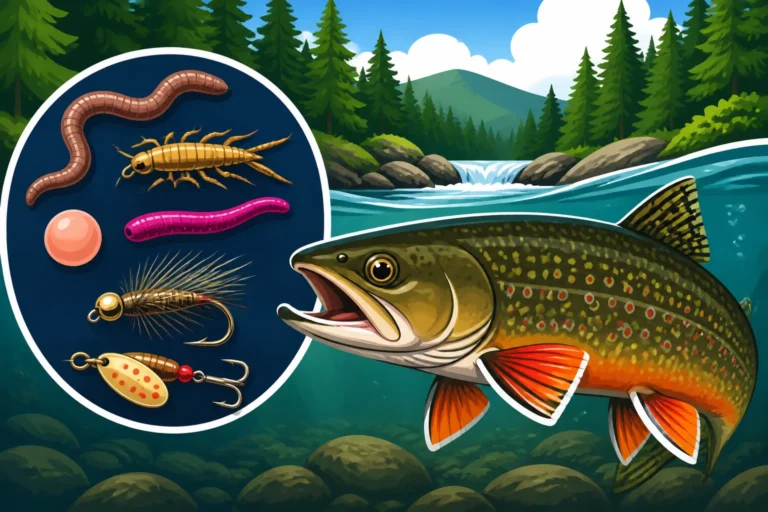
The most striking identification feature is their back and dorsal fin, which are covered in distinct, light-colored, worm-like markings on a darker background. Unlike other trout that might have spots, these vermiculations are unique. Their sides often display scattered red spots, typically surrounded by blue halos, which can vary in intensity depending on the fish's age, diet, and specific habitat. The lower fins – pectoral, pelvic, and anal – are another key identifier: they typically have a distinctive white leading edge, followed by a black stripe, and then a reddish-orange inner color. This white-black-color pattern is almost a dead giveaway. Their tail fin is usually square or slightly forked.
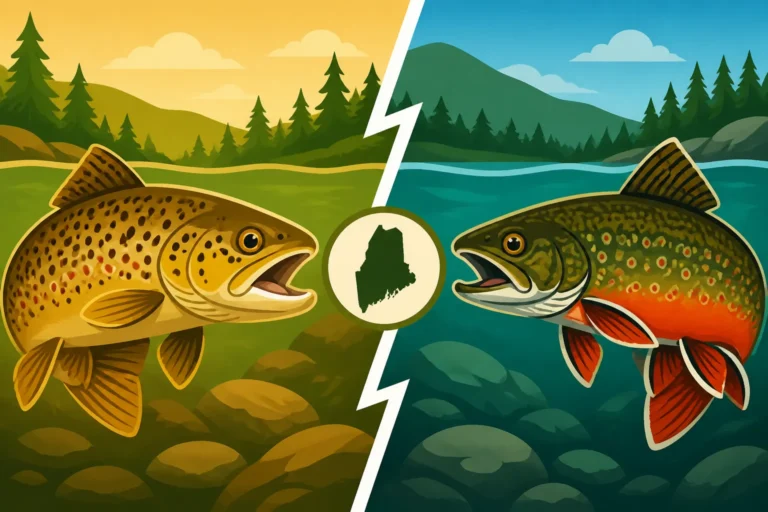
Sometimes, new anglers might confuse a smaller brook trout with a juvenile landlocked salmon or even a brown trout. Landlocked salmon parr (juveniles) have vertical "parr marks" and a more deeply forked tail, lacking the prominent red spots with blue halos. Brown trout usually have more pronounced dark spots, often with a red or orange halo, and typically lack the worm-like markings on their back, opting instead for more uniform spotting. The white leading edges on the fins are the definitive feature of a brook trout. The vibrancy of a brook trout's colors can also shift dramatically. Fish from dark, boggy waters might be darker, while those from clear, rocky streams might be brighter. Always double-check your catch against a reliable source or a local guide if you're unsure. For a deeper dive into identifying various fish species you might encounter, check out our guide on How to Identify a Brook Trout.
Where to Find Maine's Brook Trout: Habitats and Hotspots
Finding brook trout in Maine isn't always about stumbling upon them; it's about understanding their preferred environments. They are particular creatures, and knowing what makes them comfortable is the first step to successful angling.
The Ideal Brook Trout Environment
Brook trout thrive in specific conditions that truly define their habitat. They demand cold, clear, highly oxygenated water – conditions often found in the pristine headwaters of streams, small rivers, spring-fed ponds, and the deeper, cooler sections of some larger lakes. Think about places where groundwater percolates into a stream, creating consistently chilly pockets even during the warmest summer months. These fish are extremely sensitive to temperature fluctuations; anything above 68 degrees Fahrenheit can be stressful, and prolonged exposure can be lethal. That's why you'll often find them tucked away in shaded areas, beneath undercut banks, or congregated around spring holes where cooler water enters a larger body.
Beyond temperature and oxygen, brook trout also appreciate structure. This means fallen logs, submerged rocks, boulder fields, and overhanging vegetation that provide both cover from predators and ambush points for prey. In streams, they'll hold in pools created by rapids or bends, behind large rocks that break the current, or in deeper runs. In ponds, they might patrol weed lines during cooler periods but retreat to the deeper thermocline or near underwater springs when the surface warms. Understanding these preferences helps you "read" the water and identify high-percentage areas before you even make your first cast.
Famous and Lesser-Known Maine Brookie Havens
Maine is a true brook trout paradise, boasting an incredible number of native, wild brook trout waters, especially in its vast undeveloped regions. While some spots are celebrated, countless others await discovery by the adventurous angler.
When people think of Maine brook trout, often the conversation turns to the sprawling wilderness of the North Woods. Regions like the legendary Allagash Wilderness Waterway Fishing Guide are renowned for their remote ponds and streams teeming with wild brookies. The Moosehead Lake region, too, while famous for togue and salmon, offers numerous feeder streams and remote ponds that hold impressive brook trout populations. For instance, Moosehead Lake Brook Trout Fishing often focuses on the tributaries rather than the main lake itself. Similarly, the Rangeley Lakes region, beyond its famous salmon and large brook trout in the main lakes, is dotted with smaller, high-elevation ponds and intricate stream systems that are textbook brook trout habitat.
But it's not just the big names. Maine's strength lies in its sheer volume of lesser-known, accessible waters. Many smaller ponds, especially those with limited road access, can be true hidden gems. Even seemingly modest streams in more settled areas can hold brookies if they maintain cold, clean water. The key is often exploring. Studying topographic maps to identify remote ponds, hiking into stream sections away from road crossings, or simply driving logging roads and looking for promising water can lead to incredible finds. Always remember to respect private land and check local regulations, as these smaller, more fragile ecosystems often have specific rules. For those willing to venture off the beaten path, our guide on Best Remote Ponds for Brook Trout in Northern Maine offers some fantastic insights.
Understanding Brook Trout Behavior and Life Cycle
Unlocking the secrets to consistent brook trout success means diving into their habits. These fish aren't always actively feeding, and their behavior shifts dramatically with the seasons and even the time of day.
Seasonal Movements and Feeding Patterns
Brook trout are creatures of habit, yet their habits are heavily influenced by the calendar. Understanding these seasonal shifts is paramount to being in the right place at the right time.
- Spring (Ice-out to early June): This is often considered prime time. After the long winter under the ice, brook trout are hungry and actively seeking food. Water temperatures are ideal, and the fish are often found in shallower water, near inflows, and along shorelines as insects become more active. They're recovering from the lean winter months and preparing for the spawn later in the year. This is a period of aggressive feeding, making them more susceptible to a variety of baits and lures. As spring progresses, insect hatches become more prevalent, and dry fly fishing can be exceptional.
- Summer (Late June to August): This can be the trickiest season due to warming water. Brook trout become much more sensitive to heat and will retreat to thermal refuges. This means deeper pools in streams, the mouths of cold springs, and the deeper thermocline layers of ponds and lakes. Their activity levels typically decrease during the brightest, hottest parts of the day. Your best bet for summer brookies is typically early morning, late evening, or even night fishing, when surface temperatures are cooler. You'll need to focus on structure and deep water.
- Fall (September to November): Another fantastic season, especially for larger brook trout. As water temperatures cool down, brookies become incredibly active again. This is their spawning season, and the males, in particular, display spectacular colors and become highly aggressive, defending redds (spawning beds) and feeding heavily. They move into shallower gravelly areas of streams and along shorelines of ponds to spawn. Anglers often target them with streamers or larger attractor patterns during this time. The fall foliage provides a stunning backdrop to the vibrant fish.
- Winter (December to Ice-out): For those brave enough to venture onto the hard water, brook trout can still be caught through the ice. Their metabolism slows down considerably, so they aren't as active, but they still need to feed. They'll often hold in deeper sections of ponds and lakes, near drop-offs or underwater structures. Jigging small spoons or using tip-ups with live bait are common methods. Patience is key, as bites can be subtle. If you want to dive deeper into the optimal timing for your angling adventures, our Best Month for Brook Trout Fishing in Maine guide has more detailed information.
What's on the Menu? Brook Trout Diet
Knowing what brook trout eat is like having a cheat sheet for choosing your bait or fly. These opportunistic feeders have a diverse diet that shifts based on availability and season.
In their stream and river habitats, brook trout primarily feast on aquatic insects. This includes a smorgasbord of mayfly nymphs and adults, caddisfly larvae and adults, stonefly nymphs, and various midges. When a hatch is on, they can become incredibly selective, keying in on one particular insect. They also aren't shy about terrestrial insects that fall into the water, such as ants, beetles, grasshoppers, and crickets, especially during summer months. Small crustaceans like scuds, leeches, and even small freshwater shrimp can be important food sources in some waters.
In larger ponds and lakes, their diet expands. While insects still play a role, especially in shallower areas, brook trout in these environments will also prey on smaller baitfish like minnows, juvenile suckers, and, importantly, smelt. Smelt are a critical forage base in many of Maine's larger brook trout waters, providing the rich protein needed for brookies to grow to impressive sizes. A healthy smelt population often correlates directly with larger brook trout. The presence of crayfish in a system can also contribute to a brook trout's diet. Understanding these dietary preferences will directly influence your choice of flies (nymphs, dry flies, streamers) or lures (small minnow imitations, spinners) for maximum success. For a more comprehensive look at what these beautiful fish consume, check out our guide on What Do Brook Trout Eat in Maine Streams?.
Essential Gear for Maine Brook Trout Fishing
Stepping onto a pristine Maine brook trout stream or paddling out onto a remote pond, you want to feel confident in your gear. Having the right tools for the job makes all the difference in connecting with these elusive fish.
Rods, Reels, and Line for Success
Choosing the right rod, reel, and line setup for brook trout fishing in Maine really comes down to balancing finesse with the potential for a strong fight, all while navigating various fishing environments.
For fly fishing, a lightweight setup is almost always preferred. A 2-weight to 4-weight fly rod, typically between 6.5 to 8 feet long, offers the delicate presentation needed for small flies and protecting light tippets, while still having enough backbone to handle a feisty brook trout. A matching fly reel is mostly for line storage, so durability is more important than a fancy drag system, though a smooth drag is always a plus. A weight-forward floating fly line, matched to your rod weight, is versatile for dry flies, nymphs, and small streamers. Pairing this with a tapered leader (7.5 to 9 feet) and a tippet of 5X to 7X will give you the stealth and strength you need. For really tight brushy streams, some anglers even opt for shorter rods, around 6 feet, to navigate the casting challenges.
For spin fishing, ultralight or light tackle is the way to go. A spinning rod between 5 and 6.5 feet in length, with a fast or moderate-fast action, provides excellent casting accuracy for small lures and good sensitivity for detecting subtle bites. Pair this with a small, lightweight spinning reel (size 1000 or 2000) spooled with 2-pound to 6-pound test monofilament or fluorocarbon line. Monofilament offers a bit of stretch for fighting fish and is forgiving, while fluorocarbon offers less stretch and better abrasion resistance, which can be useful in rocky streams. The key here is balance; a setup that feels comfortable and allows you to cast tiny lures with precision. The lighter your line, the less visible it is to the fish, and the more natural your presentation will be, which is often crucial for wary brook trout.
Baits, Lures, and Flies That Get Bites
The choice of what to put on the end of your line for brook trout is vast and often depends on the season, water conditions, and what the fish are currently feeding on.
When it comes to live bait, the humble worm (nightcrawlers or garden worms) is a perennial favorite and incredibly effective. Fished under a small bobber or drifted naturally along the bottom, worms are irresistible to brook trout. Small minnows, if legal in the specific water you're fishing (always check regulations!), can also entice larger brookies, especially in ponds. Grasshoppers and crickets can be deadly during late summer and fall when terrestrials are prevalent. However, ensure any live bait you use is legal and native to prevent the introduction of invasive species. For more details on effective attractants, consult our guide on Best Bait for Brook Trout.
Spinning lures offer another effective approach. Small inline spinners, such as those from Mepps, Panther Martin, or Rooster Tail, in sizes #0 to #2, are classic brook trout producers. Their flashing blades and vibrating action mimic small baitfish or fleeing insects. Tiny spoons, like a Dardevle or a Kastmaster, also work well, especially in larger pools or ponds where you need to cast further or get deeper. Micro jigs, tipped with a small piece of worm or a soft plastic grub, can also be incredibly effective, particularly when jigged slowly near the bottom. You can find a fantastic selection of these small lures and more on platforms like Amazon, making it easy to stock up before your trip.
For fly fishing, the options are even more diverse. Dry flies like the Elk Hair Caddis, Parachute Adams, Royal Wulff, and various ant or beetle patterns are perfect when brook trout are rising to surface insects. Nymphs such as the Prince Nymph, Hare's Ear, Pheasant Tail, and Copper John are incredibly effective when fish are feeding sub-surface, mimicking aquatic insect larvae. When targeting larger brook trout or fishing in stained water, streamers like the Woolly Bugger (in black, olive, or white), Mickey Finn, or Black Ghost can be devastating, imitating baitfish or leeches. Matching your fly choice to the current hatch or general insect activity is often the key to success. Our guide Best Flies for Brook Trout in Maine Streams offers a deeper dive into specific patterns and when to use them.
Waders, Boots, and Other Crucial Accessories
While rods, reels, and lures get all the glory, the often-overlooked accessories are what make a day on the water comfortable, safe, and ultimately more successful.
If you're planning to fish streams or wade into ponds, a good pair of waders is indispensable. Chest waders, either breathable for warm weather or neoprene for colder conditions, will keep you dry and allow you to access prime fishing spots that are otherwise unreachable from shore. Paired with sturdy, felt-soled or rubber-soled wading boots, you'll have the grip and stability needed to navigate slippery rocks and uneven stream bottoms. Proper footwear prevents falls and makes long days of wading much more enjoyable.
Beyond waders, a few other items are essential. A fishing net, ideally with a rubberized mesh, is crucial for safely landing and releasing brook trout, especially if you practice catch and release. Rubber nets are gentler on the fish's protective slime coat and less likely to tangle hooks. Pliers or hemostats are vital for removing hooks quickly and safely, minimizing stress on the fish. A fishing vest or chest pack keeps your flies, lures, tools, and other small essentials organized and within easy reach. Don't forget sunscreen, bug spray (especially in Maine!), and a small first-aid kit. A good hat and polarized sunglasses reduce glare and help you spot fish or underwater structure. For early morning or late evening excursions, a reliable headlamp is a lifesaver. Many of these essential items, from waders to nets and organizational packs, can be conveniently found and purchased on Amazon, allowing you to prepare thoroughly for your next adventure.
Techniques for Catching Maine Brook Trout
Once you have your gear ready, it's time to talk tactics. Brook trout can be wary, especially in heavily fished areas, so understanding effective presentation techniques is key to fooling them.
Fly Fishing: Reading the Water and Presentation
Fly fishing for brook trout is an art form, demanding careful observation and a delicate touch. It's about presenting your fly in the most natural way possible, making it irresistible to the fish.
Reading the water is paramount. Look for changes in current speed, depth, and structure. Brook trout will often hold in "feeding lanes" where current brings food directly to them without them expending too much energy. This includes seams where fast and slow water meet, eddies behind rocks, undercut banks, and the tails of pools. Areas with overhead cover, like overhanging branches, are also prime spots. The trick is to identify where the fish are likely holding before you cast, then approach stealthily to avoid spooking them.
Presentation is everything. When nymphing upstream, you want to cast slightly upstream of your target, allowing your nymph to sink to the fish's feeding level and drift naturally downstream without drag. This "dead drift" is often the most effective. For dry flies, the goal is also a drag-free drift on the surface, mimicking a natural insect floating downstream. This often requires mending your line to manage the current. When swinging streamers, cast across or slightly downstream and allow the current to impart action to the fly as it sweeps through likely holding water. Subtle movements, stealthy wading, and precise casting will make a huge difference. For a deeper dive into specific techniques, our guides on How to Nymph Fish for Trout and How to Fish a Dry Fly for Brook Trout offer excellent advice.
Spin Fishing: Casting, Retrieving, and Covering Water
Spin fishing for brook trout offers a more active, cover-all-bases approach, allowing anglers to quickly explore various depths and structures, especially in larger waters or when the fish aren't rising.
Effective spin fishing involves a combination of smart casting and varied retrieves. When approaching a stream, cast upstream and allow your spinner or jig to drift downstream, reeling in just enough slack to maintain tension and feel for bites. In pools or ponds, fan-cast, covering a wide area by casting in different directions from your position. Target obvious structure like fallen trees, rock piles, or weed edges. The key is to experiment with your retrieve. Some days, a fast retrieve that causes a spinner to flash quickly will trigger a strike; other days, a slow, methodical retrieve with a small jig might be more effective. Don't be afraid to add pauses, twitches, or variations in speed to mimic injured baitfish or insects.
Using scented baits or lures can also increase your success, especially in stained water or during slower feeding periods. Many soft plastic baits designed for trout come pre-scented, or you can add scent to your chosen lure. The versatility of spin fishing allows you to adapt to different conditions quickly. If the fish aren't hitting on top, you can easily switch to a small jig or spoon to explore deeper water. In small, brushy streams, a technique called "dapping" where you gently lower a baited hook or small lure into tight spots can be surprisingly productive.
Ice Fishing for Winter Brookies
When Maine's lakes and ponds freeze over, a whole new world of brook trout fishing opens up. Ice fishing for brook trout can be incredibly rewarding, offering a unique challenge and a chance to enjoy the serene beauty of a winter landscape.
The setup for ice fishing often involves tip-ups and jigging. Tip-ups, simple devices that signal a bite with a flag, are often set up with live bait like small minnows or worms, suspended at various depths to cover different parts of the water column. This allows you to fish multiple lines (within legal limits, of course) simultaneously. For more active fishing, jigging with small spoons (like Swedish Pimples, Kastmasters, or small teardrop jigs) tipped with a grub, a piece of worm, or a single baitfish eye can be very effective. The key is a subtle, erratic jigging motion that mimics struggling prey.
Knowing where to target on the ice is crucial. Look for areas with underwater structure, such as humps, drop-offs, submerged points, or near inflows where there might be slightly warmer, more oxygenated water. A portable fish finder or an underwater camera can be invaluable for locating fish and understanding the depth they are holding at. Remember that brook trout in winter have a slower metabolism, so bites can be very light and subtle. Pay close attention to your rod tip or tip-up flags. And always, always prioritize ice safety – check ice thickness, go with a buddy, and carry safety gear. While this guide focuses on brook trout, many of the principles of How to Jig for Lake Trout in Winter can be adapted for successfully targeting brookies.
Regulations, Conservation, and Responsible Angling
Being a responsible angler in Maine means more than just catching fish; it means understanding and respecting the rules, and actively participating in the conservation of our precious natural resources, especially for native species like brook trout.
Understanding Maine's Brook Trout Regulations
Maine has a complex but vital system of fishing regulations designed to protect its fisheries. For brook trout, these regulations are particularly important due to their native status and sensitivity.
First and foremost, you must always carry a valid Maine fishing license. Beyond that, the most critical step is to obtain and carefully read the current Maine Open Water and Ice Fishing Law Book. This isn't a suggestion; it's a necessity. Maine operates under a "general law" which applies statewide unless otherwise specified for a particular body of water. However, many of Maine's prized brook trout waters, especially remote ponds and streams, have special regulations that supersede general law. These special regulations might involve specific daily bag limits (often reduced for wild brook trout), minimum or maximum length limits, season dates that differ from general law, or even gear restrictions (e.g., fly-fishing-only, artificial lures only, or catch-and-release only). Never assume general law applies; always look up the specific water you intend to fish. For a broader overview of the state's rules, see our Maine Fishing Regulations Explained guide.
Specific rules you'll encounter for brook trout include daily bag limits, which vary significantly. While general law might allow a certain number, a special regulation pond might restrict you to only one or two fish, or even catch-and-release. Similarly, size limits can dictate that you can only keep fish within a certain range. For example, some waters might have a 6-inch minimum length, while others might have a "slot limit" where fish within a certain size range must be released to protect spawning stock. Maine has also implemented a lead tackle ban for small sinkers and jigs, which is critical for protecting waterfowl. Always ensure your gear complies with these environmental regulations. Staying informed about these regulations, especially the specific ones for your chosen brook trout water, is not just about avoiding fines; it's about doing your part to ensure healthy brook trout populations for future generations. For specific bag limit details, check out Brook Trout Daily Bag Limits, and to understand tackle restrictions, consult Maine Lead Jig Fishing Ban.
Catch and Release Best Practices
Many Maine anglers, particularly those targeting native brook trout, enthusiastically practice catch and release. This isn't just a trend; it's a vital conservation practice that helps sustain wild populations, especially in waters with reduced bag limits or where trophy fish are sought.
The goal of catch and release is to minimize stress and injury to the fish, maximizing its chances of survival after being released. Here are some key practices:
- Minimize Handling: The less you touch a fish, the better. Try to keep the fish in the water as much as possible, especially during hook removal. If you must handle it, do so with wet hands. Dry hands can remove the fish's protective slime coat, making it susceptible to disease.
- Quick Release: Have your camera ready, if you're taking a photo, and then release the fish as quickly as possible. Prolonged exposure to air is detrimental.
- De-Barb Hooks: Crimping the barb on your hooks makes removal much easier and quicker, causing less damage to the fish's mouth. Many anglers do this as a standard practice for all trout fishing.
- Use Appropriate Gear: Light tackle prevents excessive exhaustion during the fight, allowing the fish to recover more quickly.
- Resuscitation: If a fish seems sluggish after hook removal, hold it gently in the water, facing upstream into a gentle current (or moving it back and forth in still water) until it regains its strength and can swim away on its own.
By following these simple steps, you become a responsible steward of Maine's brook trout fishery, ensuring these beautiful fish continue to thrive. For a comprehensive look at how to properly release your catch, our guide on Catch and Release Best Practices in Maine provides invaluable information.
Protecting Maine's Native Brook Trout Fishery
The future of Maine's native brook trout depends heavily on ongoing conservation efforts and the active participation of anglers. These fragile ecosystems face numerous threats, and understanding them is the first step toward protection.
One of the most significant threats is habitat degradation. This includes sedimentation from improper logging or road construction, which can smother spawning redds, and pollution from various sources. Warming waters due to climate change are another serious concern; as summer temperatures rise, brook trout are pushed into ever-smaller thermal refuges, increasing stress and competition. The introduction of invasive species, particularly other fish species like bass, pike, or even non-native trout, can outcompete brook trout for food and habitat, or even prey on them. In some cases, illegal stocking by well-meaning but misguided anglers has devastated native brook trout populations.
Anglers play a crucial role in safeguarding these fish. Beyond practicing catch and release, it means being vigilant. Report any suspected poaching or environmental violations to the Maine Inland Fisheries and Wildlife wardens. Educate fellow anglers about proper handling and regulations. Support organizations dedicated to coldwater conservation in Maine. When planning a trip, consider leaving no trace, packing out all trash, and minimizing your impact on fragile stream banks. By being proactive and informed, we can all contribute to ensuring that Maine's native brook trout continue to grace our waters for generations to come.
Planning Your Maine Brook Trout Adventure
A successful brook trout fishing trip to Maine often starts long before you even cast a line. Thoughtful planning can turn a good outing into a truly unforgettable adventure.
Best Times to Go and Weather Considerations
Choosing the right time to visit Maine for brook trout fishing can drastically impact your success and overall enjoyment. Each season offers a different experience and demands different tactics.
As we discussed, spring (ice-out through early June) is a prime window. The brook trout are active, and water temperatures are ideal. Fishing during this time often means less insect pressure than summer and comfortable temperatures for wading. Fall (September to October) is another fantastic period, especially for targeting larger, aggressively feeding, and vibrantly colored spawning brook trout. The cooler temperatures and stunning foliage create an incredible backdrop.
Summer can be challenging due to warming water. If you plan a summer trip, focus on early mornings and late evenings when water temperatures are at their coolest. Seek out high-elevation ponds or spring-fed streams that remain colder throughout the day. A cloudy, cooler summer day can also provide better fishing than a bright, hot one. During any season, always keep an eye on the weather forecast. Heavy rains can blow out streams, making them muddy and unfishable for a few days, while prolonged drought can lead to very low, warm water conditions. Conversely, a gentle rain can often invigorate stream fishing, washing insects into the water and providing cover. Understanding these nuances will help you plan your trip for optimal conditions. For a broader view of the year, our Best Time of Year to Fish in Maine guide can help you schedule your perfect trip.
Finding Access and Planning Remote Trips
One of the great joys of brook trout fishing in Maine is the sense of wilderness and discovery. However, this also means access can sometimes be a challenge, particularly when seeking out those truly remote, untouched waters.
For many streams and ponds, public access points are available, often marked by the Maine Department of Inland Fisheries and Wildlife (MDIFW) or local conservation trusts. These might include boat launches, roadside pull-offs, or designated parking areas. However, to reach some of the best brook trout waters, you might need to utilize logging roads. These roads, while often rough and unmaintained, provide access to vast tracts of forest land. It's crucial to understand that many of these are privately owned and may have active logging operations. Always respect posted signs, yield to logging trucks, and be aware that roads can be gated or closed at various times. Always have a good map (paper and/or digital GPS) and a full tank of gas when venturing onto logging roads.
For truly remote trips, especially into the North Woods or the Allagash Wilderness, planning takes on an entirely new level. This might involve long hikes, paddling a canoe for days, or even hiring a float plane to access fly-in ponds. Such trips often require permits for specific private lands or state parks. For example, the Allagash Wilderness Waterway has its own set of rules and fees. If you're new to the backcountry, consider hiring a Registered Maine Guide. They possess invaluable local knowledge, can navigate remote areas safely, and drastically increase your chances of finding prime brook trout waters. Planning for camping, food, and emergency supplies becomes a major component of these multi-day adventures.
Essential Safety Tips for Maine's Backcountry
Maine's wilderness is beautiful, but it demands respect. Whether you're making a short hike into a stream or embarking on a multi-day expedition, safety should always be your top priority.
Tell someone your plans. Always inform a trusted friend or family member of your itinerary, including where you're going, your planned route, and when you expect to return. This is critical in case of an emergency. Carry essential survival gear. Even for a short day trip, bring a map and compass (and know how to use them, even with a GPS device), a headlamp, a fire starter, a knife, a water filter or purification tablets, extra food, and appropriate layers of clothing. Maine weather can change rapidly.
Wildlife awareness is also paramount. Maine is home to bears, moose, and other large animals. Know how to react in an encounter (make noise, carry bear spray, etc.). Be particularly careful during moose breeding season in the fall, when bulls can be more aggressive. Water safety is crucial, especially when wading in streams. Always check current strength, be aware of slippery rocks, and consider wearing a wading belt to prevent your waders from filling with water in case of a fall. Hypothermia is a year-round threat in Maine, even in summer, if you get wet and the temperatures drop. Dress in layers, avoid cotton, and always carry rain gear. Finally, be mindful of ticks, especially in warmer months, and take precautions against Lyme disease. Being prepared isn't about being paranoid; it's about being responsible and ensuring you can safely enjoy the incredible brook trout fishing opportunities Maine offers.
Fishing Method Comparison Table
| Fishing Method | Ideal Conditions / Location | Pros | Cons |
|---|---|---|---|
| Fly Fishing | Clear, cold streams & rivers; ponds with insect hatches; spring & fall | Highly skilled, delicate presentation; immersive; targets rising fish | Steeper learning curve; often limited to wadeable water; can be costly to start |
| Spin Fishing | Streams, rivers, ponds, lakes; year-round; varied conditions | Versatile, easier for beginners; covers more water; effective for all depths | Can be less "sporting" for some; less delicate presentation; risk of line twist |
| Ice Fishing | Frozen ponds & lakes; winter only | Unique winter experience; access to areas not reachable by boat; often targets deeper fish | Requires specific winter gear; uncomfortable in extreme cold; safety concerns with ice |
Disclaimer
This article is for general informational purposes only and does not constitute professional advice. Laws, prices and regulations vary by location and change over time. Consult a qualified professional for guidance on your specific situation.