Year-Round Fishing Calendar for Maine Anglers
One of the biggest questions I get from fellow anglers, especially those new to the Pine Tree State or just looking to expand their horizons, is "What's biting now?" It can be incredibly frustrating to hit your favorite spot only to find the fish aren't cooperating, simply because you're a bit off on the timing for that particular species or technique. This comprehensive guide is designed to take the guesswork out of your fishing plans, providing a month-by-month and season-by-season breakdown of what you can expect to catch in Maine's diverse waters throughout the entire year.
Spring Fishing in Maine: Thaw to Bloom
As the snow melts and the ice grudgingly retreats from Maine's vast lakes and ponds, a palpable excitement fills the air for anglers. Spring is a season of transition, marked by rapidly changing water temperatures and a reawakening of aquatic life. It's a prime time to target a variety of species, from the eager trout and salmon just shaking off winter's lethargy to bass preparing for their spawning rituals. Knowing when and where to focus your efforts can make all the difference during this dynamic period.
Ice-Out and Early Season Trout & Salmon
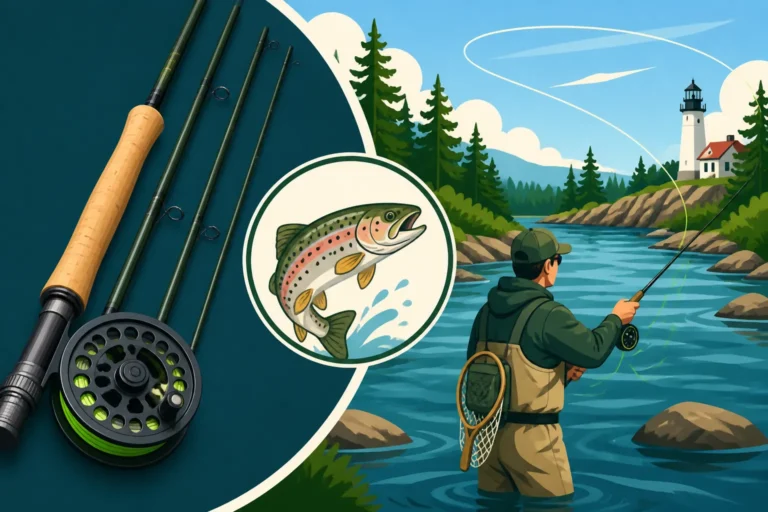
The moment the ice officially leaves a body of water, often referred to as "ice-out," marks the unofficial start of the open water fishing season for many. For dedicated anglers, this is perhaps the most anticipated time of the year, particularly for cold-water species like landlocked salmon, brook trout, and togue (lake trout). These fish, having been confined under the ice for months, are often found cruising the shallower waters near the surface as they seek out newly abundant food sources and more comfortable temperatures. This early season bite can be incredibly aggressive, as the fish are hungry and less wary than they will become later in the year. Target river mouths, rocky points, and shallow coves where water warms fastest and baitfish congregate. Smelt, often found in these areas, are a primary food source, so lures or flies that mimic these baitfish are incredibly effective. You can find detailed regulations for these species in the Landlocked Salmon Size and Bag Limits in Maine and Brook Trout Size and Bag Limits in Maine guides.
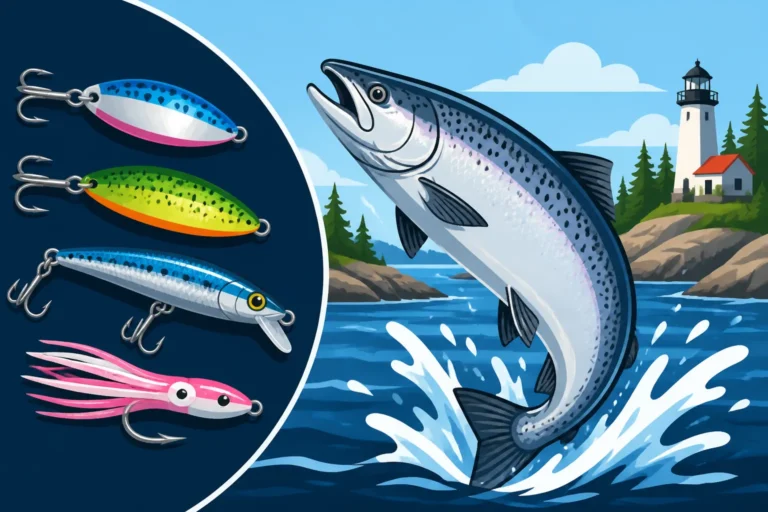
For those hitting the larger lakes like Sebago or Moosehead, trolling with streamer flies or small spoons near the surface is a classic and highly productive method. Don't be afraid to experiment with brighter colors in the often-turbid spring waters. For river and stream anglers chasing brook trout, the rising water levels from snowmelt can mean excellent opportunities. Focus on eddies, undercut banks, and the seams where faster and slower currents meet, as these provide both cover and feeding lanes. Fly fishing with nymphs or streamers can be particularly rewarding in these conditions. Before heading out, checking online retailers like Amazon for specific fly patterns or lure types recommended for early spring salmon and trout can give you an edge, ensuring you have the right gear on hand for the conditions.
Warming Waters and Bass Activity
While the trout and salmon get a head start, as spring progresses and water temperatures climb into the 50s Fahrenheit, the focus gradually shifts to warm-water species, especially smallmouth and largemouth bass. Maine boasts some truly fantastic bass fisheries, particularly in the central and southern regions. Early spring bass fishing can be incredible, as these fish move out of their deep wintering holes and into shallower areas to feed and prepare for spawning. They'll often be found near transition areas, like the edges of drop-offs, submerged timber, or rocky shorelines.
Look for areas with darker bottoms, as these tend to absorb more sunlight and warm up quicker, attracting baitfish and, consequently, hungry bass. Jigs, spinnerbaits, and crankbaits can be highly effective during this pre-spawn period. As the water warms further, often into late May and early June, bass will begin their spawning ritual. During this time, they become very territorial, protecting their nests in shallow, protected coves. While catch-and-release is always encouraged, knowing their behavior patterns can help you locate them. Understanding the Maine Bass Fishing Limits by Zone is crucial, as regulations can vary. Don't forget that many smaller ponds and even some rivers offer fantastic bass opportunities, often overlooked by those focusing on the larger lakes.
Coastal Opportunities as Things Awaken
The coast of Maine also begins to awaken in the spring. While the main striped bass run typically kicks off a bit later, the earliest signs of coastal activity can be seen as baitfish start moving into estuaries and warmer tidal rivers. Early spring provides opportunities for anglers to target species like mackerel, which can be found closer to shore, especially around harbors and piers. These fast-fighting fish are a blast on light tackle and make excellent bait for larger species later in the season.
Additionally, as the water temperatures slowly creep up, some of the smaller, resident striped bass might start showing up in the protected tidal flats and estuaries. These are often smaller fish, but they offer a great chance to dust off your saltwater gear and get your first bend in the rod of the season. Fly anglers often find success in these areas with small baitfish imitations. It's a great time to explore new coastal spots before the summer crowds arrive. Just remember to check the Maine Saltwater Fishing Registry Guide requirements before casting a line in tidal waters.
Summer Fishing in Maine: Warm Waters and Active Fish
Summer in Maine brings longer days, warmer temperatures, and a bustling fishing scene. While the surface waters might heat up, driving some cold-water species deeper, it's also prime time for bass, panfish, and especially the much-anticipated striped bass run along the coast. Anglers need to adapt their techniques to the conditions, often focusing on early mornings, late evenings, or targeting deeper water during the midday heat.
Deep Water Trout and Salmon Strategies
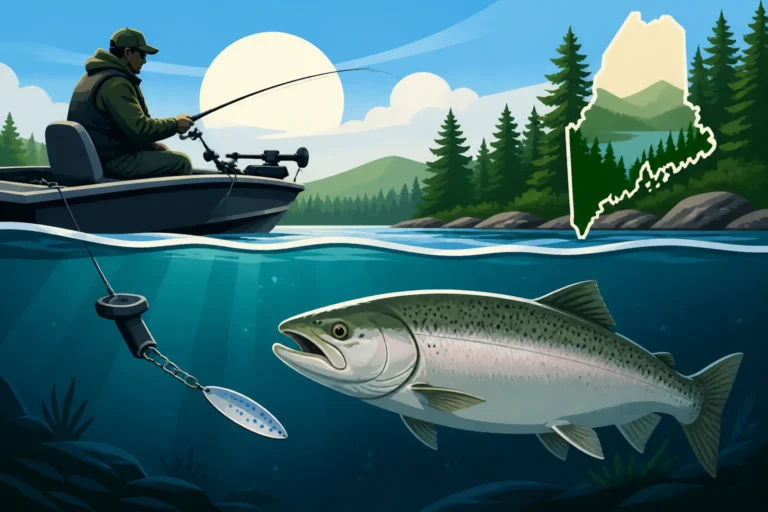
As the surface waters of Maine's large lakes become too warm for brook trout, landlocked salmon, and togue to comfortably inhabit, these cold-water species retreat to the cooler, oxygen-rich depths. This means summer fishing for these prize fish often involves specialized techniques. Trolling with downriggers, lead core line, or copper line becomes paramount to present lures and bait at the specific depths where fish are holding. Locating the thermocline – the layer where warm and cold water meet – is key, as fish often congregate just above or within this zone.
Using a good quality fish finder, often available on Amazon, can make all the difference in identifying these depth contours and locating schools of baitfish, which in turn will lead you to the salmon and trout. Spoons, flies, and minnow imitations are still top choices, but experimenting with different sizes and colors at varying depths is crucial. Early mornings and late evenings can sometimes see these fish venturing a bit shallower to feed, offering a window for conventional casting or even fly fishing near deep drop-offs. If you're looking to really dial in your approach, exploring articles like Trolling Depths for Landlocked Salmon can provide invaluable tips.
Prime Time for Bass and Panfish
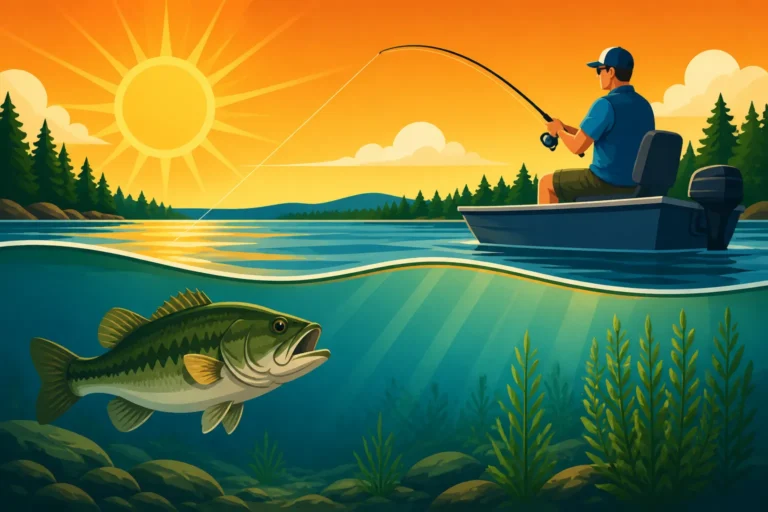
Summer is arguably the best time to target both smallmouth and largemouth bass across Maine. With water temperatures firmly in their preferred range, bass are highly active and aggressive. Smallmouth bass, known for their powerful fights and acrobatic jumps, can be found around rocky structures, shoals, and islands in many of Maine's larger lakes and rivers. Topwater lures, spinnerbaits, and soft plastics fished around these structures are incredibly exciting and effective. Consider exploring Sebago Lake Smallmouth Bass Fishing in Maine for specific locations.
Largemouth bass, on the other hand, will often gravitate towards weed beds, lily pads, and submerged timber in shallower, warmer waters. Flipping and pitching jigs or Texas-rigged soft plastics into these dense covers can be incredibly productive. Frog imitations fished over mats of vegetation provide some of the most heart-stopping strikes in freshwater fishing. Don't forget the panfish! Yellow perch, white perch, and crappie are abundant in many Maine lakes and ponds and provide fantastic action, especially for families or beginners. They're often eager to bite on small worms, grubs, or tiny jigs, making them accessible fun throughout the summer.
Coastal Striped Bass Action
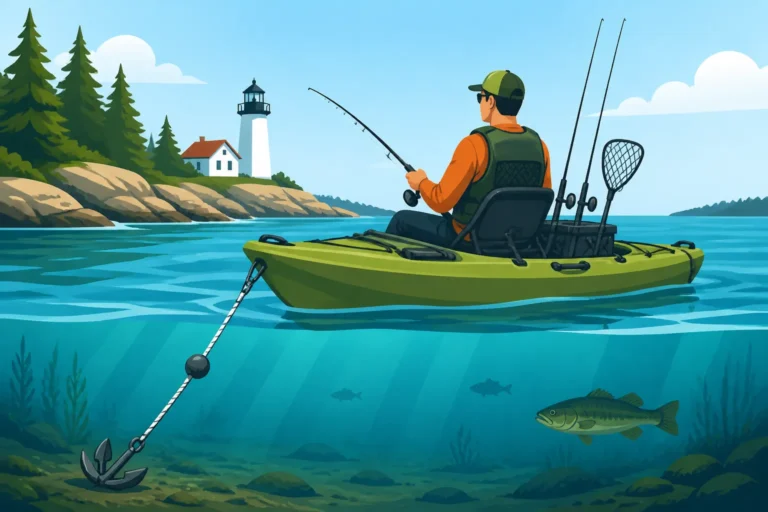
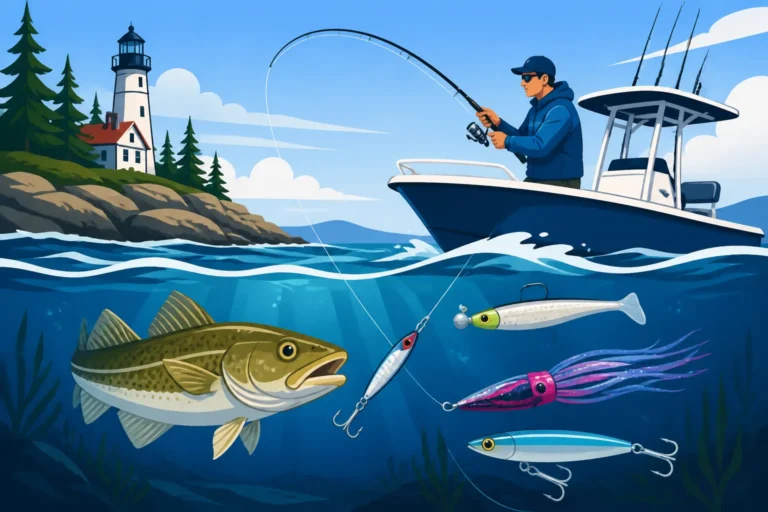
Without a doubt, summer is the main event for striped bass fishing along the Maine coast. From late May through early September, these powerful anadromous fish migrate north, following baitfish into Maine's numerous bays, estuaries, and tidal rivers. Whether you're fishing from shore, a kayak, or a boat, the opportunities are abundant. Surfcasting with plugs, soft plastics, or bait from beaches and rocky points is a popular and effective method. For boat anglers, trolling tube-and-worm rigs, casting large plugs, or live-lining mackerel are all proven tactics.
The Kennebec River, Casco Bay, and the waters around the Kennebunks are legendary for their striper fishing. The daily Maine Striped Bass Season and Limits are critical to follow, as there's often a slot limit in place to protect the breeding stock. Early mornings and evenings, especially around the changing tides, are often the most productive times. Chartering a boat with an experienced captain can significantly increase your chances of success and provide access to prime spots you might not find on your own. Many local shops and online resources like Amazon offer a wide array of specialized striped bass lures and gear, ensuring you're ready for these powerful fighters.
Fall Fishing in Maine: Crisp Air and Aggressive Bites
As summer fades and the leaves begin their spectacular transformation, Maine experiences a brief but incredibly productive fishing season. The crisp autumn air and cooling water temperatures reinvigorate many species, often leading to some of the year's most aggressive bites. Fall fishing offers a unique blend of solitude and spectacular scenery, making it a favorite for many seasoned anglers.
Spawning Runs and Aggressive Salmonids
Fall is a crucial time for Maine's salmonid populations, particularly for landlocked salmon and brook trout. As water temperatures drop and days shorten, these fish begin to stage for their spawning runs. While it's important to respect spawning fish and avoid disturbing their redds (nests), the pre-spawn and early post-spawn periods can offer incredible fishing. Salmon will often concentrate near river mouths and upstream sections of tributaries connected to lakes, preparing to move into smaller streams to reproduce. Fly fishing with egg patterns, streamers, or even small spoons can be highly effective during these runs. Maine Landlocked Salmon Bag Limits are important to review, especially during this sensitive time.
For brook trout, the fall colors provide a stunning backdrop for stream fishing. Many wild brook trout populations become more active and colorful, displaying their vibrant spawning hues. These fish will aggressively feed to build up energy reserves for winter. Small spinners, classic wet flies, and even natural baits fished in clear, cold streams can produce excellent results. This is also a good time to pursue lake-dwelling brook trout, as they may move into shallower rocky areas. Don't forget that brown trout, while less widespread than brook trout and salmon, also become very active in the fall, offering another exciting target.
Cooling Waters and Revived Bass Bites
Just as cold-water species become more active, the cooling waters of autumn also bring about a fantastic resurgence in bass activity. After a summer of seeking deep cover and shade, both smallmouth and largemouth bass begin to move back into shallower areas. They become incredibly aggressive as they feed heavily, fattening up for the lean winter months. This "fall turnover" period can be fantastic, as fish are often grouped up and willing to chase a variety of lures.
Crankbaits, jerkbaits, and large spinnerbaits become highly effective for covering water and triggering reaction strikes. Look for bass congregated around rock piles, channel swings, and the edges of remaining weed lines. On a clear, sunny fall day, fishing topwater lures can still be productive, especially during morning and evening hours. This feeding frenzy offers a great chance to catch some of the biggest bass of the year. Pay attention to weather patterns, as sudden cold snaps can temporarily shut down the bite, but a stable period of cool weather is ideal. For more on how seasonal changes affect bass, check out Maine Bass Fishing Techniques by Season.
Late Season Coastal Fishing
While the peak of the striped bass run might be over by late fall, the Maine coast still offers opportunities for the dedicated angler. Some larger stripers may linger in the estuaries and sheltered bays, feeding voraciously before their southward migration. Fishing soft plastics or live bait around river mouths and warmer outfalls can still yield impressive catches. This is also an excellent time for saltwater fly fishing, as the waters are often clearer and there are fewer recreational boaters.
Beyond stripers, fall can also be a productive time for bottom fishing for species like cod and haddock, especially further offshore. However, this often requires a larger boat and fair weather. Many coastal anglers will also target tautog (blackfish) around rocky structures and ledges, particularly in the southern parts of the state. As the weather can be unpredictable in the fall, it's essential to dress in layers and carry appropriate rain gear, which can easily be found on Amazon, to stay comfortable and safe on the water.
Winter Fishing in Maine: Embracing the Ice
When Maine's lakes and ponds finally freeze over, it's not the end of fishing, but rather the beginning of an entirely different kind of season: ice fishing. This quintessential Maine winter activity offers a unique charm, from the camaraderie of huddling in a warm shack to the thrill of a flag flying on a tip-up. Despite the cold, winter provides fantastic opportunities to target many species, often with great success.
Ice Fishing for Trout, Salmon, and Togue
Maine is a premier destination for ice fishing, and cold-water species are at the top of many anglers' lists. Landlocked salmon, brook trout, and especially togue provide exciting action through the ice. Togue, being a deep-water fish, are particularly well-suited for ice fishing, as anglers can easily access their haunts. Jigs tipped with bait, or larger spoons fished near the bottom in deep lakes like Moosehead or Sebago, can be incredibly effective. Setting up tip-ups with live bait is another classic and highly successful method, especially for salmon and larger trout.
For brook trout, focus on smaller ponds or shallower areas of larger lakes, particularly near inflows or spring holes where oxygen levels might be higher. Small jigs, worms, or even tiny minnows fished under a bobber can entice a bite. It's crucial to understand the Maine Ice Fishing Line Limits and Maine Ice Fishing Rules Guide, as regulations often differ from open water fishing. Safety on the ice is paramount; always check ice thickness and conditions before venturing out.
Targeting Perch and Pickerel Through the Ice
Beyond the glamorous trout and salmon, winter ice fishing offers incredible opportunities for panfish and chain pickerel. Yellow perch and white perch are abundant in nearly every frozen body of water in Maine and are eager biters, making them perfect targets for beginners and a great way to keep kids entertained. Small jigs tipped with a grub, a piece of worm, or even just a mealworm will often produce a steady stream of perch. These fish are also excellent table fare!
Chain pickerel, with their sharp teeth and aggressive strikes, provide a surprising amount of fight through the ice. They are often found in shallower, weedy areas and will readily strike live bait on a tip-up or a larger jig. While they can be a nuisance if you're targeting other species, they offer consistent action and can be a lot of fun. Remember to use a wire leader when targeting pickerel to prevent their sharp teeth from cutting your line. Stock up on essential ice fishing safety gear like ice picks and a spud bar, easily found on Amazon, to ensure a safe and enjoyable outing. The Maine Ice Fishing Techniques Guide is an excellent resource for more detailed strategies.
Staying Safe and Comfortable on the Ice
Ice fishing, while rewarding, demands respect for the elements. Staying warm and dry is essential for an enjoyable experience. Layering your clothing, wearing insulated boots, and having a good quality ice fishing shelter are all crucial. A portable heater can make a world of difference on a frigid day. Carrying safety equipment, such as ice picks (worn around your neck for easy access), a spud bar to test ice thickness, and a rope, should be non-negotiable.
Always fish with a buddy and inform someone of your plans before heading out. Pay close attention to current ice conditions, as factors like snow cover, currents, and recent temperature fluctuations can significantly impact ice safety. Never assume the ice is safe, even in familiar spots. Embracing winter fishing means embracing the cold, but with the right preparation and respect for nature, it can be one of the most rewarding ways to spend time outdoors in Maine.
Maine Fishing Calendar by Species
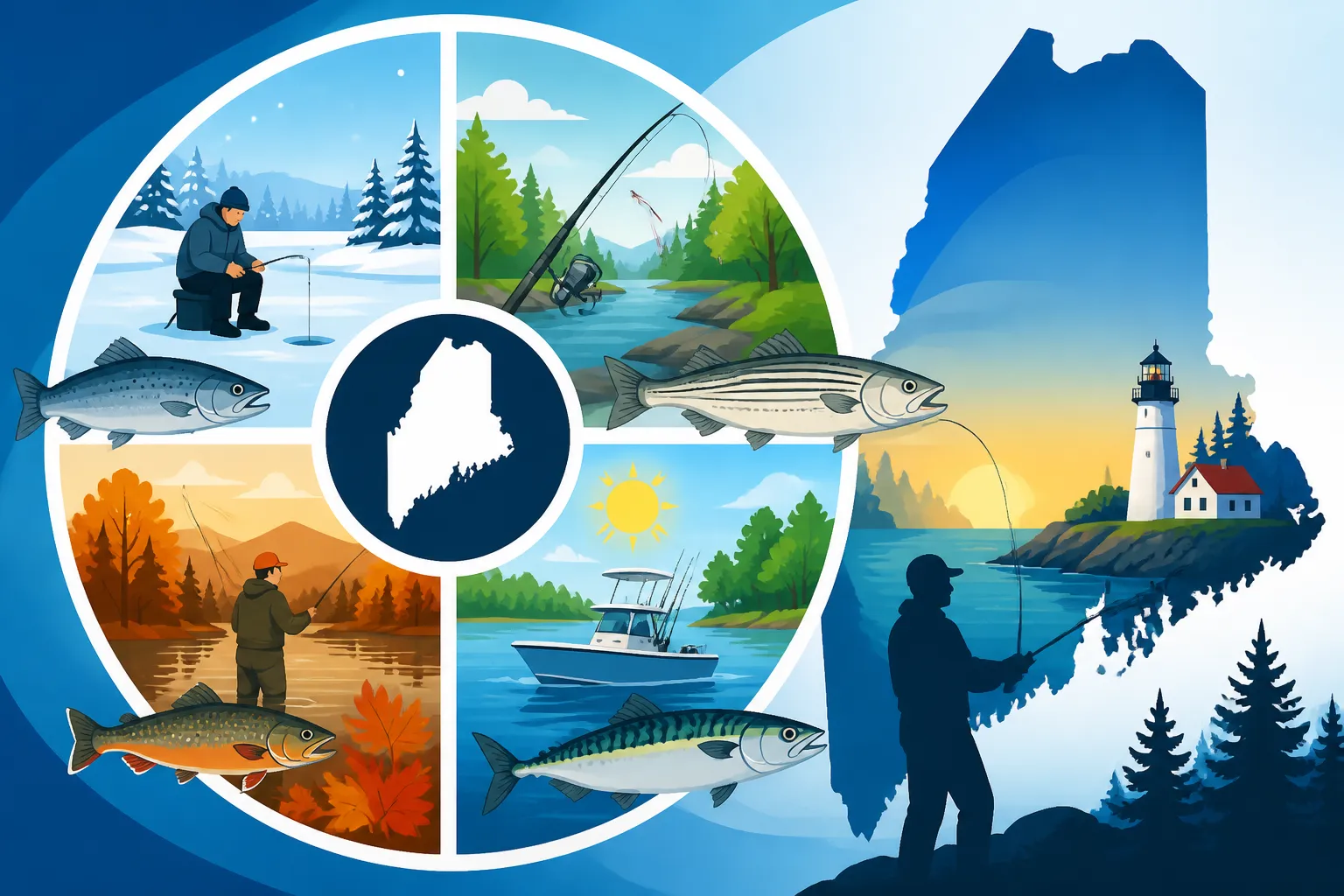
To help you visualize the year-round opportunities, here's a general calendar focusing on peak activity for popular species in Maine. Keep in mind that specific timing can shift slightly year to year based on weather and water conditions.
| Species | Winter (Dec-Mar) | Spring (Apr-May) | Summer (Jun-Aug) | Fall (Sep-Nov) |
|---|---|---|---|---|
| Brook Trout | Excellent (Ice Fishing) | Excellent (Ice-Out/Streams) | Good (Deep Water/High Elevation) | Excellent (Spawning Runs/Feeding) |
| Landlocked Salmon | Excellent (Ice Fishing) | Excellent (Ice-Out/Trolling) | Good (Deep Water/Early Morning) | Excellent (Spawning Runs/Feeding) |
| Togue (Lake Trout) | Excellent (Ice Fishing) | Excellent (Ice-Out/Trolling) | Good (Deep Water/Downriggers) | Good to Excellent (Deep Water) |
| Smallmouth Bass | Slow (Deep Water) | Good (Pre-Spawn/Shallow) | Excellent (Active/Structure) | Excellent (Aggressive Feeding) |
| Largemouth Bass | Slow (Deep Cover) | Good (Pre-Spawn/Weeds) | Excellent (Active/Weeds) | Excellent (Aggressive Feeding) |
| Striped Bass | Closed Season | Early Arrivals (Estuaries/Rivers) | Excellent (Peak Migration/Coastal) | Good (Late Season/Migratory) |
| Yellow/White Perch | Excellent (Ice Fishing) | Good (Shallow/Active) | Excellent (Active/Schooling) | Excellent (Schooling/Feeding) |
| Chain Pickerel | Excellent (Ice Fishing) | Good (Shallow/Weeds) | Good (Weeds/Cover) | Good (Weeds/Cover) |
| Mackerel | Absent | Sporadic Coastal | Good to Excellent (Coastal) | Good (Late Season/Coastal) |
This chart gives you a quick overview, but always remember to consult the latest Maine Fishing Regulations Explained for specific dates, bag limits, and any special restrictions on the waters you plan to fish. Staying informed is the best way to ensure a successful and legal fishing trip throughout the year.
Disclaimer
This article is for general informational purposes only and does not constitute professional advice. Laws, prices and regulations vary by location and change over time. Consult a qualified professional for guidance on your specific situation.