Is Summer a Good Time to Fish in Maine?
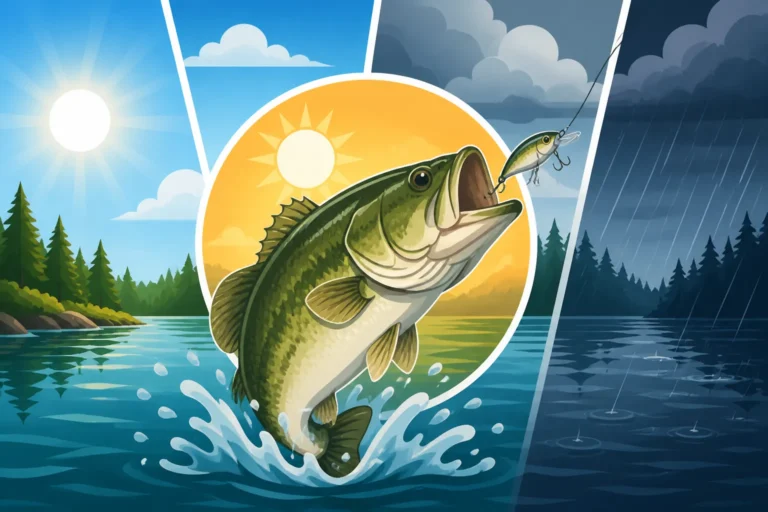
Many anglers dread summer fishing, envisioning sweltering heat, crowded lakes, and sluggish fish hiding in the depths. While it's true that the dog days of summer can present unique challenges, dismissing Maine as a summer fishing destination would be a huge mistake. With the right approach and a bit of local knowledge, summer offers some truly fantastic opportunities to catch a variety of species across the state, and this guide will show you how to beat the heat and find the bite.
Navigating the Challenges of Summer Fishing in Maine
Let's be honest, summer isn't always a walk in the park for fishing. The longer, hotter days mean water temperatures rise, oxygen levels can drop in shallower areas, and many cold-water species like trout and salmon head for deeper, cooler refuges. Plus, it's prime vacation season, so popular spots can see a lot more boat traffic and shoreline activity. It's easy to feel frustrated when your usual spring tactics just aren't producing.
The Impact of Warm Water on Fish Behavior
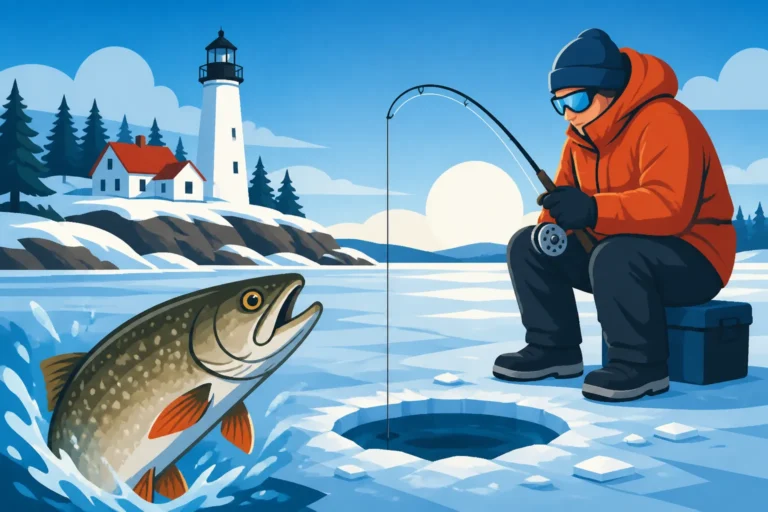
Warm water significantly alters how and where fish feed and hold. For cold-water species such as brook trout, landlocked salmon, and togue (lake trout), water temperatures above 65°F can be stressful. They'll actively seek out thermal refuges – deep pockets in lakes, cold springs, or the shaded, oxygenated sections of rivers. This means they become less active and might feed more sporadically, often during cooler periods of the day. You won't find them leisurely cruising the shallows like you might in spring or fall. It's a fundamental shift in their environment that dictates their survival instincts.
On the other hand, warm-water species like smallmouth and largemouth bass absolutely thrive in the summer heat. They become much more active, their metabolism ramps up, and they'll aggressively chase bait. However, even bass can get sluggish during the hottest parts of the day, often moving to deeper structure or dense cover to ambush prey rather than expending energy in open water. Understanding these behavioral changes is key to adapting your strategy and finding success, no matter the species you're after.
Beating the Crowds and Finding Solitude
One of the biggest frustrations for many anglers in the summer is the increased human activity. Popular lakes and coastal areas become hubs for boaters, swimmers, and tourists, which can make a quiet fishing experience feel impossible. But Maine is vast, with countless remote ponds, less-traveled rivers, and expansive coastal zones where you can still find plenty of solitude, even in July or August. It often just requires a bit more effort, like a short hike to a secluded pond or exploring lesser-known tributaries.
Early mornings and late evenings are your best friends when it comes to avoiding both the heat and the crowds. Not only are fish often more active during these cooler times, but many recreational boaters are still asleep or already done for the day. Consider fishing during weekdays if your schedule allows, as weekends are naturally busier. For coastal fishing, timing your trip with the tides can also dictate when a spot is fishable and when it might be overrun with beachgoers. It's all about strategic planning and sometimes being willing to venture off the beaten path.
Top Species to Target During Maine Summers
Despite the challenges, summer is a fantastic time to target certain species in Maine. The state's diverse aquatic environments offer something for everyone, whether you're chasing bronzebacks on a lake or stripping flies for a coastal predator.
Smallmouth and Largemouth Bass
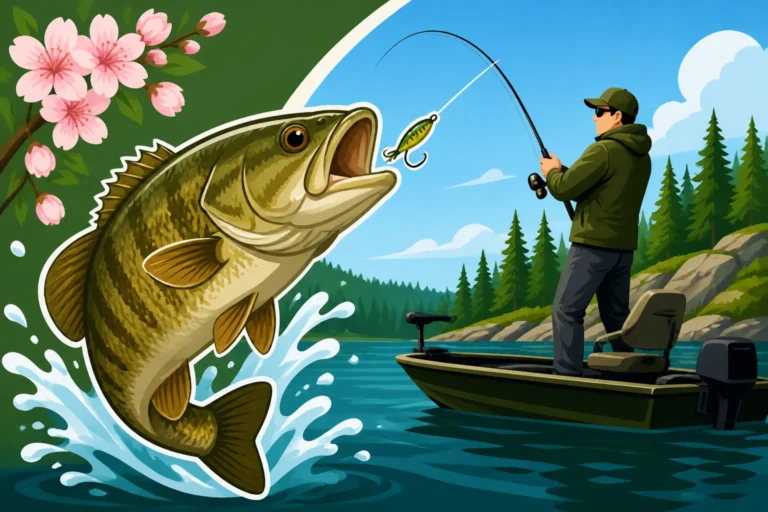
Summer is prime time for bass fishing in Maine. These warm-water warriors are incredibly aggressive and actively feeding throughout the season. Smallmouth bass, in particular, are abundant in many of Maine's larger lakes and rivers, offering thrilling topwater action and powerful fights. They often relate to rocky points, humps, and submerged timber, especially in clear water. Smallmouth Bass Fishing in Maine provides more detailed insights into these exciting fish. Largemouth bass prefer shallower, weedier environments, making them a blast to target with frogs and other surface baits in lily pads or dense cover.
During the peak heat of midday, bass might retreat to deeper structure or heavy shade. Using electronics to find submerged cover or fishing close to overhanging trees and docks can be very productive. Early morning and late evening, however, are when they often cruise the shallows, making topwater presentations incredibly effective and exciting. Having a good assortment of topwater plugs, plastic worms, and spinnerbaits, perhaps picked up from an online retailer like Amazon, will serve you well for summer bass.
Striped Bass on the Coast
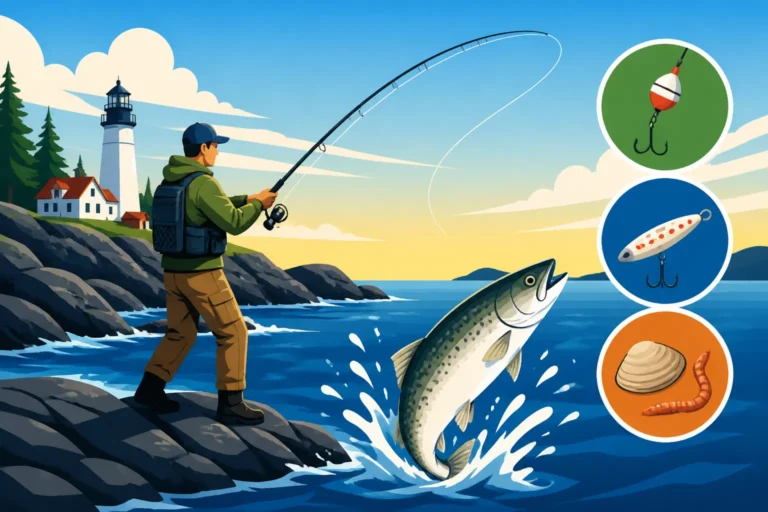
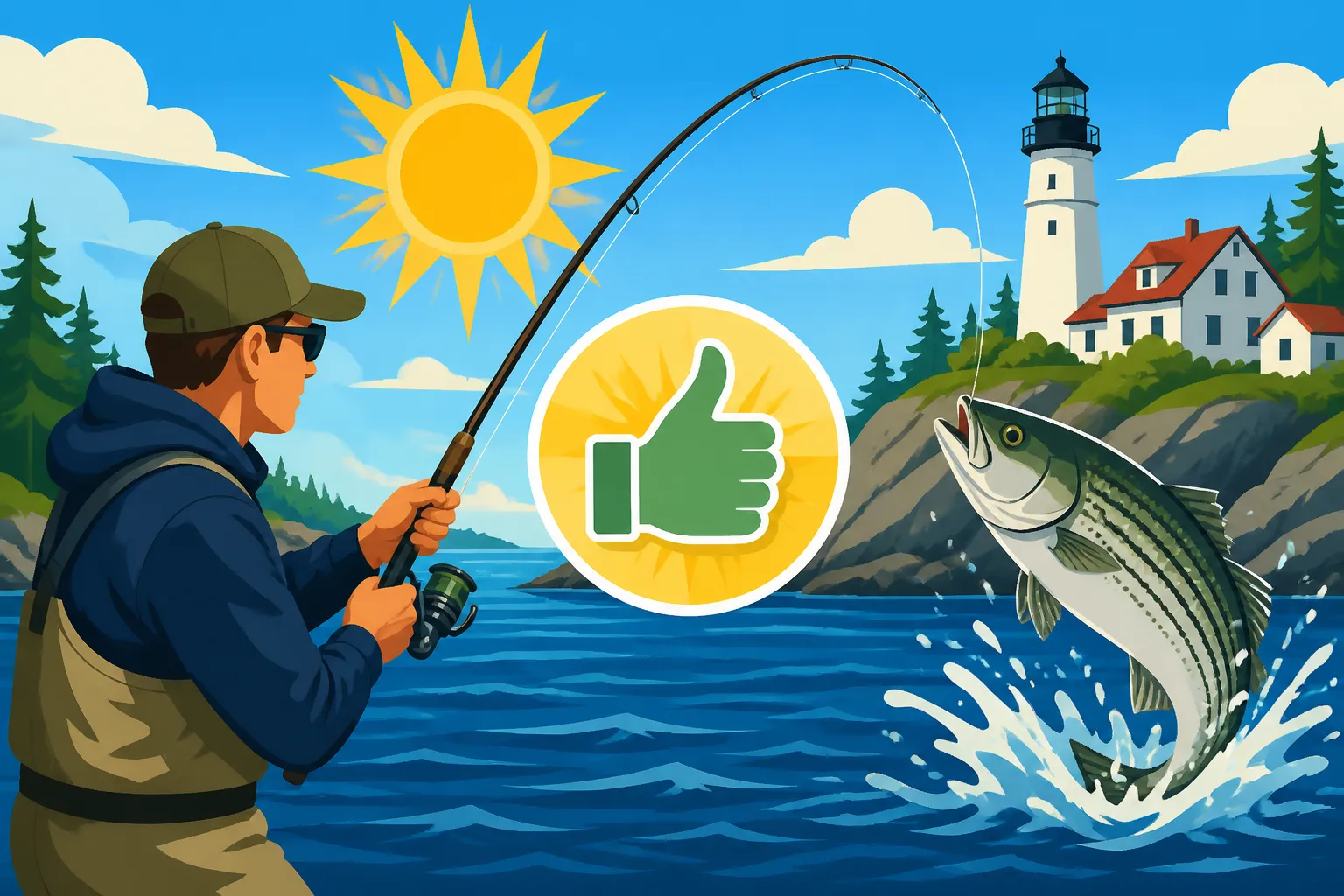
If you love saltwater action, summer is the time for striped bass along Maine's extensive coastline. From late spring through early fall, stripers migrate into our estuaries, rivers, and rocky shorelines, providing incredible fishing opportunities for both boat and shore anglers. They follow baitfish like mackerel, herring, and sand eels, often congregating around structure, current breaks, and river mouths. Maine Striped Bass Season and Limits will give you the lowdown on the specific regulations you need to know.
Fishing for stripers can be done with a variety of methods: casting lures (like soft plastics, swimming plugs, or pencil poppers), bait fishing with live or cut bait (mackerel and eels are popular), or fly fishing. The Kennebec River, Casco Bay, and countless rocky points and beaches offer fantastic striper action. Timing your trips with tidal movements is crucial, as stripers often feed most actively during incoming or outgoing tides when baitfish are being moved around. Many anglers stock up on their favorite striper lures and lines from Amazon before hitting the coast.
Cold-Water Species in Deep or Moving Water
Don't rule out cold-water species entirely in summer! While they retreat to deeper, cooler water, they are still catchable if you adapt your approach. This often means targeting them in deep lakes or in rivers with strong, cold currents.
- Lake Trout (Togue) and Landlocked Salmon: In larger, deep lakes like Moosehead Lake or Sebago Lake, togue and salmon will hold in the thermocline, which is a layer of cold, oxygenated water typically found at depths of 30-70 feet or more. Trolling with downriggers, lead core line, or copper line is the most effective way to reach them. Trolling Techniques for Maine Lakes can help you get started. Using spoons, stickbaits, or bait like shiners at these depths can entice a bite. Early mornings are still the best, as they might rise slightly higher in the water column to feed.
- Brook Trout: While many shallow brook trout ponds become too warm, you can still find wild brook trout in cold, high-gradient streams and rivers, especially those with good tree cover and consistent spring inputs. Brook Trout Fishing in Maine delves into this beloved native species. Fly fishing with nymphs or small streamers in shaded pools and riffles can be very productive. Focus on areas where feeder streams enter larger rivers, bringing in colder water. Even in ponds, look for spring holes or areas with dense, deep weed beds that offer shade and cooler water. Pack lightweight wading boots and quick-dry clothing – essential items you can easily find on Amazon – for exploring these cooler, smaller waters.
Effective Summer Fishing Techniques and Strategies
Success in summer fishing comes down to adapting to the conditions. You can't just keep doing what worked in May. Changing your tactics, timing, and even your gear can make all the difference between a frustrating day and a memorable catch.
Targeting Deeper Water and Cooler Temps
As mentioned, finding cooler water is paramount for cold-water species. For lake fishing, this often means focusing on offshore structures in deeper lakes. Look for underwater humps, ledges, and drop-offs that transition from shallow to deep water. Fish finders become invaluable tools for identifying these structures and locating the thermocline where fish are holding. Reading a Fish Finder on Maine Lakes offers great tips on maximizing your electronics.
Table: Summer Fish Behavior by Water Type
| Species Group | Typical Summer Habitat | Preferred Times | Effective Techniques |
|---|---|---|---|
| Cold Water | Deep lakes (thermocline), cold streams, spring holes | Early Morning, Late Evening, Overnight | Trolling (downriggers, lead core), Deep Jigging, Fly Fishing (nymphs) |
| (Trout, Salmon, Togue) | |||
| Warm Water | Structure (rocky points, humps), heavy cover (weeds, docks), river bends | Early Morning, Late Evening, Overcast Days | Topwater, Soft Plastics, Crankbaits, Spinnerbaits, Live Bait |
| (Bass, Pickerel, Perch) | |||
| Saltwater | Estuaries, rocky shorelines, river mouths, current breaks | Tide Changes, Dawn/Dusk | Casting Lures (plugs, soft plastics), Bait Fishing, Fly Fishing |
| (Striped Bass, Mackerel) |
For river and stream fishing, scout for shaded areas, undercut banks, and where cold tributaries enter. These spots act as natural refrigerators for fish. Fishing deeper pools with weighted nymphs or small streamers can often provoke a strike. Remember, a fish that's hot and stressed might not chase a lure far, so presenting your bait or lure right in their face is often the most effective approach.
Early Morning, Late Evening, and Night Fishing
These times are not just for avoiding crowds; they are often when fish are most active during the summer. The cooler ambient temperatures lead to slightly cooler surface water, which encourages fish to move out of their deeper sanctuaries to feed.
- Dawn Patrol: As the sun rises, many species, especially bass and salmon, will move into shallower waters or near the surface to ambush baitfish. This is prime time for topwater lures for bass or trolling shallow-running plugs for salmon.
- Dusk Delight: As the sun sets, the water cools, and insects often hatch, bringing trout to the surface in streams. Bass will again prowl the shallows, making for exciting surface bites.
- Night Fishing: For some species, particularly largemouth bass and even striped bass in saltwater, night fishing can be incredibly productive. Bass rely on their lateral line more than sight, making noisy topwater lures or slow-moving dark-colored baits effective. Night Fishing Tips for Bass offers specific advice for this nocturnal pursuit. Always ensure you have appropriate lighting and safety gear, perhaps a headlamp and portable lantern from Amazon, if you plan to fish after dark.
Specialized Gear and Bait for Summer Success
Your gear choices can also make a difference. Lightweight, breathable clothing that offers UV protection is a must for angler comfort. A good quality cooler with plenty of ice and water is essential for staying hydrated and keeping any catch fresh.
When it comes to tackle:
- Lures: For bass, a wide array of soft plastics (worms, creature baits), jigs, topwater poppers, and walking baits are indispensable. For trout and salmon in deep water, heavy spoons, jigging spoons, and stickbaits that can be trolled or jigged effectively are key. For stripers, large soft plastic paddle tails, topwater plugs, and bucktail jigs are proven producers.
- Bait: Live bait can be highly effective when fish are sluggish. Shiners or suckers for togue and salmon, or worms and crawlers for trout, can often entice a bite when artificials fail. For stripers, live mackerel or chunk bait can be deadly.
- Electronics: As mentioned, a reliable fish finder is a game-changer for locating deep-holding fish and identifying structure. Features like side imaging or down imaging can help you pinpoint exactly where fish are congregating. Consider waterproof bags or cases from Amazon for your electronics to protect them from unexpected summer showers.
Don't forget the essentials like sunscreen, insect repellent, a wide-brimmed hat, and polarized sunglasses – all readily available and crucial for a comfortable summer day on the water. What to Wear Ice Fishing in Maine Winters might be a different season, but the principle of proper attire for the elements holds true!
Exploring Maine's Diverse Summer Fishing Opportunities
Maine's landscape offers a rich tapestry of fishing environments, each with its own summer appeal. From the vast inland lakes to the rugged coastline, there's always a new adventure waiting.
Inland Lakes and Ponds
Maine is dotted with thousands of lakes and ponds, many of which provide excellent summer fishing. While the biggest lakes like Sebago, Moosehead, and Rangeley get a lot of attention, don't overlook smaller, quieter ponds. These often warm up faster, making them prime for bass and perch, but some spring-fed ponds can still hold brook trout in cooler areas.
- Warm Water Fisheries: Many central and southern Maine lakes offer superb fishing for smallmouth and largemouth bass, as well as chain pickerel and various perch species. These lakes, even when warm, are teeming with active fish. Focus on finding structure or cover, and don't be afraid to fish heavy weeds or lily pads where bass lurk. Best Fishing Lakes in Maine offers a great overview of these diverse bodies of water.
- Deep Coldwater Lakes: For salmon and togue, the larger, deeper lakes remain productive throughout the summer. As discussed, it requires specific techniques to reach them, but the reward of a big landlocked salmon or a hefty togue is worth the effort. Consider hiring a Maine Lake Fishing Guides for a day to learn the ropes of deep-water trolling if you're new to it.
Rivers and Streams
Maine's rivers and streams are a mixed bag in summer. Larger, slower rivers can become warm and best suited for smallmouth bass. However, many of Maine's smaller, high-gradient streams, particularly those in the north or at higher elevations, maintain cold temperatures throughout the summer, making them excellent for brook trout.
- Trout Streams: Seek out shaded sections, fast-moving riffles, and deep pools that get consistent cold water input. These micro-habitats are where trout will congregate. Early mornings and evenings, when insect activity picks up, are prime times for fly fishing. Fly Fishing Techniques for Maine Rivers provides an excellent foundation for success in these waters.
- Bass Rivers: Rivers like the Penobscot and Kennebec, especially in their lower stretches, are fantastic for smallmouth bass in summer. Look for current seams, rocky structure, and eddies. Target them with jigs, crankbaits, or topwater lures. The tidal sections of these rivers can also hold striped bass, providing a dynamic fishery where you might catch both freshwater and saltwater species in the same outing. Penobscot River Fishing Guide has more information on this significant waterway.
Coastal and Saltwater Fishing
The coast truly shines in summer, with striped bass being the undisputed king. However, there are other exciting opportunities too.
- Striped Bass Hotspots: From the rocky shores of Acadia National Park to the sandy beaches of Southern Maine, stripers are actively feeding. Focus on areas with strong currents, structure like jetties and rocky points, and river mouths where baitfish are plentiful. Maine Striped Bass Fishing Techniques will help you hone your approach.
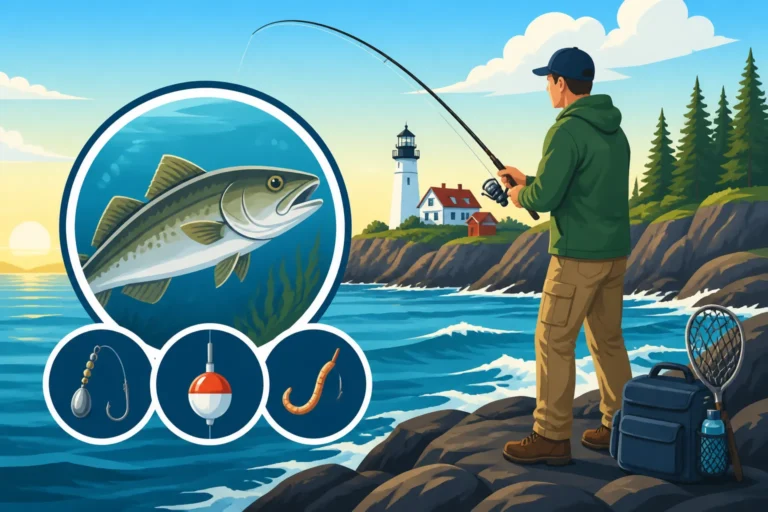
- Groundfishing and Mackerel: If you venture offshore, summer is also a great time for groundfishing for species like cod and haddock, or trolling for mackerel, which are a blast on light tackle and make excellent bait for stripers. Many Maine Deep Sea Fishing Charters offer trips specifically for these species, providing all the gear and expertise you need for a successful day on the ocean.
Summer in Maine for fishing is less about if you can catch fish, and more about how you approach it. With a little planning, the right techniques, and a willingness to explore, you can have some of the most memorable fishing experiences of the year.
Disclaimer
This article is for general informational purposes only and does not constitute professional advice. Laws, prices and regulations vary by location and change over time. Consult a qualified professional for guidance on your specific situation.