How to Plan a Multi-Day Fishing Trip
Planning a multi-day fishing trip in Maine can feel like a daunting task, filled with questions about the perfect location, the right gear, and navigating all the rules. It's easy to get lost in the details, worrying if you've forgotten something crucial or overlooked a vital regulation. This comprehensive guide will walk you through every essential step, ensuring your extended angling adventure in the Pine Tree State is not only well-prepared and safe but also incredibly rewarding and fun.
Laying the Foundation: Destination, Season, and Species
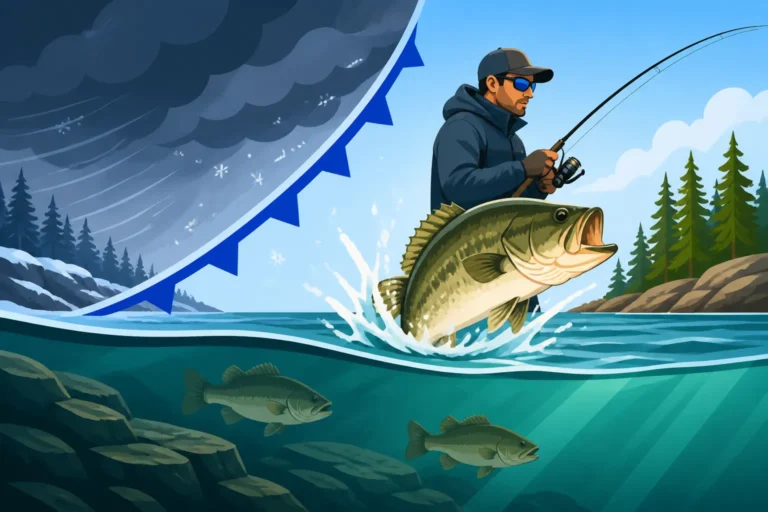
Before you even think about packing a single lure, the most critical step in planning a multi-day fishing trip to Maine is to define your core objectives. What kind of experience are you truly looking for? Are you dreaming of casting for trophy brook trout in a remote northern pond, or perhaps battling a powerful striped bass along the rugged coast? Maybe you envision trolling the vast waters of a deep lake for landlocked salmon and togue. Your choice of target species, desired setting, and the time of year will dictate almost every other decision you make, from where you go to what gear you bring.
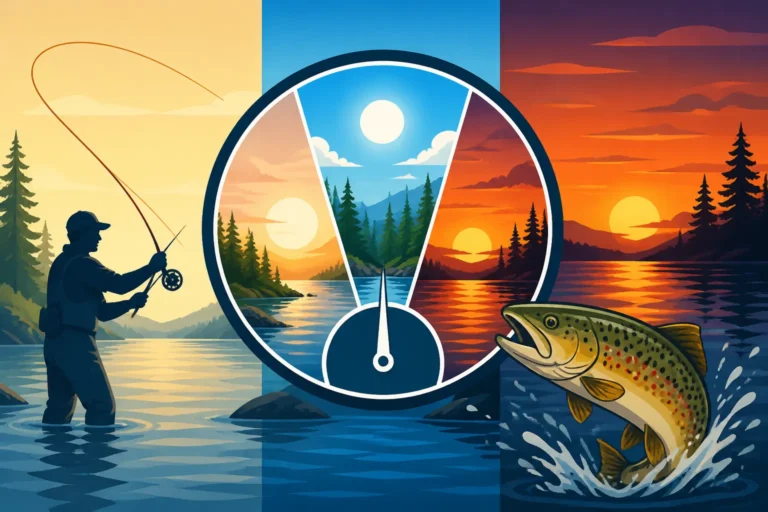
First, consider the season. Maine offers distinct angling opportunities throughout the year. Spring, after ice-out, is fantastic for aggressive salmon and trout in lakes and rivers, as fish are often shallower and actively feeding. Summer brings warmer waters, pushing salmon and lake trout deeper, while bass fishing really heats up in the shallows. Fall, with its vibrant foliage, is a prime time for brook trout and landlocked salmon as they move into spawning areas. And of course, winter offers incredible ice fishing experiences. Understanding these seasonal shifts is paramount. You might want to consult our guide on the Maine Fishing Season Dates Guide to help narrow down your options.
Next, identify your target species. Each fish has specific habitat preferences, feeding patterns, and best times to catch them. If it’s brook trout you're after, you'll be looking at cold, clear streams and remote ponds. For landlocked salmon, large, deep lakes like Sebago or Moosehead are the go-to. Bass anglers will focus on warmer, weedier lakes and ponds, particularly in southern and central Maine. Once you know your target, you can then begin to research specific locations. Our guides on Landlocked Salmon Fishing in Maine or Brook Trout Fishing in Maine can offer deeper insights into specific species.
Finally, research potential destinations. Maine boasts an incredible diversity of waters. Do you want the wilderness solitude of the Allagash, the expansive beauty of Moosehead Lake, or the coastal charm of Casco Bay? Each offers a unique environment and angling challenge. Think about accessibility – how far are you willing to travel? Are you comfortable in remote areas, or do you prefer closer proximity to towns and services? Our guide to the Best Fishing Lakes in Maine provides an excellent starting point for exploring popular and productive waters. Once you've chosen a few possibilities, start digging into local regulations and current fishing reports for those specific areas. This groundwork is vital; it’s the difference between a frustrating trip and a successful one.
Understanding the Rules: Licenses, Regulations, and Conservation
Once you have a general idea of your destination, the next crucial step is to fully understand the legal framework governing fishing in Maine. Ignorance of the rules is never an excuse, and a multi-day trip means more chances for accidental infractions if you're not thoroughly prepared. This involves securing the proper licenses, knowing the specific rules for your chosen waters, and practicing responsible angling.
The absolute first thing you need is a valid Maine fishing license. Whether you're a resident or non-resident, annual, weekly, or daily, you must have one. It’s not just a formality; it’s how Maine funds its conservation efforts, ensuring healthy fish populations for generations to come. Don't assume anything – always check the official Maine Department of Inland Fisheries and Wildlife (MDIFW) website for the most current information. You can often purchase these online, saving you a stop when you arrive. Our Maine Fishing License Guide is a great resource to help you figure out exactly what you need.
Beyond the general license, Maine's fishing regulations can be quite intricate, varying significantly from one body of water to another. Many lakes and ponds, especially those managed for specific species or those that are particularly sensitive, have special regulations that supersede the general statewide laws. These might include different bag limits, length limits, or even specific bait restrictions. For instance, some waters are "catch and release only," while others have specific slot limits for certain fish. It's not enough to know the general rules; you need to know the specific rules for every lake, pond, or river you plan to fish. You can find detailed breakdowns in our Maine Fishing Regulations Explained article. Always carry a copy of the current rulebook, either physical or digital, and reference it frequently. A quick glance can prevent a costly fine or, more importantly, unintended harm to fish populations.
Conservation is also a huge part of the Maine fishing ethos. Beyond the legal requirements, ethical angling practices are expected. This includes understanding the impact of catch and release, especially when fish are under stress from warm water temperatures or prolonged fights. Learning Catch and Release Best Practices in Maine ensures that any fish you return to the water has the best possible chance of survival. Be mindful of lead tackle bans in certain areas, which protect loons and other waterfowl. Always pack out what you pack in, leaving no trace behind. If you plan to keep fish, know the Maine Fish Bag Limits Guide and adhere strictly to them. Being a responsible angler not only helps preserve Maine's natural beauty and fish stocks but also enhances the experience for everyone who cherishes these waters.
Assembling Your Arsenal: Gear, Tackle, and Provisions
Once your destination and target species are locked in, and you’re squared away on regulations, it's time to gather your gear. A multi-day trip requires a comprehensive approach to packing, balancing necessity with practicality. You'll need more than just a rod and reel; think about everything from shelter and cooking to navigation and safety.
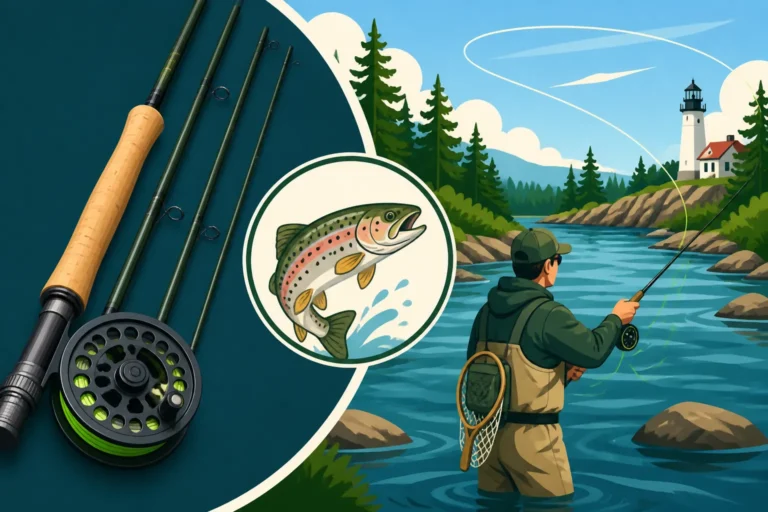
Start with your fishing tackle. This should be tailored precisely to your target species and chosen fishing method. For trolling for salmon on a large lake, you’ll need specific trolling rods, reels spooled with appropriate line, downriggers or lead core line, and an array of spoons, plugs, or live bait rigs. If you're fly-fishing for brook trout in a small stream, your setup will be entirely different – a lightweight fly rod, matching reel, various fly patterns (dry flies, nymphs, streamers), and wading gear. Think about redundancy; an extra spool of line, a few spare hooks, and essential tools like pliers and clippers are always a good idea. Many anglers find great deals on specialized gear or essential accessories on Amazon, often with reviews that can guide your choices.
Beyond the fishing essentials, consider your general camping or lodging gear. If you're roughing it in the Maine wilderness, this means a reliable tent, sleeping bag rated for the expected temperatures, a cooking stove, and cookware. If you’re staying at a lodge or cabin, you might still need specific comfort items like an extra pillow or your favorite coffee maker. Proper clothing is also non-negotiable, especially given Maine’s often unpredictable weather. Layers are key: moisture-wicking base layers, insulating mid-layers, and a waterproof/windproof outer shell. Even in summer, evenings can be cool. For winter ice fishing, consult our guide on What to Wear Ice Fishing in Maine Winters for crucial advice on staying warm and safe. Don't forget sturdy, waterproof footwear!
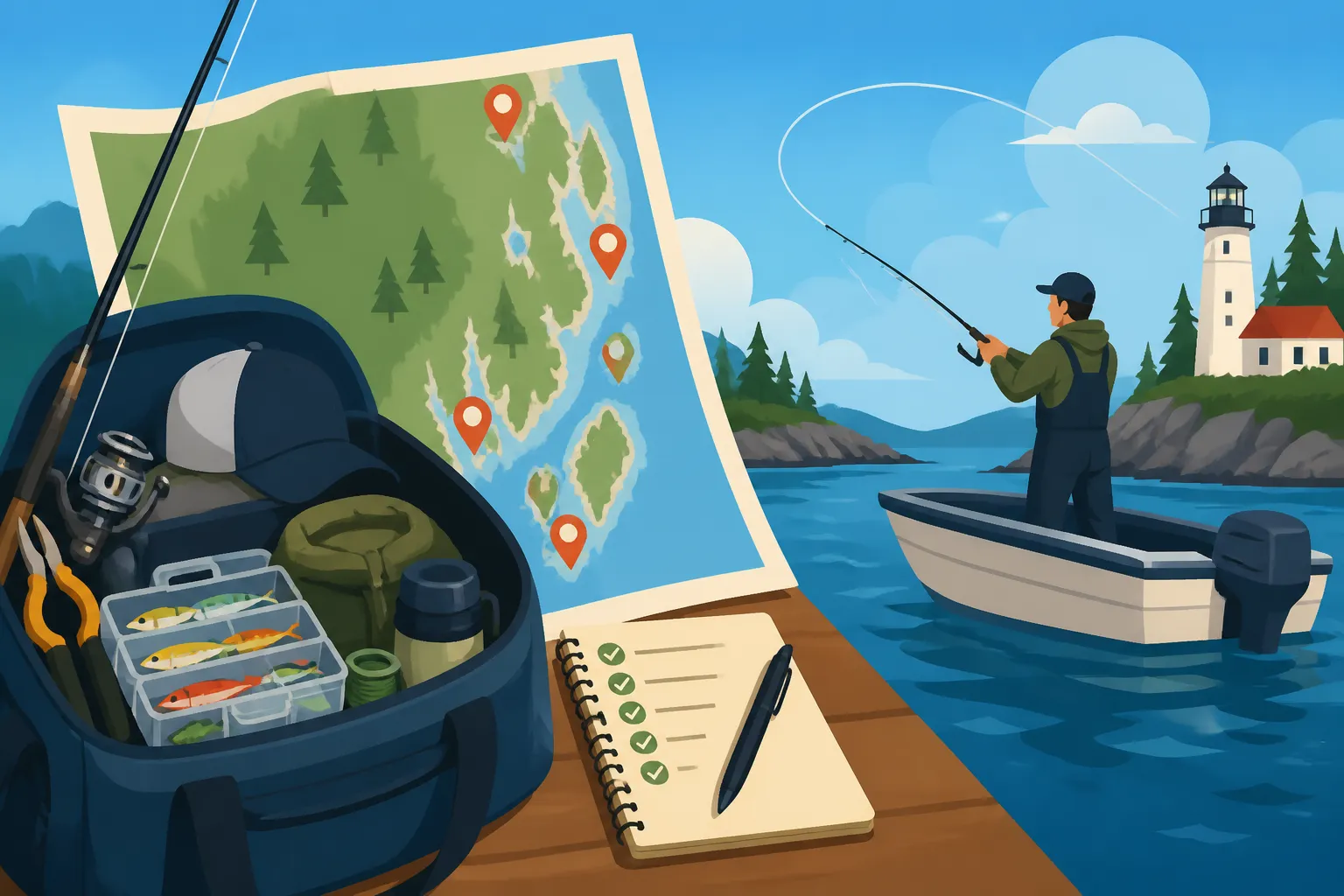
Finally, provisions and safety equipment are paramount for a multi-day trip. Plan your meals carefully, considering caloric needs and ease of preparation. Non-perishable items, dehydrated meals, and snacks are often best for wilderness trips. Always bring more water than you think you'll need, or a reliable water filter/purifier. A comprehensive first-aid kit is non-negotiable; you can assemble one yourself or purchase a pre-made kit on Amazon. Include essentials like pain relievers, bandages, antiseptic wipes, blister treatment, and any personal medications. Navigation tools, such as a GPS device (with extra batteries), a map, and a compass, are vital, especially in remote areas. A whistle, a headlamp with extra batteries, fire-starting materials, and a multi-tool round out the critical safety gear. If you’re fishing from a boat, ensure all required safety equipment, like life jackets and signaling devices, are on board and in good working order. Being prepared for the unexpected is a hallmark of a seasoned angler.
The Practicalities: Accommodations, Travel, and Safety
With your foundational research complete and your gear ready, the logistical side of a multi-day trip comes into focus. This stage is all about making sure you have a comfortable base, a smooth journey to and from your fishing grounds, and a solid plan for any contingencies.
Accommodation options in Maine are as varied as its fishing spots. You might opt for a traditional sporting camp, often located right on the water and offering a rustic yet comfortable experience, sometimes even with meals provided. These can be great options for accessing remote ponds and lakes. Alternatively, you could book a cabin, lodge, or even a hotel in a town that provides easy access to your chosen waters. For those seeking true wilderness immersion, primitive camping at designated sites, or even remote backcountry camping (with proper permits and Leave No Trace principles) might be your preference. Consider proximity to bait and tackle shops, general stores, and emergency services when making your choice. If you’re unsure, looking into Hiring a Maine Fishing Guide might be a good idea, as many guides can arrange accommodations as part of their package.
Travel to and from your destination needs careful thought. Maine is a big state, and some of the best fishing spots are truly off the beaten path. Plan your driving routes, account for potential traffic, and be aware of road conditions, especially if traveling during mud season in spring or after heavy snow in winter. If you're heading deep into the North Woods, expect unpaved roads and limited cell service. Ensure your vehicle is in good working order, and consider packing a spare tire, jumper cables, and a basic toolkit. For those planning to bring their own boat, research public boat launches and any associated fees or restrictions. Remember to check regulations for transporting live bait across different water bodies to prevent the spread of invasive species.
Finally, safety and emergency preparedness cannot be overstressed. Even with the best planning, things can go wrong. Share your itinerary with someone reliable who isn't on the trip, including your expected return date and contact information for your accommodations. If fishing in remote areas, consider renting a satellite messenger device (like an inReach or Spot device) for emergency communication. Know the signs of hypothermia and heatstroke, and how to treat them. Be aware of local wildlife, including ticks, mosquitoes, and larger animals like moose and bears. Carry appropriate repellents and know how to store food to avoid attracting critters. Fishing solo in Maine's vast wilderness can be incredibly rewarding, but it also carries inherent risks; always assess your capabilities and limits before venturing out.
| Planning Stage | Key Considerations | Actionable Steps |
|---|---|---|
| I. Research & Goals | Target species, season, location, desired experience | Research Maine's diverse waters, check Maine Fishing Season Dates Guide, explore Best Fishing Lakes in Maine. Define your trip's primary focus. |
| II. Legal & Ethical | Licenses, specific regulations, conservation | Purchase your Maine Fishing License Guide, study Maine Fishing Regulations Explained for your specific waters, and commit to Catch and Release Best Practices in Maine. |
| III. Gear & Supplies | Fishing tackle, clothing, camping/lodging gear, food | Inventory existing gear, make a packing list, consider weather, buy necessary items (e.g., from Amazon), pack sufficient food and water. |
| IV. Logistics & Safety | Accommodation, travel, emergency plan | Book lodging or plan camping, map out travel routes, ensure vehicle readiness, communicate itinerary, pack a comprehensive first-aid kit. |
Executing the Trip & Reflecting on the Adventure
The planning is done, the bags are packed, and the open road or water awaits. Now it’s time to truly enjoy the fruits of your labor and embrace the fishing adventure you've meticulously prepared. However, the execution phase isn’t just about casting lines; it’s about adaptability, appreciation, and learning from the experience.
On the water, be flexible. Maine weather, especially in the mountains or along the coast, can change on a dime. A perfectly planned day can turn windy or rainy, forcing you to adjust your tactics or even seek shelter. Have alternative spots in mind, or a backup plan for non-fishing activities. Pay attention to local conditions – water levels, clarity, and temperature can all impact fish behavior. Sometimes, the most memorable moments come from adapting to challenges. Experiment with different lures and baits if your initial approach isn't working. Engage with local anglers or bait shop owners; their insights can be invaluable. If you're new to a technique, say, fly fishing, consider booking a short session with one of Maine's reputable Maine Fly Fishing Guides to fast-track your learning.
Embrace the entire experience, not just the catching. Maine's beauty is undeniable, from its dense forests and serene lakes to its rugged coastline and dramatic tides. Take time to appreciate the sunrises over a misty lake, the call of a loon, or the smell of pine in the crisp air. Photography can be a wonderful way to capture these moments, preserving memories beyond just the fish you caught. If you're with family or friends, foster camaraderie and share the joy of the outdoors. A multi-day trip is as much about the journey and companionship as it is about the angling success.
After the trip, take a moment to reflect. What went well? What could have been better? Did you bring too much gear, or forget something vital? Were your chosen techniques effective, or do you need to research new ones for next time? Did you manage to find good spots using your knowledge of Reading Lake Structure for Maine Bass? This reflection is crucial for refining your planning skills for future adventures. Clean and properly store all your gear, performing any necessary maintenance on your rods, reels, and tackle boxes. Replenish any used supplies, so you're one step ahead for the next outing. By learning from each multi-day trip, you'll continuously improve your preparedness and your overall enjoyment of Maine's incredible fishing opportunities.
Disclaimer
This article is for general informational purposes only and does not constitute professional advice. Laws, prices and regulations vary by location and change over time. Consult a qualified professional for guidance on your specific situation.