Catch and Release Best Practices in Maine
There's nothing quite like the thrill of a fish on the line here in Maine, whether it's the feisty tug of a brook trout in a clear mountain stream or the powerful run of a landlocked salmon on one of our grand lakes. But once that fish is landed, a critical decision often comes into play: to keep or to release? For many of us, especially with Maine's precious native and wild populations, practicing responsible catch and release isn't just a suggestion—it's a commitment to conservation. This guide is all about giving you the practical, empathetic advice you need to ensure every fish you release swims away strong, ready to fight another day, and contribute to the vibrant future of Maine fishing.
Understanding Why Catch and Release Matters in Maine
Maine is a special place, a true gem when it comes to fishing, and a big part of that is because we still have incredibly healthy, and in many cases, wild fish populations. When we talk about catch and release, we're not just being sentimental; we're actively participating in the management and preservation of these incredible resources. It’s about more than just a single fish; it’s about the entire ecosystem and the future of our sport.
Protecting Maine's Native and Wild Fish Populations
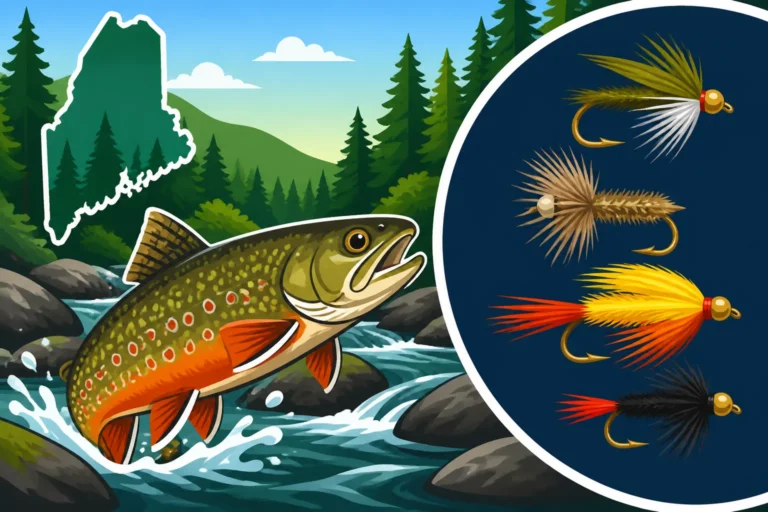
Imagine a pristine stream, crystal clear water tumbling over ancient rocks, and then a flash of crimson and gold – a wild brook trout. These aren't just fish; they're living indicators of a healthy environment, native to these waters for thousands of years. Species like our beloved brook trout and the powerful landlocked salmon have specific genetic strains that have adapted to Maine's unique conditions. When we practice catch and release, especially with these wild fish, we’re allowing them to continue their lifecycle, spawn, and pass on those strong genetics. Removing too many from a population, particularly larger, breeding-size fish, can have a devastating long-term impact on their numbers and resilience. It's about respecting their heritage and ensuring that the wildness of Maine remains untamed.
Ensuring Future Fishing Opportunities
Let's be honest, we all want to keep casting lines in Maine's beautiful waters for years to come. That's where catch and release truly shines as a conservation tool. By carefully releasing fish, we're essentially putting money back in the bank, ensuring that there are plenty of fish for ourselves, our children, and future generations of anglers. It's a proactive approach that complements strict regulations like the specific Maine Fish Bag Limits Guide set by the state. Think of it this way: every healthy fish that swims away has the potential to grow larger, spawn more offspring, and contribute to the overall health and abundance of the fishery. This means more memorable days on the water for everyone, more thrilling fights, and more chances to connect with nature. Without these practices, even the most robust fisheries can decline, diminishing the very experiences we cherish.
Maine's Conservation Ethic
Mainers have a deep-seated respect for the outdoors, and that extends wholeheartedly to our fishing heritage. The conservation ethic here isn't just something written in a rulebook; it's a way of life. From the remote ponds in the North Woods to the bustling coastal waters, there’s an understanding that we are stewards of this incredible landscape. Practicing catch and release aligns perfectly with this ethic. It’s a personal responsibility, a choice to prioritize the health of the fishery over immediate gratification. It’s about leaving the water better than we found it, ensuring that the wild beauty and abundant fishing opportunities that draw so many to Maine will endure. This ethos is reflected in the Maine Fishing Regulations Explained, which often include specific catch-and-release only waters or seasons designed to protect vulnerable populations during critical times.
Essential Gear for Responsible Catch and Release
Alright, let's get practical! Having the right gear isn't just about making your life easier; it's absolutely crucial for ensuring the fish you release has the best chance of survival. Think of it as having the right tools for a delicate operation – because that's exactly what responsible catch and release is.
The Right Tools for a Gentle Release
When you've got a fish on the line and you're planning to release it, every second counts. That's why having the proper de-hooking tools readily accessible is non-negotiable. Forget fumbling around or trying to use your fingers – that only stresses the fish more and risks injury to both you and your catch.
First up, pliers or hemostats. For smaller fish like brook trout or perch, a good pair of long-nosed hemostats can be a lifesaver. They allow you to grasp tiny hooks firmly and twist them out quickly with minimal damage. For larger fish, like a substantial landlocked salmon or a big smallmouth bass, sturdy needle-nose pliers are essential. Look for models with a comfortable grip, especially if your hands are wet or cold.
Secondly, consider investing in a de-hooker tool. These are designed to easily remove hooks that are further down a fish's throat, allowing you to avoid putting your hands inside the gill plate or even touching the fish much at all. There are various designs available, from simple plunger-style tools to more elaborate ones, and many can be found on platforms like Amazon. The key is to practice using them before you're in the heat of the moment with a feisty fish. Being proficient with your tools will drastically cut down on handling time and improve the fish's chances.
Line and Leader Choices for Minimal Stress
While it might seem counterintuitive to some, choosing slightly heavier line and leader can actually be a catch and release best practice. Here's why: lighter line, while exciting for the fight, often means prolonged battles. A fish that's fought to complete exhaustion has a much lower chance of survival after release, even if handled perfectly.
By using a line that's appropriate for the species and water you're fishing – perhaps 6-10 lb test for trout and salmon in open water, or 10-15 lb for larger bass – you can land the fish more quickly. This reduces the amount of lactic acid buildup in its muscles, which is a major contributor to post-release mortality. Furthermore, a slightly stronger leader helps prevent break-offs, which leave a fish swimming away with a hook and line trailing, almost certainly leading to its demise. Fluorocarbon leaders, in particular, offer good abrasion resistance and low visibility, which can be advantageous. Your goal is to subdue the fish efficiently, not to prolong the struggle.
Landing Nets Designed for Fish Safety
Forget those old string or knotted nylon nets your grandpa used – they’re fish killers when it comes to catch and release. Those rough materials strip off the fish's protective slime coat (its first defense against disease and infection), tangle fins, and often cause scale damage.
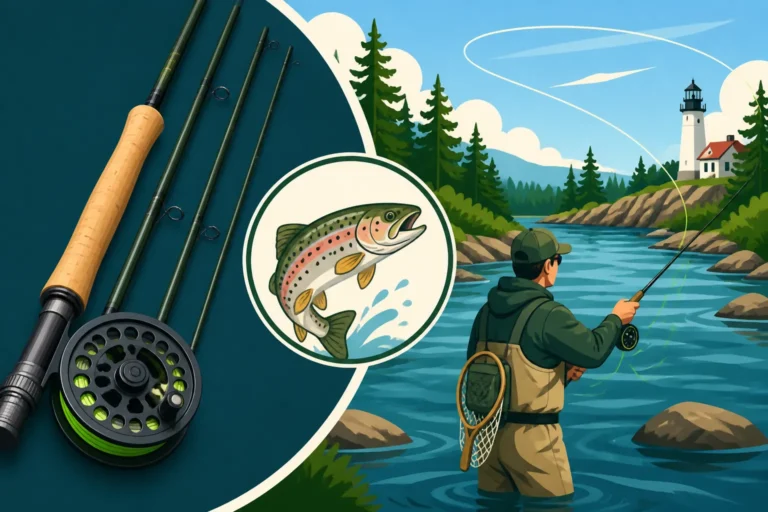
The absolute best choice for catch and release is a rubberized, knotless landing net. The rubber mesh is incredibly gentle on a fish’s scales and slime coat, significantly reducing injury. It also prevents hooks from getting hopelessly tangled, which means less time fumbling around trying to free your lure and more time focused on the fish. For those pursuing trout and salmon in Maine, a net with a reasonably deep basket is important to fully cradle the fish while it’s in the water, minimizing its thrashing. Larger models, often available on Amazon, are great for bigger species like striped bass, allowing you to completely submerge and control the fish before de-hooking. Always try to net the fish headfirst, if possible, for better control and less stress.
| Gear Item | Purpose | Key Features for C&R | Why It Matters |
|---|---|---|---|
| Long-Nose Pliers | Hook removal, cutting line | Stainless steel, long jaws, spring-loaded | Quick, safe de-hooking; minimizes fish handling time |
| Hemostats | Small hook removal, fly presentation | Fine tips, locking mechanism | Precision removal of small, deeply set hooks |
| De-Hooker Tool | Removing deeply swallowed hooks | Long reach, ergonomic handle, various styles | Avoids putting hands into gill plates, less stress on fish |
| Rubberized Net | Landing fish safely | Knotless, soft rubber mesh, deep basket | Protects slime coat & scales, reduces fin damage, prevents tangles |
| Line/Leader | Connecting lure to reel | Appropriate strength for species, fluorocarbon leader | Reduces fight time, prevents break-offs, abrasion resistant |
| Hook Cutter | Cutting hooks when necessary | Strong, sharp blades, rust-resistant | Last resort for deeply swallowed hooks; save the fish's life |
Best Practices for Handling Fish While Releasing
You've landed the fish, you've got your tools ready, but now comes the most critical part: actually handling the fish. This is where many well-intentioned anglers unintentionally cause harm. The goal is to be quick, gentle, and keep the fish as calm and wet as possible. Every touch, every second out of water, and every improper hold can impact that fish's survival.
Minimizing Air Exposure
This is probably the single most important rule for catch and release. Fish breathe water, extracting oxygen through their gills. When they're pulled into the air, their gills collapse, and they start to suffocate. Imagine holding your breath for an extended period – that’s what it feels like for a fish.
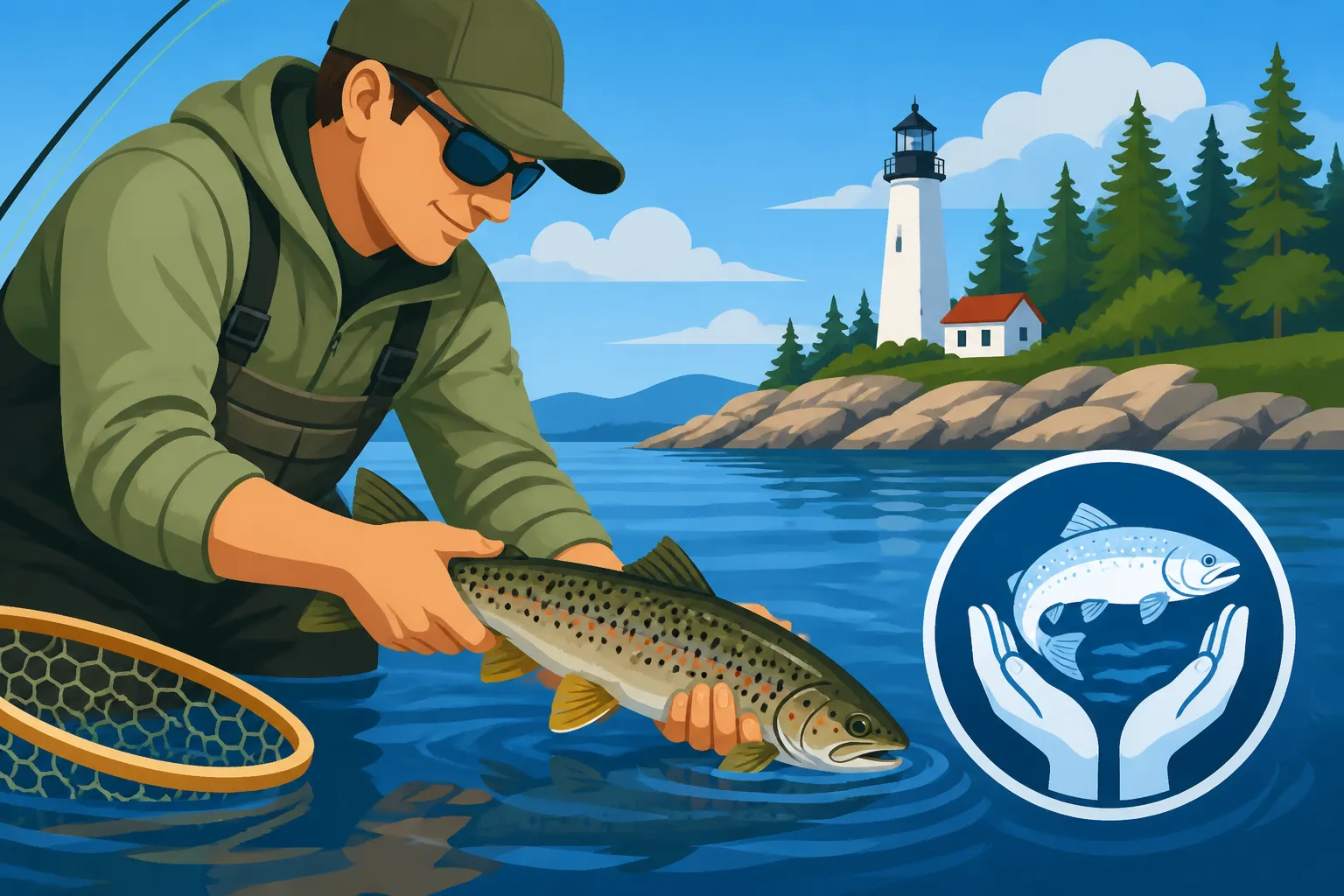
Aim to keep the fish in the water as much as possible, especially during de-hooking. If you must remove it from the water for a quick picture, ensure it's for no more than 5-10 seconds, ideally less. Wet your hands thoroughly before touching the fish to protect its delicate slime coat. This protective layer is crucial for preventing infection and disease. When taking photos, have your camera ready, lift the fish gently, snap quickly, and immediately return it to the water. Avoid dragging fish across rocks, sand, or the bottom of the boat. Every effort to keep the fish submerged or at least dripping wet will greatly improve its chances of swimming away strong.
Proper Holding Techniques
How you hold a fish can literally determine whether it survives or dies after release. Improper handling can cause serious internal damage, especially to their spine and internal organs.
For most freshwater species like trout, salmon, and bass, the best method is a two-hand hold. Support the fish horizontally, one hand gently cradling its belly or underneath its pectoral fins, and the other hand lightly gripping the base of its tail. Avoid squeezing the body, especially around the stomach or gill areas. Never, ever hold a fish vertically by its jaw alone, especially larger species like bass or salmon. While "lip-gripping" can be done carefully with bass by supporting the body, dangling a fish vertically puts immense pressure on its jaw, spine, and internal organs, leading to irreversible damage. If it's a small fish, sometimes a gentle, wet-handed "cradle" in the water is all that's needed to de-hook. For something like a Landlocked Salmon Fishing in Maine, which can be substantial, getting a good grip at the tail and supporting its weight is key.
Safe De-Hooking Strategies
The quicker and cleaner you can remove the hook, the better. This reduces stress on the fish and minimizes tissue damage.
- Assess the Hook Placement: As soon as the fish is netted (ideally in the water), check where the hook is set.
- Use Your Tools: If the hook is visible and accessible in the lip or corner of the mouth, use your pliers or hemostats. Grab the hook firmly by the shank, twist it counter-clockwise, and gently pull it out in the opposite direction it went in. Try not to tear the tissue.
- Deeply Set Hooks: This is where it gets tricky. If a fish has swallowed the hook deeply, trying to rip it out can do more harm than good. In these situations, your best bet is often to cut the line as close to the hook as possible. A hook made of carbon steel will eventually rust out, and studies have shown that fish have a surprisingly good chance of survival with a hook left in, especially if the gut isn't punctured. Don't waste precious time trying to extract a deeply embedded hook, especially with fragile species like a Brook Trout Daily Bag Limits fish, as the prolonged struggle and tearing will likely be fatal.
- Treble Hooks: Lures with treble hooks can be particularly damaging. Consider replacing treble hooks with single, barbless hooks on your favorite lures. If you must use trebles, and one is deeply embedded while another is in the lip, you may need to cut one or more of the treble points to get the lure free without tearing the fish. A small pair of wire cutters can be another invaluable tool to carry for just such an emergency.
Reviving and Releasing Stressed Fish
Sometimes, despite your best efforts, a fish will come to the net looking a bit tired, sluggish, or just generally stressed out from the fight, especially if it was a powerful fish or fought in warmer water conditions. A quick release at this point isn't enough; you need to take an active role in its revival. This extra step is paramount to ensuring its long-term survival.
Recognizing Signs of Stress and Exhaustion
Before you release a fish, take a moment to observe its condition. A healthy fish will typically be alert, have strong color, and be actively trying to swim away or at least orient itself. A stressed or exhausted fish, however, will show some tell-tale signs:
- Listlessness: It won't swim away immediately when released, or it might just float on its side or upside down.
- Gasping Gills: Its gill plates might be flaring rapidly, indicating a struggle to breathe.
- Pale Coloration: Some species, particularly trout and salmon, might appear duller or lose some of their vibrant colors.
- Lack of Fin Movement: The fins might be clamped tightly or show very little movement.
- Unresponsive to Touch: A gentle poke or nudge might not elicit a strong reaction.
If you observe any of these signs, the fish needs your help with a proper revival before it can be truly released.
The "Swim-Away" Method
This is the most effective way to help a stressed fish recover its strength and oxygenize its blood before release.
- Keep it in the Water: First and foremost, do not lift a stressed fish out of the water again. Cradle it gently, still submerged, supporting its belly and tail.
- Move Water Over Gills: Position the fish in the current (if in a river or stream) so that water flows naturally over its gills. If in a lake or pond with no current, you'll need to gently move the fish forward and backward in the water. This forces oxygenated water through its gills, mimicking its natural breathing process and helping to flush lactic acid from its system. Avoid moving it side-to-side, as this can damage the gills.
- Be Patient: This is not a race. Continue the "swim-away" motion until the fish shows clear signs of recovery. Its fins should start moving rhythmically, its color may return, and it should try to pull away from your hands. This can take anywhere from a minute to five minutes or even longer, depending on the fish's condition and water temperature.
- Allow Self-Release: Once the fish struggles to get away and swims off on its own power, you know it's ready. Don't toss it; simply open your hands and let it swim away naturally. Watch it for a moment to ensure it doesn't just float back up.
This method is particularly important for game fish like Landlocked Salmon Bag Limits and Maine Togue and Lake Trout Limits after a long fight in warmer water.
When to Cut the Line
While we always strive for a perfect de-hook and release, there are rare instances where attempting to remove a hook will do more harm than good. This usually occurs when a hook is deeply embedded in a vital organ, like the throat or stomach, or when the fish is simply too fragile or exhausted to withstand further handling.
In these situations, the most humane and responsible action is to cut the line as close to the hook as possible. Use sharp clippers or scissors to make a clean cut. A small piece of mono or fluoro line attached to a hook will naturally degrade in the water, and the hook itself, especially if it's a bare metal, non-stainless steel hook, will eventually rust away. While it's not ideal, studies have repeatedly shown that a fish has a better chance of survival if the line is cut rather than enduring a prolonged, traumatic attempt to dig out a deeply swallowed hook, which often results in irreparable internal damage. This is a tough call to make, but it's part of being a responsible angler and prioritizing the fish's life over the recovery of your lure.
Special Considerations for Maine's Popular Species
Maine's diverse waters offer a thrilling variety of species, from freshwater giants to coastal battlers. While the general principles of catch and release apply across the board, each species has its own quirks and sensitivities that are worth keeping in mind. Tailoring your approach can make a significant difference in their post-release survival.
Handling Landlocked Salmon and Trout
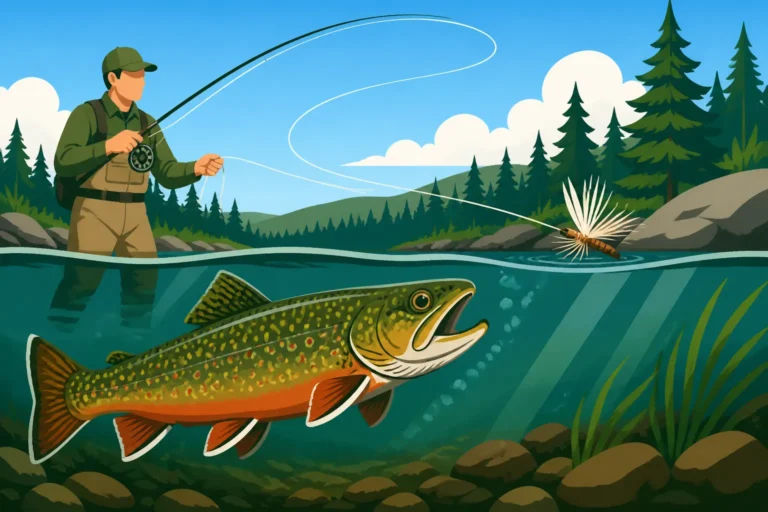
These cold-water beauties are often the crown jewels of Maine's inland fisheries, and their delicate nature demands extra care. Whether you're targeting a feisty brook trout in a mountain stream or a powerful landlocked salmon in one of our big lakes, remember that water temperature is a huge factor.
- Keep 'Em Cool: Salmon and trout are highly susceptible to stress in warmer water. In summer months, when water temperatures rise above 65°F (around 18°C), their survival rate after a fight drops significantly. Consider targeting them during cooler parts of the day, or even better, focusing on other species when the water is too warm. If you do hook one, bring it in quickly and keep it submerged as much as possible.
- Soft Nets and Quick Work: Use a rubberized, knotless net to cradle them gently. The less they thrash, the better. Have your de-hooking tools ready.
- Support Their Weight: When you need to lift them for a photo, use both hands to fully support their body weight. Never hold them by the jaw or gills. Their slime coat is their first line of defense; avoid rubbing it off. For example, when fishing for Landlocked Salmon Fishing in Maine, especially those strong ones in Sebago or Moosehead, be prepared for a spirited fight and have your gear ready to expedite the release.
Releasing Maine Bass Species
Smallmouth bass and largemouth bass are incredibly popular sportfish in Maine, known for their aggressive strikes and powerful fights. While generally hardier than salmonids, they still require thoughtful handling.
- Jaw Support is Key (but with a caveat): For smallmouth and largemouth bass, gently "lip-gripping" them by the lower jaw is a common and acceptable technique, as long as you always support their belly with your other hand, especially for larger fish. Dangling a big bass by its jaw without supporting its body weight can dislocate its jaw or damage its spine.
- Minimize Scale Damage: Bass have relatively large, tough scales, but they can still be scraped off, leading to infection. Wet hands and a soft net are always the best practice. Avoid letting them flop around on the bottom of a boat or on shore.
- Quick De-Hooking: Bass mouths are generally tougher, making hook removal a bit easier than with delicate-mouthed trout. Use pliers to quickly remove hooks. For Maine Bass Fishing Limits by Zone, many areas have slot limits or specific regulations that encourage the release of larger, breeding-size fish.
Striped Bass and Saltwater Release Practices
The thrill of a striped bass hitting your lure along the Maine coast is unmatched. These powerful fish can grow quite large and put up an incredible fight, requiring specific release considerations due to their size and the saltwater environment.
- Size Matters: Stripers can be big, heavy fish. Don't try to lift a large striped bass (especially one over 30 inches) by the mouth alone. Always support its body with both hands, or better yet, keep it in the water.
- Minimize Air Time: Just like freshwater fish, air exposure is detrimental. For larger stripers, consider de-hooking them while they are still in the water, alongside the boat or from the shore. If a photo is desired, lift it horizontally, quickly snap the picture, and return it to the water immediately. Many anglers use fish grippers designed for saltwater fish to control them while still in the water.
- Fight to the Boat, Not to Exhaustion: With big, powerful fish like stripers, it's easy to over-fight them. Use appropriate tackle to bring them in efficiently. A prolonged fight, especially in warmer summer waters, can lead to severe lactic acid buildup and delayed mortality. If the fish seems exhausted after the fight, hold it upright in the current (or gently move it back and forth) until it shows strong signs of recovery.
- Know the Slot Limits: Maine has specific Maine Striped Bass Season and Limits which often include a slot limit, meaning only fish within a certain size range can be kept. This means many of your catches will be legally required to be released, making these best practices even more crucial.
Planning Your Catch and Release Trip
Responsible catch and release isn't just about what you do when the fish is at the boat; it starts long before you even cast your first line. It involves thoughtful preparation, understanding the environment, and committing to an ethical approach to fishing. By incorporating these elements into your trip planning, you'll not only increase the survival rates of released fish but also enhance your overall angling experience.
Choosing the Right Conditions
The conditions on the water can dramatically affect a fish's ability to survive after release. Ignoring these factors is a common mistake, even among seasoned anglers.
- Water Temperature is King: For cold-water species like trout and salmon, high water temperatures are a death sentence. When the surface water temperature climbs above 65-70°F (18-21°C), the oxygen levels in the water drop, and fish become incredibly stressed, even from a short fight. During these periods, consider targeting warm-water species like bass, or fish during the cooler parts of the day (early morning, late evening). Some dedicated trout anglers will simply stop fishing for trout entirely during the hottest summer months to ensure the survival of the population. Understanding the Best Time of Year to Fish in Maine for specific species can guide your choices.
- Minimize Stressful Situations: Long fights, especially in shallow water, can exhaust fish. If you're fishing in strong currents, try to bring the fish to slack water for de-hooking and revival. Avoid fishing during extreme weather events, such as immediately after a severe cold front, which can make fish more vulnerable.
- Depth and Barotrauma: When deep-sea fishing for certain species, or even lake fishing for very deep-dwelling fish like togue in their summer haunts, bringing a fish up too quickly from significant depths can cause barotrauma (swim bladder expansion). If you're targeting such fish for release, research the specific techniques like "fizzing" or using a descending device to help them re-pressurize and survive. For most shallow-water freshwater fishing in Maine, this isn't a major concern.
Educating Yourself on Regulations
Maine has specific and sometimes complex fishing regulations, and they are in place for a reason: to protect our fisheries. Ignorance of the law is never an excuse, and understanding the rules is a fundamental part of responsible angling, especially when it comes to catch and release.
- Know Your Water: Every lake, pond, and river in Maine can have its own unique set of regulations. Don't assume that what applies to one body of water applies to another. Always consult the official Maine Fishing Regulations Explained before you head out. These guides detail specific bag limits, size limits, and special regulations for individual waters.
- Catch and Release Only Zones: Some waters, or specific sections of rivers, are designated as "catch and release only" for certain species or throughout the year. These are often critical spawning grounds or areas where wild populations need maximum protection. Adhering to these rules is non-negotiable. For example, some sections of streams might be fly-fishing-only, catch-and-release, to protect delicate Brook Trout Daily Bag Limits populations.
- Seasons and Gear Restrictions: Be aware of open and closed seasons for specific species. Also, check for gear restrictions, such as the use of single, barbless hooks only, which are often implemented in catch-and-release waters to minimize harm. You can find detailed information on the official state website or by picking up a copy of the Maine Fishing License Guide which also contains the rulebook.
Setting an Ethical Example
As anglers, we are ambassadors for the sport. Every time you're on the water, your actions are observed, whether by fellow anglers, curious onlookers, or even future generations. Setting a good ethical example for catch and release is crucial for promoting conservation and ensuring the longevity of our beloved pastime.
- Be a Teacher: If you're fishing with children or new anglers, take the time to explain why you're practicing catch and release and how to do it properly. Show them the correct way to handle a fish, use the tools, and revive a tired fish. Teach them about the importance of the slime coat and the fragility of gills. Lead by example.
- Share Your Knowledge, Not Just Your Catch: Instead of just boasting about a big catch, talk about the successful release, the fish swimming away strong. Post about ethical practices on social media, emphasizing conservation over hero shots.
- Respect the Resource: This goes beyond just handling fish. It means picking up any discarded line, avoiding litter, respecting private property, and generally leaving no trace. A true angler appreciates the entire ecosystem, not just the fish being caught. By championing responsible practices, you contribute to a positive public image of fishing, which is vital for maintaining access and support for conservation initiatives. Your actions, especially in publicly accessible areas, can influence others to adopt similar best practices in their own Maine Open Water Fishing Techniques Guide.
Disclaimer
The information provided in this guide is for general educational purposes only and is not a substitute for official Maine Department of Inland Fisheries and Wildlife regulations. Fishing laws and regulations are subject to change, and it is the responsibility of every angler to consult the most current official rulebook before engaging in any fishing activity. Always prioritize safety and environmental stewardship.