Best Time of Year to Fish in Maine
Deciding when to cast your line in Maine can feel like trying to hit a moving target, with seasons dictating everything from fish behavior to accessible waters. Many anglers, both local and visiting, grapple with pinpointing the prime times for their target species, often arriving to find conditions less than ideal or regulations they weren't expecting. This comprehensive guide will meticulously break down the best times of year to fish in Maine, helping you align your trip with peak opportunities for various species across the state's diverse aquatic landscapes.
Understanding Maine's Fishing Seasons: A Dynamic Landscape
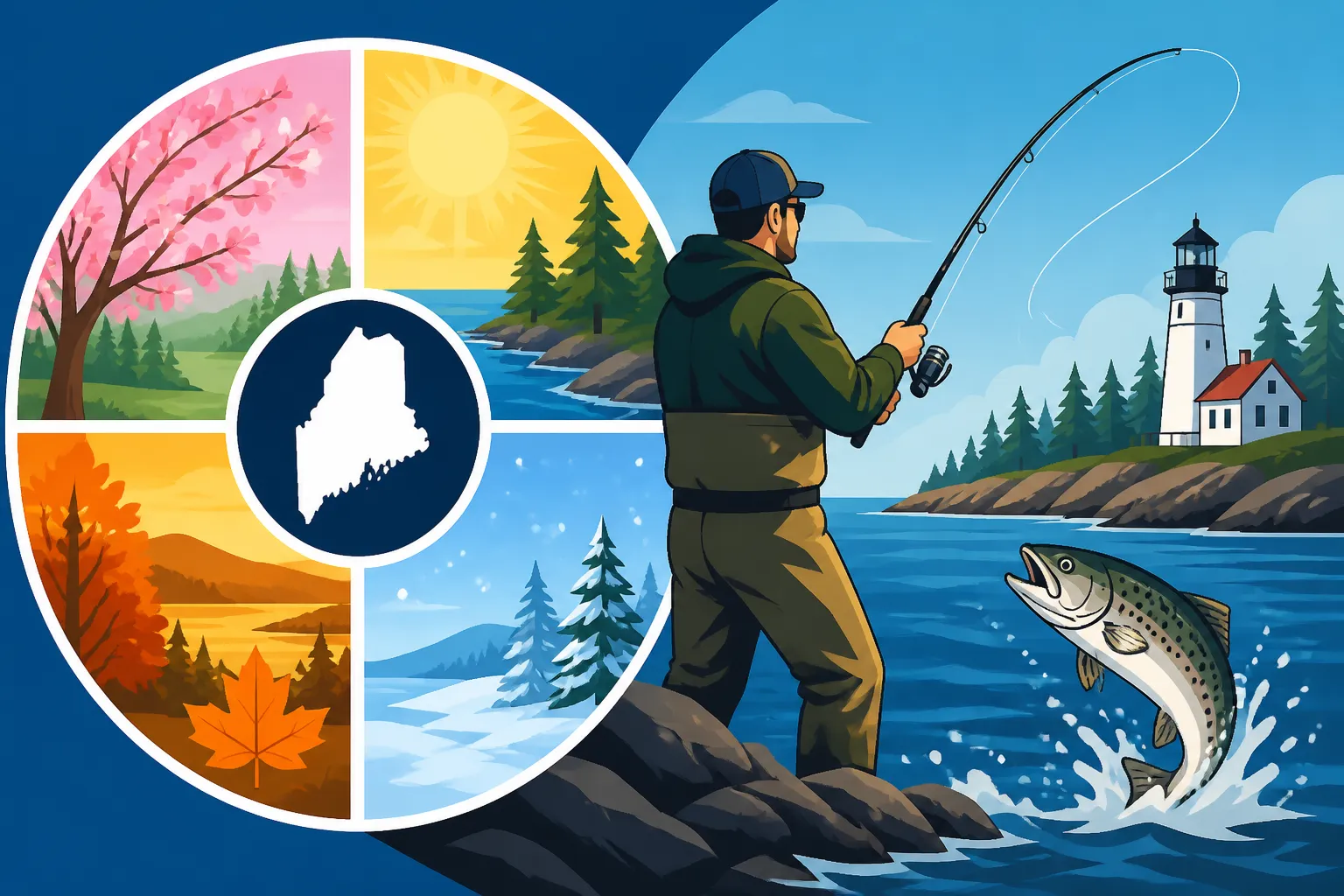
Maine's natural beauty is undeniable, but it's also a state defined by dramatic seasonal shifts, and these changes profoundly impact fishing. Unlike regions with more consistent climates, Maine offers distinct fishing experiences from one month to the next, influenced by water temperature, ice cover, and fish spawning cycles. Successfully navigating Maine's fishing scene means understanding these rhythms and how they dictate everything from fish location to their willingness to bite. It's a dance with nature, and knowing the steps is half the battle.
The Rhythms of Nature and Their Impact on Fish Behavior
The annual cycle of the sun and the resulting temperature fluctuations are the primary drivers of fish behavior in Maine. As the days lengthen and temperatures rise in spring, ice gives way, and cold-blooded fish begin to stir, seeking warmer, oxygenated water. This is often a time of intense feeding as they recover from winter's dormancy and prepare for spawning. Conversely, the deep chill of winter forces many species into a slower metabolic state, often concentrating them in specific areas under the ice. Understanding these biological responses is key to predicting where fish will be and what they'll be willing to eat. For instance, landlocked salmon, a prized coldwater species, will behave entirely differently in the shallow, warming waters of spring than they will in the stratified, deep lakes of summer. Their pursuit of optimal water temperatures is a constant, guiding their movements throughout the year.
General Law vs. Special Regulations: Navigating the Calendar
It's not just Mother Nature you need to consider; the Maine Department of Inland Fisheries and Wildlife (MDIFW) has a comprehensive set of rules that often vary by water body and time of year. While there are "general law" provisions that apply broadly, many of Maine's most popular fishing spots are designated as "special regulation" waters. This means specific lakes, ponds, and rivers might have unique open seasons, bag limits, or tackle restrictions that differ significantly from the general statewide rules. For instance, a lake might open to open water fishing earlier than the general law date, or have a specific catch-and-release period for certain species. Before planning any trip, it is absolutely essential to consult the latest Maine Fishing Regulations Explained and to check the individual regulations for your chosen body of water. Missing this step can lead to frustration, or worse, legal trouble. This diligence is particularly critical when planning trips to highly managed waters like portions of the Kennebec River or certain remote ponds known for their wild brook trout. You can find detailed information on specific opening and closing dates for various species and water bodies in the Maine Fishing Season Dates Guide.
Spring Fishing in Maine: Awakening Waters and Hungry Fish
Spring in Maine is a season of transformation, marked by the dramatic "ice-out" when frozen lakes and ponds finally thaw. This period, usually from late March through May, signals the beginning of the open water fishing season for many. The melting snow and ice infuse lakes and rivers with fresh, cold water, stimulating fish activity. It's a time of renewed energy for both fish and anglers, full of anticipation for the season ahead.
Early Spring Opportunities: Ice-Out to Mid-May
Once the ice recedes, typically by mid-April in southern Maine and later in the northern reaches, the fishing can be phenomenal. Coldwater species like landlocked salmon, brook trout, and lake trout (togue) are often found in shallow waters, gorging themselves after a long winter under the ice. The water is still quite cold, and these fish are looking for easy meals. Tributary mouths, shallow coves, and areas where sunlight warms the water first become hotspots. For landlocked salmon, this is often the best time to target them close to shore, casting spoons or small stickbaits. The Maine Spring Fishing Guide offers more specific techniques.
A classic early spring scenario involves finding newly opened areas of lakes like Sebago Lake or Moosehead Lake. Anglers will often troll the perimeters of still-frozen sections, as fish concentrate along these "ice edges" where temperatures are slightly warmer and food sources become more available. For fly anglers, this can be a magical time on rivers and streams as emerging insects prompt brook trout to feed aggressively. Remember, the timing of ice-out varies greatly year to year and by location, so always check local conditions before heading out. Sometimes, you might even have a small window to target residual ice fishing opportunities on larger, deeper lakes that hold ice longer, though extreme caution is advised.
Late Spring Action: May into Early June
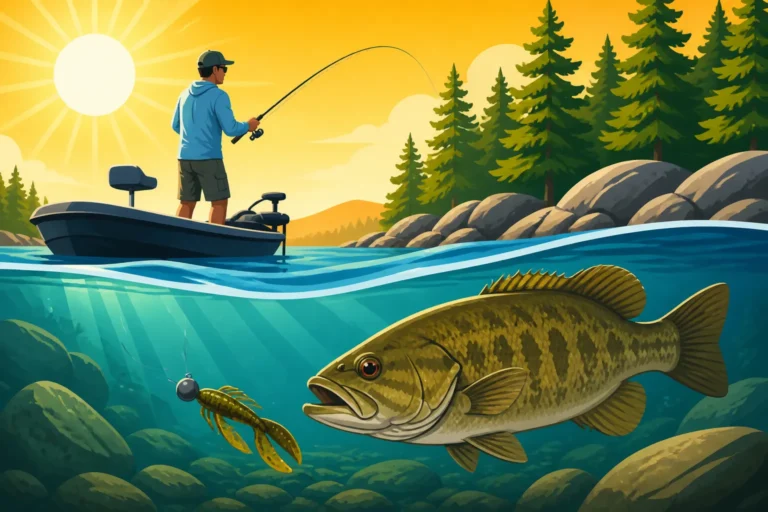
As spring progresses into late May and early June, water temperatures continue to climb, and a broader range of species becomes active. This period often coincides with the general law opening of many waters to bass fishing, ushering in exciting opportunities for smallmouth and largemouth bass. These warmwater species move into shallower areas to spawn, making them more accessible and aggressive. Look for them around rocky points, submerged structure, and weed beds.
Rivers like the Penobscot or Kennebec begin to see migratory species. While Atlantic salmon restoration efforts are catch-and-release only, striped bass begin their northward migration along the coast, offering fantastic opportunities in tidal rivers and estuaries. This is a dynamic time, as many fish transition from their post-winter feeding frenzy to pre-spawn or spawning activities. It's a perfect period for light tackle fishing for brook trout in smaller ponds or casting for aggressive bass in the Belgrade Lakes. You might consider purchasing a quality spinning rod and reel combo, easily found on platforms like Amazon, to cover a wide range of these spring techniques. The waters are typically clear and vibrant, setting the stage for some truly memorable outings.
Summer Fishing in Maine: Warm Waters and Diverse Species
Maine summers are beautiful, with long, sunny days perfect for enjoying the outdoors. However, these warm conditions bring significant changes to fishing patterns. While the sheer variety of active fish species increases, targeting coldwater fish often requires different tactics as they retreat to deeper, cooler waters. Conversely, warmwater species like bass thrive in the summer heat, offering consistent action.
Mid-Summer Challenges and Deep Water Tactics
By July and August, most Maine lakes and ponds have fully stratified, meaning distinct layers of water with different temperatures form. Coldwater species like landlocked salmon and lake trout (togue) will seek refuge in the thermocline – the layer where cold and warm water meet – typically found at depths of 30 to 60 feet, or even deeper in very large lakes like Moosehead Lake. This makes trolling with downriggers, lead core line, or copper line the most effective strategy. Anglers might use spoons, flashers, or live bait like smelts to entice these deep-dwelling fish. Early mornings and late evenings are often the most productive times, even for deepwater species, as they may briefly move shallower to feed.
For those without specialized deep-water trolling gear, targeting smaller, high-elevation ponds for wild brook trout can still yield success, as these waters often remain cooler throughout the summer. However, these remote ponds often require a hike or canoe trip, adding to the adventure. Understanding how to read a fish finder and interpreting lake contours becomes crucial for locating these thermal refuges. You'll want to ensure your line is robust enough for deeper fishing, and many braided lines suitable for this can be found on Amazon, offering strength and sensitivity.
Coastal Summer Fishing: Striper Action Heats Up
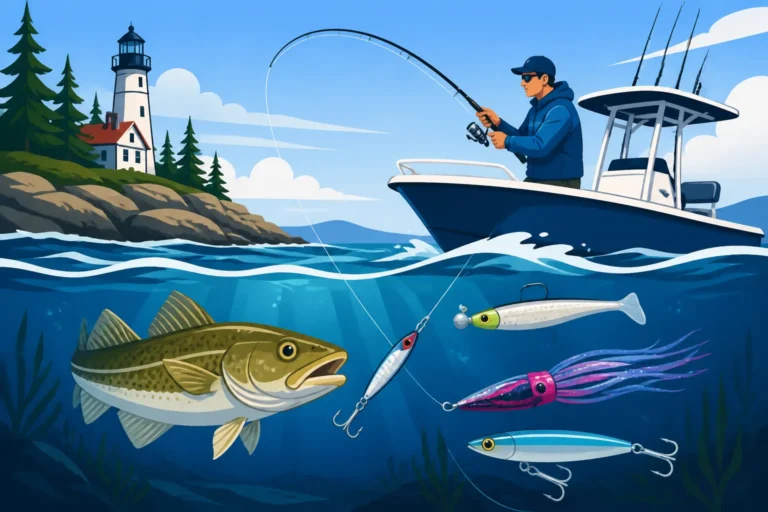
While freshwater coldwater species go deep, the saltwater scene explodes during summer in Maine. Striped bass are the undisputed kings of the coastal waters from June through September. These powerful fish are present in large numbers, chasing baitfish in estuaries, along rocky shorelines, and in the surf. Early mornings and evenings, especially around the changing tides, are prime times. Topwater lures, soft plastics, and baitfish imitations are all highly effective. Fishing from shore, kayaks, or boats provides ample opportunities. The Kennebec River, Casco Bay, and the Saco River are renowned hotspots.
Beyond stripers, offshore fishing charters head out for groundfish like cod, haddock, and pollock, or even tuna and shark further out. This offers a completely different kind of challenge and a chance at much larger, harder-fighting fish. The Maine Striped Bass Season and Limits provides crucial information for planning your coastal adventures. You'll need a Maine Saltwater Fishing Registry, which is easy to acquire online, to legally fish in saltwater. These warm months are truly fantastic for saltwater anglers, with a vibrancy that matches the weather.
Fall Fishing in Maine: Vibrant Colors and Aggressive Bites
As summer gives way to autumn, Maine's landscape transforms into a breathtaking tapestry of reds, oranges, and yellows. The cooler air temperatures bring about a gradual cooling of the water, signaling a crucial shift in fish behavior. Fall fishing is often hailed by seasoned anglers as one of the most productive and enjoyable times of the year, marked by aggressive feeding sprees and stunning scenery.
Early Fall Transition: September's Bounty
September is a transitional month, often considered a sweet spot for both coldwater and warmwater species. Lake and pond waters begin to cool, causing coldwater fish like salmon and trout to move out of their deep summer haunts and into shallower areas. They become incredibly active as they prepare for their fall spawning runs and pack on calories for the approaching winter. This is a fantastic time for trolling near the surface with spoons or streamers for landlocked salmon, especially in the larger lakes like Rangeley or Sebago. Brook trout in rivers and smaller ponds also become more aggressive, readily taking flies and spinners.
Meanwhile, warmwater species like smallmouth bass and largemouth bass are still very active, putting on the feedbag before the deep cold sets in. They can be found around submerged structure, rocky points, and weed lines, often shallower than in the peak of summer but deeper than their spring spawning beds. The cooler temperatures also mean more comfortable fishing for anglers, without the intense heat or bug pressure of summer. This period offers some of the most consistent action and often produces some of the biggest fish of the year.
Late Fall Rewards: October and November's Chill
As October and November arrive, the air turns crisp, and water temperatures continue to drop, reaching into the 40s. This colder water drives the most intense feeding frenzy for many species, especially salmon and brook trout as they enter their spawning cycles. While regulations often prohibit targeting salmon and trout on their actual spawning beds, the pre-spawn and post-spawn periods can offer incredible action. Rivers and stream mouths become critical areas as fish congregate to spawn or to feed on eggs. Fly fishermen often have fantastic success with egg patterns and streamers.
Bass fishing can still be very good, especially on sunny days, but these fish will be holding tighter to structure and in deeper main lake basins. They become less inclined to chase and more likely to strike a slow-moving jig or a live bait presented precisely. Towards the end of November, some smaller, shallower ponds might even start to skim over with ice, hinting at the upcoming ice fishing season. This late fall window, while short and often chilly, can be incredibly rewarding for those willing to brave the colder conditions. The solitude and beauty of Maine's fall foliage provide an unforgettable backdrop to your fishing adventures. Don't forget to layer up; a good waterproof jacket and warm hat are essential, and you can find excellent options for cold-weather fishing apparel on Amazon.
Winter Fishing in Maine: The Thrill of Ice Fishing
When most people think of fishing, they picture open water, but in Maine, winter unlocks a whole new dimension of angling: ice fishing. From December through March, frozen lakes and ponds become accessible playgrounds for anglers, offering unique opportunities to target species like landlocked salmon, lake trout (togue), brook trout, and various panfish. It's a sport deeply ingrained in Maine's culture, combining camaraderie with the stark beauty of a winter landscape.
Safe Ice and Early Season Excitement
The paramount concern in ice fishing is always safety. "First ice" in December can be incredibly productive, as fish are often still active and willing to bite after the initial freeze-up. However, this is also when ice conditions are most variable and potentially dangerous. Always wait for at least four inches of clear, solid ice for safe foot travel, and more for snowmobiles or vehicles. Once safe conditions are established, early season ice fishing can be fantastic. Fish are typically still shallow, especially coldwater species, as the entire water column is relatively cold.
Anglers often set up tip-ups, which are devices that signal a bite with a flag, allowing them to fish multiple lines (within legal limits) simultaneously. Live bait like shiners or smelts are highly effective, suspended just above the bottom or at specific depths. Jigging with small spoons or lures is also popular, often yielding aggressive strikes from hungry trout and salmon. Lakes like Long Pond in the Belgrade Lakes region or smaller ponds around Bangor are popular early-season destinations. Checking the Maine Ice Fishing Rules Guide for specific regulations and local ice conditions is non-negotiable before venturing out.
Mid-Winter Strategies and Late-Season Ice
As winter deepens into January and February, the ice often thickens, making travel safer, but fish can become more lethargic. Lake trout (togue) often retreat to deeper parts of the lake, requiring anglers to drill holes in strategic locations over drop-offs and humps. For these deeper fish, heavier jigs tipped with bait, or even specially designed ice fishing lures, are effective. Brook trout can still be found in shallower areas, especially around feeder streams or springs, but they might require a more subtle presentation. Panfish like perch and crappie offer consistent action and are great for family outings.
Late season ice, typically in March, can also be highly productive. As the days lengthen and the sun's intensity increases, fish begin to sense the impending spring thaw. They often move shallower and become more active, feeding aggressively before ice-out. However, late-season ice is also the most unpredictable. Warm spells can rapidly degrade ice quality from the top down and bottom up, creating dangerous conditions. Always exercise extreme caution, especially around inlets, outlets, and areas with current. Local bait shops and fishing forums are excellent resources for up-to-date ice conditions. A good ice auger is an essential tool, and modern electric augers available on Amazon make drilling multiple holes a breeze.
Seasonal Species Breakdown: Who to Target When
Understanding the overall seasonal patterns is one thing, but knowing which fish species are most active and catchable during specific times of the year is where the real planning comes in. Maine is home to an incredible diversity of fish, from coldwater gems to warmwater fighters and powerful saltwater predators, each with its preferred season.
Coldwater Favorites: Salmon, Trout, and Togue
These species are the backbone of Maine's freshwater fishing reputation, and their activity is heavily dictated by water temperature.
- Landlocked Salmon:
- Spring (Ice-out to early June): This is arguably the best time for landlocked salmon. They're found in the top 10-15 feet of water, often near shore, chasing smelt. Trolling spoons like Mooselook Wobblers or flies like Gray Ghosts is highly effective. As the water warms, they'll start to move deeper. The Landlocked Salmon Fishing in Maine guide provides in-depth details.
- Summer (Mid-June to August): Salmon go deep. Trolling with downriggers or lead core at depths of 20-60 feet, often over main lake basins, is necessary. Early morning is key.
- Fall (September to November): Excellent fishing as salmon move shallower again, preparing for their spawn. Trolling and casting in shallow coves and near stream mouths is productive. They are aggressive during this period.
- Winter (Ice Fishing): Good ice fishing opportunities, especially on large, deep lakes. They are targeted with tip-ups using live bait or jigging small spoons.
- Brook Trout:
- Spring (Ice-out to June): Fantastic time for brook trout in ponds and rivers. They are hungry and active, often found in shallow areas or feeding on insect hatches. Fly fishing with dry flies or nymphs, and spinning with small spinners, are very effective.
- Summer (July to August): Can be challenging in warmer waters, as they retreat to cooler, oxygenated areas like spring holes, deeper pockets, or high-elevation streams. Early mornings and evenings are best.
- Fall (September to November): Superb fishing as brook trout become incredibly vibrant and aggressive during their spawning period. Focus on river bends, gravelly areas in streams, and shallow pond edges.
- Winter (Ice Fishing): Excellent ice fishing, particularly in smaller, shallower ponds. They readily take worms, mealworms, or small jigs.
- Lake Trout (Togue):
- Spring (Ice-out to early June): Similar to salmon, togue are found relatively shallow in the water column after ice-out, actively feeding. Trolling spoons or large streamers is effective.
- Summer (Mid-June to August): Togue are deep-water specialists. They follow cold water and baitfish, often holding in 40-100+ feet of water. Downriggers and large live baits or trolling lures are essential.
- Fall (September to November): They become more active and can be found in a wider range of depths. This is often a good time for larger specimens.
- Winter (Ice Fishing): A prime ice fishing target. Togue are often caught through the ice using large shiners on tip-ups or jigging heavy spoons, especially in the deeper sections of lakes like Moosehead Lake.
Warmwater Warriors: Bass and Pickerel
These fish thrive in warmer conditions, offering exciting action throughout the warmer months.
- Smallmouth Bass & Largemouth Bass:
- Spring (Late May to June): Peak fishing! Bass move into shallow spawning beds, making them highly visible and aggressive. Topwater lures, jigs, and soft plastics are very effective. This is an incredible time to chase trophy fish.
- Summer (July to August): Still very active. Smallmouth will relate to rocky structures, ledges, and humps in deeper water during the day, moving shallower at dawn and dusk. Largemouth prefer weed beds, lily pads, and submerged timber. Crankbaits, jigs, and plastic worms work well.
- Fall (September to October): Excellent pre-winter feeding frenzy. Bass are actively chasing bait, moving into slightly deeper water but still accessible. Jigs, spinnerbaits, and swimbaits are good choices.
- Winter (Ice Fishing): While not typically targeted, bass can be caught incidentally while ice fishing for other species, especially on tip-ups with live bait in shallower, weedy areas.
- Chain Pickerel:
- Year-Round: Chain pickerel are aggressive, toothy predators that are active throughout the open water season and are a popular ice fishing target. They are often found in weedy, shallower areas of lakes and ponds. They readily strike a variety of lures and live bait.
Saltwater Giants: Stripers and Groundfish
Maine's coast offers incredible opportunities for saltwater anglers, with seasonal migrations bringing different species into play.
- Striped Bass:
- Summer (June to September): This is prime time for stripers! They migrate north to Maine's coast and estuaries, feeding heavily on baitfish. Early mornings and evenings around the tides are best. Topwater lures, soft plastics, and bait are all effective. The Striped Bass Fishing in Maine guide has more information.
- Fall (Late September to October): Good fishing as stripers begin their migration south, often feeding aggressively before they leave.
- Groundfish (Cod, Haddock, Pollock):
- Year-Round (Best Summer/Fall): While available year-round offshore, summer and fall offer the most comfortable conditions for deep-sea charters targeting these species. Jigging or bait fishing over rocky bottom structure is the typical method.
- Mackerel:
- Summer (July to September): Abundant along the coast, especially in harbors and bays. Great fun for kids and provides excellent bait for stripers. They readily hit small spoons, sabiki rigs, or even bare hooks.
| Species | Peak Season | Preferred Habitat | Common Methods |
|---|---|---|---|
| Landlocked Salmon | Spring, Fall | Shallow (Spring/Fall), Deep (Summer), Ice (Winter) | Trolling, Casting, Ice Fishing |
| Brook Trout | Spring, Fall | Shallow ponds, Rivers, Stream mouths | Fly Fishing, Spinners, Ice Jig |
| Lake Trout (Togue) | Spring, Winter | Deep lakes (Summer), Shallow (Spring), Ice (Winter) | Trolling, Jigging, Ice Fishing |
| Smallmouth Bass | Spring, Summer, Fall | Rocky points, Ledges, Structure, Weed edges | Jigs, Topwater, Crankbaits |
| Largemouth Bass | Spring, Summer, Fall | Weed beds, Lily pads, Shallow timber | Soft plastics, Frogs, Spinnerbaits |
| Striped Bass | Summer, Early Fall | Coastal estuaries, Rocky shorelines, Surf | Topwater, Soft plastics, Bait |
| Chain Pickerel | Year-Round | Weedy, shallow areas of ponds & lakes | Spinners, Jerkbaits, Live Bait |
| Groundfish (Cod/Haddock) | Summer, Fall | Offshore deep-water structure | Jigging, Bait Fishing |
Essential Gear Considerations for Each Season
Just as fish behavior changes with the seasons, so too should your fishing gear and apparel. Being properly equipped isn't just about comfort; it's about maximizing your success and ensuring your safety on the water. Maine's variable weather demands flexibility in your approach to tackle and clothing.
Adapting Your Tackle for Seasonal Success
The right tackle makes all the difference. What works perfectly for a shallow spring brook trout won't cut it for a deep-dwelling summer lake trout.
- Spring: As waters are often clear and fish are coming out of winter lethargy, lighter lines and subtle presentations can be effective. A medium-light spinning rod (6-7 feet) with 4-8 lb test monofilament or fluorocarbon is a versatile choice for trout and salmon in shallower waters. For bass, slightly heavier gear with 8-12 lb line for casting jigs or small crankbaits. For fly fishing, a 5 or 6-weight rod is great for stream and pond trout. Look for robust line options on Amazon, which can handle aggressive strikes yet remain sensitive.
- Summer: For coldwater species going deep, you'll need specialized trolling gear. This includes rods with sufficient backbone, reels spooled with lead core line, copper line, or braided line for downriggers. For bass, you might increase line strength to 10-15 lb test to pull them out of thick weeds or heavy cover. Saltwater stripers demand medium-heavy rods with good casting distance, paired with reels spooled with 20-30 lb braided line and a fluorocarbon leader to handle their power.
- Fall: This is a season for versatility. Your spring gear will often work well as fish move shallower. However, as fish become more aggressive, slightly heavier tackle for larger lures might be advantageous. For salmon and trout, you might opt for heavier fly rods (7-8 weight) if targeting larger, spawning fish with big streamers.
- Winter (Ice Fishing): Ice fishing requires specialized shorter rods (24-36 inches) with sensitive tips to detect light bites and strong backbones to fight fish in vertical presentations. Tip-ups are crucial, often spooled with heavier braided line or Dacron. Ice augers (manual, power, or electric) are essential, along with a sled to transport gear, an ice scoop, and a five-gallon bucket. A wide selection of these specialized items can be found readily on Amazon.
Layering Up: Dressing for Maine's Variable Weather
Maine weather can change on a dime, especially in spring and fall. Dressing in layers is not just a suggestion; it's a necessity for comfort and safety.
- Spring: Expect cold mornings, potentially warming up significantly by midday, followed by cooler evenings. A moisture-wicking base layer, a fleece or wool mid-layer, and a waterproof, windproof outer shell are ideal. Waders are often a must for river and stream fishing.
- Summer: While days can be hot, early mornings and evenings, especially on the water, can still be cool. Bring light, breathable clothing, but always pack a light jacket or sweatshirt. Sun protection (hat, sunglasses, sunscreen) is crucial.
- Fall: Similar to spring, but with a general trend towards colder temperatures. Multiple layers, including heavy wool socks, warm hats, and gloves, become essential as the season progresses. A good pair of waterproof boots is a must.
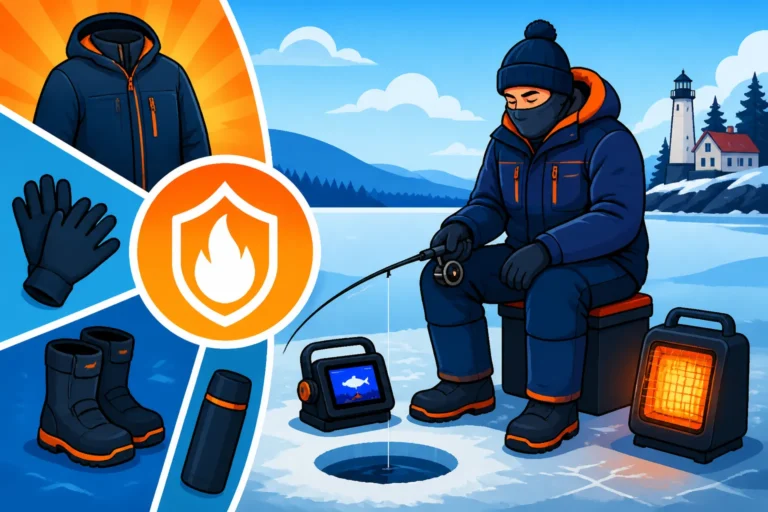
- Winter (Ice Fishing): This is where layering is most critical. A heavy base layer (merino wool or synthetic), insulating mid-layers (fleece pants and jacket, down vest), and a heavy-duty, waterproof, windproof outer suit designed for ice fishing are paramount. Insulated, waterproof boots are non-negotiable, as are warm gloves or mittens, and a sturdy hat. Frostbite is a serious concern, so prioritize warmth and protection. Many ice fishing suits offer flotation assistance as well, an added safety feature.
Planning Your Maine Fishing Adventure: Tips for Success
A successful fishing trip to Maine, regardless of the season, involves more than just showing up with a rod and reel. Thoughtful planning and preparation can dramatically enhance your experience and increase your chances of landing that trophy fish.
Checking Regulations and Forecasts
Before you even pack your bags, the first and most critical step is to familiarize yourself with Maine's fishing regulations. The Maine Fishing Regulations Explained guide is your bible. These rules can be complex, with specific length limits, bag limits, and tackle restrictions that vary not only by species but also by individual water body and time of year. For example, the rules for bass fishing in the North Zone might differ from the South Zone, and some waters are strictly catch-and-release. Always check the current MDIFW open water or ice fishing law book, available online or at license agents.
Equally important is monitoring the weather forecast. Maine's weather can be notoriously unpredictable, and conditions can change rapidly, especially in coastal areas or the vast North Woods. A warm, sunny morning can quickly turn into a chilly, rainy afternoon. Wind can significantly impact fishing conditions on large lakes and coastal waters. Always pack for conditions worse than what's forecast, and be prepared to adjust your plans if the weather turns severe. Safety should always be your top priority.
Maximizing Your Time on the Water
Once you've got your regulations down and a handle on the forecast, focus on maximizing your actual fishing time.
- Research Specific Locations: Maine has thousands of lakes, ponds, and miles of rivers and coastline. Don't just pick a spot randomly. Research specific locations known for your target species during that particular time of year. Online forums, local bait shops, and resources like the Best Fishing Lakes in Maine or Moosehead Lake Fishing Guide can provide invaluable insights. Look for access points, public boat launches, and any special conditions that might affect your trip.
- Hire a Guide: Especially if you're new to a particular area or species, consider hiring a Registered Maine Guide. They possess intimate local knowledge, understand fish behavior, and can provide all the necessary gear and expertise. A good guide can save you countless hours of trial and error and significantly increase your chances of success. Refer to the Hiring a Maine Fishing Guide for more information.
- Go Early or Stay Late: Regardless of the season, fish are often most active during the low-light periods of dawn and dusk. These are typically the coolest, most peaceful times of day, and often when fish are most willing to feed. Getting on the water before sunrise or staying out until sunset can dramatically improve your catch rates.
- Be Flexible: Maine fishing is a dynamic experience. Be prepared to adapt your tactics, bait, or even your location if what you're doing isn't working. Fish patterns can change daily based on weather, water temperature, and pressure. A willingness to experiment is often rewarded.
- Respect the Resource: Practice catch and release, especially for native species and larger breeding fish, unless you plan to keep within legal limits for consumption. Handle fish carefully to ensure their survival. Pack out everything you pack in, and leave the fishing spots cleaner than you found them. Sustainable fishing ensures that Maine's incredible angling opportunities will be there for generations to come.
Disclaimer
Please be aware that fishing regulations, seasons, and conditions in Maine are subject to change. Always consult the official Maine Department of Inland Fisheries and Wildlife (MDIFW) regulations book or their website before planning any fishing trip to ensure you have the most current and accurate information. This guide is for informational purposes only and should not replace official sources.