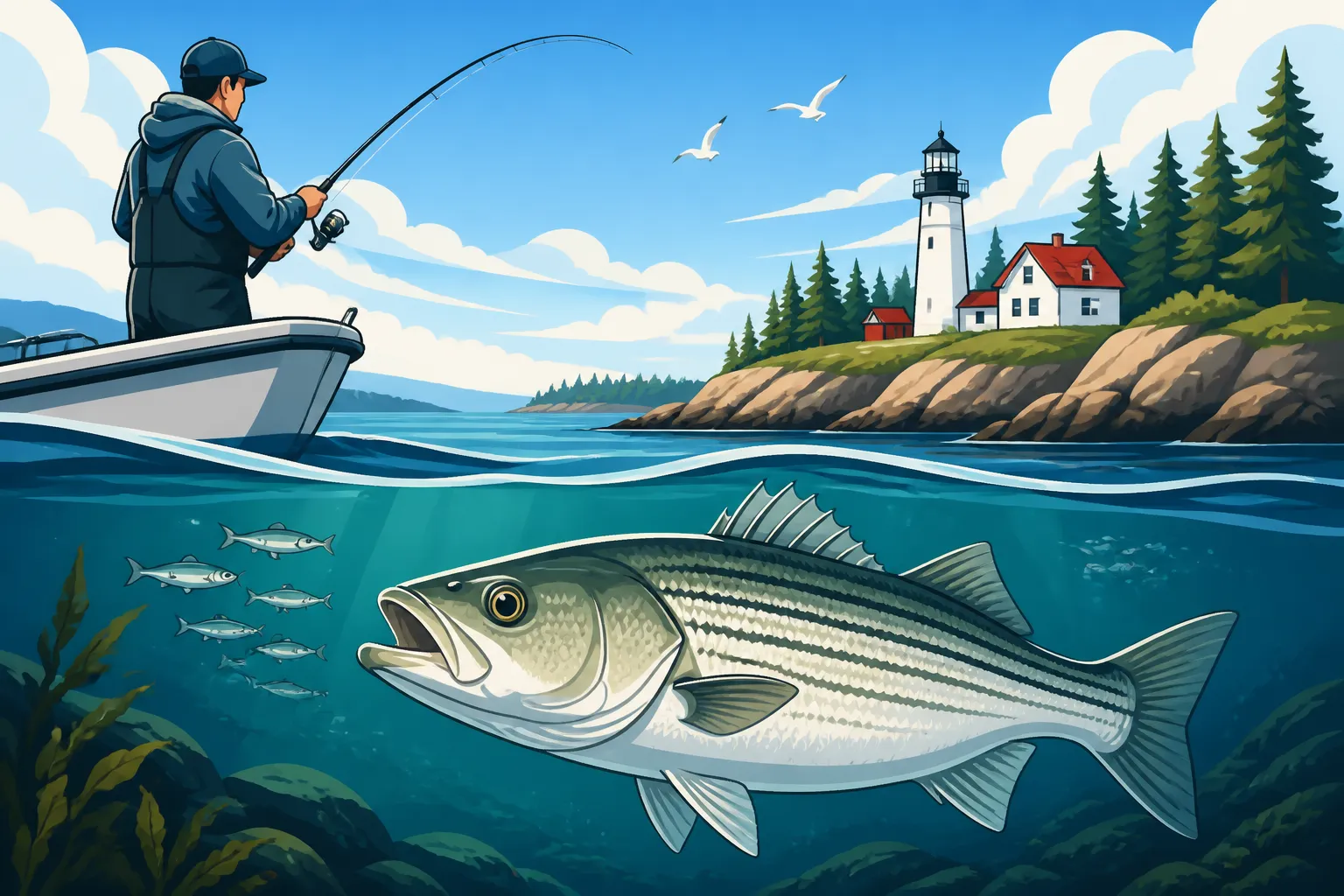
Is Frenchman Bay Good for Striped Bass?
If you've been dreaming of casting a line in Maine's stunning coastal waters, you've probably heard whispers of striped bass, or "stripers," patrolling the rocky shores and estuaries. But when it comes to a specific location like Frenchman Bay, many anglers wonder if it truly lives up to the hype for these hard-fighting fish. The good news is, yes, Frenchman Bay can be an excellent spot for striped bass, offering a diverse fishery that appeals to both shore anglers and those with boats, provided you know where to look and what techniques to employ.
Understanding Frenchman Bay's Unique Appeal for Striped Bass
Frenchman Bay, nestled against the dramatic backdrop of Acadia National Park, isn't just a picturesque postcard scene; it's a dynamic ecosystem that offers prime habitat for striped bass throughout their seasonal migration. The bay's intricate structure, varying depths, and rich food sources create an ideal environment for stripers to feed and thrive.
Geography and Habitat: A Striper's Paradise
Frenchman Bay is a labyrinth of islands, coves, ledges, and rocky shorelines, all interconnected by strong tidal currents. This diverse topography is exactly what striped bass look for. They love structure – anything that offers ambush points to surprise baitfish and provides cover from predators or strong currents.
Think about the countless small islands scattered throughout the bay, like Bar Island or the Porcupine Islands near Bar Harbor. Their rocky perimeters create eddies and current breaks where stripers often lie in wait. The numerous points and ledges along the mainland shore, especially on Mount Desert Island, also act as natural congregating areas. These areas churn up nutrients, attracting smaller baitfish, which in turn draw in the hungry stripers. The varied bottom, transitioning from rocky structure to sandy flats and even deeper mud bottoms in certain areas, offers different feeding opportunities depending on the tide and time of day. When exploring, keep an eye out for submerged rocks or kelp beds; these are classic striper hangouts.
Water Conditions and Food Sources: Fueling the Fishery
The cool, clean waters of Frenchman Bay are a major draw for striped bass, especially as southern waters warm up in the summer. Maine’s coastal temperatures typically remain within the comfortable range that stripers prefer, allowing them to remain active and feed aggressively.
Perhaps even more critical are the abundant food sources. Frenchman Bay is teeming with baitfish, which are the lifeblood of a healthy striper fishery. You'll find schools of mackerel, herring, and sand eels darting through the water, especially in the spring and fall. These smaller fish are the primary forage for stripers, and knowing their movements can be key to finding the bass. The bay also sees significant concentrations of marine worms, crabs, and other crustaceans, particularly in the intertidal zones and shallower flats, offering additional dietary options for opportunistic stripers. The strong tidal exchanges constantly bring in new food and disorient baitfish, making them easy targets for hungry predators.
Prime Striped Bass Hotspots in Frenchman Bay
Knowing that Frenchman Bay holds stripers is one thing; knowing where to find them is another. The bay offers distinct advantages for both shore-bound anglers and those who prefer to fish from a boat.
Shore Fishing Opportunities: Accessible Action
For many, shore fishing is the most accessible and enjoyable way to experience the thrill of striper fishing. Frenchman Bay provides several excellent shore fishing opportunities, though success often hinges on mobility and understanding local access.
- Bar Harbor Waterfront: The public docks and rocky points around Bar Harbor can be surprisingly productive, especially during dawn and dusk. Stripers will often cruise these areas looking for baitfish that congregate around structures or are disoriented by lights. Early mornings, before the tourist crowds descend, are particularly good. You might not hook a monster, but consistent action with schoolie-sized stripers is very common. Always be mindful of boat traffic and other waterfront users.
- Acadia National Park Shoreline (with caution): While much of Acadia National Park is protected and fishing might be restricted in certain sensitive areas, some sections of its rocky coastline, particularly those with public access points, can yield stripers. Check park regulations carefully before you go; what's permitted for general recreation might not be for fishing. Look for deeper cuts and points where currents sweep by. The rugged terrain means you'll need sturdy footwear and a good sense of balance. Popular spots might include areas accessible from the Park Loop Road, but always verify current rules with park rangers.
- Local Piers and Bridges: Throughout the towns bordering Frenchman Bay, public piers and bridge abutments can concentrate baitfish and, consequently, stripers. These structures offer vertical relief and current breaks that stripers love. Using a light jig or a chunk of bait around pilings can be very effective. Remember to respect private property and only fish from designated public access points.
When shore fishing, having a comfortable backpack to carry your gear, a pair of reliable wading boots, and a tide chart for the area are indispensable. You'll be covering ground, and understanding how the tide affects current flow and bait presentation is crucial for success.
Boat Fishing Advantages: Unlocking Hidden Gems
Having a boat in Frenchman Bay truly opens up a world of possibilities for striper fishing. It allows you to access remote islands, deeper channels, and less pressured areas that are often teeming with fish.
- Island Perimeters: The dozens of islands within Frenchman Bay are goldmines for boat anglers. Casting along the rocky shores of Long Porcupine Island, Ironbound Island, or Stave Island, especially where ledges drop off into deeper water, can produce fantastic results. Troll parallel to the shorelines, or anchor up-current and cast into promising rips and eddies.
- Deepwater Channels and Rips: The strong tides in Frenchman Bay create powerful rips and current lines in deeper channels between islands and points. These areas act like a conveyor belt for baitfish and are magnets for larger stripers. Focus on the edges of these rips during the peak of the tide, where fish will often position themselves to ambush prey. Your fish finder will be your best friend here, helping you locate schools of bait and any larger marks lurking below.
- Estuaries and River Mouths: While not as pronounced as some other Maine regions, Frenchman Bay does have smaller rivers and streams that flow into it. These brackish water areas, especially around their mouths, are critical feeding grounds for stripers. They'll often push far up these tidal sections on incoming tides, chasing bait. Exploring these zones with a small boat or kayak can lead to some incredible action. You might even find them mixing with freshwater species further upriver, but make sure you understand the regulations for Is a Freshwater License Enough for Maine Rivers?.
For boat anglers, a good marine chart of Frenchman Bay is invaluable for identifying submerged structure, depths, and navigation hazards. A reliable GPS and fish finder are also critical tools for success. If you don't have your own boat, considering a Maine Fishing Charters Guide is an excellent option to get you on the fish. Many local guides specialize in stripers in this very bay.
Best Techniques and Times for Striper Success
Catching striped bass in Frenchman Bay isn't just about showing up; it's about understanding their behavior and adapting your techniques to the conditions.
Lures, Bait, and Tactics: Matching the Hatch
Stripers are opportunistic feeders, but they can also be finicky. Having a versatile tackle box and knowing when to use what is key.
- Soft Plastics: These are incredibly effective and versatile. White, chartreuse, or natural baitfish colors in sizes from 4-7 inches, rigged on a weighted swimbait hook or a jig head, are deadly. Cast them out, let them sink, and retrieve with a slow, steady wobble or a jigging motion. The retrieve speed should mimic a struggling baitfish. Popular brands like Zoom Flukes, Hogy, or Z-Man are staples for many striper anglers.
- Topwater Lures: There's nothing quite like a striper exploding on a topwater plug! Pencil poppers, walk-the-dog lures, and chuggers are exhilarating, especially during low light conditions (dawn, dusk) or overcast days. Work them with a rhythmic twitch-and-pause retrieve to create surface disturbance.
- Plugs and Swimmers: Diving plugs like Yo-Zuri, Bomber, or Rapala can be fantastic for casting from shore or trolling from a boat. Choose models that dive to the depth where you expect fish to be. Slow retrieves with occasional twitches are often productive.
- Live Bait: If you can get your hands on fresh mackerel, herring, or even a local sand eel, live bait is hard to beat. Rig them with a circle hook through the nose or back, and let them swim naturally near structure or in a current. This is often the go-to choice for targeting larger, more lethargic stripers.
- Chunk Bait: Fresh cut bait, like mackerel or menhaden, fished on the bottom or under a bobber, is also very effective, particularly in deeper channels or around structures where stripers are less actively chasing. Use a fish-finder rig to allow the fish to take the bait without feeling resistance.
For specific recommendations on what to throw, check out a guide on the Best Lures for Striped Bass in Maine.
Tidal Influence and Seasonal Patterns: Timing is Everything
Striped bass fishing in Frenchman Bay, like most coastal areas, is heavily influenced by tides and seasons. Ignoring these factors will significantly reduce your chances of success.
- Tidal Influence: The changing tides are paramount. Stripers use the currents to their advantage, ambushing baitfish that are swept along or disoriented.
- Incoming Tide: As the tide rises, stripers will often push into shallower areas, coves, and estuaries, following the baitfish. Fishing the incoming tide, especially the last half, can be very productive in these shallower zones.
- Outgoing Tide: As the tide recedes, baitfish are pulled out of the shallows, often concentrating in bottlenecks or along channel edges. This can create feeding frenzies. Fishing the first half of the outgoing tide, particularly around river mouths or narrow passages, is often phenomenal.
- Slack Tide: The period of minimal current at high or low tide is generally the slowest for striper activity, though fish can still be caught. It's often a good time to move to a new spot.
- Seasonal Patterns: Stripers are migratory, and their presence in Frenchman Bay is seasonal.
- Late Spring (May-June): This is when the first waves of migrating stripers arrive in Maine. They're often hungry after their long journey north. Look for them in shallower, warmer waters and around river mouths.
- Summer (July-August): Stripers are well established in the bay, often spreading out. They'll frequent rocky points, islands, and deeper channels, particularly during the cooler parts of the day. Night fishing can be exceptional in summer.
- Fall (September-October): This is prime time! Stripers are aggressively feeding to build up energy for their migration south. Baitfish are abundant, and you'll find larger schools of stripers actively chasing them. This can be one of the Best Time of Year to Fish in Maine for stripers.
Always consult a local tide chart for Frenchman Bay and plan your fishing around the prime feeding periods.
Planning Your Frenchman Bay Striper Adventure
A successful fishing trip involves more than just knowing where and when to cast; it requires proper preparation and adherence to regulations.
Gear Essentials: Be Prepared
Having the right equipment not only makes your trip more enjoyable but also increases your chances of success and safety.
- Rod and Reel: A medium-heavy spinning or casting rod, 7-9 feet long, paired with a reliable reel (like a Penn Spinfisher or a Shimano Stradic) spooled with 20-30 lb braided line and a fluorocarbon leader (20-40 lb) is a versatile setup for most striper fishing in the bay.
- Tackle Bag: Bring an assortment of your chosen lures, hooks, weights, and leaders. Don't forget pliers, line cutters, and a measuring tape.
- Waders and Footwear: If you plan on shore fishing the rocky areas, sturdy wading boots or even full waders can be a game-changer for accessing prime spots and staying dry.
- Clothing: Dress in layers, as coastal Maine weather can change quickly. Even in summer, a light rain jacket and warm layer are wise. Polarized sunglasses are essential for spotting structure and fish.
- Safety Gear: Always carry a first-aid kit. If you're on a boat, ensure you have all required safety equipment, including life jackets.
Finding a Fishing Charter: Guidance for the Bay
If you're new to the area, don't have a boat, or simply want to maximize your chances of success, hiring a local fishing charter is an excellent idea. A Registered Maine Guide or a licensed charter captain will have intimate knowledge of Frenchman Bay's nuances, current hotspots, and effective techniques.
You can easily find reputable local guides and charter captains specializing in striped bass in Frenchman Bay through platforms like FishingBooker. These services allow you to compare prices, read reviews, and see what type of boat and gear is provided. Many guides offer half-day or full-day trips that are perfect for both seasoned anglers and beginners. When looking for a guide, ask about their experience specifically in Frenchman Bay and what target species they usually focus on. You can also explore options through a Hiring a Maine Fishing Guide resource. Booking ahead, especially during peak season, is highly recommended as popular guides fill up quickly. FishingBooker makes it easy to see availability and secure your spot.
Regulations and Conservation: Fish Responsibly
Maine is dedicated to preserving its incredible fisheries, and that includes striped bass. It is absolutely crucial to be aware of and abide by all current fishing regulations.
- Maine Fishing License: Everyone aged 16 and older needs a valid Maine fishing license to fish in inland or tidal waters. You can purchase these online or at many local sporting goods stores. Make sure to check out the Maine Fishing License Guide for full details.
- Striped Bass Regulations: Striped bass in Maine are managed with a "slot limit," meaning there's a specific size range within which you can legally keep fish. Fish outside this slot must be immediately released. These regulations are designed to protect the breeding stock and ensure a healthy future for the fishery. The Maine Striped Bass Slot Limit Explained article will provide comprehensive information, but always double-check the latest rules from the Maine Department of Marine Resources (DMR) before you head out.
- Conservation: Practice catch and release, especially for fish outside the slot limit or those you don't intend to eat. Handle fish gently, minimize their time out of water, and use appropriate de-hooking tools. Using circle hooks when fishing with natural bait can significantly reduce gut-hooking, improving the fish's chances of survival. Knowing the Maine Fishing Regulations Explained will ensure you contribute to sustainable fishing practices.
Remember, responsible fishing ensures that future generations can enjoy the thrill of catching striped bass in beautiful Frenchman Bay, too. Using resources like FishingBooker to book a guide who prioritizes sustainable practices is also a great way to support conservation.
Final Thoughts on Frenchman Bay Striped Bass Fishing
Frenchman Bay absolutely offers fantastic opportunities for striped bass fishing. Its rugged beauty, rich aquatic environment, and diverse fishing grounds make it a rewarding destination. Whether you prefer the solitude of shore casting or the expansive reach of boat fishing, understanding the tides, knowing the prime spots, and using the right techniques will put you on the path to success. Don't forget to secure your Maine fishing license and familiarize yourself with the current Maine Striped Bass Season and Limits before your trip. Embrace the adventure, respect the resource, and get ready to create some unforgettable fishing memories in one of Maine's most stunning coastal locations.
Disclaimer
Please note that fishing regulations, conditions, and fish populations can change. Always consult the latest official regulations from the Maine Department of Inland Fisheries and Wildlife (MDIFW) and the Maine Department of Marine Resources (DMR) before planning your fishing trip. This guide is for informational purposes only and does not constitute legal advice.