Best Fishing Spots on Moosehead Lake for Beginners
If you've ever dreamt of casting a line into the vast, wild waters of Maine, Moosehead Lake often springs to mind. It's truly iconic, but for a beginner, the sheer scale of it can feel less like an invitation and more like an overwhelming challenge. You stare at a map and see endless coves, islands, and deep expanses, wondering, "Where do I even start?" This guide is for you. We're going to break down the best, most approachable fishing spots on Moosehead Lake, making your first foray into its legendary waters enjoyable and productive, not daunting.
Understanding Moosehead Lake's Immense Size and Its Challenges for Beginners
Moosehead Lake isn't just big; it's Maine's largest lake, stretching over 40 miles long and covering roughly 75,000 acres. That's a lot of water! This immense size means it holds an incredible diversity of fish and habitat, but it also presents a significant learning curve for anyone new to the area or fishing in general. It's completely normal to feel a bit lost when confronted with such a colossal body of water.
Why Moosehead Lake Can Be Intimidating
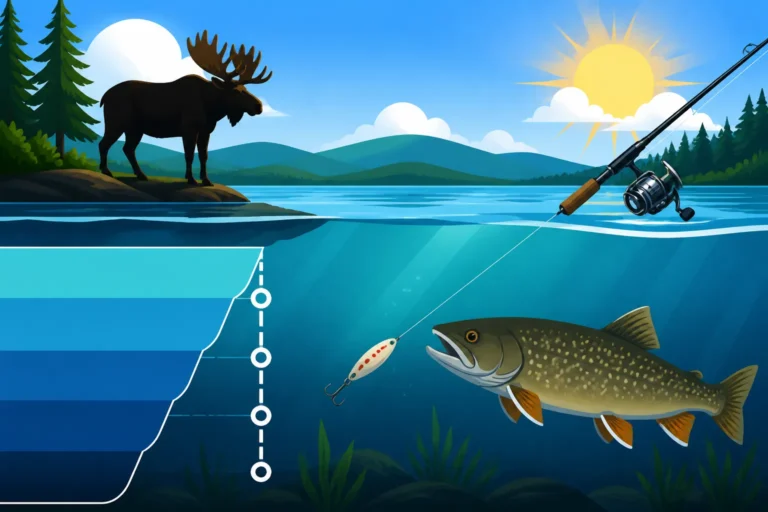
Imagine standing on the shore, looking out at miles of open water, dozens of islands, and countless shoreline features. Where do the fish hide? Are they deep? Are they in the shallow coves? The depths of Moosehead Lake can plunge over 240 feet, offering complex thermoclines and structure for species like lake trout, which locals often call togue. Then there are the numerous coves, rocky points, and submerged humps that could hold anything from smallmouth bass to landlocked salmon or brook trout. For someone just starting out, this complexity, coupled with variable weather conditions that can quickly change a calm morning into a choppy afternoon, can be genuinely intimidating. You don't want to spend your precious fishing time just hoping for the best; you want to go where you have a real chance.
The Importance of Starting Small (or Guided)
To truly enjoy your first Moosehead Lake experience, it's crucial to narrow your focus. Trying to tackle the entire lake at once is a recipe for frustration. Instead, think about specific, accessible spots that offer a higher likelihood of success for a beginner. This might mean areas with easy shore access, or coves that are more sheltered and simpler to navigate if you're in a small boat. If you’re really feeling overwhelmed, or want to maximize your chances right out of the gate, considering a local expert guide is an invaluable step. They know the lake intimately, understand fish behavior, and can put you on fish much faster than you could on your own. It's like having a cheat sheet for the entire lake!
Prime Shore-Based Fishing Spots for Easy Access
For many beginners, especially those without a boat, shore access is king. Moosehead Lake offers several fantastic spots where you can set up comfortably and have a real shot at catching fish, all without ever leaving solid ground.
Lily Bay State Park
Just a short drive northeast of Greenville, Lily Bay State Park is a true gem for beginners. It offers excellent facilities, including public boat launches, picnic areas, and camping, but its most appealing feature for shore anglers is the ample shoreline access. You can walk along the banks, find a quiet spot, and cast away. The bottom here is generally rocky and weedy, providing perfect habitat for smallmouth bass. Early mornings or late evenings are particularly productive as bass come into the shallower waters to feed. You might even hook into a brook trout or a smaller landlocked salmon that ventures close to shore, especially during cooler parts of the season. Plus, the convenience of restrooms and other amenities makes it a very comfortable spot for a family outing or a relaxed afternoon.
The Rockwood Area Public Docks and Shoreline
Across the lake from Lily Bay, the village of Rockwood offers another excellent array of accessible fishing spots. The public docks, particularly near the Moose River where it flows into the lake, are fantastic places to try your luck. These areas often concentrate baitfish, which in turn attract larger predatory species. Smallmouth bass are common catches here, especially around any structure like old pilings or moored boats. You're casting into an active environment, and the current from the river can also bring in other species. Even if the fishing is slow, the views are stunning, and the general atmosphere of a bustling waterfront village adds to the experience. This is a great spot if you’re staying at one of the many lodging options in Rockwood and want to literally walk out your door to fish.
Greenville Junction Wharfs
Back on the southern end of the lake, near the town of Greenville, the Greenville Junction wharfs provide another incredibly convenient option. These wharfs are easily accessible and often have a mix of deeper water and structure, thanks to the commercial and recreational boat traffic. While it can be a bit busier, particularly in peak summer, the fishing can be surprisingly good. You can target smallmouth bass with simple spin casting setups using worms or small artificial lures. During the spring and fall, when water temperatures are cooler, even trout and salmon might cruise within casting distance of the wharfs as they search for food. It’s also a wonderful spot to just take in the scenery and watch the seaplanes take off and land. For a quick, easy fishing fix without needing to venture far, these wharfs are a solid choice.
Beginner-Friendly Boat Access Spots and Tactics
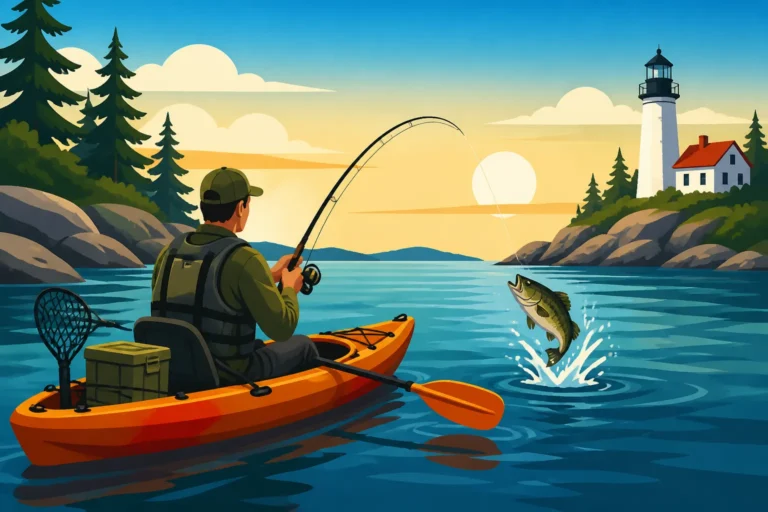
If you have access to a small boat, canoe, or kayak, a whole new world of beginner-friendly spots opens up beyond the immediate shoreline. While the sheer size of Moosehead still demands respect, focusing on protected coves and river mouths can provide excellent opportunities without venturing into intimidating open waters.
Shallow Coves and Inlets
For those with a boat, stick to the numerous shallow coves and inlets around the lake. Areas like Burnt Jacket Cove or the Sand Bar near Beaver Cove are fantastic starting points. These spots typically feature shallower, warmer water with more vegetation or rocky structure, which are magnets for smallmouth bass. When the wind picks up on the main lake, these coves offer welcome shelter, making for a much more comfortable and safer fishing experience. You can easily cast jigs, spinners, or even live bait like nightcrawlers or shiners into these areas. Learning to read the water in these smaller, more contained environments will build your confidence before you tackle the wider expanses of the lake. Remember that you can always check the Maine Fishing Regulations Explained to be sure about specific rules for these areas, as some coves may have unique requirements.
Mouths of Inflowing Rivers
Rivers flowing into Moosehead Lake, such as the famous Moose River in Rockwood or smaller streams further north, are perennial hotspots. These areas draw fish for a variety of reasons: cooler water temperatures, oxygenation, and concentrations of baitfish. When targeting species like landlocked salmon and brook trout, these river mouths, especially during spring and fall runs, can be incredibly productive. For a beginner, positioning your boat just outside the current of the river mouth and casting into the merging waters is a straightforward and effective tactic. Use simple spoons, small stickbaits, or even a worm and bobber setup. The action can be fast, which is incredibly encouraging for a new angler. The Moose River especially is a renowned fishing spot, and understanding specific regulations for these unique areas is part of being a responsible angler in Maine.
Mid-Lake Islands with Sheltered Sides
Moosehead Lake is dotted with over 130 islands, many of which offer excellent fishing opportunities. For beginners, the key is to approach the sheltered sides of these islands. If the wind is blowing from the west, fish the eastern side of an island, where the water will be calmer. The rocky structure around these islands provides prime ambush points for smallmouth bass and often holds schools of baitfish, attracting other predators. Focus your efforts on casting towards the shore, working your lure or bait along submerged rocks and weed lines. Islands like Sugar Island or Farm Island, while requiring a bit more travel, offer vast amounts of varied structure. Always remember to wear your life jacket and keep an eye on weather conditions when navigating between islands on such a large body of water.
Target Species and Simple Techniques for Moosehead Lake Beginners
One of the keys to success and enjoyment for beginners is choosing the right target species and keeping your techniques simple. Trying to master complex trolling patterns for deep-water togue on your first trip can be disheartening.
Smallmouth Bass: The Beginner's Best Friend
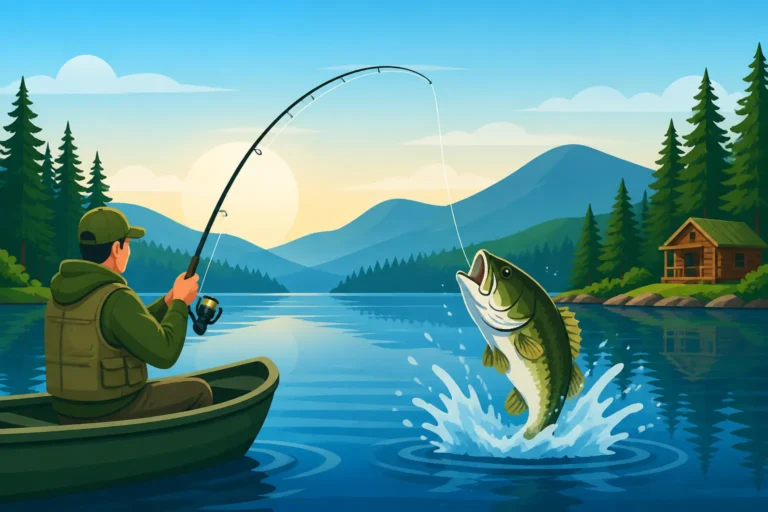
If you're looking for consistent action and a strong fight, smallmouth bass are absolutely your best bet on Moosehead Lake. They are plentiful, aggressive, and can be found in a wide variety of habitats, making them ideal for new anglers. You'll find them around rocky shorelines, in shallow coves with submerged timber, and near any kind of structure. For tackle, a simple spinning rod and reel combo, spooled with 8-10 lb test line, is perfect.
- Lures: Simple plastic worms (Texas-rigged or wacky-rigged), spinnerbaits, or even basic inline spinners like those from Mepps or Rooster Tail are incredibly effective. Just cast them out and retrieve steadily.
- Bait: Live bait such as nightcrawlers or shiners, fished under a bobber or on a simple Carolina rig, can be irresistible to smallmouth.
The thrill of a smallmouth bass hitting your lure and putting up a spirited fight is incredibly addictive, and it's a fantastic way to build confidence. You can find them in many of the spots we've already discussed, from the Lily Bay State Park shoreline to the sheltered coves.
Brook Trout and Landlocked Salmon: A Bit More Challenge
While smallmouth bass offer reliable action, the allure of Maine's prized brook trout and landlocked salmon is undeniable. These species can be a bit more challenging, especially for beginners, as they often prefer cooler water and can be more finicky. However, by targeting specific areas, your chances increase.
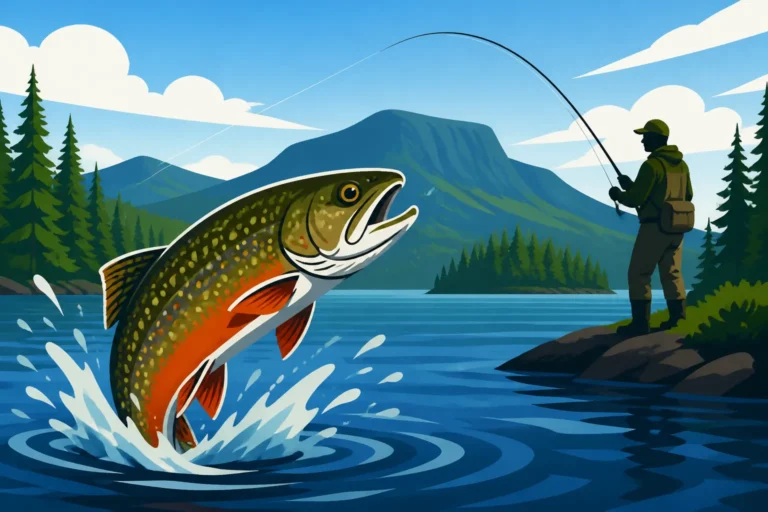
- Brook Trout: Look for brook trout in cooler, shallower waters near river mouths and springs, especially during the spring and fall. They also frequent areas with good oxygenation. Small spinners, worms, or fly fishing with simple dry flies or nymphs can be effective. If you're interested in really delving into Moosehead Lake Brook Trout Fishing, a guided trip can open up a lot of possibilities.
- Landlocked Salmon: These powerful fish can be found cruising the open waters, but for beginners, focusing on them around river mouths, particularly in the spring when they feed on smelt, is a good strategy. Trolling with spoons or stickbaits is a popular method, but casting from shore near these inflows can also yield results. Understanding the Best Time of Year to Catch Landlocked Salmon in Maine can significantly improve your odds.
Don't be afraid to try for these species, but understand they might require a bit more patience or a slight adjustment in technique. Often, the experience of a local guide from a service like FishingBooker can bridge this gap, helping you land a trophy fish without the years of trial and error.
Basic Gear and Bait for Success
You don't need a tackle shop's worth of gear for a successful beginner trip to Moosehead. Keep it simple and focused:
| Gear Item | Recommendation | Why it's good for beginners |
|---|---|---|
| Rod & Reel | 6-7 foot medium-light spinning combo | Versatile for bass, trout, and smaller salmon; easy to cast. |
| Line | 8-10 lb monofilament or braided | Good balance of strength and castability; easy to manage. |
| Lures | Small spinnerbaits, inline spinners, plastic worms | Easy to use, good action, attractive to multiple species. |
| Bait | Nightcrawlers, shiners (where legal) | Often the most effective and easiest "lure" for any skill level. |
| Terminal Tackle | Hooks (sizes 4-8), sinkers, bobbers | Essentials for bait fishing; simple setup. |
| Pliers/Forceps | Small, needle-nose | Essential for hook removal and safety. |
| Net | Small, rubber-coated landing net | Helps land fish safely and quickly, reducing stress on the fish. |
For more specific insights on what to use, checking out guides like Best Bait for Moosehead Lake Brook Trout can be very helpful. Remember to always check local regulations regarding live bait, as rules can vary by waterbody.
Essential Tips for a Successful First Trip to Moosehead
Beyond knowing where to fish, there are some fundamental considerations that will make your first Moosehead Lake fishing trip not just successful, but safe and enjoyable.
Prioritize Safety on Maine's Largest Lake
Moosehead Lake is beautiful, but it's a wild place. Its size means weather can change rapidly, and even a small breeze can whip up significant chop.
- Always wear a PFD (Personal Flotation Device): This is non-negotiable, especially if you're in a canoe, kayak, or small boat.
- Check the weather forecast: Pay attention to wind speeds and storm warnings. If conditions look iffy, err on the side of caution and stick to sheltered areas or the shore.
- Tell someone your plans: Let a friend or family member know where you're going and when you expect to return. This is crucial for your safety, especially in more remote areas.
- Carry essential safety gear: Whistle, flashlight, first-aid kit, and enough water and snacks for your outing are minimums.
Understanding Maine's Fishing Regulations
Maine has specific and sometimes complex fishing regulations, and Moosehead Lake, like many popular waters, often has special provisions. Before you even pack your rod, make sure you understand the rules.
- Get a license: This is step one for anyone over the age of 16. You can easily purchase a Maine Fishing License Guide online or from local vendors. Remember, fines for fishing without a license can be steep!
- Check the law book: The Maine Department of Inland Fisheries and Wildlife (MDIFW) publishes an annual law book that details regulations for general law waters and specific rules for individual lakes and ponds. Moosehead Lake will have its own section covering things like Maine Fish Bag Limits Guide, size restrictions, and general Maine Fishing Season Dates Guide.
- Know your species limits: Understand the difference between brook trout, landlocked salmon, and lake trout (togue), and their respective minimum sizes and daily bag limits. For example, the Maine Togue and Lake Trout Limits can differ from other species.
- Line limits: Familiarize yourself with how many lines you are legally allowed to fish with. In Maine, How Many Lines Can You Fish With in Maine? is typically two in open water, but always double-check.
Ignorance of the law is no excuse, and wardens patrol these waters regularly. A quick read-through of the relevant sections will save you a lot of potential headaches.
Consider a Guided Experience for a Head Start
If your goal is to truly experience Moosehead Lake fishing, especially for species like the elusive landlocked salmon or large lake trout, hiring a Registered Maine Guide is arguably the best investment you can make. They offer incredible value, particularly for beginners.
- Local knowledge: Guides know the lake like the back of their hand. They understand fish patterns, weather effects, and the most productive spots at any given time.
- Expert instruction: They can teach you proper casting techniques, how to present different lures or baits, and how to identify promising structure.
- Safety and equipment: Guides typically provide all necessary safety gear, rods, reels, and tackle, meaning you don't have to invest in expensive equipment for your first trip. Many guides also offer insights into Maine Open Water Fishing Techniques Guide specific to the lake.
- Increased success rate: A good guide dramatically increases your chances of catching fish and making lasting memories.
You can find reputable guides through the Maine Professional Guides Association, local sporting camps, or by using online booking platforms like FishingBooker. Many guides specialize in Moosehead Lake Fishing Guides or even specific techniques like Trolling Techniques for Maine Lakes. While it's an added cost, the educational value and increased enjoyment often make it well worth it. Think of it as a fast track to becoming a more confident and skilled angler on this magnificent lake.
Disclaimer
Please note: Fishing regulations, season dates, and limits can change frequently. Always consult the most current Maine Department of Inland Fisheries and Wildlife (MDIFW) regulations book or website before heading out on your fishing trip. This guide is for informational purposes only and does not replace official state resources.