What Is a Maine Special Regulation Water?
There’s nothing quite like the feeling of heading out to a pristine Maine lake or stream, rod in hand, ready for a day of fishing. But that excitement can quickly turn into confusion, or worse, a hefty fine, if you’re not clear on the local regulations. Many anglers, even seasoned ones, find themselves scratching their heads when confronted with the term "special regulation water." This guide is here to untangle that mystery, helping you understand exactly what a special regulation water is and how to navigate its unique rules.
Understanding Maine's General Fishing Law
Before we dive into the specifics of special regulation waters, it’s crucial to understand the foundation: Maine's General Fishing Law. Think of this as the statewide baseline, the default set of rules that apply to most waters across the state. It's the law you'd expect to follow unless explicitly told otherwise.
The Baseline: General Law Explained
The general law in Maine covers a wide array of basic fishing regulations that apply to the vast majority of lakes, ponds, rivers, and streams. This includes things like statewide Maine Fishing Season Dates Guide, typical daily bag limits for common species like trout and bass, and standard gear restrictions, such as the number of lines you can use during open water fishing. For instance, the general law typically dictates that you can use up to two lines in open water. It's the framework that ensures sustainable fishing practices across broad areas. If you pick up a copy of the annual Maine Open Water & Ice Fishing Law Book, the first few sections will lay out these general provisions, offering a critical starting point for any angler planning a trip. Without understanding these foundational rules, the exceptions, which are the special regulations, won't make much sense.
Why Special Regulations Exist
So, if there's a general law, why do we need special regulations? It really boils down to the incredible diversity of Maine's fisheries and the specific conservation needs of individual water bodies. Maine is a huge state with an astonishing variety of aquatic habitats, from the deep, cold waters of Moosehead Lake to the small, remote brook trout ponds tucked away in the North Woods. These unique environments often support fragile or particularly valuable fisheries that require more tailored management than the general law can provide.
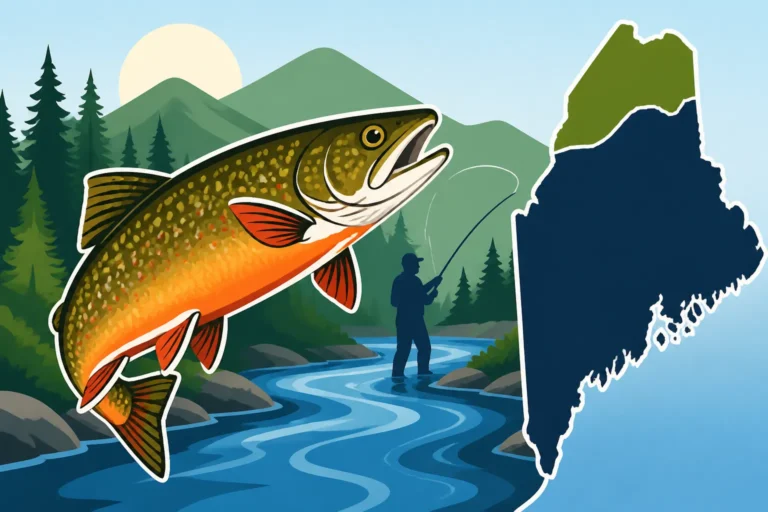
Special regulations are put in place for several key reasons. Often, it’s for species protection, especially for native wild brook trout populations that might be vulnerable to overfishing. In other cases, they might be designed to create "trophy" fisheries, where stricter limits allow fish to grow larger. They can also manage fishing pressure in popular spots, prevent the spread of invasive species, or protect specific spawning areas. For example, some remote ponds might be designated "fly fishing only" to reduce angling pressure and ensure a high-quality, sustainable fishery for generations to come. It’s all about balancing angler opportunity with the long-term health of Maine's precious fish resources.
Identifying Special Regulation Waters
The biggest challenge for many anglers isn't necessarily following the special regulations, but knowing which waters have them in the first place. Maine has thousands of lakes, ponds, and miles of rivers and streams, and not all of them are subject to these unique rules. Thankfully, the Maine Department of Inland Fisheries and Wildlife (MDIFW) provides clear ways to identify these areas.
The Maine Open Water & Ice Fishing Law Book
This is your Bible, your almanac, your absolute essential resource for fishing in Maine. Every year, the MDIFW publishes the Maine Fishing Regulations Explained in a comprehensive, free booklet that details all of the general laws and, crucially, lists every single special regulation water body in the state. You can pick up a physical copy at almost any bait shop, sporting goods store, or town office that sells fishing licenses.
Inside, you'll find an alphabetical listing of all the regulated waters, often broken down by county. Each entry will specify if the general law applies or if there are special conditions for that particular lake, pond, or section of river. For example, it might say "See special regulations for Moosehead Lake" and then detail specific length limits for togue or a later opening date for salmon. It’s a dense read, no doubt, but taking the time to consult it before every trip is non-negotiable. Many anglers even mark their frequent fishing spots with highlighters. And while the official guide is free, if you're looking for useful accessories to keep your paper copy safe on the water, like a waterproof map case or a durable binder, sites like Amazon often have a wide selection of related gear.
Online Resources and Local Signage
In addition to the physical law book, the MDIFW website is an invaluable digital resource. They host the entire law book online, often with searchable PDFs, which can be incredibly convenient when you're planning a trip from home or checking a rule on your phone (if you have service!). The website also often includes maps and additional information that might not fit into the printed guide. It’s a great way to double-check information or look up a water body you’re unfamiliar with on the fly.
Beyond the official publications, keep an eye out for local signage. While not every specially regulated water will have a sign, many do, especially at popular access points, boat launches, or portages. These signs often highlight the most critical rules, like "Fly Fishing Only" or "Catch and Release." Don't assume that just because there isn't a sign, general law applies. Always consult the official law book first, but treat local signs as an important reinforcement of the rules. For example, if you're exploring a remote pond and see a small, weathered sign indicating special rules, pay close attention—it’s often a last-minute reminder.
Common Indicators of Special Waters
While the law book is the definitive source, there are often subtle clues that might suggest a water body has special regulations. If you're planning a trip to a famous trophy fishery, like a well-known salmon lake or a pristine brook trout pond rumored to hold large fish, it's highly probable that special rules are in place to manage those exceptional opportunities. Water bodies known for significant stocking efforts or those that are part of a specific conservation initiative are also strong candidates for unique regulations.
Similarly, if a water body is particularly remote or difficult to access, the MDIFW might implement special rules to protect its wild character and native fish populations from excessive pressure. On the flip side, heavily pressured lakes near populated areas might also have special rules to disperse anglers or protect certain species. Essentially, if a water body stands out for its exceptional fishing, its unique ecological value, or its popularity, it's always wise to assume there might be special regulations and check your law book twice. This proactive approach will save you headaches in the long run.
Types of Special Regulations You Might Encounter
Once you've identified that a particular water has special regulations, the next step is understanding what those regulations entail. They can vary widely, from minor adjustments to entirely different sets of rules. It’s never a one-size-fits-all situation, and that's why reading the law book entry for each specific water body is so critical.
Gear Restrictions and Methods
Many special regulation waters impose specific restrictions on the type of gear or fishing methods you can use. These are usually designed to reduce fish mortality, enhance the quality of the fishing experience, or protect specific habitats.
- Artificial Lures Only: This is a common one, especially in high-quality trout and salmon waters. It means no live bait, no worms, no stink baits—only artificial flies, spinners, spoons, and soft plastics. The idea is that artificial lures are less likely to be swallowed deep by a fish, making catch-and-release more successful. You'll often find this rule in effect for waters managed for wild Brook Trout Fishing in Maine or pristine Landlocked Salmon Fishing in Maine.
- Fly Fishing Only: An even stricter version, where only a fly rod, fly reel, fly line, and artificial flies are permitted. This method is considered to have the least impact on fish and is often reserved for truly special, often remote, trout and salmon waters.
- Barbless Hooks: Requiring barbless hooks, or hooks with pinched barbs, makes it much easier to remove a hook from a fish's mouth quickly and with minimal damage, increasing its chances of survival after release. It's a key regulation in many catch-and-release fisheries.
- Single Hooks: Some waters may mandate single-point hooks, even on artificial lures that might normally come with treble hooks. This also aids in easier, less damaging release.
- Bait Restrictions: Beyond artificials-only, some waters might prohibit specific types of bait, like smelt, to prevent the spread of disease or invasive species. Always check carefully.
When you're packing your tackle box for a trip, if you know you're heading to a special regulation water, it's a good idea to bring appropriate gear. You might even find specialized barbless hooks or fly-fishing leader and tippet on Amazon if your local shop is out.
Season Dates and Bag Limits
Special regulations frequently alter the standard statewide Maine Fishing Season Dates Guide and Maine Fish Bag Limits Guide. These changes are often aimed at protecting spawning fish, allowing fish to grow larger, or spreading out angling pressure.
- Altered Season Dates: A water might open later in the spring to protect spawning fish or close earlier in the fall. For example, some ponds may remain closed until May 1st, while others open on the general law date of April 1st. Likewise, the ice fishing season might be shorter or longer on certain lakes. You can find detailed information in the Maine Ice Fishing Rules Guide.
- Reduced Bag Limits: While the general law might allow a certain number of trout per day, a special regulation water might reduce that to just one or two fish, or even mandate catch-and-release only. This is very common for sensitive fisheries where protecting the population is paramount. For specific species, you'll see limits like Brook Trout Daily Bag Limits and Maine Landlocked Salmon Bag Limits varying significantly by water body.
- Slot Limits: A slot limit specifies a size range for fish that must be released. For example, you might be allowed to keep fish under 12 inches and over 16 inches, but anything in between must be released. This is a popular management tool for species like smallmouth bass or landlocked salmon, designed to protect prime breeding-sized fish. You'll often see this applied to Maine Striped Bass Season and Limits in coastal areas too.
- Catch-and-Release Only: This is the most restrictive but also the most effective way to protect a fishery. If a water is designated "catch-and-release only," every fish you catch must be immediately and carefully returned to the water. This is common in designated Maine Catch and Release Only Waters List to foster trophy opportunities and ensure long-term sustainability.
Species-Specific Rules
Sometimes, special regulations are hyper-focused on one particular fish species within a water body, even if other species are present under general law. This often happens when a specific species is either highly valued, vulnerable, or being managed for a unique outcome.
For instance, a lake might have general law rules for bass and perch, but strict special regulations for Maine Togue and Lake Trout Limits due to their sensitivity to fishing pressure or to promote a trophy fishery. You might find minimum length requirements for these deep-water dwelling fish are significantly higher than general law, or the bag limit might be severely restricted.
Similarly, regulations for Maine Bass Fishing Limits by Zone can vary, but within a specific zone, a particular lake known for exceptional bass fishing might have even stricter special regulations, such as a longer closed season or a unique slot limit designed to protect larger breeding bass. It's crucial to consult the law book not just for the water body, but also for the specific species you plan to target within that water body.
Here's a quick look at some common special regulations:
| Type of Regulation | Common Purpose | Example |
|---|---|---|
| Artificial Lures Only | Reduce fish mortality, enhance fishing quality. | No live bait allowed; only flies, lures, jigs. |
| Fly Fishing Only | Preserve wild fisheries, minimal impact. | Only fly rods and artificial flies permitted. |
| Barbless Hooks | Improve fish survival rates for release. | Pinch down barbs on all hooks before fishing. |
| Reduced Bag Limits | Protect fish populations, prevent overharvest. | Daily limit of 1 trout instead of 5. |
| Slot Limits | Protect breeding fish, grow larger trophy fish. | Release all fish between 12 and 18 inches. |
| Catch-and-Release | Maximize fish survival, foster trophy fishing. | All fish caught must be immediately released unharmed. |
| Altered Season Dates | Protect spawning fish, manage pressure. | Season opens May 1st instead of April 1st. |
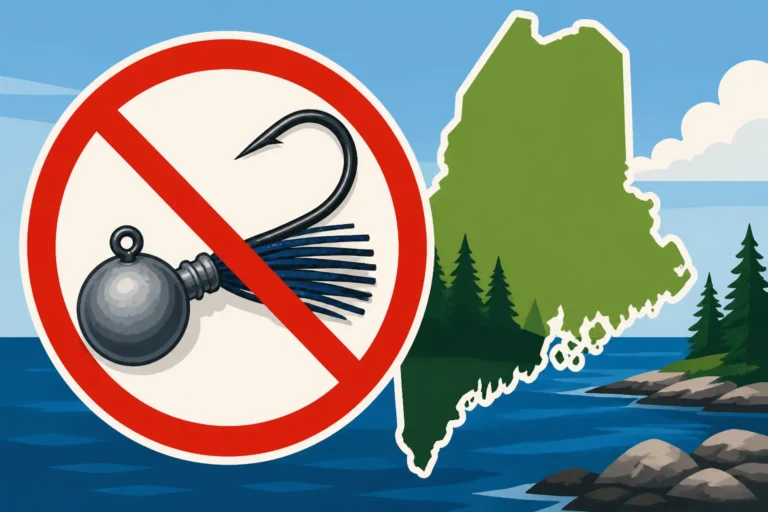
| Lead Jig Ban | Protect waterfowl from lead poisoning. | No lead jigs or sinkers under a certain weight. |
| Single Hook Only | Reduce injury to fish during release. | Replace treble hooks with single hooks on lures. |
Consequences of Not Knowing the Rules
It's easy to get caught up in the excitement of a fishing trip, but ignoring or being unaware of special regulations is a serious mistake that can lead to unpleasant consequences. Ignorance of the law is never an excuse, especially when it comes to conserving Maine's natural resources.
Fines and Penalties
If you're found to be in violation of Maine's fishing regulations, including special regulations, you could face significant fines and penalties. Maine's Fish and Wildlife Wardens are diligent in protecting the state's resources, and they do not take violations lightly. Depending on the severity of the offense, the fines can range from hundreds to thousands of dollars. For example, keeping an undersized fish or exceeding a bag limit in a specially regulated water could result in a substantial financial penalty. Furthermore, repeat offenses or more serious violations could lead to the revocation of your fishing license, meaning you wouldn't be able to fish in Maine for a period of time, or even permanently. Imagine losing your privilege to fish just because you didn't check the rules for a particular pond! For more specific details, you might want to look into the Penalty for Keeping an Undersized Fish in Maine or other violation specifics.
Impact on Conservation
Beyond the personal financial and legal consequences, violating special regulations has a much broader, more detrimental impact: it undermines conservation efforts. Special regulations are not arbitrary rules; they are carefully crafted by biologists and fisheries managers to protect vulnerable fish populations, maintain ecological balance, and ensure sustainable fishing for everyone.
For instance, if a lake has a "fly fishing only" rule to protect wild Brook Trout Native Range in Maine, and anglers repeatedly use bait, it can lead to higher mortality rates for those delicate fish. If a slot limit is ignored, the prime breeding fish that are essential for future generations are removed from the population. Every violation, no matter how small it seems, chips away at the health and integrity of the fishery. These regulations are designed to sustain the very resources we love to enjoy, and adhering to them is a shared responsibility among all anglers. By following the rules, you're not just avoiding a ticket; you're actively contributing to the preservation of Maine's incredible fishing heritage. If you ever have questions or witness potential violations, don't hesitate to contact Maine Fish and Wildlife Warden Contact Information.
Disclaimer
Please remember that fishing regulations can change. While this guide provides a comprehensive overview of Maine’s special regulation waters, it is essential to consult the most current official Maine Open Water & Ice Fishing Law Book or the Maine Department of Inland Fisheries and Wildlife (MDIFW) website before each fishing trip. This article is for informational purposes only and should not be considered a substitute for the official regulations.