Maine Striped Bass Season Start and End Dates
The thrill of chasing striped bass along Maine's rugged coastline is an experience many anglers cherish, but knowing exactly when you can legally target and, more importantly, keep these magnificent fish can feel like a moving target. With regulations designed to protect this vital species, it's easy to get confused about the official season dates. This comprehensive guide will illuminate the crucial start and end dates for striped bass fishing in Maine, breaking down the regulations so you can cast your line with confidence and compliance.
Understanding the Official Maine Striped Bass Season Dates
The Maine striped bass season can feel a little bit like deciphering an ancient riddle, especially when you’re just trying to figure out when you can actually keep one of these beautiful fish. Unlike some species with strict opening and closing days for harvest, the striped bass fishery in Maine operates under a continuous open fishing season for recreational anglers, but with very specific rules about size and quantity that effectively define when you can bring a fish home.
The Official Open Fishing Season for Striped Bass
The Maine Department of Marine Resources (DMR) generally sets the recreational striped bass fishing season from May 15th through December 31st. During this extensive period, you are legally allowed to fish for striped bass. This means you can cast your line, hook a striper, and enjoy the fight, whether you're tossing lures from a rocky point or trolling from a boat in an estuary.
However, and this is where many folks get tripped up, being able to fish for them doesn't automatically mean you can keep every fish you catch. The actual harvest is tightly controlled by other regulations, which we’ll dive into shortly. Outside of this May 15th to December 31st window, the season is considered closed, and targeting striped bass is not permitted. This helps protect the fish during their most vulnerable periods or when they are not typically present in Maine waters. For instance, while the season technically extends through the end of the year, most striped bass have already begun their southward migration long before December, making late-season catches relatively rare. If you're wondering if you can fish for striped bass in Maine in December, the answer is yes, but your chances of success and encountering a legal keeper will be significantly lower.
The Critical Role of Slot Limits in Defining the "Keeper" Window
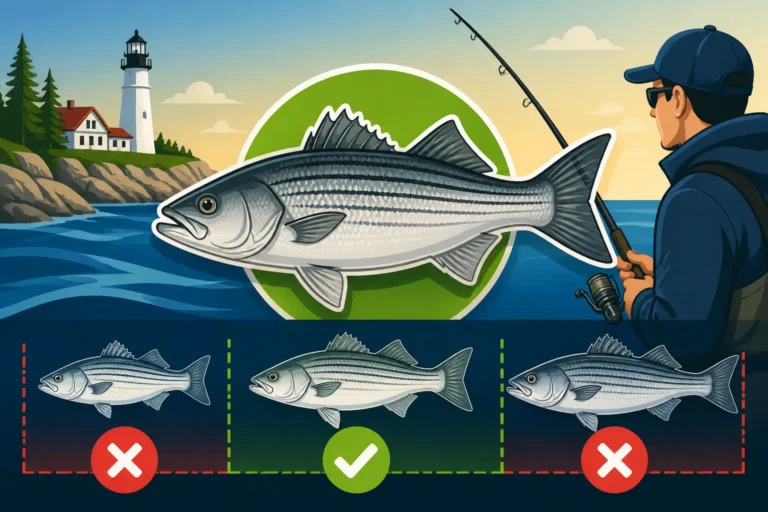
Instead of hard start and end dates for keeping fish, Maine (like many other states along the Atlantic coast) employs a "slot limit" for striped bass. This is the single most important factor determining if you can take a fish home. A slot limit specifies a minimum and maximum length. Any striped bass you catch that falls within this designated slot can be kept, assuming you adhere to the daily bag limit. Fish that are shorter than the minimum or longer than the maximum must be immediately released, unharmed.
As of current regulations, the recreational striped bass slot limit in Maine is 28 inches to less than 31 inches. This means your fish must be at least 28 inches long but not quite 31 inches long to be a legal keeper. This specific measurement is taken from the tip of the snout to the end of the tail, with the tail pinched to get the maximum length. This slot limit is subject to change annually by the DMR and the Atlantic States Marine Fisheries Commission (ASMFC), so always double-check the latest regulations before heading out.
This regulation means that even if it's the middle of July and well within the May 15th to December 31st open fishing season, if you catch a striped bass that is 27 inches or 32 inches, you cannot keep it. It must go back into the water. The combination of the open season dates and this strict slot limit effectively defines the real harvest opportunities for anglers. Understanding the Maine Striped Bass Slot Limit Explained is paramount for any angler hoping to keep a fish.
Why These Dates and Limits Matter: Migration, Spawning, and Conservation
The specific dates for Maine's striped bass season and the accompanying slot and bag limits aren't just arbitrary rules; they are meticulously crafted conservation tools. They reflect the fascinating life cycle of these fish and our collective responsibility to ensure their populations thrive for future generations.
The Annual Striped Bass Migration Along the Atlantic Coast
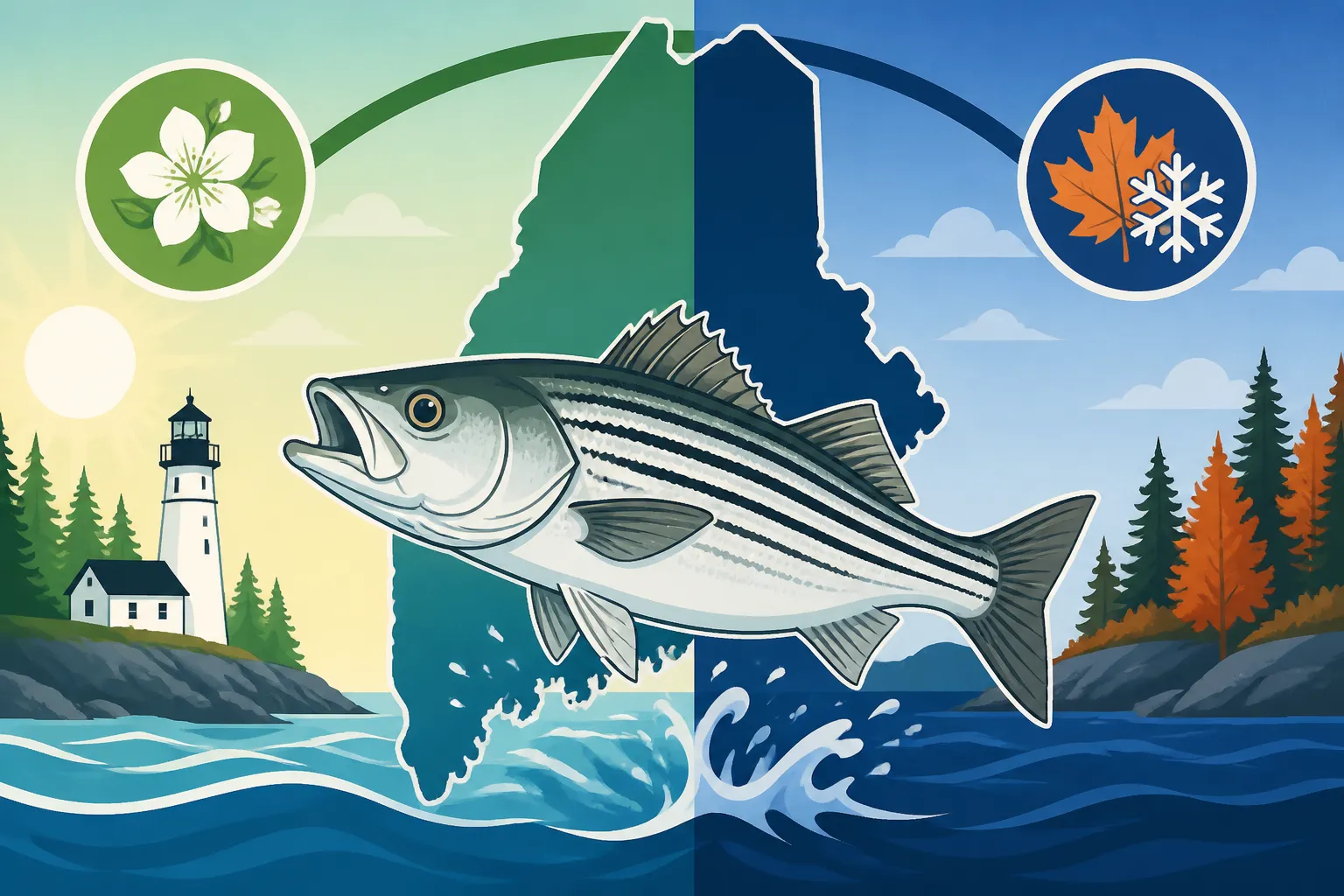
Striped bass are truly migratory marvels, undertaking extensive journeys along the Atlantic Seaboard. They typically spend their winters in deeper, warmer waters further south, often off the coasts of Virginia and North Carolina. As spring arrives and water temperatures begin to climb, these powerful fish begin their northward migration. They follow baitfish, moving up the coast to spawn and then disperse into cooler, food-rich feeding grounds.
Maine represents the northernmost extent of this significant feeding migration for many striped bass. Their arrival in Maine waters, typically occurring in late May to early June, is highly dependent on water temperature and the availability of their primary food sources, such as herring and mackerel. The May 15th season opening aligns with the earliest arrival of these fish into our coastal estuaries and rivers, offering anglers the chance to target them as they move in.
Throughout the summer, as coastal waters warm, striped bass may seek out deeper, cooler areas or concentrate in specific estuaries where food is abundant. By fall, usually starting in September and continuing through October and sometimes into November, the "fall run" begins. This is when striped bass, having fattened up over the summer, start their southward journey back to their wintering grounds, often feeding aggressively before their long migration. The closing date of December 31st reflects the eventual departure of virtually all striped bass from Maine's cold winter waters. For a broader perspective on fishing throughout the year, refer to our guide on the Best Time of Year to Fish in Maine.
Conservation Efforts and Regulation Changes
The regulations surrounding Maine's striped bass season are anything but static; they are critical conservation tools continually evaluated and adjusted. Striped bass populations across the Atlantic coast have faced significant challenges over the years, including habitat loss, environmental factors, and historical overfishing. This has led to the implementation of tighter, more adaptive regulations designed to rebuild and sustain healthy populations.
The Atlantic States Marine Fisheries Commission (ASMFC) plays a crucial role in this process, managing striped bass as a coast-wide stock. Maine's specific regulations, including the season dates and slot limits, are directly influenced by and often mandated by the ASMFC's regional management plans. These plans are based on scientific stock assessments that gauge the health of the striped bass population.
The slot limit, for example, is a powerful conservation measure. It works by protecting two critical segments of the fish population: the very large, reproductively mature "broodstock" fish that contribute most significantly to spawning, and the smaller, juvenile fish, allowing them to grow and mature. By focusing harvest on a specific size class (the slot), regulators aim to maximize the reproductive potential of the stock while still providing recreational opportunities for anglers. It’s a delicate balance, and because stock assessments can reveal changes in population health, the regulations, including the Maine Striped Bass Slot Limit Explained, can and do change frequently. It's imperative for every angler to consult the official Maine Department of Marine Resources (DMR) guidelines or their rulebook, which can sometimes be found for purchase on Amazon, to ensure they have the most up-to-date information.
Beyond Dates: Essential Striped Bass Regulations in Maine
While knowing the open season dates and understanding the slot limit is fundamental, other regulations are equally vital for any angler targeting striped bass in Maine. Overlooking these can lead to fines and penalties, dampening an otherwise enjoyable fishing trip.
Understanding the Striped Bass Slot Limit
We touched on this already, but it bears repeating with added emphasis: the slot limit is the cornerstone of striped bass management in Maine. Currently, the slot limit dictates that you can only keep one striped bass per day, and it must measure between 28 inches and less than 31 inches total length. This measurement must be taken from the tip of the snout to the furthest tip of the tail, with the tail pinched to achieve maximum length.
The "why" behind this is pure conservation. By releasing fish outside this slot, anglers actively contribute to the long-term health of the striped bass fishery. Larger fish are typically the most prolific spawners, producing the most eggs. Protecting them allows them to continue reproducing for many seasons. Conversely, protecting smaller fish ensures they have the opportunity to grow, mature, and eventually contribute to the spawning stock themselves. It's a strategy designed to maintain a robust and resilient population.
Daily Bag Limits and Possession Limits
In conjunction with the slot limit, Maine implements a strict daily bag limit for striped bass. Currently, the daily bag limit is one (1) fish per person per day. This means that regardless of how many legal-sized fish you catch within the slot, you can only keep one within a 24-hour period. This limit applies whether you are fishing from shore, a boat, or a pier.
The possession limit is generally the same as the daily bag limit when you are actively fishing: you cannot possess more than one legal striped bass at a time. This prevents anglers from accumulating multiple fish over several days while out on the water or from a remote camp. These stringent limits are in place to prevent overfishing and to distribute the potential harvest among a larger number of anglers, ensuring a fairer share for everyone. For more details on species-specific limits, our comprehensive Maine Fish Bag Limits Guide is an excellent resource, and our guide on How Many Striped Bass Can You Keep in Maine? provides even more targeted information.
The Maine Saltwater Fishing Registry: Don't Forget It!
Here's a regulation that many anglers, especially those visiting from out of state, often overlook: the Maine Saltwater Fishing Registry. Unlike many other states that require a specific saltwater fishing license, Maine opts for a free online registry. However, it is just as mandatory.
If you are 16 years of age or older and plan to fish in Maine's saltwater (which includes tidal rivers, estuaries, and the ocean itself), you are required to register with the Maine Saltwater Fishing Registry. There are a few exemptions, such as if you are fishing on a licensed charter boat or with a licensed guide, or if you possess a valid saltwater fishing license from another state that has a reciprocal agreement with Maine. Even if you're just casting for stripers from a beach or pier, if you're 16 or older, you need to be registered.
The good news is that registration is completely free and incredibly easy to complete online through the Maine DMR website. It takes just a few minutes. Don't let this simple, yet crucial, step slip your mind! It’s a much less complicated process than trying to find the perfect fishing kayak on Amazon, that’s for sure. For a full breakdown of the requirements and how to register, check out our Maine Saltwater Fishing Registry Guide.
Practical Tips for a Successful and Compliant Maine Striped Bass Season
Navigating the regulations is half the battle; the other half is putting yourself in the best position to catch these formidable fish! Here are some practical tips to maximize your success and ensure you’re always fishing responsibly.
Best Times and Locations to Find Striped Bass
Knowing when the season is open is just the beginning; knowing where and when within that season can significantly boost your chances of success.
- Early Season (Late May/June): As the waters warm and the season opens, striped bass will often follow schools of baitfish into the warmer, shallower waters of estuaries, river mouths, and along rocky shorelines. Iconic Maine rivers like the Kennebec River are prime early-season spots, as are the various coves and inlets within Casco Bay. If you're targeting these early arrivals, focus on areas with good current and structure. Our guide on Where to Fish for Striped Bass in the Kennebec River provides specific insights into this popular fishery.
- Mid-Summer (July/August): During the peak of summer, when coastal waters reach their warmest temperatures, striped bass may move to deeper, cooler waters, seeking out structure like submerged rocks, ledges, or deeper channels. Their activity can also become more concentrated during the cooler periods of dawn, dusk, and even into the night. Night fishing for stripers can be incredibly productive during the summer months.
- Fall (September/October): The "fall run" is a much-anticipated time for many Maine anglers. As the fish begin their southward migration, they often feed aggressively, building up energy for their long journey. This can lead to some fantastic action along the coast, particularly around baitfish schools. Look for signs of diving birds or splashing bait, which often indicate stripers are feeding below.
Essential Gear and Responsible Angling Practices
Having the right gear and adopting responsible fishing practices are key to a fulfilling striped bass season.
- Gear: For striped bass, a medium-heavy spinning or baitcasting setup is typically ideal, paired with 20-30 lb braided line. This setup provides the necessary backbone to handle powerful fish and cast larger lures. For those just starting out, a quality rod and reel combo can be a great entry point, easily found and delivered from retailers like Amazon. Popular lures include topwater plugs (especially at dawn/dusk), soft plastic paddle tails, bucktail jigs, and various swimming plugs. Live bait, such as mackerel or herring, can also be incredibly effective. For detailed strategies, our Maine Striped Bass Fishing Techniques guide offers a wealth of information.
- Catch and Release: Given the single-fish slot limit, most striped bass you catch will likely be released. It is absolutely crucial to practice responsible catch and release to ensure the fish's survival. Minimize handling time, use wet hands when touching the fish, and quickly de-hook the fish, ideally while it's still in the water. Barbless hooks can make de-hooking much easier. If a fish is deep-hooked, cutting the leader rather than trying to remove the hook can often be the best course of action. Carrying a good quality de-hooking tool, which you can easily find on Amazon, can make this process much faster and safer for the fish.
Staying Informed About Regulatory Changes
The single most important piece of advice for any angler is to always assume regulations can change and verify them before you go fishing. The Maine Department of Marine Resources (DMR) website is the definitive source for the most current rules and regulations.
While local bait shops are fantastic resources for local hotspots and current conditions, they should not be your sole source for regulatory information. Always cross-reference with the official DMR guidelines. It's also a good habit to review the full Maine fishing regulations explained annually, not just for striped bass, but for all species you might target. Our comprehensive Maine Fishing License Guide and Maine Fishing Laws for Beginners can help you navigate the broader regulatory landscape. Staying informed ensures your fishing trip is always legal, ethical, and enjoyable.
| Regulation Category | Detail | Notes |
|---|---|---|
| Open Fishing Season | May 15th to December 31st | You can target striped bass during these dates. |
| Keeper Slot Limit | 28 inches to less than 31 inches | Fish must be within this length to be kept (subject to change). |
| Daily Bag Limit | One (1) fish per person per day | Applies to legal-sized fish within the slot limit. |
| Possession Limit | One (1) fish per person | What you can have in your possession at any time. |
| Saltwater Registry | Required for anglers 16+ | Free, online registration for saltwater fishing. |
| Closed Season | January 1st to May 14th | No targeting or possession of striped bass during this period. |
Disclaimer
Please remember that fishing regulations, including season dates, slot limits, and bag limits, are subject to change by the Maine Department of Marine Resources (DMR) and federal authorities. Always consult the most current official regulations from the Maine DMR before engaging in any fishing activity. This guide is for informational purposes only and should not be considered a substitute for official legal documents.