What Gear Is Included on a Maine Charter
There's nothing quite like the excitement of booking a fishing charter in Maine – picturing the pristine waters, the anticipation of a big catch, and the sheer joy of being out on the boat. But then, a nagging question often pops up: "What exactly do I need to bring?" It's a common worry, especially if you're new to guided trips, and nobody wants to show up unprepared or, worse, lug a bunch of gear they don't need. This comprehensive guide is here to clear up that confusion, detailing precisely what fishing gear you can expect to be provided on a Maine fishing charter, helping you pack smart and focus on the fun ahead.
The Core Essentials: What Every Maine Charter Should Provide
When you book a fishing charter, you're not just paying for a ride on a boat; you're investing in an experience, and a big part of that experience is having the right tools for the job. Reputable Maine charters understand this and typically equip their boats with all the fundamental gear needed for a successful day on the water.
Rods, Reels, and Lines: Ready for the Fight
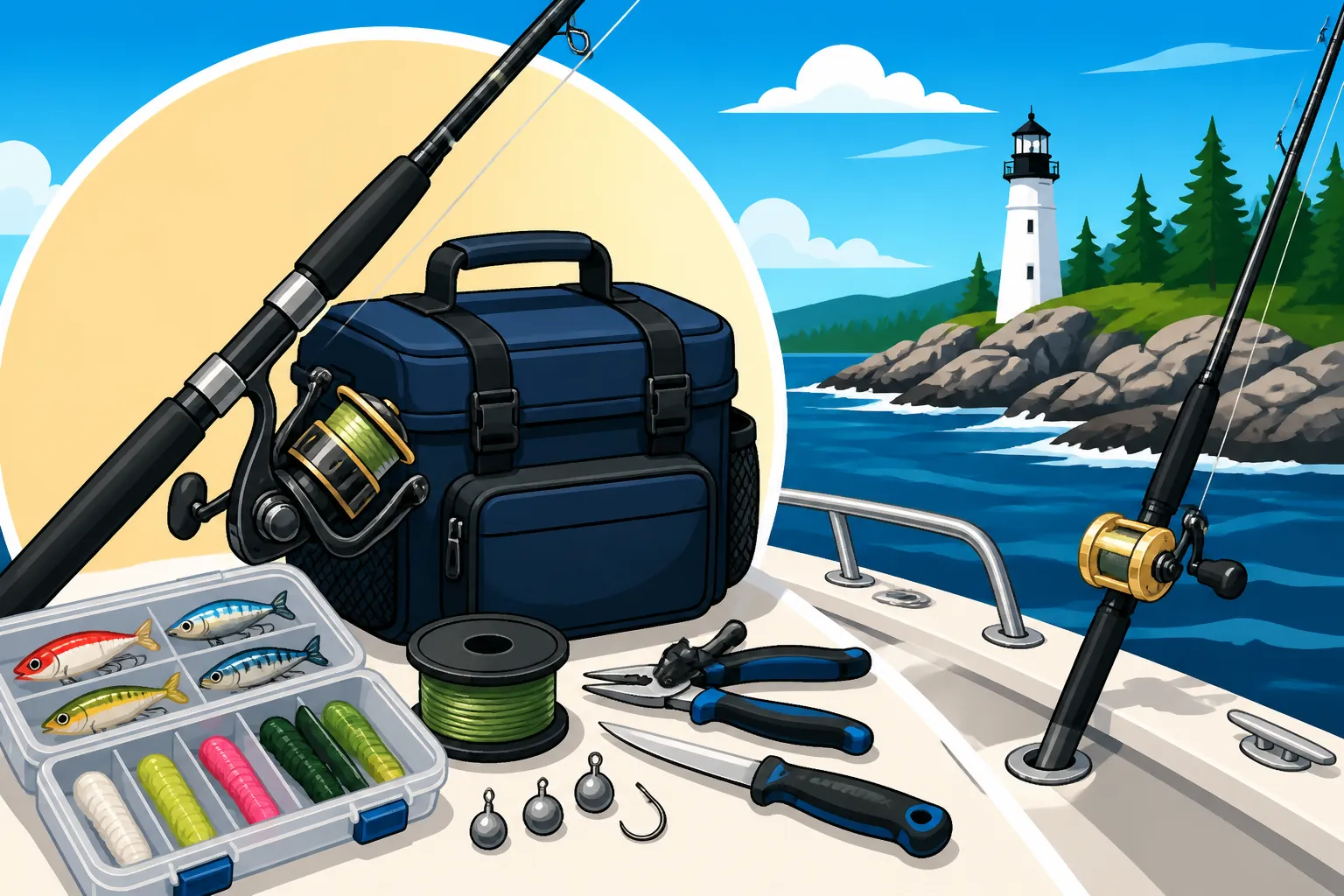
This is probably the biggest piece of the puzzle for most anglers. You can almost always count on your charter captain to provide high-quality rods and reels specifically suited for the type of fishing you'll be doing. Imagine showing up for a deep-sea trip only to find light freshwater spinning gear – it just wouldn't work! Charter captains invest heavily in their equipment, ensuring it's well-maintained, strong enough for the targeted species, and properly spooled with fresh line. For instance, if you're chasing striped bass along the coast, you'll likely find medium-heavy spinning or conventional setups designed to handle powerful runs and heavier lures. If you're heading offshore for groundfish, expect robust conventional reels capable of hauling up weighty fish from significant depths. This takes a huge burden off your shoulders, as sourcing and maintaining specialized gear can be costly and time-consuming.
Bait, Lures, and Terminal Tackle: The Business End of Fishing
Beyond the rods and reels, the actual "fish catchers" – bait and lures – are almost universally supplied by your charter. This is critical because captains know what works best in their local waters, often having secret stashes of proven baits or custom lures that aren't readily available. Whether it's fresh mackerel for stripers, seaworms for bottom fish, or a spread of trolling lures for tuna, your captain will have it covered. The same goes for terminal tackle: hooks, sinkers, swivels, leaders, and any specialized rigging will be on board. They'll know the appropriate hook size for the species, the right weight to get your bait down, and the strongest leader material to prevent break-offs. This eliminates the guesswork and expense of trying to stock up on the bewildering array of options at a tackle shop, allowing you to trust the captain's expertise.
Essential Safety Gear: More Than Just a Life Vest
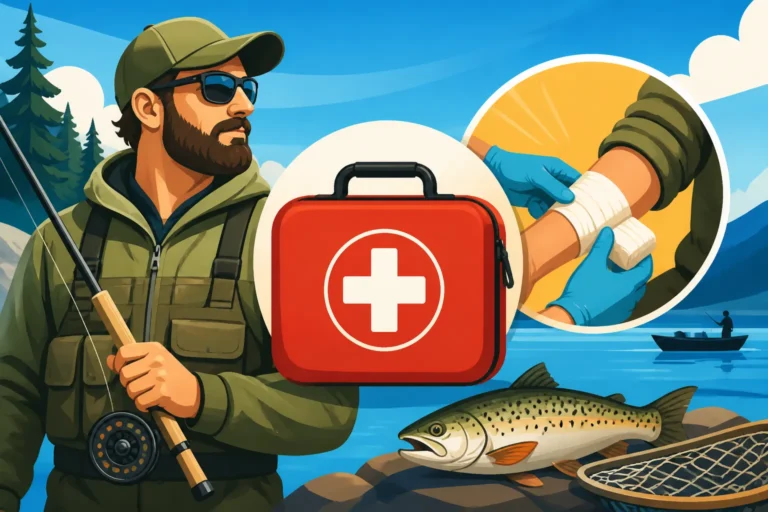
Safety is paramount on any boat, and a licensed charter captain adheres to strict U.S. Coast Guard regulations. This means their vessel will be fully equipped with all necessary safety gear, and often more. You can expect to find enough approved personal flotation devices (PFDs, or life vests) for everyone on board, usually in various sizes. Beyond PFDs, charters will have signal flares, a horn or whistle, a first-aid kit, fire extinguishers, and usually a VHF marine radio for communication. Many larger offshore charters also carry emergency position-indicating radio beacons (EPIRBs) or satellite phones for added security. While you might not consider these "fishing gear," they are absolutely essential for a safe and enjoyable trip, and you can rest assured your captain has these vital items diligently maintained and ready. Understanding the importance of this gear can make you appreciate the professionalism of a Maine Fishing Charters Guide even more.
Tailored Tackle: Gear Differences by Charter Type
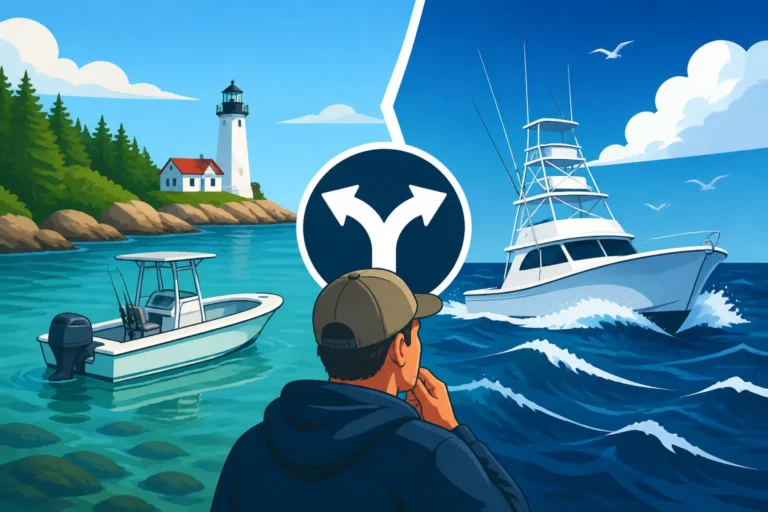
Maine offers a diverse range of fishing experiences, from the open ocean to tranquil inland lakes. The gear included will naturally vary significantly depending on the type of charter you book, reflecting the different environments and target species.
Deep Sea and Offshore Adventures: Heavy Duty for the Deep
When you're venturing miles offshore into the vast Atlantic, battling strong currents and targeting large, powerful fish like tuna, shark, cod, or haddock, you need serious gear. Maine Deep Sea Fishing Charters will provide robust, heavy-action conventional rods paired with large, powerful reels spooled with heavy braided or monofilament line. These setups are designed to withstand immense pressure and bring up fish from hundreds of feet deep. You can expect specialized terminal tackle, too, such as heavy jigs, large bait hooks, and often gaffs or harpoons for landing bigger game fish. Many deep-sea boats also feature outriggers for trolling multiple lines, and perhaps a fighting chair for those epic battles against monster fish. The sheer scale and power of offshore gear are truly impressive and built to handle the rigors of the deep.
Inshore and Striped Bass Charters: Targeting Coastal Predators
Closer to shore, Maine Striped Bass Charters focus on species like striped bass, bluefish, and mackerel in bays, estuaries, and along the coastline. The gear here is often a bit lighter than offshore setups but still robust. You'll typically find medium-heavy to heavy-action spinning or conventional rods, around 7-8 feet long, paired with reels spooled with 20-50 pound test line. These setups offer a good balance of casting distance and power. Lures will include a variety of soft plastics, plugs, jigs, and topwater baits, all chosen for their effectiveness on stripers. Live bait, like mackerel, herring, or seaworms, is also a common offering. Captains will have specific leader material and hook types to match the aggressive nature of these coastal predators, and often provide nets or lip-grippers for safe handling and release.
Freshwater Lake and River Guides: A Different Kind of Arsenal
While often referred to as "guides" rather than "charters," many operations on Maine's vast inland waters provide a similar all-inclusive experience. If you're heading out with a Maine Lake Fishing Guides service for species like landlocked salmon, brook trout, or smallmouth bass, the gear will shift dramatically. You'll see lighter spinning rods and reels, perhaps even fly fishing setups if that's your chosen method. For salmon and lake trout (togue), trolling gear is common, including downriggers and specific trolling spoons or bait rigs. For bass, expect a variety of artificial lures like crankbaits, soft plastics, and topwater plugs. Live bait such as shiners or worms might also be provided. The boats themselves will often be smaller, designed for navigating lakes and rivers, and may feature bow-mounted electric trolling motors for quiet maneuverability.
Beyond the Basics: Specialized Equipment and Technologies
Modern fishing charters, particularly those catering to specific techniques or targeting hard-to-find species, often come equipped with a suite of advanced tools and technologies that greatly enhance the fishing experience and success rate. These aren't just luxuries; they're integral to how many captains operate today.
Advanced Electronics: Fish Finders and Navigation
Walk onto almost any reputable charter boat in Maine, and you'll immediately notice the array of electronics. State-of-the-art fish finders (often integrated with chart plotters and GPS) are standard. These aren't just basic depth sounders; they can display detailed underwater topography, identify bait schools, and pinpoint individual fish. Some high-end units feature side-scanning or 360-degree sonar, providing an incredibly detailed view of the water column around the boat. Captains use these tools not only to locate fish but also to navigate safely through intricate channels, find submerged structures, and return precisely to productive spots. This technology is a game-changer, giving anglers a significant edge, and is something you'll definitely benefit from on a guided trip. When searching for charters on platforms like FishingBooker, you can often see what kind of electronics the boat is equipped with.
Specialized Rigs and Techniques: Downriggers, Trolling Motors, and More
Depending on the targeted species and fishing style, charters might offer more specialized equipment. For instance, Maine Trolling Guide Services will frequently feature downriggers or planer boards, which are crucial for presenting lures at precise depths far behind or to the sides of the boat, especially when targeting wary landlocked salmon or deep-dwelling togue. Offshore charters chasing tuna might have greenstick setups or kite fishing gear. For bass fishing on lakes, electric trolling motors allow for silent approach to shallow waters or precise maneuvering along weed lines. Anchor systems, including advanced spot-lock GPS anchors, are also common for holding position over reefs or productive ledges. This specialized rigging ensures that the captain can employ the most effective techniques for the conditions, maximizing your chances of a catch.
Comfort and Convenience Amenities: Making Your Trip Enjoyable
While not strictly "fishing gear," the amenities on board play a huge role in the overall enjoyment of your trip. Many charters offer comfortable seating, a cooler stocked with ice for your drinks and snacks (and your catch!), and a clean, accessible head (marine toilet). Larger boats might even have a heated cabin for cooler days or a shaded area to escape the sun. Some provide bottled water, light snacks, or even offer to fillet and bag your catch at the end of the day. These details contribute significantly to a pleasant outing, turning a fishing trip into a truly relaxing and memorable experience. It's always worth checking the charter's description, perhaps on a platform like FishingBooker, to see what additional comforts are provided.
| Charter Type | Typical Rods & Reels | Common Baits & Lures | Key Specialized Gear |
|---|---|---|---|
| Deep Sea / Offshore | Heavy conventional, large spinning | Jigs, squid, mackerel, bunker | Outriggers, fighting chair, gaffs, advanced sonar |
| Inshore / Striped Bass | Medium-heavy spinning, conventional | Mackerel, worms, plugs, soft plastics | Landing nets, lip grippers, cast nets |
| Freshwater Lake / River | Light-medium spinning, fly rods (for guides) | Shiners, worms, spoons, flies, crankbaits | Downriggers, electric trolling motors, anchor systems |
What Anglers Are Expected to Bring (or Might Want To)
Even with all the gear provided, there are still a few crucial items you, as the angler, are responsible for bringing to ensure your comfort and enjoyment. These are generally personal items that cater to your individual needs and the variable Maine weather.
Personal Items: Clothing, Sun Protection, and Rain Gear
Maine weather can be famously unpredictable, even in the middle of summer. Layering is always key! You should always bring more layers than you think you'll need, including a warm sweatshirt or fleece, even on a sunny day, especially on coastal or offshore trips where the air can be cooler and windier. A good quality waterproof and windproof jacket and pants are essential, regardless of the forecast – a sudden shower or sea spray can quickly dampen spirits. Don't forget sun protection: a wide-brimmed hat, sunglasses (polarized are a huge plus for spotting fish!), and high-SPF sunscreen are non-negotiable. Even on cloudy days, UV rays reflect off the water, leading to unexpected sunburns. Comfortable, non-slip shoes are also a must for safety on a wet boat deck.
Food, Drinks, and Personal Comforts
While some premium charters might offer snacks or beverages, it's generally a safe bet to bring your own food and drinks. Pack a cooler with water, sodas, sandwiches, and snacks to keep your energy up throughout the trip. Staying hydrated is particularly important during long days on the water. If you have any medications, especially for seasickness (like Dramamine or Bonine), make sure to bring them and take them before you even leave the dock. A small backpack or dry bag is great for keeping personal items like your phone, wallet, and camera safe and dry. And don't forget your camera, because you'll want to capture those memories! Consider checking the Maine Fishing Charters Guide for specific recommendations from other anglers.
Optional Personal Tackle: When to Bring Your Own
For most casual anglers, bringing your own rods, reels, or tackle is entirely unnecessary, as the charter will provide everything you need. However, if you are a seasoned angler with a very specific preference for a particular rod, reel, or lucky lure, you can ask your captain beforehand if it's appropriate to bring it. Be prepared for the answer to be "no," especially if your gear isn't compatible with their setups or if they prefer to stick to their tried-and-true methods. If you do bring your own gear, be responsible for its care and storage on the boat. It's usually best to travel light and trust your captain's expertise and equipment. For a truly deep dive into what personal items you might consider, check out What to Bring on a Maine Fishing Charter.
Navigating Expectations: Communicating with Your Captain
The single most important factor in ensuring a smooth and enjoyable fishing charter experience is clear and open communication with your captain before your trip. Don't leave anything to chance or assume – ask questions!
Why Pre-Trip Communication is Crucial
Think of your captain as your fishing guide and host for the day. They want you to have a great time and catch fish. Calling or emailing ahead of time shows that you're engaged and helps the captain prepare. It's your opportunity to express any specific desires, like targeting a certain species, or any concerns you might have. This simple step can prevent misunderstandings and ensure both parties are on the same page regarding expectations. Whether you found your charter through a friend or a site like FishingBooker, a quick conversation can make all the difference. Also, remember to clarify details like where to meet, what time, and what the Maine Fishing License Guide states about licenses for charter passengers – most of the time, your license is still required!
Clarifying Inclusions and Exclusions
This is where you specifically ask about the gear. "What rods and reels do you provide?" "Do I need to bring my own bait or lures?" "Is drinking water provided, or should I bring my own?" These are all perfectly legitimate questions. Some charters might have special policies, for example, regarding the use of specific types of bait (like live bait restrictions in certain freshwater areas). If you have a specific physical need or a child joining the trip, inquire about appropriate life vest sizes. It's much better to clarify these details upfront than to discover an issue while you're already out on the water. For example, if you're interested in Maine Fly Fishing Guides, confirming fly rod and fly provision is essential.
How to Confirm Specific Gear for Your Target Species
If you're dead set on catching a specific fish – say, a trophy togue on Moosehead Lake or a massive striped bass off Casco Bay – make sure to explicitly state this when booking. Then, ask about the specific gear they'll use for that target. For example, "If we're targeting togue, will you be using downriggers and specific trolling spoons?" or "For stripers, will we be casting lures or live-lining bait?" This helps confirm that the captain is equipped for your preferred style and target. Reputable captains will be happy to discuss their methods and gear. Using resources like FishingBooker to browse captain profiles often provides a good overview of their specializations and listed equipment, giving you a starting point for your questions. Finally, don't forget to inquire about relevant Maine Fish Bag Limits Guide for your target species, as regulations can change.
Disclaimer
This article is for general informational purposes only and does not constitute professional advice. Laws, prices and regulations vary by location and change over time. Consult a qualified professional for guidance on your specific situation.