How to Choose Between Inshore and Offshore Charters in Maine
Deciding between an inshore and offshore fishing charter in Maine can feel like you're trying to pick between two equally delicious flavors of ice cream – both sound amazing, but which one is truly right for your taste? It’s a common dilemma for anglers heading to our beautiful coast, grappling with questions about what they'll catch, how long they'll be out, and what kind of experience they're really looking for. This guide is here to break down the distinctions, explore the unique offerings of each, and help you navigate the choice so you can book the perfect angling adventure for your crew.
Understanding the Fundamentals: Inshore vs. Offshore Fishing in Maine
Before you can make an informed decision, it's essential to grasp what "inshore" and "offshore" actually mean in the context of Maine's diverse waters. These aren't just arbitrary terms; they signify distinct environments, target species, and overall fishing experiences. Think of it as choosing between a leisurely stroll along a scenic path versus an epic trek deep into the wilderness.
What Exactly is Inshore Fishing in Maine?
Inshore fishing generally refers to angling in waters relatively close to the coastline, typically within a few miles of shore, or in protected bays, estuaries, and tidal rivers. For Maine, this can mean fishing within Casco Bay, exploring the lower reaches of the Kennebec River, or casting lines near the numerous islands that dot our shoreline. The waters here are often calmer, shallower, and more sheltered from the open ocean's swells, making it a comfortable experience for many.
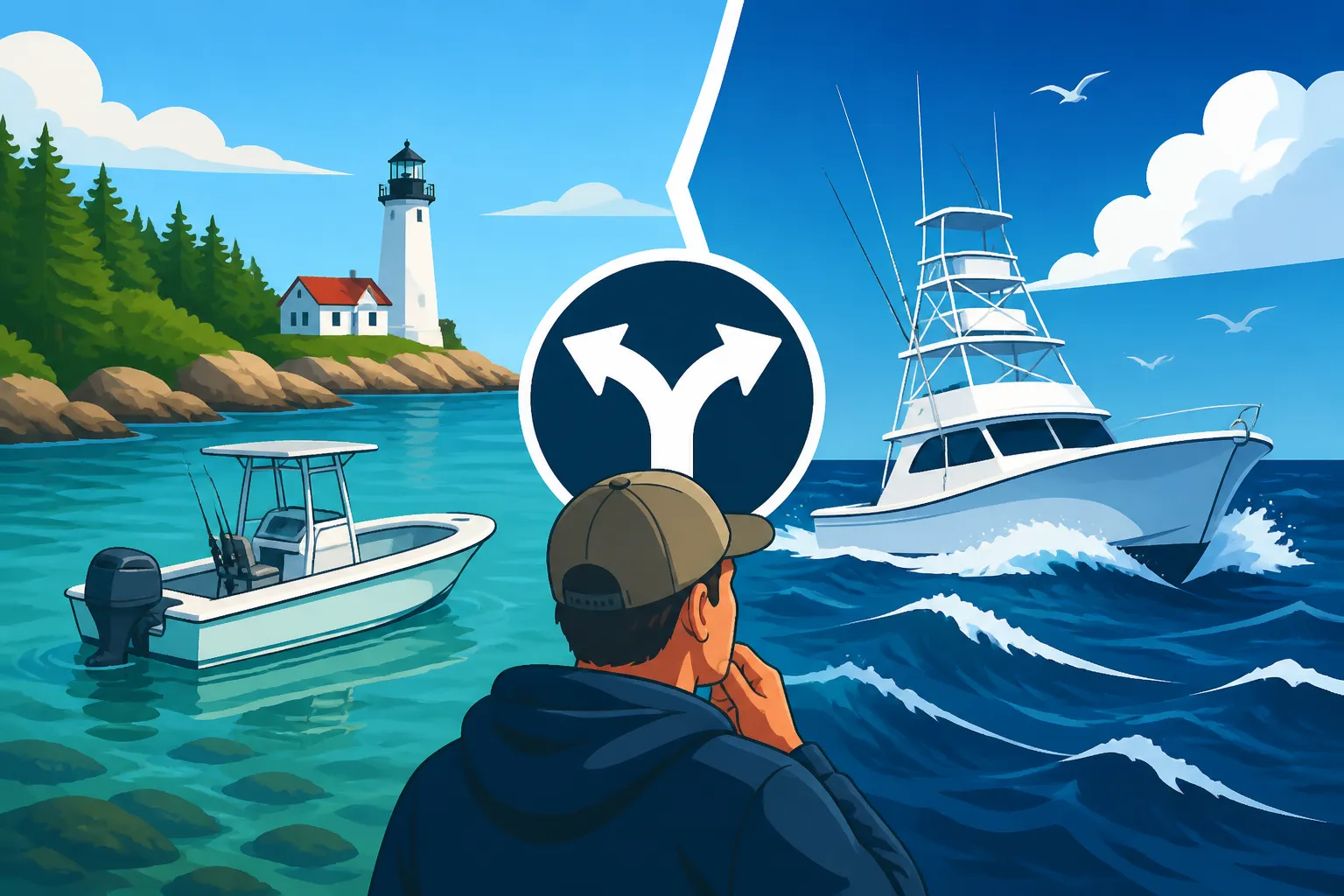
The boats used for inshore charters are typically smaller than their offshore counterparts, designed for maneuverability in shallower waters and providing a more intimate fishing experience. You're usually looking at center consoles or smaller sport-fishing boats that can get into those nooks and crannies where fish like to hide. The trips are often shorter, ranging from a few hours to a half-day, making them perfect for families, beginners, or those who prefer to be back on land sooner rather than later.
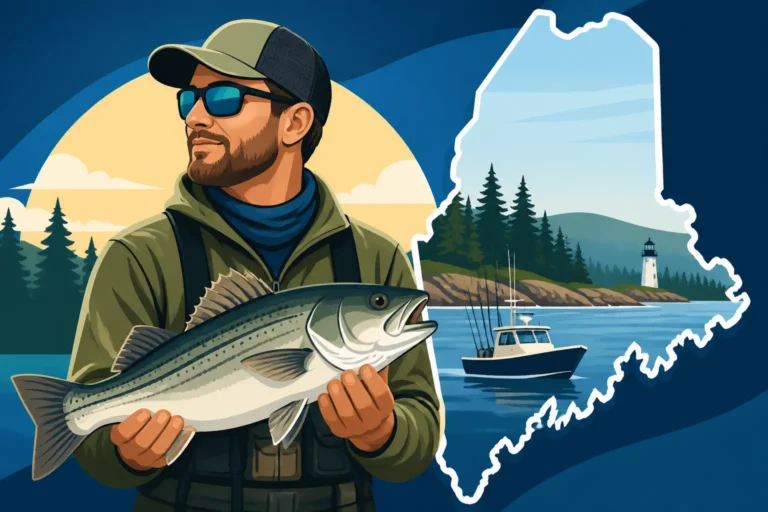
The species you'll encounter on an inshore trip are diverse and exciting. Maine's inshore waters are famous for Maine Striped Bass Season and Limits, especially in the warmer months when these powerful fighters patrol the coastline. You might also find mackerel, pollock, cod, and various species of flounder, depending on the exact location and time of year. It’s a fantastic environment for light tackle action and a great way to experience the beauty of Maine’s rugged shorelines up close, offering scenic views that offshore excursions often miss.
Delving into Offshore Fishing in Maine
Offshore fishing, on the other hand, takes you into the vast expanse of the open Atlantic Ocean, often many miles from the sight of land. This is where the ocean truly opens up, presenting an entirely different challenge and reward. These are often longer trips, sometimes full-day or even multi-day excursions, venturing out to deep-water ledges, canyons, and productive fishing grounds far from the coast.
The vessels for offshore charters are significantly larger, more robust, and built to handle the often choppier conditions of the open ocean. We're talking about serious sportfishing boats, often equipped with advanced navigation and fish-finding technology, outriggers, and spacious decks. These boats prioritize stability and safety when you're a long way from home, and they need the fuel capacity to get you to those distant grounds and back. If you're looking into Maine Deep Sea Fishing Charters, you'll quickly see the difference in boat size and capability.
The allure of offshore fishing in Maine lies in the potential for truly spectacular catches. This is where you target species like bluefin tuna, a true trophy fish known for its incredible power and size. Beyond tuna, anglers might pursue groundfish like cod and haddock, sharks, or even swordfish further out. It’s an experience for those seeking a grander adventure, a test of skill and endurance, and the chance to battle some of the ocean's most formidable creatures.
Key Factors to Consider When Making Your Choice
Now that you have a clearer picture of what each type entails, let’s talk about the practical considerations that will help you decide. Your ideal fishing trip isn't just about what's available; it's about what aligns with your personal preferences, goals, and realistic expectations.
Your Target Species and Fishing Goals
The type of fish you dream of catching is arguably the most significant factor in your decision. If you have a specific species in mind, your choice becomes much simpler.
For many visiting Maine, the quest for a tenacious striped bass is high on the list. These aggressive fish are predominantly found in inshore waters – along rocky coastlines, in tidal rivers, and around estuaries. An inshore charter will put you right in the prime habitat for stripers, offering fantastic opportunities for casting lures or baiting up. You'll also have good chances for mackerel and some bottom fish that thrive closer to shore. If your goal is to experience consistent action and the thrill of a strong fighting fish in a beautiful coastal setting, inshore fishing is likely your best bet. Many Maine Striped Bass Charters specialize in these experiences, knowing exactly where and when to find the fish.
If, however, your aspirations lean towards battling a behemoth like a bluefin tuna, or filling a cooler with delicious groundfish like cod and haddock, then offshore is where you need to be. These powerful fish reside in deeper, cooler waters, often congregating around underwater structures, ledges, and shipping lanes far offshore. The pursuit of tuna is a truly epic undertaking, requiring specialized gear and a significant time commitment. Similarly, productive groundfish spots are typically located many miles out. It's about quality over quantity for some, or the sheer size of the prize. Consider what truly excites you – the frequent tug of an inshore fighter or the monumental challenge of a big game beast.
Experience Level and Comfort Zone
Your personal fishing experience and how comfortable you are on the water play a huge role. Don't let romantic notions of deep-sea adventure overshadow a realistic assessment of your (and your group's) comfort levels.
Inshore trips are generally far more accessible and comfortable, especially for beginners, children, or those prone to seasickness. The shorter travel times to fishing grounds, combined with the calmer, protected waters, significantly reduce the likelihood of discomfort. You're typically closer to land, and the overall pace can be a bit more relaxed. It's a fantastic environment for learning basic fishing techniques, enjoying the scenery, and simply having a pleasant day out on the water. Charters often cater to families, understanding that not everyone in the party might be an experienced angler. Plus, if someone does feel unwell, returning to shore is usually a quicker and less complicated affair.
Offshore fishing, by its very nature, demands a higher tolerance for open water conditions. The ride out to the fishing grounds can be long, and the ocean swells can be significant, even on a calm day. Seasickness is a real concern for many, and it's something you absolutely need to factor in. The fishing itself can be physically demanding – battling a large tuna or reeling up heavy groundfish from deep water requires stamina. While experienced captains are adept at making trips as comfortable as possible, offshore is generally recommended for seasoned anglers or those who are confident in their ability to handle potentially rough seas and extended periods away from land. It’s an adventure, but one that requires a certain resilience.
Budget and Time Commitment
Fishing charters, whether inshore or offshore, represent an investment in a memorable experience. Understanding the cost and time differences is crucial for planning your trip.
Inshore charters tend to be more budget-friendly. They often involve shorter trips (half-day or 3/4 day options are common), require less fuel, and might use smaller vessels, all of which contribute to a lower overall price point. This makes them an excellent option for families or groups looking for a quality fishing experience without breaking the bank. You get a solid few hours of fishing, enjoy the Maine coastline, and are back on land with plenty of time left in your day for other activities. You can often find a variety of prices when browsing platforms like FishingBooker, which helps you compare different captains and their offerings for a similar inshore experience. For a general idea of costs, you can look at a Maine Charter Fishing Cost Guide.
Offshore charters, by contrast, typically represent a more significant financial commitment. The sheer distance traveled, the larger boats and specialized gear required, and the extended duration of the trip (often full-day, 10-12 hours, or even overnight) all factor into a higher price. Fuel costs alone can be substantial when you're running many miles offshore. While the per-person cost might seem higher, remember you're often getting a full day's adventure, potentially targeting very large, sought-after species. If you're chasing that once-in-a-lifetime tuna, the investment is usually worth it for the dedicated angler. Remember, the captain and crew are working harder for longer to put you on those fish.
The Maine Experience: What Each Type Offers
Beyond the practicalities, it's worth considering the distinct atmospheres and types of memories each charter style offers. Both inshore and offshore fishing in Maine are incredibly rewarding, but they appeal to different sensibilities.
The Joys of Inshore Adventures
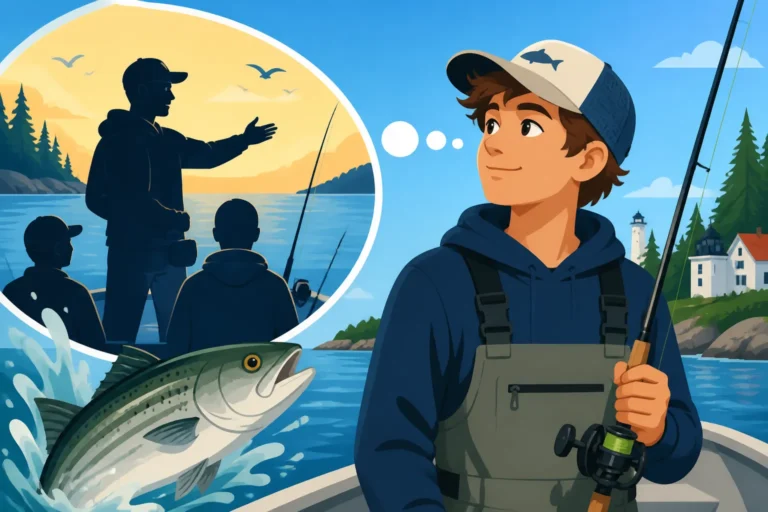
An inshore fishing trip in Maine is more than just catching fish; it's an immersive experience in the classic coastal charm of the region. Picture yourself cruising past quaint lobster boats hauling traps, seeing historic lighthouses standing sentinel on rocky points, and perhaps spotting seals basking on sun-drenched ledges. The backdrop of evergreen forests meeting the sparkling ocean is uniquely Maine. It's truly a feast for the eyes, complementing the thrill of the catch.
These trips are often incredibly social and family-friendly. With calmer waters and shorter durations, kids tend to stay engaged and comfortable. Many inshore captains are experts at making the experience enjoyable for all ages, offering hands-on opportunities and patiently teaching beginners the ropes. It’s a fantastic way to introduce someone to fishing without the potential overwhelming nature of deep-sea conditions. You might be targeting Striped Bass Fishing in Maine or chasing mackerel for bait, but the camaraderie and the picturesque surroundings are often just as memorable as the fish you bring aboard.
Think about a typical morning: You might leave a charming harbor like Boothbay or Kennebunkport, heading into a protected bay. The captain points out landmarks, tells local stories, and before you know it, you're in a prime striper spot. You're casting light tackle, feeling every run and headshake of a feisty bass, all while seagulls circle overhead and the scent of salt air fills your lungs. It's a quintessential Maine experience, perfect for creating lasting family memories.
The Thrill of Offshore Expeditions
Offshore fishing, conversely, offers a raw, expansive, and often more solitary connection with the power of the open ocean. When you're miles from shore, the world shrinks to the boat, the endless horizon, and the anticipation of what lies beneath the waves. It’s a truly humbling experience, emphasizing the vastness of the Atlantic. This is where the serious anglers often gravitate, seeking a monumental challenge and the ultimate fishing story.
The primary draw for many is the pursuit of big game. The chance to hook into a giant bluefin tuna, known for its incredible speed, strength, and endurance, is an unparalleled adrenaline rush. Fighting a tuna can take hours, testing both angler and gear to their limits. It's a battle of wills, a true testament to skill and perseverance. Even deep-dropping for large cod or haddock brings a unique satisfaction as you haul up substantial fish from hundreds of feet below. If you're dreaming of a trophy fish, the offshore grounds are your arena. Platforms like FishingBooker often highlight captains specializing in these big game pursuits, showcasing their experience and equipment.
While offshore trips are physically demanding, they also offer immense rewards. The satisfaction of landing a massive fish after a long battle, the camaraderie among the crew, and the sheer adventure of venturing into the deep are unparalleled. These trips are about the journey as much as the destination, about pushing your limits and experiencing a side of Maine that few ever see. It's often where seasoned anglers go to truly test their mettle and create tales that will be recounted for years.
Practical Tips for Booking Your Maine Fishing Charter
Once you've weighed the pros and cons and decided whether inshore or offshore aligns with your ideal fishing adventure, it's time to make it a reality. A little preparation goes a long way in ensuring a smooth and successful trip.
Researching and Selecting the Right Charter
Finding the right charter involves a bit of homework. Start by determining your desired location along the Maine coast – do you want to fish out of Portland, Boothbay Harbor, Kennebunkport, or another scenic port? This can help narrow down your options significantly.
Next, you'll want to look for reputable captains and charter companies. Online platforms like FishingBooker are fantastic resources, allowing you to compare various charters, read reviews from other anglers, and see detailed information about boats, target species, and pricing. Pay attention to what past customers say about the captain's demeanor, the cleanliness of the boat, and their success rate. When you're talking to a potential captain, don't be shy about asking questions:
- What species are currently biting well?
- What type of gear do you provide?
- What's your typical itinerary for a trip like this?
- How Many People Can Go on a Maine Charter Boat?
- Do Maine Charter Passengers Need Their Own Fishing License? (Often, the charter covers the boat's license, but individual angler licenses can vary, especially for certain species or in specific areas, so always clarify!)
Booking well in advance, especially during peak season (summer and early fall), is always a good idea. The best captains fill up their calendars quickly. Consider a Best Season to Book a Maine Charter article for more specific timing insights.
Preparing for Your Trip
No matter if you choose inshore or offshore, some general preparations will enhance your experience. First and foremost, check the weather forecast leading up to your trip. Maine weather can be unpredictable, even in summer, so dressing in layers is always smart. Even on a warm day, it can be significantly cooler on the water, especially if you're heading offshore. A good waterproof jacket is a must.
Pack appropriate sun protection – sunscreen, a wide-brimmed hat, and polarized sunglasses are essential. Bring plenty of water and snacks, as the salt air and sun can dehydrate you quickly. For offshore trips, if you are at all prone to seasickness, consider taking preventative medication the night before and the morning of your trip. Don't wait until you're feeling green! You can find more detailed advice in a guide like What to Bring on a Maine Fishing Charter.
Finally, confirm with your captain the meeting time and location, and any specific items they recommend you bring. Be prepared to enjoy the stunning natural beauty of Maine's coast and the thrill of the catch, whether you're close to shore or far out on the boundless ocean.
Inshore vs. Offshore Charter Comparison
| Feature | Inshore Fishing | Offshore Fishing |
|---|---|---|
| Location | Near coastline, bays, estuaries, tidal rivers | Miles out in the open Atlantic Ocean |
| Water Conditions | Generally calmer, more protected, shallower | Can be choppy, exposed to open ocean swells, deep |
| Typical Duration | Half-day (4 hours), 3/4 day (6 hours) | Full-day (8-12 hours), multi-day options |
| Target Species | Striped Bass, Mackerel, Pollock, Flounder, Cod | Bluefin Tuna, Groundfish (Cod, Haddock), Shark, Halibut |
| Boat Size/Type | Smaller center consoles, bay boats | Larger sportfishing boats, specialized offshore rigs |
| Experience Level | Great for beginners, families, all ages | Best for experienced anglers, good sea legs |
| Seasickness Risk | Lower | Higher |
| Cost | Generally lower due to shorter trips/less fuel | Generally higher due to longer trips/specialized gear |
| Scenery | Picturesque coastlines, lighthouses, islands | Open ocean horizon, potential for marine wildlife |
| Physical Demands | Moderate, lighter tackle | High, heavy tackle, long battles |
Disclaimer
This article is for general informational purposes only and does not constitute professional advice. Laws, prices and regulations vary by location and change over time. Consult a qualified professional for guidance on your specific situation.