Best Fly-In Fishing Trips in Northern Maine
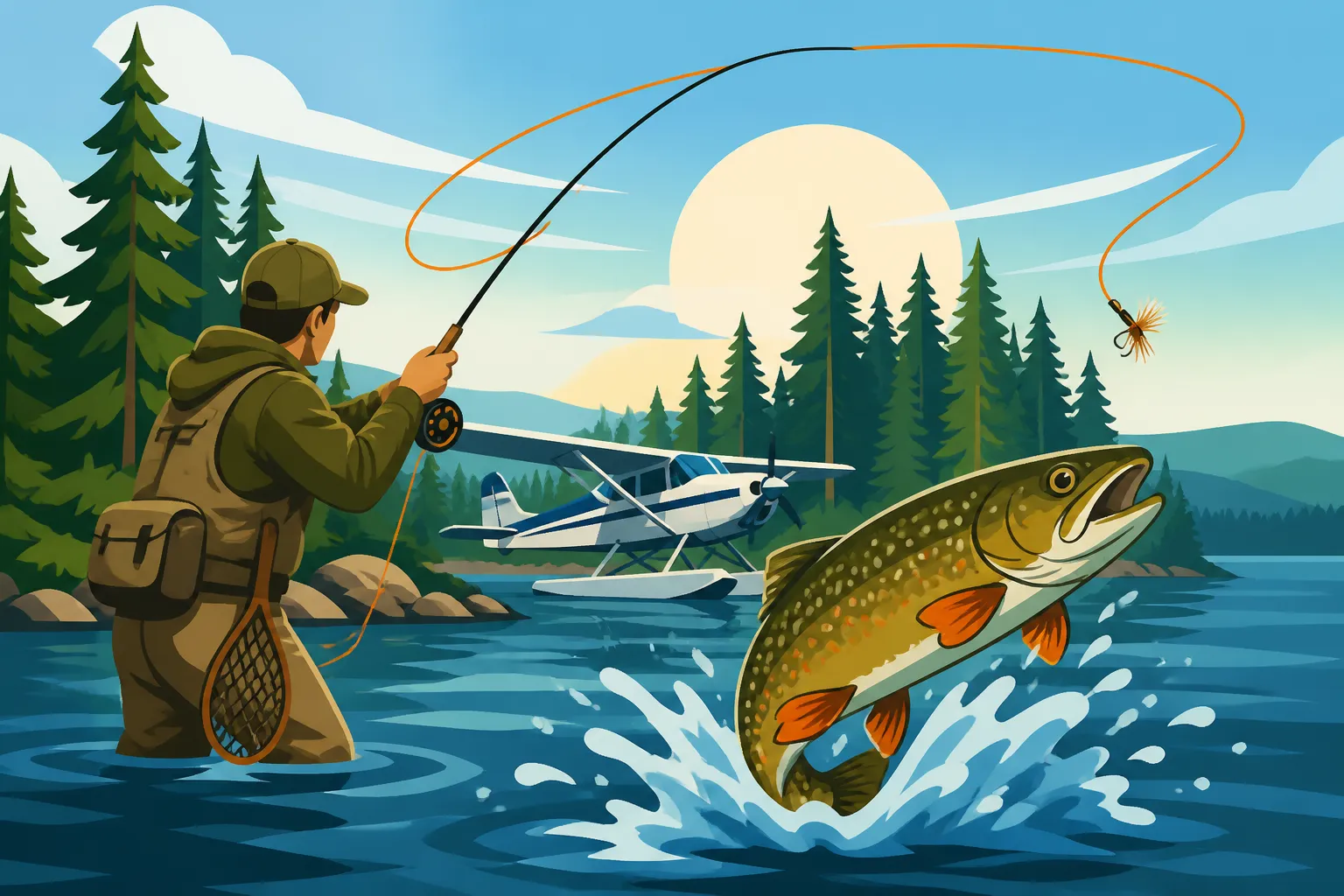
For many anglers, the idea of truly escaping the hustle and bustle, of casting a line into waters that see barely any pressure, feels like an impossible dream in today's crowded world. The frustration of arriving at a public boat launch only to find it packed, or fishing a stream already lined with other anglers, can really dampen the spirit of what fishing is supposed to be about. But imagine a different scenario: stepping off a float plane onto a glassy lake, surrounded by nothing but the whisper of the pines and the call of a loon, knowing the fish below have rarely seen a lure. This guide is all about making that dream a reality, exploring the magic and practicalities of fly-in fishing trips in Northern Maine.
Why Choose a Fly-In Fishing Trip in Northern Maine?
Northern Maine is a vast, wild expanse, a place where roads eventually give way to dense forests, pristine waterways, and an overwhelming sense of solitude. For the angler who yearns for true wilderness and unadulterated fishing, a fly-in trip isn't just a luxury; it's the only way to access some of the most untouched and rewarding waters. It's an experience that resets your understanding of what fishing can be.
Unparalleled Remote Access and Solitude
The most compelling reason to consider a fly-in fishing trip is the sheer remoteness it offers. Forget about driving for hours down a dusty logging road only to find someone else already there. When you fly into a remote pond or lake in Northern Maine, you're literally reaching places that are inaccessible by vehicle. This means you'll find an incredible sense of peace and quiet, a profound connection to nature that’s hard to replicate anywhere else. You might go days without seeing another human, aside from your camp host or guide.
Imagine waking up to the mist rising off a perfectly still lake, the only sounds being the rustle of leaves and the distant cry of an eagle. You can cast your line without worrying about another boat motoring by or someone wading into your favorite spot. This level of solitude allows you to truly immerse yourself in the act of fishing, observing the wildlife around you, and enjoying the tranquility that Maine's North Woods are famous for. It's a complete detox from the stresses of daily life, where the biggest decision you have to make is what fly to tie on next.
Pristine Waters and Unpressured Fish
Because these remote waters see such minimal human impact, they remain incredibly pristine. The water quality is often exceptional, supporting thriving ecosystems. This, in turn, leads to incredibly healthy and robust fish populations. Unlike heavily fished waters where fish become educated and wary, the fish in fly-in accessible ponds and lakes are often less pressured, more aggressive, and can offer a truly exciting fight.
You'll find vibrant, strong brook trout, landlocked salmon, and togue that have spent their lives in clean, cold water, feasting on natural forage. These aren't your average stocked fish; they're wild, powerful, and beautiful specimens. Catching a brightly colored brook trout from a remote Maine pond, knowing it's likely never seen a hook before, is an experience that stays with you long after the trip is over. It’s a chance to connect with the essence of what makes fishing so captivating – the pursuit of wild game in its natural habitat. Brook Trout Fishing in Maine and Landlocked Salmon Fishing in Maine are particularly rewarding in these secluded spots.
A Truly Immersive Wilderness Experience
Beyond the fishing itself, a fly-in trip to Northern Maine offers an all-encompassing wilderness experience. These trips are typically based out of traditional sporting camps or rustic cabins, often steeped in generations of Maine angling history. You’re not just going on a fishing trip; you’re stepping back in time, into a way of life that celebrates the outdoors.
Evenings are spent by a crackling fire, sharing stories with your companions, or simply gazing up at a sky ablaze with stars, unmarred by light pollution. You'll likely encounter a diverse array of wildlife, from moose browsing in a bog to deer, foxes, and countless bird species. It’s an adventure that engages all your senses – the smell of pine, the taste of freshly caught fish cooked over an open flame, the feel of a cool breeze off the lake. It's a chance to truly disconnect from digital distractions and reconnect with yourself and the raw beauty of nature, offering much more than just a fishing excursion.
Planning Your Northern Maine Fly-In Adventure
Embarking on a fly-in fishing trip requires a bit more planning than a typical roadside outing, but the rewards are immeasurable. It's all about choosing the right fit for your adventure and understanding the unique logistics involved in getting into these remote corners of the state.
Choosing Your Outfitter and Camp
The first crucial step is selecting a reputable outfitter or sporting camp. Northern Maine is home to many fantastic operations, ranging from fully catered lodges with hot showers and gourmet meals to more rustic, self-service cabins where you bring all your own provisions. Consider what level of comfort and service you desire. Do you want a Registered Maine Guide to lead your fishing expeditions daily, cook your meals, and handle all the logistics? Or are you a seasoned wilderness enthusiast looking for a base camp to explore on your own?
When researching, don't hesitate to ask detailed questions: What species are prevalent in their waters? What are the typical accommodations like? Is there cell service (likely not, which is part of the appeal!)? What's the process for booking and what's included in the price? Many outfitters list their services online, and platforms like FishingBooker can be a great place to start looking for options and reading reviews from other anglers who have experienced these unique trips. Be sure to understand their availability, especially if you have specific Maine Fishing Season Dates Guide in mind for targeting certain fish.
Logistics of Fly-In Travel
Getting to a remote camp usually involves a float plane. These iconic aircraft depart from small airfields, often located in towns like Greenville (serving the Moosehead Lake region and beyond) or Portage Lake (for the Aroostook County wilderness). The flight itself is an incredible part of the experience, offering breathtaking aerial views of Maine’s vast forests and intricate waterways.
However, float planes have strict weight limits for passengers and gear. This is incredibly important to factor into your packing. Outfitters will provide you with these limits, and you must adhere to them. Overweight baggage can delay your flight or, worse, mean leaving essential gear behind. Think about compacting your sleeping bags, choosing lightweight tackle, and perhaps even coordinating with your group to share certain items to stay within limits. Your outfitter will coordinate the flight schedule, so punctuality is key. Remember, once you’re dropped off, you’re often truly off-grid until the plane returns.
Best Seasons to Plan Your Trip
Northern Maine offers distinct fishing seasons, each with its own charm and target species.
- Spring (Ice-Out through June): This is often a prime time, especially right after the ice leaves the lakes. Fish like landlocked salmon and brook trout are active near the surface, feeding aggressively after a long winter. The weather can be unpredictable – you might experience warm sunny days or chilly, rainy ones – so layering is essential. Maine Spring Fishing Guide details this more.
- Summer (July and August): As water temperatures rise, many trout and salmon species move to deeper, cooler waters. This can be a great time for trolling for Lake Trout and Togue Fishing in Maine or seeking out brook trout in cooler stream sections or spring-fed ponds. The days are long, and the wilderness is lush and vibrant. Just be prepared for potential black flies or mosquitoes, especially in early summer.
- Fall (September and October): Many consider autumn to be the most beautiful time in Maine, with the foliage ablaze in color. Fishing can be excellent as fish become more active again with cooling water temperatures, often feeding heavily before winter. This is also when some species begin their spawning rituals, offering unique angling opportunities, though specific regulations may apply. Maine Fall Fishing Guide has more on this.
Your choice of season will largely depend on your target species and preferred fishing style, so discuss this with your chosen outfitter, or explore options on platforms like FishingBooker to find guides specializing in particular times of the year. For general guidance, check out Best Time of Year to Fish in Maine.
Top Species and Waters for Fly-In Anglers
When you commit to a fly-in trip in Northern Maine, you're not just casting a line; you're seeking out specific, often legendary, fish in their most natural environments. The variety of water types ensures there’s an adventure for every kind of angler.
Targeting Native Brook Trout
For many, the allure of a fly-in trip is the pursuit of Maine's native brook trout. These vibrant, colorful fish thrive in the cold, clear waters of remote ponds, small lakes, and pristine streams that crisscross the northern wilderness. These are often wild, naturally reproducing populations, and the fish fight with surprising strength for their size.
You might find yourself wading a small, unnamed stream, flicking dry flies into plunge pools, or casting small spinners from a canoe on a lily-pad-lined pond. While not always giants, the sheer beauty of these fish and the untouched surroundings make every catch memorable. Remote headwater ponds often hold some of the healthiest populations, where the brook trout exhibit their most brilliant spawning colors in the fall. Make sure you're familiar with Brook Trout Daily Bag Limits and any specific regulations for "special regulation waters" that may apply to these sensitive fisheries.
Pursuing Landlocked Salmon and Togue
Beyond brook trout, many of Northern Maine's larger, deeper fly-in lakes hold impressive populations of landlocked salmon and togue (lake trout). These are formidable game fish that offer a different kind of challenge, often requiring trolling techniques or jigging in deeper water.
Imagine hooking into a powerful landlocked salmon that strips line off your reel as it leaps from the water, or feeling the heavy throb of a deep-dwelling togue as you retrieve your jig. Lakes in regions like the far reaches beyond Moosehead Lake, accessible only by air, are renowned for these species. Anglers often spend days exploring the depths, searching for temperature breaks and structure where these fish congregate. These trips require heavier tackle and a good understanding of deep-water techniques, but the reward of a trophy-sized salmon or togue is well worth the effort. Learn more about these species in Landlocked Salmon Fishing in Maine and Lake Trout and Togue Fishing in Maine.
Diverse Remote Water Types
The beauty of Northern Maine's fly-in fishing is the sheer diversity of water you can access. It's not just one type of fishing; it's an entire aquatic landscape waiting to be explored.
- Small Wilderness Ponds: These are often the holy grail for brook trout enthusiasts. Shallow, teeming with insect life, and surrounded by dense forest, they offer intimate angling experiences.
- Larger Remote Lakes: These bodies of water are home to the full spectrum of cold-water species, including salmon, togue, and sometimes even wild brook trout in their shallower coves. They can offer excellent opportunities for trolling from a small boat provided by the outfitter.
- Pristine Rivers and Streams: Many fly-in camps are situated near the headwaters of significant river systems, providing access to miles of undisturbed flowing water. These are perfect for fly fishing enthusiasts looking to Fly Fishing Techniques for Maine Rivers and target rising trout or aggressive salmon.
Regardless of your preference, an experienced outfitter or guide can help you choose the best waters to match your angling goals, ensuring your trip is everything you dreamed of.
Essential Gear and Preparation for Remote Fishing
A successful fly-in fishing trip isn't just about what you catch; it's about being prepared for the unique challenges and opportunities of a remote wilderness setting. Thoughtful packing and adherence to regulations are paramount.
Packing Smart for Weight and Space
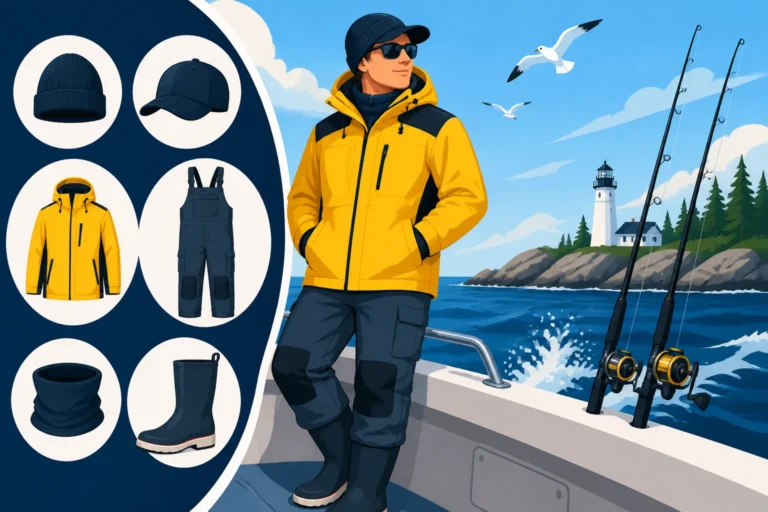
As mentioned, float planes have strict weight limits. This means every item you bring needs to justify its space. Prioritize versatile clothing layers appropriate for Maine's unpredictable weather – even summer nights can be cool. Think quick-drying materials, waterproof outerwear, and comfortable, sturdy footwear.
When it comes to fishing gear, consider bringing multi-piece rods that break down easily. Instead of bringing your entire tackle box, select a curated assortment of lures, flies, and terminal tackle suitable for the specific species and waters you'll be fishing. Vacuum-seal clothing to save space, and choose lightweight, compressible items. Your outfitter will likely provide camp essentials like cooking gear, sleeping bags, and pillows, but confirm this in advance. If you're planning a How to Plan a Multi-Day Fishing Trip on your own in a self-service camp, your packing list will be much more extensive, requiring everything from tents to cooking stoves.
Here’s a simplified packing guide for a typical fly-in fishing trip:
| Item Category | Essential Items (Example) | Weight/Space Consideration |
|---|---|---|
| Clothing | Layered synthetics, waterproof jacket/pants, hat | Lightweight, quick-drying |
| Footwear | Hiking boots, wading boots (if applicable), camp shoes | Comfortable, durable, waterproof |
| Fishing Gear | 2-piece or 4-piece rods, reels, selected lures/flies | Multi-piece rods, compact tackle |
| Personal Items | Toiletries, medications, sunscreen, insect repellent | Travel-sized, biodegradable |
| Navigation/Safety | Map, compass, GPS/satellite messenger, headlamp | Battery life, waterproof |
| Food/Drink | Non-perishables (if self-catered), water filter | Compact, high-energy, no glass |
| Documents | Fishing license, ID, itinerary, outfitter contact | Waterproof bag |
Tackle and Fly Selection for Remote Waters
The right gear can make all the difference. For brook trout, a lightweight spinning rod (e.g., 6' light action) or a 3-5 weight fly rod is generally sufficient. For lures, small spoons, spinners, and tiny crankbaits work well. Fly anglers will want a selection of dry flies (e.g., caddis, mayfly imitations), nymphs, and small streamers.
If you're targeting landlocked salmon or togue, you'll need heavier gear. A medium-action spinning or casting rod for trolling or jigging, paired with a reel spooled with 8-12 lb test line, is a good starting point. Trolling spoons, stickbaits, and jigs are popular choices. It's always wise to consult with your outfitter or guide about their specific recommendations for the waters you'll be fishing, as local knowledge is invaluable. They often know exactly what the fish are hitting at any given time.
Safety and Emergency Preparedness
Venturing into remote areas demands a strong focus on safety. Cell service is typically nonexistent, so traditional phones are useless for emergencies. Consider bringing a satellite messenger or a satellite phone for critical communication. A comprehensive first-aid kit is non-negotiable, and knowing basic wilderness first aid is highly recommended.
Always inform your outfitter or a trusted contact of your detailed plans, including your expected return time, especially if you plan to venture away from camp. Dress in layers to adapt to changing weather, stay hydrated, and be aware of wildlife. While encounters are rare, knowing how to react to moose or bears is important. A Registered Maine Guide, if you hire one, will be well-versed in wilderness safety and greatly enhance your security and peace of mind.
Understanding Regulations for Remote Fishing
Maine has specific and sometimes complex fishing regulations, and these can vary significantly by water body. Many remote ponds and lakes, particularly those with native brook trout populations, are designated as "special regulation waters." These might have unique Maine Fish Bag Limits Guide, length restrictions, gear restrictions (e.g., fly-fishing only, single-hook artificial lures), or even catch-and-release only rules.
It is your responsibility to know and follow these regulations. Before your trip, obtain a current copy of the Maine Fishing Regulations Explained or consult the Maine Department of Inland Fisheries and Wildlife website. Your outfitter or guide will also be an excellent resource, but never assume; always verify. Having the right license is also crucial, and you can learn How to Get a Maine Fishing License easily online before you go. Remember, conservation is key to preserving these incredible resources for future generations.
Disclaimer
This article is for general informational purposes only and does not constitute professional advice. Laws, prices and regulations vary by location and change over time. Consult a qualified professional for guidance on your specific situation.