How Much Does a Maine Fishing Charter Cost?
One of the biggest questions that pops up when you're dreaming of a Maine fishing adventure is, "How much is this going to set me back?" It's a valid concern, as charter fishing can sometimes feel like a mystery box when it comes to pricing. This guide is here to unravel those costs, helping you understand the different factors that influence the price of a fishing charter in Maine so you can plan your perfect trip without any unwelcome surprises.
Understanding the Factors That Influence Charter Costs in Maine
You might be looking at different charter listings and wondering why there's such a wide range in prices. It’s not just random; several key elements come into play when a captain sets their rates. Think of it like booking a vacation – a quick overnight stay at a motel is vastly different from a week-long luxury resort package. Fishing charters work in a similar way, with duration, target species, and the vessel itself all playing a big role.
Duration of Your Trip: Half-Day vs. Full-Day Adventures
The most obvious factor affecting cost is how long you plan to be out on the water. Just like any service, more time generally means more money, but there are also efficiencies and experiences tied to each option.
Half-Day Charters: A Taste of the Maine Coast
A half-day charter is often the most economical choice and a fantastic option for families with younger kids, those who are new to fishing, or anyone looking for a shorter, focused outing. These trips typically run for about four hours, sometimes a bit more, sometimes a bit less. You might be targeting readily available species closer to shore, such as mackerel for fun, or focusing on Maine Striped Bass Fishing Techniques in a specific tidal window. The boat uses less fuel, the crew works fewer hours, and the overall logistics are simpler. It’s a great way to get a taste of the action without committing to a full day. For many, a half-day trip is a perfect introduction to the world of saltwater angling without the intense commitment.
Full-Day Charters: Deeper Waters and Broader Horizons
Full-day charters, usually running for six to eight hours, naturally come with a higher price tag. This extended time allows the captain to venture further offshore, explore more fishing grounds, and target a wider variety of species. If you're dreaming of landing some groundfish like cod or haddock, or even trying your hand at tuna fishing during the right season, a full-day trip is often a necessity. The extra time on the water means more opportunities to find active fish, adapt to changing conditions, and truly immerse yourself in the fishing experience. You’ll cover more ground, potentially try different techniques, and generally have a more comprehensive adventure.
Type of Fishing: From Inshore Stripers to Offshore Tuna
What you want to catch is a huge determinant of cost. Different fish live in different habitats, and accessing those habitats requires different boats, gear, and fuel consumption.
Inshore and Nearshore Charters: Accessible Excitement
Inshore charters typically focus on species found closer to the coast, often within bays, rivers, or just a few miles offshore. Think of targeting those feisty striped bass that run up the Kennebec River Fishing Access Points in Maine or chasing mackerel and bluefish along the rocky coastline. These trips usually use smaller, nimbler boats that are easier to launch and require less fuel. The gear is generally lighter, and the operational costs for the captain are lower, which translates to a more budget-friendly price for you. They are ideal for beginners, light tackle enthusiasts, or those prone to seasickness, as the waters are typically calmer.
Offshore and Deep Sea Charters: The Big Game Adventure
When you start talking about offshore or deep-sea fishing, the costs climb significantly. These trips take you many miles out into the open ocean, sometimes 20, 30, or even 50 miles from shore. The target species often include tuna, shark, or various groundfish. Traveling that far requires larger, more robust boats capable of handling rougher seas and carrying substantial amounts of fuel. The specialized heavy-duty tackle, advanced navigation electronics, and safety equipment all add to the captain's expenses. Plus, the sheer amount of fuel burned during a long offshore run can be substantial. For an epic battle with a large pelagic fish, this is the way to go, but be prepared for a higher investment.
Boat Size and Amenities: Comfort and Capacity
The vessel itself, along with what it offers, plays a crucial role in pricing. A bare-bones skiff is a different experience (and cost) than a fully outfitted offshore sportfisher.
Smaller Boats: Agile and Economical
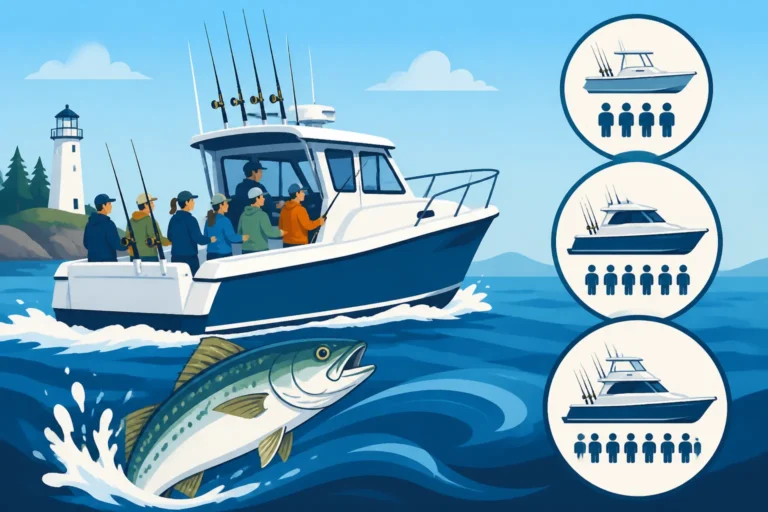
Smaller boats, often 20-25 feet, are great for 1-4 anglers and are typically used for inshore and nearshore trips. They are generally less expensive to operate, maintain, and dock. While they might not have all the creature comforts of larger vessels, they offer a more intimate fishing experience and can often access shallower waters that big boats can't. If you're a small group looking for a focused fishing trip, these boats can provide excellent value. They are common for targeting species like smallmouth bass in lakes like Sebago Lake Smallmouth Bass Fishing in Maine or brook trout in rivers.
Larger Boats: Space, Speed, and Comfort
Larger charter boats, ranging from 30 to 50+ feet, are often sportfishing machines designed for offshore expeditions. They offer more deck space, a more stable ride in choppy waters, and often feature amenities like enclosed cabins, restrooms, and advanced electronics (think powerful fish finders and radar). These boats can accommodate larger groups, making the per-person cost potentially more appealing if you fill the boat. However, their higher purchase price, increased fuel consumption, larger maintenance costs, and more complex electronics naturally mean a higher overall charter fee. If you value comfort, space, and the ability to travel quickly to distant fishing grounds, a larger vessel will be your choice.
Typical Cost Ranges for Maine Fishing Charters
Now that we've broken down why costs vary, let's talk about what kind of numbers you might encounter when booking your adventure. Remember, these are general ranges, and exact prices will always need to be confirmed with the charter operator directly. Using a platform like FishingBooker can help you compare options efficiently.
General Cost Expectations for Inshore vs. Offshore
It’s helpful to think of costs in broad categories based on the type of trip you're planning.
Inshore/Nearshore Half-Day Trips:
For a standard half-day trip targeting striped bass, mackerel, or possibly some smaller groundfish close to shore, you might expect prices to start at a certain baseline and go up from there, depending on the boat and captain. These trips are often excellent for families or first-timers looking to experience the thrill of saltwater fishing without a huge financial commitment. The focus is usually on action and fun, often in the calmer waters of Casco Bay Striped Bass Fishing in Maine or along the immediate coast.
Inshore/Nearshore Full-Day Trips:
Stepping up to a full-day inshore trip means a higher cost, but also more time on the water to explore different spots and target various species. This might involve more intensive Maine Striped Bass Fishing Techniques or even combining different styles of fishing. The extended time allows for more flexibility and a deeper dive into the local fishing grounds.
Offshore/Deep Sea Half-Day Trips:
Even a half-day offshore trip, if available, will likely be priced higher than a full-day inshore excursion due to the fuel costs and specialized equipment involved. These might be geared towards specific species or locations that are just a bit further out.
Offshore/Deep Sea Full-Day Trips:
This is where you'll see the highest prices, reflecting the long distances traveled, heavy fuel consumption, specialized gear, and the expertise required to find and catch big game fish. These are serious trips for serious anglers, often involving techniques like Maine Deep Sea Trolling Techniques in waters far offshore. If your dream is to hook a Bluefin tuna or battle a shark, this is the category you're looking at, and the investment reflects the scale of the adventure.
Here's a simplified table to give you a rough idea of how factors combine:
| Trip Type | Duration | Target Species (Examples) | Group Size (Typical) | Experience Level (Good For) |
|---|---|---|---|---|
| Inshore | Half-Day | Striped Bass, Mackerel | 1-4 people | Beginners, Families |
| Inshore | Full-Day | Striped Bass, Bluefish, Flounder | 1-6 people | Enthusiasts, Deeper Explore |
| Nearshore Groundfish | Half or Full | Cod, Haddock, Pollock | 2-6 people | Meat Fishers, All Levels |
| Offshore (Pelagic) | Full-Day | Tuna, Shark, Mahi-Mahi | 4-6 people | Experienced Anglers, Thrill Seekers |
| **Specialty (e.g., Fly) | Half-Day | Striped Bass (fly) | 1-2 people | Fly Anglers |
Remember, these are categories to help you frame your expectations. Actual costs will fluctuate based on location, reputation of the captain, and specific offerings.
What's Usually Included in the Price?
It's natural to wonder what your hard-earned money is actually covering. Most reputable Maine fishing charters include a solid package of essentials, making your trip as seamless as possible.
Standard Inclusions:
Typically, the quoted price for your charter will include the boat and captain for the agreed-upon duration, all necessary fishing rods and reels, bait (live or artificial, depending on the trip and target species), and terminal tackle like hooks, weights, and leaders. Crucially, your Maine Fishing License Guide requirements are usually handled by the charter, meaning you often won't need to purchase a separate license for saltwater trips as a passenger. However, it's always smart to double-check this when you book. Many captains also provide basic safety equipment like life jackets, which are mandatory.
Beyond the Basics (and What to Confirm):
Some charters go above and beyond, offering things like complimentary bottled water or soft drinks, a cooler with ice for your catch, or even professional fish cleaning and filleting services at the end of the day. For longer trips, especially full-day offshore excursions, it's worth asking if snacks or lunch are provided, or if you should bring your own. If you're planning a multi-day trip, especially in more remote areas like the Allagash Wilderness Waterway Fishing Guide, specialized arrangements for food and lodging will certainly impact the overall cost. Always ask for a clear list of inclusions and exclusions before you commit.
Hidden Costs and What to Expect Beyond the Base Rate
While many things are included, there are often additional expenses that aren't part of the initial quoted price. Being aware of these upfront will prevent any surprises.
Fuel Surcharges:
In times of fluctuating fuel prices, some offshore or deep-sea charters may implement a fuel surcharge. This isn't always built into the initial quote, so it's a good question to ask, especially for longer trips where fuel consumption is significant. The further out you go, the more fuel you burn, and this cost can add up quickly.
Crew Gratuities:
This is perhaps the most significant "hidden" cost, though it's standard practice in the charter fishing industry. Tipping your captain and crew is customary and very much appreciated. A typical gratuity range is between 15-20% of the total charter cost, assuming they provided excellent service and worked hard to put you on fish. It's how many crews make a significant portion of their living, so factor this into your budget.
Fish Processing and Packaging:
While some charters will clean and fillet your fish for free, others might charge a small fee for this service, especially if you have a large haul. If you plan to ship your catch home, there will be additional costs for packaging and shipping materials. Discuss your intentions regarding your catch with the captain beforehand.
Food, Drink, and Personal Items:
Unless explicitly stated, assume you'll need to bring your own food, snacks, and drinks for the day. Sunscreen, hats, appropriate clothing for the weather, and any personal medications are also your responsibility. Don't forget motion sickness medication if you're prone to it, especially for offshore adventures!
Strategies for Finding the Best Value and Booking Your Trip
Now that you have a better grasp of the costs, let's talk about how to navigate the booking process to ensure you get the best value for your Maine fishing adventure.
Researching and Comparing Options
The key to finding a great charter at a price that suits your budget is thorough research. Don't just pick the first one you see!
Online Platforms and Local Listings:
Websites like FishingBooker are excellent resources for comparing different charters in specific Maine locations, like Portland Maine Deep Sea Charters or Boothbay Harbor Fishing Charters. These platforms allow you to filter by location, target species, boat type, and price range. You can also read reviews from other anglers, which can give you invaluable insight into a captain's reputation, the boat's condition, and the overall experience. Don't shy away from checking out individual charter websites as well; many have detailed information about their specific offerings.
Asking the Right Questions:
Once you've narrowed down your choices, don't hesitate to call or email the captains directly. Ask about their experience, what fish they typically target, their catch policies (is it strictly catch-and-release, or can you keep fish?), what's included in the price, and any potential extra fees like fuel surcharges or fish cleaning costs. Inquire about their Maine Fishing License Exemptions for passengers and confirm what you need to bring. A good captain will be happy to answer all your questions thoroughly.
Considering Group Size:
Many charters price their trips for the entire boat, not per person. This means if you can gather a group of friends or family, the per-person cost can become much more affordable. Splitting the cost of a full-day offshore trip among 4-6 people is far more manageable than paying for it yourself. If you're a solo angler or a small party, some charters might offer "open boat" trips where you share the cost with other individuals, but these are less common and usually need to be specifically requested.
Booking Considerations: When and How to Secure Your Spot
Timing and method of booking can make a difference in securing your ideal trip.
Booking in Advance, Especially for Peak Season:
Maine's fishing season, especially for popular species like striped bass or tuna, can be quite short, and the best captains get booked up quickly. If you have specific dates in mind, particularly during summer weekends or holidays, it's highly advisable to book your charter several months in advance. Waiting until the last minute might leave you with fewer options or less desirable times. This is especially true if you're looking for Maine Overnight Guided Fishing Trips or specialized experiences.
Deposit and Cancellation Policies:
Most charters require a deposit to secure your booking. Make sure you understand their cancellation policy. What happens if the weather is bad? Do they offer a full refund, a reschedule, or a credit? Reputable captains prioritize safety and will cancel if conditions are unsafe, but their policies on refunds or rescheduling can vary. Knowing this upfront will prevent potential disappointment or financial loss. Also, clarify if the deposit is refundable if you need to cancel and what the timeframe for such cancellations is.
Tipping and Guide Etiquette
As mentioned, tipping is an important part of the charter experience. It's a way to show appreciation for hard work and a successful (or at least very effort-filled) day on the water.
How Much to Tip:
A general rule of thumb is 15-20% of the total charter cost. If your captain and crew went above and beyond, were incredibly helpful, patient, and worked tirelessly to ensure you had a great time and caught fish, consider tipping at the higher end. If conditions were tough, but they still gave it their all, a generous tip is still warranted. This is separate from any "fish processing" fees they might charge. You can usually hand the tip directly to the captain or first mate at the end of the trip. Understanding Tipping Etiquette for Maine Fishing Guides ensures a good experience for everyone.
Being a Good Client:
Beyond the financial aspect, being a good client goes a long way. Listen to the captain and crew's instructions, especially regarding safety and fishing techniques. Be on time, don't overpack with unnecessary gear, and respect their boat and equipment. A positive attitude, even if the fish aren't biting, will make for a more enjoyable trip for everyone, including the crew. After all, they want you to catch fish just as much as you do!
Disclaimer
This article is for general informational purposes only and does not constitute professional advice. Laws, prices and regulations vary by location and change over time. Consult a qualified professional for guidance on your specific situation.