Can a 16-Year-Old Become a Maine Fishing Guide?
It’s a truly wonderful thing to see young folks in Maine fall in love with fishing, and even more so when that passion sparks a dream of sharing it with others. Many young, enthusiastic anglers, especially those around 16 years old, start wondering if they can turn their deep knowledge of local waters and love for the outdoors into a career as a Maine fishing guide. This guide will explore the realities, regulations, and pathways for ambitious young anglers who aspire to become a Registered Maine Guide.
The Dream of Becoming a Maine Fishing Guide at a Young Age
There’s something magical about growing up with a fishing rod in your hand in Maine. The countless lakes, winding rivers, and stunning coastline offer endless opportunities for adventure, and for many teenagers, this connection to the water runs deep. It's completely natural to start thinking, "Could I actually do this for a living?"
Why Young Anglers Aspire to Guide
For many young Mainers, the pull to become a fishing guide isn't just about making a living; it’s a lifestyle calling. Imagine spending your days on a crystal-clear lake, helping someone catch their first landlocked salmon, or navigating a remote stream to find a hidden brook trout pool. This dream often stems from:
- A Deep-Seated Passion: They live and breathe fishing. It’s not just a hobby; it’s a significant part of who they are. They've spent countless hours studying fish behavior, learning knot after knot, and mastering different casting techniques.
- Intimate Local Knowledge: Many young anglers have grown up exploring specific bodies of water with family and friends, accumulating a wealth of hyper-local knowledge that even seasoned visitors might miss. They know the secret coves, the best times for the smelt run, and where the bass hide when the sun gets high.
- Desire to Share the Experience: There's immense satisfaction in teaching someone else to fish, seeing their excitement when they feel that first tug on the line, or helping them understand the nuances of a particular technique. It's about passing on a legacy and fostering a love for the outdoors.
- A Connection to Nature: Maine's wilderness is captivating. Guiding allows young people to be immersed in this environment daily, fostering a profound respect for conservation and sustainable fishing practices. They often understand, perhaps intuitively, the importance of Catch and Release Best Practices in Maine.
The Allure of Guiding in Maine
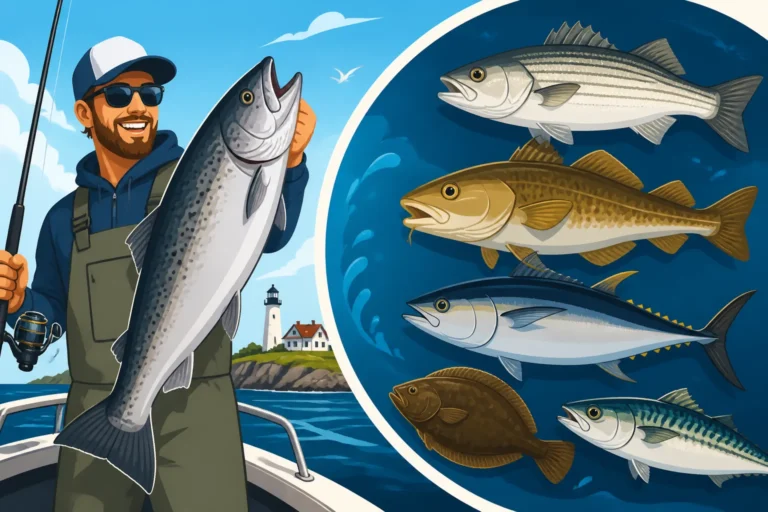
Maine itself is a huge draw. It's renowned for its pristine waters and diverse fisheries, from the wild brook trout of the North Woods to the powerful striped bass along the coast. It’s a place where anglers from all over the world come to experience world-class fishing. This means there's a real demand for knowledgeable, passionate guides. Whether it's guiding on the sprawling waters of Moosehead Lake for togue, navigating the Rangeley Lakes for salmon, or chasing stripers in Casco Bay, the opportunities are vast and varied. Many young anglers have specific waters they feel a special connection to, and the idea of becoming the authority on that particular fishery is incredibly appealing.
Understanding Maine's Official Guide Requirements
Now, let's get down to the brass tacks. While the passion and knowledge of a 16-year-old angler might be undeniable, the state of Maine has very specific, non-negotiable requirements for becoming a Registered Maine Guide. These rules are in place for good reasons: primarily to ensure the safety and positive experience of clients, as well as to maintain the integrity of Maine's guiding industry.
Minimum Age for a Registered Maine Guide
Here’s the straightforward answer to the main question: No, a 16-year-old cannot legally become a fully "Registered Maine Guide." The Maine Department of Inland Fisheries and Wildlife (MDIFW) explicitly states that applicants for a Registered Maine Guide license must be at least 18 years of age.
This age requirement isn't arbitrary. It reflects the significant responsibilities that come with guiding clients, often in remote or potentially hazardous conditions. A guide is responsible not only for helping clients catch fish but also for their safety, navigation, and overall well-being in the outdoors. This demands a level of maturity, judgment, and legal responsibility that the state deems appropriate for adults. Think about it: a guide might need to handle emergencies, navigate complex legal situations regarding licenses and regulations, or make critical decisions that affect the lives of others. These are adult responsibilities.
Other Key Requirements Beyond Age
Beyond the age requirement, there's a comprehensive list of criteria that all aspiring guides must meet. These are designed to ensure competence and safety:
- Residency: You typically need to be a Maine resident. While there are sometimes provisions for non-residents in certain circumstances, for most applicants, establishing residency is a foundational step.
- Experience: This isn't just about having fished a lot. It's about demonstrating a practical understanding of the outdoors, including navigation, survival skills, and a deep knowledge of your chosen guiding specialty (e.g., fishing, hunting, recreational).
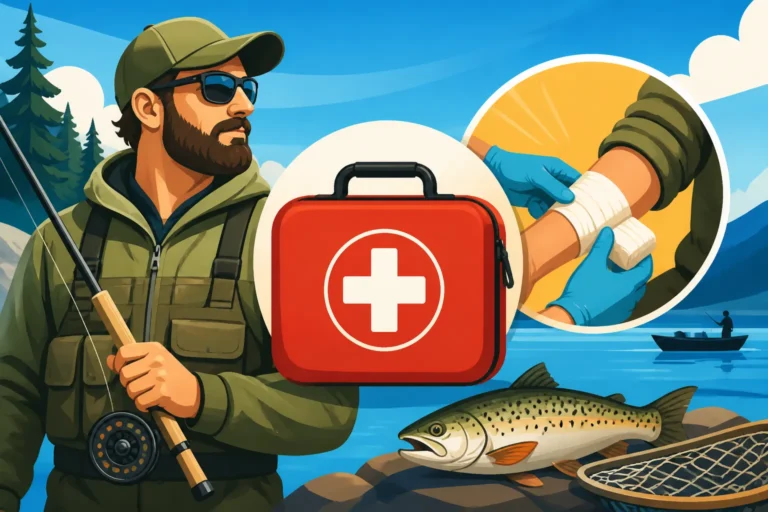
- First Aid and CPR: All guides must hold current certification in First Aid and CPR. This is non-negotiable, as guides are often the first, and sometimes only, responders in an emergency situation in the wilderness. More advanced wilderness first aid certifications are often recommended or even required for specific types of guiding.
- Navigation Skills: Proficient use of maps, compasses, and GPS is essential. Being able to navigate in all conditions, day or night, is a core competency. Getting lost with clients is simply not an option.
- Safety Expertise: This includes boat handling, firearms safety (if applicable to other guiding types, though relevant to safe transport on water), and general outdoor safety protocols.
- Knowledge of Regulations: A guide must have an encyclopedic knowledge of Maine Fishing Regulations Explained, including bag limits, season dates, special regulations for specific waters, and licensing requirements. They are the frontline for ensuring their clients fish legally and ethically.
- The Maine Guide License Exam: This is a comprehensive test that assesses an applicant's knowledge across all these areas. It includes both written and oral components and can be quite challenging. You can learn more about what to expect by looking into Maine Registered Guide License Exam Requirements.
The Importance of the Maine Guide License Exam
The exam isn't just a formality; it's a rigorous test designed to filter out those who aren't fully prepared. The state wants to ensure that every Registered Maine Guide is truly capable of leading clients safely and effectively. The written portion covers everything from knots and fish identification to emergency procedures and relevant laws. The oral exam, often with a panel of experienced guides and wardens, delves deeper into practical scenarios and decision-making.
For a young person, even if they have exceptional fishing skills, the breadth of knowledge required for the exam often takes years of focused study and practical application to master. It's about more than just catching fish; it's about being a leader, a teacher, and a protector in the Maine wilderness.
Pathways for Young Anglers to Gain Experience (Before Age 18)
While an official Registered Maine Guide license might be a couple of years away for a 16-year-old, that doesn't mean their dreams have to be put on hold! In fact, these formative years are the perfect time to build an incredibly strong foundation that will make the path to becoming a guide much smoother once they turn 18.
Junior Maine Guide Program
Maine offers a fantastic opportunity specifically designed for young people interested in outdoor leadership: the Junior Maine Guide Program. This program is an invaluable stepping stone for aspiring guides and a great way to formally recognize and develop outdoor skills.
- What it is: The Junior Maine Guide Program isn't a substitute for the official Registered Maine Guide license, but it's a rigorous, multi-level program that teaches essential outdoor skills, leadership, and ethics. It covers areas like advanced first aid, map and compass navigation, outdoor cooking, wilderness survival, and natural history.
- Benefits: Participating in this program not only hones critical skills but also connects young people with mentors and peers who share their passion. It instills a deep respect for Maine's wilderness and a strong ethical compass – qualities that are absolutely essential for any professional guide. Earning the Junior Maine Guide certification is a mark of significant accomplishment and a clear signal of dedication to future employers or clients.
- How it helps future guides: The skills learned are directly transferable to guiding. Imagine approaching the official guide exam with years of experience in advanced navigation, first aid, and outdoor safety already under your belt from the Junior Maine Guide program. It's a huge advantage! While How to Apply for the Junior Maine Guide Program has its own steps, it often involves courses, practical demonstrations, and written tests tailored to younger participants.
- Connecting to the wider world: For those looking to see how these skills translate into real guiding operations, platforms like FishingBooker can be a great resource. While a 16-year-old can't yet list themselves as a guide, they can browse the profiles of Registered Maine Guides on FishingBooker, see what types of trips are offered, what skills guides highlight, and how they present their services. It’s a way to visualize the end goal and understand the professional landscape.
Volunteering and Apprenticeships
One of the best ways to learn the ropes of guiding is to spend time with those who are already doing it successfully. Experience is hands down the best teacher when it comes to the nuances of leading a trip, managing clients, and adapting to unforeseen circumstances.
- Working with established guides: Many Registered Maine Guides are open to having enthusiastic young people shadow them, help with chores, or serve as an unofficial "assistant" on trips (within legal boundaries, of course, as the client's safety remains solely with the licensed guide). This could involve helping rig rods, baiting hooks, preparing shore lunches, or assisting with boat maintenance. It’s a chance to see firsthand how a professional guide operates, handles different client personalities, and manages challenging situations. These experiences are invaluable for understanding the subtle art of guiding that no textbook can teach.
- Conservation groups and outdoor organizations: Volunteering with local conservation organizations or state agencies like the MDIFW can also provide fantastic exposure. This might involve habitat restoration projects, fish stocking efforts, or assisting with outdoor education programs. These roles build a broader understanding of ecological systems, wildlife management, and the importance of stewardship, all crucial aspects of responsible guiding.
Developing Essential Skills and Knowledge
Even without an official license, there's a huge amount a 16-year-old can do to prepare. Consider these areas of focus:
- Mastering Navigation: Practice with a map and compass until it's second nature. Explore new areas and deliberately challenge yourself to navigate without relying solely on a phone GPS. Understanding contour lines, declination, and triangulation are crucial skills.
- Advanced First Aid: Take a Wilderness First Aid or Wilderness First Responder course if available. These go beyond basic first aid and are specifically designed for situations where medical help isn't readily accessible.
- Species Identification and Biology: Go beyond just knowing the names of fish. Learn about their life cycles, preferred habitats, spawning behaviors, and diets. Understand the difference between Landlocked Salmon vs Atlantic Salmon Differences and how local conditions impact various species. This knowledge will set you apart as an expert.
- Local Regulations Deep Dive: Get a copy of the current Maine Fishing Law Book and read it cover-to-cover, repeatedly. Understand the nuances of Maine North Zone vs South Zone Fishing Rules, specific lake regulations, and the rationale behind certain rules. This isn't just about avoiding fines, it's about being able to confidently advise clients.
- Boat Handling and Safety: If you're passionate about water-based guiding, get formal boat safety certification. Practice docking, navigating in various conditions, and understanding boat maintenance. Safety on the water is paramount.
By actively pursuing these experiences and knowledge areas, a 16-year-old will be exceptionally well-prepared to pass the guide exam and embark on a successful guiding career the moment they turn 18.
Building a Foundation for a Guiding Career
The path to becoming a Registered Maine Guide is about more than just meeting age requirements and passing an exam; it’s about cultivating a deep well of knowledge, an unwavering commitment to safety, and a genuine ability to connect with people. For a 16-year-old aspiring guide, these foundational elements can be developed long before they can legally hang their shingle.
Mastering Local Waters and Fish Species
True mastery of local waters goes beyond knowing where the fish are. It’s an intimate understanding of the ecosystem.
- Hyper-Local Knowledge: This means knowing a specific lake or river like the back of your hand. Where are the shoals, the deep drop-offs, the submerged structures? What are the prevailing winds and how do they affect fish behavior and boat handling? When does the Maine Smelt Run Timing happen in that particular system, and how does it influence predator fish? This kind of granular knowledge comes from spending countless hours on the water, observing, experimenting, and even making mistakes. For example, knowing the best depth for togue on Moosehead Lake in summer, or where the Smallmouth Bass Spots Near Sheep Island on Sebago Lake are, is critical.
- Understanding Fish Behavior: It's about knowing why fish are in certain places at certain times. How do changes in weather, water temperature, or barometric pressure affect their feeding patterns? What baits and lures are most effective under different conditions? This also involves understanding the specific characteristics of different species, like the fighting prowess of a Landlocked Salmon Fishing in Maine compared to the steady pull of a Togue Minimum Length Limit in Maine. The more you observe and analyze, the more intuitive this becomes.
The Role of Safety and Responsibility
Safety is, without question, the number one priority for any guide. A client’s life could depend on a guide’s judgment and preparedness.
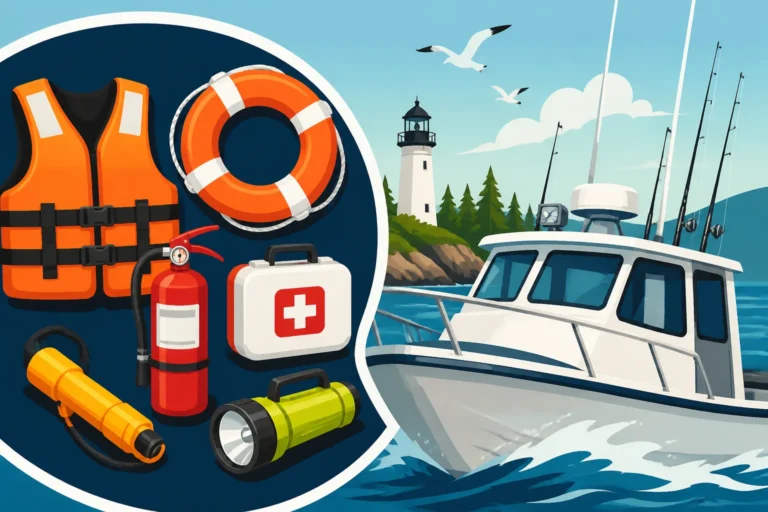
- Emergency Preparedness: This involves knowing how to handle everything from a minor cut to a severe medical emergency, capsized boat, or getting lost in thick fog. It means having a well-stocked first aid kit, emergency communication devices, and a clear action plan for various scenarios. It’s also about prevention – assessing risks before they become problems. Understanding Early Ice Safety Tips for Maine Anglers is just as important as knowing how to navigate choppy water in summer.
- Client Management and Communication: A guide isn’t just a fishing expert; they’re also a host and a leader. This involves effective communication, understanding client expectations, managing group dynamics, and ensuring everyone feels comfortable and safe. It’s about being patient, encouraging, and attentive to their needs throughout the trip.
- Ethical Guiding Practices: This includes strict adherence to all Maine Fishing Laws for Beginners, promoting conservation, ensuring fish are handled carefully for catch and release, and never putting profit before ethical conduct. A good guide practices Leave No Trace principles and instills them in their clients.
Networking and Mentorship Opportunities
No one becomes an expert in a vacuum. The Maine guiding community is tight-knit, and there's a wealth of knowledge to be gained from experienced professionals.
- Connecting with Seasoned Guides: Actively seek out Registered Maine Guides in your area. Offer to help them, volunteer your time, or simply ask questions. Many experienced guides are happy to share their wisdom with respectful, enthusiastic young people. This could lead to invaluable mentorships, where you learn not just fishing techniques, but also the business side of guiding, client relations, and professional ethics. You might learn about Tipping Etiquette for Maine Fishing Guides or What Makes a Good Maine Fishing Guide directly from the source.
- Industry Events and Workshops: Attend local fishing expos, guide meet-ups, or workshops on specific fishing techniques or outdoor skills. These are great opportunities to network, learn about new gear, and stay current on trends and regulations.
- Online Resources: Even at 16, you can engage with the guiding community online. While not a substitute for in-person interaction, forums and groups dedicated to Maine fishing and guiding can offer insights and connections. Websites like FishingBooker, though primarily for booking, allow you to read guide bios and reviews, giving you a sense of what clients value in a guide.
By focusing on these pillars, a young angler can build an incredibly robust foundation, transforming their passion into a true calling and preparing them to excel once they meet the official age requirements.
Navigating the Maine Guide Application Process
Once a young, aspiring guide turns 18 and has diligently built up their skills and experience, the official application process for becoming a Registered Maine Guide awaits. It might seem daunting, but it's a structured path designed to ensure all guides meet the high standards of the state.
Step-by-Step Overview of Application
While specific forms and procedures can change, the general steps to becoming a Registered Maine Guide typically follow this sequence:
- Meet the Minimum Requirements: First and foremost, you must be 18 years old and a Maine resident (or meet specific non-resident criteria if applicable).
- Gain Experience: As discussed, this involves years of hands-on outdoor experience in your chosen specialty (e.g., fishing, hunting, recreational). The more diverse and extensive your experience, the better.
- Obtain Certifications: Secure current First Aid and CPR certifications. Consider advanced wilderness certifications if you plan to guide in remote areas.
- Complete the Application: Fill out the official application form provided by the Maine Department of Inland Fisheries and Wildlife (MDIFW). This form will require details about your experience, your chosen guiding specialty, and personal references.
- Pay Application Fees: There are fees associated with the application and examination process.
- Schedule and Pass the Exam: Once your application is reviewed and approved, you’ll be invited to take the Registered Maine Guide examination. This is the biggest hurdle for many.
- Background Check: The state will conduct a background check as part of the licensing process.
- Receive Your License: Upon successfully passing the exam and clearing all checks, you'll be issued your official Registered Maine Guide license!
The entire process, from submitting the application to receiving the license, can take several weeks or even months, depending on exam schedules and processing times. Patience and thorough preparation are key.
Preparing for the Written and Oral Exams
The Maine Guide exam is comprehensive and requires significant preparation. It's not something you can cram for overnight, but rather a culmination of years of learning and experience.
- Study the Manuals: The MDIFW provides study materials and recommended readings that cover all the topics tested. These typically include regulations, first aid, navigation, trip planning, and specific knowledge related to your guiding specialty. Devour these materials.
- Practice Navigation: Master map and compass skills. Be able to read topographical maps, plot courses, and determine your location accurately without electronic devices. Practice orienteering in various terrains and conditions.
- Review Regulations: Thoroughly understand all Maine Fishing Regulations Explained, including general laws and specific rules for different waters or species. Know your bag limits, legal methods, and season dates cold. Be able to explain why certain regulations exist.
- Scenario-Based Thinking: The oral exam often involves scenario questions. Think critically about how you would handle emergencies (e.g., a hypothermic client, a lost person, a boat breakdown), challenging clients, or ethical dilemmas. Practice articulating your thought process clearly and confidently.
- Hands-On Practice: Don't just read about it; do it. Practice your knots, demonstrate proper fish handling, build fires, and set up camp. Show, don't just tell, that you have the practical skills.
- Mentorship Benefits: If you've been working with a mentor, they can offer invaluable advice on exam preparation, specific areas to focus on, and even conduct mock oral exams to help you get comfortable with the format. This is where the long-term investment in gaining experience with established guides truly pays off.
Passing the exam is a proud moment and officially marks your entry into the esteemed ranks of Registered Maine Guides.
Table: Junior Maine Guide vs. Registered Maine Guide (Fishing)
To help clarify the distinctions, here's a comparison of the Junior Maine Guide Program and the requirements for a full Registered Maine Guide license, specifically for the fishing specialty:
| Feature | Junior Maine Guide Program | Registered Maine Guide (Fishing) |
|---|---|---|
| Minimum Age | Typically 10-17 years old (specifics vary by program) | 18 years old |
| Residency Requirement | Usually a Maine resident (or participant in approved programs) | Maine resident (some exceptions may apply) |
| Purpose | Develop outdoor skills, leadership, and wilderness ethics | Professional licensing to guide paying clients in Maine |
| Legal Authority | No legal authority to guide paying clients | Legally authorized to guide paying clients |
| Key Skills Covered | First aid, navigation, survival, outdoor cooking, natural history | All Junior Guide skills, plus client management, advanced safety, deep regulatory knowledge, business ethics |
| Certifications | May earn various skill badges or certifications within program | Current First Aid/CPR, passed MDIFW Guide Exam |
| Exam | Program-specific tests and practical demonstrations | Rigorous MDIFW Written and Oral Examination |
| Renewal | Program completion (typically a one-time achievement) | Annual renewal required |
| Financial Benefit | None (often a cost for program participation) | Potential to earn income from guiding services |
This table clearly illustrates that while the Junior Maine Guide program is an excellent preparatory step, it is distinct from and does not confer the legal authority of a Registered Maine Guide.
Disclaimer
This article is for general informational purposes only and does not constitute professional advice. Laws, prices and regulations vary by location and change over time. Consult a qualified professional for guidance on your specific situation.